Best Lures for Sturgeon on the Fraser River
It's incredibly frustrating to invest your precious time and effort on the mighty Fraser River, hoping to connect with one of its legendary white sturgeon, only to have your bait sit untouched while others around you seem to be reeling them in. You hear whispers about "the right lure," but what does that even mean when you're targeting a prehistoric bottom-feeder? This guide is going to strip away the guesswork, diving deep into the most effective "lures"—which, for sturgeon, almost always means natural baits—to help you significantly increase your chances of landing one of these magnificent giants.
Understanding Fraser River Sturgeon Feeding Habits
Before we even talk about what to put on your hook, it's crucial to understand why certain baits work better than others. Sturgeon aren't like salmon, chasing flashy spoons or darting flies. They are ancient predators with incredibly refined senses perfectly adapted to their river environment. Getting inside their "heads" (or, more accurately, their highly sensitive snouts) is the first step to consistent success.
The Bottom Feeder's Diet: What They Naturally Eat
White sturgeon in the Fraser River are opportunistic bottom feeders, meaning they'll pretty much eat anything nutritious they can find down there. Their natural diet is diverse, shifting with the seasons and the availability of prey. Key natural food sources include eulachon, a small, oily smelt that provides a huge caloric punch, and various species of salmon eggs. When salmon runs are thick, a sturgeon's stomach can be packed full of roe. They also feast on lamprey, various types of coarse fish like pike minnows and suckers, and even freshwater shrimp and insect larvae.
This natural menu is your biggest clue. If a bait mimics something they actively seek out and consume in the wild, you’re already a huge step ahead. Think about it: during the massive sockeye runs, the riverbed can be littered with millions of eggs. A sturgeon cruising the bottom isn't going to pass up an easy meal. Likewise, when the eulachon return, these fish become a primary food source, offering a rich, oily scent trail that sturgeon can't resist. Understanding these patterns is key to choosing your bait. You can read more about what white sturgeon eat in the Fraser River to get a deeper insight into their dietary preferences throughout the year.
Scent vs. Sight: Why Smell is King for Sturgeon
Unlike many predatory fish that rely heavily on sight to ambush their prey, sturgeon are different. The Fraser River can often be murky, especially during freshet or heavy rains, making visual cues less reliable. Instead, sturgeon possess an incredibly developed sense of smell and touch, aided by their distinctive barbels located near their mouths. These barbels are packed with chemoreceptors, allowing them to detect the faintest scent trails and vibrations in the water, even in near-zero visibility.
This means that while a vibrant color might catch a human eye, for a sturgeon, it's the smell and texture that truly matters. A powerful, oily scent trail drifting downstream is far more effective at attracting a sturgeon from a distance than any visual presentation. They'll follow that scent, using their barbels to locate the source, often vacuuming it up from the riverbed. This is why fresh, potent baits are so critical. Stale bait loses its effectiveness rapidly, as the powerful scent disperses and weakens. When considering Best bait for sturgeon on the Fraser River options, always prioritize scent.
The Dominant Baits for Fraser River Sturgeon
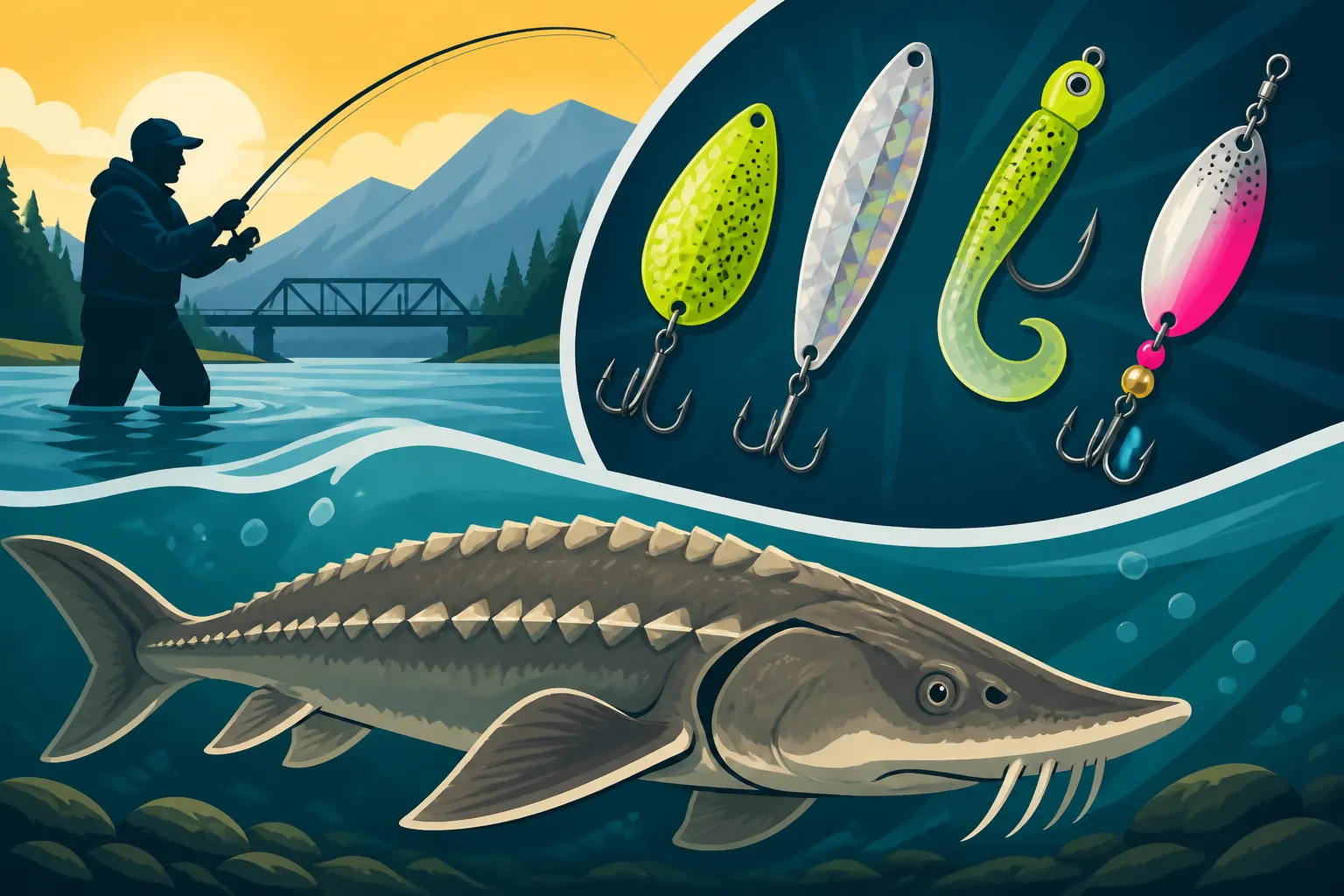
When anglers talk about "lures" for sturgeon, they're almost universally referring to natural baits. While some experimental anglers might use large soft plastics infused with scent, the undeniable truth on the Fraser River is that natural, high-scent baits consistently outperform artificial options. Let's delve into the heavy hitters that veteran anglers swear by.
Roe and Eggs: The Perennial Favorite
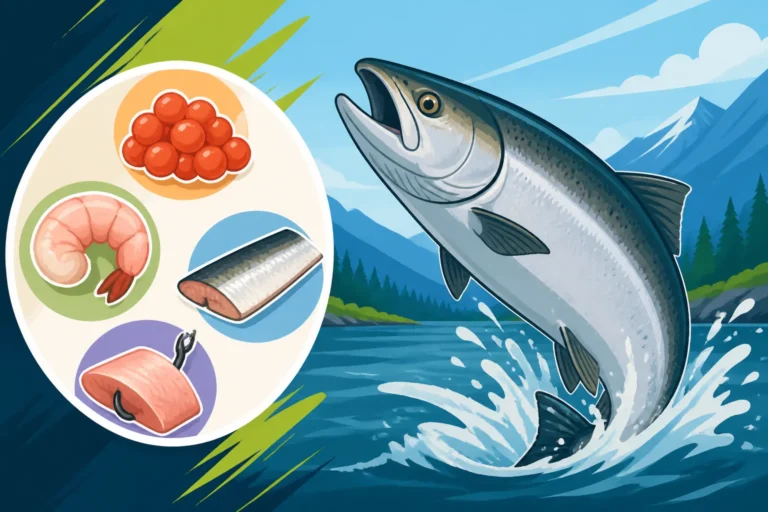
Salmon roe, particularly from species like chum, sockeye, or even spring Chinook when available, is a powerhouse bait for Fraser River sturgeon. This makes perfect sense, given that sturgeon are accustomed to gorging on salmon eggs during spawning seasons. Roe offers an incredibly rich, natural scent profile that sturgeon find irresistible.
You'll typically use roe in one of two ways: either as loose eggs presented in a small mesh bag (often called a "roe bag") or as larger, more durable skeins that are cut into chunks. Roe bags are excellent for their scent dispersion, slowly leaching out a tantalizing aroma. The key is to use a fine mesh that protects the eggs from current but allows the scent to escape. When rigging, ensure your hook is buried within the bag or chunk, with the point exposed but covered by the bait. These bags can be secured with elastic thread for durability. You can find specialized roe nets and elastic thread on online retailers like Amazon, making it easy to prepare your own. The downside is that roe can be delicate and easily stripped by smaller fish or strong currents, requiring frequent checking and re-baiting.
Eulachon: The Historical Powerhouse
If there's one bait that Fraser River sturgeon can't get enough of, it's the eulachon. These small, oily smelt are a primary, natural food source for sturgeon, especially during their spring migration up the Fraser. Eulachon are packed with natural oils and possess an incredibly potent, fishy scent that sturgeon can detect from a significant distance. When eulachon are running, sturgeon often key in almost exclusively on them, making them the ultimate "match the hatch" bait.
Eulachon can be fished whole or cut into chunks, depending on their size and the desired scent release. A whole eulachon, especially a fresh one, makes a substantial, oily offering that can attract larger sturgeon. Cut chunks expose more surface area, releasing an even stronger scent trail, which can be particularly effective in stained or fast-moving water. The natural oils slowly leach out, creating an irresistible plume that sturgeon follow. The main challenge with eulachon is their availability; they are a seasonal offering, and commercial harvesting is tightly regulated. When available, fresh is always best, but frozen eulachon, properly thawed and handled, remains a top-tier bait. For more on Best bait for sturgeon on the Fraser River, eulachon are often at the top of the list.
Lamprey and Coarse Fish: Robust and Reliable Options
Beyond roe and eulachon, other natural baits prove highly effective, especially when you need something more durable or when eulachon and fresh roe are scarce. Lamprey, particularly the Pacific lamprey, are another natural food source for Fraser River sturgeon. These eel-like fish offer a tough, robust bait that can withstand strong currents and the attention of smaller "bait stealers" much better than roe. Their blood and natural fluids provide a good scent profile that sturgeon readily identify as food.
Lamprey can be cut into thick, roughly 2-3 inch chunks, with the hook threaded through the toughest part of the meat to ensure it stays on. Similarly, other coarse fish found in the Fraser system, such as pike minnows, suckers, or even small shiners, can be cut into steak-like pieces or fillets to present to sturgeon. These baits also offer good durability and a natural scent. While perhaps not as universally attractive as fresh eulachon, they are reliable alternatives, especially for anglers looking for a bait that can stay on the hook longer, allowing for less frequent checks of the line. The availability of these baits can vary, and sometimes sourcing them requires a trip to a specialized bait shop.
Presenting Your Bait: Essential Rigs and Techniques
Having the best bait in the world won't do you much good if it's not presented correctly. Sturgeon are found on the riverbed, often in deep holes or along structure, so getting your bait down to them and keeping it there in a natural way is paramount. This isn't finesse fishing; it's about robust gear and thoughtful presentation.
The Sliding Sinker Rig: Standard for Bottom Fishing
The workhorse rig for Fraser River sturgeon fishing is undoubtedly the sliding sinker rig, sometimes referred to as a Carolina rig with a longer leader. This setup is designed to keep your bait anchored to the bottom while allowing the sturgeon to pick it up without feeling the weight of your sinker. The beauty of this rig lies in its simplicity and effectiveness.
Here's how it generally works: Your main line (typically heavy braided line) runs through a large, heavy sinker (often 8 to 20 ounces, or even more in strong currents, to hold bottom). Below the sinker, a heavy-duty barrel swivel is tied to the main line, acting as a stopper for the sinker. From the other end of the swivel, a robust leader (often 100-200 lb monofilament or fluorocarbon) is tied, typically 18 to 36 inches long, ending in a strong, barbless circle hook (size 10/0 to 14/0 is common). The sinker slides freely on the main line above the swivel, allowing the sturgeon to mouth the bait and swim off a short distance without immediately feeling the heavy lead weight, which could make them drop the bait. This design provides a more natural presentation and leads to better hook-ups. For a comprehensive guide on Best rig for bottom fishing for sturgeon, this setup is universally recommended.
Bait Presentation Tips: Keeping it Natural and Accessible
Even with the right rig, the way you actually put the bait on the hook and present it matters immensely. Sturgeon are cautious feeders, despite their size. They'll often "test" the bait first, mouthing it gently before fully committing.
Firstly, always use fresh bait. A fresh piece of eulachon or a vibrant roe bag will have a much stronger and more appealing scent profile than something that's been sitting out too long. The more natural the scent, the better. Secondly, ensure your hook point is exposed or can easily be exposed once the sturgeon takes the bait. While you want to cover the hook shank within the bait, a buried point can lead to missed hooksets. Many anglers prefer circle hooks because they are designed to hook in the corner of the fish's mouth as it swims away, reducing gut hooks and making catch and release much safer. Finally, consider using some form of buoyancy if the current is sweeping your bait too hard into the bottom muck. A small foam float inserted into a bait chunk or a buoyant bead on your leader can slightly lift your bait off the riverbed, making it more visible (to barbels) and accessible to the sturgeon. This slightly elevated presentation allows the scent to disperse more effectively into the water column.
Sourcing and Preparing Your Sturgeon Baits
It's one thing to know what baits work, but another to actually get your hands on them and keep them in prime condition. Poorly sourced or stored bait can significantly reduce your chances of success, turning a promising day into a frustrating one.
Where to Find Quality Sturgeon Bait
Sourcing quality sturgeon bait requires a bit of local knowledge and preparation. Your first stop should always be a reputable local tackle shop in towns near the Fraser River, such as Chilliwack, Mission, or Pitt Meadows. These shops often carry the freshest and most appropriate baits for the local conditions, including frozen eulachon, various salmon roes, and sometimes even lamprey. They often have relationships with local suppliers and can offer valuable, up-to-date advice on what's currently working.
For specific components like specialized bait hooks, swivels, heavy leader material, or even roe mesh, online retailers like Amazon can be a convenient option, especially for bulk purchases or hard-to-find items. However, for the perishable baits themselves, in-person purchase is usually best to ensure freshness. Be aware that the availability of certain baits, like eulachon, is seasonal and heavily dependent on specific fishing regulations and runs. When these are in season, they are a hot commodity. If you're planning a trip, it's wise to call ahead to your chosen tackle shop to check bait availability.
Bait Preservation and Storage
Proper bait preservation and storage are critical to maintaining its potency and appeal. Freshness equals scent, and scent equals bites. If you're using fresh eulachon or roe, plan to use it as quickly as possible. Keep it in a cooler on ice, out of direct sunlight, to slow degradation.
For longer-term storage, freezing is the most common method. When freezing eulachon or chunks of fish, vacuum sealing is ideal as it prevents freezer burn and locks in the natural oils and scents. If vacuum sealing isn't an option, use heavy-duty freezer bags, squeezing out as much air as possible before sealing. Label and date your bags. Roe can also be brined before freezing, a process that slightly toughens the eggs and enhances their scent. When thawing, do it slowly in the refrigerator to maintain texture and minimize the loss of natural juices. Never thaw bait in hot water or in direct sunlight, as this degrades it rapidly. The better you preserve your bait, the longer it will retain its critical scent profile, giving you a distinct advantage on the water.
Advanced Considerations for Maximizing Success
Beyond the basics of bait selection and rigging, there are always those little extra steps that can make a big difference, especially on challenging days or when targeting the truly massive Fraser River sturgeon.
Scent Enhancement: Boosting Your Bait's Appeal
Even the freshest bait can get a boost! Scent enhancers are a secret weapon for many seasoned sturgeon anglers. These products are designed to either intensify the natural scent of your bait or add an additional layer of attraction. Commercial scent sprays and dips, often made with concentrated fish oils, anise, or other potent aromas, can be applied directly to your bait just before casting. Brands like Pro-Cure or Atlas Mike's are popular choices, offering a variety of scents like "anchovy," "garlic," or "roe" that can be layered onto your primary bait.
Alternatively, some anglers make their own concoctions, soaking bait in sardine or herring oil, often mixed with a bit of garlic or even a touch of concentrated Kool-Aid for a different profile. The goal is to create an even stronger, longer-lasting scent trail that travels further downstream, drawing in sturgeon from greater distances. This can be particularly effective in high, murky water where visual cues are nonexistent, and sturgeon are relying almost entirely on their sense of smell. Remember, you want to attract them, not repel them, so don't overdo it with artificial, chemical-smelling products. Natural oils are generally preferred.
Matching Bait to Conditions: Water Flow and Clarity
The Fraser River is a dynamic system, and conditions can change rapidly. What works perfectly on a calm, clear day might be completely ineffective during a roaring freshet. Adapting your bait choice and presentation to the prevailing water flow and clarity is a mark of an experienced angler.
In high, murky water with strong currents, scent is king. This is the time to deploy larger, oilier baits like whole eulachon or substantial chunks of coarse fish, perhaps enhanced with extra scent. Their robust nature helps them stay on the hook longer, and their powerful scent trail can cut through the turbidity. Conversely, in low, clear water conditions, sturgeon can be more wary. Here, a slightly smaller, more natural presentation might be better. Roe bags, which can appear more subtle, or smaller, clean-cut chunks of eulachon might be more appealing. You might also need to adjust your leader length, opting for a longer one (up to 36 inches or more) to provide a more natural drift away from your heavy sinker, ensuring your bait looks less tethered. Understanding How to read structure for sturgeon on the Fraser also helps in placing your bait precisely in varying conditions.
Understanding BC Fraser River Sturgeon Catch and Release Requirement
Finally, as you pursue these incredible fish, it's absolutely vital to remember your responsibility as an angler. White sturgeon in the Fraser River are a protected species, and there is a strict BC Fraser River Sturgeon Catch and Release Requirement. This means that every single sturgeon caught must be released unharmed. There are specific rules regarding barbless hooks, proper handling techniques, and keeping the fish in the water.
Never, under any circumstances, remove a sturgeon from the water. Their massive bodies are not supported by their skeletal structure out of water, and even a short period of being lifted can cause severe internal injuries. Always have a large, wet mat or tarp ready beside the boat or on the shore for measuring and quick photos while the fish remains partially submerged. Take care to minimize fighting time, revive the fish thoroughly before release, and ensure it swims off strongly. Respecting these ancient giants and adhering to conservation practices ensures that future generations of anglers can also experience the thrill of connecting with a Fraser River sturgeon.
Comparative Baits for Fraser River Sturgeon
To help you make an informed decision on the river, here's a quick comparison of some of the most effective baits for Fraser River sturgeon.
| Bait Type | Primary Appeal | Durability in Current | Scent Strength | Best Use Case | General Availability | Notes |
|---|---|---|---|---|---|---|
| Salmon Roe | Natural food source, slow scent release | Low to Medium | High | All-around, especially during salmon runs | Varies seasonally, often at tackle shops | Can be easily stripped; use in mesh bags for best results. |
| Eulachon | Natural, extremely oily, high caloric value | Medium | Very High | Peak effectiveness during eulachon runs, murky water | Seasonal and regulated; check local shops | Top-tier choice; fresh is best, frozen works well. |
| Lamprey | Natural, robust, good blood scent | High | Medium-High | Strong currents, when durability is key | Less common; some specialized shops | Resists small bait fish; good for larger sturgeon. |
| Pike Minnow/Sucker Chunks | Natural, durable, general fish scent | High | Medium | Tough conditions, bait-stealer prevalent | Can be caught or bought locally | Excellent alternative when other baits are scarce or conditions are harsh. |
| Sardine/Herring | Oily, strong general fish scent | Medium | High | Boosts other baits, good general attraction | Widely available (fresh or frozen) | Often used as a supplement or when other natural baits are unavailable. |
Disclaimer
The information provided in this guide is for general informational purposes only and is not intended as legal advice regarding fishing regulations. Fishing regulations, season dates, and specific requirements for species like Fraser River sturgeon are subject to change by Fisheries and Oceans Canada (DFO) and the Province of British Columbia. It is the angler's sole responsibility to consult the most current official BC Fishing Regulations Synopsis and any in-season DFO Fishery Notices before heading out on the water. Non-compliance with regulations can result in significant fines and penalties. Always prioritize safe and responsible angling practices.