Best fishing spots on the Cowichan River
The Cowichan River is often whispered about with a reverence usually reserved for hallowed cathedrals of fishing. But let's be real, turning that whispered legend into a successful fishing trip can feel like trying to solve a cryptic puzzle without all the pieces. You've heard the stories of trophy trout and chrome-bright salmon, yet standing on the bank, you might wonder where to even begin. This guide is here to unravel the mystery, providing you with the definitive roadmap to the best fishing spots on the Cowichan River, ensuring your next outing is less guesswork and more epic angling.
The Legendary Cowichan River Fishery
Imagine a river so pristine, so rich in biodiversity, that it's been nominated for UNESCO World Heritage status. That's the Cowichan River for you – a true gem on Vancouver Island, carving its way from Cowichan Lake to the Pacific Ocean at Cowichan Bay. This isn't just any waterway; it’s a designated Canadian Heritage River, recognized for its exceptional natural, cultural, and recreational values. For anglers, this means a vibrant, dynamic system that offers world-class opportunities year-round, from delicate fly-fishing for resident trout to battling powerful anadromous salmon and steelhead.
A Natural Wonder with Abundant Life
The Cowichan River truly is a marvel of nature, flowing through ancient forests and past rolling hills, its waters crystal clear for much of the year. This clarity, combined with an abundant insect life and varied riverbed structure, creates a perfect habitat for a diverse range of fish. What makes the Cowichan so special isn't just the sheer number of fish, but the health and size of its resident and migratory populations. It’s a place where you can genuinely feel connected to the wild, far from the hustle and bustle, even when you're just a short drive from charming communities. Many anglers who have fished rivers across British Columbia and beyond consider the Cowichan among their absolute favorites, returning year after year to chase its legendary inhabitants.
Key Species and Seasonal Highlights
One of the Cowichan River's greatest strengths is its incredible diversity of fish species, offering something for every type of angler throughout the year.
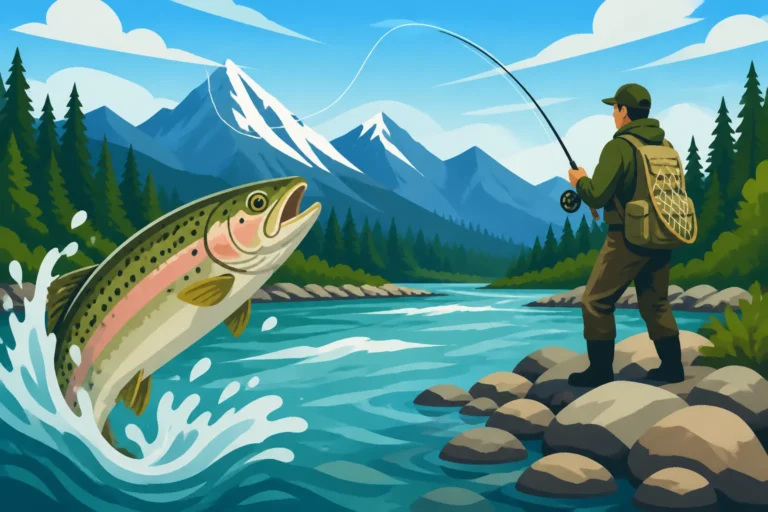
- Resident Trout: The river is home to robust populations of wild Coastal Cutthroat Trout, Rainbow Trout, and hefty Brown Trout. These fish are present year-round, providing consistent action, especially for fly anglers. The Brown Trout, in particular, are known for reaching impressive sizes, often requiring careful presentation and a bit of stealth.
- Steelhead: Winter Steelhead runs are legendary on the Cowichan, drawing anglers from all over for a chance at these powerful, acrobatic fish. The BC Steelhead Season Dates are eagerly anticipated by many, and the Cowichan is often at the top of their list. These sea-run rainbows provide an unparalleled fight, especially when hooked on lighter gear.
- Pacific Salmon: The Cowichan sees strong runs of various Pacific Salmon species.
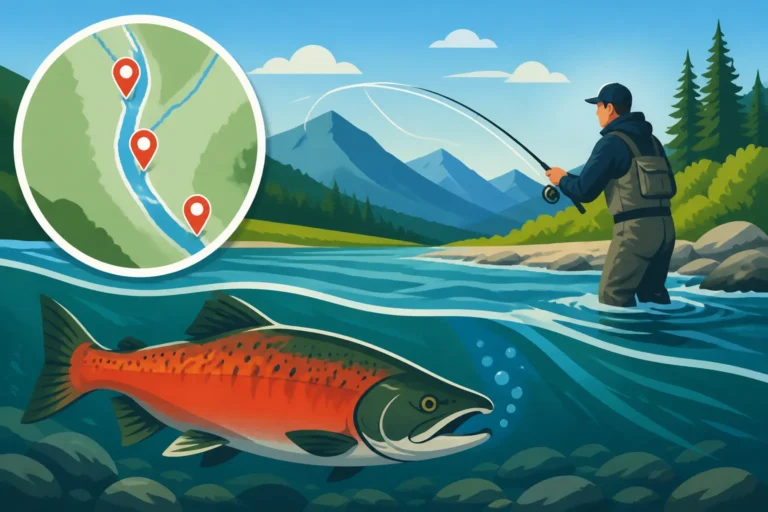
- Chinook Salmon: Known as King Salmon, these are the largest and arguably the most prized, with early runs in late summer and strong pushes in the fall. Many anglers specifically target these giants, and understanding Chinook Salmon Fishing in BC techniques is key.
- Coho Salmon: Silver Salmon, these aggressive fighters arrive in late summer and fall, offering fantastic sport on lighter tackle. They are notorious for their acrobatic jumps and spirited runs. You can find more details on Coho Salmon Fishing in BC.
- Chum Salmon: While perhaps not as renowned for their table fare, Chum provide an incredibly powerful fight and are a blast to catch in the fall, particularly on fly gear or heavy lures.
- Pink Salmon: These smallest salmon arrive in massive numbers during odd-numbered years, offering fast and furious action, especially for beginners or those looking for non-stop bites.
Each season brings its own unique opportunities, from delicate dry fly fishing in summer to brutal battles with winter steelhead. Knowing when to target which species is crucial, and that's where local knowledge and resources like Best Time of Year to Fish in BC come into play.
Navigating the Prime Fishing Zones
The Cowichan River, with its significant length and varied topography, can be broadly divided into three main zones, each offering distinct fishing experiences and targeting different species. Understanding these sections is crucial for maximizing your success and making the most of your time on the water.
Upper River: Fly Fishing and Trout Heaven
This section of the river originates from Cowichan Lake and extends downstream towards the community of Lake Cowichan and beyond, often encompassing the designated "fly-fishing only" waters. This stretch is renowned for its pristine conditions, clear water, and exceptional resident trout fishing.
If you're a passionate fly angler, the upper Cowichan is your paradise. The water here is typically cooler and more consistent, providing a stable environment for aquatic insects. You'll find long, smooth runs, riffles, and deep pools that are perfect for sight-fishing for feeding trout. Many local fly fishermen spend their days here, patiently casting dry flies during hatches or nymphing the deeper pockets. Access points around the town of Lake Cowichan itself, as well as several provincial parks like Gordon Bay Provincial Park, offer opportunities for wading into the river. Be mindful of private property, as much of the riverside land is privately owned. It's often best to seek out marked public access points or consider hiring a local guide who knows the intricate network of trails and entry points. This area is particularly productive for wild Rainbow Trout and Coastal Cutthroat, with the chance of hooking into a large Brown Trout that might just test your leader to its limits.
Middle River: Steelhead and Salmon Migration Corridors
As the Cowichan River continues its journey downstream, typically from the vicinity of Skutz Falls down to the outskirts of Duncan, the character of the river changes. This middle section becomes wider, deeper in places, and features more substantial runs and pools, making it a critical migration corridor for anadromous fish.
Skutz Falls is a significant natural barrier for fish, and the waters below it are prime real estate for staging salmon and steelhead. This area, sometimes affectionately called "Steelhead Alley," sees intense activity during the winter steelhead runs. Anglers here often employ float-fishing techniques, drift fishing, or casting spoons and spinners. The runs are longer, the currents are stronger, and the fish, when hooked, fight with incredible power. Access to the middle river can be a mix of roadside pull-offs and designated parks. Look for areas around the Trans-Canada Highway where the river meanders nearby. Boating, particularly drift boating, becomes a popular option in this section, allowing anglers to cover more water and access otherwise unreachable spots. If you're planning a trip and prefer a guided experience, especially for steelhead, this is where you’ll find many excellent guides. Websites like FishingBooker often list local Cowichan River guides specializing in these powerful fish, offering a fantastic way to learn the nuances of this challenging section.
Lower River: Tidal Influence and Major Salmon Runs
The lowest stretch of the Cowichan River, from Duncan down to its mouth at Cowichan Bay, is heavily influenced by the tides of the Pacific Ocean. Here, the river widens considerably, becoming slower and deeper, and its banks are often lined with marshy estuaries and salt-tolerant vegetation.
This section is particularly productive during the peak salmon runs in late summer and fall. As Chinook, Coho, and Chum salmon enter the river system from the saltwater, they often hold in the lower reaches, adapting to the freshwater environment before continuing their upstream migration. The tidal influence means that fish movements can be dictated by the ebb and flow, with incoming tides often bringing fresh fish into the system. Fishing here often involves anchoring a boat and casting into deeper channels or trolling slowly near the river mouth. Shore access can be more challenging due to private land and marshy banks, but there are some public access points around Cowichan Bay and designated parks. For those seeking the thrill of a big Chinook or a fighting Coho, this lower section can be incredibly rewarding. If you're looking for a guided trip that specifically targets these robust salmon, checking FishingBooker for charters operating out of Cowichan Bay or nearby towns is a smart move, as they can navigate these waters with expertise.
Essential Techniques and Local Insights
Fishing the Cowichan River effectively means understanding not just where to fish, but how to fish its diverse waters and temperamental species. The river demands a certain respect and adaptability, as conditions can change rapidly, and fish behavior is often dictated by water levels, clarity, and time of year.
Mastering Fly Fishing and Gear Selection
For many, fly fishing on the Cowichan is the quintessential experience, particularly for its abundant trout and the challenging pursuit of steelhead.
When targeting the resident Rainbow, Cutthroat, and Brown Trout in the upper and middle sections, a 4-weight or 5-weight fly rod is generally sufficient. These lighter rods allow for delicate presentations with smaller dry flies when fish are rising to hatches, or for nymphing techniques with strike indicators in the deeper runs. Popular fly patterns include standard dries like Parachute Adams, Elk Hair Caddis, and various mayfly imitations, while nymphs such as Prince Nymphs, Hare's Ear, and stonefly patterns are effective subsurface. For the larger Brown Trout, swinging streamers can also be incredibly productive, especially during low light conditions or after a rain.
Steelhead, however, require a more robust setup. A 7-weight or 8-weight single-hand rod, or perhaps even a spey or switch rod for covering more water with less effort, is recommended. These powerful fish demand strong leaders and tippets, often in the 10-15 lb range. Popular fly patterns for steelhead include traditional Marabou or Intruder-style flies, often in vibrant colours like pink, orange, or chartreuse. Understanding How to Catch Steelhead in BC involves learning to read the water for holding lies and perfecting your casting to present your fly naturally in the current. Whether you're swinging flies or nymphing, patience and persistence are key. For salmon, especially Coho and Chum, a 7-weight to 9-weight rod can be used, often with larger, flashier flies or even small patterns that imitate baitfish. You might want to explore various Salmon Fishing Techniques for BC Rivers to match the conditions and species.
Bait and Lure Fishing Strategies
While fly fishing holds a special place, bait and lure fishing are incredibly effective, especially for the larger salmon and steelhead in the middle and lower river sections. This is where you can often make contact with the biggest fish.
For Chinook and Coho salmon, a medium-heavy spinning or baitcasting rod, typically 9 to 11 feet in length, paired with a reel spooled with 20-30 lb braided line and a fluorocarbon leader, is a good starting point. Spoons like the Gibbs-Delta Koho or Croc spoons, in sizes ranging from 1/2 to 1 oz, are highly effective, especially in silver, brass, or vibrant colours like green or blue. Spinners, such as those from Blue Fox or Mepps, can also entice aggressive salmon. When targeting deeper pools or heavier currents, drift fishing with roe (where permitted) or larger jigs can be very productive. Remember to check regulations regarding bait use, as some sections or seasons may have restrictions.
For winter steelhead in the middle river, float fishing with jigs, small spoons, or cured roe is a popular and effective method. The key is to achieve a natural, drag-free drift that presents your offering directly to the fish. A long, sensitive float rod (10-13 feet) helps manage your line and cushion the powerful runs of a steelhead. For Chum salmon, which are incredibly strong, larger spoons, highly visible flies, or even bright pink or green jigs can trigger a strike. It's crucial to always practice ethical angling, especially when using bait, ensuring minimal stress on the fish and proper catch and release techniques when necessary.
Best Times and Conditions
Timing truly is everything on the Cowichan. While resident trout provide year-round action, the anadromous runs are seasonal.
Winter (November to March) is primetime for Steelhead. Cold, clear water after a rain often signals a fresh push of fish. Spring (April to June) sees good resident trout fishing, especially as insect hatches become more prolific. Early summer (July) can still offer decent trout fishing, but the main event shifts towards the salmon as fall approaches. Late summer and fall (August to November) are the peak seasons for Salmon, with Chinook starting in late summer, followed by Coho, Chum, and Pink (on odd years). Always monitor river conditions – water levels, clarity, and temperature – as these dramatically influence fish behavior. High, murky water after heavy rains can make fishing challenging, while low, clear water demands a more stealthy approach. Local fishing reports and the BC government's streamflow data are invaluable resources.
Navigating Regulations and Access
Fishing the Cowichan River, like any prime angling destination in British Columbia, requires a thorough understanding of the local regulations and a commitment to responsible access. Ignoring these can lead to fines, conservation issues, and even the closure of valuable fishing areas.
Licensing and Conservation
First and foremost, you absolutely need a valid fishing license. For freshwater fishing on the Cowichan, you'll require a British Columbia Fishing License Guide for 2026 specifically for freshwater. If you plan to target salmon in the tidal portion of the river (the very lower section) or retain salmon anywhere, you’ll also need a Tidal Waters Fishing License and the associated BC Salmon Conservation Stamp Rules. These regulations are in place to manage the fishery sustainably and ensure these precious resources remain for future generations. It’s important to understand the difference between a BC Freshwater vs Tidal Waters License, Explained to ensure you're compliant no matter where you cast your line.
Beyond the basic license, pay close attention to the specific regulations for the Cowichan River itself. Many rivers in BC have unique rules, and the Cowichan is no exception. For instance, sections of the upper river are designated "fly-fishing only," meaning bait and lures are prohibited. There are also specific gear restrictions, such as single barbless hooks, which are mandatory for salmon and steelhead. Bag and possession limits vary by species and season, and certain areas might have catch-and-release only rules or even BC Chinook Salmon Non-Retention Areas at specific times to protect vulnerable stocks. Always consult the official Freshwater Fishing Synopsis (available online and at license vendors) or the DFO Pacific Region Fishery Notices before heading out. Websites like FishingBooker, while primarily for booking, often have guides who are well-versed in current regulations and can provide invaluable, up-to-date advice.
Respecting the River and Its Surroundings
Access to many prime fishing spots on the Cowichan River requires navigating a mosaic of public and private land. While there are designated public access points, boat launches, and parks, a significant portion of the riverbanks runs through private property. It is your responsibility to know where you are and to respect private landowners' rights. Trespassing not only creates friction but can lead to access points being permanently closed to anglers. Always look for signage, use marked trails, and when in doubt, choose another spot.
Furthermore, practicing "Leave No Trace" principles is paramount on such a sensitive river. Pack out everything you pack in, and perhaps even a little extra litter you find. Avoid trampling riparian vegetation, and be mindful of spawning areas, especially during sensitive times of year. The Cowichan Valley is also home to several Indigenous communities, and it's essential to respect their cultural heritage and traditional territories. A healthy relationship between anglers, landowners, and local communities ensures continued access and the long-term health of this incredible fishery. Many guides, often found through services like FishingBooker, can offer local perspectives and insights on responsible angling and community relations.
Cowichan River Fishing Overview
To help you visualize your next trip, here’s a quick overview of what you can expect on the Cowichan River:
| Species | Peak Season | Typical Location | Preferred Gear/Method | Notes |
|---|---|---|---|---|
| Rainbow/Cutthroat Trout | Year-round (Spring-Fall best) | Upper & Middle River | Fly Fishing (Dries, Nymphs), Light Spinners | Resident fish, delicate presentation often key |
| Brown Trout | Year-round (Fall-Spring best) | Upper & Middle River | Fly Fishing (Streamers, Nymphs), Spinners | Can grow very large, more elusive |
| Steelhead | Winter (Dec-Apr) | Middle River | Float Fishing, Fly Fishing (Spey) | Powerful fight, challenging pursuit |
| Chinook Salmon | Late Summer – Fall (Aug-Oct) | Middle & Lower River | Bar Fishing, Trolling, Heavy Spinners | Trophy size potential, strong fighters |
| Coho Salmon | Fall (Sept-Nov) | Middle & Lower River | Fly Fishing (Streamers), Spinners, Jigs | Acrobatic, aggressive, excellent table fare |
| Chum Salmon | Fall (Oct-Nov) | Middle & Lower River | Large Flies, Spinners, Jigs | Incredibly powerful, abundant runs |
| Pink Salmon | Fall (Odd Years, Sept-Oct) | Middle & Lower River | Small Flies, Spinners, Jigs | Fast action, great for beginners |
Disclaimer
Fishing involves inherent risks, and conditions on the Cowichan River can change rapidly. Always prioritize your safety, be aware of water levels and currents, and wear appropriate safety gear, especially if boating or wading. Adhere strictly to all fishing regulations and obtain the necessary licenses before fishing. This guide is for informational purposes only and should not replace official government regulations or professional advice.