Best burbot lakes in northern BC
For many anglers, the thought of landing a unique, delicious fish like burbot in the wild, rugged expanses of northern British Columbia is a true adventure. However, finding these elusive, deepwater dwellers requires knowing where to look and understanding their habits, which can be a real challenge in such vast and remote territory. This guide is here to shed some light on the best burbot lakes in northern BC, helping you navigate the incredible fishing opportunities this region offers for these often-underestimated fish.
Understanding Burbot and Their Northern BC Habitat
Burbot, often lovingly referred to as the "poor man's lobster" due to their firm, flaky, and delicious white meat, are a fascinating and somewhat enigmatic fish. Unlike most freshwater fish, they are the only freshwater member of the cod family, making them truly unique. Targeting them in the vast, pristine waters of northern British Columbia offers an experience unlike any other, appealing to anglers seeking both a challenge and a rewarding culinary experience.
What Makes Burbot Unique?
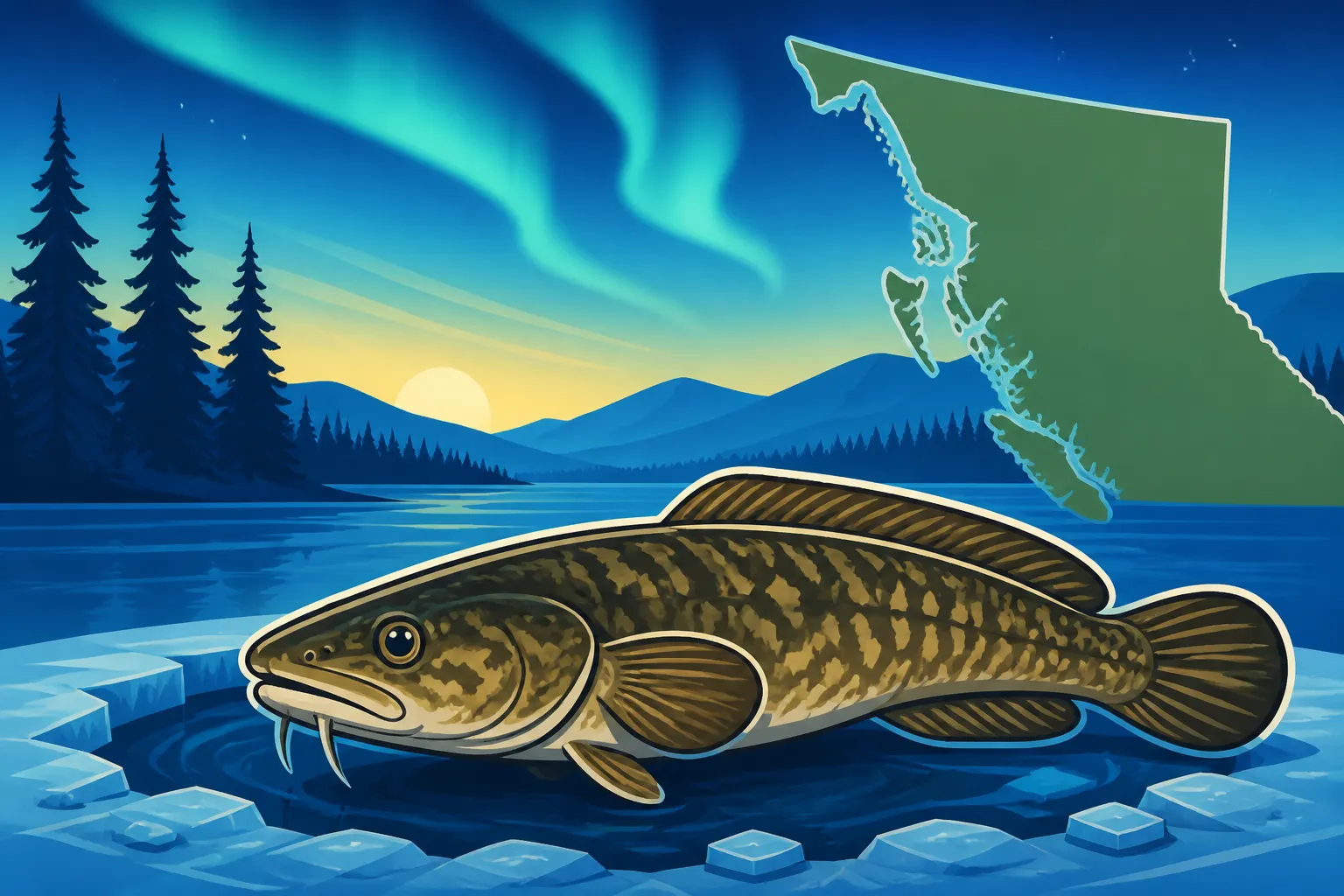
Burbot ( Lota lota ) are easily recognizable by their elongated, eel-like bodies, a single barbel on their chin, and a distinctive mottled brown and yellow coloration that helps them camouflage against the lakebed. They thrive in cold, deep, oxygen-rich waters, which is exactly why northern BC provides such an ideal environment for them. These nocturnal predators spend their days resting near the bottom, often in rocky crevices, under logs, or within dense weed beds. As dusk settles, they become active, hunting for smaller fish, insects, and crustaceans. Their preference for low light conditions means that serious burbot anglers often find their greatest success after sundown or during the depths of winter. They aren't the most glamorous looking fish, perhaps, but their tenacious fight and incredible taste certainly make up for their somewhat unusual appearance.
Ideal Burbot Habitat in Northern BC Lakes
When you're searching for burbot, you're essentially looking for cold, deep, clear water with plenty of structure. In northern BC's expansive lakes, this means focusing on areas with steep drop-offs, underwater ledges, rocky reefs, submerged timber, and deep points. These features provide burbot with both shelter from predators and ambush points for their prey. Think of those deep pockets and sudden changes in depth where lake trout might lurk; burbot often aren't far behind. They prefer soft, mucky bottoms for foraging but will retreat to hard structure for safety. During the day, they might be found as deep as 100 feet or more, but as night falls, they'll often move into shallower areas, sometimes as little as 10-30 feet, to hunt. Understanding these depth preferences throughout the day and night is crucial for successful burbot fishing, especially when exploring the immense lakes of the northern interior.
Why Northern BC is Prime Burbot Territory
Northern British Columbia stands out as a premier destination for burbot fishing for several compelling reasons. Firstly, the sheer number of large, deep, cold-water lakes in the region provides ideal, untouched habitat for these fish to thrive. Many of these lakes are remote, experiencing significantly less fishing pressure than more accessible waters further south. This reduced pressure often translates to healthier fish populations and a greater chance of encountering trophy-sized burbot. Secondly, the long, cold winters in northern BC create perfect conditions for ice fishing, which is arguably the most popular and productive method for targeting burbot. The ice provides easy access to vast stretches of lake that are otherwise difficult to reach, allowing anglers to position themselves directly over deep structure. The pristine nature of the region, combined with the abundance of suitable habitat, makes northern BC a true burbot haven, offering a wild and rewarding angling experience.
Top Burbot Lakes in Northern British Columbia
Northern British Columbia boasts an incredible array of lakes, many of which hold robust populations of burbot. While many smaller, unnamed lakes undoubtedly hold these elusive fish, some larger, more well-known bodies of water consistently produce excellent results for burbot anglers. These lakes offer a mix of accessibility and remote wilderness, catering to different adventure styles.
Williston Lake and Its Tributaries
Williston Lake, one of the largest reservoirs in British Columbia, is a colossal body of water formed by the W.A.C. Bennett Dam on the Peace River. Its sheer size and depth provide an immense amount of prime burbot habitat. With countless bays, deep channels, and submerged timber from its creation, Williston Lake offers a lifetime of exploration for burbot. Access can be challenging, with many areas only reachable by boat, float plane, or snowmobile in winter. Anglers often focus on the deeper sections near the old river channels or where tributaries like the Finlay and Parsnip Rivers enter the lake. The areas around Hudson's Hope and the Peace Reach are particularly noted for good burbot fishing, especially during the winter ice fishing season. Given its vastness, a good depth finder and GPS are essential tools for navigating Williston Lake Fishing Guide and pinpointing productive spots. The burbot here can grow to impressive sizes, offering a substantial fight on the line.
Babine Lake and its Hidden Depths
Babine Lake, nestled in the heart of northern BC, is another phenomenal destination for burbot. As British Columbia's longest natural lake, stretching over 170 kilometers, it offers incredible deepwater habitat, perfect for these cold-loving fish. Babine is particularly renowned for its anadromous sockeye salmon runs, but beneath the surface, a thriving population of burbot exists, often overlooked by those focused on salmon and trout. The deep, clear waters and abundant forage base contribute to healthy, large burbot. Anglers targeting burbot here often look for deep shelves, drop-offs, and areas with rocky bottoms. Access points like Smithers Landing or Granisle provide starting points for exploration. Winter ice fishing on Babine Lake is very popular, with many local anglers heading out to target burbot during the colder months when the fish are more active and accessible through the ice. A detailed Babine Lake Fishing Guide will help you uncover some of its deeper secrets.
Stuart Lake and the Prince George Region
Stuart Lake, near the community of Fort St. James, is a significant lake in the Prince George region and a great choice for burbot fishing, offering a bit more accessibility than some of the more remote northern giants. This large lake is known for its deep, cold waters and diverse fish populations, including strong numbers of burbot. Anglers often find success focusing on the deeper sections, particularly near points, islands, and where feeder creeks enter the lake. The area around Fort St. James provides amenities and easier access, making it a good base for a burbot fishing trip. Like many northern lakes, winter ice fishing is a prime time for burbot on Stuart Lake, as they are actively feeding. The burbot from Stuart Lake are known for their quality, providing excellent table fare. Exploring the various bays and depths around the lake, especially at night, can yield rewarding catches. Find more information in a comprehensive Stuart Lake Fishing Guide.
Other Promising Lakes and Regional Hotspots
Beyond these major lakes, northern BC is dotted with numerous other bodies of water that offer excellent burbot fishing. Quesnel Lake, for instance, is another deep and vast lake in the Cariboo region, renowned for its incredible depths and trophy lake trout, but also holding significant burbot populations. The deep trenches and submerged structure here are ideal. Similarly, Fraser Lake, located west of Vanderhoof, is a large, productive lake that is more accessible and known for its ice fishing opportunities for burbot and other species. Further north, smaller, more remote lakes like Tezzeron Lake and numerous lakes within the Omineca and Skeena regions also hold burbot, often with less fishing pressure, offering a true wilderness experience. These lakes often require more self-sufficiency and planning, but the rewards can be substantial, with pristine waters and robust fish populations. Always consult How to check BC fishery notices before a trip before heading out, as conditions and regulations can change.
Essential Techniques for Northern BC Burbot
Burbot fishing requires a specific approach, primarily because of their nocturnal and deep-water habits. Success often hinges on understanding their behavior and employing the right gear and techniques for the conditions. Whether you're dropping a line through the ice or fishing from a boat in the dead of night, patience and persistence are key.
Best Baits and Rigs for Deepwater Burbot
When it comes to bait for burbot, scent is absolutely paramount. These fish rely heavily on their sense of smell to locate food in the dark, deep environments they inhabit. The hands-down favorite bait is fresh, oily cut bait. Pieces of whitefish, herring, or even a small dead whole minnow or smelt are incredibly effective. Some anglers even use pieces of internal organs, like liver, for their strong scent. For artificials, glow jigs are a game-changer. Burbot are attracted to light in the depths, and a glowing jig tipped with a piece of cut bait creates an irresistible combination of visual appeal and scent.
The rigging itself is typically a simple bottom rig. A heavy lead weight (often 1-3 ounces, depending on depth and current) is used to get the bait down quickly to the lakebed. Above the weight, a snelled hook (size 1/0 to 3/0, or even larger for trophy fish) is tied to a dropper line, usually 6-12 inches off the bottom. Some anglers use a two-hook rig, spaced a foot or so apart, to increase their chances. Using a strong leader, usually 15-30 lb fluorocarbon, is recommended, as burbot have sharp teeth and can be surprisingly feisty. Make sure your knot strength is excellent because a large burbot can put up a significant fight, especially in cold water.
Prime Times and Seasonal Considerations
Burbot are primarily nocturnal feeders, meaning the best time to target them is from dusk until dawn. This is especially true during open water seasons. However, the true "prime time" for burbot in northern BC is often during the winter ice fishing season. As the lakes freeze over, burbot become incredibly active under the ice, often moving into shallower feeding grounds, making them more accessible. Their spawning period typically occurs in late winter, often January through March, when they become highly concentrated and aggressive, making it an excellent time to target them.
During open water months, night fishing from a boat is the most productive method. Using powerful lights to illuminate your fishing area can also help, as it attracts baitfish, which in turn attract burbot. Always be aware of the weather and ice conditions; fishing at night or on the ice requires extra safety precautions. Winter is by far the most popular time for burbot, with dedicated anglers setting up heated ice shacks for overnight sessions, making the most of the consistent action.
Gear and Safety for Remote Northern Waters
Fishing for burbot in northern BC's remote lakes, especially during winter, demands robust gear and a strong emphasis on safety. For rods, a medium-heavy to heavy action rod, around 6-7 feet long, is ideal. This provides the backbone needed to handle heavy weights and powerful fish from deep water. Pair this with a reliable baitcasting or large spinning reel spooled with 30-50 lb braided line, which offers sensitivity and strength, crucial for feeling subtle bites in the depths.
Safety cannot be overstated when venturing into northern BC's wilderness. If ice fishing, always check ice thickness thoroughly. A minimum of 4 inches of clear, solid ice is generally recommended for walking, but much more is needed for snowmobiles or vehicles. Always go with a buddy, carry ice picks, a spud bar, and tell someone your plans. For boat fishing, especially at night, ensure your vessel is equipped with all necessary safety gear, including navigation lights, a first-aid kit, communication devices, and sufficient Life Jacket Requirements for BC Boaters for everyone on board. The weather can change rapidly in northern BC, so pack layers of warm, waterproof clothing, even in summer, and be prepared for self-rescue or emergency situations. Always be aware of the BC fishing without a license penalty and ensure you have all your proper documentation.
Planning Your Northern BC Burbot Adventure
A successful burbot fishing trip to northern BC requires careful planning, especially due to the region's vastness and often remote nature. From understanding access routes to navigating regulations, a little homework goes a long way in ensuring a memorable and fruitful experience.
Access and Logistics for Remote Lakes
Getting to some of the best burbot lakes in northern BC can be an adventure in itself. Many locations, particularly around Williston Lake or the more northern reaches of Babine, require significant travel on gravel roads, or even remote trails. For truly remote lakes, float planes are a popular option, offering unparalleled access to untouched waters. If driving, ensure your vehicle is in excellent condition, with good tires, a full spare, and extra fuel. Cell service can be spotty or non-existent, so satellite communication devices are a wise investment.
Accommodations vary widely, from established lodges and campgrounds to rustic cabins or even wilderness camping. Some communities like Fort St. James or Smithers offer more amenities, while others are truly off the beaten path. Always book accommodations well in advance, especially during peak seasons. When considering a guided trip, which is highly recommended for first-timers in remote areas, platforms like FishingBooker can be an invaluable resource. They connect anglers with local guides who possess intimate knowledge of the best fishing spots and the logistics required for a successful trip, simplifying the planning process for these remote destinations. Remember, a good plan accounts for unexpected delays and challenges, so building in some flexibility is always a good idea.
Regulations and Conservation for Burbot
Before you cast a line, it's absolutely crucial to understand the local fishing regulations. British Columbia has specific rules for burbot, including daily bag and possession limits, which can vary by region and even by specific lake. For example, some lakes might have stricter limits or even catch-and-release only rules if burbot populations are under particular stress. Always consult the official Freshwater Fishing Regulations Synopsis for the most up-to-date information, which is available online or at most tackle shops. Knowing your BC Bag and Possession Limits by Species for burbot and other fish is non-negotiable.
You'll also need a valid BC freshwater fishing license. The cost and type of license depend on your residency status – whether you're a BC resident, a non-resident Canadian, or an international visitor. Make sure to get the correct license for the waters you plan to fish; understanding the difference between a BC Freshwater vs Tidal Waters License, Explained is crucial, as burbot are strictly freshwater species. Adhering to these rules is not only a legal requirement but also a critical part of responsible angling and ensuring healthy fish populations for future generations. For comprehensive details, check out the British Columbia Fishing License Guide for 2026.
Connecting with Local Expertise
When tackling vast and complex lakes like those in northern BC, local knowledge can make all the difference between a frustrating trip and a fantastic one. Local tackle shops are often a treasure trove of information, offering insights into current conditions, productive spots, and successful baits. Don't be shy about striking up conversations with locals; they're often keen to share tips and stories.
Hiring a local fishing guide is arguably the best way to maximize your success, especially if you're unfamiliar with the area or new to burbot fishing. A good guide will not only put you on fish but also ensure your safety, provide specialized gear, and teach you the nuances of burbot behavior in their specific waters. For instance, a guide on Babine Lake might know exactly which deep structure is holding fish based on recent patterns, or a guide on Williston Lake might have access to remote areas that would be challenging for a solo angler. Services like FishingBooker are excellent for finding reputable guides in regions like northern BC. By leveraging local expertise, you can transform your burbot fishing trip from a hopeful venture into a highly successful and deeply educational adventure, significantly enhancing your chances of reeling in some of that "poor man's lobster." They can provide invaluable real-time advice on everything from BC burbot limit to the best glowing jigs for a particular night.
| Lake Name | Primary Access Point(s) | Typical Burbot Size | Best Season | Key Features for Burbot |
|---|---|---|---|---|
| Williston Lake | Hudson's Hope, Mackenzie | Large (3-10 lbs+) | Winter (Ice Fishing) | Immense depth, submerged timber, old river channels |
| Babine Lake | Smithers Landing, Granisle | Large (3-8 lbs+) | Winter (Ice Fishing) | Longest natural lake, deep clear water, abundant forage |
| Stuart Lake | Fort St. James | Medium to Large (2-7 lbs) | Winter (Ice Fishing), Night (Open Water) | Good accessibility, deep points, varied structure |
| Quesnel Lake | Likely, Horsefly | Large (4-12 lbs+) | Winter (Ice Fishing) | Very deep, clear water, renowned for trophy fish |
| Fraser Lake | Fraser Lake townsite | Medium (1-5 lbs) | Winter (Ice Fishing) | More accessible, active ice fishery |
Disclaimer
The information provided in this guide is for general informational purposes only and is subject to change. Anglers are responsible for consulting the most current British Columbia fishing regulations, licensing requirements, and local advisories before engaging in any fishing activities. Safety should always be your top priority, especially when fishing in remote or challenging conditions.