Best year-round trout fishing in BC
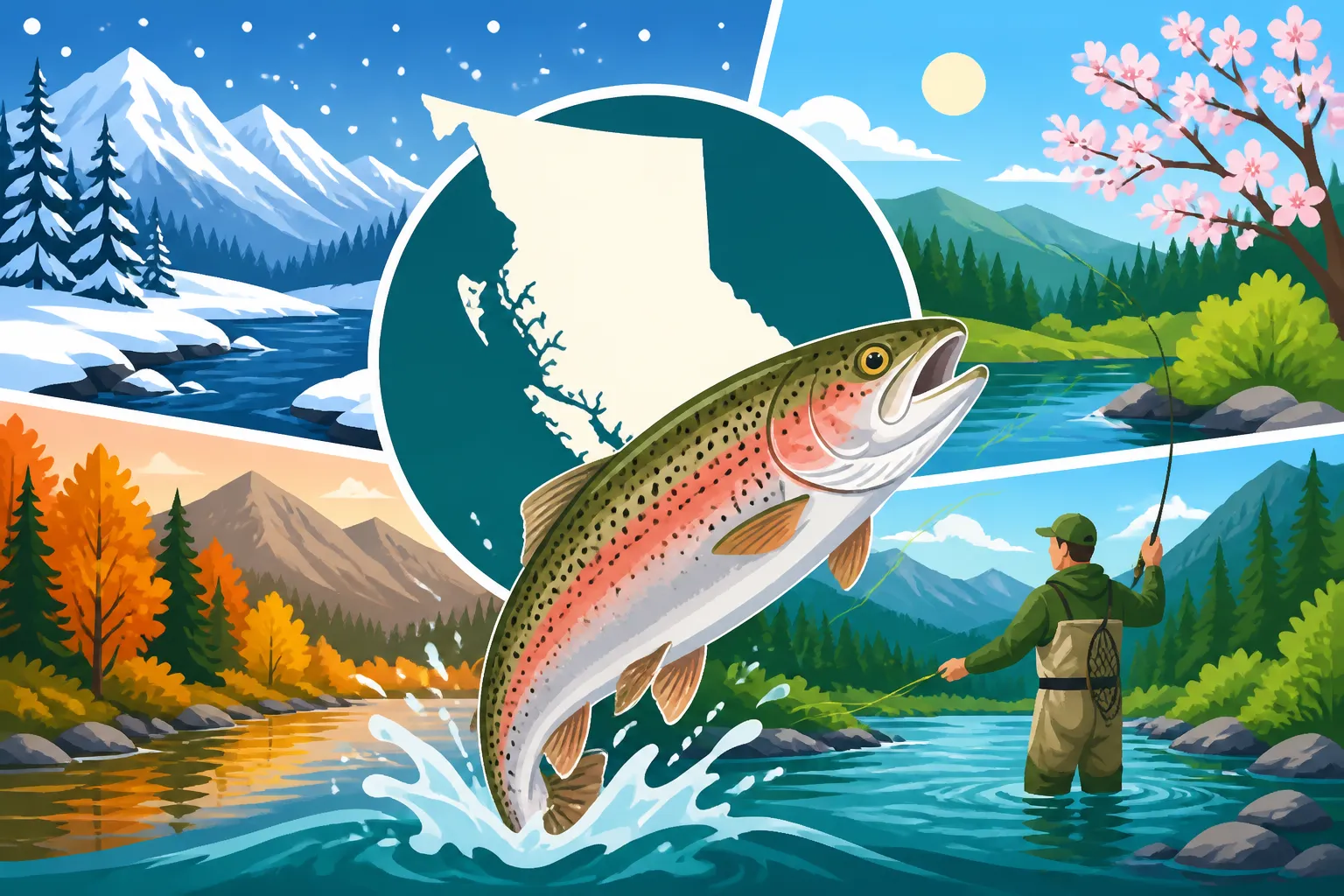
There’s nothing quite like the feeling of bending a rod to a strong trout, but for many anglers, the dream of year-round fishing feels like just that – a dream. We often resign ourselves to the idea that certain seasons are "off-limits," especially when the chill sets in. If you've ever felt that frustration, thinking your favorite fishing holes are only good for a few months a year, then you're in the right place. British Columbia, with its incredible diversity of waters and robust trout populations, actually offers some fantastic opportunities for year-round trout fishing. This guide will dive deep into where and how you can keep your lines wet and your spirits high, no matter what the calendar says.
Understanding BC's Trout Species for Year-Round Opportunities
British Columbia is a true angler's paradise, home to a remarkable array of trout species that, with a little know-how, can provide action throughout all four seasons. It’s not just about one type of trout; it’s about understanding the specific habits and preferred habitats of each species, and how they react to the changing temperatures and conditions that define BC's diverse climate zones.
Coastal Cutthroat and Rainbow Trout Resilience
When we talk about year-round trout fishing on the coast, we're often looking at the incredible resilience of coastal cutthroat trout and resident rainbow trout. These fish are absolute survivors, adapting to everything from icy winter flows to warm summer afternoons.
Coastal cutthroat, particularly, are fantastic targets because they inhabit both freshwater rivers and streams, and also venture into brackish estuaries and even saltwater for feeding. This makes them accessible in areas like the lower reaches of the Squamish River, the Cowichan River on Vancouver Island, or countless smaller coastal creeks that might not freeze solid even in the coldest snaps. During the cooler months, these fish often hold in deeper pools or slower runs, conserving energy and picking off opportunistic meals. You might find them tucked behind structure or in areas with consistent water flow. Their willingness to bite a variety of presentations, from small flies to spinners and spoons, makes them a reliable catch.
Resident rainbow trout, distinct from their anadromous steelhead cousins, also offer great year-round opportunities in many coastal streams and rivers. While the major Steelhead Season Dates attract a lot of attention, these smaller, resident rainbows are always present. Their activity levels might slow down in winter, but they don't disappear. Instead, they become more concentrated, often feeding on nymphs and small sculpins. In spring and fall, as insect hatches become more prolific, their activity ramps up considerably. They are less prone to the massive migrations of steelhead, sticking to their home stretches of river and adapting to local food sources. This localized behavior means that if you find a good stretch of river with resident rainbows, it often remains a productive spot for much of the year, provided you adjust your tactics to the conditions.
Interior Lake Trout and Their Seasonal Habits
Moving into BC's vast interior, the landscape of year-round trout fishing shifts from flowing rivers to the deep, cold waters of its numerous lakes. Here, species like the iconic Kamloops rainbow trout, bull trout, and true lake trout (char) take center stage. These larger, often deeper bodies of water offer a completely different set of challenges and rewards.
Many of BC's larger interior lakes, such as Okanagan Lake, Kootenay Lake, and Shuswap Lake, are simply too massive and deep to freeze over entirely, especially in their central sections. While shorelines might skim over with ice in colder winters, the vast majority of the lake remains open, providing continuous habitat for these fish.
Lake trout, in particular, are built for cold, deep water. They thrive in oxygen-rich depths, often moving vertically through the water column depending on baitfish concentrations and water temperature. Even under ice, they remain active, making them a prime target for ice fishing where conditions allow, but also for deep trolling or jigging from a boat on open water during winter.
Bull trout, often found in the same systems as lake trout, are aggressive predators that follow their food source. If a lake holds kokanee or other baitfish, you can bet bull trout are there, actively hunting, even in the dead of winter. The famous Gerrard Rainbow Trout of Kootenay Lake are another example of a species that thrives in these deep, cold environments. These behemoths are known for their massive size and are a testament to the productivity of BC's interior lakes. You'll find them active throughout the year, especially if you can locate their forage.
The key to year-round success in these interior lakes lies in understanding the vertical migration of the fish and the thermal stratification of the water. In summer, trout might retreat to cooler, deeper waters, while in spring and fall, they often move shallower. Even in winter, the deeper parts of these lakes maintain a stable temperature, offering a consistent environment for these cold-water species. This means that while the specific depth and presentation might change with the seasons, the fish themselves are always there, actively feeding.
Prime Year-Round Trout Fishing Locations in British Columbia
Knowing which trout to target is one thing, but knowing where to reliably find them year-round is the true secret. British Columbia is blessed with an incredible network of rivers and lakes that offer consistent trout action, even when other areas are frozen solid or experiencing slow periods. These are the places where dedicated anglers keep their gear prepped, ready for any weather. If you're looking for guidance, platforms like FishingBooker are excellent resources for finding local experts who know these waters intimately.
Coastal River Systems
British Columbia's coastal rivers are truly special for year-round trout fishing, largely due to their relatively mild winters and consistent water flows. These rivers are often fed by mountain runoff and rain, keeping them ice-free and vibrant throughout the colder months.
One of the most popular and productive river systems is the Vedder/Chilliwack River. While it's famed for its salmon and steelhead runs, the river also holds a healthy population of resident cutthroat and rainbow trout. Even outside of the main salmon migrations, you can often find eager trout in the calmer pockets and runs. In winter, when the water is cold and clear, nymphing or drifting small baits can be highly effective. The Chilliwack River best fishing access points offer plenty of opportunities to explore.
Further north, the Squamish River system is another gem. Known for its powerful steelhead, it also supports resident rainbow trout and Dolly Varden (a char often grouped with trout due to similar habits). The river's dynamics, with its various tributaries and confluence zones, provide diverse habitats. In the slower moving sections or side channels, trout can be found year-round. Similarly, the Chehalis River and the Harrison River also offer good resident trout populations alongside their anadromous runs.
On Vancouver Island, the Cowichan River is renowned for its large resident rainbow trout, especially the wild "Cowichan rainbows." It’s a designated Heritage River and offers incredible fly-fishing opportunities pretty much every month of the year. The river benefits from a consistent flow from Cowichan Lake, which helps regulate water temperatures. You'll often find anglers pursuing these powerful fish even in winter. Other island rivers like the Stamp River and Gold River also hold good numbers of resident trout that can be targeted when conditions are right. Even the relatively urban Capilano River near Vancouver can surprise you with resident trout when the anadromous runs aren't the primary focus. Checking BC Freshwater vs Tidal Waters License, Explained is crucial, as some lower river sections might be considered tidal.
Large Interior Lakes and Tailwaters
The interior of BC boasts massive, deep lakes that are the backbone of its year-round trout fishery. These lakes rarely freeze solid, providing continuous open-water access for large, cold-water loving species.
Kootenay Lake is legendary, primarily for its Gerrard rainbow trout, often considered some of the largest wild rainbow trout in the world. These fish feed heavily on kokanee salmon and are active throughout the year. Winter fishing on Kootenay can be spectacular, with anglers often trolling large flies or lures at varying depths. The sheer size and depth of the lake mean the fish have ample space and consistent conditions. You can find detailed information about specific techniques in the Kootenay Lake Gerrard Rainbow Trout Fishing guide.
Okanagan Lake is another interior giant, home to Kamloops rainbow trout, lake trout, and bull trout. While known for its excellent summer fishing, the lake's thermal properties mean deep-water fishing is viable year-round. Kamloops trout often cruise the mid-depths, especially in cooler weather, while lake trout lurk in the profound depths. Using downriggers and knowing the patterns for Kamloops Trout in Okanagan Lakes is key to success outside of peak surface activity.
The Shuswap Lake system, encompassing multiple arms, offers diverse habitats for rainbow trout, lake trout, and bull trout. Like Okanagan and Kootenay, its size prevents widespread freezing, ensuring open-water opportunities.
Beyond the large lakes themselves, many rivers that flow out of these lake systems or are regulated by dams can act as "tailwater" fisheries. The consistent release of water from deeper, colder parts of a lake or reservoir means that these river sections maintain more stable temperatures, often staying ice-free and productive even in severe winters. These tailwater sections can be hotspots for resident trout seeking stable flows and available food. Always consult BC Fishing Regulations Explained for specific rules on these waters, as some might have special regulations.
Spring-Fed Creeks and Winter Refuges
Don't overlook the smaller, often hidden gems: spring-fed creeks and rivers. These waters, because they are fed by underground springs, maintain a more consistent temperature throughout the year – often warmer than surrounding air in winter, and cooler in summer. This makes them fantastic year-round trout refuges.
Many smaller tributaries to larger rivers and lakes are fed by springs, creating localized pockets of warmer water that attract trout during cold snaps. These often remain open even when larger, exposed waters are freezing over. Finding these smaller systems requires a bit of exploration and local knowledge, but they can be incredibly rewarding. They might not hold trophy-sized fish, but they can offer consistent action with feisty resident rainbows and cutthroat when other options are limited.
Similarly, some smaller, shallow lakes in regions with milder winters can be highly productive year-round. These might be stocked lakes (check the List of BC stocked trout lakes) that offer easy access and consistent fishing. While they may skim over with ice during severe cold, they often thaw quickly, and the fish, having been well-fed, remain active. These smaller waters can be perfect for a quick outing, especially for families or beginners looking for dependable action. Before heading out, always consult the BC Freshwater Fishing Regulations Synopsis for specific water body regulations, as limits and gear restrictions can vary significantly.
Adapting Your Approach for Year-Round Success
Year-round trout fishing in BC isn't just about finding the right spots; it's about understanding that the fish's behavior changes dramatically with the seasons. What works in July won't necessarily work in January, and treating every day the same will lead to a lot of frustration. Success hinges on being adaptable, knowledgeable, and always prioritizing safety.
Seasonal Tactics and Gear Adjustments
The beauty of year-round fishing is the constant challenge of adapting your techniques. Each season presents its unique set of conditions that influence where trout hold, what they eat, and how aggressively they feed.
Winter (December – February): This is often the toughest but most rewarding season. Trout, especially in colder rivers, become lethargic and conserve energy. They will hold in deeper, slower pools, runs with stable currents, or near thermal refuges like spring seeps. Your approach needs to be slow and subtle.
- Techniques: Nymphing with heavy flies (stoneflies, caddis, egg patterns) drifted dead-drift along the bottom is paramount. Float fishing with small jigs or roe imitations can also be highly effective in rivers. In deep lakes, slow jigging with spoons or soft plastics, or very slow trolling with weighted presentations, will be key.
- Gear: Light lines (4-6lb fluorocarbon leaders are essential for stealth), sensitive rods to detect subtle bites, and warm, waterproof clothing are critical. Wading in icy water requires proper layering and good waders.
- Bait/Lures: Small, natural-colored nymphs; single eggs; small, dark jigs; tiny spinners.
Spring (March – May): As temperatures rise, trout become more active. Hatches start to occur, and fish move into shallower feeding lanes. This is often a transition period with fluctuating water levels and clarity due to snowmelt.
- Techniques: The spring shoulder season can be excellent for swinging flies for steelhead and aggressive resident trout in rivers. As insect activity increases, dry fly fishing can pick up, especially on warmer days. Trolling or casting spoons and spinners in lakes works well as trout move shallower to feed.
- Gear: Versatile setups that can handle both subsurface and surface presentations are useful. Consider a longer rod for better line control when nymphing or swinging flies.
- Bait/Lures: Larger stonefly nymphs, caddis pupae, emerging mayflies, small streamers, bright spoons, and spinners. Check the Best Baits for Steelhead on the Skeena for specific inspiration.
Summer (June – August): Warm water means trout are generally more active, but also more pressured. In rivers, they'll seek out cooler, oxygenated water like riffles, runs, and current breaks. In lakes, they might go deep during the day and come shallow at dawn/dusk.
- Techniques: Dry fly fishing often shines during summer hatches, especially in the mornings and evenings. Nymphing remains effective during the day. Trolling at specific depths with downriggers in lakes is common to find actively feeding fish. Spinners and spoons worked through riffles can be deadly.
- Gear: Standard trout fishing gear. Sun protection, including hats and polarized sunglasses, is a must.
- Bait/Lures: Caddis, mayfly, and terrestrial dry flies; small nymphs; small, flashy spinners and spoons.
Fall (September – November): This is another fantastic transitional period. Cooler temperatures invigorate trout, and many species become very aggressive as they prepare for winter or follow spawning salmon.
- Techniques: Streamer fishing can be incredibly productive as trout prey on baitfish and salmon eggs. Drifting egg patterns and flesh flies in rivers can be highly effective during salmon runs. Trolling in lakes for large predators like bull trout and lake trout can yield trophies.
- Gear: Slightly heavier tackle might be warranted for larger fish targeting eggs and streamers.
- Bait/Lures: Large streamers (sculpins, baitfish imitations), egg patterns, roe bags, spoons, and large plugs. If you're looking for an experienced guide to help navigate these seasonal shifts, consider browsing FishingBooker for local experts. They often have the latest intel on what's biting and where.
Understanding Regulations and Fishery Notices
This cannot be stressed enough: British Columbia's fishing regulations are complex and can change frequently. What's legal one day might be closed the next, or specific sections of a river might have different rules than others. Ignorance is not an excuse, and penalties for non-compliance can be severe, including significant fines and tackle seizure, as outlined in Fishing Without a License in BC: Penalties.
-
Always Check the Synopsis: Before every fishing trip, no matter how familiar you are with the area, download and review the current BC Freshwater Fishing Regulations Synopsis. It's available online through the provincial government website. Pay close attention to:
- Species-Specific Limits: Daily and possession limits can vary by lake, river, and species. For example, BC Kokanee Retention Rules will differ from rainbow trout limits.
- Gear Restrictions: Some waters are "fly fishing only," while others might have bait bans, single-barbless hook requirements, or restrictions on certain lure types.
- Season Dates and Closures: While this guide focuses on year-round opportunities, even "year-round" waters can have temporary closures or specific species restrictions during certain periods (e.g., spawning closures).
- Special Regulations: Many waters have unique rules that deviate from the general regulations. These are clearly listed in the synopsis.
-
Monitor Fishery Notices: Beyond the annual synopsis, in-season changes and closures are communicated through BC Fishery Notices and In-Season Closures, Explained. These are especially critical for areas with anadromous species (like steelhead or salmon, which trout often share habitat with) where conservation measures can lead to sudden closures. A quick check of these notices the night before your trip can save you a lot of disappointment or even legal trouble.
-
Licenses: Ensure you have the correct and valid fishing license for the waters you plan to fish. You'll need a Freshwater Fishing License for inland waters, and potentially a Tidal Waters Fishing License and associated stamps (like a salmon conservation stamp) if you venture into tidal sections of rivers or coastal waters. Information on where and How to Buy a BC Fishing License Online is readily available. Remember, BC Fishing License Age Requirements also apply, though kids under 16 often fish for free in freshwater.
Safety Considerations for All Seasons
Fishing year-round means encountering a full spectrum of weather and water conditions. Safety should always be your top priority.
- Cold Weather Preparedness: In winter, hypothermia is a real threat. Dress in layers, avoiding cotton, and opt for wool, synthetics, and waterproof outer shells. Bring extra dry clothes, a thermos of hot beverage, and high-energy snacks. Always wear a PFD, especially when wading in cold, fast-moving water, or anytime you're on a boat.
- Water Levels and Currents: BC rivers can fluctuate dramatically due to rain and snowmelt. High water can be dangerous, creating strong currents and making wading treacherous. Always assess conditions before entering the water. Know your limits and err on the side of caution. If the water looks too high or fast, it probably is.
- Wading Safety: Use a wading staff for stability, especially in unknown waters or swift currents. Good studded wading boots provide essential grip. Be aware of slippery rocks and submerged obstacles. Never wade alone in challenging conditions.
- Boating Safety: If you're fishing from a boat, ensure all required safety equipment is onboard and in good working order. This includes life jackets for everyone, bailing devices, and sound signaling devices, as specified by Life Jacket Requirements for BC Boaters. File a float plan, especially for remote trips, and ensure someone knows your itinerary. Consider hiring a guide through a service like FishingBooker for unfamiliar waters; they are typically experts in local conditions and safety protocols.
- Wildlife Awareness: BC is wild country. Be aware of local wildlife, including bears and cougars, especially in remote areas. Carry bear spray and know how to use it. Make noise while hiking to avoid startling animals.
- Check Weather Forecasts: A sudden change in weather, particularly in mountainous regions, can turn a pleasant day into a dangerous situation. Always check the forecast before heading out and be prepared for rapidly changing conditions.
- First Aid: Carry a basic first aid kit and know how to use it for minor injuries. For more serious incidents, ensure you have a way to communicate for help, such as a satellite messenger in areas without cell service.
By understanding the species, knowing your locations, adapting your techniques, adhering strictly to regulations, and prioritizing safety, you can truly unlock the magic of year-round trout fishing in British Columbia. It’s a pursuit that offers continuous learning, incredible challenges, and the immense satisfaction of connecting with nature in every season.
Comparing Year-Round Trout Opportunities
Here’s a quick overview of some of BC’s common trout and char species, highlighting their year-round potential and preferred habitats. Remember, local conditions and specific regulations can always impact availability.
| Species | Primary Habitat | Year-Round Potential | Winter Strategy | Summer Strategy | Key Locations |
|---|---|---|---|---|---|
| Rainbow Trout | Rivers & Lakes | High | Deeper pools, slow runs; slow nymphing/jigging | Riffles, runs; dry flies, nymphing, trolling | Chilliwack, Cowichan, Okanagan, Kootenay, Shuswap Lakes |
| Coastal Cutthroat | Coastal Rivers & Estuaries | High | Deeper, slower pockets; small flies/spinners | Estuaries, river runs; small dries, streamers | Squamish, Cowichan, smaller coastal creeks |
| Bull Trout | Large Rivers & Lakes | High | Deep lakes/rivers; large streamers, jigs | Deep lakes, following kokanee; large streamers, plugs | Kootenay, Okanagan, Shuswap, Arrow Lakes, Columbia River |
| Lake Trout (Char) | Deep, Cold Lakes | High | Deep water; jigging, slow deep trolling | Thermocline; deep trolling, jigging | Kootenay, Okanagan, Shuswap, Williston, Babine Lakes |
| Dolly Varden (Char) | Coastal Rivers | High | Deeper pools; small flies, roe imitations | Runs, riffles; streamers, nymphs, small spoons | Squamish, Fraser tributaries, Vancouver Island rivers |
Disclaimer
Please note that fishing regulations in British Columbia are subject to change at any time. It is the angler's sole responsibility to consult the most current BC Freshwater Fishing Regulations Synopsis and any in-season Fishery Notices before heading out on any fishing trip. This guide is for informational purposes only and does not supersede official government regulations. Always fish ethically, responsibly, and with conservation in mind.