Best fly fishing access on the Elk River
Ah, the Elk River! If you've ever dreamt of casting a fly into crystal-clear waters, surrounded by the stunning Canadian Rockies, only to wonder where on earth you can actually get to the river, you're not alone. Navigating access points on a renowned yet sometimes elusive river like the Elk can be a real head-scratcher, leaving many anglers feeling frustrated before they even tie on their first fly. This guide is here to unravel those mysteries, helping you discover the very best fly fishing access on the Elk River so you can spend less time searching and more time hooking into those beautiful trout.
Understanding the Elk River's Unique Fly Fishing Appeal
The Elk River, flowing through southeastern British Columbia, is more than just a waterway; it's an institution in the fly-fishing world. It carves its path through breathtaking valleys, offering a pristine, wild angling experience that's increasingly rare. For many, it's the ultimate destination to chase specific, highly prized trout species in an environment that truly feels untouched.
The Draw of the Elk River for Anglers
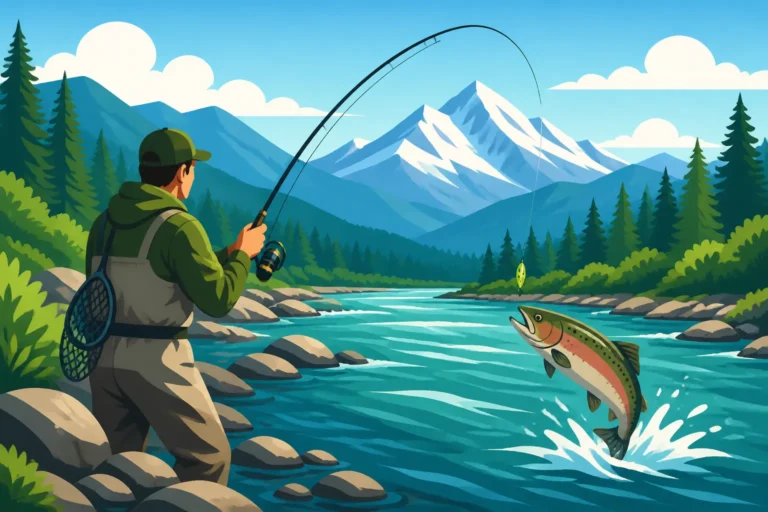
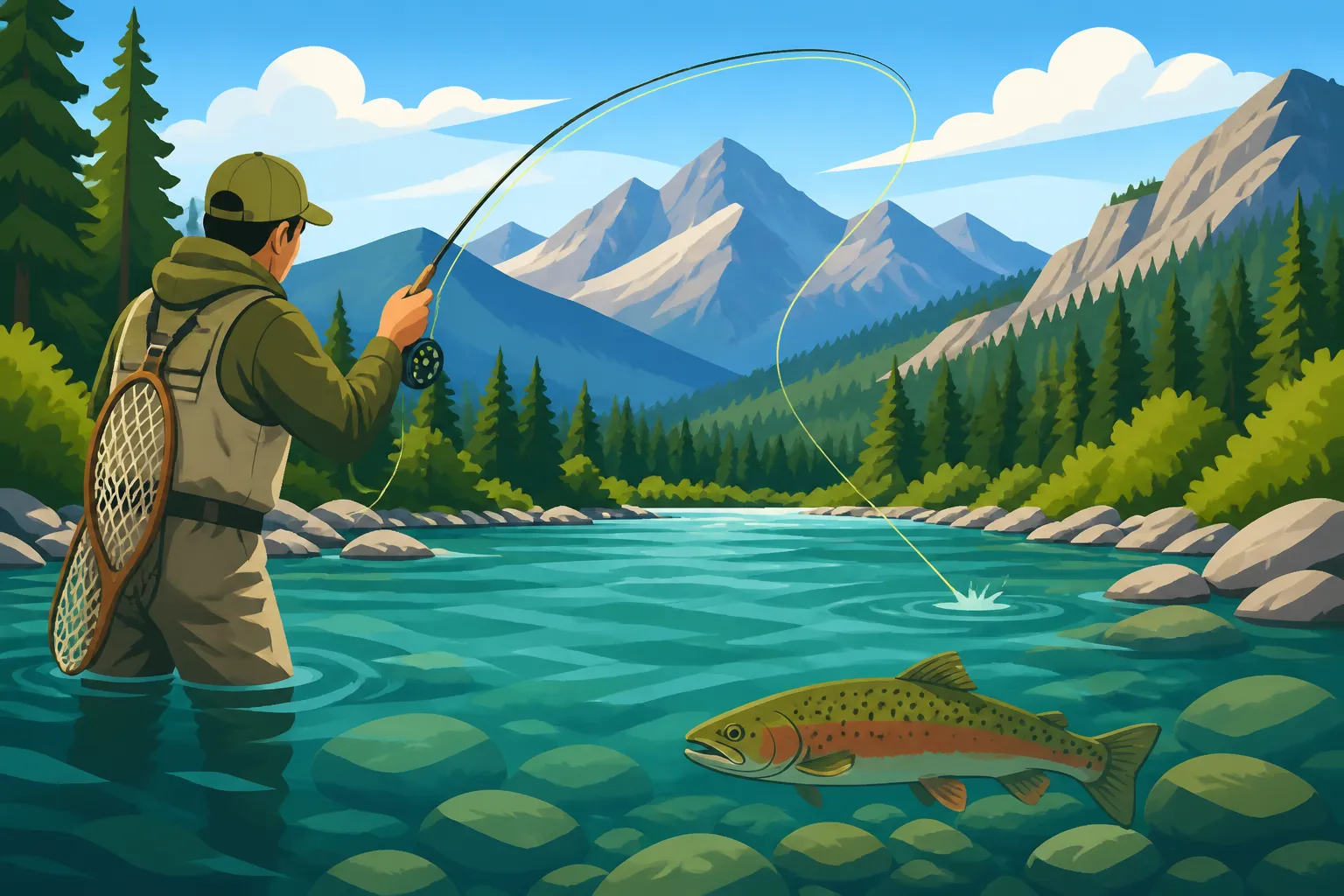
What truly sets the Elk River apart for fly fishers is its vibrant population of West Slope Cutthroat Trout and the chance to encounter impressive Bull Trout. The West Slope Cutthroat, with their distinctive red slashes under their jaws, are incredibly responsive to dry flies, making for some truly exhilarating surface action. Imagine stalking a rising trout in gin-clear water, making the perfect cast, and watching it sip your fly off the surface—it’s the stuff dreams are made of for dry fly enthusiasts. These fish are feisty, beautiful, and thrive in the Elk's cold, oxygenated waters, often found in riffles, runs, and the heads of pools where insect life is abundant.
But the Elk River isn't just about the delicate cutthroat. It's also famous for its sizable Bull Trout, a truly magnificent native char. These predatory fish grow to impressive sizes, offering a completely different challenge. They lurk in deeper, colder pools, often near structure, and are typically targeted with large streamers or nymphs. Catching a Bull Trout on the fly is an unforgettable experience, requiring a heavier setup and a more aggressive retrieve. The blend of these two iconic species, combined with the stunning mountain backdrop of the East Kootenays, creates an irresistible allure for anglers worldwide. The river's dedication to catch-and-release, particularly for Bull Trout, further ensures a healthy, sustainable fishery for generations to come, fostering an ethos of conservation among those who fish its waters.
Navigating the River's Sections and Seasons
The Elk River is a fairly long river, and its character changes significantly as it winds from its headwaters in the Elk Lakes Provincial Park down to its confluence with the Kootenay River near Elko. Generally, anglers divide it into upper, middle, and lower sections, each offering distinct fishing opportunities and access challenges. The upper river, closer to Elkford and Sparwood, tends to be smaller, colder, and more intimate, ideal for focused walk-and-wade efforts, especially in the early season when fish might be concentrated in specific areas.
The middle section, around the Fernie area, is often considered the heart of the fly fishing, offering a mix of excellent walk-and-wade spots and prime drift boat water. This is where the river widens, develops more pronounced runs and pools, and generally holds a higher density of fish. The lower river, below Fernie towards Elko, can be trickier to access due to private land, but still holds quality fish, particularly later in the season. Understanding these sections is key to planning your trip.
The best time to hit the Elk depends on what you're targeting. For the prolific West Slope Cutthroat, late spring (after runoff subsides, usually mid-June) through summer (July and August) is prime for dry fly action, with prolific hatches of caddis, mayflies, and stoneflies. Bull Trout, while present year-round, become particularly active and aggressive in the fall (September and October) as they move into their spawning patterns and feed heavily on migrating salmonids, making it a fantastic time for streamer fishing. River conditions, particularly water levels and clarity, heavily influence both access and fishing success, so always check local reports before heading out. For a more detailed look at the species you might encounter, our guide on Trout Species Identification Guide for BC offers some excellent insights.
Prime Public Access Points for Elk River Fly Fishing
While some stretches of the Elk River run through private land, there are numerous public access points that offer fantastic fly fishing opportunities, whether you prefer to walk and wade or drift from a boat. Knowing where these spots are and what to expect is half the battle.
Walk-and-Wade Opportunities: Northern Reaches
For anglers who love the solitude and intimacy of exploring a river on foot, the upper and middle sections of the Elk River provide some incredible walk-and-wade access. One of the most popular and productive areas is within Elk River Provincial Park, located upstream of Sparwood. Here, you'll find designated parking areas and trails that lead down to the river. The water here is classic freestone river habitat—a beautiful mix of riffles, runs, and small pools, perfect for presenting dry flies to hungry cutthroat. The trails can be a bit rugged in places, but the reward is often unpressured water and stunning scenery. It’s the kind of place where you might hike for a bit, find a stretch that looks "fishy," and have it all to yourself for hours.
Further downstream, but still in the northern reaches, the area around Phillips Bridge (often referred to as Coal Creek Bridge) offers another excellent starting point. There's usually decent parking near the bridge, and from there, you can walk upstream or downstream, exploring various runs and pockets. This stretch can be particularly good during major insect hatches. Another excellent spot is near the confluence with Lizard Creek closer to Fernie. While Lizard Creek itself is a smaller tributary, the main stem of the Elk in this area often holds good numbers of fish. Access can be found near road crossings or small informal pull-offs, but always be mindful of private property signs. These areas are ideal for targeting West Slope Cutthroat with smaller dry flies or nymph rigs, especially in late spring and summer. Remember to use barbless hooks and practice careful catch-and-release, as these wild fish are a precious resource.
Drift Boat Launches and Strategic Access: Mid-River Sections
For those looking to cover more water and reach those less-pressured lies, drifting the Elk River in a raft or drift boat is an incredibly effective and popular method. The middle section of the river, particularly around Fernie and downstream, offers several strategic launch and take-out points. One of the primary launch points is in Sparwood, allowing for a longer float down towards Fernie. This float covers a good mix of water, from faster runs to deeper pools, and provides access to areas that would be very difficult, if not impossible, to reach on foot. You’ll want to scout your take-out points carefully, especially if you’re organizing your own shuttle.
The Fernie area itself boasts multiple access points suitable for drift boats. The Hosmer Bridge is a popular put-in, offering a float through some prime cutthroat water. Further downstream, the Morrissey Bridge serves as another excellent launch or take-out, connecting different float sections. These launches are usually well-maintained gravel ramps or designated access points, making it relatively easy to get your boat in and out of the water. Many anglers choose to hire a local guide service for drift trips, as they not only provide the boat and expertise but also handle all the logistics of shuttling, allowing you to simply focus on fishing. If you're considering a guided trip, companies like Kootenay Fly Shop or Fernie Fly Fishing are well-regarded and offer exceptional service. You can also explore options for guided trips and check availability through platforms like FishingBooker, which lists local guides specializing in Elk River fly fishing. For a deeper dive into the world of guided trips, consider reading our guide on Best Guided Trips for Beginners in BC, which shares valuable insights into what to expect.
Lower River Accessibility and Hidden Gems
As the Elk River flows past Fernie and heads towards its confluence with the Kootenay River, the landscape changes, and so does the nature of access. The lower river generally sees fewer anglers due to increasing private land holdings and, at times, more challenging access points. However, this doesn't mean it's devoid of opportunities; in fact, it can hold some excellent fishing, particularly for larger Bull Trout in the deeper, slower sections.
Finding public access on the lower Elk often involves a bit more detective work and a strong emphasis on respecting private property. There are occasional Crown land easements and road allowances that intersect the river, often marked by small signs or just a convenient pull-off. Areas closer to Elko, particularly upstream of the community, can offer some surprisingly good fishing. These spots might not have formal boat launches or extensive parking, requiring a bit more effort to reach. Always look for "no trespassing" signs and ensure you’re not blocking any private driveways or access roads. A good strategy here is to consult detailed topographic maps or satellite imagery to identify potential access points, then scout them in person if possible. Local fly shops in Fernie or Sparwood can also be invaluable resources for up-to-date information on public access, as they often know the specific nuances of property lines and seasonal changes to access. While not directly about salmon, it's always good to remember the principles of BC Salmon Conservation Stamp Rules which promote responsible angling across all species and waters in BC.
| Access Point | Section of River | Primary Species | Best Method | Key Features & Notes |
|---|---|---|---|---|
| Elk River Provincial Park | Upper | West Slope Cutthroat | Walk-and-Wade | Pristine, intimate water; trails from parking. |
| Phillips Bridge | Upper/Middle | West Slope Cutthroat, Bull Trout | Walk-and-Wade | Good parking, easy river access, can be busy during hatches. |
| Hosmer Bridge | Middle | West Slope Cutthroat, Bull Trout | Drift Boat Launch | Popular put-in for floats through Fernie; ample parking. |
| Morrissey Bridge | Middle | West Slope Cutthroat, Bull Trout | Drift Boat Launch | Versatile put-in/take-out, good for accessing varied water. |
| Elko Area (various) | Lower | Bull Trout, West Slope Cutthroat | Walk-and-Wade | Requires careful scouting; less pressure; private land caution. |
Essential Tips for Successful Elk River Fly Fishing
Beyond just knowing where to put your feet or your boat, a successful fly fishing trip on the Elk River requires some thoughtful preparation and adherence to best practices. This river demands respect, and those who approach it with the right mindset and tools are often the most rewarded.
Gear Up: Rods, Reels, and Fly Selection
Choosing the right gear is paramount for an enjoyable and effective fly fishing experience on the Elk River. For the abundant West Slope Cutthroat Trout, a lighter setup is typically ideal. A 4-weight or 5-weight fly rod, paired with a matching reel and a floating line, provides the delicacy needed for precise dry fly presentations and offers excellent feel for fighting these spirited fish. A 9-foot rod is a versatile choice, allowing for good line control and casting range. For Bull Trout, you'll need to step up your game. A 7-weight or 8-weight rod is recommended to handle their larger size and the heavier flies (streamers) often used to target them. A reel with a strong drag system and plenty of backing is crucial, as these fish can make powerful runs.
Fly selection is another critical component. For Cutthroat, especially during the summer months, carrying a diverse array of dry flies is key. Think classic patterns like Stimulators (in various sizes and colors like orange, yellow, or peacock), Elk Hair Caddis, Parachute Adams, and Humpies. Don't forget some terrestrials like Ants and Hoppers for late summer. When dry flies aren't working, a good selection of nymphs such as Prince Nymphs, Pheasant Tail Nymphs, Hare's Ear Nymphs, and Copper Johns (sizes 12-16) will often entice strikes. For the larger Bull Trout, streamers are the name of the game. Patterns like Sculpzillas, Woolly Buggers (black, olive, brown), Conehead Muddlers, and Sex Dungeons in sizes 2-6 are highly effective. A sturdy leader (9-12 feet, 4x or 5x for cutthroat; 0x-2x for bull trout) and a spool of tippet are absolute must-haves. Remember, you can always pick up the most current and effective patterns at local fly shops like Kootenay Fly Shop in Fernie, where they'll have invaluable local knowledge.
Reading the Water and Ethical Angling Practices
One of the most rewarding aspects of fly fishing, especially on a dynamic river like the Elk, is learning to "read the water." This means understanding where fish are likely to hold based on current, depth, and structure. Look for seams where fast and slow water meet, current breaks behind large rocks or logs, the heads and tails of pools, and riffles where insects are dislodged. Fish will often position themselves in these spots to conserve energy while waiting for food to drift by. Approaching these areas with stealth is crucial—avoid stomping along the bank or casting a long shadow over the water. A soft, accurate presentation of your fly, letting it drift naturally with the current, will often be the difference between a refusal and a hook-up.
Ethical angling practices are not just suggestions on the Elk River; they are fundamental to preserving its world-class fishery. The Elk is primarily a catch-and-release river, especially for its prized Bull Trout, which are often protected by specific regulations. Always use barbless hooks to minimize harm to the fish. When you land a fish, handle it gently with wet hands, keep it in the water as much as possible, and quickly release it. Avoid dragging fish onto dry banks or subjecting them to prolonged fights, particularly during warmer water conditions when they are more stressed. Understanding BC Fishing Regulations Explained and checking current fishery notices is also non-negotiable before you cast a line, as rules can change seasonally or for specific river sections. This commitment to conservation ensures that the Elk River continues to be an amazing place for future generations to enjoy.
Local Knowledge and Guided Trip Benefits
Even for experienced anglers, there's immense value in tapping into local knowledge when fishing a complex river like the Elk. Local fly shops are treasure troves of information; not only do they stock the flies that are currently working, but their staff can provide real-time updates on river conditions, recent hatches, and specific access nuances that you won't find anywhere online. A quick chat with the folks at a shop like Fernie Fly Fishing can drastically improve your chances of success. They can tell you which sections are fishing best, what flies to use at what time of day, and even point you to those less-known access points.
For those new to the area, or even seasoned anglers looking to maximize their time, a guided trip can be an invaluable investment. A professional Elk River guide brings years of experience, knowing the river intimately in all its moods and seasons. They can quickly assess your skill level, put you on fish, teach you specific techniques for the river, and navigate the access points seamlessly, often utilizing drift boats to cover expansive and productive water. Beyond the fishing itself, guides are often passionate conservationists and storytellers, enriching your overall experience. While you'll need your own license (check out How to Buy a BC Fishing License Online to get yours), a guide typically provides all the necessary gear, flies, and a shore lunch, making for a truly hassle-free day. Platforms like FishingBooker are a great resource for finding reputable Elk River guides, allowing you to read reviews and book with confidence, ensuring you have the best possible experience on the water.
Planning Your Elk River Fly Fishing Adventure
A successful fly fishing trip to the Elk River isn't just about showing up with a rod; it's about thoughtful planning, understanding the seasons, and ensuring you have all your bases covered. This preparation ensures you make the most of your time on this magnificent waterway.
When to Go: Peak Seasons and Conditions
Timing is everything when it comes to fly fishing the Elk River. While fish are present year-round, certain seasons offer optimal conditions for specific species and techniques. For the prolific West Slope Cutthroat, the late spring and summer months (mid-June to August) are prime. After the spring runoff typically subsides, the water clears and warms slightly, leading to prolific insect hatches. This is when the dry fly fishing truly shines, with caddis, mayflies, and stoneflies providing consistent surface action. July and August see long days and consistent hatches, making it a fantastic time for walk-and-wade anglers to spot rising fish.
If trophy Bull Trout are high on your list, the fall (September and October) is arguably the best window. As the days shorten and the water cools, Bull Trout become incredibly active and aggressive, feeding heavily in preparation for winter and their own spawning migrations. This is the time for larger streamer patterns and heavier rods, often fished from a drift boat to cover deeper pools and runs. It's crucial to always check current river flows and weather forecasts before heading out, as high water or sudden cold snaps can drastically change fishing conditions and access. For a broader overview of fishing opportunities throughout the year, our comprehensive guide, BC Fishing Seasons by Month, offers a detailed breakdown that can help you plan your ideal trip.
Accommodation, Supplies, and Permits
The Elk Valley offers several excellent towns that serve as perfect bases for an Elk River fly fishing trip. Fernie is the most popular choice, offering a wide range of accommodations from cozy lodges and hotels to rental cabins. It's a vibrant mountain town with excellent restaurants, outdoor gear shops, and, crucially, dedicated fly shops like Kootenay Fly Shop where you can get the latest intel and gear. Sparwood and Elkford, further upstream, also offer accommodation and basic amenities, and can provide quicker access to the northern reaches of the river.
When it comes to supplies, ensure you pack appropriate layers of clothing for varying mountain weather, sturdy wading boots, waders, rain gear, and a hat and polarized sunglasses (essential for spotting fish and protecting your eyes). Sunscreen and insect repellent are also wise additions. Most importantly, ensure you have all the necessary permits and licenses. Anyone aged 16 or older needs a valid British Columbia freshwater fishing license, and if you plan to retain any salmon (though not typically the focus on the Elk for fly fishing), you'll need additional stamps. You can easily purchase these online, and our detailed guide, British Columbia Fishing License Guide for 2026, can walk you through the entire process. Don't forget to understand the distinctions between different license types; BC Freshwater vs Tidal Waters License, Explained clarifies what you need for inland fishing. Always check for any special regulation waters or conservation surcharges that might apply to specific areas or species within the Elk River system.
Disclaimer
The information provided in this guide is for general informational purposes only. Fishing regulations, seasons, and access points in British Columbia can change frequently. Always consult the official BC Freshwater Fishing Regulations Synopsis, relevant fishery notices, and local authorities before planning and embarking on any fishing trip. Adhere to all conservation measures and practice responsible angling to protect our precious fisheries.