Elk River best trout fishing access
It's no secret that British Columbia is a world-class fishing destination, but finding those perfect, accessible trout fishing spots, especially on a revered river like the Elk, can feel like trying to crack a secret code. Many anglers get frustrated trying to pinpoint public access amidst private lands and challenging terrain. This guide is designed to cut through that confusion, giving you the insider scoop on the best ways to access and fish for trout on the magnificent Elk River, helping you plan a truly memorable trip.
The Allure of the Elk River for Trout Enthusiasts
The Elk River, snaking through the stunning landscapes of the East Kootenays, isn't just any river; it's a legendary destination for serious trout anglers. Its crystal-clear waters, framed by towering peaks, hold a special kind of magic, but it’s the fish themselves that truly capture the heart.
A Premier Destination for Wild Trout
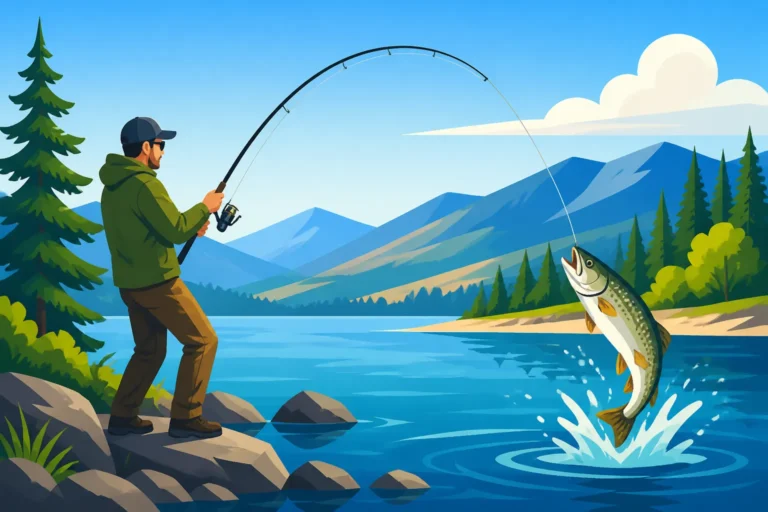
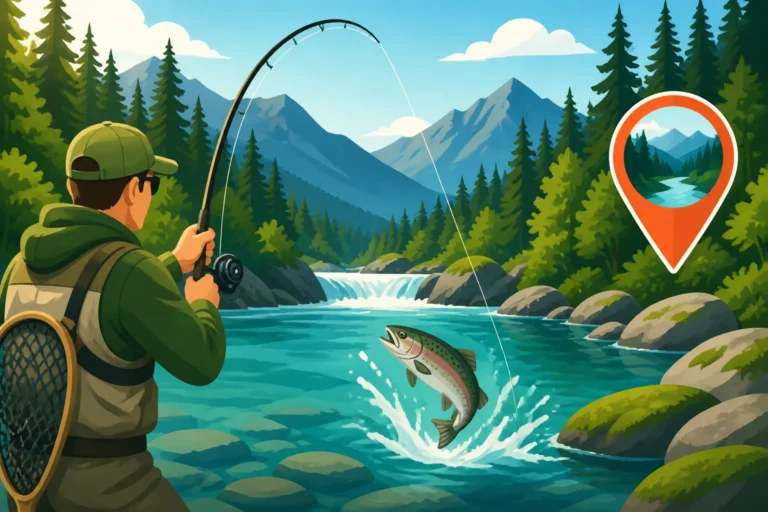
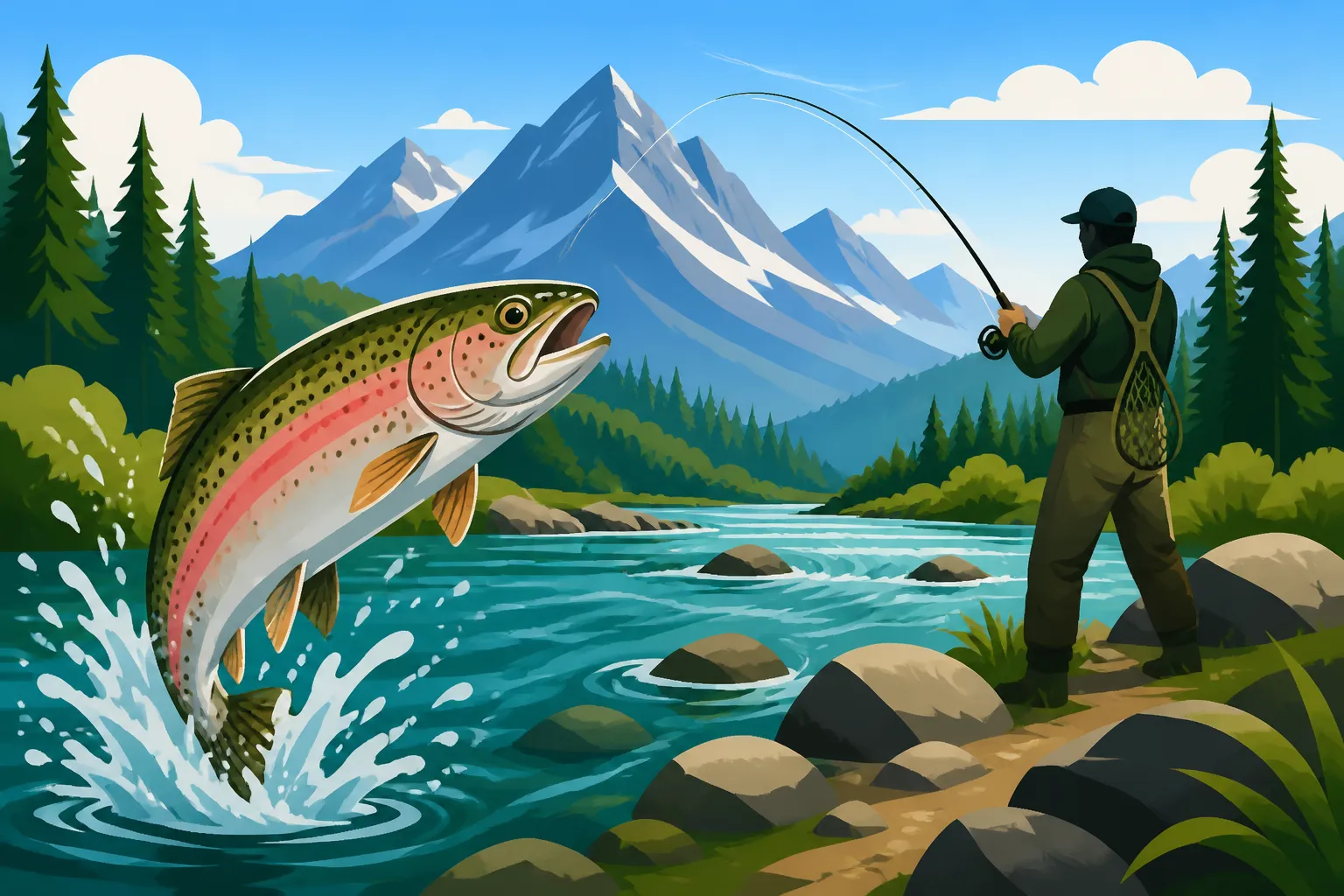
When we talk about the Elk River, we're talking about a fishery that’s built on wild, native fish populations, primarily the Westslope Cutthroat Trout and the majestic Bull Trout. Unlike many rivers that rely heavily on stocking, the Elk offers a genuine wild trout experience. The Westslope Cutthroat are often eager to rise to a well-presented dry fly, making for some incredibly exciting surface action, especially during prolific hatches. Imagine casting a tiny caddis imitation, watching it drift perfectly, and then seeing the water erupt as a wild cutthroat rises to intercept it – that's the kind of moment the Elk provides.
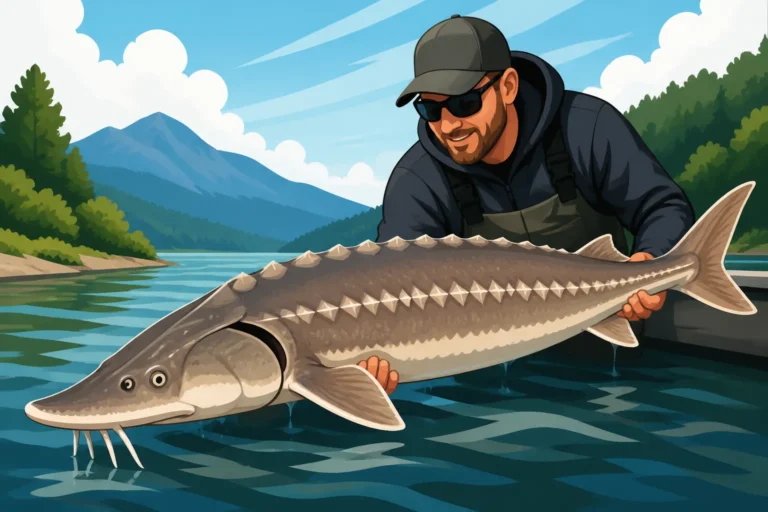
The Bull Trout, on the other hand, are a different beast entirely. These apex predators can grow to impressive sizes, often reaching well over 20 inches, with some truly enormous specimens pushing the 30-inch mark. Targeting these giants often involves larger streamers, careful nymphing, or even specific spin fishing tactics, and the fight they put up is something you won't soon forget. Landing a trophy Bull Trout from the Elk River is, for many, a lifetime angling achievement, and it’s a testament to the health and wildness of this incredible river system. For deeper insights into these powerful fish, you might want to read our guide on Bull Trout in BC's Interior Rivers.
Diverse Trout Species and Their Unique Habits
While the Westslope Cutthroat and Bull Trout are the main stars, you'll also encounter Rainbow Trout in certain sections of the Elk. Understanding the habits of these diverse species is key to successful fishing and knowing where to focus your efforts, especially when scouting for accessible spots.
Westslope Cutthroat Trout typically prefer the slower, shallower edges of runs, riffles, and eddy lines where insects accumulate. They are opportunists, often looking up for surface food, making them prime targets for dry flies. During periods of heavy hatches, you’ll find them actively feeding, and their willingness to strike can be incredibly rewarding. On the other hand, Bull Trout are often found in deeper pools, undercut banks, and around large structure, patiently waiting to ambush smaller fish or aquatic invertebrates. They require a more direct, often subsurface, presentation. Knowing these preferences helps you assess an accessible stretch of river and determine which species you're likely to encounter and how to approach them. The good news is that many accessible spots on the Elk offer a mix of habitat, giving you a chance to target both. For a broader understanding of trout species, check out our Trout Species Identification Guide for BC.
Navigating Access Points and Finding Your Sweet Spot
One of the biggest hurdles for anglers visiting a new river, especially one as vast and wild as the Elk, is knowing where to get on the water. Thankfully, the Elk River offers a surprising number of public access points, though some require a bit of local knowledge or an adventurous spirit.
Public Access and Roadside Opportunities
The Elk River runs roughly parallel to Highway 3 (the Crowsnest Pass) for a significant stretch through the Elk Valley, making many sections quite accessible by road. This is fantastic news for the do-it-yourself angler who prefers bank fishing or wading.
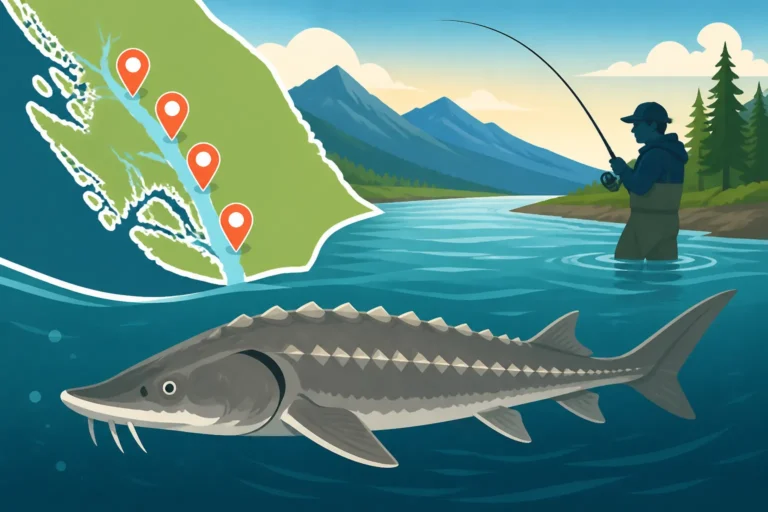
Between Fernie and Sparwood, there are numerous pull-offs, bridge crossings, and designated access points managed by local angling associations or the province. For example, just south of Fernie, there are several points off secondary roads that lead to the river. Look for areas near bridges – bridges often mean public right-of-way, and while you might not be able to park on the bridge, nearby pull-offs can lead to trails down to the water. Some popular spots include access points near the Fernie Golf and Country Club, the Coal Creek confluence, or various points along the river downstream towards Elko. These spots often feature well-worn trails leading to promising runs and riffles, perfect for casting a fly or drifting a spin fishing lure. It’s always critical to respect private property boundaries, which are usually well-marked. A quick check of local maps or asking at a fly shop in Fernie or Sparwood can clarify the best public access points.
Further downstream, outside the immediate towns, the river meanders through Crown land in many areas, meaning more opportunities for dispersed access. However, these often require driving on Forestry Service Roads (FSRs), which can be gravel, bumpy, and sometimes require a higher clearance vehicle. Always be prepared for changing road conditions and check current FSR closures, especially during wildfire season or early spring thaw. These more remote roadside spots can lead to less pressured water, offering a greater sense of solitude and potentially more cooperative fish.
Float Trip Launches and Take-Outs
For those who want to cover significant water and access sections that are difficult or impossible to reach by wading, float trips are the way to go on the Elk River. This means using a drift boat, raft, or even a pontoon boat in certain conditions.
There are several established put-in and take-out points along the river, typically around the towns of Fernie, Sparwood, and further downstream. Common launch points include areas near the city parks in Fernie or designated boat launches found along the river’s course. A popular float section might start near Fernie and run downstream for several hours, offering a mix of riffles, deep pools, and gravel bars. Planning a float trip requires careful consideration of the river's gradient, potential hazards like log jams, and the available take-out points. It's often highly recommended to go with someone experienced or hire a local guide, especially if it's your first time. Reputable guides in the region know the river's every bend and hazard. If you're looking for experienced local guides, you can often find highly-rated options on platforms like FishingBooker, which connect you with experts who can navigate these waters safely and effectively. They can also provide all the necessary gear and expertise for a fantastic day on the water.
While a float trip can be an incredible experience, remember that it's a commitment. Ensure you have two vehicles for shuttle, or arrange for a shuttle service. Always check current river conditions and flows before embarking on a float, as high water can make certain sections dangerous, and low water can make them impassable for larger boats.
Wading Challenges and Rewards
Wading the Elk River can be incredibly rewarding, offering a more intimate connection with the water and the fish, but it also presents its own set of challenges. The Elk is a freestone river, meaning its bed is comprised of rock, gravel, and boulders, and its flows can be significant, especially during spring runoff.
Many of the most productive runs and riffles are easily wadeable during normal to low flows. However, the current can be strong, and the footing can be treacherous with slippery rocks. Proper wading gear is absolutely essential – sturdy felt or rubber-soled wading boots with good ankle support, and even a wading staff for added stability. It’s better to err on the side of caution and avoid wading in water that feels too deep or too fast. Always shuffle your feet and test the bottom before taking a full step. Many anglers find the slower currents along the banks, side channels, or the tails of pools to be the safest and most productive wading spots. These areas often hold feeding cutthroat and offer excellent dry fly opportunities.
For those willing to put in the effort, wading into more remote sections (accessible via FSRs and a short hike) can lead to pristine, unpressured water where the trout are less wary. The key is to find a balance between accessibility and desired solitude. A local guide, perhaps found through FishingBooker, can expertly lead you to safe and productive wading areas, often revealing hidden gems that aren't obvious from the road. Knowing proper Wading Techniques for BC Steelhead Rivers can be very helpful, as many principles apply to trout streams too.
| Access Type | Primary Target Species | Best Seasons | Typical Effort | Notes |
|---|---|---|---|---|
| Roadside/Bank | Cutthroat, Rainbow, Bull Trout | Spring, Summer, Fall | Low to Medium | Easy to find, popular, can be crowded. Respect private property. Check for distinct trails. |
| Forestry Roads | Cutthroat, Bull Trout | Summer, Fall | Medium to High | Less pressure, more solitude. Requires suitable vehicle. FSR conditions vary, check beforehand. |
| Float Trips | Cutthroat, Bull Trout | Late Spring, Summer, Early Fall | High | Covers most water. Ideal for trophy Bull Trout. Requires shuttle or guide. Check hazards. |
| Wading (Shallow) | Cutthroat, Rainbow | Summer (dry fly), Fall (nymphs) | Medium | Intimate experience, good for sight fishing. Requires careful footing and wading gear. |
Optimal Seasons and Conditions for Elk River Trout
Fishing on the Elk River, like any dynamic river system, is heavily influenced by the seasons, water levels, and weather. Understanding these factors is crucial for maximizing your chances of a successful and enjoyable trip. There's nothing worse than planning a fishing trip only to arrive and find the river blown out or too low to fish effectively.
Seasonal Sweet Spots for Diverse Angling Experiences
Each season offers a unique flavour of fishing on the Elk, catering to different preferences and target species.
Spring (Late April to June): This period is all about the post-runoff window. Once the intense snowmelt subsides and the river begins to drop and clear, usually sometime in May or June, the fishing can be incredible. Trout are often hungry after a period of high, murky water, and they're looking to put on weight. Nymphing can be very effective as aquatic insects become more active, and streamer fishing for aggressive Bull Trout can be phenomenal. Early season also sees the emergence of stoneflies and caddis, providing first dry fly opportunities. However, timing is everything. Hit it too early, and the river will be high and muddy; too late, and you might miss the peak. Keep a close eye on river levels.
Summer (July to August): This is prime time for dry fly enthusiasts. As water temperatures stabilize and insect hatches become consistent, the Westslope Cutthroat Trout often rise eagerly to dry flies. Golden Stones, various caddis patterns, and attractor dries like Stimulators or Hoppers can be incredibly effective. Wading can be easier during lower summer flows, opening up more access to productive runs and riffles. Evenings often bring spectacular caddis hatches, leading to explosive rises. While the Cutthroat are active, Bull Trout can still be targeted with streamers, often found in deeper, cooler pools or the mouths of tributary creeks.
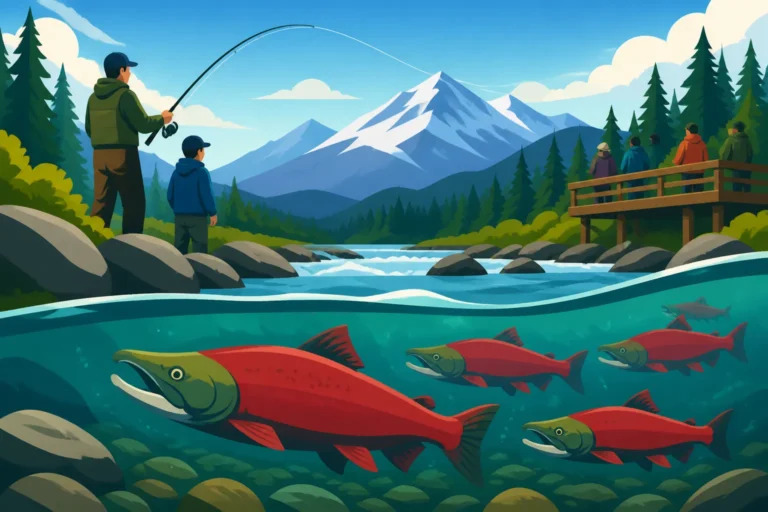
Fall (September to October): Fall on the Elk is simply magical. The crowds thin out, the autumn colours paint the valley in vibrant hues, and the fishing for Bull Trout can be at its absolute peak. These powerful fish become incredibly aggressive as they prepare for spawning, and they will readily chase large streamers. It's also a great time for trophy-sized Cutthroat, which are feeding heavily before winter sets in. Late fall can also see a push of migratory Rainbow Trout in some sections. The cooler temperatures make for comfortable fishing days, but be prepared for rapidly changing weather conditions. For general planning, it's always a good idea to check BC Fishing Season Dates and Closures to ensure you're compliant.
Understanding Water Levels and Clarity
River conditions are the single most important factor for success on the Elk. You can have all the right gear and knowledge, but if the river is unfishable, you're out of luck.
The Elk River’s flow is largely dictated by snowmelt and rainfall. During spring runoff (typically May-June), the river can swell significantly, becoming high, fast, and turbid (muddy). This makes fishing incredibly challenging, if not impossible, and often unsafe. Anglers often refer to this as the "blow out" period. Conversely, prolonged dry spells in summer or freezing conditions in winter can lead to very low flows, making fish spooky and concentrating them in limited areas.
Before you even think about hitting the road, check online river gauges. Websites like the Water Survey of Canada provide real-time data on discharge (flow in cubic meters per second) and water height for the Elk River at various points. A local fly shop in Fernie or a guide service (like those listed on FishingBooker) will also have the most up-to-date intel on current conditions and can advise if the river is fishable and what tactics might work best. Generally, dropping or stable flows with good clarity are ideal. After a heavy rain, it might take a day or two for the river to drop and clear enough to fish effectively again. Being flexible with your plans, or having a backup plan for nearby lakes if the river is unfishable, can save your trip.
Essential Gear and Responsible Angling Practices
Having the right equipment and adopting responsible angling practices are paramount for both success and preserving the pristine environment of the Elk River for future generations. It’s not just about what you catch, but how you fish.
Recommended Tackle for Accessible Sections
Whether you’re a fly angler or prefer spin fishing, choosing appropriate tackle for the Elk River's accessible sections will make a huge difference.
For Fly Fishing: A versatile 5 or 6-weight fly rod is generally ideal for the Elk. It's stout enough to handle larger Bull Trout and wind, but still delicate enough for presenting dry flies to Westslope Cutthroat. Pair it with a good quality reel and a floating line for most situations. You'll want a selection of leaders (9-12 ft, 3X-5X tippet) to match conditions and fly size. For flies, a good starting selection includes:
- Dry Flies: Elk Hair Caddis (various sizes/colours), Stimulators, Parachute Adams, Royal Wulff, Hoppers (for late summer).
- Nymphs: Stonefly nymphs (Pat's Rubber Legs, Copper Johns), Prince Nymphs, Hare's Ears.
- Streamers: Sculpin imitations (Woolly Buggers, Sculpzillas), D&Ds, Sex Dungeons (for Bull Trout).
Learning some Fly Patterns for BC Steelhead Rivers can also inspire good trout streamer choices.
For Spin Fishing: A medium-light to medium action spinning rod, 6 to 7 feet in length, paired with a reliable spinning reel spooled with 6-10 lb test line, will cover most situations. Carry a selection of small to medium-sized spoons (e.g., Crocodiles, Little Cleos in silver, gold, or brass), spinners (e.g., Mepps, Rooster Tails), and soft plastics (grubs or small swimbaits) for Bull Trout. Always check the BC Fishing Regulations Explained for bait restrictions, as some sections or times of year may be fly-fishing-only or prohibit certain bait types. Artificial lures with single, barbless hooks are generally a safe bet and cause less harm to fish.
Regardless of your preferred method, a good pair of polarized sunglasses is non-negotiable for spotting fish and reading the water. A net with a rubber mesh is also highly recommended for gentle handling and release, particularly for larger fish.
Ethical Angling and Conservation
The Elk River’s wild trout populations are a precious resource, and responsible angling is crucial for their continued health. Catch and release is a strongly encouraged practice, especially for Bull Trout, which are often subject to specific retention limits or even catch-and-release-only regulations in certain areas. Always consult the most current Reading the BC Freshwater Fishing Regulations Synopsis before you go, as regulations can change frequently.
When practicing catch and release, handle fish as little as possible. Keep them in the water if you can, especially for photographs. Wet your hands before touching a fish to protect its delicate slime coat, which is vital for disease prevention. Use barbless hooks to minimize harm and make release easier and quicker. If a fish is deeply hooked, cut the line as close to the hook as possible rather than trying to rip the hook out. Revive tired fish by holding them gently in the current until they can swim away strongly on their own.
Participating in local conservation efforts, or simply leaving no trace behind, are also important aspects of responsible angling. Pack out everything you pack in, and perhaps even pick up any litter you find. The health of the Elk River's fishery depends on all of us being good stewards of this incredible natural treasure. A reputable guide, which you can often find listed on FishingBooker, will always prioritize conservation and can teach you best practices firsthand, ensuring your adventure is both successful and sustainable.
Disclaimer
The information provided in this guide is for general informational purposes only and is subject to change. Angling regulations, access points, and river conditions in British Columbia can vary significantly and are regularly updated. It is the responsibility of the angler to consult the latest official BC Freshwater Fishing Regulations Synopsis and relevant Fisheries Notices before planning and embarking on any fishing trip. Always prioritize safety and respect private property.