Columbia River Fishing Spots
The vastness of British Columbia's fishing opportunities can sometimes feel a bit daunting, especially when you're looking at a legendary waterway like the Columbia River. This isn't just a creek; it’s a massive system that journeys through mountains, forms huge lakes, and transforms itself multiple times within our province before heading south. Anglers often struggle to pinpoint exactly where to go and what to expect on such a grand scale. This comprehensive guide is designed to cut through that complexity, highlighting the prime fishing spots along the Columbia River in BC and giving you the lowdown on the incredible catches you might encounter.
Understanding the Columbia River's BC Journey
The Columbia River is more than just a river in British Columbia; it's an ecological and recreational cornerstone. Originating from Columbia Lake in the Rocky Mountain Trench, it embarks on a remarkable 2,000-kilometer journey, with a significant portion of its headwaters and upper reaches flowing through BC. This river system isn't uniform; it transitions dramatically from a pristine mountain stream to vast, deep reservoirs, and then back into a powerful, flowing river before it crosses the international border into the United States. Understanding these different segments is key to unlocking its diverse fishing potential.
The Headwaters and Upper Reach
When we talk about the Columbia River's headwaters, we're focusing on its humble beginnings near Canal Flats, where it trickles out of Columbia Lake. In these initial stretches, the river feels intimately Canadian, meandering through valleys with a more natural, less impounded flow. This upper section, often simply referred to as the Upper Columbia, maintains much of its original character, untouched by major dams in its immediate vicinity.
Here, the water is generally clearer, especially outside of runoff periods, and the river itself is narrower and more accessible for wade fishing in many areas. The fishing experience in the headwaters is often about seeking solitude and connecting with a wilder side of the river. Anglers who prefer a more serene environment, away from the hustle and bustle, will appreciate this initial journey of the Columbia. It's a peaceful start to what becomes a powerful international waterway.
The Reservoir System: Kinbasket and Arrow Lakes
As the Columbia River flows northward from its headwaters, it undergoes a profound transformation, particularly around the Revelstoke area and further south. Large hydroelectric dams, such as the Mica Dam and the Revelstoke Dam, have reshaped significant portions of the river into immense reservoirs. These aren't just enlarged sections of river; they are colossal bodies of water that mimic large natural lakes, often reaching incredible depths. This impoundment fundamentally changes the ecosystem, creating new habitats and fishing opportunities that are vastly different from the free-flowing river.
The Arrow Lakes system, comprised of Upper Arrow Lake and Lower Arrow Lake, is perhaps the most famous of these reservoirs within BC's stretch of the Columbia. These lakes are effectively wide, deep sections of the Columbia River, separated by the Hugh Keenleyside Dam near Castlegar. Fishing in these reservoirs often requires different techniques, such as deep-water trolling or downrigging, to reach fish that might be suspended in the vast expanses of water. It's a truly unique aspect of the Columbia River in BC, offering a completely different angling challenge compared to the river sections.
Revelstoke and Upstream: Mountainous Waters
The area around Revelstoke marks a significant point in the Columbia River's journey through British Columbia. Here, the river is nestled amidst towering mountains, offering a blend of spectacular scenery and diverse fishing opportunities. Whether you're casting lines in the flowing river or exploring the depths of a massive reservoir, this region provides a quintessential BC angling experience.
Revelstoke Area River Fishing
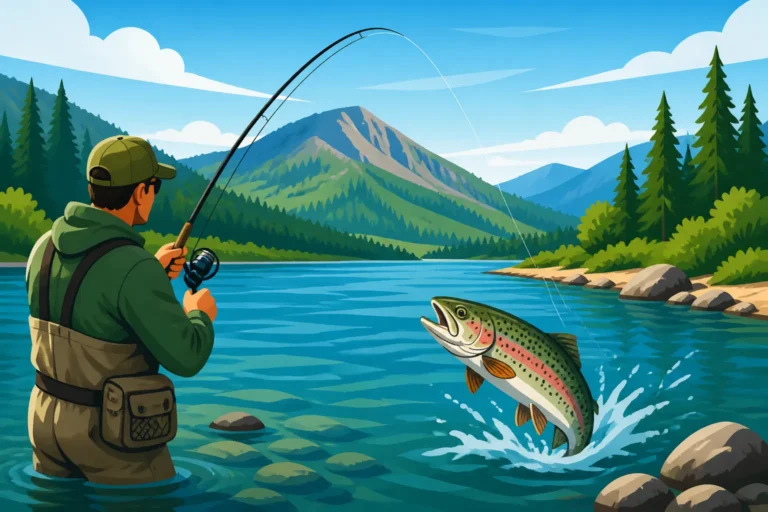
The Columbia River immediately surrounding Revelstoke offers some fantastic river fishing, particularly for resident trout species. Below the Revelstoke Dam and upstream towards Kinbasket Lake, you'll find a dynamic river environment. The water can be powerful in sections, but also features productive runs, riffles, and eddies that hold fish. Anglers often report excellent action for rainbow trout and Dolly Varden (a char closely related to bull trout) in these waters.
Fly fishing here can be particularly rewarding, with opportunities for nymphing, streamer fishing, and even dry fly action during hatches. Spin casters will find success with various spoons, spinners, and small crankbaits. Access points might require a bit of local knowledge or exploration, but the rewards are often chunky, hard-fighting trout set against a breathtaking mountainous backdrop. It's a reminder of why so many consider these some of the Best Fishing Rivers in British Columbia. Remember to check the specific regulations for this area, especially regarding catch limits and any special conservation measures, as these can impact what you can retain or if you need a BC Rainbow Trout Conservation Surcharge Stamp.
Kinbasket Lake's Deep Secrets
North of Revelstoke, you'll find the immense Kinbasket Lake, a reservoir formed by the Mica Dam. This isn't just a big lake; it's an absolutely massive body of water, stretching over 200 kilometers when full, winding its way through rugged mountain terrain. Kinbasket Lake is renowned for its incredible deep-water fishery, particularly for large bull trout, but also hosts substantial populations of rainbow trout and kokanee. The sheer size and depth of Kinbasket mean that fishing here often requires a boat equipped with sonar and downriggers to effectively target suspended fish.
Anglers venturing onto Kinbasket should be prepared for changing weather conditions, as strong winds can whip up quickly on such a large expanse of water. However, for those seeking a true trophy bull trout, Kinbasket Lake is a destination worth exploring. These apex predators can grow to impressive sizes in the deep, cold waters, providing a challenging and memorable fight. Local guides often have the most success, knowing the best structure and depths where these elusive fish congregate.
The Arrow Lakes Region: Vast Reservoirs and Tributaries
The Arrow Lakes system is perhaps the most iconic part of the Columbia River's journey through interior British Columbia, embodying a unique blend of massive reservoir fishing and the influence of countless feeder streams. This area is a true gem among Best Fishing Lakes in British Columbia and draws anglers from all over for its world-class trout opportunities.
Upper Arrow Lake: Gerrard Rainbow Trout Country
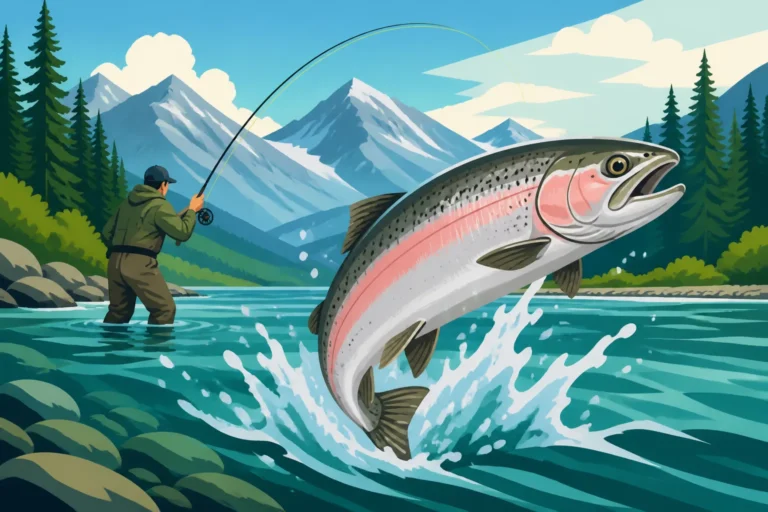
Upper Arrow Lake, a sprawling and deep body of water, holds a special place in the hearts of many BC anglers. It's famously known as one of the few places where the legendary Gerrard rainbow trout thrive. These fish are not just large; they are truly magnificent, migratory rainbows known for their aggressive strikes and powerful runs. The Gerrard strain, also found in Kootenay Lake, can reach incredible sizes, often exceeding 20 pounds, and are considered one of the largest strains of wild rainbow trout in the world. Their pursuit is often the highlight of a lifetime for many anglers.
The Gerrard rainbows in Upper Arrow Lake typically feed on kokanee, which is their primary food source, causing them to grow to such impressive sizes. The best time to target these giants is often in the spring and fall when they are most active. Trolling with large plugs, spoons, or even fly patterns designed to imitate kokanee is a popular and effective method. Understanding the deep contours and submerged structure of the lake is crucial for success, as these fish often follow the baitfish schools at specific depths. If you're looking to learn more about these incredible fish, a deep dive into Gerrard Rainbow Trout of Kootenay Lake can provide valuable context.
Lower Arrow Lake: Diverse Fishing Opportunities
South of the Hugh Keenleyside Dam, Lower Arrow Lake continues the Columbia River's reservoir journey. While still a massive body of water, it tends to be shallower in some areas compared to its upper counterpart and offers a slightly different fishing experience. Lower Arrow Lake provides excellent opportunities for a variety of species, making it a fantastic destination for anglers who enjoy diverse catches. You'll find plenty of rainbow trout, bull trout, burbot, and, importantly, healthy populations of kokanee.
Kokanee are particularly popular, especially for those looking to stock up on some delicious fillets. When fishing for kokanee, understanding their schooling behavior and preferred depths is key. Trolling with small spoons or wedding rings behind a dodger or flasher is a classic technique. For more advanced strategies, checking out Best Kokanee Trolling Techniques for Okanagan Lake can offer transferable insights into improving your kokanee game. Beyond kokanee, the lake's numerous bays, points, and tributary mouths provide excellent habitat for larger predator fish. Fishing the mouths of feeder creeks, especially during spring and fall, can yield some fantastic rainbow and bull trout action. It's important to be aware of BC Kokanee Retention Rules to ensure you're compliant with local regulations when harvesting these tasty fish.
Castlegar, Trail, and Downstream: Riverine Flow Resumes
Once the Columbia River exits the Arrow Lakes system at the Hugh Keenleyside Dam near Castlegar, it truly resumes its riverine character. This section, flowing south through communities like Trail and towards the US border, offers a different angling experience altogether. The current becomes more pronounced, and the river narrows, creating classic river fishing scenarios with runs, riffles, and deep pools.
Castlegar to Trail: River Sections and Eddy Fishing
The stretch of the Columbia River from Castlegar down to Trail is characterized by its powerful flow and varied depths, making it an excellent location for targeting diverse species. Here, anglers often find success with rainbow trout, whitefish, and even some introduced species like walleye. While not native, walleye have established themselves in some sections and can provide exciting fishing opportunities for those who enjoy targeting them. This part of the river features numerous eddies and slack water areas along the banks, created by the strong current. These eddies are prime holding spots for fish, offering them a place to rest and ambush passing prey.
Drift fishing with bait (where legal and appropriate), bottom bouncing, or casting and retrieving lures are all effective techniques in this section. Fly anglers can also find success by targeting seams and current breaks. For those targeting larger, more elusive fish, this section can occasionally surprise with a sturgeon, though it's important to remember that BC Fraser River Sturgeon Catch and Release Requirement applies to all sturgeon in BC waters, emphasizing their protected status and the need for careful handling. Always consult the latest BC Fishing Season Dates and Closures before heading out, as regulations can change throughout the year for specific species or river sections.
Tailwater Fisheries Below Dams
One of the most productive and consistent fishing environments on the Columbia River in BC can be found in the tailwater sections immediately below major dams, such as the Hugh Keenleyside Dam near Castlegar. Tailwaters are unique because the water released from the dam comes from the bottom of the reservoir, maintaining a more stable and often cooler water temperature throughout the year. This consistent environment, combined with the churned-up nutrients and baitfish pushed through the dam, creates a super-fertile feeding ground for fish.
These tailwater fisheries are renowned for producing big, healthy rainbow trout and robust bull trout. The constant flow means fish are often actively feeding. Techniques like drift fishing with nymphs, streamers, or bait imitations can be highly effective. The fast-moving water requires heavier setups and careful presentation, but the rewards are often worth the effort. Specific access points, like those found within Syringa Provincial Park near the Hugh Keenleyside Dam, offer excellent shore and boat launch options, allowing anglers to get right into these productive zones. These areas are truly angler magnets, consistently producing quality fish regardless of the season.
Crossing the Border: Columbia River Boundary Waters
The Columbia River's journey through British Columbia culminates as it flows south, eventually crossing the international border into Washington State. This final stretch in BC, particularly around Waneta, offers a unique angling experience, bridging two distinct regulatory frameworks and presenting both opportunities and considerations for cross-border anglers.
The International Stretch and Reciprocity
As the Columbia River approaches the US border, it maintains a significant flow and continues to offer prime habitat for various fish species. This particular stretch is important to note because of its proximity to an international boundary. For anglers, this means being acutely aware of where they are fishing and whose regulations apply. While it might be tempting to drift slightly south into American waters, it’s imperative to possess the correct fishing license for the jurisdiction you are in. Canada and the USA have distinct regulations, and ignorance is no excuse for violations.
For those planning to fish specifically on the BC side but close to the border, understanding BC fishing license reciprocity on the Columbia River with Washington State becomes a critical piece of information. While true reciprocity allowing a single license to cover both sides is rare, specific agreements or understanding of boundary lines are vital. Always assume you need a valid BC freshwater fishing license when fishing in BC waters, and a Washington State license if you cross into US territory. Checking with both provincial and state authorities before venturing out is the best way to ensure a smooth and legal fishing trip in these international waters.
What to Target in the Lower River
In the lower reaches of the Columbia River within British Columbia, anglers can expect to find a continued strong population of rainbow trout, whitefish, and the established walleye. The river's character here remains one of strong currents and deep channels, interspersed with calmer eddies and backwaters that provide refuge for fish. Rainbow trout in this section are often robust, benefiting from the plentiful food sources available in a productive river system. They can be targeted using a variety of methods, including spin casting with lures, drift fishing with bait, or fly fishing with nymph and streamer patterns.
Walleye, though not native, have become a consistent catch for many in this section. They are sought after for their delicious table fare and aggressive fighting style. Fishing for walleye typically involves jigging with soft plastics or using bottom bouncer rigs with bait. While rare, especially for anadromous species from the Pacific that face numerous dams downstream in the US, there's always a slim chance of encountering something truly unique. However, the bread and butter here remains the resident trout, whitefish, and walleye, making for a reliably good day on the water before the river continues its long journey to the Pacific.
Seasonal Strategies and Essential Gear for Columbia River Fishing
Fishing the Columbia River in British Columbia isn't a one-size-fits-all affair. The vastness and varied nature of its different sections mean that successful angling often hinges on understanding seasonal patterns and being equipped with the right gear. Whether you're chasing Gerrard rainbows or smaller river trout, adapting your approach throughout the year is paramount.
Year-Round Fishing Rhythms
The Columbia River system offers fishing opportunities throughout the entire year, though the target species and techniques will change dramatically with the seasons.
- Spring (March – May): As ice recedes and water temperatures slowly begin to rise, spring signals the awakening of many fish species. This is an excellent time for post-spawn trout in the river sections, as they actively feed to regain energy. The large reservoirs like Upper Arrow Lake become prime for targeting Gerrard rainbow trout as they become more active before the intense heat of summer. High water levels due to snowmelt can be a factor, requiring careful planning and heavier gear.
- Summer (June – August): During the warmer months, river fishing can be fantastic in the mornings and evenings, particularly in shaded sections. For the deep reservoirs, summer is prime time for trolling deep with downriggers for bull trout, kokanee, and large rainbows, as they retreat to cooler, deeper waters. It's a great season for family outings and exploring different areas, though the midday sun can slow down action.
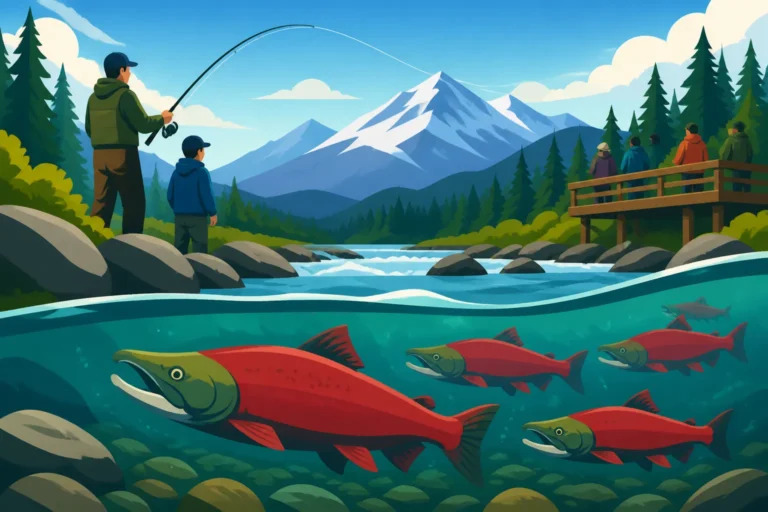
- Fall (September – November): This is often considered one of the most productive times on the Columbia system. As water temperatures cool, fish become highly active. Kokanee begin their spawning runs, creating aggregations that attract large predator fish like bull trout and rainbows. The vibrant fall colours along the riverbanks also add to the beauty of the experience. Many anglers consider this the best window for trophy fish.
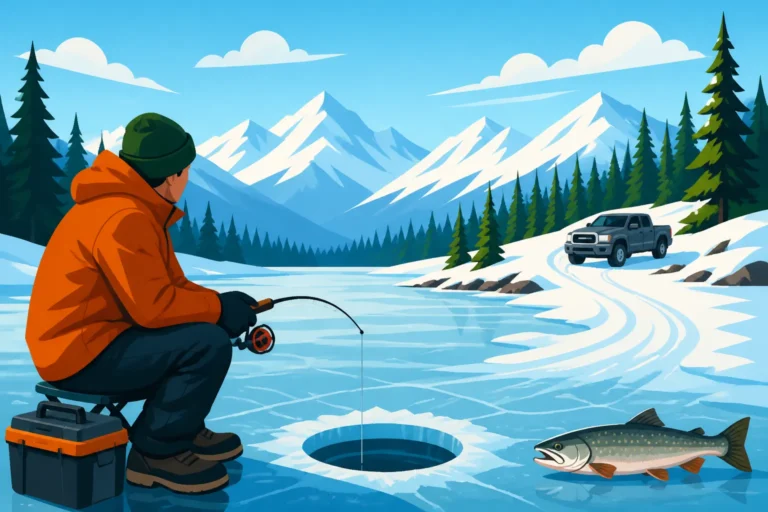
- Winter (December – February): While many anglers pack away their gear, hardy individuals can still find success. Ice fishing becomes an option on some of the smaller, shallower lakes connected to the system, or on sections of the reservoirs, primarily for kokanee and trout. River sections that remain open can offer surprisingly good fishing for resident trout and whitefish, especially during milder spells. Consulting BC Fishing Seasons by Month will give you a detailed breakdown of what's active when.
Gear Up for Success
Being prepared with the right tackle can make all the difference on the Columbia. Given the varied nature of the fishery, versatility is key.
- Rods and Reels: For general river fishing, a medium-action spinning or casting rod (7-9 feet) with a matching reel spooled with 8-12 lb test line will cover most situations for trout and whitefish. For the larger bull trout and Gerrard rainbows in the reservoirs, or if there's a chance of encountering sturgeon (even catch-and-release), you'll want a heavier setup—a medium-heavy to heavy power rod (8-10 feet) with a robust reel spooled with 20-30 lb braided line, especially if you're trolling or using downriggers.
- Lures and Baits: A diverse selection is wise. For trout, carry an assortment of spoons (e.g., Krocadile, Five of Diamonds), spinners (e.g., Mepps, Rooster Tail), and small crankbaits. For kokanee, small dodgers and wedding rings are essential. If bait is allowed, PowerBait or worms can be effective in certain areas, particularly for stocked trout. Fly anglers should have a range of nymphs, streamers (especially baitfish imitations), and dry flies.
- Terminal Tackle: Always have a variety of hooks, swivels, lead weights (pencil weights for river drifting, cannonball weights for downriggers), and leader material (fluorocarbon for its invisibility).
- Boating Gear: Much of the prime fishing on the Columbia's reservoir sections requires a boat. Ensure you have all the necessary safety equipment, a reliable motor, a good fish finder/sonar, and potentially downriggers for deep-water trolling. If you're using a guide, they will typically provide specialized gear; check What Gear a BC Charter Provides for specifics.
If you're unsure about what gear to bring or which techniques will be most effective, booking a guided trip can be invaluable. Platforms like FishingBooker can connect you with experienced local guides who know the Columbia River's intricacies like the back of their hand, ensuring you have the right setup for the day. Guides often have the most up-to-date information on where the fish are biting and what they're hitting. Choosing the right guide is also an important decision, and How to Choose a BC Fishing Charter can help you navigate that process. Lastly, always make sure your BC Fishing License Age Requirements are met and you have the correct license in hand!
Columbia River BC Fishing Spots Summary
| Fishing Spot / Area | Primary Target Species | Best Time of Year | Key Techniques | Notes |
|---|---|---|---|---|
| Upper Columbia (Headwaters) | Rainbow Trout, Cutthroat Trout | Spring, Early Summer, Fall | Fly fishing, Spin casting | More natural river, peaceful, wade access |
| Revelstoke Area River | Rainbow Trout, Dolly Varden | Spring, Fall | Fly fishing, Spin casting with lures | Scenic mountain backdrop, good resident trout |
| Kinbasket Lake | Bull Trout, Rainbow Trout, Lake Trout | Summer, Fall | Deep water trolling, Downrigging | Very large, deep reservoir, trophy bull trout potential |
| Upper Arrow Lake | Gerrard Rainbow Trout, Kokanee, Bull Trout | Spring, Fall | Trolling (plugs, spoons, kokanee imitations) | World-famous Gerrard rainbows, challenging deep water |
| Lower Arrow Lake | Rainbow Trout, Bull Trout, Kokanee, Burbot | Spring, Summer, Fall | Trolling, Jigging, Structure fishing | Diverse opportunities, good kokanee fishery |
| Castlegar to Trail | Rainbow Trout, Walleye, Whitefish (occasionally Sturgeon) | Year-round (seasonal shifts) | Drift fishing, Bottom bouncing, Spin casting | Riverine flow resumes, productive eddies, walleye present |
| Tailwaters Below Dams | Large Rainbow Trout, Bull Trout | Year-round | Drift fishing (nymphs, streamers), Jigging | Consistent temperature, high nutrient flow, big trout |
| Boundary Waters | Rainbow Trout, Walleye, Whitefish | Year-round | Spin casting, Bait fishing | Proximity to US border, check license requirements for both sides |
Disclaimer
Please remember that fishing regulations in British Columbia can change frequently. Always consult the latest BC Freshwater Fishing Synopsis or the official Fisheries and Oceans Canada (DFO) website for tidal waters regulations before you head out. This guide provides general information and should not be considered a substitute for official regulations. Be safe, fish responsibly, and respect the natural environment.