BC non-motorized boat registration exemption
Navigating the waters of British Columbia can be an absolute dream for anglers, but the maze of regulations around boats can quickly turn that dream into a headache. Many folks wonder if their trusty kayak, canoe, or paddleboard needs to be registered with the government, adding another layer of paperwork and potential cost to their outdoor adventures. This comprehensive guide is here to untangle those specific rules, focusing squarely on the BC non-motorized boat registration exemption, so you can paddle or row with peace of mind.
Understanding Non-Motorized Vessel Registration in BC
When you're out on the pristine waters of British Columbia, whether it's a calm interior lake or a bustling coastal inlet, it's natural to question what official documents your watercraft needs. The good news for many recreational paddlers and rowers is that the rules for non-motorized vessels are generally quite straightforward and often lead to an exemption from federal registration requirements.
What is a "Non-Motorized" Vessel?
First things first, let's get clear on what exactly counts as a "non-motorized" vessel in the eyes of Transport Canada, which governs most boating regulations across the country. Essentially, if your vessel relies solely on human power or wind power for propulsion, it's considered non-motorized. This includes a wide array of popular watercraft that so many of us love to use: kayaks, canoes, stand-up paddleboards (SUPs), rowboats, inflatable dinghies, sculls, and even small sailboats that don't have an auxiliary engine. The key distinction is the absence of any mechanical means of propulsion, even a small electric motor.
These types of vessels are typically smaller, operate at slower speeds, and generally pose a lower risk to other larger vessels and the environment compared to powerboats. This inherent difference in risk profile is a major reason behind the registration exemptions, simplifying things significantly for the recreational enthusiast. So, if you're planning a quiet day of fishing from your paddleboard on Okanagan Lake, you're likely in the clear regarding federal registration.
The General Exemption Rule
Here’s the core of it: most recreational vessels that are not propelled by a motor do not require registration with Transport Canada's Office of Boating Safety. This means your canoe, kayak, rowboat, or stand-up paddleboard used solely for recreation doesn't need a registration number displayed on its hull, nor do you need to go through the often-lengthy process of getting it officially documented. This is a huge relief for many who simply want to enjoy the outdoors without jumping through excessive bureaucratic hoops.
The philosophy behind this exemption is to keep the regulatory burden reasonable for low-impact recreational activities. Imagine if every single canoe or kayak in BC needed to be registered! It would be an administrative nightmare and would likely deter people from enjoying our beautiful waterways. So, for the vast majority of you heading out on a lake or river with your paddle-powered craft, you can breathe easy knowing you're likely exempt from federal registration. However, don't confuse this with being exempt from carrying appropriate safety gear or having a fishing license if you plan to fish, as those are entirely different, crucial requirements. For instance, understanding the nuances of a BC Freshwater vs Tidal Waters License, Explained is always a good idea, as license requirements apply regardless of your vessel type.
Specific Scenarios and Common Confusions
While the general rule is clear, there are always those "what if" situations that can throw a wrench into things. It's easy to get confused, especially when you start thinking about hybrid scenarios or how your vessel might be used for different purposes. Let's delve into some of those specific instances where the lines might blur a bit, or where other rules kick in.
When a Non-Motorized Vessel Might Need Registration
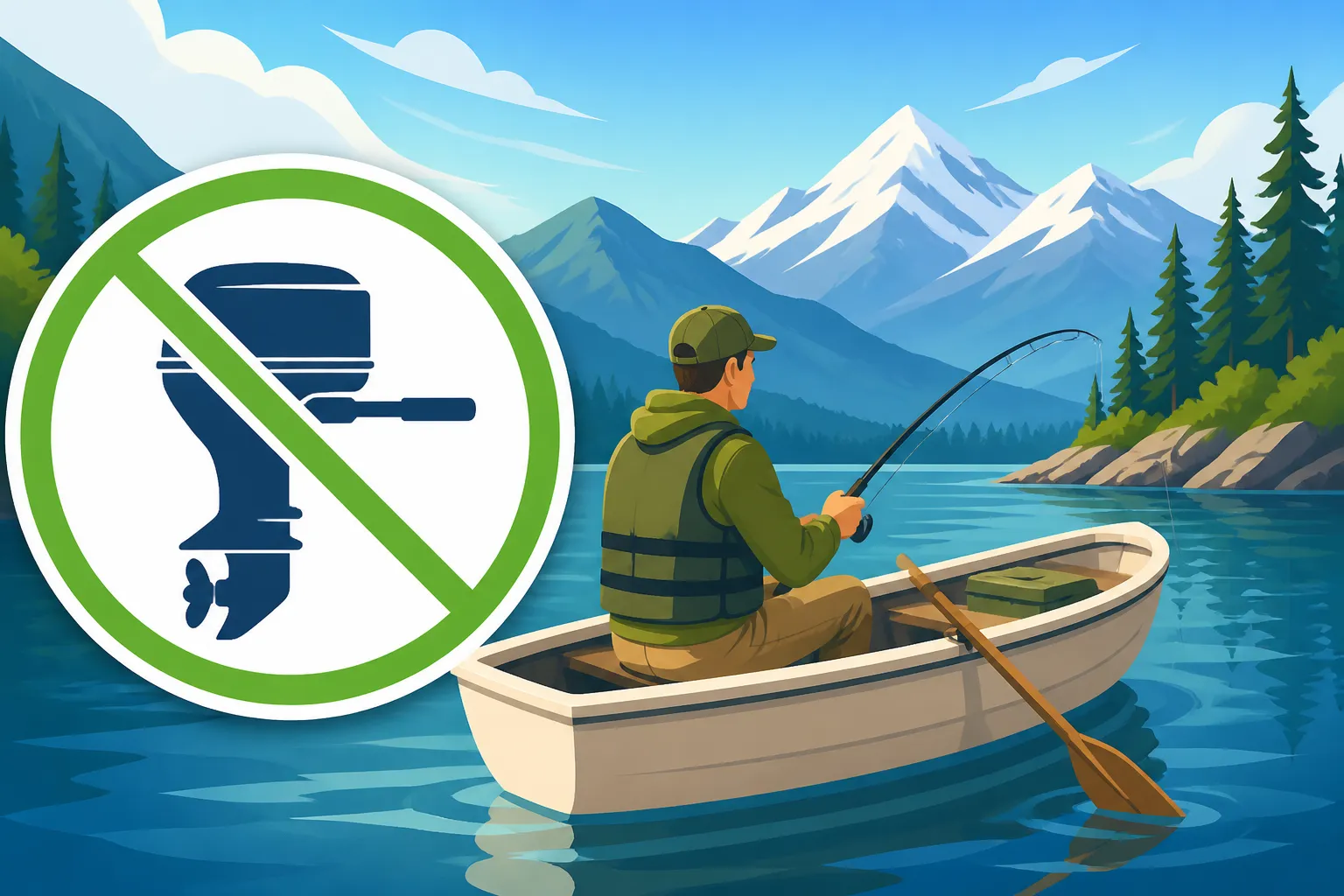
The primary trigger for federal vessel registration is the presence of a motor. This means if you decide to attach even a small electric trolling motor to your canoe or inflatable dinghy, it immediately changes its classification from "non-motorized" to "motorized," and thus, it generally would require registration if the motor is 10 horsepower (7.5 kW) or more. Even if the motor is less than 10 horsepower, you would still need a Pleasure Craft Operator Card (PCOC) to operate it, and the vessel would need to adhere to all safety equipment requirements for motorized vessels. This is a common point of confusion for those who use a small electric motor for convenience on larger lakes. Always remember that once a motor enters the picture, the rules shift dramatically.
Beyond personal recreational use, if your non-motorized vessel is being used for commercial purposes—such as guiding fishing trips, offering tours, or for rental purposes—it falls under a different set of regulations, regardless of whether it has a motor. Commercial vessels, even those paddled, typically require specific registrations, inspections, and safety management plans. So, if you're thinking of starting a kayak tour company, the exemption for recreational non-motorized boats won't apply to your business operations.
The Difference Between Registration and Identification
It's crucial not to conflate federal vessel registration with other forms of identification or permits that might still be necessary. While your recreational kayak might not need to be federally registered, there are still good practices and sometimes mandatory provincial or local requirements to keep in mind. For instance, many anglers choose to write their name and contact information inside their kayak or on a durable sticker. This isn't a registration requirement, but it’s incredibly helpful if your vessel ever gets lost or drifts away – it can mean the difference between getting it back or losing it forever.
Furthermore, even without federal registration, your responsibility as a boater doesn't disappear. You need to know the rules of the waterway, understand navigation, and be aware of other vessels. This also applies to fishing. A non-motorized boat might not need registration, but if you're casting a line, you absolutely need a valid fishing license. There are no exemptions there! Failing to have one can lead to significant penalties for Fishing Without a License in BC: Penalties. You'll also want to be aware of specifics like BC Boating Laws for Anglers which detail how you must operate your vessel while fishing. Even if you're just paddling to your favorite fishing spot in a provincial park, you'll want to check if that park has any specific rules or permits for vessel use. These kinds of local nuances can often catch people off guard, so it’s always best to do a quick check on the specific body of water you plan to visit.
Safety Equipment and Operator Requirements for Non-Motorized Boats
Even though your non-motorized boat might be exempt from federal registration, safety is never optional on the water. In fact, many people mistakenly believe that because their kayak or paddleboard is small, it doesn't need much in the way of safety gear. This couldn't be further from the truth. Transport Canada has very clear, legally binding requirements for safety equipment on all vessels, regardless of their size or propulsion method. Ignoring these can not only put your life and the lives of others at risk but can also lead to fines if you're checked by the Coast Guard or local authorities.
Essential Safety Gear You Still Need
Every single person on a vessel, including kayaks, canoes, and stand-up paddleboards, must have an approved personal flotation device (PFD) or lifejacket of appropriate size. This isn't just a recommendation; it's the law. While you don't always have to wear it, it must be readily available. However, wearing it is always the safest choice, especially in BC's often cold waters. Beyond PFDs, there's a list of other critical items you need:
- Bailing Device: A bailer or pump to remove water from your vessel. Even a small amount of water can destabilize a kayak or canoe.
- Sound-Signaling Device: A whistle or air horn is required to signal for help or to warn other boaters. Imagine being caught in fog or needing to alert a passing powerboat to your presence.
- Throw Line: A buoyant heaving line at least 15 meters (49 feet) long. This is essential for rescuing someone who has fallen overboard or is in distress.
- Navigation Lights (for night/reduced visibility): If you're out on the water between sunset and sunrise, or in periods of reduced visibility (like fog), you need to display an all-round white light. This could be a portable, battery-powered light on your PFD or attached to your vessel.
- Magnetic Compass (if out of sight of navigation marks): For longer trips or when you might lose sight of shore or established navigation marks.
- Visual Distress Signals (Flares): For larger non-motorized vessels or when venturing further offshore. The requirements vary based on vessel length and distance from shore, so check the specific Transport Canada regulations.
It's a good idea to consolidate these items in a waterproof bag that's tethered to your vessel. Many outdoor retailers and even general online stores like Amazon offer convenient safety kits that contain many of these essentials, making it easier to ensure you're fully compliant. Remember, these requirements are designed to save lives, so take them seriously. For a complete rundown, make sure to check out the official BC required boat safety equipment checklist.
Operator Competency and Laws
Even without a motor, being a responsible operator of any vessel means understanding and adhering to certain fundamental rules of the water. While a Pleasure Craft Operator Card (PCOC) is typically only mandatory for operators of motorized vessels, possessing one can be incredibly beneficial for non-motorized users too. It equips you with crucial knowledge about navigation rules, responding to emergencies, and general safe boating practices. Knowing things like Does a Pleasure Craft Operator Card Expire in BC? might seem irrelevant for a kayaker, but the underlying knowledge of safe operations is universally applicable.
Here are some key aspects of operator responsibility for non-motorized boats:
- Rule of the Road: Understand basic navigation rules, such as giving way to larger vessels, keeping to the starboard (right) side of narrow channels, and how to safely cross paths with other boats.
- Avoiding Impairment: Just like operating a car, operating any vessel, even a kayak, while under the influence of alcohol or drugs is illegal and extremely dangerous. Your judgment, reaction time, and balance are all impaired, making accidents far more likely.
- Weather Awareness: Always check the weather forecast before heading out. Conditions can change rapidly in BC, especially on large lakes or coastal waters. A calm morning can quickly turn into strong winds and choppy waves, putting paddlers at significant risk.
- Trip Planning: Let someone know your float plan – where you're going, when you expect to return, and what to do if you don't check in. This simple step can be a lifesaver.
- Environmental Responsibility: Practice Leave No Trace principles. Pack out everything you pack in, avoid disturbing wildlife, and be mindful of sensitive ecosystems.
Being a competent and responsible boater means more than just avoiding registration requirements; it means actively ensuring your safety, the safety of others, and the health of our precious waterways.
Provincial and Local Regulations Beyond Federal Rules
While Transport Canada handles the overarching federal regulations for vessels, it's important to remember that provinces and local jurisdictions can also have their own specific rules. British Columbia is vast and diverse, with thousands of lakes, rivers, and kilometers of coastline, and what applies in one area might be slightly different in another. This often causes confusion, especially for those venturing to new fishing spots or exploring different types of waters.
Provincial Park and Lake Specific Rules
British Columbia boasts an incredible network of provincial parks, each with unique ecosystems and often specific regulations designed to protect them. For example, some provincial parks might have restrictions on where you can launch a non-motorized vessel, or even prohibit them entirely on certain sensitive lakes to protect fish spawning grounds or rare wildlife habitats. Before heading out, especially to a new-to-you spot, it's always a smart move to check the official BC Parks website or local signage for any specific regulations regarding vessel use.
Consider a popular fishing destination like Kootenay Lake or the Fraser River; while federal registration might not apply to your paddle craft, specific regulations regarding fishing methods, catch limits, and even the types of bait you can use will be strictly enforced. These are often detailed in the Reading the BC Freshwater Fishing Regulations Synopsis. Some lakes might even have speed restrictions or designated "no-wake" zones that apply to all vessels, not just motorized ones, to prevent shoreline erosion or protect swimmers. Furthermore, some municipal lakes might require a local permit for any type of watercraft, regardless of size or motor. It's a bit like checking the local parking signs – you don't want to assume universal rules apply everywhere.
Preventing Invasive Species Spread
One increasingly critical area where all boaters, motorized or not, must be diligent is in preventing the spread of aquatic invasive species (AIS). Organisms like zebra mussels and quagga mussels pose an enormous threat to BC's pristine aquatic environments, infrastructure, and native fish populations. They can hitch a ride on even the smallest film of water or tiny plant fragments.
The "Clean, Drain, Dry" initiative is paramount:
- Clean: Inspect your non-motorized vessel, trailer, and all gear (including fishing tackle, anchor, and PFDs) after every use. Remove any visible mud, plants, or aquatic animals.
- Drain: Drain all water from your vessel and any equipment that holds water, such as bilge areas, bait buckets, and live wells. This includes carefully tilting kayaks and canoes to ensure no standing water remains.
- Dry: Allow your vessel and gear to dry completely before launching into another body of water. A minimum of 48 hours is often recommended, but longer is better, especially in damp conditions.
Even if you're just moving your kayak from one small lake to another just a few kilometers away, these steps are crucial. British Columbia has dedicated inspection stations for boats, and while they primarily target motorized vessels, the principle applies to all watercraft. Do your part to protect our incredible natural heritage – it’s a responsibility that transcends registration requirements.
| Feature / Requirement | Motorized Vessel (10hp+) | Non-Motorized Vessel (e.g., Kayak, Canoe) |
|---|---|---|
| Federal Registration | Generally required for recreational vessels | Generally not required for recreational vessels |
| Pleasure Craft Operator Card (PCOC) | Mandatory for operator | Not mandatory, but highly recommended |
| Approved PFD/Lifejacket | Mandatory for each person aboard, readily accessible | Mandatory for each person aboard, readily accessible |
| Bailing Device / Pump | Mandatory | Mandatory |
| Sound-Signaling Device | Mandatory (e.g., whistle, air horn) | Mandatory (e.g., whistle, air horn) |
| Buoyant Heaving Line (15m) | Mandatory | Mandatory |
| Navigation Lights | Mandatory (sunset to sunrise, reduced visibility) | Mandatory (portable all-round white light) |
| Fire Extinguisher | Mandatory (if equipped with engine/fuel tank) | Not required |
| Magnetic Compass | Mandatory (if out of sight of navigation marks) | Mandatory (if out of sight of navigation marks) |
| Visual Distress Signals (Flares) | Mandatory (for certain vessel lengths/distances) | May be mandatory (check specific regulations) |
| Fishing License | Mandatory if fishing (regardless of boat type) | Mandatory if fishing (regardless of boat type) |
| Clean, Drain, Dry (AIS) | Mandatory practice for all vessels and gear | Mandatory practice for all vessels and gear |
Disclaimer
Please remember that boating regulations can change. While every effort has been made to provide accurate and up-to-date information, this guide is for informational purposes only and should not be considered legal advice. Always consult the official Transport Canada Small Vessel Regulations, BC Fishing Regulations Synopsis, and local bylaws or park regulations before heading out on the water.