Is Treble Hook Fishing Banned for Chinook in BC?
It can be incredibly frustrating to keep up with all the fishing regulations in British Columbia, especially when it comes to specific gear like hooks. You hear whispers and rumors about what's allowed and what's not, and it often feels like you need a law degree just to go out and fish without breaking the rules. One common question that pops up, particularly among anglers targeting those prized Chinook salmon, is whether treble hook fishing is actually banned in BC. This guide is here to untangle that confusion, explain the current regulations, and help you understand how to fish legally and responsibly for Chinook in our beautiful province.
Understanding BC's Fishing Hook Regulations
Navigating the rules around fishing hooks in British Columbia can feel like a minefield. What's allowed in one lake might be strictly prohibited in a river just a few kilometers away, and these regulations are designed with one primary goal in mind: conservation. Knowing the foundational principles helps make sense of the specifics, especially when it comes to our iconic Chinook salmon.
The General Rule for Barbless Hooks
Let's start with the big one: the province-wide mandate for barbless hooks. If you’re fishing anywhere in British Columbia, whether it's freshwater or saltwater, the default rule is that you must use barbless hooks. This isn't just a suggestion; it's a hard and fast regulation that applies to all species. The primary reason for this is to minimize harm to fish, particularly those that are caught and released. When a fish takes a barbless hook, it can be removed much more easily and quickly, causing less tissue damage and reducing the stress the fish experiences. This significantly increases their chances of survival after release.
Think about it from the fish's perspective. A barbed hook, by its very design, is meant to stick. When you're trying to remove it, especially from a feisty salmon, you often have to apply more force, potentially tearing flesh or damaging gills. A barbless hook, on the other hand, can often be backed out with a gentle twist, leaving the fish in much better condition to swim away and continue its journey. This is particularly crucial for species like wild steelhead or native trout that might be caught multiple times in their lives or are part of fragile populations.
This regulation isn't about making fishing harder; it's about ensuring the long-term health of our fisheries. Many anglers, myself included, have found that going barbless actually improves their connection to the fish and the sport. It forces you to maintain better tension, fight the fish more skillfully, and ultimately, it's a more ethical way to enjoy angling in BC.
Specifics for Chinook Salmon Fishing
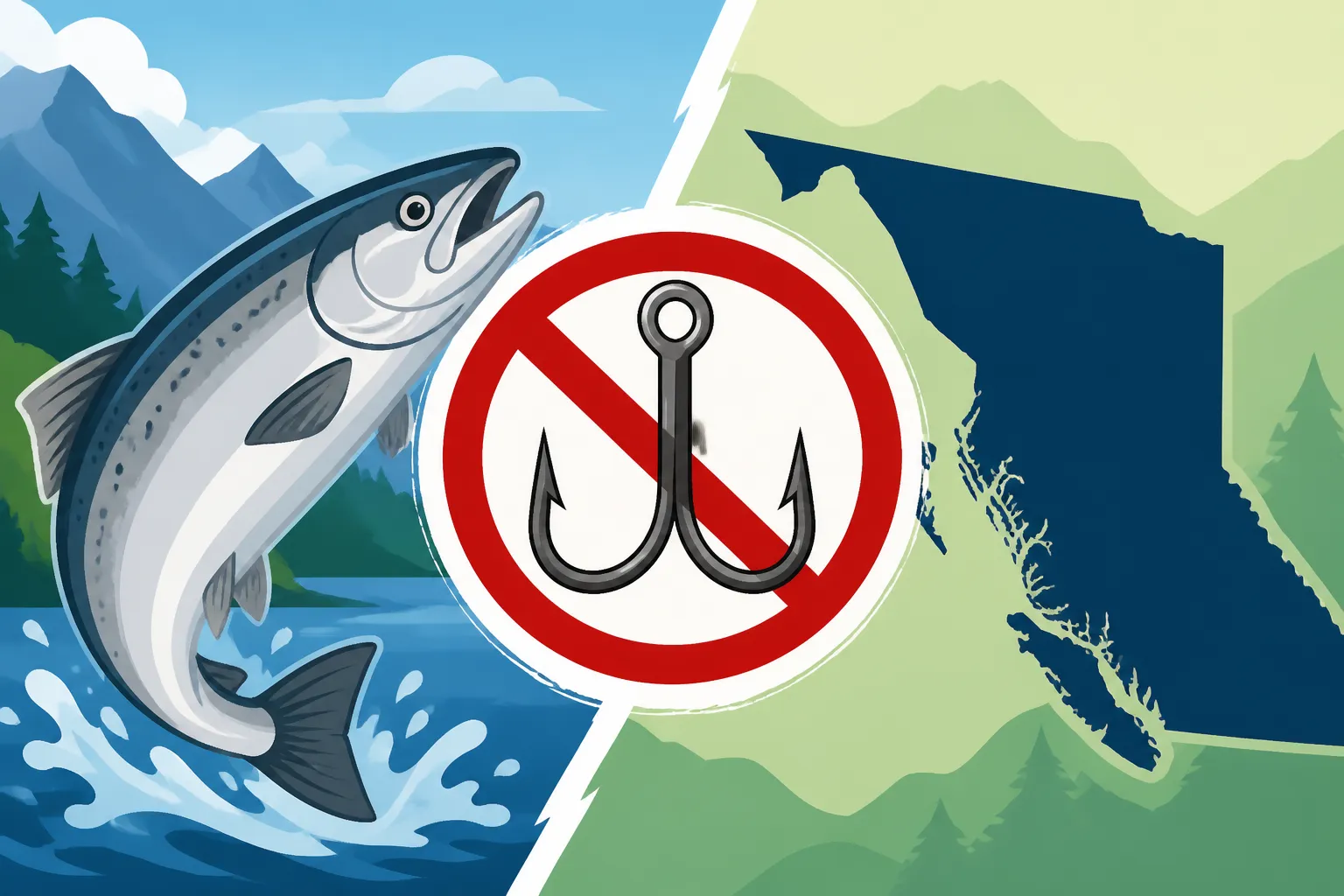
Now, let's get down to the nitty-gritty regarding Chinook salmon and treble hooks. While the general rule is barbless, the question of treble hooks specifically often arises. Here's the deal: for the most part, treble hooks are not explicitly banned in BC for all fishing, provided they are barbless. However, and this is a crucial however, there are many specific areas, seasons, and situations where a single barbless hook is mandatory, and a treble hook, even if barbless, would be illegal.
These stricter rules often come into play in areas where Chinook salmon are highly vulnerable, such as during their spawning migrations in rivers or in specific marine conservation areas. For example, in many freshwater systems, especially during certain salmon runs, you'll find regulations stipulating "single barbless hook" only. This means no treble hooks, regardless of whether the barbs have been pinched. These regulations are designed to protect specific stocks, particularly those that are threatened or endangered, and to ensure selective fishing practices. You'll often see these rules enforced rigorously on key salmon rivers like the Fraser or various coastal streams where Chinook are passing through.
It's vital for anglers targeting Chinook to understand that while a barbless treble hook might technically be legal in some broader contexts (like certain tidal waters without specific restrictions), the trend and the most common specific regulations, especially in freshwater and non-retention zones, lean heavily towards single barbless hooks. Always, always check the latest Fishery Notices and the Freshwater Fishing Regulations Synopsis for the specific body of water you intend to fish. These documents will clearly outline if "BC Chinook salmon non-retention area hook restrictions" apply or if there are single-hook mandates.
The Treble Hook Debate and Chinook Salmon Conservation
The discussion around treble hooks isn't just about legality; it's deeply rooted in the principles of conservation. When we talk about protecting iconic species like Chinook salmon, every little detail, right down to the hook we use, can make a significant difference. Understanding the "why" behind these regulations can help us all be more responsible anglers.
Why Treble Hooks Pose a Risk
When comparing treble hooks to single hooks, the potential for injury to a fish, especially one that might be released, is vastly different. A treble hook, with its three points, has a much higher chance of snagging a fish in multiple places – not just the mouth. We're talking about gills, eyes, vital organs, or even deep in the throat, which are all much more sensitive areas than the jaw. Even if the barbs are painstakingly removed, the sheer number of points on a treble hook increases the surface area for potential damage and the likelihood of a more traumatic hooking event.
Imagine trying to remove a three-pronged anchor from a fish's delicate tissues versus a single-point hook. The single hook often comes out cleanly, leaving a minimal wound. A treble hook, conversely, can cause extensive tearing, especially if the fish struggles. This increased injury leads to higher post-release mortality rates. A Chinook that swims away with multiple deep punctures or significant gill damage might look fine at the surface, but its chances of long-term survival are severely compromised. This risk becomes even more pronounced for larger, stronger fish like adult Chinook that fight harder, exacerbating the potential for injury during the battle and unhooking process.
This is a critical concern in areas with catch-and-release mandates or where specific populations are protected. For example, in certain areas of the Fraser River during sensitive migration periods, you'll find strict rules partly because many fish, including precious wild Chinook stocks, need to be released unharmed. The use of treble hooks, even if barbless, simply doesn't align with the goal of maximizing post-release survival.
Designated Non-Retention and Selective Fishing Areas
British Columbia has implemented specific regulations to protect vulnerable salmon populations, and these often involve designated non-retention areas or periods, especially for Chinook. What does "non-retention" mean? It means you can fish for a species, but if you catch it, you must immediately release it unharmed. These rules are paramount in conservation efforts, particularly when certain salmon stocks are at critically low levels.
In these sensitive areas, the regulations regarding gear become even stricter. It's common to find mandates for "single barbless hooks only" in places like the Fraser River during sockeye and chinook migrations, or on other coastal rivers where wild steelhead or specific Chinook runs need protection. The goal here is to ensure that if a fish is caught accidentally or targeted for catch-and-release, it has the absolute best chance of survival. Treble hooks are often explicitly prohibited in these scenarios precisely because of the increased risk of deep hooking and severe injury they pose, which goes against the very spirit of selective fishing.
These regulations aren't arbitrary; they're based on scientific assessment of fish stocks and habitat conditions. Understanding "BC Fishery Notices and In-Season Closures, Explained" is crucial before heading out. Sometimes, a non-retention rule for Chinook in a particular river might come into effect only during specific "BC Fraser River Sockeye Closure Windows" or when a certain Chinook run is passing through. This dynamic regulatory landscape means that anglers must stay vigilant and informed, as the rules can literally change overnight. Always prioritize the use of single barbless hooks in any area where conservation is a high priority, or where specific regulations for Chinook are in place, to ensure you're doing your part for the future of the fishery.
Navigating Gear Choices and Legal Alternatives
Facing the array of rules about hooks can be daunting, but the good news is that there are plenty of effective and legal alternatives to treble hooks, especially for targeting Chinook. Making the right gear choices not only keeps you compliant with regulations but also contributes to responsible angling practices.
Recommended Hook Types for Chinook Anglers
For the vast majority of Chinook fishing in BC, especially in rivers and designated conservation areas, single barbless hooks are the absolute gold standard. These hooks are designed to penetrate cleanly and hold well, but most importantly, they allow for easy and minimal-damage release. You can find high-quality single barbless hooks at most tackle shops, and they're also readily available online from retailers like Amazon, often in bulk packs which can be very economical. When selecting a single hook, look for strong, sharp models with a wide gap to ensure good hookups. Brands like Gamakatsu, Owner, and Mustad all offer excellent options.
What if your favorite lure comes with a treble hook? Don't despair! Converting your lures to single barbless hooks is a straightforward process. You simply need a pair of split ring pliers (also available on Amazon or at any decent tackle store) to remove the treble hook and replace it with a new split ring and a single barbless hook. Many anglers even go a step further and flatten the barb on a single hook themselves, using regular pliers, if a pre-barbless option isn't available. This simple modification allows you to continue using your trusted spinners, spoons, and plugs while staying within regulations and being conservation-minded. It's a small investment in time and tools that pays off for both your fishing success and the health of the fishery.
Checking the Latest Fishery Notices
This cannot be stressed enough: always, always check the current fishing regulations and fishery notices before you head out. The rules in British Columbia, especially concerning sensitive species like Chinook salmon, are dynamic and can change frequently based on stock assessments, environmental conditions, and run timing. What was legal last week might not be legal this week. Relying on outdated information or word-of-mouth can lead to fines and frustration.
The primary source for current freshwater regulations is the "Reading the BC Freshwater Fishing Regulations Synopsis", published by the BC government, which covers provincial waters. For tidal (saltwater) regulations and specific salmon management updates, you'll need to consult the Fisheries and Oceans Canada (DFO) website. The DFO also issues "Fishery Notices" which are critical for understanding in-season changes, closures, and specific gear restrictions, particularly those that address "BC Chinook salmon spring season dates on the Fraser" or other sensitive periods. These notices are typically posted online and should be checked regularly.
Many experienced anglers make it a habit to check the DFO and BC government websites the night before or the morning of their trip. Some even set up alerts. It's also a good idea to chat with local tackle shop owners, who are often incredibly knowledgeable about the immediate area's current conditions and regulations. For example, a shop in Mission, BC, will know the nuances of the Fraser River rules far better than a general online search might convey. Being proactive in checking these sources is your best defense against inadvertently breaking the rules and ensures you have a smooth, legal, and successful fishing trip. You can find up-to-date links to these resources by searching online for "DFO Pacific Fishery Notices" or "BC Freshwater Fishing Regulations".
| Hook Type | Description | Pros | Cons | Legal Status for Chinook (General) |
|---|---|---|---|---|
| Single Barbless | One point, no barb. | Maximize fish survival, easy release, legal in most areas. | Can be harder to keep fish hooked if slack line. | Recommended & often Mandatory |
| Single Barbed | One point, with a barb. | Secure hookup. | More fish injury, harder release. | Illegal province-wide. |
| Treble Barbless | Three points, barbs removed (pinched flat). | Good hookup ratio on some lures. | Higher potential for multiple deep injuries. | Legal in some broad areas, but often restricted in sensitive Chinook zones. |
| Treble Barbed | Three points, with barbs. | Very secure hookup. | High fish injury, very hard release. | Illegal province-wide. |
Note: Always verify current regulations for your specific fishing location and target species, as rules can change frequently and locally.
Penalties and Responsible Angling Practices
Understanding the rules and making informed gear choices isn't just about avoiding trouble; it's about being a responsible steward of our natural resources. The consequences of ignoring regulations can be severe, and the impact on our fisheries can be long-lasting.
Consequences of Non-Compliance
Let's be blunt: fishing without proper adherence to regulations, especially concerning gear like hooks, can land you in a lot of hot water. Ignorance of the law is never an excuse, and fisheries officers are out there, actively patrolling. If you're caught using barbed hooks or prohibited gear like treble hooks in a single-hook-only zone for Chinook, the penalties can be substantial. These aren't just slaps on the wrist; we're talking about significant fines that can quickly add up, easily reaching hundreds or even thousands of dollars.
Beyond the monetary penalties, you could face confiscation of your gear, including your rod, reel, and even your boat. In more serious or repeat offenses, you might even have your fishing license suspended or revoked, preventing you from enjoying the sport for an extended period. Think about the disappointment of having your favorite rod taken away, or being told you can't fish for an entire season because of a preventable oversight. The aim of these strict measures is to deter illegal fishing and protect the fragile ecosystems and fish populations that BC is so famous for. Nobody wants their fishing trip to end with a hefty fine and a stern lecture from a fisheries officer, which is why taking the time to understand "BC Fishing Regulations Explained" is so important.
Advocating for Best Practices
Beyond simply adhering to the letter of the law, true responsible angling involves adopting best practices that prioritize the well-being of the fish and the sustainability of the fishery. Using barbless hooks, especially single barbless hooks for Chinook, is a huge step in the right direction, but there's more we can do. Minimizing fight time, for instance, reduces stress on the fish. This means using appropriate tackle that can handle the size of fish you're targeting, rather than struggling with undersized gear that prolongs the battle.
Proper handling techniques are also crucial. If you intend to release a fish, keep it in the water as much as possible. Avoid dragging it onto rocks or dry land. Use wet hands to cradle it, especially when removing the hook, to protect its delicate slime coat. If you need a photo, do it quickly and with the fish held horizontally, supporting its weight, and return it to the water swiftly. Tools like de-hookers can also aid in quick, clean releases. These actions might seem small, but collectively, they significantly enhance the chances of a released fish surviving and thriving.
Furthermore, being aware of and respecting "BC Salmon Conservation Stamp Rules" is part of the larger picture. These stamps contribute directly to the habitat restoration and enhancement programs that benefit Chinook and other salmon species. By understanding the regulations, using appropriate gear, practicing gentle handling, and staying informed through sources like "How to check BC fishery notices before a trip", we all contribute to a healthier, more sustainable fishing future for British Columbia. It's about being part of the solution, not adding to the problem.
Disclaimer
Please remember that fishing regulations in British Columbia can change frequently. The information provided in this guide is for general informational purposes only and should not be considered legal advice. Always consult the most current official regulations from Fisheries and Oceans Canada (DFO) and the BC Freshwater Fishing Regulations Synopsis before you go fishing. Your local tackle shop is also an excellent resource for up-to-date local rules.