BC fishing license refund policy
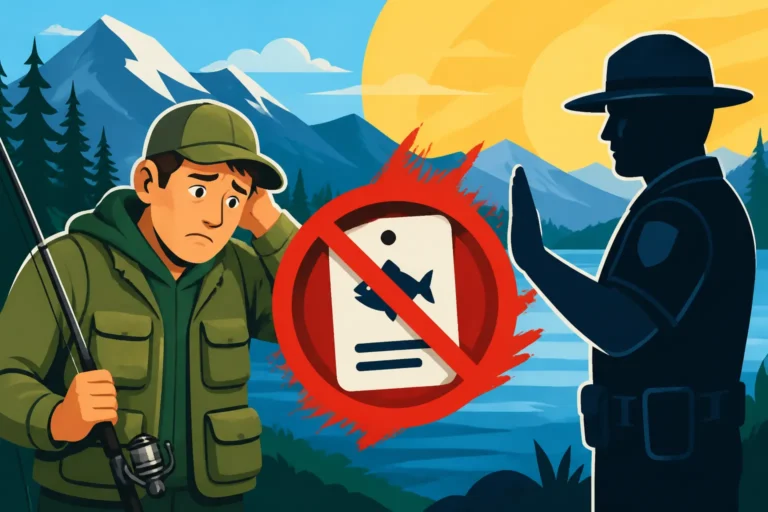
It's incredibly frustrating when life throws a curveball, plans change, or you accidentally click the wrong option while trying to secure your fishing license. You've paid your hard-earned money, and now you're wondering if you can get it back, especially if you can't use that license. This guide is here to shed some light on the BC fishing license refund policy, explain the realities of getting your money back, and help you understand the official process, as rare as refunds may be.
Understanding the BC Fishing License Refund Policy
Let's be upfront: generally speaking, fishing licenses in British Columbia, both freshwater and tidal, are considered non-refundable. This often comes as a surprise to anglers, especially those new to the province or used to more flexible policies elsewhere. The agencies involved, primarily the Freshwater Fisheries Society of BC and Fisheries and Oceans Canada (DFO), operate on the principle that once a license is purchased, it's a commitment, and the funds go directly towards managing and conserving our precious aquatic resources.
General Eligibility for Refunds
The default position for both freshwater and tidal fishing licenses in British Columbia is that they are final sale. This means that if your plans change, the weather turns foul, or you simply don't get out on the water as much as you hoped, a refund isn't typically on the table. It's a tough pill to swallow, especially when you consider the cost, which varies depending on whether you're a resident or non-resident, and the duration of the license. The system is designed to provide consistent funding for the vast conservation efforts and operational costs associated with maintaining world-class fisheries.
However, there are extremely narrow circumstances where an appeal for a refund might be considered, though these are far from guaranteed. We're talking about situations that are truly exceptional and usually beyond the control of the purchaser. Think along the lines of a verifiable medical emergency preventing use, or perhaps a demonstrable administrative error during the purchase process itself. Even then, the burden of proof is high, and each case is reviewed individually with no guarantee of a favourable outcome. It’s important to manage expectations here; the rules are pretty strict to ensure a stable funding base for the fisheries.
Specific Scenarios Where Refunds Are Rarely Considered
Many anglers mistakenly believe that certain situations would automatically qualify them for a refund, only to find themselves disappointed. It's crucial to understand why most common scenarios don't lead to a refund:
- Change of Plans: You bought an annual license, but your work schedule shifted, or a family commitment popped up, and now you can't fish. Unfortunately, personal changes of plans, while understandable, don't meet the criteria for a refund. The license period begins from the date of purchase or a specified start date and is valid for that duration, regardless of personal usage.
- Poor Fishing Conditions or Lack of Success: We've all been there – a trip where the fish just aren't biting, or the water conditions are terrible. Maybe the Fraser River Sockeye closure windows impacted your planned trip. It’s a bummer, but fishing success or conditions are inherent risks of the sport and do not qualify for a refund. The license grants you the right to fish, not a guarantee of catching fish or perfect weather.
- Accidental Purchase of the Wrong Type of License: This is a common one. You might accidentally buy a freshwater license when you needed a tidal one, or vice-versa. Or perhaps you're a non-resident Canadian but accidentally clicked the non-Canadian option, resulting in a higher fee. While frustrating, a full refund is unlikely. Often, the best outcome in these situations is a correction or an exchange for the correct license type, if the error is identified and reported immediately, and sometimes involves an additional fee or no refund for the difference if the mistakenly purchased license was cheaper. This is where attention to detail during the purchase process is paramount. You can find more information on the distinctions in our guide on BC Freshwater vs Tidal Waters License, Explained.
The key takeaway here is that the system is designed for finality. This helps the province maintain consistent funding for vital conservation programs, fish stocking efforts (like those for List of BC stocked trout lakes), habitat restoration, and enforcement.
The "Catch" with Digital vs. Paper Licenses
In today's digital age, many of us opt for the convenience of buying our BC fishing license online. You can easily go through the process on the official government or Fisheries Society websites, print it at home, or save it to your phone. Our guide on Printing or Carrying a Digital Fishing License in BC covers all the details. For many, this is how they secure their annual tags or even a short-term license like the BC non-resident 1-day freshwater fishing license cost.
Whether you purchase a license digitally or from an authorized vendor, the refund policy remains the same. The method of acquisition doesn't change the underlying principle of non-refundability. Once the transaction is complete and the license is issued, it's typically considered "used" or activated, even if you haven't wet a line.
This might feel counter-intuitive, especially with digital products where refunds are often more flexible. However, a fishing license isn't just a piece of paper or a digital file; it's a legal authorization. The moment it's issued, it enters the system, and the associated fees are allocated. The administrative effort and the immediate activation of your fishing privileges (even if unused) are key factors here. So, whether you have a crisp printout or a digital version on your smartphone, the strict refund rules apply equally.
The Official Channels for Refund Inquiries and Appeals
Even though refunds are rare, it doesn't mean you can't inquire or, in truly exceptional circumstances, appeal a decision. Knowing who to talk to and how to approach them is critical. This isn't a retail store return; it's a formal process.
Contacting the Freshwater Fisheries Society of BC
For all freshwater fishing license inquiries, including potential refunds, the primary authority is the Freshwater Fisheries Society of BC (GoFishBC). They are the ones who administer the freshwater licensing system and collect the fees. They manage the online licensing system, and their customer service team is the first point of contact for any issues.
When you contact them, be prepared with all your purchase details:
- Your full name and contact information.
- The exact date and time of purchase.
- Your license number.
- The type of license purchased (e.g., resident annual freshwater, non-resident 8-day freshwater).
- A clear, concise explanation of why you are requesting a refund, including any supporting documentation (e.g., medical certificates, proof of administrative error).
You can usually find their contact information on the GoFishBC website, typically through a "Contact Us" or "Support" section. They generally have a phone number for direct inquiries and an email address for more detailed correspondence. Remember, their staff are there to help navigate the regulations, but their hands are often tied by the official refund policy, which is quite strict. Be polite, clear, and have all your facts ready.
Dealing with Government Officials or Authorized Vendors
While the Freshwater Fisheries Society of BC handles freshwater licenses, tidal (saltwater) licenses fall under the jurisdiction of Fisheries and Oceans Canada (DFO). Their policies are similarly strict regarding refunds. If you bought a tidal license, you would need to contact DFO directly through their licensing portal support.
It’s also important to note that if you purchased your license through an authorized vendor – a local tackle shop, a sporting goods store, or even some grocery stores that act as agents for the system (you can find these by searching for "BC fishing license vendors near me") – those vendors generally cannot process refunds. They act merely as an intermediary in the sale. The transaction is ultimately with the licensing authority (Freshwater Fisheries Society or DFO), not the vendor. So, returning to the shop where you bought it won't typically yield a refund, as their systems aren't set up for that, and the funds have already been remitted to the provincial or federal agency.
In cases of genuine administrative error on the part of the vendor, they might be able to help correct the license type, but a full refund would still fall back to the main licensing bodies. This highlights the importance of carefully reviewing your purchase before finalizing it, whether online or in-store.
Navigating Common Refund Challenges and Alternatives
Since full refunds are so uncommon, it's best to understand how to avoid needing one in the first place, or what your options are if you find yourself in a tricky situation. Planning is your best defense against buyer's remorse when it comes to fishing licenses.
What to Do if You Purchased the Wrong License
This is probably the most common scenario where anglers hope for a refund, and it’s certainly frustrating. Imagine you’re planning a trip to the coast for salmon, and you mistakenly buy a freshwater license for the interior. Or you're a visitor from Alberta and accidentally buy a BC resident freshwater fishing license cost 2026 instead of the non-resident one.
Your best bet here is immediate action. As soon as you realize the error, contact the relevant licensing body (Freshwater Fisheries Society for freshwater, DFO for tidal) immediately. Don't wait. Explain the situation clearly. In some very limited instances, and usually only if the error is caught within a very short window (sometimes even minutes or hours), they might be able to cancel the incorrect license and allow you to purchase the correct one. Sometimes, this results in a credit or an exchange rather than a direct refund, and often, it still involves some administrative fees or simply forfeiting the initial payment if the error isn't caught quickly enough.
It's rare for them to offer a full refund and then re-charge you for the correct license. More often, they might guide you to purchase the correct license, considering the first one a non-refundable error. This is why it’s so critical to double-check every detail before hitting that "confirm" button, especially when dealing with distinctions like Resident vs Non-Resident Fishing License Costs in BC or species-specific stamps like the BC Freshwater Salmon Conservation Stamp requirement.
The Impact of Fishery Closures or Restrictions
British Columbia's fisheries are dynamic, heavily managed systems. Fisheries notices and in-season closures are a regular part of angling here, put in place for conservation reasons or to respond to changing stock conditions. For instance, the BC Fraser River Sockeye 5-week closure window dates can significantly impact summer plans.
A common question arises: if you buy a license for a specific area or species, and that fishery is subsequently closed, do you get a refund? The short answer is almost universally "no." Your license grants you the privilege to fish within the regulations as they stand. Those regulations are subject to change at any time for conservation purposes. The responsibility falls on the angler to check current BC Fishery Notices and In-Season Closures, Explained before heading out.
This policy ensures that conservation decisions aren't hampered by financial refund obligations, which could delay critical closures. While it can be deeply disappointing to have your fishing plans thwarted by a closure, understanding this aspect of the policy is essential for all BC anglers. It underscores the importance of staying informed and being flexible with your fishing destinations.
Protecting Yourself: Planning and Purchasing Wisely
Given the stringent refund policy, the best strategy is prevention. Here are some tips to protect yourself and avoid the need for a refund:
- Double-Check Everything: Before you finalize any license purchase, carefully review all the details: your name, address, date of birth, license type (freshwater, tidal, annual, multi-day), and any required stamps.
- Understand Residency Rules: Ensure you clearly understand the BC fishing license residency requirements to avoid purchasing the wrong category of license.
- Consider Shorter-Term Licenses: If your fishing plans are uncertain, or you’re only visiting for a short period, consider purchasing shorter-term licenses like a 1-day, 3-day, or 5-day option. While these still aren't refundable, the financial loss is less if your plans fall through compared to an annual license.
- Stay Informed: Regularly check the official DFO and GoFishBC websites for fishery notices, regulation changes, and season dates before you buy your license and definitely before you head out.
- Trip Planning Tools: When planning your trips, especially if you're travelling a long distance, consult reliable resources and maybe even pick up some gear on Amazon beforehand. Being prepared with the right equipment can make a big difference, even if the fish are elusive. Having a good rain jacket or proper waders, for instance, sourced from a trusted retailer like Amazon, can salvage a trip even if the weather changes unexpectedly.
Beyond Refunds: What Happens to Unused Licenses?
So, you've accepted that your license isn't refundable. What now? It's not just a piece of paper or a digital file; it represents a contribution to a much larger effort.
Transferability and Expiration
A key aspect of BC fishing licenses, whether freshwater or tidal, is that they are non-transferable. You cannot give or sell your unused license to another angler. The license is issued to a specific individual and is tied to their personal information. Any attempt to transfer or use another person's license would be a violation of fishing regulations and could result in significant penalties, including fines and future license suspensions. Fishing without a valid license, or with an improperly obtained one, can lead to serious consequences, as detailed in our article on Fishing Without a License in BC: Penalties.
All licenses also have a clear expiration date. Annual freshwater licenses typically expire on March 31st of the following year, regardless of when they were purchased (e.g., a 2025/2026 license purchased in October 2025 would still expire on March 31, 2026). Our guide on the BC annual fishing license expiration date offers more specifics. Tidal licenses have their own expiration schedules, usually based on the calendar year or specific multi-day durations. Once a license expires, it's no longer valid for fishing, and there's no residual value or ability to extend it without purchasing a new one.
Supporting Conservation Through Your Purchase
While the non-refundability can be a source of frustration, it's important to view your license purchase as a direct contribution to the health and sustainability of British Columbia's incredible fisheries. The fees collected from license sales are vital for:
- Fish Stocking Programs: Funds support the rearing and release of millions of trout into BC lakes annually, ensuring continued angling opportunities.
- Habitat Restoration and Protection: Money goes towards projects that protect and restore critical fish habitats, from spawning streams to marine environments.
- Research and Monitoring: Essential scientific research on fish populations, migration patterns, and environmental factors relies heavily on these funds. This helps inform sustainable management decisions.
- Enforcement: License fees contribute to the operational costs of fishery officers who patrol our waters, ensuring compliance with regulations and deterring poaching.
- Public Education: Funding also supports educational programs that promote responsible angling practices and conservation awareness.
So, even if your plans change and you don't get to use your license as much as you'd hoped, take some solace in knowing that your purchase still plays a crucial role in safeguarding British Columbia's natural fishing heritage for future generations. It's an investment in the resource itself. And while you're making that investment, you might as well equip yourself properly. Purchasing your fishing essentials, like a good tackle box or a new rod and reel, can often be done conveniently through online retailers like Amazon, ensuring you're ready for whenever you do hit the water.
Here's a quick summary of typical refund scenarios for BC fishing licenses:
| Reason for Refund Request | Typical Outcome | Notes |
|---|---|---|
| Change of personal plans | No Refund | Licenses are generally non-refundable for personal reasons (e.g., work, travel, lack of time). |
| Poor fishing conditions / No fish caught | No Refund | Fishing success is not guaranteed and does not qualify for a refund. |
| Accidental purchase of wrong license type | No Refund / Possible Correction or Exchange (rare) | Immediate contact with the licensing body is critical. Full refunds are highly unlikely; a correction to the correct license type might be offered, potentially with fees. |
| Fishery closure / Regulation changes | No Refund | Licenses grant the right to fish according to current regulations, which are subject to change for conservation. Anglers are responsible for checking notices like BC Fishery Notices and In-Season Closures, Explained. |
| Documented administrative error by issuer | Possible Refund / Correction | If the error was on the part of the licensing authority (e.g., incorrect dates printed), a refund or correction is more likely after investigation. |
| Death of licensee | Possible Refund (with documentation) | This is one of the extremely rare circumstances where a refund might be considered for the remaining unused portion of an annual license, with official documentation. |
| Severe medical condition preventing use | Possible Appeal (highly discretionary, with documentation) | In very extreme, verifiable medical situations that prevent any use of the license, an appeal might be reviewed on a case-by-case basis. Documentation required, and outcomes are not guaranteed. |
| Purchasing through an authorized vendor | No Refund via vendor, contact licensing body | Vendors act as agents; refunds are handled by the Freshwater Fisheries Society of BC (for freshwater) or Fisheries and Oceans Canada (for tidal). |
Disclaimer
Please remember that fishing regulations and policies in British Columbia can change. While this guide provides the most current and accurate information available at the time of writing, it is always your responsibility to consult the official websites of the Freshwater Fisheries Society of BC and Fisheries and Oceans Canada for the most up-to-date regulations, license purchasing details, and specific refund policies before making any purchases or heading out to fish.