BC fishing derby permit requirements
Organizing a fishing derby in British Columbia can feel like navigating a complex web of rules and regulations, often leaving even seasoned event planners scratching their heads about where to even begin. Trying to ensure everything is above board while also planning a fun, successful event for participants is a huge undertaking. This comprehensive guide is designed to demystify the BC fishing derby permit requirements, walking you through every essential step, from understanding who needs a permit to successfully securing one and running your event without a hitch.
Why Fishing Derby Permits are Absolutely Essential in BC
It’s completely understandable to feel overwhelmed by the bureaucracy when planning what you envision as a straightforward, fun fishing event. You just want to gather some folks, have a little friendly competition, and maybe raise some money for a good cause. Why does it have to be so complicated with all these permits? The truth is, these regulations, though sometimes cumbersome, are in place for really important reasons that ultimately benefit everyone who loves fishing in BC, from the fish themselves to the participants and the broader community.
Firstly, a significant part of the permit system revolves around conservation. British Columbia is world-renowned for its incredible fisheries, from the mighty salmon runs to the delicate trout streams and the powerful sturgeon. Without careful management, these precious resources could be easily overfished, especially when a large group of anglers converges on a single area for a derby. Permits allow provincial and federal fisheries managers to monitor and control fishing pressure, specify catch limits, enforce catch-and-release rules in sensitive areas, and gather crucial data on fish populations. This data helps them make informed decisions to ensure sustainable fishing for generations to come. Imagine the chaos and potential damage if hundreds of anglers descended on a sensitive river like the Thompson for steelhead during a derby without any oversight – it would be an ecological disaster waiting to happen.
Beyond conservation, permits are also about public safety and fairness. Large gatherings of people on the water or along riverbanks can create safety hazards, especially if boats are involved or if the event is held in a popular recreational area. A permit application requires organizers to outline safety plans, including things like first aid provisions, boat traffic management, and emergency procedures. This ensures that participants and other water users are kept safe. Furthermore, permits establish a level playing field, ensuring that all participants operate under the same clear rules. It prevents any single event from monopolizing a public resource or disrupting other anglers who are enjoying the water responsibly. Essentially, while it might feel like an extra hoop to jump through, the permit system is a critical safeguard for BC’s treasured aquatic environments and the well-being of its fishing community.
Understanding What Constitutes a Fishing Derby in BC
The term "fishing derby" might conjure up images of a big, splashy event with prizes and hundreds of participants, but in the eyes of BC's regulatory bodies, the definition can be broader than you might expect. It's really important to understand what kind of event triggers the need for a permit, because misinterpreting this could lead to significant fines or even event cancellation.
Generally speaking, a fishing derby is any organized event where more than the typical individual fishing effort occurs, and there's usually a competitive element, prizes, or an organized effort to gather a large number of participants. This includes everything from formal tournaments with entry fees and cash prizes, to local charity fundraisers, youth fishing days, or even a club-sponsored competitive outing. The key factor is the organized and collective nature of the fishing activity, especially when it involves publicizing the event, charging an entry fee, or offering awards. Even if you're just planning a friendly competition among a group of friends, if it starts to look like a publicly advertised event, you might inadvertently step into permit territory.
Consider the difference: A casual weekend fishing trip with your immediate family to Okanagan Lake, where you're all just enjoying the day and perhaps keeping a few kokanee within legal limits, generally doesn't require a special derby permit beyond your individual BC resident freshwater fishing license cost 2026. However, if you decide to formalize that into an "Annual Family Kokanee Challenge" open to anyone willing to pay a small entry fee for bragging rights and a trophy, suddenly you're hosting a derby. The increase in fishing pressure, the competitive aspect, and the public nature of the event all contribute to it falling under the permit umbrella. This is also why understanding the nuances of BC Fishing Regulations Explained is so crucial before you even start planning.
Who Needs to Apply and for Which Waters?
The jurisdiction for fishing derby permits in British Columbia is split between federal and provincial authorities, which can be a bit confusing. It primarily depends on where your derby will take place: freshwater or tidal (saltwater) environments.
If your fishing derby is planned for freshwater bodies – think lakes like Kootenay Lake or rivers like the Fraser, Thompson, or Skeena – you'll generally be dealing with the provincial government. Specifically, you'll need to contact the Ministry of Forests, which manages freshwater fisheries within the province. This includes rivers, streams, and lakes. The application process for freshwater derbies often involves demonstrating how your event will adhere to provincial regulations, including specific regional or water-body rules, and how you plan to minimize environmental impact. They want to ensure your derby won't put undue stress on local fish populations, especially for sensitive species like rainbow trout or steelhead. You'll need to outline your proposed catch and release policies, fish handling procedures, and how you'll manage any potential mortality.
For derbies taking place in tidal waters – meaning the ocean, coastal inlets, and estuaries – the federal government takes the lead. Fisheries and Oceans Canada (DFO) is the authority here. This applies to events targeting species like salmon, halibut, or lingcod in areas off Vancouver Island, the Gulf Islands, or along the mainland coast. DFO's focus is heavily on the conservation of Pacific salmon and other marine species, which are managed under federal mandates. Their permit process will scrutinize your derby's potential impact on these migratory and often vulnerable populations. You'll need to be very clear about the species you're targeting, your proposed limits, and how you'll ensure compliance with federal regulations, including the mandatory BC Salmon Conservation Stamp Rules for any participant retaining salmon. Understanding BC Freshwater vs Tidal Waters License, Explained is a good starting point for differentiating these jurisdictions.
It’s not uncommon for organizers to host derbies that span both freshwater and tidal areas, or target anadromous species like salmon that migrate between both. In such cases, you might find yourself needing to apply to both agencies, or at least clearly outlining how your event will comply with both sets of regulations. It’s always best practice to reach out to the relevant authorities early in your planning process to confirm which permits you'll need. Don't assume; a quick call can save you a lot of headaches down the line.
The Application Process: Steps to Getting Your Derby Permit
Applying for a fishing derby permit in British Columbia requires a methodical approach and a good deal of foresight. It’s definitely not something you can leave until the last minute. The process involves multiple steps, regardless of whether you’re applying provincially for freshwater or federally for tidal waters, though the specific forms and contact points will differ.
Step 1: Early Research and Contact
As soon as you start conceptualizing your derby, identify the specific water body and target species. This will determine whether you need to contact the BC Ministry of Forests (for freshwater) or Fisheries and Oceans Canada (for tidal waters). It's crucial to reach out to their respective regional offices or specific permit departments. A simple phone call or email explaining your intent can clarify initial requirements, application deadlines, and direct you to the correct forms. Many organizers make the mistake of assuming the process is universal, but local regulations or specific fishery notices, which you can check via BC Fishery Notices and In-Season Closures, Explained, can drastically alter your plans.
Step 2: Gathering Essential Information
Before you even touch an application form, you need to have a detailed plan for your event. This includes:
- Event Details: Proposed dates (including rain dates), specific locations (water bodies, launch sites, weigh-in stations), and the planned duration of the derby.
- Target Species: Which fish species will be targeted? This is critical as regulations vary widely for different fish.
- Participation & Rules: Estimated number of participants, entry fees (if any), prizes, and the specific fishing rules you'll enforce (e.g., gear restrictions, bait types, size limits).
- Conservation Measures: How will you ensure responsible fishing? This might include catch-and-release practices, proper fish handling techniques, and measures to prevent the spread of aquatic invasive species.
- Safety Plan: What are your safety protocols? This includes first aid provisions, communication plans, boat safety measures (like ensuring all vessels comply with BC Pleasure Craft Operator Card Requirement and Life Jacket Requirements for BC Boaters), and emergency contact information. You might even consider having some essential safety gear on hand, easily sourced from places like Amazon, for quick access during the event.
- Environmental Impact Assessment: How will you manage waste, prevent pollution, and minimize disturbance to the natural environment?
Step 3: Completing the Application Form
Both provincial and federal agencies will have specific application forms. Fill these out meticulously. Any missing information can lead to significant delays. Be prepared to provide detailed maps of your derby area, a schedule of events, and a comprehensive outline of your rules. You might need to attach supporting documents, such as proof of insurance for the event. This is also where you'll detail how your derby will abide by BC Bag and Possession Limits by Species and other regulations.
Step 4: Submission and Follow-up
Submit your completed application well in advance of your proposed derby date. Agencies typically recommend applying several months in advance, especially for larger events, as processing times can vary greatly. After submission, be proactive. Follow up with the permit office to confirm receipt and inquire about the processing status. Be prepared to answer additional questions or provide further clarification if requested. Remember, the goal of the regulators is to ensure a safe and sustainable event, so cooperating fully helps move the process along smoothly.
To give you a clearer picture, here's a simplified comparison of what you might generally expect:
| Feature | Freshwater Derbies (Provincial – Ministry of Forests) | Tidal Water Derbies (Federal – Fisheries and Oceans Canada) |
|---|---|---|
| Key Contact | Regional Fish & Wildlife Offices | DFO Regional Office (e.g., Pacific Region) |
| Primary Forms | Application for Fisheries Act Authorization (e.g., Section 9) | Special Event/Derby Permit Application |
| Typical Information | Dates, location (lake/river), species, rules, conservation plan, safety plan | Dates, location (marine area), species, rules, conservation plan, safety plan |
| Focus | Sustainable freshwater resource management, local impacts | Pacific salmon conservation, marine species, migratory routes |
| Processing Time | Varies; often 4-8 weeks, but can be longer for complex events | Varies; often 6-12 weeks, especially during peak seasons |
| Associated Costs | May involve administrative fees (less common for small events) | Administrative fees may apply |
| Key Considerations | Water levels, specific lake/river regulations, invasive species | Marine protected areas, salmon run timing, marine mammals, habitat |
Remember, this table is a generalization. Always consult the official government websites and contact the specific departments for the most accurate and up-to-date information for your unique event.
Key Regulations and Conditions You Must Follow
Securing your permit is a fantastic achievement, but it's just the beginning. The permit will come with a list of specific conditions that you, as the organizer, and all your participants must adhere to. These conditions are not suggestions; they are legally binding requirements designed to protect BC's fisheries and ensure the event is run safely and responsibly. Failing to follow them can lead to serious consequences, including fines, permit revocation, and even future difficulty in obtaining permits.
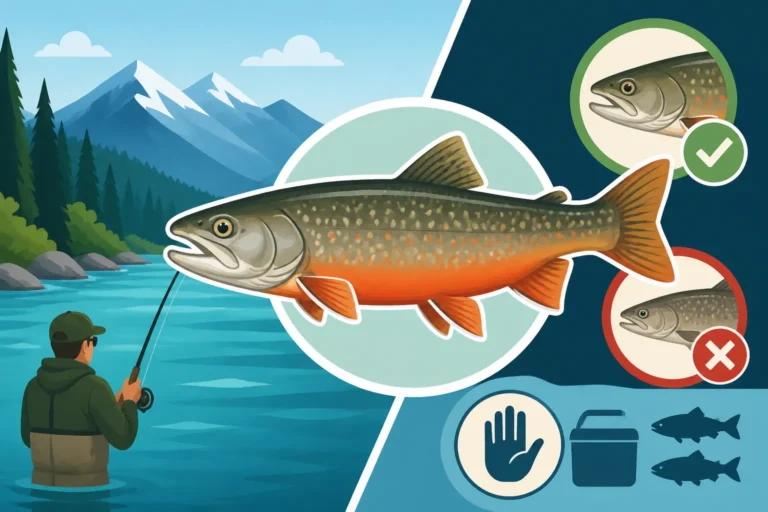
One of the most critical aspects will be adherence to species-specific regulations. Your permit will likely detail exactly which species can be targeted, if they can be retained, and any specific size or daily bag limits. For example, if you're hosting a salmon derby, there will be strict rules on species like Chinook, Coho, Sockeye, Pink, and Chum, potentially with different limits or even non-retention periods depending on the time of year and location. You'll need to educate all participants on these rules well in advance. This is why a thorough understanding of BC Bag and Possession Limits by Species is not just for individual anglers, but paramount for derby organizers.
Gear restrictions are another common condition. Some areas, particularly those sensitive for wild steelhead or resident trout, might have "single barbless hook" rules or even "fly fishing only" designations, as noted in various Special Regulation Waters in BC. Your permit will explicitly state if such restrictions apply. Similarly, there might be rules on bait usage, especially in freshwater systems where live bait could introduce disease or invasive species. Ensure all participants know what gear is allowed and what is strictly prohibited.
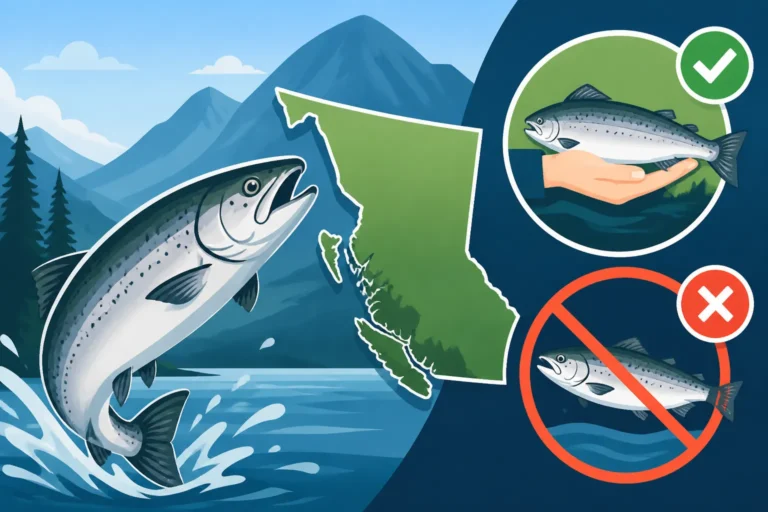
Catch and Release policies are frequently a significant component of derby permits, especially for highly valued or protected species like White Sturgeon on the Fraser River or wild steelhead. If your derby is catch-and-release only, your permit will stipulate proper fish handling techniques to minimize stress and ensure high survival rates post-release. This includes instructions on how to quickly unhook, keep the fish in water, and revive it before release. Many derbies now require participants to take photos or videos of their catch for verification, rather than bringing fish to a weigh station, to promote ethical handling. Some waters, for instance, are designated as BC Catch and Release Only Waters to protect vulnerable populations.
Beyond fishing-specific rules, your permit will also cover operational conditions. This includes waste management plans to ensure no litter is left behind, especially on fragile shorelines or in water. You'll need to outline how you'll manage participants' access to the area, particularly if it involves private land or sensitive habitats. There may also be requirements for signage, informing the public that a derby is in progress, and providing contact information for organizers. Furthermore, safety protocols you outlined in your application, such as having a designated first aid station or communication plan for emergencies, will become binding conditions. For those who are chartering boats for their derby participants, understanding BC Boating Laws for Anglers becomes an added layer of responsibility.
Common Pitfalls and How to Avoid Them
Even with the best intentions, organizing a fishing derby in BC can present its challenges. Many organizers, particularly those new to the process, encounter common pitfalls that can lead to delays, frustration, or even legal trouble. Being aware of these traps beforehand can save you a world of headache.
One of the most frequent issues is late or incomplete permit applications. The regulatory bodies are often swamped with applications, especially during peak fishing seasons. Submitting your application just a few weeks before your proposed derby date is almost guaranteed to result in rejection or significant delays. Always aim to apply several months in advance – think at least three to six months for larger or more complex events. Double-check every single field on the application form and ensure all supporting documents are attached. A missing signature or an overlooked detail can send your application back to the bottom of the pile. Imagine planning for months, only to have to cancel because the permit didn't come through in time – it's a gut-wrenching experience that’s entirely avoidable.
Another significant pitfall is misunderstanding or failing to communicate specific regulations to participants. BC’s fishing regulations are incredibly nuanced, with rules varying by region, specific water body, time of year, and even species. What’s legal in one lake might be strictly prohibited in a river just a few kilometres away. Organizers sometimes assume participants know all the rules, but it’s your responsibility to ensure everyone involved is fully informed of all permit conditions, including specific gear, bait, and retention rules. This includes reminding everyone that they still need their own valid Where and How to Buy a BC Fishing License – the derby permit doesn't cover individual licensing. If a participant breaks a rule and gets caught, the penalties can be severe, not just for them but potentially for the derby organizer too, highlighting why Fishing Without a License in BC: Penalties are so important to avoid.
Finally, underestimating the logistical complexities and unforeseen environmental factors can derail an event. Imagine you've planned a river derby, and a sudden spring freshet makes the water unfishable or even dangerous. Or perhaps an unexpected fishery closure is announced for a specific salmon run. Your permit might be approved, but nature or new regulations can still throw a wrench into things. Always have a contingency plan: alternative dates, different locations, or modified rules (e.g., shifting from retention to catch-and-release only if limits change). Regular monitoring of BC Fishery Notices and In-Season Closures, Explained is essential right up to the day of your event. By proactively addressing these potential issues, you can navigate the complexities of derby organization with much greater success and peace of mind.
Disclaimer
The information provided in this guide is intended for general informational purposes only and does not constitute legal advice. Fishing regulations in British Columbia are complex and subject to change. Always consult the official websites of Fisheries and Oceans Canada (DFO) and the BC Ministry of Forests, Lands, Natural Resource Operations and Rural Development for the most current and specific regulations pertaining to your planned fishing derby. It is the responsibility of the organizer to ensure full compliance with all applicable federal, provincial, and local laws and regulations.