BC steelhead season closing date
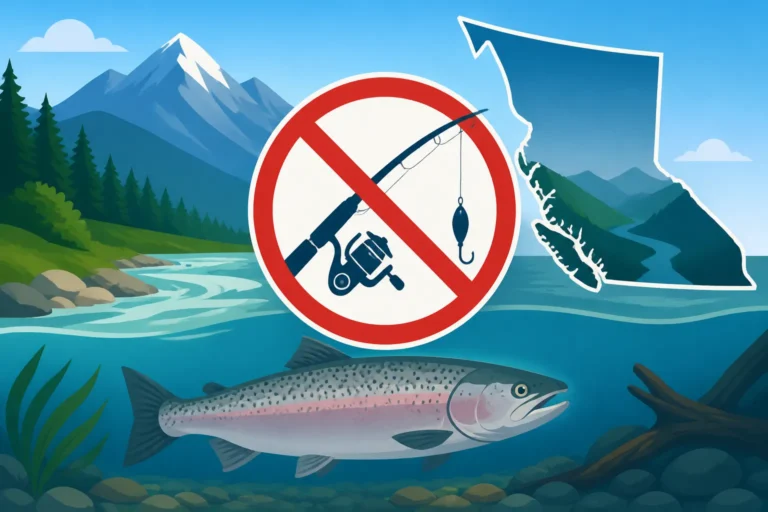
It's a frustrating, but absolutely critical, question for any dedicated angler: "When does the steelhead season actually close in British Columbia?" You've planned your trip, you've got your gear dialed in, and the last thing you want is to find yourself on the wrong side of the regulations, or worse, impacting a fragile fish population. This guide is here to unravel the complexities surrounding BC steelhead season closing dates, helping you stay informed and fish responsibly.
Understanding the Nuances of BC Steelhead Season Closures
Fishing for steelhead in British Columbia isn't just about the thrill of the catch; it's also deeply intertwined with conservation. These magnificent fish, often called "fish of a thousand casts," face numerous challenges, and carefully managed seasons are a big part of protecting them. Knowing when and why seasons close is fundamental to being a responsible angler here.
Why Steelhead Seasons Close
Steelhead are a truly special fish – an anadromous form of rainbow trout, meaning they live in the ocean but return to freshwater rivers to spawn, much like salmon. This incredible life cycle makes them particularly vulnerable. The primary reason for closing steelhead seasons is overwhelmingly conservation. When steelhead enter freshwater rivers to spawn, they are at a critical stage of their life cycle.
Imagine these fish, after migrating hundreds or even thousands of kilometers, now navigating through rivers to find suitable spawning gravels. They are often exhausted, focused on reproduction, and can be easily stressed or injured. During this period, their flesh also deteriorates, making them less desirable for retention anyway. Closures are put in place to:
- Protect Spawning Fish: This is paramount. Allowing fishing pressure on actively spawning fish or those about to spawn can disrupt the process, damage redds (their nests), or injure the parent fish, ultimately reducing future generations.
- Reduce Stress: Even catch-and-release fishing can stress fish, especially in cold, clear, or low-water conditions. During spawning, this stress is amplified. Closures give them a much-needed respite.
- Account for Low Returns: In years with particularly low steelhead returns, seasons might be shortened or closed entirely to give the population the best chance to recover. This is often the case for some of BC's most iconic steelhead rivers, like sections of the Thompson or Bulkley.
- Minimize Incidental Harvest: Even in catch-and-release fisheries, there's always a small mortality rate. Closures ensure zero incidental harvest during the most critical times.
These closures are not arbitrary; they are the result of extensive biological research, population assessments, and a deep understanding of the steelhead's life history by fisheries managers. They are a necessary tool to ensure that future generations can continue to chase these elusive beauties.
Regional Variations and Specific Waterbodies
If you've spent any time looking at BC's fishing regulations, you know one thing immediately: it's not a "one size fits all" province. British Columbia is immense, with countless rivers and streams, each with its own unique ecosystem, steelhead runs, and therefore, its own set of rules. This means that a steelhead season closing date on Vancouver Island could be vastly different from one in the Skeena region or the Interior.
Let's break down some of these regional differences:
- Skeena Region (e.g., Bulkley, Kispiox, Morice Rivers): This is often considered the mecca for wild steelhead. While the fall steelhead run is famous, winter and spring steelhead seasons also exist. Closures here can vary significantly by river and even by specific section of a river. For instance, some upper reaches might close earlier, or certain tributaries might have specific prohibitions. Generally, spring steelhead seasons in parts of the Skeena system might close in March or April, but this is highly dynamic. If you're planning a trip to the Skeena River Steelhead Fishing grounds, you absolutely need to consult the most current regulations for that specific river system.
- Thompson River (Interior Fraser): The Thompson River steelhead population is unfortunately highly endangered, and as a result, fishing regulations are extremely strict. Often, this means year-round closures or very limited, highly regulated "assessment fisheries" that are catch-and-release only and may involve specific gear restrictions and closures that start very early in the year, or never open at all. Anglers interested in this region must pay close attention to the BC Interior Fraser steelhead protection closures and Thompson River Steelhead Fishing rules.
- Coastal Streams (e.g., Vancouver Island, Sunshine Coast): Many smaller coastal rivers also host steelhead runs. These can sometimes have earlier closures, particularly as water levels drop and fish consolidate for spawning in late winter and early spring. The exact timing will depend on the specific stream and its unique run timing.
- Other Interior Rivers: There are other lesser-known steelhead rivers throughout the province, and each will have its own management plan and closing dates.
The key takeaway here is that you can never assume the closing date for one river applies to another. Always, always check the specific regulations for the precise river or watershed you intend to fish.
How to Find the Most Up-to-Date Closing Dates for Steelhead
Given the critical nature of these dates and the severe penalties for non-compliance, knowing exactly where to find the official, current information is paramount. It’s not enough to rely on word-of-mouth or last year’s regulations. Fisheries management is a dynamic process, and changes can happen with little notice, especially for sensitive species like steelhead.
Official Sources for Regulations
When it comes to official sources, you'll need to consult a couple of key documents and platforms in British Columbia, depending on whether you're targeting freshwater or tidal waters, and which agency has jurisdiction. For steelhead, which are anadromous, it's often a combination.
-
The BC Freshwater Fishing Regulations Synopsis: This is your bible for provincial freshwater fisheries. It's published annually by the Province of British Columbia and covers regulations for the vast majority of lakes and rivers in BC's interior and non-tidal portions of coastal rivers. You can typically find a digital version on the BC government website, or pick up a physical copy at most fishing tackle shops, outdoor retailers like Cabela's, or even some service BC centers.
- What to Look For: This document is organized by region and then often by specific water body or general categories (e.g., "Region 1 – Vancouver Island," "Skeena River and Tributaries"). You'll need to navigate to the specific region and river you're interested in. Look for sections detailing species-specific regulations, closed times, gear restrictions, and special management zones. Remember that this synopsis covers BC Fishing Regulations Explained in broad strokes, but detailed, in-season changes may come from other sources.
-
Fishery Notices (Department of Fisheries and Oceans – DFO): This is absolutely critical for steelhead, as they are a federally managed anadromous species. The DFO is the federal body responsible for managing Canada's fisheries resources, including migratory species like salmon and steelhead in both tidal and non-tidal waters. Fishery Notices are official updates issued by DFO, often on short notice, to announce openings, closures, or changes to regulations.
- Why They're Important: These notices supersede the annual synopsis for relevant species and areas. If there's an in-season change to a steelhead fishery due to conservation concerns, low returns, or other factors, it will be announced via a Fishery Notice. You must check these frequently, especially before and during your trip, for any river where DFO has jurisdiction. You can subscribe to email alerts for specific regions on the DFO website, which is highly recommended. The article BC Fishery Notices and In-Season Closures, Explained offers more detail on this essential resource.
-
Local Knowledge & Guiding Services: While not official sources for regulations, experienced local guides and reputable tackle shops can offer invaluable insights into current conditions and interpretations of regulations, particularly for specific, complex river systems. They often keep a very close eye on Fishery Notices and local conditions. However, always cross-reference their advice with the official documents.
Interpreting Regulation Documents and Fishery Notices
Reading fishing regulations can feel like deciphering ancient hieroglyphs sometimes, especially with all the cross-references and exceptions. But it's a skill every responsible angler needs to master.
Here’s a practical approach:
- Start with the Synopsis: Open the BC Freshwater Fishing Regulations Synopsis. Don't just skim. Go to the table of contents and find the region and then the specific river system you plan to fish.
- Locate Steelhead-Specific Rules: Within that river's section, look for specific regulations pertaining to "steelhead" or "rainbow trout (steelhead)." Pay close attention to:
- Season Dates: This will usually be a clear start and end date (e.g., "April 1 to March 31, except…").
- Exceptions: This is where it gets tricky. Look for "except," "notwithstanding," or specific periods within the general season that have different rules. For example, a river might be open generally, except for November 15 to February 15, or it might be "closed year-round for steelhead."
- Gear Restrictions: Sometimes a season might technically be "open," but with a single barbless hook, bait ban, or fly-fishing-only restriction. These are common precursors to or accompaniments of closures.
- Management Zones: Rivers are often divided into zones (e.g., "Upper River," "Lower River," "Above Highway X"). Regulations can vary wildly between these zones.
- Cross-Reference with Fishery Notices: Once you have a general understanding from the synopsis, immediately go to the DFO Fishery Notices website.
- Filter by Region and Species: Most DFO sites allow you to filter notices by region (e.g., "North Coast," "South Coast," "Fraser River") and sometimes by species. Look for anything related to "steelhead" or "rainbow trout."
- Check Dates: Notices are dated. Make sure you're looking at the most recent notices that affect your fishing area. A notice from two weeks ago might have been superseded by one issued yesterday.
- Look for "Management Changes" or "Closures": Pay particular attention to notices announcing changes to season dates, openings, or closures. These will explicitly state the effective dates and affected areas.
- Consider the "Unknown": Sometimes, a specific river or section might be under an "uncertainty" period, where DFO is monitoring returns and may make a decision closer to the expected season. In these cases, constant vigilance of Fishery Notices is your only way to stay current.
It's a lot, I know. It can feel like you need a law degree to understand it all. But trust me, taking the time to thoroughly review these documents will save you a lot of headaches, potential fines, and ensure you're doing right by the fish. Many anglers find it helpful to download the synopsis to their phone or tablet for easy access on the go, or even purchase a physical copy from retailers like Amazon to keep in their tackle bag.
Here's a simplified table illustrating typical (but not official or guaranteed) steelhead closing date patterns in various BC regions. Always, always verify with official sources before heading out.
| Region/Major River System | Typical Steelhead Run | General Closing Tendency |
|---|---|---|
| Skeena Watershed (e.g., Bulkley, Kispiox) | Fall/Winter & Spring | Early spring (March – May) for spawning runs, highly variable by specific river section and year. Some sections may close earlier. |
| Thompson River (Interior Fraser) | Fall/Winter | Often year-round closures or highly restricted assessment fisheries due to endangered status. Any openings would be rare and specific. |
| Dean River | Early Summer & Fall | Can have specific closures depending on run strength. Spring closures are less common due to run timing. |
| Coastal Streams (e.g., Vancouver Island, Sunshine Coast) | Winter & Spring | Early to late spring (March – May) as fish finish spawning. Highly dependent on stream size and specific run timing. |
| Lower Fraser River Tributaries (e.g., Vedder/Chilliwack) | Winter & Spring | Late winter to early spring (February – April) for various tributaries, often with earlier closures for specific conservation zones. |
Disclaimer: This table is for general illustrative purposes only. Actual closing dates are subject to change by official government agencies (DFO and Province of BC) and must be verified through their current publications (e.g., BC Freshwater Fishing Regulations Synopsis, DFO Fishery Notices).
Common Steelhead Season Closing Patterns in British Columbia
While the exact dates are highly variable, understanding the patterns of closures can help you anticipate when and where you might need to check regulations more closely. It often boils down to the timing of the fish's most vulnerable life stages.
General Timelines for Key Regions
As discussed, BC's vastness means different rivers operate on different biological clocks. However, there are some broad trends for steelhead season closures:
- Winter and Spring Steelhead Runs: These are the most common steelhead runs in British Columbia, particularly in the major northern rivers like the Skeena system and many coastal streams.
- Skeena Watershed: For the legendary Best Steelhead Rivers in BC in the Skeena region, such as the Bulkley, Kispiox, and Morice rivers, many anglers target the "fall" run, which actually extends into the winter. Spring steelhead runs then follow, as fish that have overwintered in the river or arrived later begin their spawning rituals. Closures typically start in March and extend through April or even into May for many areas, to protect these spawning fish. Some smaller tributaries or upper river sections might close even earlier or remain closed year-round. It's not uncommon to see specific dates like March 31st or April 15th as hard cut-offs for certain zones.
- Coastal Rivers: Smaller coastal streams on Vancouver Island or the mainland tend to follow a similar pattern. Their winter and early spring runs often see closures implemented in March or April. These rivers are often more susceptible to low water conditions in late spring, which also contributes to early closures or restrictions to protect fish.
- Lower Fraser Valley Tributaries: Rivers like the Vedder (Chilliwack) often have robust winter steelhead fisheries. Closures here can begin in late February or early March, with specific sections sometimes closing earlier or transitioning to strict bait bans and single barbless hook regulations before a full closure.
- Thompson River and Interior Fraser: This is a much more somber story. Due to critically low returns, the Thompson River and its tributaries, which historically hosted one of the most incredible steelhead runs, have faced severe, long-term closures. It's not uncommon for these waters to be effectively closed year-round for steelhead, or to have extremely limited, often unannounced, assessment-only periods that are not accessible to the general public. Anglers should assume a year-round closure for steelhead in the Thompson system unless explicitly stated otherwise by DFO. This is a critical area where BC Interior Fraser steelhead protection closures are strictly enforced.
- Dean River: The Dean River in the Cariboo Chilcotin region is famous for its powerful summer-run steelhead. Its season generally aligns with a summer-fall window, so typical "spring" closures aren't as relevant here, but it can still see in-season adjustments depending on run strength.
These timelines are general guidelines; always check the current year's regulations and fishery notices for exact dates. The BC Steelhead Season Dates are rarely static.
Catch-and-Release Only and Other Restrictions Leading to Closure
It's common for steelhead seasons not to just "snap" shut overnight. Often, before a full closure, fisheries managers will implement a series of escalating restrictions designed to minimize impact and give anglers a chance to still enjoy the resource while protecting fish. Think of it as a sliding scale of conservation:
- Bait Bans: This is a very common precursor. Bait (like roe, worms, or prawns) is highly effective at enticing fish to bite, but it also increases the likelihood of deep hooking, which significantly reduces a fish's survival rate after release. Implementing a bait ban forces anglers to use artificial lures or flies, which generally lead to more lip-hooked fish.
- Single Barbless Hooks: Another widely implemented regulation, especially for catch-and-release fisheries. Barbless hooks minimize tissue damage and make it much easier and quicker to unhook a fish, reducing stress and handling time. Many regions mandate this year-round for steelhead.
- Gear Restrictions (e.g., Fly Fishing Only): In some sensitive waters or during critical periods, regulations might dictate specific gear types, such as fly fishing only. This is often done because fly fishing, particularly with certain techniques, is considered to have a lower impact on fish compared to other methods, or because it targets fish in a way that minimizes disturbance to spawning areas.
- Catch-and-Release Only: This is the most common and widespread restriction for steelhead in BC. For many rivers, the steelhead fishery is always catch-and-release. This means you can fish, but any steelhead caught must be immediately and carefully released back into the water, often without removing it from the water if possible. Even during C&R periods, stress on pre-spawn or spawning fish can be high, which is why a full closure eventually comes into effect. The article How to Catch Steelhead in BC has tips on minimizing harm during C&R.
These restrictions are not just arbitrary rules; they are carefully considered measures. When you see these restrictions implemented, it's a strong signal that the fish are becoming more vulnerable, and a full closure for conservation purposes may not be far behind. It's an angler's responsibility to understand and adhere to these rules, not just to avoid penalties, but to actively participate in the conservation of these magnificent creatures.
The Consequences of Fishing During a Closed Season
Let's be blunt: fishing during a closed season or in a closed area for steelhead in British Columbia isn't just a minor infraction; it's a serious offense. The regulations are in place for very important reasons, primarily the conservation of these often-fragile fish populations. Ignorance of the law is never an excuse, and fisheries officers are vigilant.
Penalties and Fines for Non-Compliance
The penalties for violating fishing regulations in British Columbia can be severe, and they are designed to deter illegal activity and protect the resource. When it comes to fishing for steelhead during a closed season, you could face:
- Significant Fines: While minimum fines can vary, they often start in the hundreds of dollars and can quickly escalate to thousands, especially for repeat offenders or egregious violations. For example, Fishing Without a License in BC: Penalties can be steep, and fishing during a closure is often treated with similar gravity, if not more so, given the conservation implications. These fines can apply per fish, per violation, or per day of illegal activity.
- Seizure of Equipment: Fisheries officers have the authority to seize any equipment used in the commission of an offense. This can include your rod, reel, tackle, boat, vehicle, and even any fish you may have illegally caught. Imagine losing your prized Sage fly rod or your boat for a single mistake – it's a very real possibility.
- Loss of Fishing Privileges: Being caught fishing illegally can result in the suspension or revocation of your fishing license, meaning you could be barred from fishing in BC for a significant period, sometimes for several years. This is a tough pill to swallow for any avid angler.
- Criminal Charges: In serious cases, particularly those involving commercial poaching or multiple, willful violations, individuals can face criminal charges, which carry even heavier penalties, including potential jail time.
- Public Shaming: While not a legal penalty, stories of individuals caught violating fishing laws often circulate within the angling community, leading to reputational damage. Most anglers are passionate about conservation and have little tolerance for those who disregard the rules.
It's crucial to understand that these penalties are not just theoretical; they are enforced. Fisheries officers patrol rivers and conduct checks, and they take their role in protecting BC's natural resources very seriously. Investing the time to understand the regulations is far less costly than facing the consequences of non-compliance.
Ethical Considerations and Conservation Impact
Beyond the legal ramifications, there's a profound ethical dimension to fishing during a closed season. Steelhead are not just "fish" to many of us; they are an icon, a symbol of wildness and a testament to the health of our river systems. Their populations, especially in some areas like the Thompson, are incredibly vulnerable.
- Undermining Conservation Efforts: Every regulation, every closure, every restriction is part of a larger, carefully designed conservation strategy. Fishing during a closed season directly undermines these efforts. It tells the managers, and the fish, that their protection isn't being respected. One fish caught during a critical spawning period could mean dozens, if not hundreds, fewer fish in future generations. This is especially true for Endangered and Protected Fish Species in BC like the Thompson steelhead.
- Impact on Fragile Populations: Steelhead are iteroparous, meaning they can spawn multiple times in their lives, unlike Pacific salmon which typically spawn once and die. This makes every individual adult steelhead incredibly valuable to the population's health. Taking one out of the system, or stressing one during spawning, has a disproportionately large negative impact.
- Erosion of Angler Trust: The angling community often plays a vital role in advocating for conservation and contributing to scientific data collection. When individuals break the rules, it erodes public trust in anglers as a whole and can make it harder for fisheries managers to justify sportfishing opportunities in the future.
- The Future of the Fishery: Ultimately, the health of the steelhead fishery depends on all of us. By respecting closures and other regulations, we are actively participating in ensuring that future generations of anglers can experience the magic of catching a wild BC steelhead. Conversely, disregarding these rules puts the entire future of the fishery at risk.
Remember, the vast majority of anglers in BC are passionate about conservation and adhere strictly to regulations. Be one of them. Take the extra time to check the dates, understand the restrictions, and make choices that support the long-term health of British Columbia's incredible steelhead populations.
Disclaimer
The information provided in this article is for general guidance and informational purposes only and is not intended as legal advice or an authoritative source on fishing regulations. Fishing regulations in British Columbia are complex, subject to frequent change, and vary by region, species, and specific waterbody. Always consult the official British Columbia Freshwater Fishing Regulations Synopsis and the federal Department of Fisheries and Oceans (DFO) Fishery Notices for the most current and accurate information before engaging in any fishing activity. Failure to do so could result in significant penalties.