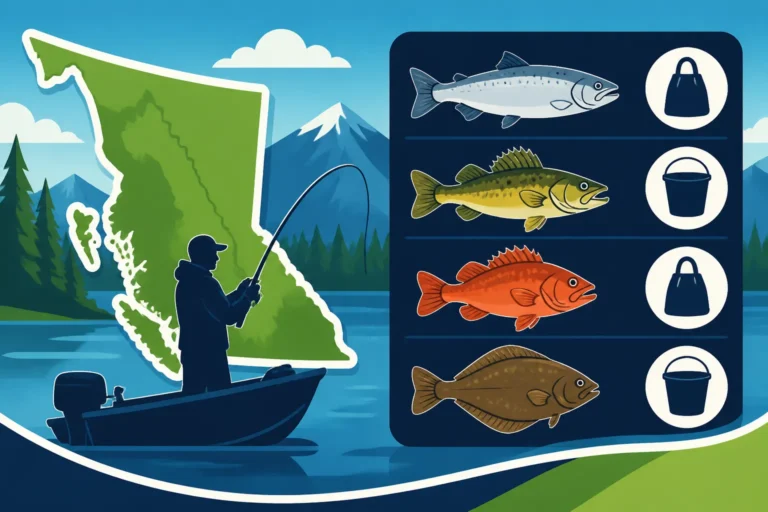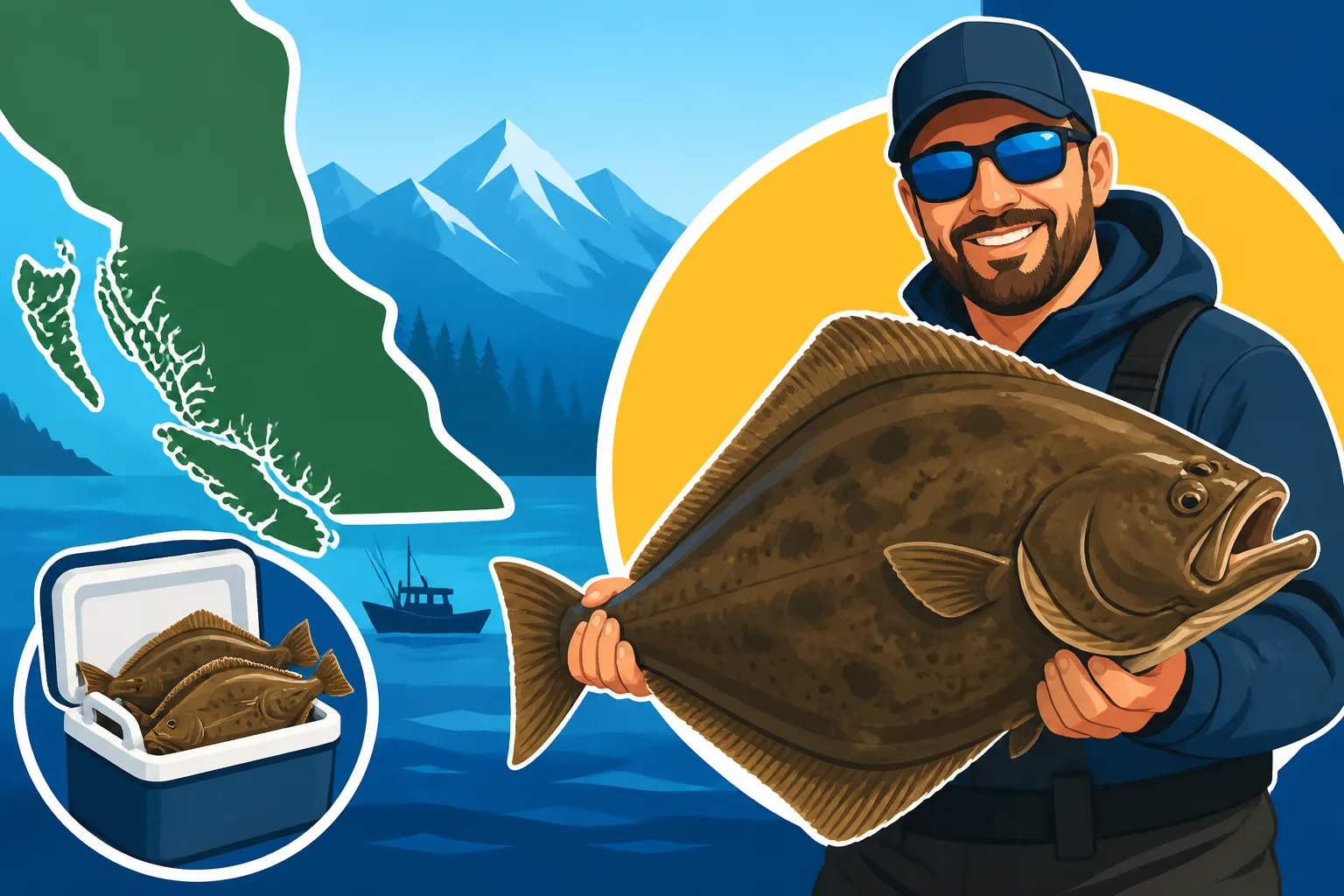
BC halibut daily bag limit
It’s easy to feel overwhelmed by the ever-changing rules of fishing in British Columbia, and nowhere is this more true than with the highly prized Pacific halibut. Many anglers struggle to keep up with the specific daily catch limits, size restrictions, and other regulations that often change year to year, leaving them unsure of what they can legally keep. This comprehensive guide will break down the current daily bag limit for halibut in BC, clarify the often-confusing size restrictions, and offer practical advice to ensure you're always fishing within the law.
Understanding British Columbia's Halibut Daily Bag Limit
Fishing for Pacific halibut in British Columbia's vast and beautiful waters is a dream for many anglers, but knowing the precise regulations is absolutely crucial. These rules aren't just suggestions; they're in place to help manage a sustainable fishery and ensure this incredible species remains abundant for future generations. Ignoring them can lead to significant penalties, not to mention impacting the health of the halibut population. So, let’s get into the nitty-gritty of what you can actually keep.
The Current Daily and Possession Limits
The Fisheries and Oceans Canada (DFO) sets the recreational halibut regulations for British Columbia’s Pacific Region. For the current season, the rules are fairly straightforward, but you need to understand each component. The daily bag limit for halibut is one (1) fish per person. This means that in any given 24-hour period, an individual angler can only retain a single halibut. It doesn't matter if you caught four and released three; if you decide to keep one, that's your limit for the day.
Beyond the daily limit, there’s also a possession limit, which is two (2) halibut per person. This limit refers to the total number of halibut an individual can have in their possession at any time, whether on their boat, in their vehicle, or at home in the freezer. So, if you go out for two days and catch one legal halibut each day, you can have both in your possession. However, if you already have two halibut from previous trips in your freezer at home, you technically cannot keep another one until some of your possessed fish have been consumed or otherwise disposed of, bringing your total possession back under two. This rule is often misunderstood, but it's vital for keeping track of your total take.
Finally, there’s an annual limit, which for recreational anglers is six (6) halibut per person per year. This is the maximum number of halibut an individual can keep within the entire fishing season, from April 1st of one year to March 31st of the next. To help enforce this, it's often required that you immediately record or tag your retained halibut. Always double-check the latest BC Fishing Regulations Explained for any updates, as these numbers can shift.
The Critical Size Restrictions (Slot Limit)
This is where many anglers, even seasoned ones, can get tripped up, and it's perhaps the most important regulation for halibut. British Columbia employs a slot limit system for halibut retention, designed to protect both juvenile fish (giving them a chance to mature) and the largest, most reproductively valuable fish (allowing them to continue spawning). For the current season, a retained halibut must have a fork length that is between 81 cm and 122 cm.
Let’s break down what that means in practice:
- Minimum Size (81 cm): If you catch a halibut shorter than 81 cm (measured from the tip of the nose to the fork of the tail), you must release it immediately and with the least harm possible.
- Maximum Size (122 cm): If you catch a halibut longer than 122 cm (measured from the tip of the nose to the fork of the tail), you must also release it immediately.
This slot limit is a powerful conservation tool. The smallest fish haven't had a chance to reproduce, and the largest females are critical for maintaining the population. By allowing anglers to keep fish in the middle range, the fishery can remain robust. It's a bit more complicated than just a minimum size, but it's effective. Make sure you have a reliable, easily readable measuring device on board your vessel that accurately measures fork length. You can find excellent, durable fish measuring boards and tapes on platforms like Amazon that are perfect for this purpose.
Annual Limit and Tagging Requirements
As mentioned, the annual limit for recreational halibut fishing is six fish per person. This isn't just an honor system; for certain species, the DFO sometimes implements tagging systems or requires immediate recording of your catch on your license. While a physical tag might not always be explicitly required for halibut, the spirit of the regulation means you should track your annual take diligently.
It’s crucial to understand that your annual limit resets on a specific date, usually March 31st, regardless of when you bought your license. So, if you kept four halibut last year, those count towards that year's six, not the current year's. Always be prepared to demonstrate compliance with these rules. Some anglers keep a detailed logbook, while others simply rely on marking their digital licenses where applicable. The key is accountability and honesty. These annual limits work in concert with the daily and possession limits to ensure the overall pressure on the halibut stock remains within sustainable levels, protecting this magnificent fish for your next trip to the Best Halibut Fishing Spots in BC.
Navigating Seasonal Closures and Area-Specific Regulations
Just when you think you’ve got the daily, possession, and annual limits down, BC halibut fishing throws another curveball: seasonal closures and area-specific regulations. These rules are put in place to protect halibut during critical periods, such as spawning, or to manage localized stock health. Not knowing these can mean accidentally fishing illegally, even if you’re otherwise following the catch and size limits.
Seasonal Closures for Halibut Fishing
One of the most important dates to remember for halibut anglers is the general seasonal closure. For the current year, the retention of halibut is prohibited from February 1 to March 31. This means that during these two months, all recreational halibut fishing, including catch and release, is typically closed. The purpose of this closure is primarily conservation, coinciding with a period when halibut may be aggregating for spawning or are particularly vulnerable.
Imagine heading out on a beautiful late February day, expecting to hook into a big halibut, only to realize that you’re not allowed to even target them. It’s a common mistake for those who don’t diligently check the regulations. These dates can sometimes be adjusted by the DFO based on scientific assessment, so staying informed through official channels is paramount. Always check the DFO website or local fishery notices before planning any winter or early spring trips if halibut are on your target list.
Regional Variations and Fishery Notices
British Columbia's coastline is vast and diverse, and so are its marine ecosystems. Because of this, the DFO manages fishing through various geographical "management areas," sometimes referred to as 'Areas 1 to 29' and subsections. While the overall daily, possession, annual, and slot limits for halibut are generally consistent across the entire Pacific Region, specific areas might have their own additional restrictions, opening and closing dates, or even complete closures.
For instance, certain areas might experience temporary closures to protect local stocks, or they might have specific regulations regarding gear or fishing methods. These changes are often announced through DFO Fishery Notices. These notices are critical; they are the official updates that can override or add to the general regulations. It’s not enough to check the DFO website once a year; you need to be checking these notices frequently, especially if you're fishing in a new area or during a transitional period like spring or fall. Think of it as your daily weather report for fishing – essential information you need before you head out. Missing a crucial Fishery Notice could lead to serious fines or the forfeiture of your catch. Many seasoned anglers make it a habit to check BC Fishery Notices and In-Season Closures, Explained right before any significant trip.
Special Considerations for Indigenous Fisheries
It’s also important to acknowledge that First Nations in British Columbia have Aboriginal rights to fish for food, social, and ceremonial purposes. These fisheries operate under separate management frameworks and regulations, which are distinct from recreational or commercial fisheries. While these regulations don't directly impact recreational anglers, it's part of a broader understanding of how marine resources are managed in BC. Respecting these distinct rights and understanding the complex tapestry of fisheries management helps promote a more harmonious fishing environment for everyone. Recreational anglers should focus on understanding and adhering to the specific DFO regulations that apply to them.
Essential Gear and Practices for Responsible Halibut Angling
Beyond knowing the rules, responsible halibut angling also involves being prepared with the right tools and adopting best practices. This isn't just about avoiding fines; it's about minimizing harm to the fish you release and maximizing your chances of a successful, legal catch. Investing in the right gear and honing your techniques makes all the difference when it comes to being a true steward of BC's marine environment.
Measuring Your Catch Accurately
Remember that strict slot limit of 81 cm to 122 cm fork length? This makes having an accurate and easily usable measuring device absolutely non-negotiable. Don't rely on guesswork or a flimsy tape measure that blows away in the wind. A good quality, rigid measuring board or a heavy-duty, adhesive measuring tape permanently affixed to your boat's gunwale is ideal. Many sporting goods stores carry DFO-approved measuring devices, or you can find a robust, waterproof fish ruler online through retailers like Amazon.
When measuring, lay the halibut flat on its side. Place the nose against a solid stop (like the end of the measuring board) and flatten the tail to measure to the fork. Do this quickly and efficiently to minimize stress on the fish. If it's outside the slot, be ready to release it immediately. If it's within the slot and you choose to keep it, it’s a good practice to measure again carefully to confirm, especially if it’s close to either end of the limit. Precision here prevents future headaches.
Proper Catch and Release Techniques
Given the slot limit, you're almost guaranteed to catch halibut that are either too small or too large to keep. Knowing how to release them properly is paramount to their survival. Halibut are powerful fish, and mishandling them can cause serious injury or even death, especially from barotrauma if brought up from deep water.
Here are some key tips for effective catch and release:
- Minimize Fight Time: Use appropriate tackle (see our guide on Halibut Fishing Techniques for BC's Coast) to bring the fish in efficiently, reducing exhaustion.
- Avoid Landing Nets: Large landing nets can strip slime from halibut, damaging their protective layer. Instead, use a firm grip on the tail and support the body.
- Wet Hands: If you must handle the fish directly, wet your hands thoroughly to protect its slime coat.
- Deepwater Release: If fishing in deep water (e.g., over 60 feet), halibut can suffer from barotrauma (swim bladder expansion). Invest in a deepwater release device, which allows you to send the fish back down to depth, recompressing its swim bladder. These tools are invaluable for increasing post-release survival. They can be a bit of an investment, but they're easily sourced from reputable marine suppliers or even places like Amazon.
- Quick Release: Have your measuring device and camera (if using) ready before the fish comes aboard. Measure, photograph if desired, and get the fish back into the water as quickly as possible. Support it in the water until it swims away strongly.
Remember, the goal is for released fish to thrive and spawn again.
Required Licensing and Stamps
Before you even cast a line for halibut in BC tidal waters, you absolutely need the correct license. This means purchasing a valid tidal waters fishing license. This license is a fundamental requirement for all recreational anglers, whether you’re fishing from shore, a boat, or even on a guided charter. You can purchase these licenses online through the DFO's National Recreational Licensing System.
It’s a common misconception that you might also need a Salmon Conservation Stamp if you're only targeting halibut. The Salmon Conservation Stamp is specifically required if you intend to catch and retain any species of Pacific salmon. If your sole purpose is halibut and you have no intention of keeping salmon, you do not need this stamp. However, many anglers pursue multiple species, and if there's any chance you might keep a salmon (even incidentally), it's wise to purchase the stamp. For a full breakdown of the different types of licenses and their costs, check out our guide on BC Freshwater vs Tidal Waters License, Explained. Always have your license with you, whether printed or on a mobile device, as Fisheries Officers can request to see it at any time. Furthermore, if you're using a boat, be sure to be familiar with BC Boating Laws for Anglers to ensure full compliance.
Consequences of Non-Compliance and Enforcement
No one wants to run into trouble with the law, especially when they're out enjoying a relaxing day on the water. However, fishing without understanding and adhering to the regulations can quickly turn a pleasant trip into a costly and regrettable experience. The DFO takes compliance seriously, and the consequences for violating halibut regulations, or any fishing rules for that matter, can be severe.
Penalties for Exceeding Limits or Violating Rules
The penalties for fishing infractions in British Columbia are designed to be a significant deterrent. It's not just a slap on the wrist. If you are caught exceeding your daily or possession limit, retaining undersized or oversized halibut, or fishing during a closed season, you could face:
- Significant Fines: These can range from hundreds to thousands of dollars, depending on the severity of the offense and whether it's a repeat violation.
- Seizure of Catch: Any illegally retained fish will be confiscated.
- Seizure of Gear and Vessel: In more serious cases, or for repeat offenders, your fishing gear (rods, reels, tackle) and even your boat can be seized. Imagine losing your prized fishing vessel or all your expensive tackle.
- License Suspension or Revocation: Your recreational fishing license could be suspended for a period or even permanently revoked, preventing you from legally fishing in BC waters again.
- Criminal Charges: For very serious or deliberate violations, you could face criminal charges, which carry even heavier penalties, including potential jail time and a criminal record.
These consequences aren't hypothetical; they are regularly enforced by DFO fishery officers across the province. It's simply not worth the risk to disregard the rules. Always err on the side of caution and ensure you are 100% compliant.
The Role of Fisheries Officers
Fisheries Officers are the uniformed enforcement arm of the DFO. Their job is to protect Canada's fisheries resources through conservation and protection activities, which includes ensuring recreational anglers adhere to all regulations. They have the authority to:
- Stop and Inspect: They can stop your vessel or approach you while fishing to conduct inspections of your catch, gear, and licenses.
- Ask Questions: They can ask you questions about your fishing activities.
- Issue Warnings or Tickets: For minor infractions, they might issue a warning. For more serious offenses, they will issue a ticket with a fine or lay charges.
- Seize Evidence: They can seize illegally caught fish, fishing gear, and vessels as evidence if an offense has been committed.
It's important to be polite, cooperative, and respectful when interacting with a Fisheries Officer. They are doing their job, and your cooperation will make the encounter much smoother, even if you've made a mistake. Attempting to evade them or being uncooperative can escalate the situation and lead to more severe outcomes. Remember, ignorance of the law is not a valid defense.
Reporting Violations
If you witness a suspected fishing violation, the DFO encourages you to report it. They have a toll-free "Observe, Record, Report" (ORR) line: 1-800-465-4DFO (1-800-465-4336). When reporting, try to gather as much detail as possible without putting yourself at risk:
- Date, time, and specific location of the incident.
- Description of the vessel (colour, type, name, license plate if applicable).
- Number of people involved.
- Nature of the suspected violation (e.g., keeping oversized fish, over the limit, fishing in a closed area).
- Any photos or videos (taken safely).
Reporting helps protect the resource for everyone and contributes to the overall health and sustainability of BC's incredible fishing opportunities. For specific rules regarding catch limits on other species, you can also consult resources like BC Bag and Possession Limits by Species.
Summary of 2024 British Columbia Halibut Regulations
To help keep everything clear, here's a quick reference table summarizing the key recreational halibut regulations for British Columbia in 2024. Please remember that regulations can change, so always consult the official DFO Fishery Notices before heading out on your trip.
| Regulation Type | Details | Notes |
|---|---|---|
| Daily Limit | 1 halibut per person | Maximum one halibut can be retained per angler per day. |
| Possession Limit | 2 halibut per person | Maximum two halibut can be in an angler's possession at any time, whether fresh, frozen, or processed. This means if you have two halibut at home, you cannot keep another until some are consumed. |
| Annual Limit | 6 halibut per person | Maximum six halibut can be retained by an angler in a single fishing year (April 1 to March 31). |
| Size Limit | Between 81 cm and 122 cm fork length | Halibut must be within this "slot limit." Fish shorter than 81 cm or longer than 122 cm (measured from the tip of the nose to the fork of the tail) must be released immediately with the least possible harm. |
| Closed Season | February 1 to March 31 | Retention of halibut is prohibited during this period. Check DFO Fishery Notices for any changes or area-specific closures. |
| Licensing | Valid Tidal Waters Sport Fishing License | Required for all recreational anglers. Salmon Conservation Stamp only required if targeting or retaining salmon. |
| Recording | Immediate recording of retained halibut (often recommended) | Though not always a physical tag for halibut, it’s good practice to immediately record retained fish to track annual limits and demonstrate compliance. |
| Area Specifics | Check DFO Fishery Notices | Regulations can vary by DFO management area, with specific openings, closures, or restrictions. Always verify for your planned fishing location. |
Remember that adhering to these regulations is not just about avoiding fines; it's about being a responsible angler and contributing to the conservation of one of British Columbia's most iconic and delicious fish species. Before any trip, make it a habit to review the latest DFO Recreational Halibut fishery information and relevant Fishery Notices. Tight lines, and happy halibut fishing!
Disclaimer
Please remember that fishing regulations, including bag limits and size restrictions for halibut in British Columbia, can change frequently. While this guide provides the most current information available at the time of writing, it is your responsibility as an angler to always consult the official Fisheries and Oceans Canada (DFO) website and their most recent Fishery Notices before engaging in any fishing activities. This content is for informational purposes only and should not be considered legal advice.