Best charters combining fishing with whale watching
It’s a common dilemma for anyone planning a trip to British Columbia: do you dedicate a precious day to the thrilling pursuit of salmon or halibut, or do you choose the awe-inspiring experience of watching majestic whales breach in the Pacific? Many visitors find themselves torn, wishing they could do both without having to book two separate, costly excursions. Thankfully, a growing number of BC fishing charters are offering combined packages, allowing you to cast a line and witness incredible marine wildlife, often in the very same outing. This guide will walk you through everything you need to know to find the best charters that blend these two quintessential BC adventures.
The Allure of Dual Adventure: Why Combine Fishing and Whale Watching?
British Columbia’s coastal waters are a true marvel, teeming with both fish and marine mammals. It’s a place where the pursuit of a trophy Chinook salmon can happen just miles from where a pod of orcas is hunting for seals. For many, the idea of experiencing both fishing and whale watching in one trip isn't just about saving time; it's about embracing the full, wild essence of the West Coast.
Maximizing Your BC Experience
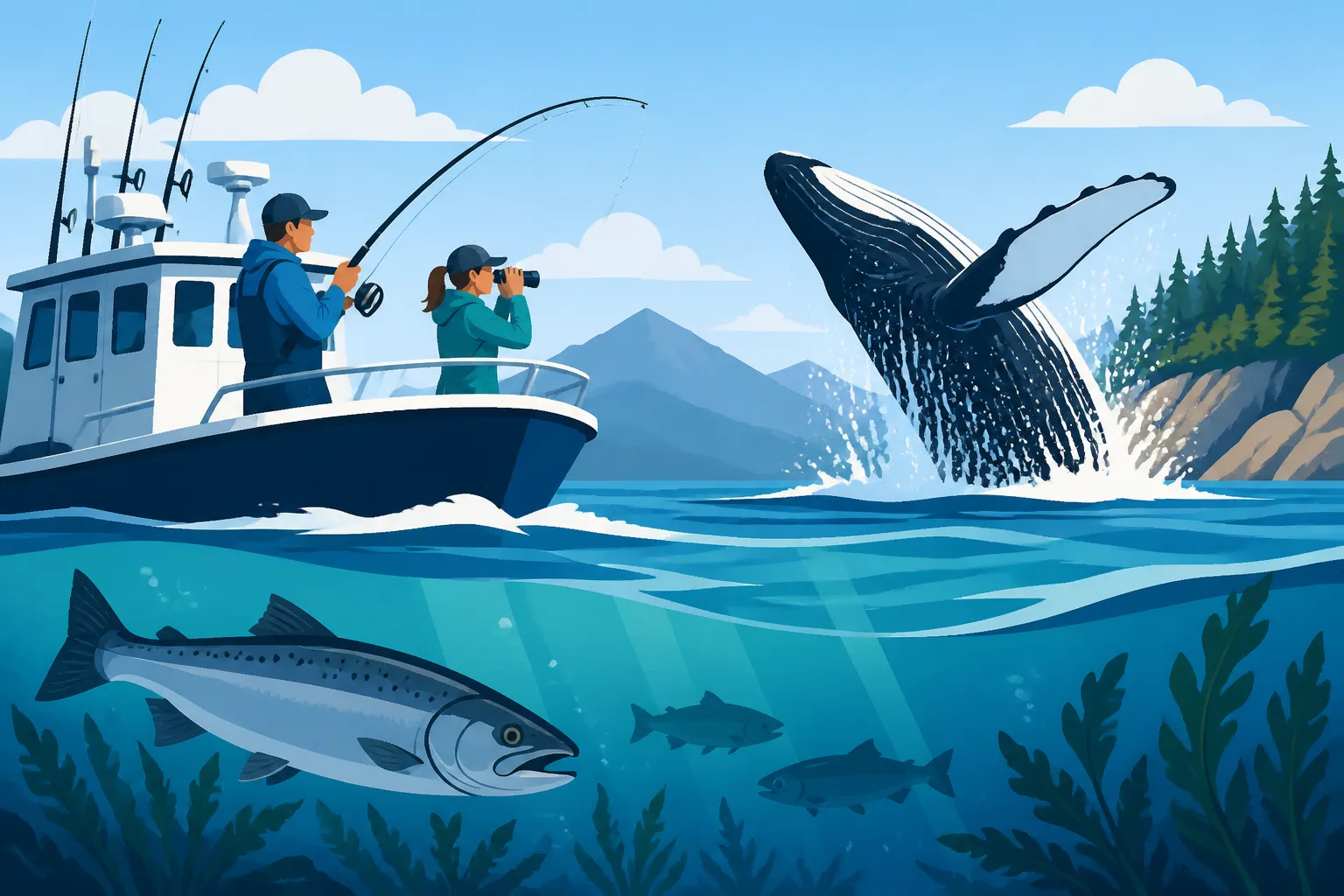
Imagine reeling in a feisty coho salmon with the backdrop of a distant humpback whale breaching. These combined charters offer an unparalleled opportunity to immerse yourself in the natural grandeur of British Columbia. Instead of choosing one over the other, you get to witness the rich biodiversity that makes this region so famous. You might start your morning casting for bottom fish or trolling for salmon, then, as the sun climbs higher, switch gears to actively seek out whales. This multi-faceted approach means you’re not just going fishing, or just going whale watching; you’re experiencing the interconnected marine ecosystem in a truly holistic way. It's about seeing the ocean not as separate activities, but as one dynamic, living environment.
Often, the same waters that hold migrating salmon are also frequented by marine mammals like orcas, seals, and sea lions, all drawn to the abundant food source. This natural overlap makes combining the two activities incredibly synergistic. You might even spot whales while you’re actively fishing, turning an already exciting moment into something truly unforgettable. It enriches the entire outing, providing a deeper appreciation for the coastal environment and the creatures that inhabit it.
Convenience and Time Efficiency
Let's be honest, vacation time is precious, and every minute counts. Booking separate fishing and whale watching tours can eat up two full days, not to mention the logistics of coordinating different operators, departure points, and schedules. Combined charters streamline this process dramatically. You embark on one vessel, with one crew, and typically from one location, allowing you to maximize your enjoyment without the added stress of juggling multiple plans. This is particularly appealing for families or groups with diverse interests, where some members might be keener on fishing while others are more focused on wildlife photography.
Think about it: instead of heading back to shore after your fishing lines are pulled in, only to then rush to a different dock for a separate whale watching excursion, you simply transition on the same boat. This saves travel time, waiting time, and often, money. Many combined tours are designed to optimize the experience within a single half-day or full-day trip, ensuring you get quality time with both activities. It’s an efficient way to pack two bucket-list experiences into one incredible day, leaving you more time to explore other aspects of BC's beauty. Plus, having a single point of contact for your booking simplifies everything, from payment to understanding the itinerary.
Creating Unforgettable Memories
There’s a unique magic that happens when you combine these two distinct yet complementary activities. The thrill of a fish on the line, followed by the silent majesty of a whale surfacing nearby, creates a tapestry of memories that are truly one-of-a-kind. These aren't just isolated events; they often intertwine. Imagine a salmon jumping clear of the water as a seal watches intently from a nearby rock, or an eagle soaring overhead with a fish in its talons, mirroring your own angling pursuit. These moments of natural synergy are what make combined charters so special.
For families, it offers something for everyone. Kids who might get bored waiting for a fish to bite can be captivated by a whale sighting, and vice-versa. It provides constant engagement and a dynamic experience that keeps everyone thrilled. These shared experiences, whether it's the cheers of landing a big one or the hushed awe of seeing a giant marine mammal, become stories you'll recount for years to come. It’s about more than just the fish caught or the whales seen; it’s about the collective wonder and excitement of exploring British Columbia’s vibrant marine wilderness together.
What to Look for in a Combined Charter
Choosing the right combined charter is key to ensuring you get the best of both worlds. It’s not just about finding an operator who says they do both; it's about finding one who excels at integrating these experiences seamlessly and responsibly. You want an operator who prioritizes both successful fishing and respectful wildlife viewing.
Operator Expertise and Reputation
When you're looking for a charter that combines fishing and whale watching, experience truly matters. You need a captain and crew who are not only expert anglers with deep knowledge of local fishing grounds and Best Fishing Seasons by Month, but also experienced naturalists with a keen eye for spotting marine wildlife. They should understand whale behavior, migration patterns, and, crucially, adhere to all whale watching guidelines to ensure a safe and respectful distance from the animals. Look for operators who have been doing this for years, and who have a strong reputation for both their fishing success rates and their commitment to responsible wildlife viewing.
Checking reviews online, especially on platforms like FishingBooker, can give you a great sense of an operator's standing. Do previous customers rave about both the fishing and the whale sightings? Are there mentions of a knowledgeable crew who provided educational insights into the marine environment? A great combined charter operator will seamlessly transition between the two activities, providing quality gear for fishing and a comfortable, stable boat for viewing. They should be able to explain the local marine ecosystem, identifying different species of fish, birds, and marine mammals, making the experience both exciting and educational.
The Right Vessel and Equipment
The type of boat used for a combined charter is incredibly important. You need a vessel that is comfortable and spacious enough for both fishing and dedicated whale watching. For fishing, you'll want ample deck space, good rod holders, and reliable electronics to find fish. For whale watching, comfortable seating, large viewing windows (if applicable), and an unobstructed deck area for photography are crucial. A boat that's excellent for offshore fishing might not be ideal for quiet, close-up whale viewing, and vice-versa.
Consider the size and stability of the boat. Larger, more stable vessels tend to be more comfortable for longer durations and in choppier waters, which can be a factor when moving between fishing spots and whale sighting areas. Ensure they have all the necessary safety equipment, and that their fishing gear is well-maintained and suitable for the species you'll be targeting. Some operators might even offer specialized equipment like hydrophones to listen to whales, adding another layer to the experience. Don't be shy to ask about the boat itself, its amenities (like a washroom onboard), and how it's set up for both aspects of the trip. A comfortable and well-equipped vessel significantly enhances the overall enjoyment of your dual adventure.
Balancing Fishing and Wildlife Viewing Time
This is where the art of the combined charter truly comes into play. A good operator understands that you're there for both experiences and will plan the itinerary to maximize your chances for success in both areas. This might mean starting the day with prime fishing during a productive tide or at first light, then moving to known whale feeding or transit areas during a lull in fishing activity. Or, conversely, they might prioritize a known whale hot spot before heading to the fishing grounds. It often depends on the season, the weather, and what the local fish and wildlife populations are doing on a given day.
Ask prospective charters how they typically structure their combined trips. Do they dedicate specific blocks of time to each activity, or is it more opportunistic? For example, some might allocate two hours to fishing, then two hours to whale watching. Others might maintain fishing lines in the water while keeping a constant lookout for whales, pausing fishing only when a significant sighting occurs. The best charters are flexible and can adapt to conditions, always putting the guest's experience first. They will communicate clearly about the plan and manage expectations regarding the unpredictable nature of both fishing and wildlife encounters. Remember, while a good guide can increase your chances, neither a trophy fish nor a breaching whale is ever guaranteed.
Top Regions for Dual Charters in BC
British Columbia is a vast province with diverse marine environments. Certain areas are renowned for both their exceptional fishing and their abundant marine wildlife, making them perfect hubs for combined fishing and whale watching charters. Knowing these hotspots can help you narrow down your search for the ultimate dual adventure.
Vancouver Island Hotspots
Vancouver Island is arguably the most famous region in BC for both fishing and whale watching, making it a natural fit for combined charters.
- Victoria: Located at the southern tip of Vancouver Island, Victoria is a major hub for whale watching, particularly for orcas (resident and transient), humpbacks, and grey whales. The waters of the Salish Sea, just offshore, are rich in marine life. Victoria also offers excellent opportunities for salmon fishing, especially Chinook and coho, and is a gateway to the productive waters of the Strait of Juan de Fuca. Many charters here are perfectly set up for dual trips, leveraging the short transit times to prime viewing and fishing areas. You'll find a variety of Best Charters Out of Victoria that can provide these experiences.
- Tofino & Ucluelet: On the west coast of Vancouver Island, these towns are known for their dramatic coastline, abundant wildlife, and world-class fishing. Tofino is famous for its grey whale migration in spring and summer, and both spots offer incredible salmon and halibut fishing in the open Pacific. Charters here often run offshore to deeper waters where both large fish and whales congregate. The rugged beauty of the west coast provides a stunning backdrop for any outing. You can find excellent Best Halibut Charters out of Tofino that might incorporate whale sightings.
- Campbell River: Known as the "Salmon Capital of the World," Campbell River is a premier destination for all five species of Pacific salmon. The Discovery Passage and surrounding waters are incredibly rich. While not as heavily advertised for dedicated whale watching tours as Victoria, whales (especially transient orcas and humpbacks) are frequently sighted here, drawn by the abundant salmon. Many Best Salmon Charters in Campbell River operators are highly attuned to whale activity and can easily pivot to viewing opportunities when they arise, making it an excellent choice for an opportunistic combined experience.
Lower Mainland and Gulf Islands Options
While Vancouver Island often takes the spotlight, the waters closer to the Lower Mainland and around the Gulf Islands also offer fantastic opportunities for combined charters.
- Vancouver/Richmond: Departing from marinas in Vancouver or nearby Richmond, charters can access the productive waters of the Strait of Georgia and the Gulf Islands. This area sees strong runs of salmon, particularly coho and Chinook, throughout the year. Simultaneously, the southern Gulf Islands and the Strait of Georgia are part of the critical habitat for orcas, humpbacks, and various other marine mammals and seabirds. An added bonus of these trips is the breathtaking scenery, with views of the city skyline, the Coast Mountains, and numerous picturesque islands. It’s a convenient option for those based in the city who want to experience BC’s marine bounty without extensive travel. Finding Best shore fishing near Vancouver is one thing, but getting out on the water for a combined trip is truly special.
- Gulf Islands (e.g., Salt Spring Island): The protected waters around the Gulf Islands offer a more tranquil, sheltered experience. While fishing can be excellent for salmon and various bottom fish, the real draw here for combined charters is the incredibly rich marine environment for wildlife viewing. Seals, sea lions, porpoises, and various whale species frequent these channels and passages. Charters operating from these islands provide a more intimate, less crowded experience, often focusing on the natural beauty and diverse ecosystem of this unique archipelago. The calm waters also make for a very comfortable viewing experience, especially if you're prone to seasickness.
| Region | Primary Fish Species Targeted | Common Whale Species Sighted | Best Time for Dual Trip | Notes |
|---|---|---|---|---|
| Victoria | Chinook, Coho Salmon, Lingcod | Orcas (Resident/Transient), Humpbacks, Grey Whales | May – October | High chance of both, excellent infrastructure for charters. |
| Tofino/Ucluelet | Halibut, Chinook, Coho Salmon | Grey Whales (Spring), Humpbacks, Orcas | March – October | Rugged open ocean, more adventurous, world-class fishing. |
| Campbell River | Chinook, Coho, Pink, Sockeye, Chum Salmon | Transient Orcas, Humpbacks | July – October | Salmon Capital, opportunistic whale sightings are common. Good for Best Salmon Fishing Spots in BC. |
| Vancouver/Richmond | Chinook, Coho Salmon, Lingcod | Orcas (Transient), Humpbacks, Porpoises | June – September | Convenient from city, scenic views, good mix of fishing and wildlife. |
| Gulf Islands | Chinook, Coho Salmon, Rockfish | Orcas (Transient), Humpbacks, Seals, Sea Lions | June – September | Sheltered waters, serene experience, focus on diverse marine life. |
Planning Your Combined Charter Trip
To make the most of your dual fishing and whale watching adventure, a little preparation goes a long way. Understanding the best timing, how to book, and what to bring will ensure a smooth and enjoyable experience on the beautiful BC coast.
Best Time of Year for Dual Adventures
Timing is everything when it comes to maximizing your chances for both fishing success and whale sightings. Generally, the warmer months, from late spring through early fall (May to October), offer the best opportunities for combined charters in British Columbia.
- Spring (May-June): This is a fantastic time for grey whale migration along the west coast of Vancouver Island (Tofino/Ucluelet), as they move north to their Arctic feeding grounds. Simultaneously, spring Chinook salmon fishing can be excellent in many areas, and bottom fish like lingcod become more active. The weather can be a bit more unpredictable, but the marine life is vibrant.
- Summer (July-August): This is peak season for both activities. All five species of Pacific salmon are typically running at various points, and waters are teeming with baitfish, attracting a wide array of marine mammals. Resident orcas are often present in the Salish Sea, and humpbacks are widespread as they feed. The weather is generally warmer and calmer, making for comfortable boat trips. This is often the Best Time of Year to Fish in BC for many species.
- Fall (September-October): As salmon runs continue and peak for some species, whales (especially humpbacks and transient orcas) often follow, taking advantage of the abundant food. Fall fishing can be spectacular, particularly for coho and Chinook. The crowds thin out a bit after summer, and the changing colours of the coastal landscape add another layer of beauty to your trip. You might also find Best fall salmon runs in BC during this period.
Booking Your Trip
Once you’ve decided on a region and time of year, it's time to book your combined charter. Given the specialized nature of these trips, it's wise to book well in advance, especially if you're traveling during peak summer months. Popular operators fill up quickly.
Start by researching charters in your chosen area. Many operators now clearly advertise their combined fishing and whale watching packages. You can often find a great selection of reputable charters on platforms like FishingBooker, which allows you to compare different boats, read reviews, and see availability all in one place. When you contact a charter, be specific about your interests: do you prioritize fishing or whale watching? Or are you truly looking for an equal balance? This will help the captain tailor the trip to your expectations. Ask about their cancellation policies, especially regarding weather, and confirm what’s included in the price (e.g., fishing gear, bait, snacks, drinks, and potentially even Do You Need Your Own Fishing License for a BC Charter?). Ensure you understand any additional costs, such as fishing licenses or potential fuel surcharges.
What to Pack for Both Activities
Even on the sunniest BC day, conditions on the water can change quickly, so packing appropriately for a combined charter is crucial. Being prepared for both fishing and wildlife viewing will make your experience much more comfortable and enjoyable.
- Layers of Clothing: This is the golden rule for BC weather. Start with a base layer, add a fleece or warm sweater, and always have a waterproof and windproof outer shell (jacket and pants) readily accessible. Even if it's sunny on shore, it can be significantly cooler and windier on the open water.
- Footwear: Wear comfortable, non-slip shoes with good grip. The boat deck can get wet, and you’ll want to be stable while moving around or fighting a fish.
- Sun Protection: Sunglasses (polarized are great for spotting fish and reducing glare), a wide-brimmed hat, and plenty of sunscreen are essential, as the sun's rays reflect off the water, increasing exposure.
- Camera and Binoculars: These are a must for capturing those incredible wildlife moments and scenic views. Make sure your camera has a good zoom lens, and consider bringing a waterproof case. Binoculars will help you spot distant whales or seabirds.
- Snacks and Drinks: While some charters provide light refreshments, it's always a good idea to bring your own water bottle and some snacks, especially on a longer full-day trip.
- Motion Sickness Medication: If you are prone to seasickness, take preventative medication well before the trip begins. Consult your doctor or pharmacist for advice.
- Fishing License: While many charters assist with this, it's ultimately your responsibility to have the correct BC Freshwater vs Tidal Waters License, Explained and any necessary stamps (like a BC Tidal Waters Salmon Conservation Stamp Cost). Confirm with your charter if they handle this or if you need to purchase it beforehand.
- Small Backpack: A small, water-resistant backpack is perfect for keeping your essentials organized and protected.
Remember, a little planning goes a long way in ensuring your combined fishing and whale watching charter is an incredible, unforgettable experience on British Columbia's stunning coast.
Disclaimer
This article is for general informational purposes only and does not constitute professional advice. Laws, prices and regulations vary by location and change over time. Consult a qualified professional for guidance on your specific situation.