Best small boat charters for light tackle fishing
Finding the perfect fishing charter can feel like searching for a needle in a haystack, especially when you have a specific kind of experience in mind, like light tackle fishing from a smaller boat. Many anglers dream of a more intimate, responsive fishing adventure, free from the crowds and the heavy gear of larger vessels, but aren't sure where to start looking. This guide is here to help you navigate the waters of British Columbia's charter scene, focusing on the best options for light tackle fishing from small boats, ensuring you find that perfect, personalized outing.
What is Light Tackle Fishing and Why Choose a Small Boat?
The world of fishing is vast, and within it, light tackle fishing offers a unique and often exhilarating experience. It's not just about using smaller gear; it's about a different philosophy of angling, and pairing it with a small boat can unlock some incredible opportunities in British Columbia.
Defining Light Tackle Fishing
When we talk about "light tackle," we're generally referring to fishing with lighter rods, reels, and lines than you might typically see on a big offshore charter. Instead of heavy conventional gear designed to muscle in large fish from deep waters, light tackle prioritizes finesse, sensitivity, and a more sporting fight. This means rods with a lighter action, reels spooled with thinner monofilament or braid, and smaller, more delicate lures or baits. The idea is to match your gear to the size of the fish and the conditions, making the catch more challenging and engaging.
For instance, you might be using a medium-light spinning rod with 8-10 pound test line to target feisty coho salmon in a coastal inlet, or a fly rod for rainbow trout in a mountain lake. This approach allows you to feel every subtle bite, every head shake, and truly experience the power of the fish, even if it's not a record-breaker. It's a method that emphasizes skill and technique over brute force, offering a deeply satisfying connection to the aquatic environment.
The Undeniable Advantages of Small Boats
Choosing a small boat for your light tackle adventure offers a host of benefits that larger vessels simply can't match. First and foremost is the accessibility it provides. Smaller boats can navigate shallower waters, tighter channels, and even back bays that are off-limits to their larger counterparts. This opens up a whole new world of fishing grounds, often leading to less pressured fish and more unique angling experiences. Imagine being able to motor quietly into a secluded estuary where coho salmon are staging, or drifting silently along a reedy shoreline of a lake where big rainbow trout are lurking – that's the kind of access a small boat offers.
Then there's the intimacy and stealth. With fewer people on board, usually just you, your guide, and perhaps one or two companions, the experience becomes incredibly personal. Your guide can offer one-on-one instruction, tailor the trip specifically to your preferences, and you won't be competing for casting space. Small boats are also generally quieter, allowing for a more stealthy approach to fish, especially in freshwater or calm inshore tidal areas. This reduced disturbance can make a significant difference, especially when targeting wary species.
Finally, the responsiveness and maneuverability of a small boat are huge assets. Your guide can quickly reposition the boat to follow a school of fish, chase a breaking feed, or get you into the optimal casting position in a tight spot. This agility means more time fishing effectively and less time spent cruising or trying to turn a cumbersome vessel. For an angler who values the craft of fishing and a personalized experience, a small boat light tackle charter is often the ideal choice.
Target Species for Light Tackle Fishing in BC
British Columbia is a paradise for light tackle anglers, boasting a diverse range of species that are perfect for this style of fishing. In the saltwater realm, light tackle truly shines for various salmon species. Coho salmon, with their acrobatic leaps and aggressive strikes, are an absolute blast on lighter gear. Imagine a feisty coho tearing across the surface, your light rod bent double – it's an unforgettable fight. Pink salmon, while smaller, come in incredible numbers during their dominant years and offer non-stop action. Even smaller chinook salmon, often called "springs" or "feeders," can be targeted with light gear in certain areas, providing a powerful tug. You might also find yourself battling smaller lingcod, rockfish, or even some of the smaller bottom dwellers like greenling in coastal waters, making for a truly mixed bag experience.
Moving into freshwater, the options expand even further. British Columbia is world-renowned for its trout fishing. Rainbow trout, from the feisty stockers in local lakes to the wild, hard-fighting Kamloops trout of the Okanagan, are a fantastic target for light spinning gear or fly rods. How to Catch Rainbow Trout in BC Lakes is a great resource if you're looking for tips on this. If you're lucky enough to find them, cutthroat trout in coastal streams or bull trout in interior rivers offer another exciting challenge. Kokanee, the landlocked sockeye salmon, are also incredibly popular for light tackle, often caught trolling with ultralight gear. They might not be giants, but their schools can be abundant, providing consistent action. How to Catch Kokanee in BC can help you refine your techniques. Whether you're casting spoons for aggressive trout or drifting small jigs for panfish, light tackle fishing in BC's freshwaters promises a dynamic and rewarding adventure.
Key Considerations When Choosing a Small Boat Light Tackle Charter
When you're ready to book your dream light tackle adventure, it's not just about finding any charter. The right fit can make or break your trip. Here are some critical factors to consider to ensure you choose the best small boat charter for your needs.
Experience and Expertise of the Guide
This is arguably the most crucial factor. A small boat charter means you'll be spending a lot of one-on-one time with your guide, and their knowledge will directly impact your success and enjoyment. Look for guides who specialize in light tackle fishing and truly understand the nuances of the local waters. Have they spent years tracking salmon migrations in specific inlets, or do they know the subtle current seams where trout hold in a particular river?
An experienced guide won't just take you to a spot; they'll teach you why that spot is good, how the fish are behaving, and what presentation will be most effective. They should be passionate about light tackle techniques and adept at teaching them, whether you're a seasoned angler looking to refine your skills or a beginner eager to learn. Ask about their background: How long have they been guiding in that specific area? Do they focus on certain species? A guide who truly lives and breathes light tackle fishing will elevate your experience from a simple boat ride to an educational and productive day on the water.
Type of Boat and Equipment
While all small boats offer intimacy, there's still a variety to consider. For saltwater light tackle, you might find custom-built aluminum center console boats, zodiacs, or smaller cabin cruisers. In freshwater, drift boats, jet boats, or smaller aluminum fishing boats are common. Each has its advantages depending on the waters you'll be fishing. A drift boat is perfect for stealthily navigating a river for steelhead, while a fast center console might be ideal for chasing salmon in coastal waters.
Equally important is the quality and appropriateness of the gear they provide. Confirm that the charter specializes in light tackle. You don't want to show up expecting delicate presentations only to find heavy trolling rods. Ask about the brands of rods and reels they use, the line weights, and the types of lures or flies they typically fish. A good small boat light tackle charter will have a diverse array of high-quality, well-maintained gear specifically suited for light presentations, ensuring you have the right tools for the job. Don't be shy about asking specific questions about their gear selection.
Fishing Style and Target Species Alignment
Before you book, be clear about your preferred fishing style and target species. Do you want to cast lures for coho? Fly fish for rainbow trout? Drift bait for chinook? Not all guides are equally proficient or equipped for every technique. Some guides might specialize in fly fishing, while others are expert spin casters.
For example, if you dream of casting small spoons for aggressive ocean-run coho salmon, ensure your guide focuses on active casting and retrieving rather than simply trolling heavy gear. If you're heading to a freshwater lake, confirm they know the Best Techniques for Kokanee in BC Lakes or how to approach the local trout population. A good charter will be upfront about their specialties. Many guides will list their primary target species and preferred methods on their websites or when you inquire. Platforms like FishingBooker often allow you to filter guides by the types of fish they target and the techniques they employ, which can be super helpful in finding a match. Don't hesitate to communicate your exact preferences; a good guide wants to ensure you have the experience you're looking for.
Group Size and Intimacy
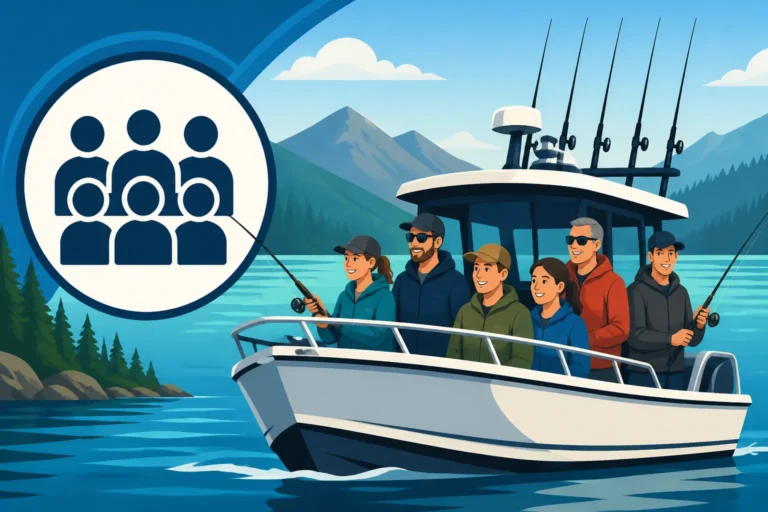
The beauty of a small boat charter is the reduced group size. This translates to a more intimate experience, but you still need to consider how many people will be on the boat. Most small boat light tackle charters are designed for 1-3 anglers, allowing for plenty of casting room and personalized attention. Some might accommodate a fourth, but beyond that, you start to lose the "small boat" feel and the benefits of limited anglers.
Think about your group dynamics. Are you going solo for a focused fishing session? A small boat is perfect. Are you taking your child on their first fishing trip? A dedicated guide on a small boat can provide excellent instruction. Best Guided Kids Fishing Trips in BC are often found with small boat operators. If you have a larger family or group, you might need to consider booking multiple small boats or looking for a slightly larger vessel that still maintains a high guide-to-angler ratio. The goal is to maximize your comfort, safety, and individual fishing opportunities.
| Consideration | Small Boat Light Tackle Charter | Large Offshore Charter |
|---|---|---|
| Vessel Type | Aluminum console, drift boat, zodiac | Large cabin cruiser, sportfisher |
| Max Anglers | Typically 1-4 | Often 4-10+ |
| Access | Shallow water, tight rivers, bays | Deep offshore grounds |
| Fishing Style | Active casting, fly fishing, jigging | Trolling, bottom fishing |
| Gear | Light spinning, baitcasting, fly gear | Heavy conventional, downriggers |
| Guide Interaction | High, personalized instruction | Moderate, group-focused |
| Target Species | Coho, trout, kokanee, smaller bottom fish | Chinook, halibut, tuna (often) |
| Noise Level | Quieter, more stealthy | Louder, engine-heavy |
Finding and Booking Your Ideal Charter
Once you've got a clearer picture of what you're looking for, the next step is to actually find and book that perfect small boat light tackle charter in British Columbia. It's easier than you might think with the right approach.
Online Platforms and Directories
In today's digital age, online platforms are a fantastic starting point for finding charters. Websites like FishingBooker have revolutionized how anglers connect with guides. You can often filter by location, target species, fishing technique (like light tackle), boat size, and even read reviews from previous clients. This allows you to compare multiple options side-by-side, check availability, and get a sense of what different charters offer before making any commitments. Many of these platforms also provide secure booking and payment options, which offers peace of mind.
When browsing, pay close attention to the descriptions. Do they explicitly mention "light tackle," "casting," or "fly fishing"? Look for photos of anglers holding smaller rods and reels, rather than heavy-duty trolling setups. Reading reviews is crucial; past clients often share valuable insights into the guide's personality, their teaching style, and the overall experience on the boat. Don't be afraid to utilize the messaging features on these platforms to ask specific questions about gear, fishing philosophy, and what a typical light tackle day looks like. FishingBooker, for example, makes it easy to communicate directly with potential guides to ensure all your questions are answered.
Local Word-of-Mouth and Marinas
While online resources are powerful, never underestimate the value of local knowledge. If you're already in British Columbia, or planning a trip to a specific area like Vancouver Island or the Fraser Valley, strike up conversations with locals. Visit bait and tackle shops; the folks behind the counter are often anglers themselves or know many local guides. They can offer invaluable, current recommendations and sometimes even direct contact information for guides who might not have a huge online presence but are incredibly skilled.
Marinas and docks are another excellent resource. Take a stroll along the docks in towns like Ucluelet, Tofino, or Campbell River. You'll see the boats, chat with guides coming in from trips, and get a real feel for the local charter scene. Many smaller operations run solely on word-of-mouth and repeat clients, and you might stumble upon a hidden gem this way. Observing guides interacting with their clients and seeing the type of fish they're bringing in can be a great way to gauge their expertise and the suitability of their boat for your light tackle goals.
What to Ask Before Booking
Once you've narrowed down your choices, it's essential to ask some direct questions to ensure the charter is truly the right fit for your light tackle preferences. Don't assume anything!
- "Do you specialize in light tackle fishing?" This is a primary question. If their answer is vague or they primarily talk about trolling with heavy gear, it might not be the right fit.
- "What specific gear do you provide for light tackle, and what line weights do you use?" Get details. Are they using quality rods and reels appropriate for the species you're targeting?
- "What species do you typically target with light tackle in this area, and what methods do we primarily use?" This clarifies if their approach aligns with yours (e.g., casting lures versus fly fishing).
- "What's the maximum number of anglers you take on a light tackle trip, and will it be a private or shared trip?" Confirm the intimacy level. Most small boat light tackle charters are private or semi-private (2-3 anglers).
- "What's included in the price (bait, tackle, licensing, fish cleaning) and what extras should I budget for (tips, snacks, drinks)?" Understand the full cost upfront. Remember, you'll still need your own BC fishing license; the charter typically doesn't cover that. British Columbia Fishing License Guide for 2026 is a good read.
- "What's your cancellation policy in case of bad weather or unforeseen circumstances?" Always good to know the terms.
These questions will help you gather the necessary information to make an informed decision and ensure your small boat light tackle fishing trip in BC is everything you hope for.
What to Expect and How to Prepare for Your Trip
You've found your ideal small boat light tackle charter, you're booked, and the excitement is building! Now, let's talk about what to expect on the day and how to prepare so you can make the most of your adventure.
Packing Essentials for a Small Boat
Even though your charter will provide the fishing gear, there are still some personal items you'll absolutely want to bring to ensure your comfort and enjoyment on a small boat. Space is usually at a premium, so think smart and pack light but effectively.
- Layered Clothing: BC weather can be unpredictable. Layers are key – a base layer, a warm fleece or synthetic mid-layer, and a waterproof and windproof outer shell are essential. Even on a sunny day, the wind on the water can make it feel chilly.
- Waterproof Footwear: Deck boots or waterproof hiking shoes are highly recommended. You'll likely encounter spray, splashes, and wet decks.
- Sun Protection: Sunglasses (polarized are a huge plus for spotting fish!), a wide-brimmed hat, and high-SPF sunscreen are critical, even on cloudy days. The reflection off the water amplifies UV rays.
- Snacks and Drinks: While some charters might provide basic refreshments, it's always a good idea to bring your preferred snacks and plenty of water or other non-alcoholic beverages. A small, soft-sided cooler often fits perfectly on a small boat.
- Camera: You'll want to capture the memories! A waterproof case for your phone or a dedicated waterproof camera is a smart move.
- Medication: If you have any personal medications, don't forget them. For those prone to seasickness, consider taking medication like Gravol before you even board the boat, especially if heading into coastal waters.
- Fishing License: This is non-negotiable. You must have a valid BC freshwater or tidal waters fishing license, depending on where you're going. Make sure it's purchased before your trip and readily accessible, whether it's a printed copy or on your phone. BC Freshwater vs Tidal Waters License, Explained can help you determine which one you need.
Etiquette and Safety on Board
When you step onto a small charter boat, you're not just a passenger; you're a guest in your guide's "office" and often their pride and joy. Adhering to good etiquette and being mindful of safety will ensure a smooth, enjoyable trip for everyone.
- Listen to Your Guide: Your guide is the expert on the water and the boat. Pay close attention to their safety briefings, instructions on casting, and rules for moving around the boat. Their primary concern is your safety and ensuring a successful trip.
- Respect the Gear: While the gear is provided, treat it with care. Don't toss rods around, slam reels, or abuse the boat's equipment.
- Be Mindful of Space: Small boats mean limited space. Be aware of your surroundings, especially when casting, to avoid hooking your guide or fellow anglers. Call out your cast direction, if necessary.
- Communication is Key: If you need a break, feel unwell, or have a question, communicate clearly with your guide. They can't help if they don't know there's an issue.
- Tipping: While not mandatory, tipping your guide is customary if you've had a good experience and they've worked hard for you. A common range is 15-20% of the charter fee, depending on your satisfaction. It's a great way to show appreciation for their expertise and effort.
- Catch and Release Best Practices: Your guide will instruct you on proper fish handling. Many light tackle species, especially steelhead or larger trout, are often released. Learn to handle fish minimally, keep them in the water as much as possible, and use proper de-hooking techniques to ensure their survival.
Understanding Catch and Release
British Columbia has a strong conservation ethic, and many light tackle fisheries operate on a mandatory or voluntary catch-and-release basis, particularly for sensitive species like wild steelhead or larger sturgeon. Your guide will be well-versed in the specific regulations for the waters you're fishing. For instance, BC Fraser River Sturgeon Catch and Release Requirement is strictly enforced.
Even for species where retention is allowed, you might choose to practice catch and release to preserve fish populations or simply for the sport of it. A good light tackle guide will teach you the best practices for minimizing stress on fish: landing them quickly, keeping them in the water for unhooking and photos, and supporting them properly for release. Using barbless hooks, which are often mandatory in many BC fisheries, also significantly aids in a clean, quick release, increasing the fish's chances of survival. Embrace this aspect of fishing; it's a way to ensure these incredible fisheries remain vibrant for generations to come.
Regions and Hotspots for Small Boat Light Tackle Fishing in BC
British Columbia offers an incredible array of fishing opportunities, and small boat light tackle fishing truly allows you to explore the diversity of its waters. From coastal inlets to interior lakes, there’s a perfect spot for every angler.
Vancouver Island and Coastal Opportunities
Vancouver Island is a prime destination for small boat light tackle fishing, especially for salmon. The numerous inlets, sounds, and sheltered passages provide ideal conditions for targeting aggressive coho salmon and chinook feeders with lighter gear. Areas around Campbell River, often called the "Salmon Capital of the World," and the Discovery Islands, offer fantastic opportunities for casting spoons or bucktail jigs to salmon holding in current seams or along kelp beds. Best Salmon Fishing Spots in BC can give you more ideas for where to go. The protected waters mean you can enjoy a responsive small boat without the worry of heavy offshore swells.
Further north on Vancouver Island, or even around the Gulf Islands, you can find phenomenal fishing for a variety of species. Imagine drifting silently in a smaller boat, casting into a rocky cove for lingcod or rockfish, feeling every subtle tap on your light rod. The accessibility of these smaller boats allows guides to take you to less-pressured spots that bigger charter vessels simply can't reach, increasing your chances of finding eager fish and having a truly memorable fight on lighter gear. The scenery alone is worth the trip, with towering firs, misty mornings, and abundant wildlife to complete the experience.
Lower Mainland Rivers and Freshwater Options
The Lower Mainland region, close to Vancouver, also offers excellent small boat light tackle options, particularly for river fishing. While some larger rivers like the Fraser are often fished with heavier gear for sturgeon, its tributaries, such as the Harrison River or the Chehalis River, are perfect for light tackle. During salmon runs, casting small spinners or spoons for coho and chum salmon can be incredibly productive and exciting on lighter gear. Many guides use drift boats or smaller jet boats here, allowing them to navigate shallow sections and provide a quiet, intimate fishing experience.
For trout enthusiasts, smaller rivers and streams in the region can also offer fantastic light tackle action, especially with fly fishing gear. These often require a nimble approach that only a small boat or wading can provide. You might target sea-run cutthroat trout or resident rainbow trout in picturesque settings. Remember to check local regulations carefully, as many river sections in BC have very specific rules regarding gear, bait, and retention, particularly for sensitive species like steelhead. BC Fishing Regulations Explained is a must-read before heading out.
Interior Lakes for Trout and Kokanee
Venturing into British Columbia's interior opens up a whole different world of small boat light tackle fishing, primarily on its vast network of lakes. Regions like the Okanagan Valley and the Kootenays are famous for their trout and kokanee fisheries, which are ideally suited to light tackle. Think about Kamloops trout, Gerrard rainbow trout (from Kootenay Lake), or the abundant kokanee that populate many of these clear, deep lakes.
For kokanee, guides often use smaller boats to troll ultralight gear at specific depths, allowing you to feel every flutter of the lure and every quick strike. The smaller boat provides precise control for subtle adjustments in speed and direction that can make all the difference. For rainbow trout, especially in smaller, high-elevation lakes, fly fishing from a small rowboat or pontoon boat offers incredible sport. You might be casting dry flies to rising fish or stripping streamers along drop-offs. The peace and quiet of these interior lakes, combined with the thrill of fighting a strong trout on light gear, create an unparalleled fishing experience. Best Fishing Lakes in British Columbia provides an overview of some of these fantastic waters.
In all these regions, the emphasis remains on the direct connection between angler, fish, and environment that only small boat light tackle fishing can truly provide. Whether you're chasing chrome bright salmon in the salt or vividly coloured trout in a mountain lake, British Columbia's diverse waters are calling.
Disclaimer
This article is for general informational purposes only and does not constitute professional advice. Laws, prices and regulations vary by location and change over time. Consult a qualified professional for guidance on your specific situation.