Best Guided Sturgeon Trips on the Fraser River
Dreaming of that epic battle with a monster White Sturgeon on British Columbia's mighty Fraser River? It's a bucket-list experience for many anglers, but the sheer size of these prehistoric fish and the vastness of the river can feel incredibly daunting to tackle alone. Finding the right guide can transform a potentially frustrating outing into the adventure of a lifetime, and this guide is here to walk you through exactly how to pick the best guided sturgeon trip for you.
Why the Fraser River is a Premier Sturgeon Destination
The Fraser River isn't just a place to catch sturgeon; for many, it's the place. This incredible waterway is world-renowned for its healthy population of White Sturgeon, offering unparalleled opportunities to tangle with some truly massive fish. It’s a fishery unlike almost any other, drawing anglers from around the globe who are eager to experience the raw power of these ancient giants.
The Sheer Size and Power of Fraser Sturgeon
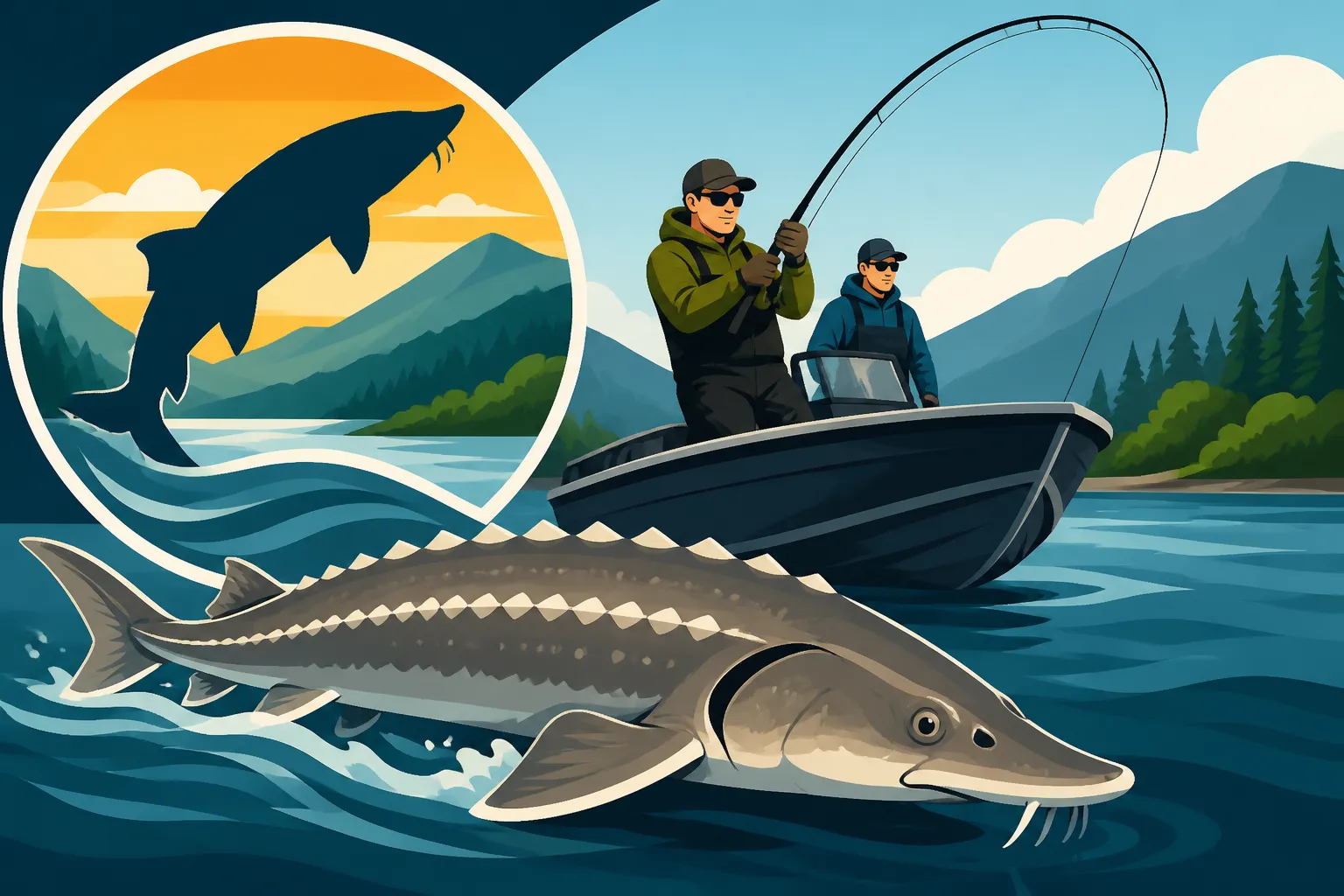
Imagine hooking into a fish that's longer than you are tall, a creature that can easily outweigh a grizzly bear. That's the reality of Fraser River White Sturgeon. These incredible animals can grow to astounding sizes, with some individuals reaching over 12 feet in length and weighing well over a thousand pounds. When you hook one, it's not just a tug on your line; it's a full-body workout, a test of strength and endurance, and an unforgettable dance with a true freshwater leviathan. The fight can last for an hour or more, involving powerful runs, deep dives, and acrobatic jumps that will leave your heart pounding. This isn't just fishing; it's an intense, adrenaline-fueled encounter that often results in stories that last a lifetime. White Sturgeon Fishing on the Fraser River is a unique experience, and the potential for a personal best, or even a record-breaking catch, is very real here.
Crucially, every single sturgeon caught on the Fraser River is part of a strictly enforced catch-and-release fishery, ensuring these magnificent creatures are protected for future generations. Guides here are experts in careful handling, ensuring the fish's well-being is paramount. This commitment to conservation means that while you're experiencing an incredible fight, you're also participating in responsible angling practices that contribute to the ongoing health of the sturgeon population.
Ecosystem and Habitat Favored by Sturgeon
The Fraser River's unique ecosystem provides the perfect habitat for White Sturgeon to thrive. This enormous river system, stretching from the Rocky Mountains to the Pacific Ocean, offers everything these bottom-dwelling giants need: vast stretches of deep, slow-moving water, plenty of food sources, and varied bottom structure. The river’s immense salmon runs are a primary driver of the sturgeon population; as millions of salmon migrate upstream to spawn and eventually die, their carcasses provide a rich, protein-packed feast for sturgeon. This abundance of food allows them to grow to their colossal sizes.
Beyond the salmon, the Fraser's diverse depths, eddies, and channels create ideal holding areas. Guides often know specific "sturgeon holes" – deep depressions, gravel bars, or current breaks – where these fish congregate. The riverbed itself is a complex tapestry of silt, gravel, and rock, all contributing to a rich benthic environment that supports the sturgeon's diet of lamprey, eulachon, and other river creatures. From the lower tidal reaches near Vancouver to the more untamed sections upstream, each part of the Fraser River Fishing Guide offers distinct characteristics that attract sturgeon, making it a dynamic and productive fishery year-round.
What Makes a "Best" Guided Sturgeon Trip
When you're investing in a guided trip, especially for something as specialized as Fraser River sturgeon, you want to ensure you're getting the absolute best experience possible. It's not just about finding a guide; it's about finding the right guide who can deliver on the promise of an epic adventure while prioritizing safety and conservation.
Experience and Expertise of the Guide
This is arguably the most critical factor. A truly excellent sturgeon guide possesses an intimate, almost intuitive knowledge of the Fraser River. They've spent countless hours on the water, learning its ever-changing currents, identifying prime sturgeon lies, and understanding the subtle behaviours of these fish. This isn't knowledge you can get from a map; it comes from years of experience. A seasoned guide knows when and where the fish are biting, what bait they prefer, and how to set you up for success. They are also masters of boat handling, navigating the powerful Fraser River safely, even in challenging conditions.
Beyond just finding fish, the best guides are also exceptional educators. They'll teach you proper casting techniques, how to detect a sturgeon bite, and most importantly, how to fight these massive fish without exhausting yourself or the fish unnecessarily. Look for guides with a strong reputation, often built over decades, and those who are clearly passionate about sturgeon conservation. Their certifications, safety training, and reviews from past clients (which you can often find on platforms like FishingBooker) will give you a good indication of their professionalism and success rate.
Quality of Gear and Equipment
Chasing White Sturgeon requires specialized, heavy-duty gear that can withstand immense pressure. A top-tier guided trip will provide all the necessary equipment, and it will be high-quality, well-maintained, and perfectly suited for the task. This includes powerful rods, robust reels spooled with heavy braided line, and strong terminal tackle designed to handle fish that can weigh hundreds of pounds. You don't want to be battling a trophy sturgeon with gear that's going to fail.
The boat itself is another key piece of equipment. Fraser River sturgeon guides typically operate spacious, stable jet boats designed to safely navigate the shallow, fast-moving, and often debris-laden waters of the Fraser. These boats should be equipped with all necessary safety gear, comfortable seating, and sometimes even amenities like heated cabins for colder days. Ensure the guide's vessel is well-maintained, clean, and equipped with modern electronics like fish finders and GPS to maximize your chances of success and ensure your comfort and safety throughout the trip.
Focus on Conservation and Ethical Practices
Given that White Sturgeon are a protected species and their fishery is strictly catch-and-release, a guide's commitment to conservation and ethical practices is non-negotiable. The "best" trips are led by guides who prioritize the health and safety of the fish above all else. This means they adhere strictly to all BC Fraser River Sturgeon Catch and Release Requirement guidelines, including proper handling techniques for large sturgeon.
Ethical practices include using appropriate tackle to minimize harm, fighting the fish efficiently to reduce stress, and carefully measuring and scanning for tags (as part of ongoing research efforts) before a quick and gentle release. They will instruct you on how to support the fish in the water until it's ready to swim away strongly. A guide who rushes the process or seems indifferent to the fish's well-being is one to avoid. Responsible guiding not only preserves the fishery but also enhances your experience, knowing you're contributing positively to the future of these magnificent creatures.
Key Factors to Consider When Booking Your Trip
Once you have a general idea of what makes a great guide, it's time to refine your search based on your personal preferences and needs. Booking a guided sturgeon trip isn't a one-size-fits-all situation; what works for one angler might not be ideal for another.
Group Size and Trip Type Private vs. Shared
The first thing to think about is who you're going with and what kind of experience you're after. Are you planning a solo adventure, a romantic trip for two, a family outing, or a fun day with a group of friends?
- Private Charters: These trips are exclusively for your group, whether it's just you or up to four or five people (depending on the guide's boat capacity). The main advantage here is personalization. The guide can tailor the day to your specific interests, skill level, and pace. Want to spend more time in a particular spot? Prefer a slower pace? A private trip offers that flexibility. It's often the most expensive option on a per-person basis, but the undivided attention and customized experience can be well worth the investment for a truly memorable day. If you're hoping to target a trophy Sturgeon Growth Rate to Trophy Size, a private trip allows more focused effort.
- Shared/Open Charters: Some guides offer the option to join a trip with other individual anglers or small groups. This is a fantastic way to experience sturgeon fishing if you're on a tighter budget or if you're traveling solo and want to meet new people. The cost per person is lower, but you'll be sharing the boat, the guide's attention, and the fishing opportunities with others. While still a great experience, there's less flexibility in terms of itinerary, and you might have to take turns on the rod when a fish is hooked. For those new to the experience, a shared trip can be a great way to learn from both the guide and other anglers.
Consider the dynamic of your group and what kind of atmosphere you're looking for. A private trip often leads to a more intimate and focused fishing experience.
Duration and Time of Year
Sturgeon fishing on the Fraser River isn't a quick affair. These powerful fish demand time and patience, which is why trip duration is important.
-
Half-Day vs. Full-Day vs. Multi-Day:
- Half-Day Trips (typically 4-5 hours) are often offered, but honestly, for sturgeon, they can feel a bit rushed. Given the time it takes to set up, wait for bites, and potentially battle a large fish, a half-day might only yield one or two solid opportunities. They're a good option for beginners or those with limited time, but serious sturgeon anglers usually opt for longer.
- Full-Day Trips (typically 8-10 hours) are the most popular choice for sturgeon. This duration provides ample time to move between spots, soak baits, and properly fight multiple fish. It offers the best balance between cost, time commitment, and the likelihood of a successful and rewarding experience. You'll likely get more bites and have more time for photographs and proper fish handling.
- Multi-Day Trips are for the truly dedicated, or those combining sturgeon fishing with other BC adventures. These allow you to explore different stretches of the river, adjust to changing conditions, and maximize your chances of a trophy catch. Some guides offer packages that include accommodation or combine sturgeon with salmon fishing.
-
Best Time of Year: White Sturgeon can be caught year-round on the Fraser, but certain seasons offer peak action. Generally, spring (April-June) and fall (September-November) are considered prime.
- Spring sees sturgeon becoming more active as water temperatures rise, and pre-spawn salmon runs begin to move through the system, providing early food sources.
- Summer (July-August) can be excellent, particularly when the salmon runs are in full swing, offering a massive buffet for the sturgeon. However, water levels can be higher, and there can be more recreational boat traffic.
- Fall is arguably the most consistent, with massive salmon runs providing an abundance of food, drawing in large sturgeon that are actively feeding. The cooler weather is also very comfortable for fishing.
- Winter (December-March) fishing is possible, but slower, as sturgeon become less active in colder water. However, if you hit it right, you can find some absolute monsters in their deep wintering holes, often with less competition. For a broader perspective on the best fishing times, check out Best Time of Year to Fish in BC.
Inclusions and Exclusions Gear, Bait, Licenses
Before booking, always clarify exactly what is included in the trip price and what you are expected to provide yourself. This helps avoid any surprises on the day of your adventure.
-
What's Typically Included:
- Guide and Boat: This is the core offering.
- All Fishing Gear: High-quality rods, reels, and terminal tackle appropriate for sturgeon.
- Bait: Often fresh or frozen salmon parts, eulachon, or other local fish that sturgeon love.
- Safety Equipment: Life jackets, first-aid kit, communication devices.
- Fish Handling Equipment: Measuring boards, tagging kits (for authorized guides), and release mats.
- Basic Instruction: Your guide will show you the ropes, from casting to fighting and releasing the fish.
-
What's Typically Excluded (and what you need to bring/arrange):
- Fishing License: You are almost always required to purchase your own valid BC freshwater fishing license, and often a White Sturgeon Conservation Surcharge Stamp. You can usually buy these online before your trip or from local tackle shops. The guide cannot provide this for you. For details, see Do You Need Your Own Fishing License for a BC Charter?.
- Food and Beverages: Pack your own lunch, snacks, and drinks for the day. Some premium charters might offer refreshments, but assume you need to bring your own unless specified.
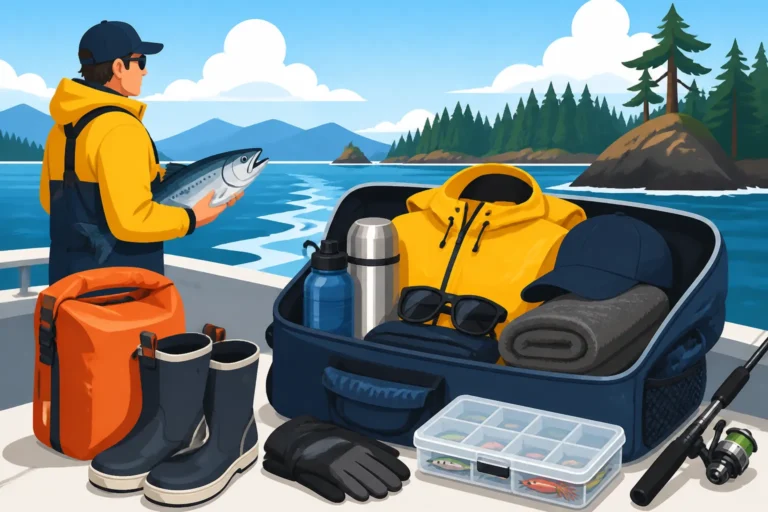
- Appropriate Clothing: Dress in layers for all weather conditions, as temperatures can change rapidly on the river. Waterproof outerwear is highly recommended.
- Gratuities for the Guide: Tipping is customary and greatly appreciated if you had a good experience. Tipping Etiquette for BC Fishing Charters can provide some guidance.
- Transportation to the Launch Point: You'll need to arrange your own way to and from the designated meeting spot, usually a boat launch or marina.
Always double-check these details when discussing your booking. Transparency upfront ensures a smooth and enjoyable experience for everyone.
Top Regions and Stretches for Guided Sturgeon Trips
The Fraser River is a colossal waterway, and different sections offer unique experiences and accessibility. While sturgeon are found throughout its main stem, certain areas are particularly renowned for guided trips due to their accessibility, sturgeon populations, and guide infrastructure.
Lower Fraser River Near Vancouver and Chilliwack
The Lower Fraser River, stretching from its mouth near Vancouver eastward past communities like Langley, Mission, and Chilliwack, is arguably the most popular and accessible region for guided sturgeon trips. This section benefits from being relatively close to major population centers, making logistics easier for many anglers flying into Vancouver. Despite its proximity to urban areas, the river here is still wild and vast, holding an incredible density of sturgeon.
Guides operating out of towns like Chilliwack and Mission are particularly popular. These areas are known for their deep holes, back channels, and confluence zones where sturgeon congregate, especially during the various salmon runs. The accessibility means there are numerous reputable guides and charter services available, offering everything from half-day excursions to multi-day packages. The scenery here is a mix of agricultural land and towering mountain backdrops, and the sheer volume of fish means a higher chance of multiple hook-ups. This is often the first choice for anglers seeking a productive and convenient sturgeon fishing experience. Many resources focus specifically on Lower Fraser River Sturgeon Fishing due to its popularity and consistent action.
Middle and Upper Fraser Further Upriver Opportunities
While the Lower Fraser gets a lot of attention, the Middle and Upper Fraser River also offer phenomenal sturgeon fishing, often with the added allure of greater wilderness and fewer crowds. As you move further upstream, past Hope and into the Fraser Canyon and beyond, the river's character changes dramatically. It becomes narrower, often faster, and the surrounding landscape transitions to dramatic canyons and dense forests.
Guided trips in these more remote sections typically require a longer drive or even a fly-in component, depending on the exact location. Guides working these areas are specialized and intimately familiar with the unique challenges and opportunities they present. The sturgeon here can be just as large, if not larger, and the fishing pressure is often significantly less. For the adventurous angler seeking a more rugged, wilderness-oriented experience, the middle and upper reaches of the Fraser can be incredibly rewarding. You might find yourself surrounded by stunning, untouched nature as you battle a prehistoric giant. These trips are less common, but the solitude and raw beauty add another dimension to the sturgeon fishing adventure.
| Trip Type / Factor | Lower Fraser River (e.g., Chilliwack, Mission) | Middle/Upper Fraser River (e.g., Fraser Canyon) |
|---|---|---|
| Accessibility | Very High (closer to Vancouver) | Moderate to Low (longer drive, more remote) |
| Guide Availability | Many reputable guides | Fewer, more specialized guides |
| Sturgeon Density | Very High, consistent action | High, potentially larger fish |
| Scenery | Farmland, mountains, some urban fringe | Dramatic canyons, wilderness, dense forest |
| Crowds | Can be busy, especially on weekends | Generally less crowded, more solitude |
| Typical Trip Duration | Half-day to full-day, multi-day available | Full-day to multi-day, often wilderness-focused |
Preparing for Your Fraser River Sturgeon Adventure
Embarking on a sturgeon trip is an exciting prospect, but a little preparation goes a long way to ensuring you're comfortable, safe, and ready for whatever the river throws at you. It’s about more than just showing up; it’s about being ready to engage fully with the experience.
Essential Gear and Clothing
The weather in British Columbia, especially along the Fraser River, can be notoriously unpredictable. A sunny morning can quickly turn into a cool, rainy afternoon, or vice-versa. Dressing in layers is absolutely crucial, allowing you to adapt to changing conditions throughout the day.
- Base Layers: Moisture-wicking base layers are excellent for regulating body temperature. Avoid cotton if possible, as it stays wet and cold.
- Mid-Layers: A fleece jacket, wool sweater, or down vest provides warmth.
- Outer Layers: This is perhaps the most important: waterproof and windproof jacket and pants. Even on a clear day, spray from the boat or a sudden shower can leave you soaked and cold without proper protection. A good quality set will make a huge difference in your comfort.
- Headwear: A warm beanie or toque for cooler weather, and a wide-brimmed hat or baseball cap for sun protection.
- Gloves: Fingerless gloves can be useful for grip and sun protection, while warmer waterproof gloves are essential for colder days.
- Footwear: Waterproof, non-slip boots are ideal. You'll be moving around the boat, potentially handling fish, and boat decks can get wet. Ensure they're comfortable for a full day.
- Sunglasses: Polarized sunglasses are excellent for reducing glare off the water and protecting your eyes.
- Sunscreen and Lip Balm: Even on cloudy days, UV rays can be strong, especially reflected off the water.
Remember, it's always better to overpack a few layers you can shed than to be caught unprepared and cold or wet.
Physical Preparation and Expectations
Battling a large White Sturgeon is not for the faint of heart. These fish are incredibly powerful, and the fight can be physically demanding, often lasting 30 minutes to over an hour for truly massive specimens. It's a full-body workout, engaging your core, back, and arms.
- Stamina: While you don't need to be a bodybuilder, having a reasonable level of physical fitness will greatly enhance your enjoyment and effectiveness in fighting a fish. Consider some light exercise or stretching in the days leading up to your trip.
- Hydration and Nutrition: Bring plenty of water and electrolytes, as you'll be exerting yourself. Pack substantial snacks and a lunch to keep your energy levels up.
- Mental Fortitude: Be prepared for patience. Sturgeon fishing often involves periods of waiting, followed by intense bursts of action. The best anglers remain focused and calm when the bite finally comes.
- Realistic Expectations: While guides work incredibly hard to put you on fish, fishing is fishing. There are no guarantees. Focus on enjoying the process, the scenery, and the company. Landing a trophy sturgeon is a bonus, but the thrill of the chase and the experience on the river are what truly make the trip. Manage your expectations regarding the number of fish you'll catch; one massive sturgeon is often more memorable than several smaller ones. For more general advice on what to expect, refer to What to Expect on a BC Fishing Charter.
Understanding Fraser River Sturgeon Regulations
Adhering to regulations is not just about legality; it's about protecting these incredible fish. Fraser River White Sturgeon are fully protected, meaning it is a strict catch-and-release only fishery. There are no retention limits.
Your guide will be an expert on all current regulations, but it's good to familiarize yourself with the basics:
- Catch and Release Only: All sturgeon must be released alive and unharmed.
- Single Barbless Hooks: Only single, barbless hooks are permitted to minimize injury to the fish.
- Proper Handling: There are specific guidelines for how to handle sturgeon, especially large ones, to ensure their survival post-release. This includes keeping them in the water as much as possible, supporting their weight properly for photos, and reviving them carefully. Your guide will demonstrate and enforce these practices.
- Measuring and Tagging: Guides participating in the sturgeon monitoring and assessment program will often measure the fish, record data, and check for existing tags. They may also apply new tags if the fish is untagged. This vital research helps manage the population.
- No Removing Large Fish from Water: Large sturgeon (usually over 5 feet) should not be removed from the water for photos. The guide will show you how to safely get in the water with the fish (if conditions allow) for a memorable photo while keeping the fish supported.
Understanding and respecting these rules is paramount. For a deeper dive into the specific rules, read BC Fraser River Sturgeon Catch and Release Requirement. Your guide will be a primary resource for ensuring you comply with all regulations on the day.
Booking Your Guided Sturgeon Trip
The final step is turning your dream into a reality by securing your spot with a great guide. This involves a bit of research, clear communication, and understanding the practicalities of booking.
Researching and Vetting Guides and Charters
Finding the "best" guide is a personal journey, but there are several ways to ensure you're making an informed choice. Start by looking for guides with specialized experience in sturgeon fishing on the Fraser River. Many guides focus exclusively on this species, and their expertise is invaluable.
- Online Reviews and Testimonials: This is a goldmine of information. Websites like Google Reviews, Facebook, and dedicated fishing charter platforms are excellent places to read about other anglers' experiences. Look for consistent positive feedback about the guide's knowledge, professionalism, safety practices, and, of course, their ability to put clients on fish. Pay attention to how the guide interacts with clients and how they handle the fish.
- Referrals and Word-of-Mouth: Ask fellow anglers, local tackle shops, or fishing forums for recommendations. Personal referrals often lead to the most trusted guides.
- Guide Websites and Social Media: Reputable guides will have professional websites showcasing their boats, equipment, and recent catches. Their social media presence can also give you a feel for their personality and passion.
- Booking Platforms: Services like FishingBooker can be incredibly useful. These platforms aggregate many local guides, allowing you to compare profiles, read verified reviews, check availability, and often book directly. They provide a standardized way to evaluate different options and often highlight guides known for sturgeon fishing on the Fraser. It's a great starting point to explore various options and find guides who operate specifically for Best Sturgeon Guides on the Fraser River.
When researching, also verify that the guide is properly licensed and insured to operate commercial fishing charters in BC.
Communicating Your Expectations
Once you've narrowed down your choices, reach out to potential guides and communicate clearly what you're hoping for from your trip. Are you a seasoned angler looking for a trophy? Are you bringing kids and prioritizing a fun, educational experience? Is catch-and-release paramount for you?
- Be Specific: "I'm hoping to catch my first sturgeon, even a smaller one!" or "My group of four friends wants to target the biggest fish possible and get some amazing photos."
- Ask Questions: Don't hesitate to inquire about their experience, their approach to fishing, their conservation practices, their boat, and what a typical day looks like. A good guide will be happy to answer your questions thoroughly.
- Discuss Your Skill Level: Be honest about your fishing experience. This helps the guide tailor their instruction and support to your needs.
- Health and Mobility: If anyone in your group has mobility issues or health concerns, inform the guide in advance so they can make appropriate accommodations or advise if the trip is suitable.
Clear communication upfront ensures that both you and the guide are on the same page, leading to a much more satisfying experience for everyone.
Understanding Booking Logistics and Deposits
Sturgeon fishing on the Fraser River is incredibly popular, especially during peak seasons (spring and fall). To avoid disappointment, it's wise to plan and book your trip well in advance, sometimes several months ahead, particularly if you have specific dates in mind or are targeting a weekend.
- Booking in Advance: The best guides, with the most reputable track records, often book up quickly. Don't wait until the last minute, especially for prime dates.
- Deposits and Payment: Most guides require a non-refundable deposit to secure your booking, with the balance due on the day of the trip. Always clarify the payment structure and accepted methods.
- Cancellation Policy: Understand the guide's cancellation and rescheduling policy. Life happens, and sometimes plans change, or weather conditions make fishing unsafe. Know what your options are in these scenarios. Reputable guides will have clear policies regarding weather cancellations (e.g., offer to reschedule or provide a refund if they deem conditions unsafe). For a deeper look, check Cancellation policy for BC fishing charters.
- Confirmation: Always get a written confirmation of your booking, including dates, times, pricing, and meeting location.
By diligently researching, communicating openly, and understanding the booking process, you'll be well on your way to experiencing one of the most incredible freshwater fishing adventures British Columbia has to offer. Get ready for a battle with a living dinosaur!
Disclaimer
This article is for general informational purposes only and does not constitute professional advice. Laws, prices and regulations vary by location and change over time. Consult a qualified professional for guidance on your specific situation.