Average cost of a full-day halibut charter in Tofino
Planning an incredible fishing adventure to Tofino, British Columbia, often brings up a big question mark: what exactly will a full-day halibut charter set you back? It's a common frustration, trying to budget for a dream trip without any clear figures, and nobody wants to be surprised by hidden costs. This guide is here to demystify the investment required for a memorable day chasing halibut on the Pacific, covering everything from the variables that influence pricing to what you can expect on the water.
Understanding the Factors That Influence Halibut Charter Costs in Tofino
When you start looking into booking a halibut charter out of Tofino, you'll quickly realize that there isn't one single price tag. Instead, there's a range, and that range is shaped by several key factors. Think of it like booking a hotel; a basic motel room costs differently than a luxury suite, even in the same town. The same principle applies to fishing charters, with the details making all the difference.
Duration of the Trip and Boat Type
The most obvious factor influencing cost is the length of your trip. A "full-day" charter typically means spending anywhere from 8 to 10 hours on the water, often heading out early in the morning and returning in the late afternoon. This extended time allows the captain to venture further offshore to prime halibut grounds, which generally means better fishing opportunities and a more relaxed pace. Naturally, more time on the water means a higher cost than, say, a half-day or 5-hour excursion, simply because you're utilizing the boat and crew for a longer period.
Beyond the duration, the type of boat you choose also plays a significant role. Tofino's charter fleet is diverse, ranging from smaller, faster aluminum vessels perfect for zipping out to the banks, to larger, more comfortable cruisers equipped with heated cabins, private heads (marine toilets), and more spacious decks. A smaller, more spartan boat might offer a more budget-friendly option, while a premium vessel with all the amenities will command a higher price. It's about weighing your comfort preferences against your budget, and considering how much time you want to spend in an enclosed cabin versus out on the deck.
Inclusions and Exclusions in the Price
This is where many anglers get tripped up, and it's essential to understand what's covered in the quoted price versus what you'll need to budget for separately. A barebones charter might only include the boat, captain, and fuel, expecting you to bring your own gear, bait, and tackle. However, most reputable Tofino halibut charters are more comprehensive.
Typically, you can expect the charter price to include:
- Professional Guide/Captain: Their expertise in navigating the local waters and locating fish.
- Boat and Fuel: The vessel and the cost of powering it for the day.
- Fishing Gear: High-quality rods, reels, and tackle specifically suited for halibut.
- Bait: Often fresh or frozen herring, octopus, or other proven halibut baits.
- Basic Fish Cleaning: Gutting and icing your catch at the end of the day.
However, there are almost always exclusions that you'll need to factor into your overall trip cost. These commonly include:
- Fishing Licenses: You absolutely need a valid BC tidal waters fishing license, and often a Salmon Conservation Stamp if you plan to keep any salmon you might catch incidentally while halibut fishing. These are typically purchased online before your trip. We have a detailed guide on BC Freshwater vs Tidal Waters License, Explained that can help clarify which one you need.
- Gratuities for the Crew: Tipping is customary in the charter industry and is a way to show appreciation for hard work and excellent service.
- Food and Drinks: While some high-end charters might offer snacks or even lunch, most expect you to bring your own.
- Rain Gear/Warm Clothing: While charters provide a safe vessel, they rarely provide personal outerwear.
- Fish Processing Beyond Basic Cleaning: If you want your catch filleted, vacuum-packed, or smoked, that's usually an additional service from a local processor.
Always ask for a clear list of inclusions and exclusions when booking. A little clarity upfront can prevent any unwelcome surprises later on.
Time of Year and Demand
Just like any tourist destination, Tofino experiences peak and shoulder seasons, and these fluctuations in demand directly impact charter availability and pricing. The prime halibut fishing season in Tofino generally aligns with the summer months, from late May through early September. During this window, the weather is typically more stable, and the halibut fishing is often at its best. As a result, charter spots fill up quickly, and prices tend to be at their highest. If you're planning a trip during July or August, expect to pay premium rates and book well in advance.
If you're looking to potentially save a bit or find more availability, consider the shoulder seasons. Late April/early May and late September/October can still offer fantastic fishing opportunities, including halibut, often with fewer crowds and slightly more competitive pricing. However, be prepared for potentially more variable weather conditions. Our guide on the Best Season to Book a Halibut Charter delves deeper into these seasonal considerations.
What to Expect from a Full-Day Halibut Charter in Tofino
So, you've crunched the numbers and decided a full-day halibut charter in Tofino is the adventure for you. But what does that day actually look like? It's more than just catching fish; it's an immersive experience on the wild Pacific, guided by seasoned pros.
Typical Trip Length and Target Species
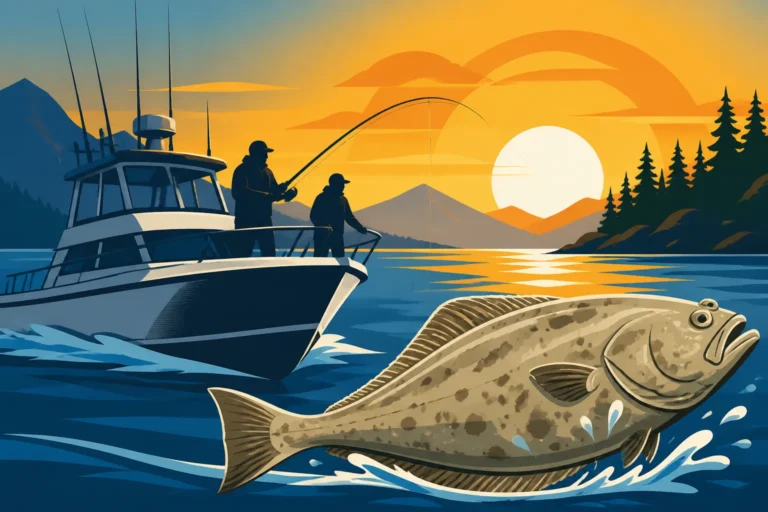
A full-day halibut charter out of Tofino is an investment in time, typically running for 8 to 10 hours from dock to dock. This allows for ample travel time to reach the most productive halibut grounds, which can be a fair distance offshore – sometimes an hour or two or more run from the harbour. This isn't river fishing where you cast from shore; you're heading out into the vast Pacific.
While halibut is undeniably the star of the show and the primary target, these charters often provide opportunities for other species. Many Tofino charters will also target lingcod or various rockfish species, especially if the halibut bite is slow or if anglers want a mixed bag. Some may even combine halibut fishing with a bit of salmon trolling, especially if you have a salmon stamp on your license. The captain's knowledge of the local ecosystem and current fishing conditions will dictate the best strategy for the day. It's a fantastic opportunity to experience the diverse marine life of the West Coast.
Gear, Techniques, and Crew Expertise
Halibut fishing isn't for the faint of heart, or for light tackle! These charters come equipped with specialized heavy-duty gear designed to handle the immense power of a large halibut. You'll typically be using stout rods, large conventional reels spooled with heavy braided line, and hefty lead weights (often 1 to 3 pounds or more) to get your bait down to the bottom in deep water and strong currents. This isn't your average trout setup; it's industrial-strength fishing.
The primary techniques involve either jigging large metal jigs or baited rigs vertically over structure, or drift fishing bait along the ocean floor. The crew will show you exactly how to rig up and instruct you on the proper technique. Their expertise is invaluable – they know the tides, the currents, the depths, and where the halibut are likely to be hiding. From deploying the gear to helping you land a monster, the crew's assistance is critical. It's a hands-on experience, but you'll have professional guidance every step of the way. If you want to dive deeper into techniques, check out our guide on Halibut Fishing Techniques for BC's Coast. The crew will also be well-versed in Best Halibut Fishing Spots in BC and how to effectively fish them.
On-Board Amenities and Comforts
The level of on-board amenities can vary significantly depending on the charter boat and, as mentioned, can influence the price. On larger, more luxurious vessels, you might find a heated cabin, a private marine head (washroom), comfortable seating, and even a small galley for preparing snacks or coffee. These features make a long day on the open ocean much more enjoyable, especially if the weather turns chilly or rainy, which can happen quickly on the coast.
Smaller, more utilitarian boats might offer less in terms of creature comforts but compensate with speed and agility. Regardless of the boat type, all commercially licensed charters in Tofino will be equipped with essential safety gear, navigation electronics, and fish-finding sonar. It's always a good idea to inquire about specific amenities when booking, especially if you have particular needs or preferences for comfort during your long day out on the water.
Navigating Booking Options and Finding Value
Finding the right charter can feel a bit overwhelming with so many options available. It's not just about the price; it's about finding a reputable operator who provides a safe, enjoyable, and productive experience. Knowing where to look and what questions to ask can make all the difference.
Direct Bookings vs. Online Platforms
You essentially have two main avenues for booking a Tofino halibut charter:
- Directly with a local operator: This involves researching individual charter companies based in Tofino, contacting them via phone or email, and booking directly. The advantage here is direct communication, allowing you to ask specific questions and often build a rapport with the captain or booking agent. You might also find slightly more flexibility with scheduling or customization.
- Through online booking platforms: Websites like FishingBooker aggregate multiple charter operators, allowing you to compare boats, prices, and availability in one place. These platforms often feature extensive customer reviews, which can be invaluable for vetting operators. Using a platform like FishingBooker allows you to see a broad spectrum of what's on offer in Tofino, from more economical shared trips to high-end private excursions, and filter by boat size, amenities, or target species. It's a convenient way to get a quick overview and read about other anglers' experiences. When using FishingBooker or similar sites, always check the operator's direct website as well, as sometimes promotions or specific details might differ.
Regardless of your chosen method, always confirm the details in writing, including the exact date, time, price, inclusions, and cancellation policy.
Group vs. Private Charters
This choice significantly impacts the per-person cost of your full-day halibut adventure.
- Shared/Open Charters: These are often the most budget-friendly option. You pay a per-person rate and join other anglers on the boat, typically 4-6 people. This is a great way to experience offshore halibut fishing without the full cost of chartering an entire boat yourself. The downside is less flexibility; you'll fish with strangers and adhere to a schedule and fishing style that suits the group. However, it's an excellent way to meet new people who share your passion for fishing!
- Private Charters: Here, you book the entire boat for your group, regardless of how many people you bring (up to the boat's legal capacity, of course). The cost is for the boat, not per person. While the overall boat rate is higher, if you have a group of four or more, the per-person cost can become quite comparable to, or even better than, a shared trip, while offering significant advantages. You get to decide the focus of the trip (e.g., more halibut, some lingcod, specific techniques), you have the entire deck to yourselves, and the captain can tailor the experience more directly to your group's preferences and skill levels. For groups, a private charter often offers the best value and flexibility.
Here's a quick comparison to help visualize the differences:
| Feature | Shared/Open Charter | Private Charter |
|---|---|---|
| Cost Structure | Per person | Flat boat rate |
| Total Anglers | Typically 4-6 individuals from various parties | Your group only (up to boat capacity) |
| Flexibility | Limited (set schedule, group consensus) | High (tailored to your group's preferences) |
| Social Aspect | Meet new people | Fish with your friends/family only |
| Best For | Solo anglers, small parties, budget-conscious | Groups of 3+, specific preferences, privacy |
Essential Questions to Ask Before Booking
To ensure you're getting exactly what you expect, don't hesitate to ask a lot of questions before you commit. Here are some key points to cover:
- What is the total cost, and what methods of payment do you accept?
- What exactly is included in the price? (Gear, bait, basic fish cleaning, water, snacks?)
- What is NOT included that I need to provide/pay for? (License, food, gratuities, specialized processing?)
- What is your cancellation policy? (Especially important for Tofino's variable weather!)
- How many people will be on the boat? (For shared charters)
- What type of boat is it, and what amenities does it have? (Heated cabin, head, seating?)
- What safety equipment is on board?
- What time do we depart and return?
- What should I bring? (Appropriate clothing, seasickness medication, food, camera, cooler for fish.)
- What are the current regulations for halibut? (Size limits, bag limits – these can change!)
Asking these questions upfront, whether directly to an operator or by clarifying details seen on FishingBooker, will help you feel confident and prepared for your full-day adventure. Our guide on What to Expect on a BC Fishing Charter has even more detail on preparing for your trip.
Beyond the Sticker Price: Additional Costs and Considerations
While the charter fee is the biggest expense, it's wise to consider other potential costs that contribute to your overall Tofino halibut fishing experience. Overlooking these can lead to an unexpected hole in your vacation budget.
Fishing Licenses and Stamps
This is a non-negotiable expense for any angler hitting the waters in British Columbia, whether you're a resident or visiting. For a Tofino halibut charter, you will need a tidal (saltwater) fishing license. These are typically purchased online through the Fisheries and Oceans Canada (DFO) website. You'll need to specify the duration (e.g., annual, 1-day, 3-day, 5-day).
If there's any chance you might catch and want to retain salmon (even if it's incidental while targeting halibut), you'll also need to purchase a Salmon Conservation Stamp and affix it to your license. This stamp supports vital salmon habitat restoration and conservation efforts. Always ensure your license and any necessary stamps are secured before you step foot on the boat. Your charter captain cannot take you fishing without one, and vendors in Tofino often have limited hours or can be busy. You can find more information about the associated costs in our article on BC tidal waters salmon conservation stamp cost 2026.
Gratuities for the Crew
Tipping is a deeply ingrained practice in the fishing charter industry, much like in restaurants or other service sectors. Your captain and deckhand (if there is one) work incredibly hard to ensure your safety, comfort, and success on the water. They're up before dawn preparing the boat, cleaning your fish, providing instruction, and offering expert guidance throughout the day.
A customary tip for a good experience is typically 15-20% of the total charter cost. If you feel they went above and beyond, don't hesitate to show extra appreciation. It's often best to bring cash for this purpose, as some operators may not be able to process tips via credit card. This gesture of appreciation directly acknowledges their dedication and hard work. For more insights, check out Tipping Etiquette for BC Fishing Charters.
Travel, Accommodation, and Meals
Remember that the charter itself is just one component of your Tofino fishing trip. You'll need to consider how you're getting to Tofino, where you'll be staying, and what you'll be eating. Tofino is a popular destination, and accommodation can range from campsites and budget motels to luxurious resorts. Prices will vary significantly depending on the season and type of lodging.
For your fishing day, you'll need to pack adequate food and drinks. A full day on the water, especially in the fresh Pacific air, can make you surprisingly hungry. Pack a hearty lunch, plenty of snacks, and a good supply of water or other beverages. Bringing a small cooler with ice for your provisions is also a good idea. Don't forget any personal items like sunscreen, sunglasses, a hat, and appropriate layers of clothing – the weather can change dramatically offshore!
Disclaimer
This article is for general informational purposes only and does not constitute professional advice. Laws, prices and regulations vary by location and change over time. Consult a qualified professional for guidance on your specific situation.