Best charters for lingcod around reefs
Trying to find a fishing charter that genuinely knows the ins and outs of targeting lingcod around those tricky, structure-rich reefs in British Columbia can feel like a real treasure hunt. It's not just about getting out on the water; it's about finding that captain with the specialized knowledge to put you right on top of these incredible bottom dwellers. This guide is here to help you navigate the options, understand what makes a great lingcod charter, and prepare you for an unforgettable BC fishing adventure targeting these feisty fish.
Why Reefs are Lingcod Hotspots in British Columbia
Lingcod are absolutely legendary in British Columbia waters, not just for their formidable appearance and aggressive strike, but also for their delicious white flesh. And if you want to find them, you need to think like a lingcod – which means understanding why reefs are their ultimate hunting grounds. It's more than just a place to hang out; it's a vital part of their survival strategy.
Lingcod's Preferred Habitat and Prey
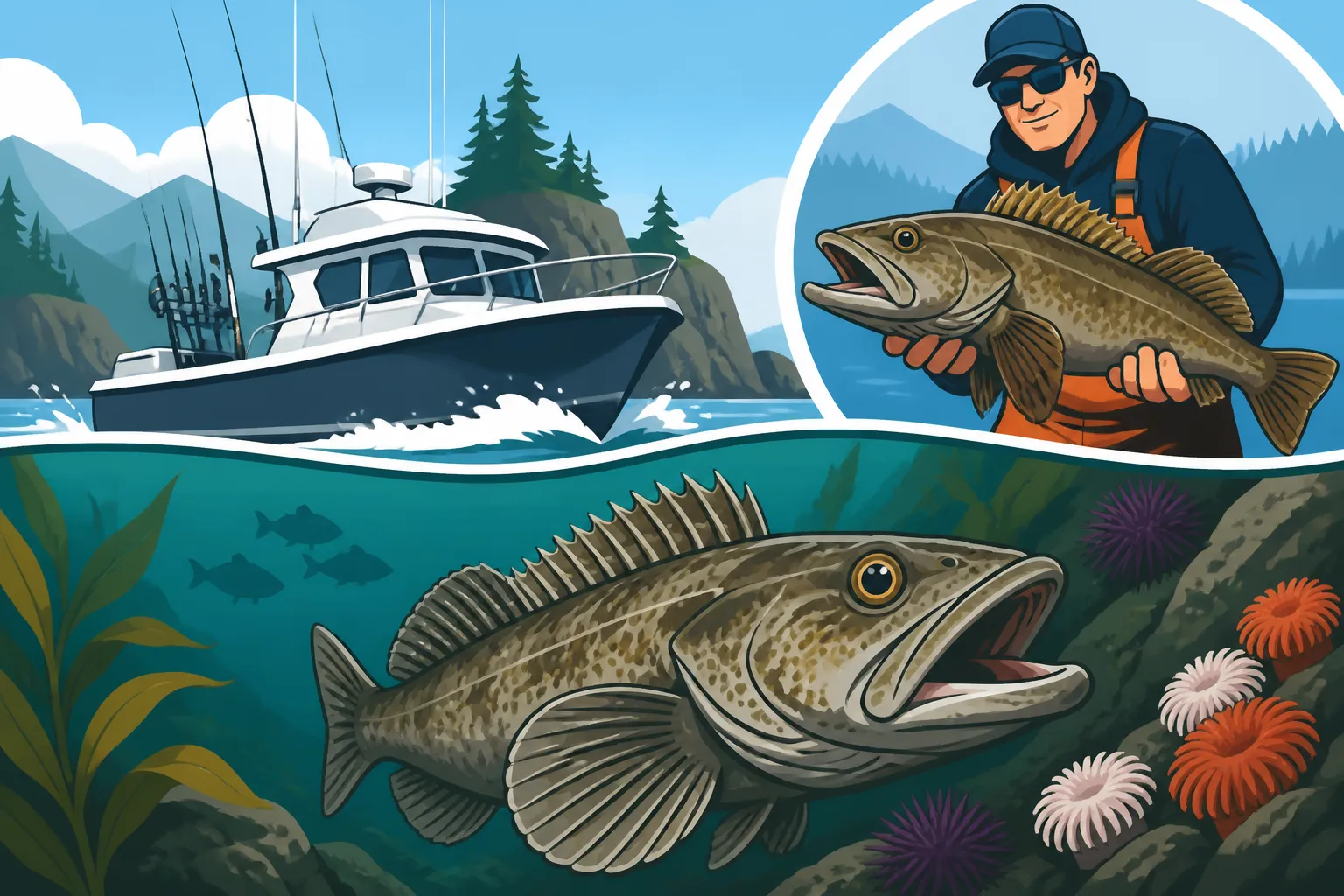
Lingcod are true ambush predators, and reefs offer the perfect environment for them to thrive. Imagine a complex underwater landscape of rocky pinnacles, ledges, crevices, and even lush kelp forests. These structures provide countless hideouts where a lingcod can lurk, camouflaged against the rocks, waiting for an unsuspecting meal to swim by. They're not going to be found roaming vast, open sandy bottoms; they crave that protective cover and the strategic advantage it gives them.
Their diet is pretty varied, but it heavily relies on the abundance of other marine life that also calls these reefs home. Rockfish, greenling, herring, and even small octopus are all on the lingcod menu. These prey species also seek out the protection and food sources that reefs provide, inadvertently setting up a vibrant ecosystem that acts as a natural grocery store for lingcod. A charter specializing in lingcod will know how to "read" these reefs, identifying the subtle changes in structure where lingcod are most likely to be holding.
The currents around reefs also play a significant role. Lingcod are strong swimmers, but they appreciate a current that brings food directly to them, or allows them to position themselves to ambush prey more effectively. They use the topography of the reef to break the current, conserving energy while still being in a prime feeding lane. This combination of shelter, abundant prey, and advantageous currents makes reefs irresistible to these impressive fish.
Understanding BC's Coastal Reef Ecosystems
British Columbia's coastline is a geological marvel, carved by glaciers and tectonic forces, resulting in an incredible diversity of underwater structures. This is particularly true for its reefs, which range from shallow, rocky shorelines dropping steeply into deeper water to submerged offshore pinnacles that rise dramatically from the ocean floor. Each type of reef offers unique opportunities for lingcod fishing.
For instance, the western coast of Vancouver Island, with areas around Tofino and Ucluelet, is famous for its exposed rocky shores and offshore islands. Here, strong ocean swells have sculpted intricate underwater formations, creating an endless labyrinth of lingcod habitat. Further north, towards the Discovery Islands or Haida Gwaii, you'll find other types of reefs, often characterized by strong tidal currents that sweep through narrow passages, bringing nutrient-rich waters and a constant supply of food. Understanding these regional differences helps in selecting the right charter.
Many of these reef systems are also home to dense kelp forests, which are essentially underwater jungles. These kelp beds not only provide shelter and food for many fish species but also act as fantastic ambush points for lingcod. An experienced charter captain will have detailed knowledge of these specific reef structures, perhaps even having them mapped out on their sonar and GPS, allowing them to precisely position the boat for optimal drifts or anchoring. They know that a slight variation in depth or a subtle change in bottom composition can mean the difference between a barren drift and a fish-on moment. You can really get a sense of this underwater world by learning about Lingcod Habits Around Structure.
What to Look for in a Charter for Reef Lingcod
Choosing the right charter for lingcod fishing around reefs is paramount to a successful and enjoyable trip. It's not just about finding any boat for hire; it's about selecting a specialist who understands the nuances of this specific type of fishing. The wrong charter might leave you frustrated, while the right one can provide an unforgettable experience.
Expertise in Targeting Reef Species
This is arguably the most critical factor. A captain who regularly targets lingcod, especially around reefs, will have an intimate knowledge of where these fish live, what they eat, and how they behave. They won't just be dropping lines randomly; they'll be looking for specific depth contours, rock formations, and current breaks that scream "lingcod!" You'll want to ask prospective charters about their experience specifically with lingcod and bottom fishing, rather than just general salmon or halibut trips. While there can be overlap, lingcod fishing often requires a different approach and set of skills.
An expert lingcod charter captain will likely have a long list of successful trips under their belt, and they'll be able to explain their strategies for different reef conditions – whether it's a high tide, low tide, strong current, or slack water. They'll also be proficient in using their electronics, like high-definition sonar and GPS, to pinpoint optimal fishing spots and even identify individual fish or schools of bait holding near structure. This isn't just a guide; it's someone who has spent years on the water, honing their craft. You might find some excellent choices on platforms like FishingBooker, where you can often read detailed reviews and captain bios highlighting their specialties.
Furthermore, a true specialist will understand the subtle cues that indicate a productive reef. Is it the presence of certain baitfish? The type of rock bottom? The way the current flows over a submerged pinnacle? These are insights gained from countless hours on the water. They know when to move, when to stick it out, and how to adapt to changing conditions. This deep knowledge translates directly into more successful lingcod encounters for their clients.
Essential Gear and Boat Features for Reef Fishing
Fishing for lingcod around reefs demands robust gear. These fish are powerful, and the environment is unforgiving, with sharp rocks and strong currents always threatening to snag your line. A reputable charter will provide heavy-duty rods and reels capable of handling large lingcod and the significant weights needed to get baits down deep in strong currents. You'll want sturdy conventional reels spooled with strong braided line, often paired with a fluorocarbon leader that can withstand abrasion against rocky structures. What Gear a BC Charter Provides is a good resource to consider when looking at charter inclusions.
Beyond the tackle, the boat itself needs to be well-equipped. A stable vessel is crucial, as you'll often be fishing in areas exposed to ocean swells or strong tidal rips. Good quality electronics are non-negotiable: a powerful fishfinder with clear bottom imaging is essential for identifying reef structure and finding fish-holding areas. GPS with detailed bathymetric charts allows the captain to precisely navigate and return to productive spots. Some charters may also employ electric downriggers or specialized bottom-fishing systems to maintain optimal depth and presentation.
Finally, consider the amenities. While lingcod fishing can be rugged, a comfortable boat with adequate deck space, seating, and a head (washroom) can make a big difference on a full-day trip, especially if you're battling fish in various weather conditions. Look for a boat that feels safe and well-maintained, indicating a professional operation that prioritizes its clients' experience and safety.
Safety Considerations When Fishing Around Reefs
Fishing around reefs, while incredibly productive, inherently comes with its own set of risks. The proximity to underwater hazards, combined with potentially strong currents and changeable weather, means that safety should always be a top priority. A reputable charter will have an impeccable safety record and adhere strictly to all maritime safety regulations. This means a properly certified captain, a vessel equipped with all necessary safety gear (life jackets for everyone, flares, first-aid kits, VHF radio, emergency positioning beacons), and a clear understanding of emergency procedures.
An experienced captain knows how to navigate these challenging waters safely, avoiding hidden rocks and choosing the best anchor points or drift lines that minimize risk while maximizing fishing opportunities. They'll monitor weather forecasts closely and make conservative decisions, prioritizing your safety over catching fish. It's common for professional captains to call off a trip or return to port if conditions become unsafe.
Before booking, don't hesitate to ask about the charter's safety protocols and the captain's certifications. A good charter will be transparent and proud of their commitment to safety. You're entrusting them with your well-being, so peace of mind is incredibly important. Knowing you're in capable hands allows you to fully relax and enjoy the thrill of battling a big lingcod without unnecessary worries.
Top Areas and Charter Considerations for Reef Lingcod
British Columbia offers a vast coastline with countless opportunities for lingcod fishing around reefs. Knowing where to focus your search and how to pick the right charter in those areas can make all the difference.
Prime Coastal Regions Known for Lingcod Reefs
When we talk about prime lingcod territory, specific regions along BC's coast immediately come to mind. The West Coast of Vancouver Island, particularly around towns like Tofino and Ucluelet, is world-renowned. Here, the open Pacific Ocean meets a rugged shoreline, creating an abundance of rocky pinnacles, ledges, and deepwater structure perfect for lingcod. The nutrient-rich waters and strong currents in these areas support a thriving ecosystem, making it a fantastic place to target large lingcod. Charters operating out of Best Charters Out of Tofino or Best Charters Out of Ucluelet often have extensive experience with lingcod.
Another fantastic region is the Discovery Islands and the waters around northern Vancouver Island, including areas near Campbell River. While often celebrated for salmon, these areas also boast complex reef systems and strong tidal flows that attract impressive lingcod. The channels and passages create dynamic environments where lingcod lie in wait. Further north, the remote waters of Haida Gwaii are legendary for their untouched fishing grounds, featuring vast reef systems that hold not just lingcod but also massive halibut and various rockfish species.
Each of these regions has unique characteristics that influence fishing conditions and techniques. For example, open ocean spots might require boats capable of handling larger swells, while more sheltered channels will have different current dynamics. Charters in these specific areas will have localized knowledge that is invaluable. When considering a trip, think about what kind of experience you're after and research the reputation of charters within those specific regions.
How to Vet and Book the Right Charter
Finding the "best" charter often comes down to research and asking the right questions. Start by looking at online reviews and testimonials, which can offer insights into a captain's skill, the condition of their boat, and the overall client experience. Websites and platforms like FishingBooker are excellent resources, allowing you to filter by location, target species, and read verified reviews from other anglers. Pay close attention to comments specifically mentioning lingcod success, the captain's knowledge of reefs, and their professionalism.
Once you've narrowed down a few options, don't hesitate to contact the charter directly. Ask specific questions: "What is your experience specifically targeting lingcod on reefs?" "What kind of tackle do you provide for bottom fishing?" "How do you handle strong currents or high winds when fishing these areas?" A good captain will be happy to discuss their approach and instil confidence. Inquire about their boat's features, safety equipment, and what's included in the price (e.g., bait, tackle, fish cleaning, Do You Need Your Own Fishing License for a BC Charter?).
Finally, consider booking well in advance, especially during peak season, as the most sought-after charters tend to fill up quickly. Be clear about your expectations and confirm all details, including departure times, meeting locations, and cancellation policies. A transparent and communicative charter operation is usually a good sign of professionalism and customer service.
Best Time of Year for Reef Lingcod
Lingcod can be caught year-round in British Columbia, but there are definitely prime windows when they are more accessible and aggressive, especially around reefs. Generally, the late spring through fall (April/May to October) tends to be the most productive period. This is when the waters are typically calmer, making it easier to access offshore reefs, and the lingcod are actively feeding after their spawning season.
During the spring, after the spawning season has largely concluded, lingcod become very hungry and will aggressively strike at baits and jigs. As summer progresses, they continue to feed actively, often holding in deeper parts of the reefs to find cooler water and abundant prey. The fall can also be excellent, as they feed heavily in preparation for winter. It's crucial, however, to be aware of specific regulations and potential closures. For example, certain areas or seasons may have retention limits or even full closures to protect spawning populations. These regulations can change, so always check the most current BC fishing regulations synopsis before planning your trip.
Charters often adjust their techniques and target depths based on the season. In shallower reefs, you might find them more active in lower light conditions, while in deeper water, they might bite consistently throughout the day. Discussing the best time to target lingcod with your chosen charter captain, who has local, up-to-date knowledge, is always a wise move. They can advise on the optimal timing for your specific location and the conditions you are most likely to encounter.
Techniques and Tackle for Successful Reef Lingcod
Hooking into a big lingcod from the depths of a BC reef is an exhilarating experience. It requires a combination of the right gear, the right techniques, and a little bit of patience. Charters specializing in reef lingcod will have all this dialed in for you, but understanding the basics can enhance your appreciation of their expertise.
Proven Lures and Baits for Lingcod
Lingcod are aggressive predators, and they aren't shy about hitting a well-presented lure or bait. Jigs are arguably the most popular and effective choice for reef fishing. Heavy lead jigs, often weighing 6-16 ounces (or even more in strong currents), can quickly get down to where the fish are holding. These can be plain lead or adorned with skirts or plastic bodies. Soft plastic swimbaits, particularly those imitating herring or rockfish, rigged on heavy jig heads are also incredibly effective. Colors like white, chartreuse, blue/silver, and glow-in-the-dark are common favorites, especially in deeper, darker waters.
For bait, whole or cut pieces of herring, mackerel, or octopus are top choices. These can be fished on a lead head jig or a dropper rig with a heavy sinker. Live bait, such as a small rockfish or greenling (where legal), can be absolutely deadly for enticing larger, more wary lingcod. The key with bait is freshness and proper presentation; you want it to look as natural and enticing as possible as it drifts or is jigged near the rocky bottom. Charters will usually provide high-quality bait or lures, often having a selection that they know works best for their local reefs and current conditions. Learning about Best bait for lingcod near structure can give you even more insights.
When using either lures or bait, the presentation around reefs is critical. Lingcod are often tight to the structure, so getting your offering right into their ambush zone without constantly snagging requires skill and feel. This is where a charter captain's experience really shines, as they'll guide you on the optimal drop, retrieve, and drift.
Effective Fishing Techniques Around Reefs
The primary techniques for targeting lingcod around reefs typically involve vertical jigging and drift fishing, sometimes combined with anchoring strategies.
Vertical Jigging: This is a very active method where you drop a heavy jig or baited rig directly down to the bottom, allowing it to hit the structure. Once on the bottom, you retrieve it with sharp, upward jerks, letting it fall back down on a semi-slack line. The idea is to imitate a wounded baitfish or a creature scurrying along the rocks. Lingcod will often strike on the fall or immediately after the jig hits the bottom. The captain will position the boat directly over promising structure using their GPS and sonar, and often use the boat's engine or electric trolling motor to maintain position or execute a slow, controlled drift.
Drift Fishing: When currents are suitable, drift fishing can be incredibly effective. The boat drifts slowly over a reef system, allowing anglers to cover more ground. This method requires careful management of line and weight to keep your offering in the strike zone near the bottom without excessive snagging. The captain will choose a drift line that follows the contours of the reef, guiding you over known lingcod haunts. You might use a simple mooching rig with bait or a jig, letting the current do some of the work.
Anchoring: In specific, highly productive spots with manageable currents, a charter might choose to anchor. This allows anglers to thoroughly work a confined area, repeatedly dropping baits or jigs into the same honey hole. Anchoring is particularly useful when targeting very deep or precise pieces of structure that a drift might miss. Regardless of the technique, constant awareness of the bottom is key. Lingcod love structure, but structure also loves to eat your tackle! Feeling the bottom, lifting slightly to avoid snags, and quickly reacting to bites are all skills you'll develop with an experienced charter.
| Feature | Importance for Reef Lingcod Fishing | What to Look For |
|---|---|---|
| Captain's Expertise | High | Proven track record with lingcod, knowledge of local reefs |
| Boat Equipment | High | Quality sonar, GPS, heavy-duty rods/reels, sturdy boat |
| Safety Standards | Essential | Certified captain, proper safety gear, first aid |
| Target Species Focus | High | Charters specializing in bottom fishing/lingcod |
| Client Reviews | High | Positive feedback on lingcod success and captain's skill |
| Charter Platform | Useful | Reputable sites like FishingBooker for comparisons and booking |
Disclaimer
This article is for general informational purposes only and does not constitute professional advice. Laws, prices and regulations vary by location and change over time. Consult a qualified professional for guidance on your specific situation.