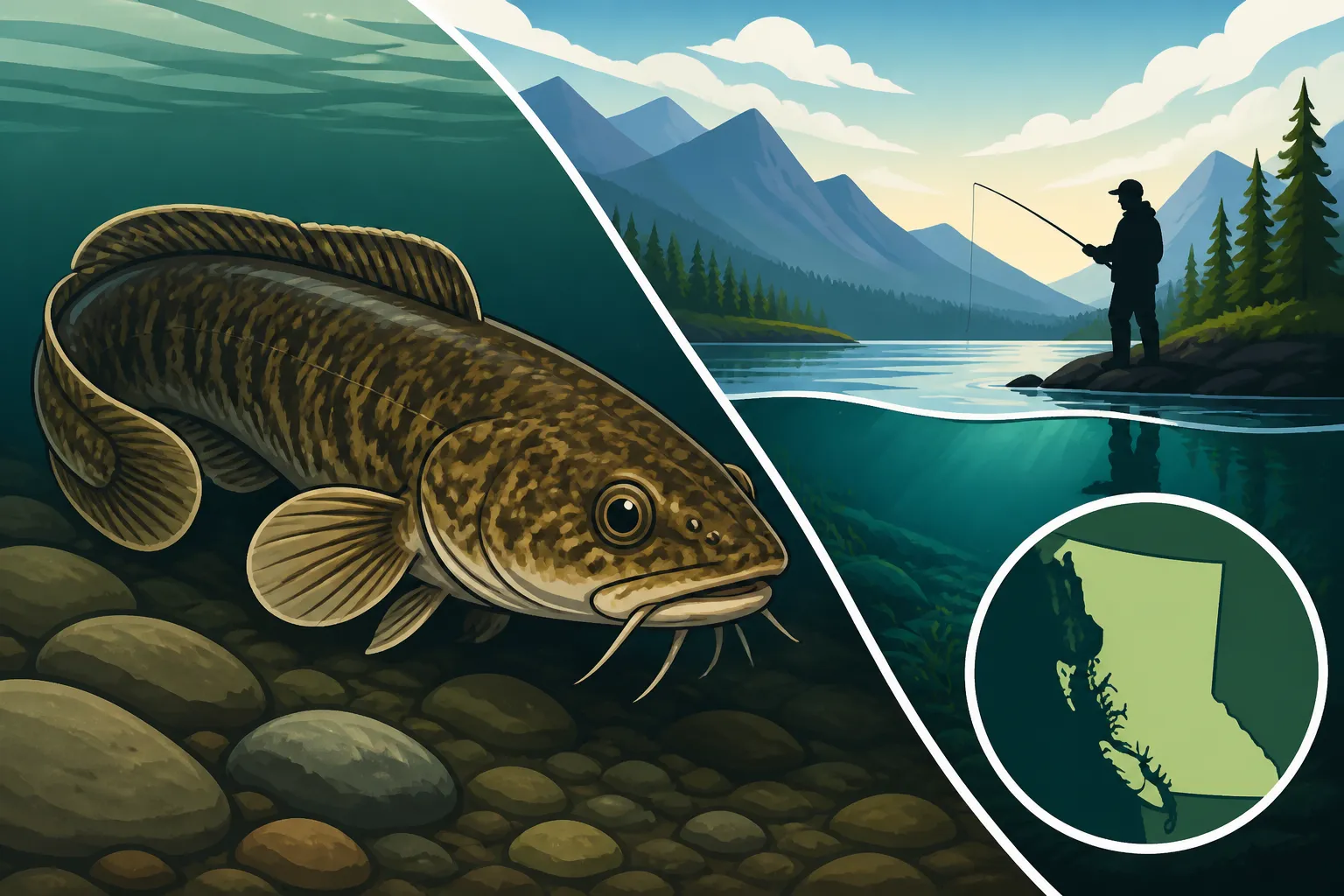
What burbot look like and where they live
Many anglers are drawn to the iconic salmon and trout of British Columbia, but there's a fascinating, elusive creature lurking in the province's deeper, colder waters that often sparks curiosity and, let's be honest, a bit of confusion: the burbot. If you've ever wondered about this unique fish that looks like a cross between an eel and a catfish, or if you've heard whispers of "freshwater cod" and aren't sure where to start looking for them, you're in the right place. This guide is dedicated to demystifying the burbot, diving deep into what these intriguing fish look like and, more importantly, where you can find them across BC.
The Unique Appearance of Burbot: Unraveling the Eel-Like Mystery
Catching a burbot for the first time can be a bit startling. They certainly don't resemble your typical rainbow trout or sockeye salmon. Their appearance is so distinct that they are often mistaken for something entirely different, earning them nicknames like "eelpout" or, more affectionately by those who appreciate their culinary value, "freshwater cod." Understanding their physical characteristics is the first step in appreciating this cold-water marvel.
Physical Characteristics: A Closer Look at BC's Freshwater Cod
Let's start with their overall body shape. Burbot are elongated, almost snake-like, with a body that tapers significantly towards a relatively small, rounded tail fin. Imagine a blend of an eel's slinkiness with a catfish's bottom-dwelling robustness, and you're getting close. This unique morphology allows them to navigate tight spaces among rocks and submerged timber with ease, perfectly suited for their preferred benthic, or bottom-dwelling, lifestyle.
Their skin is remarkably smooth and somewhat slimy, which is due to a protective mucous layer and their incredibly small, deeply embedded scales. If you run your hand along a burbot, it feels almost scaleless. This slick exterior offers protection from abrasion as they rub against rough lake bottoms and also helps them slip through cover. The coloration of burbot is typically mottled and cryptic, ranging from dark brown, olive green, or yellowish on their backs and sides, often adorned with darker spots, blotches, or a marbled pattern. This natural camouflage makes them incredibly difficult to spot against a rocky or silty lakebed, acting as perfect concealment for their ambush predator tactics.
Now, for the truly distinguishing features: the fins and, most notably, the barbel. Burbot possess two dorsal fins; the first is short, while the second is much longer, extending almost to the tail. They also have a similarly long anal fin running along the underside. Their pectoral and pelvic fins are relatively small and rounded. But the absolute giveaway, the feature that screams "burbot," is the single, prominent barbel located directly under their chin. This whisker-like appendage is packed with sensory cells, acting like a highly sensitive "finger" that they use to feel for food organisms along the dark lake bottom. No other freshwater fish in British Columbia has this singular chin barbel, making identification quite straightforward once you know what to look for.
Distinguishing Burbot from Other BC Fish Species: No Mistaking That Barbel
Because of their unusual appearance, it’s not uncommon for new anglers to wonder if they’ve caught something exotic or even an invasive species. However, once you learn the key identifiers, you'll never confuse a burbot with anything else found in BC's waters. The most important feature, as mentioned, is that single, prominent barbel beneath its chin. This alone is typically enough to confirm it's a burbot.
While their elongated body might make some think of an eel, true eels are rarely, if ever, found in BC's freshwater systems in a widespread manner, and those that might be present (like some lamprey species) have vastly different mouthparts and fin structures, lacking any barbels. Catfish, though often having barbels, are not native to British Columbia's freshwater. Any catfish-like fish caught in BC would typically be an introduced species, and they would have multiple barbels around their mouth, not just one beneath the chin. The burbot's unique combination of a mottled, elongated body, two distinct dorsal fins, and that unmistakable solitary chin barbel sets it apart from all other indigenous or even introduced fish species you might encounter in the province.
Here's a quick comparison of Burbot's key features:
| Feature | Burbot | Common Confusion (e.g., Catfish, Eels) |
|---|---|---|
| Body Shape | Elongated, cylindrical, tapers to a small tail | Eels: very long, snake-like; Catfish: more robust |
| Skin/Scales | Smooth, slimy, very small embedded scales | Eels: generally scaleless; Catfish: often scaleless |
| Coloration | Mottled, marbled brown, olive, yellowish | Varies by species, often solid or spotted |
| Dorsal Fins | Two distinct dorsal fins (one short, one long) | Eels: single long dorsal fin; Catfish: one often spiny |
| Anal Fin | Long, extends from mid-body to tail | Varies, generally shorter |
| Chin Barbel(s) | One single prominent barbel under the chin | Eels: none; Catfish: multiple barbels around mouth |
| Habitat | Deep, cold freshwater lakes and rivers | Eels: coastal/marine, some freshwater; Catfish: warm freshwater |
Burbot's Preferred Habitats Across British Columbia: Seek Out the Deep and Cold
Understanding what burbot look like is only half the battle; knowing where they live is key to finding them. These fascinating fish are incredibly particular about their environment, favoring specific conditions that many of BC's magnificent lakes and rivers happen to provide. They are, at heart, a creature of the cool, dark depths.
Lake Environments: The Depths are Their Domain
When you picture prime burbot habitat, forget about shallow, sun-warmed bays or weedy ponds. Instead, envision those ancient, glacially-carved lakes that plunge to incredible depths, where the water temperature remains consistently cold, even during the peak of summer. These aren't just cold-water dwellers; they are cold-water dependent. Burbot thrive in large, deep, oxygen-rich systems with plenty of available cover and a stable thermal environment throughout the year.
They are quintessential bottom dwellers, rarely venturing far into the open water column. You'll find them hugging the lakebed, often in depths ranging from 50 to 200 feet or more, depending on the season and specific lake topography. They absolutely love structure: submerged log jams, vast rock piles, sheer ledges, dramatic drop-offs, and deep channels. These features provide them with critical ambush points for prey, refuge from predators, and a consistent, cool environment. Some of British Columbia's most renowned burbot lakes include Okanagan Lake, Kootenay Lake, Shuswap Lake, Williston Lake, Stuart Lake, Babine Lake, and Quesnel Lake. Many of these lakes share characteristics like significant depth, clear cold water, and a robust forage base, making them ideal homes for burbot. It’s worth noting that because they prefer these deeper, less-fished areas, burbot often face less angling pressure compared to some of BC's more popular sportfish like rainbow trout or kokanee. Exploring these profound lake environments can open up a unique and rewarding angling experience. For those looking into specific large lakes, you might find valuable information in a Kootenay Lake Fishing Guide or a Shuswap Lake Fishing Guide.
During the warmer months, burbot will retreat to the deepest, coolest pockets of these lakes, seeking thermal refuge. As water temperatures drop in the late fall and early winter, they might move into slightly shallower areas, particularly as they prepare for their unique spawning rituals. This seasonal migration is crucial for anglers to understand, as it can drastically change where you need to focus your efforts. Knowing how to read a lake's contours and identify deep-water structure is paramount when pursuing these bottom-dwelling fish.
River Systems: Current, Structure, and Cooler Flows
While burbot are primarily thought of as lake residents, they do inhabit certain river systems throughout British Columbia, especially those that possess characteristics similar to their favored lake environments. Look for them in larger river systems that either feed into or drain out of major lakes, or in rivers that have significant deep sections with slower currents and consistently cold, clear water. They are less common in fast-flowing, shallow, or extremely turbulent river sections.
In rivers, much like in lakes, burbot will be found clinging to the bottom, seeking out any available structure for cover and ambush opportunities. This means targeting deep pools, especially those with log jams, large boulders, undercut banks, or significant scour holes where the current has carved out deeper depressions. The Fraser River, particularly in its lower reaches and where it interacts with connecting lake systems, can hold burbot, as can the Nechako River. These rivers offer the necessary depth, oxygenation, and cold-water temperatures that burbot require to thrive.
Their presence in rivers is often linked to seasonal movements, particularly during their spawning period in winter, when they might migrate from lakes into inflowing rivers and tributaries. These migrations are often to find shallower, gravelly areas suitable for egg deposition. Therefore, while lake fishing is often the primary focus for burbot, don't overlook those deep, slow sections of large river systems, especially during the colder months, as they can certainly hold substantial populations of these unique fish. Always remember to check specific river regulations, as some areas may have unique rules for certain species.
Geographic Distribution of Burbot in BC: A Widespread but Specific Presence
Burbot enjoy a wide, albeit specific, distribution across British Columbia. You won't find them everywhere, but where conditions are right, they can be quite abundant. Their stronghold is primarily within BC's vast interior, particularly in the large, deep, and cold lake systems of regions like the Cariboo, Omineca, Kootenay, Thompson-Nicola, and Okanagan. These areas are characterized by ancient glacial activity, which carved out many of the deep basins that burbot call home.
Consider areas around Prince George, the Cariboo Chilcotin, and the Kootenay Rockies. Lakes such as Williston Lake Fishing Guide, Stuart Lake Fishing Guide, and even parts of the extensive Fraser River drainage offer suitable habitat. Essentially, if a body of water maintains cold, clean, and well-oxygenated conditions year-round, and offers significant depth and structure, there’s a good chance burbot could be present. They are generally absent from the immediate coastal watersheds, which tend to be warmer and do not always have the specific deep lake characteristics they prefer. Similarly, very small, shallow, or warm-water lakes are typically not suitable for burbot. Their presence is a good indicator of a healthy, cold-water ecosystem, a testament to the incredible diversity of fish species found within British Columbia's freshwater environments.
Behavior and Lifestyle of British Columbia Burbot: Nocturnal Hunters and Winter Spawners
To truly succeed in fishing for burbot, understanding their habits is as important as knowing where they live. These are not your average trout that might rise to a dry fly at midday. Burbot have a unique lifestyle that dictates when and how you should target them.
Diet and Feeding Habits: The Bottom-Dwelling Opportunist
Burbot are voracious, opportunistic predators, and their diet primarily consists of other fish and aquatic invertebrates. As bottom dwellers, their diet reflects what's readily available on the lake or riverbed. They are not picky eaters; if it's small enough to fit in their mouths and slow enough to catch, they'll likely consume it. Their menu commonly includes various species of minnows, sculpins, and the fry or juvenile stages of other fish like kokanee. Given that How to Catch Kokanee in BC is a popular topic, it's worth noting that smaller kokanee often become a food source for larger burbot. Beyond fish, they feast on a variety of insect larvae, freshwater shrimp, crayfish, and even worms or leeches.
What's crucial for anglers to know is that burbot are predominantly nocturnal hunters. This means their most active feeding periods occur from dusk through dawn. During the daylight hours, they tend to be much less active, preferring to hide away in their structural sanctuaries, conserving energy in the deep, dark corners of their habitat. This nocturnal preference is why targeting them effectively often means fishing during the evening, through the night, or in the very early morning hours. Their excellent low-light vision and that sensitive chin barbel give them a distinct advantage when foraging in the dark or in murky conditions. When gearing up for a night fishing expedition, specialized tackle such as glow-in-the-dark jigs, often found on platforms like Amazon, can be incredibly effective at attracting their attention in the deep, dark water.
Spawning Behavior: A Winter Wonderland Event
One of the most fascinating and unique aspects of the burbot's lifestyle is their spawning behavior. Unlike most freshwater fish in British Columbia that spawn in spring or fall, burbot are true winter spawners. This sets them apart and is a key factor for anglers planning their trips. Their spawning period typically occurs from January to March, often peaking in late winter, and frequently takes place right under the ice. This remarkable adaptation allows their young to hatch in the colder, nutrient-rich waters of early spring when competition from other fish species might be lower.
Burbot migrate from their deep-water summer haunts into shallower areas to spawn. These spawning grounds are usually found in depths of 10 to 30 feet, over gravel or sandy bottoms, though sometimes they will move into the lower reaches of inflowing rivers or tributaries where suitable substrate is available. They don't build elaborate nests. Instead, burbot engage in what's known as "spawning balls," where multiple males and females gather in a writhing mass, releasing their eggs and milt directly into the water column, where they drift down to settle on the bottom. The eggs are non-adhesive and simply disperse with the current or settle into crevices on the lakebed.
Understanding this winter spawning cycle is invaluable for anglers. The period leading up to and during spawning can be one of the most productive times to target burbot, as they become more active and aggregated in these shallower areas. For those keen on BC Fishing Seasons by Month, knowing that winter is prime burbot time is a game-changer, especially for ice fishing enthusiasts who can take advantage of their concentrated presence in shallower, accessible waters.
Tips for Anglers Targeting Burbot in BC: Landing the "Ling"
Successfully catching burbot, often affectionately called "ling" by many BC anglers, requires a strategic approach that takes into account their unique appearance, habitat, and nocturnal habits. It's a different game than chasing salmon or trout, but incredibly rewarding.
Best Times and Methods: Fishing the Depths and the Dark
The prime time to target burbot in British Columbia is undoubtedly during the colder months, specifically from late fall through the winter and into early spring. Winter, especially through the ice, is particularly effective because burbot often move into shallower areas to spawn and feed, making them more accessible. This is when ice fishing truly shines for burbot. If you're interested in general winter fishing, check out topics like Best Ice Fishing Kokanee which often share similar timing and locations.
As for the time of day, this is non-negotiable for serious burbot anglers: night fishing is king. Burbot are most active from dusk to dawn, using their keen senses to hunt in the dark. While you can catch them during the day, your chances increase dramatically once the sun dips below the horizon. Many dedicated burbot anglers will set up camp and fish through the night, often with glowing lures or baits to attract attention in the dark depths.
When it comes to techniques, bottom fishing is almost always the method of choice. You need to get your bait or lure right down to where they live. A heavy sinker rig, often a sliding sinker setup that allows the fish to pick up the bait without feeling immediate resistance, works exceptionally well. Drop-offs, submerged humps, rock piles, and deep channels are all prime locations. Using a good quality fish finder can be a massive advantage here, helping you pinpoint structure and even mark fish hugging the bottom.
For bait, burbot are not particularly finicky. Cut bait, especially oily fish like herring, sardine, or smelt, are highly effective due to their strong scent trail. Even pieces of whitefish or kokanee (if legally harvested) can work wonders. Live bait, where permitted, can also be very productive. Worms and large minnows are also good choices. The key is scent and presentation near the bottom. When it comes to lures, glow-in-the-dark jigs are incredibly popular and effective, especially when tipped with a piece of bait. The glow provides a visual attractor in the dark, while the bait provides the irresistible scent. You can find a wide array of these specialized jigs on online retailers like Amazon. Rattle baits or spoons that create vibration can also help call fish in from a distance.
Your gear should be robust. A medium-heavy to heavy action rod with a strong backbone is advisable, especially when targeting larger burbot that can put up a significant fight. Pair it with a reliable reel spooled with strong line, often braided line for its sensitivity and strength, which helps detect subtle bites in deep water.
Regulations and Conservation: Fishing Responsibly for Burbot
Like all fishing in British Columbia, targeting burbot comes with a responsibility to understand and adhere to current regulations. These rules are in place to ensure the sustainability of fish populations for future generations of anglers. Before every trip, it's absolutely crucial to consult the official BC Fishing Regulations Explained synopsis. This document, available online and at tackle shops, provides the most up-to-date information on limits, open seasons, and specific waterbody regulations.
Burbot generally have specific bag limits and possession limits, which dictate how many you can catch and keep in a day, and how many you can have in your possession. While burbot limits are often more generous than for some prized game fish, it's essential to confirm the numbers for your specific fishing area. Remember, regulations can change seasonally or even be subject to in-season closures, so always check Reading the BC Freshwater Fishing Regulations Synopsis or the latest fishery notices before you head out. Some waters may also have special regulations that affect burbot fishing, such as specific gear restrictions or catch-and-release only rules.
For those burbot you don't intend to keep, practicing responsible catch and release is vital. Handle them gently, minimize their time out of the water, and support them properly during release. Their slimy skin is a protective layer, so try to handle them with wet hands or a wet net to avoid removing too much of it. Understanding their unique life cycle, particularly their winter spawning habits, also plays into responsible angling. By adhering to regulations and practicing ethical fishing, we can all contribute to the health and abundance of BC's fascinating burbot populations.
Disclaimer
This article is for general informational purposes only and does not constitute professional advice. Laws, prices and regulations vary by location and change over time. Consult a qualified professional for guidance on your specific situation.