The largest chinook ever caught in BC
Oh, the sheer thrill of a massive Chinook salmon! Every angler dreams of hooking into a true giant, one of those legendary fish that strains your tackle, tests your resolve, and ultimately becomes a story for the ages. If you've ever found yourself wondering about the biggest of the big, the absolute monsters that British Columbia's waters have produced, you're not alone. This guide will dive deep into the world of record-setting Chinook, exploring the legendary catches, the incredible places where they're found, and what it takes to pursue these magnificent creatures in BC.
The Quest for the Giant Chinook Salmon
There's something almost mythical about Chinook salmon, often called "King Salmon" for a very good reason. They are the largest of the Pacific salmon species, and their sheer power and size captivate anglers from around the globe. The pursuit of a truly massive Chinook isn't just about catching a fish; it's about connecting with an icon of the wild, a testament to the incredible ecosystems we have here in British Columbia.
Why Chinook Inspire Such Passion
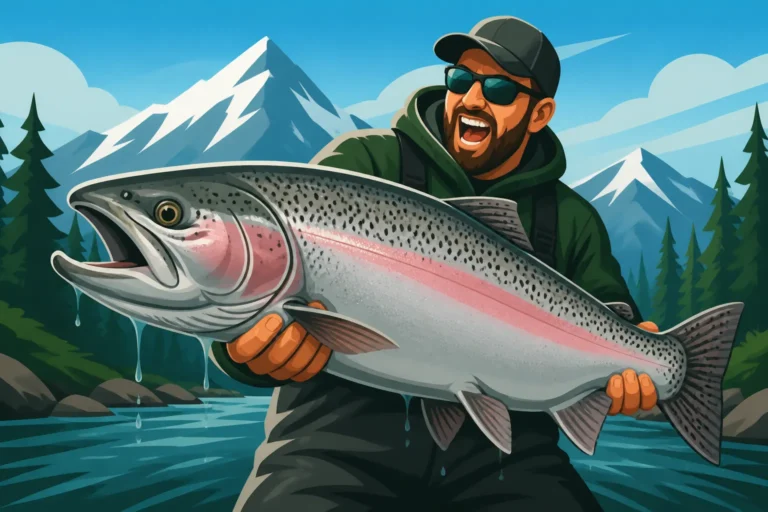
When we talk about Chinook, we're not just discussing another fish. We're talking about a powerhouse of muscle and instinct, capable of blistering runs and head-shaking dives that can snap lines and break hearts. Anglers spend years, even decades, refining their techniques and exploring different waters in hopes of encountering one of these behemoths. A "Tyee," a term often used in BC for Chinook weighing 30 pounds or more, is a significant accomplishment, but imagine a fish twice that size! The stories surrounding these giants are passed down through generations, becoming part of the rich tapestry of BC fishing lore. It's an aspiration that drives many to our coastal waters and mighty rivers.
The quest for a giant Chinook isn't merely about the weight on the scale; it's about the entire experience leading up to that moment. It's the early morning calm on the water, the anticipation as your lure or bait trolls through promising depths, and the sudden, explosive strike that jolts you to attention. These fish represent the peak of what Chinook Salmon Fishing in BC has to offer, a true test of skill, patience, and often, a little bit of luck. The fight is legendary, often prolonged, and always memorable, etching itself into an angler's memory forever.
The Challenge of Verifying Records
In the world of fishing records, especially older ones, things can get a little murky. While modern record-keeping bodies, like the International Game Fish Association (IGFA) or various provincial and local sport fishing associations, have stringent rules for certifying a catch, many of the truly massive fish caught decades ago might not have gone through such official channels. Imagine a time before digital cameras and easily accessible scales, when a fisherman proudly displayed his colossal catch on the dock, and its weight was measured on a local butcher's scale or simply estimated by eye. These unofficial giants often become local legends, their stories growing with each retelling, making it challenging to pinpoint the single "largest Chinook ever caught" with absolute certainty.
Sometimes, a fish might be huge, but the angler wasn't focused on setting a record; they were simply enjoying the moment. Or perhaps the catch didn't meet all the complex criteria for line class, tackle type, or witness verification. This is why you often hear of historical "unofficial" records that are truly astounding but lack the formal documentation to be etched into the record books. It's a delightful problem, really, as it means there are still whispers of monstrous fish out there, adding to the mystique of our waters. We rely on a combination of official declarations and well-documented historical accounts to piece together the narrative of these incredible catches.
Unveiling British Columbia's Largest Chinook Records
While local tales of gargantuan Chinook abound, when we talk about official records, we're usually looking for something with a bit more paperwork and verification. These are the fish that have been weighed, witnessed, and sometimes even dissected to confirm species and adherence to fair chase rules.
The Official Provincial Record
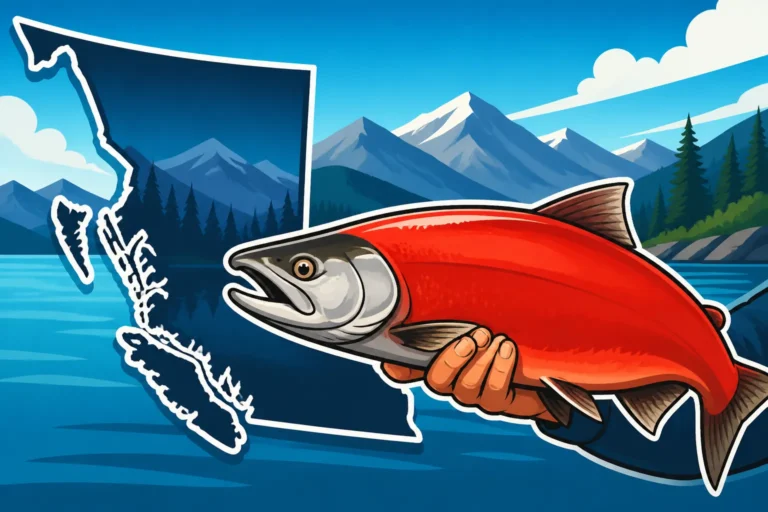
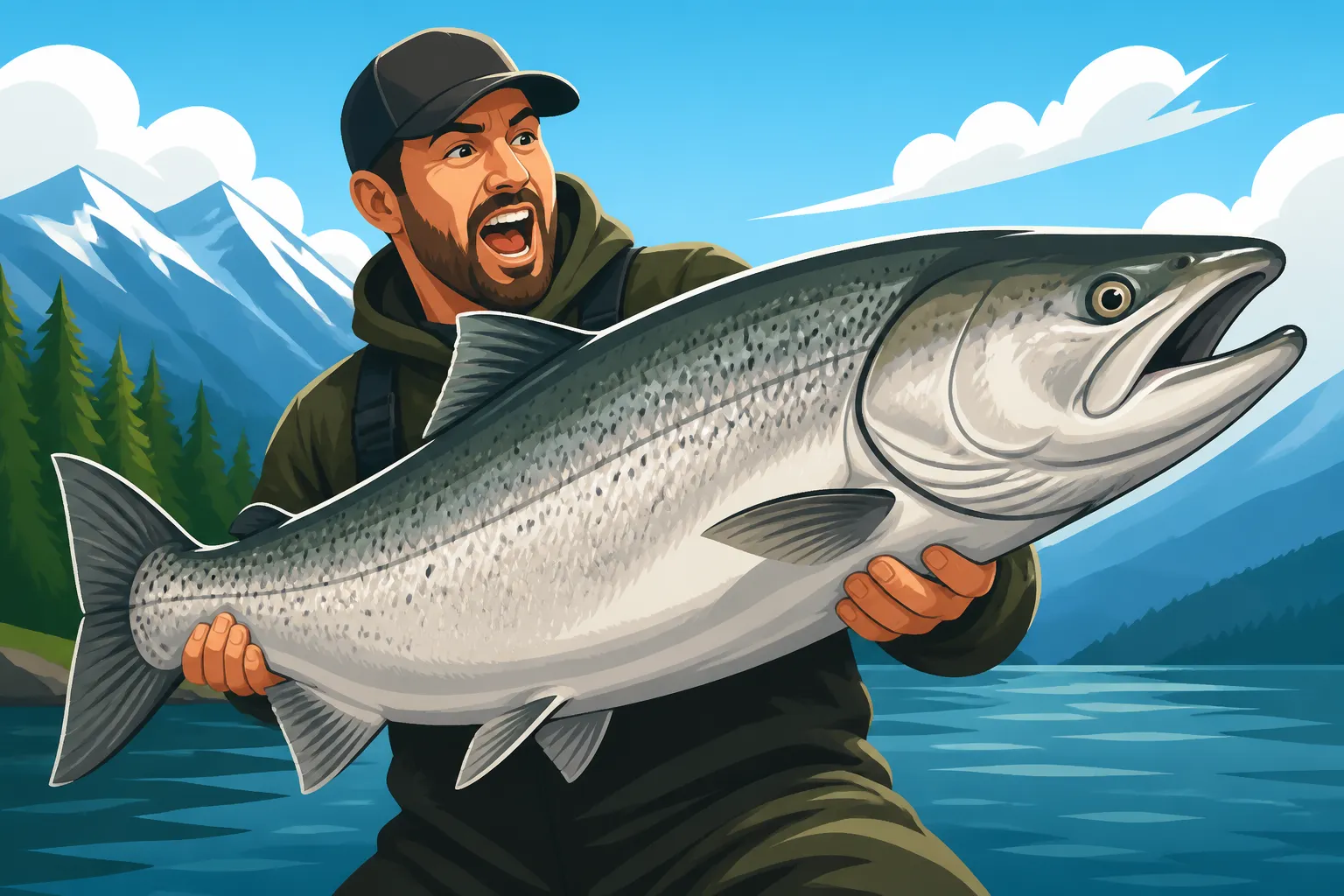
When it comes to the undisputed heavyweight champion, British Columbia boasts an incredible record Chinook salmon. While specific weight figures for official provincial records can shift as new monsters are caught and certified, the long-standing benchmark for a giant Chinook caught by rod and reel in BC has been a truly astonishing fish. This legendary catch weighed in at an incredible 92 pounds, caught back in 1957 by Heinz Niemand. The famed location? Rivers Inlet, a remote and legendary fishing ground on BC's Central Coast, historically known for producing truly colossal Chinook.
Rivers Inlet is one of those places that seems to just churn out giants. Its deep, nutrient-rich waters and strategic location along major salmon migration routes create ideal conditions for Chinook to grow to immense sizes before returning to spawn. The story of Niemand's 92-pounder is still revered today, a testament to the incredible potential of BC's salmon runs. While modern fishing pressure and environmental changes mean fish of that size are rarer today, the legacy of that catch continues to inspire. If you're wondering about the latest official figures or where a recent giant might have been landed, it's always best to consult the official BC Sport Fishing Guide or organizations like the Sport Fishing Institute of BC. You can find more detail on this kind of catch in BC record chinook salmon weight.
Notable Catches and Local Legends
Beyond the single, undisputed provincial record, BC's history is peppered with tales and documented accounts of other incredibly large Chinook that captured the imagination. Places like Langara Island in Haida Gwaii, and various spots along the west coast of Vancouver Island, have a long-standing reputation for producing "barn door" Chinook—fish that seem too wide and thick to be real. While not always record-breakers, many of these catches approach, or even exceed, the 70-pound mark, making them giants in their own right.
Consider the various fishing lodges and communities along the coast; almost every one has a local legend of an 80-plus pounder that was "lost at the boat" or "never officially weighed." These stories serve as powerful reminders of the potential that still lurks in our waters. Sometimes, these significant catches are celebrated locally without seeking broader recognition. A great example might be a 75-pound Chinook landed near Ucluelet or a massive 68-pounder from Barkley Sound. These fish contribute to the mystique and continue to draw anglers eager to experience the thrill of battling a truly enormous salmon. It's also worth noting that many anglers are now practicing catch-and-release, especially with these large, often older, and genetically valuable fish, so not every giant even makes it to the scales. What chinook salmon eat in the ocean directly impacts how large they can grow, making certain feeding grounds prime spots for these legendary fish.
| Feature | Official Provincial Record (Example) | Notable Large Catches (General) |
|---|---|---|
| Weight | ~92 lbs | 60-80+ lbs |
| Year | 1957 (Heinz Niemand) | Various, decades to present |
| Location | Rivers Inlet | Langara Island, West Coast Vancouver Island, Haida Gwaii, Central Coast |
| Documentation | Certified by official body (IGFA/local) | Often local accounts, uncertified, photos |
| Status | Provincial record holder | Legendary, but not official record |
| Angler Intent | Often record-seeking | Primarily sport fishing, sometimes released |
| Rarity | Extremely rare | Very rare, but more frequent than records |
Factors Influencing Chinook Salmon Size
It's natural to wonder what makes a Chinook grow so incredibly large. It's not just random chance; a combination of genetics, environment, and sheer luck plays a role in producing these true titans of the sea. Understanding these factors can help anglers appreciate the complexity of the fishery and where the best chances for a giant might lie.
Genetics and Ocean Conditions
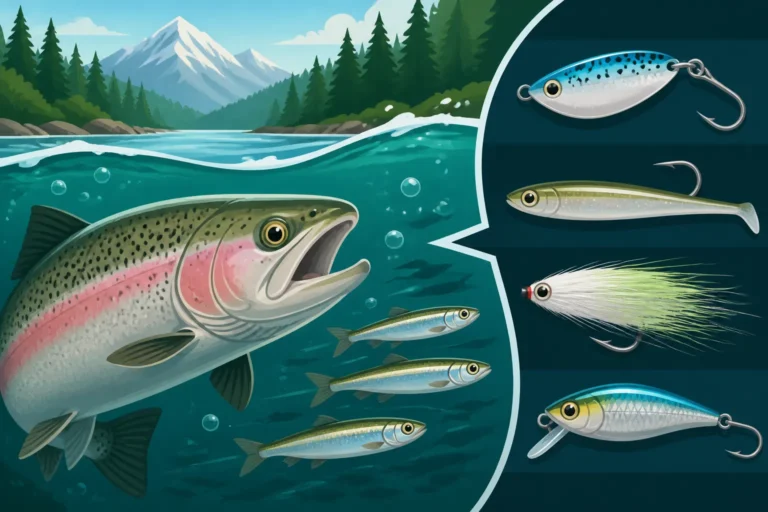
Just like people, salmon have genetic predispositions that influence their potential size and growth rate. Some strains of Chinook are simply programmed to grow larger and live longer than others. These genetic traits are passed down through generations, making certain river systems and their associated ocean populations known for producing bigger fish. However, genetics are only half the story. The ocean environment plays an equally, if not more, critical role. Abundant and nutrient-rich feeding grounds are paramount. When Chinook have access to vast quantities of high-quality forage fish, like herring and needlefish, they can pack on weight rapidly.
Areas with strong upwellings and rich plankton blooms create thriving ecosystems that support massive baitfish populations, which in turn fuel the growth of Chinook. The Chinook Salmon Migration Patterns in BC often take these fish into these incredibly productive offshore waters, sometimes traveling thousands of kilometers to feed before returning to their home rivers. A period of excellent ocean conditions, with plenty of food and favorable temperatures, can lead to a generation of exceptionally large salmon. Conversely, poor ocean conditions can result in smaller average sizes, even for genetically robust populations. It's a delicate balance of nature's bounty and inherent potential.
Age and Life Cycle
A common misconception is that all Chinook grow to roughly the same size if they live long enough. While age is certainly a major factor, the rate of growth can vary. Chinook salmon can spend anywhere from two to eight years in the ocean before returning to their natal streams to spawn. The longer they remain at sea, actively feeding and growing, the larger they typically become. It's usually the older fish, those that have survived multiple ocean seasons, that achieve truly gargantuan proportions. These multi-year ocean residents are the ones that accumulate the significant mass needed to push into those incredible weight classes.
During their time in the ocean, these fish are often referred to as "feeders." They are actively hunting and consuming vast amounts of smaller fish, building up fat reserves and muscle mass. Once they begin their migration back to fresh water, they stop feeding and rely on these stored reserves to fuel their arduous journey upstream. This is why a Chinook caught closer to its spawning river might be slightly leaner than one caught far offshore in prime feeding areas. The older, more experienced fish have simply had more time to gorge themselves and mature, making them the prime targets for anglers dreaming of a trophy. You can learn more about their journey and habitats in How big chinook salmon get in BC.
How Anglers Pursue Trophy Chinook in BC Today
While landing a 90-pound Chinook might be a once-in-a-lifetime (or more likely, never-in-a-lifetime) event, the dream of a trophy-sized King Salmon still drives countless anglers to British Columbia's waters. Fortunately, BC still offers incredible opportunities to pursue these magnificent fish.
Top Locations for Large Chinook
If you're serious about targeting trophy Chinook, certain areas in BC consistently produce bigger fish. Rivers Inlet and Langara Island in Haida Gwaii remain legendary hotspots, though they often require significant travel and investment in guided trips due to their remote nature. The west coast of Vancouver Island, particularly around areas like Nootka Sound, Kyuquot, and offshore from Ucluelet and Tofino, is also famous for its robust populations of large Chinook. These areas are situated on the edge of the continental shelf, where nutrient-rich currents bring in abundant baitfish, creating a feeding frenzy for salmon.
Closer to major population centers, the waters off the mouth of the Fraser River can also hold impressive Chinook, especially during the peak of their return migrations. While not always record-breakers, substantial fish are caught here annually. Exploring these regions, either with a reputable charter or your own well-equipped boat, significantly increases your odds of encountering a truly memorable salmon. For a more comprehensive look at prime locations, check out Best Salmon Fishing Spots in BC. Remember, these aren't just great places for big fish, but for overall amazing fishing experiences too.
Essential Gear and Techniques
Tackling a giant Chinook requires gear that can withstand immense pressure and a sustained battle. You'll want heavy-duty salmon rods, typically in the 9 to 10.5-foot range with a medium-heavy action, paired with robust conventional reels spooled with at least 30-pound test monofilament or braid. Many anglers prefer braid for its sensitivity and strength, often adding a fluorocarbon leader for abrasion resistance and invisibility. When it comes to lures and baits, cut-plug herring remains a perennial favorite for its natural presentation and scent. Large spoons, like those from popular brands, in various colors (greens, blues, whites, and chartreuse) are also highly effective, especially when trolled at specific depths. Anchovies in various brines are another go-to.
Downriggers are almost essential for effectively presenting your bait or lure at the precise depth where these large Chinook are feeding. Varying your trolling speed and direction can often trigger strikes. For those looking to stock up on reliable gear, many anglers find great value and selection on platforms like Amazon, where you can easily compare different brands and models of downriggers, spoons, and leader material. Whether you're drift fishing in a river mouth or trolling offshore, having a well-maintained tackle setup is critical. Learning specific trolling and mooching patterns for salmon in different conditions can make all the difference, as detailed in Salmon Fishing Techniques for BC Rivers.
Disclaimer
This article is for general informational purposes only and does not constitute professional advice. Laws, prices and regulations vary by location and change over time. Consult a qualified professional for guidance on your specific situation.