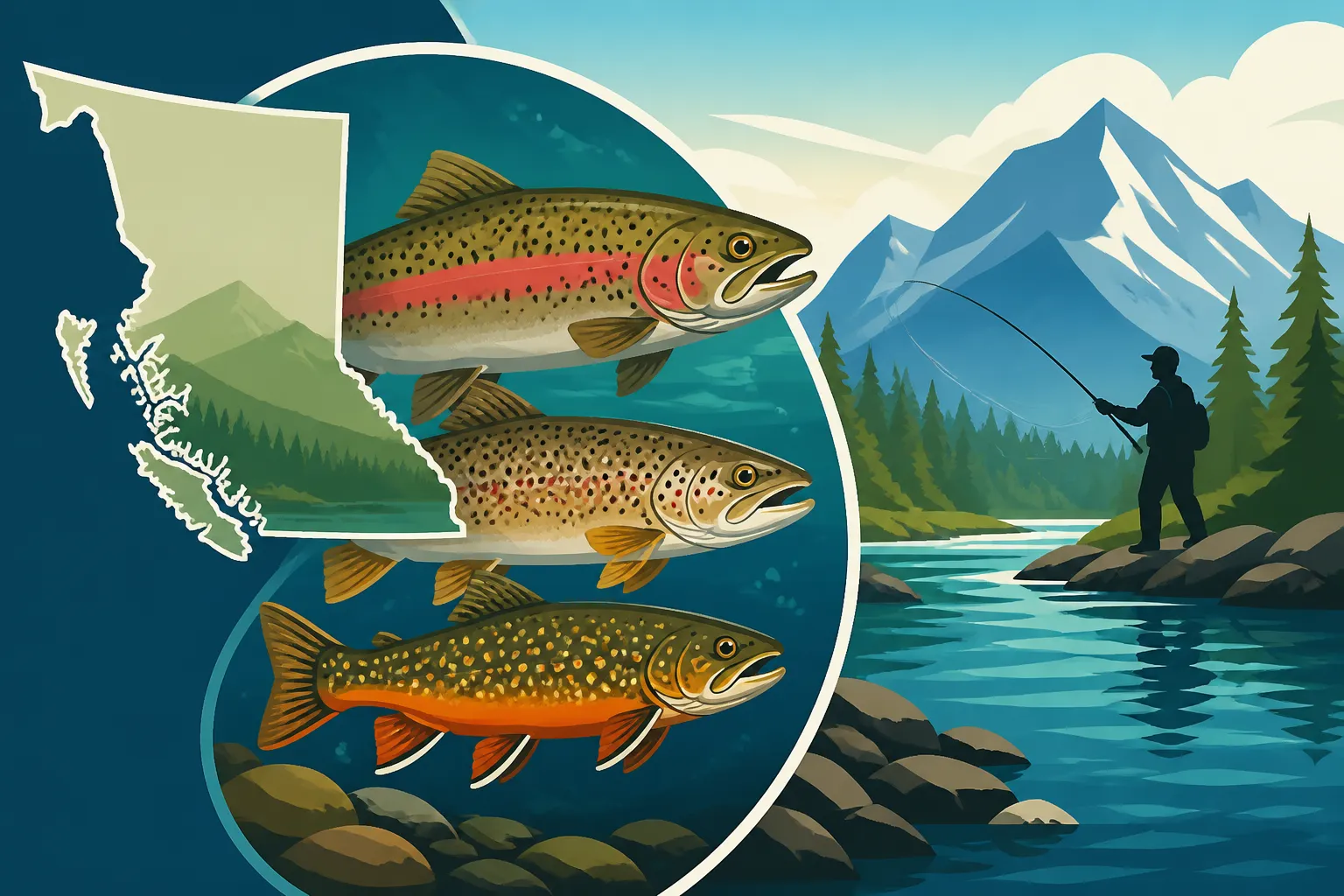
Native trout species found in BC
Many anglers hitting the pristine lakes and rivers of British Columbia often hear about "trout," but the sheer diversity of these finned beauties, especially the native ones, can be a bit overwhelming to distinguish. It's easy to wonder which fish truly belong here and what makes them unique. This comprehensive guide will peel back the layers of BC's aquatic ecosystems to shine a spotlight on the magnificent native trout species that call these waters home, helping you appreciate their distinct characteristics and understand how to protect them.
Unveiling British Columbia's True Native Trout Heritage
British Columbia is a truly wild place, and its waters are teeming with incredible fish, some of which are iconic symbols of our natural heritage. When we talk about "native trout," we're discussing species that have evolved and thrived in these specific environments for millennia, perfectly adapted to the ebb and flow of BC's diverse freshwater systems. These aren't the hatchery-stocked fish, though those certainly have their place; these are the wild, indigenous populations that represent the true heart of our fishing experience. Understanding them is key to a deeper connection with the province's waterways and a more responsible angling approach.
The Iconic Rainbow Trout: More Than Just a Pretty Fish
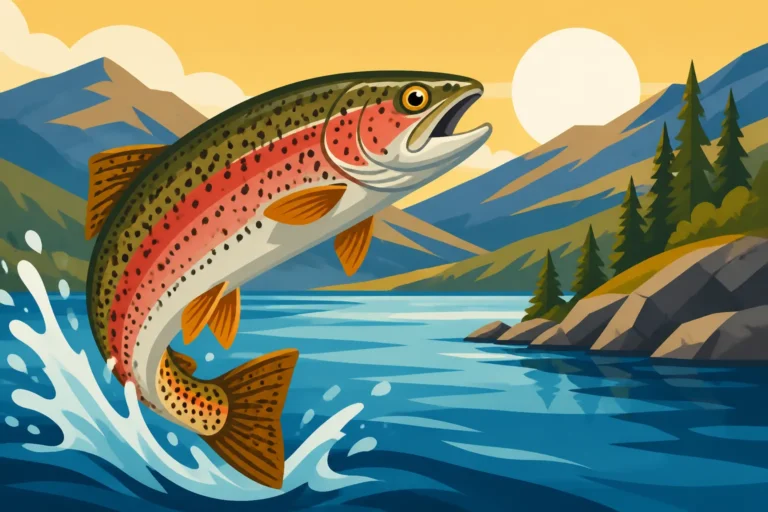
The rainbow trout (Oncorhynchus mykiss) is arguably BC's most famous and widespread native trout species. Known for its brilliant colours and acrobatic fights, it's a dream catch for many. What's often overlooked, however, is the incredible genetic diversity within these native populations across the province, leading to distinct regional variations that have adapted to their local environments in fascinating ways. These variations are a testament to the resilience and adaptability of the species, offering anglers a unique challenge in every watershed.
Kamloops Trout: The Interior's Leaping Legends
When you hear talk of "Kamloops trout" in the interior of BC, you're referring to a specific, highly regarded strain of rainbow trout. These fish are renowned for their aggressive takes, powerful runs, and spectacular aerial displays once hooked. They typically inhabit large, deep, productive lakes like those found in the Okanagan and Kamloops regions. Their diet often consists of abundant aquatic insects and smaller baitfish, allowing them to grow to impressive sizes. Targeting these beauties often involves trolling with various lures or fly fishing the shoals and drop-offs during prime hatches. Finding the right Trout Species Identification Guide for BC can really help distinguish them from other trout in the region.
Gerrard Rainbows: Giants of Kootenay Lake
If you're ever heard whispers of truly massive rainbow trout, chances are the "Gerrard rainbow" was the subject. These are another unique, native strain of rainbow trout, specifically found in Kootenay Lake and its tributaries. What sets Gerrards apart is their remarkable size; they are piscivores, meaning they primarily feed on other fish, particularly kokanee salmon. This rich diet fuels their growth to incredible dimensions, with fish easily reaching double-digit weights and pushing the provincial record books. Fishing for Gerrard rainbows often involves heavy-duty trolling gear, covering vast expanses of the deep lake, or targeting them when they migrate up rivers to spawn. It's a challenging but deeply rewarding pursuit, truly a bucket-list experience for many anglers. If you're planning a trip, consider looking up Gerrard Rainbow Trout of Kootenay Lake for more specifics.
Cutthroat Trout: Adapting to Coastal and Interior Worlds
Cutthroat trout (Oncorhynchus clarkii) are another fascinating native species, easily identified by the distinctive red or orange slash marks under their lower jaw – hence their name! Like the rainbow, cutthroat exhibit significant regional variations, adapting their life cycles to thrive in vastly different environments, from saltwater estuaries to high-mountain streams. Their resilience and ability to survive in various conditions make them a cherished species across BC.
Coastal Cutthroat: The Sea-Run Wonders
Along BC's rugged coastline, you'll find the coastal cutthroat trout (Oncorhynchus clarkii clarkii). What makes these fish so special is their anadromous nature, meaning they spend part of their lives in saltwater, growing fat on marine organisms, before returning to freshwater rivers and streams to spawn. This sea-run behaviour is a remarkable adaptation, allowing them to exploit rich ocean feeding grounds. They're often found in estuaries, small coastal streams, and near river mouths, providing exciting fishing opportunities for anglers using light tackle, flies, or small spinners. Their willingness to chase a fly or lure makes them a favourite target, particularly in the spring and fall. For more, check out Cutthroat Trout in BC Coastal Streams.
Westslope Cutthroat: Gems of Mountain Streams
Further inland, particularly in the southeastern Kootenay region, lives the westslope cutthroat trout (Oncorhynchus clarkii lewisi). These are typically smaller than their coastal cousins but are no less beautiful, often displaying vibrant golds, reds, and olive hues. They inhabit cold, clear mountain streams and high-elevation lakes, thriving in environments that demand hardiness. Anglers targeting westslope cutthroat often employ delicate fly fishing techniques, wading through pristine waters and casting to eager fish in picturesque settings. Catching one of these wild, stream-dwelling trout is a quintessential BC backcountry experience, representing the unspoiled beauty of the interior. Many anglers consult resources like BC fishing rules on Crown land lakes to ensure they are fishing legally and sustainably in these remote areas.
The Elusive Char: Bull Trout and Dolly Varden
Moving beyond the true trout, British Columbia is also home to native char species that are often grouped with trout due to their similar appearance and angling appeal. The two most prominent are the bull trout and Dolly Varden, which historically caused quite a bit of confusion among anglers and even biologists. While they share some characteristics, understanding their distinctions is important for proper identification and conservation. Both are powerful, predatory fish that thrive in cold, clean water, playing crucial roles as apex predators in their respective ecosystems.
Bull Trout: Apex Predators of Cold, Clean Waters
Bull trout (Salvelinus confluentus) are magnificent, torpedo-shaped fish, often recognized by their large head and mouth, and light spots on a darker body, which can range from olive-green to blue-grey. These are not true trout but char, part of the Salvelinus genus, which also includes Arctic char and lake trout. Bull trout are highly predatory and require cold, clear, unpolluted waters with complex habitats to thrive. They are particularly sensitive to habitat degradation and rising water temperatures, making them important indicator species for ecosystem health. Anglers often find them in large rivers and deep lakes in the interior, where they prey on other fish, like kokanee, and large aquatic insects. Using larger lures or streamers to mimic their prey is a common tactic. For those keen to learn more about these powerful fish, Bull Trout in BC's Interior Rivers offers deeper insights.
Dolly Varden: Often Mistaken, Always Unique
The Dolly Varden (Salvelinus malma) is another native char species found in BC, predominantly in coastal drainages and some northern interior systems. Historically, Dolly Varden and bull trout were often lumped together or confused, sometimes even considered the same species. However, modern science has clarified their distinction. Dolly Varden are generally smaller than bull trout and typically have smaller spots relative to their body size, often appearing more uniformly dispersed. Like coastal cutthroat, some populations of Dolly Varden are anadromous, migrating to the ocean and estuaries to feed before returning to freshwater. They prefer cold, clear water and are opportunistic feeders, consuming insects, small fish, and crustaceans. Distinguishing between these two char can be tricky, so it's always a good idea to consult specific resources like Bull Trout vs Dolly Varden Identification or a detailed field guide you might find on Amazon before your trip.
Why Protecting Native Trout Matters for Anglers and Ecosystems
Beyond the thrill of the catch, understanding and protecting BC's native trout and char species is paramount. These fish are not just targets for recreation; they are vital components of their ecosystems, playing roles that ripple through the entire food web. Their health reflects the health of our waterways, and their continued presence ensures the biodiversity and ecological balance of British Columbia's natural world. As anglers, we have a responsibility to be stewards of these incredible resources, ensuring that future generations can experience the same wild beauty.
Understanding Their Habitats and Vulnerabilities
Native trout and char, by their very nature, are often highly specialized. They rely on specific habitat conditions: cold, clean water with ample oxygen, complex instream structures for cover and feeding, and unobstructed migratory pathways to spawning and rearing grounds. Many populations face significant threats from habitat loss due to development, logging, and agriculture, as well as climate change which can lead to warmer water temperatures and altered flow regimes. Invasive species can also compete with or prey upon native fish, further jeopardizing their populations. A solid understanding of these vulnerabilities empowers anglers to make informed decisions, advocating for conservation and practicing responsible fishing. BC Fishing Regulations Explained often details measures put in place to protect these sensitive populations.
Best Practices for Catch-and-Release
For many native trout populations, particularly those under pressure, catch-and-release is not just a preference, but a vital conservation strategy. Practicing proper catch-and-release techniques minimizes stress and injury to the fish, significantly increasing their chances of survival post-release. This means using barbless hooks, minimizing handling time, keeping the fish in the water as much as possible, and reviving them gently before release. Even if you plan to keep a fish within legal limits, knowing these techniques can save a fish that accidentally gets foul-hooked or is too small to retain. Some areas in BC are designated BC Catch and Release Only Waters specifically to protect fragile native stocks, making these skills essential for any angler. This dedication to careful handling ensures that these majestic fish can continue their life cycle, contributing to healthy, vibrant ecosystems.
Gear and Knowledge for Connecting with Native Trout
Connecting with native trout and char in British Columbia is an incredibly rewarding experience, but it often requires a thoughtful approach to gear and a commitment to continuous learning. These fish are wild, often wary, and reside in diverse environments, from roaring rivers to still mountain lakes. Having the right tools, both in your tackle box and in your mind, will not only increase your chances of success but also enhance your appreciation for these magnificent creatures.
Essential Tackle and Identification Resources
When targeting native trout, precision and presentation are often key. For stream-dwelling cutthroat and smaller rainbows, a lightweight fly rod (3 to 5 weight) or a light spinning rod with appropriate lures like small spinners or spoons often works wonders. For the larger lake-dwelling rainbows and bull trout, slightly heavier gear might be necessary, especially when trolling or casting larger streamers. Always ensure your hooks are barbless, or crimp down the barbs on any barbed hooks to facilitate easy release. A good pair of waders and wading boots, easily found on Amazon, are essential for accessing prime river spots, ensuring comfort and safety in varying water conditions.
Beyond just the fishing gear, carrying a reliable fish identification guide is incredibly helpful, especially when distinguishing between species like bull trout and Dolly Varden, or different strains of rainbow trout. Many excellent waterproof field guides are available from retailers like Amazon, offering detailed illustrations and habitat information. Having a camera to capture your memories, along with a measuring tape (kept wet!) to estimate size without undue stress on the fish, completes a responsible angler's kit. Don't forget polarized sunglasses, which are invaluable for spotting fish in clear water and protecting your eyes from glare. You can find many reputable brands on Amazon that cater specifically to anglers.
The Thrill of the Native Trout Quest
The pursuit of native trout in BC isn't just about catching fish; it's about the entire experience. It's about exploring pristine landscapes, understanding the subtle nuances of a river or lake, and appreciating the wildness of these incredible creatures. Each species presents its own unique challenge and reward. Landing a high-leaping Kamloops rainbow, carefully releasing a vibrant westslope cutthroat from a hidden mountain stream, or battling a powerful Gerrard rainbow or bull trout in a vast lake – these are the moments that truly define British Columbia fishing.
It’s an invitation to slow down, observe, and learn. Before heading out, researching specific areas, understanding local regulations, and reading up on the habits of the target species will drastically improve your chances. Resources like How to fish a wooly bugger for interior trout can give you specific fly patterns and techniques to try. The journey itself, the crisp air, the stunning scenery, and the anticipation of connecting with a truly wild fish, makes every outing a memorable adventure. By embracing these native species and the environments they inhabit, we gain a deeper connection to the heart of BC's natural beauty and ensure these precious resources are here for generations to come.
Disclaimer
This article is for general informational purposes only and does not constitute professional advice. Laws, prices and regulations vary by location and change over time. Consult a qualified professional for guidance on your specific situation.