Where to find chum salmon runs in BC
It's a familiar feeling for many anglers in British Columbia: you know it's chum salmon season, you've heard the whispers of incredible runs, but actually finding those elusive, hard-fighting fish can feel like searching for a needle in a very large, wild haystack. The sheer size of our province and the myriad of rivers and streams can make pinpointing the perfect spot utterly overwhelming. This guide is here to cut through that confusion, helping you discover some of the most consistent and exciting chum salmon runs across BC, so you can spend less time guessing and more time experiencing the thrilling tug of a "dog salmon."
Understanding the Mighty Chum Salmon and Their Runs
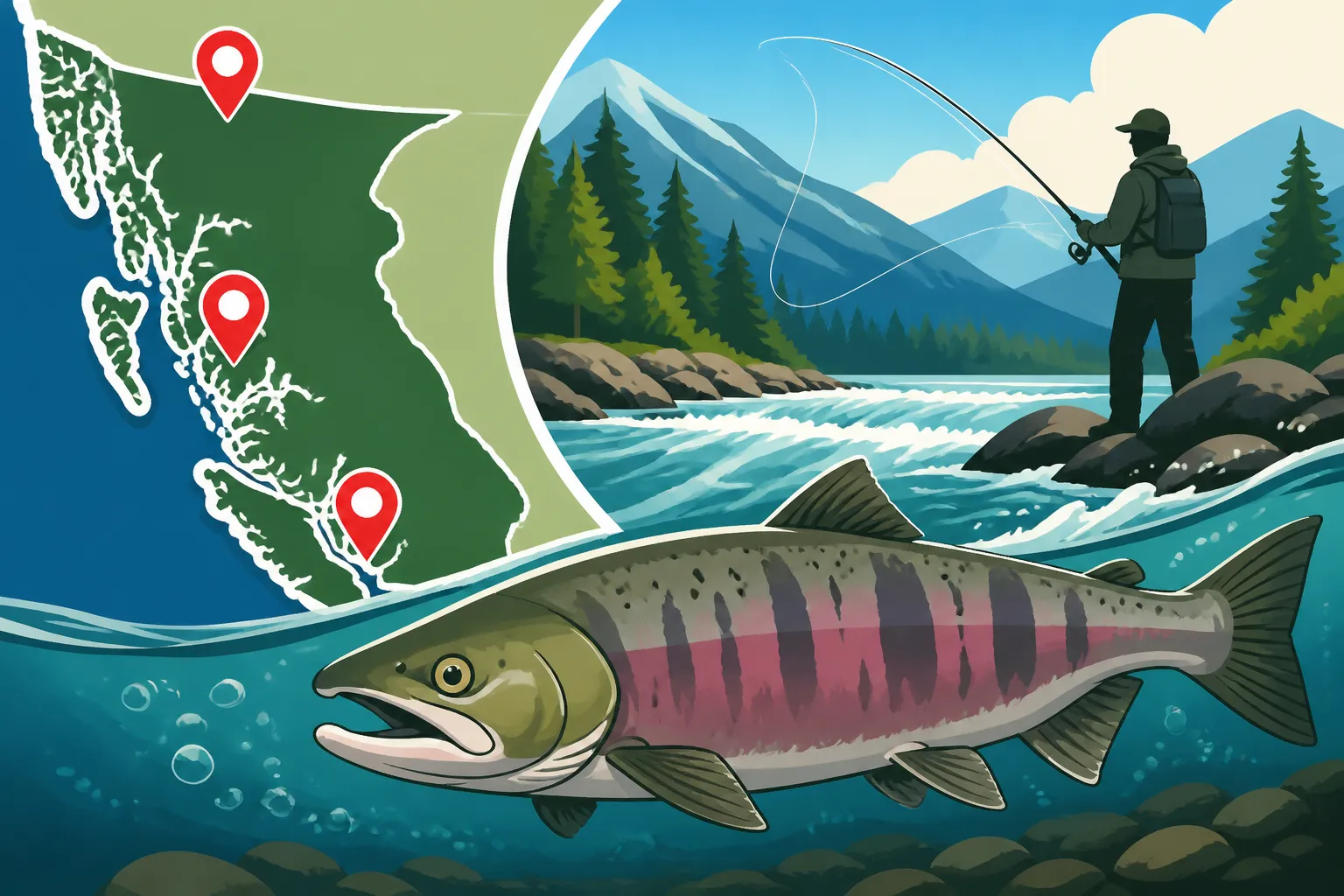
Before we dive into specific locations, let's take a moment to appreciate the chum salmon. Often overlooked in favour of their flashier Chinook or Sockeye cousins, chum (or "dog salmon" as they're sometimes called, due to their impressive canine-like teeth developed during spawning) are incredible sport fish. They are powerful, aggressive, and can offer a truly memorable fight, especially on lighter tackle. Their runs are a spectacular natural event, bringing vibrant colour and energy to our rivers.
When Do Chum Salmon Run in BC?
Chum salmon typically make their grand entrance into BC's rivers and streams during the fall. While the exact timing can vary slightly from year to year based on water levels and temperatures, you can generally expect to see the bulk of their migrations occurring from late September through November.
- Early October: Often sees the initial pushes, especially in southern rivers. The fish are usually silver-bright and full of fight.
- Mid-October to Early November: This is frequently the peak window for many major chum runs. Fish will start to show more spawning colours – greens, purples, and stripes – as they move further upstream, but they remain incredibly powerful.
- Late November: Some systems will still have fish, though they may be more coloured up and focused on spawning, making them less interested in biting.
It's crucial to remember that these are general guidelines. Always consult the latest BC Fishery Notices and In-Season Closures, Explained from Fisheries and Oceans Canada (DFO) before heading out. These notices provide up-to-the-minute information on openings, closures, and any specific regulations for particular rivers, which can change without much warning.
Why Chum Salmon Are a Unique Challenge
Chum salmon aren't always the easiest fish to entice. Unlike some salmon species that feed aggressively in freshwater, chum often become less interested in eating once they enter their spawning rivers. This means anglers need to employ specific techniques, often focusing on eliciting a reaction strike rather than a feeding bite. Their sheer power, combined with their sometimes stubborn nature, makes landing a large chum a true accomplishment. Understanding their habits, what triggers them, and where they hold is key to success. You might also want to brush up on Pacific Salmon Species Identification Guide to ensure you're targeting the correct species and complying with specific limits.
Prime Locations for Chum Salmon Runs in British Columbia
BC is vast, and chum salmon can be found in a multitude of river systems. However, some areas are particularly well-known for their robust and accessible runs.
Lower Mainland and Fraser Valley Rivers
The Lower Mainland and Fraser Valley offer some of the most accessible and popular spots for targeting chum salmon, especially for anglers living in or visiting the greater Vancouver area.
Chilliwack/Vedder River
This iconic river system is a powerhouse for all five species of Pacific salmon, and chum are no exception. The Chilliwack/Vedder experiences very strong chum returns, often seeing huge numbers of fish moving through its waters from early October onwards. Access is excellent, with numerous spots along the Chilliwack River Road and Vedder Mountain Road. You'll often see anglers float fishing roe or large, colourful jigs in the deeper runs and pools. The lower sections, particularly closer to the Fraser River confluence, can be very productive in the early part of the run. Later in the season, fish push further upstream. Many anglers consider this one of the best salmon rivers in BC. You can find detailed access points and strategies in articles like Chilliwack River best fishing access and Vedder River best salmon fishing spots.
Harrison River
Flowing from Harrison Lake into the Fraser River near Agassiz, the Harrison River is another fantastic spot for chum. It’s known for its relatively clear waters, which can make for some incredible sight-fishing opportunities. Chum tend to stage in the lower sections and move up towards the lake. The Harrison is also famous for its large salmon runs and is a critical spawning ground. Access is generally good along its banks, particularly around Harrison Mills. The confluence with the Fraser River can be a hot spot during incoming tides, as fresh fish push into the system. You'll want to review Harrison River best salmon fishing spots for more local details.
Chehalis River
A beautiful, wild river that also flows into the Harrison River (just before it meets the Fraser), the Chehalis River is a bit more remote but offers excellent opportunities for chum. It's often less crowded than the Vedder, providing a more serene angling experience. The chum here are known for their strong fighting spirit. Access can be a bit trickier, often involving forestry roads, but the reward is usually worth the effort. This river is a fantastic option for those looking to escape the crowds and immerse themselves in a more natural setting.
Squamish River and Tributaries
North of Vancouver, the Squamish River system, including its tributaries like the Mamquam and Cheakamus, hosts significant chum runs. These rivers offer stunning mountainous backdrops and a chance to catch strong, ocean-bright chum, especially earlier in the run. Float fishing and swinging flies are popular techniques here. Due to its proximity to Vancouver, it can get busy, but there are many stretches to explore. For those looking to gear up, a quick search on Amazon for "Squamish River fishing gear" might yield some useful local tackle recommendations.
Vancouver Island Hotspots
Vancouver Island boasts numerous rivers that see healthy returns of chum salmon, providing excellent fishing opportunities against a backdrop of rugged coastal beauty.
Goldstream River
Near Victoria, the Goldstream River is perhaps best known for its incredible salmon run viewing, particularly for chum and coho. While fishing can be restricted in certain areas due to conservation efforts and the sheer number of viewing public, there are often open sections where anglers can target chum. The lower reaches and estuary are usually the prime spots. It's an unforgettable experience to witness the masses of salmon returning, and to hook one can be the cherry on top. Be sure to respect all signage and regulations here, as it's a very sensitive area.
Cowichan River
The Cowichan River, a designated Canadian Heritage River, is renowned for its year-round fishing, and its fall chum run is a highlight. Located near Duncan, this river offers diverse fishing opportunities, from its upper reaches to its tidal estuary. Chum can be found throughout the system, often holding in deeper pools and runs. This river is known for its beauty and the quality of its fish. Fly anglers often have good success swinging large, colourful flies, while gear anglers find jigs and spoons effective.
Nanaimo River
Flowing into the Strait of Georgia near Nanaimo, this river system sees consistent chum returns. It's a popular choice for local anglers, offering convenient access. The lower river and estuary areas are often productive during the peak of the run. Similar to other island rivers, float fishing and casting spoons or jigs are effective methods here. Ensure you check the regulations carefully, as specific sections may have unique rules or closures.
Central and North Coast Wilderness
For the adventurous angler seeking a more remote and truly wild experience, BC's Central and North Coasts offer unparalleled chum salmon fishing, often with far fewer crowds.
Bella Coola River
Located in the stunning Great Bear Rainforest, the Bella Coola River is legendary for its massive salmon returns, including an incredibly strong chum run. This is a true wilderness experience, often accessed via the famous "Freedom Highway" or by floatplane. The fish here are often larger and exceptionally powerful. Due to its remote nature, hiring a local guide is often recommended to navigate the waters safely and effectively. The sheer scale of the landscape and the abundance of wildlife (including grizzly bears, so be bear aware!) make this an unforgettable destination.
Skeena River System (Lower Tributaries)
While the Skeena is often celebrated for its trophy steelhead and Chinook, many of its lower tributaries and side channels also host significant chum salmon runs. Rivers like the Gitsegukla, Kispiox, or even some of the smaller coastal rivers feeding into the Skeena estuary can offer incredible chum fishing. These areas are typically more remote and require careful planning, often involving jet boat access or stays at fishing lodges. The size of the chum in these northern rivers can be truly impressive. For anglers looking to experience the full grandeur of a northern BC fishery, the Skeena watershed is a prime choice. You can learn more about the region in articles such as Skeena River Steelhead Fishing and Best Fishing Rivers in British Columbia.
Spotting a Chum Run and Best Fishing Practices
Finding the right river is only half the battle; knowing how to read the water, identify an active run, and present your gear effectively is what truly puts fish on the bank.
How to Identify an Active Chum Run
Spotting an active chum run is often about observation. Look for:
- Jumping Fish: Chum salmon will frequently jump or roll on the surface, especially when they first enter a system or are moving through shallower water.
- Wakes: In calmer sections of a river, you might see distinct wakes as schools of fish push upstream.
- Dark Shapes: In clear water, you might be able to spot dark shapes holding in deeper pools or moving through shallower riffles.
- Other Anglers: While not always reliable, a cluster of anglers often indicates that fish are present. However, be mindful of etiquette and give others space.
Remember that river conditions can change rapidly. A river that was productive yesterday might be blown out today after heavy rain. Always check local conditions and forecasts.
Essential Gear for Chum Salmon
Chum salmon are powerful, so you'll need robust gear to handle them.
- Rods: A medium-heavy to heavy action spinning or baitcasting rod, typically 9 to 11 feet long, is ideal. For float fishing, a longer rod (10.5-13 feet) helps with line control and casting.
- Reels: A sturdy reel with a smooth drag system and ample line capacity (e.g., a 4000-6000 series spinning reel or a robust baitcasting reel) is essential.
- Line: Main line should be 20-30 lb braided line, paired with a fluorocarbon or monofilament leader of 15-25 lb test. Chum will test your knots and line strength!
- Terminal Tackle:
- Jigs: Large, brightly coloured jigs (e.g., pink, chartreuse, purple, or combinations thereof) in weights from 1/4 to 1 oz are extremely effective. Many anglers swear by specific roe imitations or large, brightly coloured spoons, which are readily available on Amazon.
- Spoons: Heavy spoons in bright colours (e.g., brass/orange, pink, chartreuse) can also provoke strikes.
- Floats: Large Drennan-style or similar floats for float fishing, paired with appropriate weights to get your presentation down quickly.
- Roe: Cured salmon roe can be deadly, especially in systems where it's permitted. Always check regulations regarding bait use.
- Flies: For fly anglers, large, gaudy flies in pink, purple, or chartreuse patterns (e.g., Popsicles, Clousers, Intruders) on heavy leaders are the ticket.
Always stock up on essential tackle before you head out, and a quick browse on Amazon can help you find those specific hooks, weights, and lines you'll need.
Effective Fishing Techniques
Given that chum often don't feed actively in freshwater, your techniques should focus on presenting your lure or bait in a way that triggers an aggressive reaction.
Float Fishing (Drift Fishing)
This is arguably the most popular and effective method for chum. You use a weighted float to suspend your jig or bait at the depth where the fish are holding, allowing it to drift naturally downstream through prime holding water. The key is to get a "dead drift" – your float should move at the same speed as the current, without dragging or being pulled. This mimics a natural piece of food or an injured baitfish. Techniques for this style of fishing are similar to Drift Fishing for Steelhead in BC Rivers.
Swinging Flies
For fly anglers, swinging large, colourful flies through likely holding water can be incredibly productive. Cast across and slightly downstream, then allow the current to swing the fly across the river, keeping tension on the line. The flash and movement often entice a territorial strike from a chum.
Casting Spoons and Jigs
In wider runs or larger pools, casting and retrieving heavy spoons or jigs can work. Vary your retrieve speed and depth, trying to find what the fish react to. A sharp jigging motion can often be the trigger. For a good quality fishing jacket to keep you dry during those long days on the water, you can often find excellent options on Amazon.
| River System | General Location | Primary Run Timing | Key Characteristics | Typical Access Difficulty |
|---|---|---|---|---|
| Chilliwack/Vedder River | Fraser Valley | Oct – Early Nov | High numbers, accessible, popular, good fight. | Easy |
| Harrison River | Fraser Valley | Oct – Mid Nov | Clear water, strong fight, staging areas near Fraser. | Easy/Moderate |
| Chehalis River | Fraser Valley (near Harrison) | Oct – Mid Nov | More remote, less crowded, strong fish. | Moderate |
| Squamish River | Sea to Sky Corridor | Late Sep – Mid Oct | Beautiful scenery, good early run fish. | Moderate |
| Cowichan River | Southern Vancouver Island | Mid Oct – Late Nov | Heritage river, diverse water, consistent returns. | Moderate |
| Nanaimo River | Central Vancouver Island | Mid Oct – Late Nov | Accessible for locals, good lower river action. | Easy |
| Bella Coola River | Central Coast | Late Sep – Oct | Wilderness experience, large fish, very remote. | Difficult |
| Skeena Tributaries | North Coast | Late Sep – Mid Oct | Wilderness experience, powerful fish, remote. | Difficult |
Navigating Regulations and Ethical Angling
Fishing for chum salmon in BC, like any other species, comes with specific responsibilities. It's not just about finding the fish, but about fishing ethically and legally to ensure these incredible resources are protected for future generations.
Licensing and Conservation Stamps
First and foremost, you absolutely need a valid fishing license. For chum salmon, this typically means a British Columbia freshwater fishing license, and often a Salmon Conservation Stamp if you intend to retain any salmon. There are different types of licenses for residents, non-residents of Canada, and non-residents of BC. It's important to understand the distinctions between a BC Freshwater vs Tidal Waters License, Explained as regulations can differ. Always double-check current requirements and purchase your license before heading out. Information on BC Salmon Conservation Stamp Rules is also vital.
Bag Limits and Fishery Notices
Chum salmon bag and possession limits can vary significantly by river, region, and even by time of year. These regulations are designed to manage stocks and can change quickly, sometimes even mid-season, based on run strength. This is why regularly checking the DFO's online Fishery Notices is non-negotiable. Don't rely on what you heard last year or from a friend – check the official notices yourself! Ignoring these can lead to hefty fines and loss of gear. For general information on what limits to expect, you can review BC Bag and Possession Limits by Species.
Ethical Angling and Catch & Release
Many chum salmon are caught during their spawning migration. While some are destined for harvest, practicing responsible catch and release is vital, especially for fish you don't intend to keep.
- Minimize Fight Time: Use appropriate gear that allows you to land fish quickly. Prolonged fights can exhaust salmon, reducing their chances of survival.
- Keep Fish Wet: Avoid removing fish from the water entirely if you plan to release them. Their gills and internal organs are supported by water, and exposing them to air causes stress.
- Handle with Care: Use wet hands to minimize damage to the fish's protective slime coat. Avoid squeezing or dropping the fish.
- Barbless Hooks: Barbless hooks are mandatory in many BC waters for salmon and steelhead. They cause less damage and allow for quicker, easier release. You can find these hooks at most tackle shops or online.
- Revival: If a fish is heavily exhausted, cradle it gently in the current, facing upstream, until it regains strength and can swim away on its own.
You can also find comprehensive BC fishing guidebooks, sometimes available on Amazon, which offer detailed maps and local insights into ethical angling practices. For those planning an extended trip, consider investing in a portable fish smoker, easily found on Amazon, to preserve your catch according to regulations.
Conclusion: Embrace the Chum Challenge
Chum salmon fishing in British Columbia is a unique and rewarding experience. From the readily accessible rivers of the Fraser Valley to the remote wilderness streams of the North Coast, there are incredible opportunities awaiting. These powerful fish demand respect and offer a fight that many anglers cherish. By understanding their habits, equipping yourself with the right gear, and always adhering to regulations and ethical practices, you'll be well on your way to experiencing the thrill of a BC chum salmon run. So, pack your bags, check those fishery notices, and get ready for an unforgettable fall adventure!
Disclaimer
This article is for general informational purposes only and does not constitute professional advice. Laws, prices and regulations vary by location and change over time. Consult a qualified professional for guidance on your specific situation.