BC record bull trout weight
The thrill of chasing a truly massive fish is a core part of what draws so many of us to the waters of British Columbia. There's something almost mythical about a monster bull trout, a powerful predator that lurks in the deep, cold recesses of our lakes and rivers. If you've ever dreamt of hooking into one of these freshwater giants, or just wondered how big they really get, you're not alone. This guide will dive into the impressive BC record for bull trout, explore what makes these fish such a coveted catch, where you can find them, and how you might just land one of your own.
What is the BC Record Bull Trout Weight?
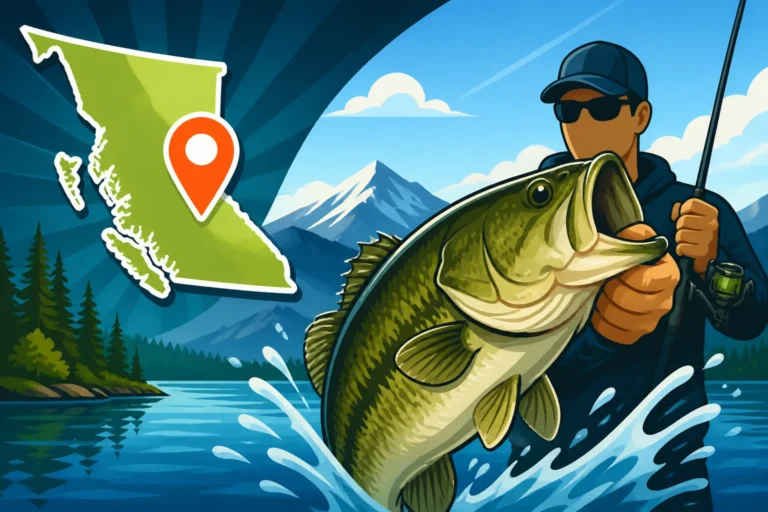
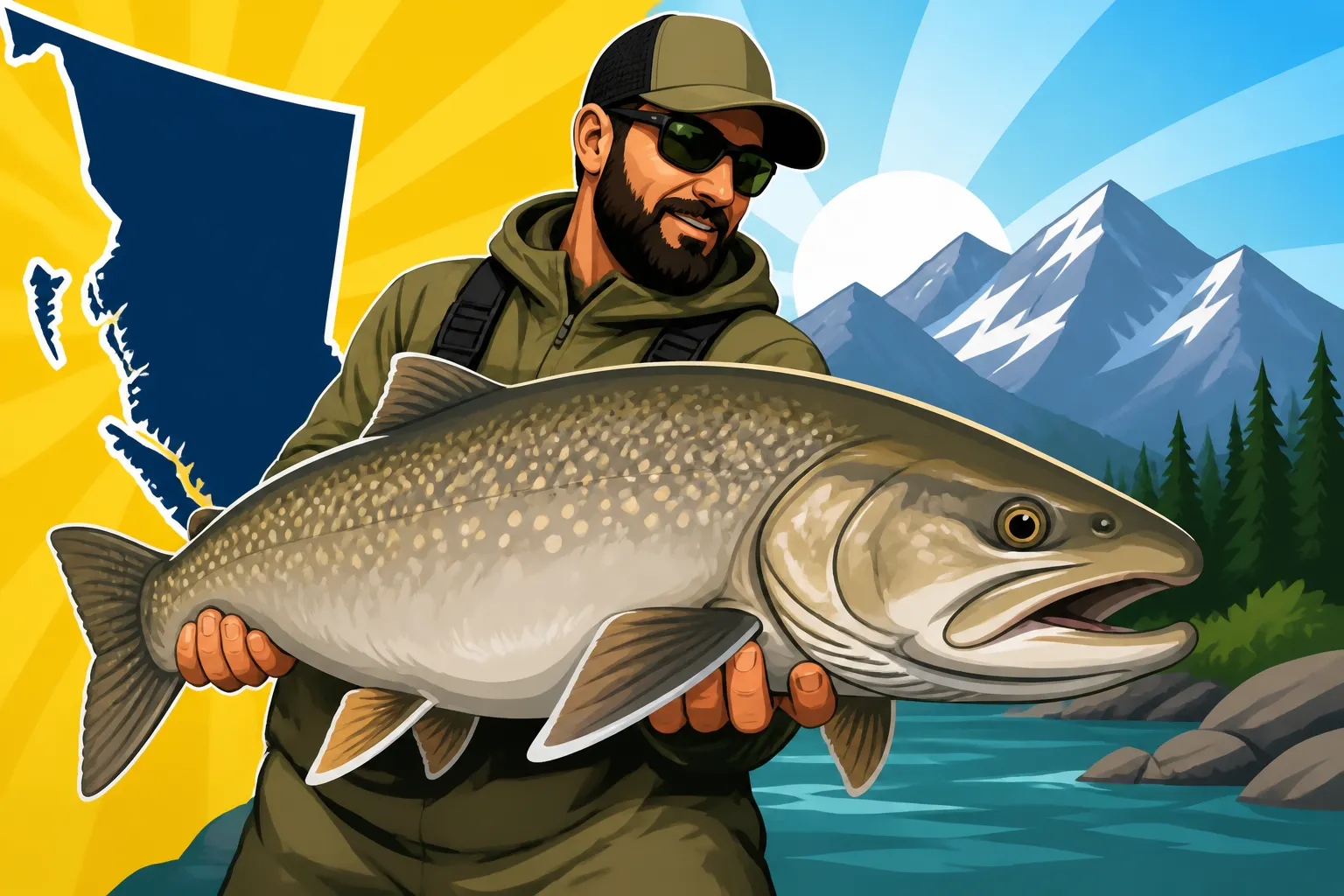
Let's cut to the chase, because when you're dreaming of a record fish, that's the first question on everyone's mind! The official British Columbia freshwater record for a bull trout stands at a staggering 32 pounds. Yes, you read that right – thirty-two pounds! Imagine holding a fish that heavy, a creature of such immense power and size. This isn't just a big fish; it's a true behemoth, a testament to the rich, cold waters and abundant food sources found in some of BC's most pristine environments.
This incredible fish was caught in Lardeau River, near Kootenay Lake, way back in 1996. It's a record that has stood the test of time, a benchmark for anglers hoping to achieve legendary status. While exact details about the angler or the precise circumstances often become folklore over the years, the sheer size of this bull trout speaks volumes about the potential of BC's fisheries. It paints a vivid picture of a deep, ancient river system, teeming with the food necessary to support such an apex predator. When you're out on the water, battling a feisty bull trout, a part of you is always wondering if this is the one that might approach that monumental mark.
Why Bull Trout Are Such a Coveted Catch for Anglers
For many anglers, the bull trout holds a special place, revered not just for its potential size, but for its unique characteristics and the challenge it presents. It's not just about the weight; it's about the entire experience of pursuing such a magnificent creature.
The Aggression and Fight of a True Predator
Unlike some more timid trout species, bull trout are apex predators in their ecosystems. They are aggressive hunters, constantly on the prowl for smaller fish, leeches, and anything else that looks like a hearty meal. This predatory nature translates directly into their fighting style. When a big bull trout hits your lure or fly, it's often with a jarring strike that leaves no doubt you've hooked into something serious. They'll make powerful runs, head shakes, and often try to dive back into structure, testing your gear and your angling skills to their limits. Landing a large bull trout is a true battle of wills, and the feeling of victory after bringing one to net is incredibly satisfying. Their sheer power, especially in fast-flowing rivers, can be utterly astounding.
The Elusive Nature and Wild Habitats
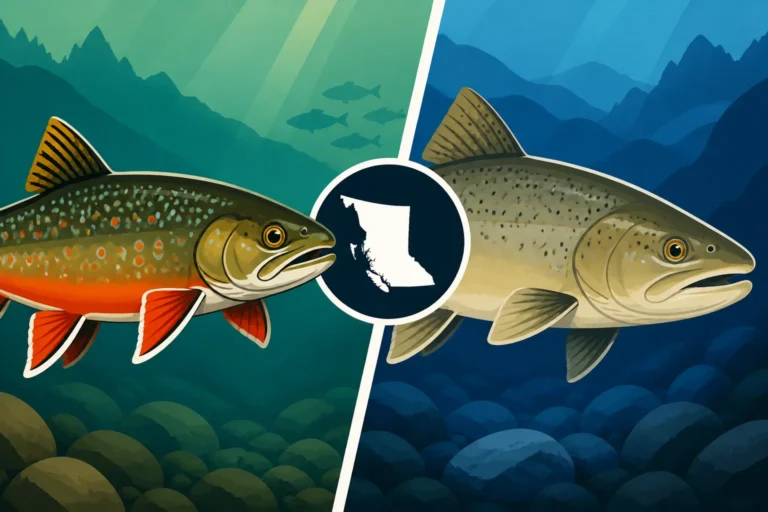
Trophy bull trout don't live in easy-to-access, heavily fished ponds. They thrive in wild, often remote, and exceptionally clean waters. This means that pursuing them often takes you deep into the heart of BC's stunning wilderness, far from the crowds. Whether it's hiking into a secluded mountain lake or navigating a vast river system, the journey itself becomes part of the appeal. Their preference for cold, clear water means you'll often find them in pristine environments, surrounded by breathtaking scenery. This connection to untouched nature, combined with the challenge of finding these elusive giants, adds another layer to their appeal. They are truly a species that embodies the wild spirit of British Columbia fishing. If you're looking to understand the subtle differences between these beautiful fish, our guide on Bull Trout vs Dolly Varden Identification can be very helpful.
The Allure of Size and the Trophy Hunt
Let's be honest, part of the allure is simply their potential for immense size. While many trout species top out at a few pounds, bull trout have the genetic potential and the feeding habits to grow truly massive, as evidenced by that 32-pound record. This makes them a prime target for trophy anglers who are less interested in numbers and more focused on landing that one, once-in-a-lifetime fish. The chase for a potential personal best, or even a provincial record, fuels many angling adventures. Every cast in prime bull trout water carries the silent hope of a monster strike. It’s a pursuit that often requires patience, skill, and a deep understanding of their habits, making the reward all the sweeter when a large bull trout finally comes to hand.
Where Do These Trophy Bull Trout Live in BC?
While bull trout are distributed throughout much of British Columbia, especially in the central and northern regions, those truly gargantuan, record-setting specimens tend to come from specific types of environments that provide the ideal conditions for growth.
Deep, Cold, Oligotrophic Lakes
The biggest bull trout are often found in large, deep, cold, and often oligotrophic (nutrient-poor) lakes. These lakes, like Kootenay Lake, offer vast expanses of deep water where bull trout can patrol for forage fish like kokanee. The stable, cold temperatures throughout the water column are perfect for them, and the sheer size of these water bodies means less angling pressure on specific spots. The presence of abundant kokanee or other baitfish is absolutely crucial, as these provide the high-protein diet necessary for bull trout to pack on the pounds. Imagine a massive bull trout lurking in the depths, growing slowly over many years, gorging on schools of smaller fish. It's this type of environment that produces the true giants. To learn more about fishing one of these prime locations, check out our Kootenay Lake Fishing Guide.
Large River Systems and Their Tributaries
While the record came from the Lardeau River, which feeds into Kootenay Lake, many large river systems and their colder tributaries also hold impressive bull trout. Rivers that flow into or out of large lakes are often highways for migratory bull trout, which move between feeding in the lakes and spawning in the rivers. These riverine bull trout can be incredibly powerful due to constantly fighting current. The Fraser River system, for example, along with its colder feeder streams, is known to hold bull trout, though perhaps not regularly of the 30-pound class. Look for rivers with deep pools, abundant cover, and a healthy population of other fish species, as these are the larders for big bull trout. Our Best Fishing Rivers in British Columbia guide can point you toward other promising waters.
Remote Wilderness Waters
It almost goes without saying, but the largest bull trout are often found in waters that are harder to access and therefore experience less angling pressure. These are the pristine, undisturbed environments where fish can live long lives, grow to their maximum potential, and maintain their wild instincts. This might mean remote fly-in lakes in northern BC, or headwater streams that require significant effort to reach. The effort involved in reaching these places is often directly proportional to the size and quality of the fish you'll encounter. It's in these wild corners that the true spirit of the bull trout, and the pursuit of a record, truly thrives.
Tips for Catching Your Own Monster Bull Trout
So, you're ready to chase that dream fish? While landing a 32-pound bull trout is a monumental feat, consistently catching large bull trout is absolutely achievable with the right approach. It involves a combination of understanding their habits, using appropriate gear, and practicing good conservation.
Gear Up for Battle: Rods, Reels, and Line
When targeting big bull trout, you absolutely cannot skimp on your gear. These fish are incredibly strong and will exploit any weakness in your setup.
- Rods: For casting lures or large flies, a medium-heavy to heavy action spinning or casting rod, often in the 7 to 9-foot range, is ideal. This provides the backbone needed to cast heavy baits and battle powerful fish. For fly anglers, an 8 or 9-weight fly rod is a minimum, especially when slinging large, weighted streamer patterns. You'll often find excellent options for these on Amazon by searching for "heavy action casting rod" or "8 weight fly rod combo."
- Reels: A high-quality spinning reel in the 3000-4000 series (or equivalent baitcasting reel) with a smooth drag system is essential. For fly reels, ensure it has a robust drag and plenty of backing capacity.
- Line: Spool up with strong, abrasion-resistant line. Many anglers prefer 20-30 lb braided line with a fluorocarbon leader (15-25 lb test) for spinning/casting setups. This offers sensitivity, strength, and stealth. Fly anglers will use appropriate sinking lines or sink-tips to get their flies down to where the fish are holding. Don't cheap out on line; a few extra dollars here can prevent heartbreaking break-offs.
Lures and Flies That Get Their Attention
Bull trout are opportunistic predators, and their diet primarily consists of other fish. Therefore, your offerings should mimic their natural prey.
- Lures: Large spoons (like Williams Wabler or Len Thompson), heavy casting spoons, and large plugs (Kwikfish, Flatfish, or larger Rapalas) in natural baitfish colours or bright, aggressive patterns are highly effective. For jigging in deep lakes, substantial lead-head jigs with soft plastic swimbaits, 4-6 inches long, can entice strikes.
- Flies: Streamer patterns are king for bull trout. Think big, articulated flies that imitate sculpins, juvenile trout, or kokanee. Patterns like Dali Llamas, Sculpzillas, or large Clouser Minnows in olive, black, white, or flashy baitfish colours are excellent choices. Look for these "large streamer flies on Amazon" if your local fly shop doesn't have a wide selection. When fishing rivers, understanding the techniques for similar predatory species can be beneficial, like those outlined in Best Baits for Steelhead on the Skeena.
| Gear Category | Specific Recommendation | Purpose |
|---|---|---|
| Rod | Medium-Heavy to Heavy Action Rod | Casting heavy lures, battling strong fish |
| Reel | 3000-4000 Series Spinning/Baitcaster | Smooth drag, line capacity |
| Line | 20-30 lb Braided Main Line | Strength, sensitivity, casting distance |
| Leader | 15-25 lb Fluorocarbon Leader | Abrasion resistance, stealth |
| Lures | Large Spoons (e.g., Williams Wabler) | Mimic baitfish, provoke aggressive strikes |
| Plugs | Kwikfish, Flatfish, Large Rapalas | Deep diving, erratic action |
| Flies | Large Streamers (e.g., Dali Llama) | Imitate sculpins, kokanee, juvenile fish |
Location, Presentation, and Patience
Finding big bull trout often means finding their food source and their preferred holding water.
- Lakes: Focus on drop-offs, underwater structure (submerged timber, rock piles), tributary mouths, and areas where kokanee or other baitfish congregate. Trolling with large spoons or plugs is often the most effective method for covering water in big lakes. Vertical jigging over deep structure can also be very productive. Consider the best times of year to target these fish; our Best Time of Year to Fish in BC guide offers a broader perspective.
- Rivers: Look for deep pools, current seams, behind large boulders, and undercut banks. These are ambush points where bull trout can wait for prey. Casting large lures or streamers across and down-stream, allowing them to swing through these holding lies, is a classic approach. In larger systems, you might even consider methods similar to Trolling Techniques for BC Lake Trout if the river is wide and slow enough in certain sections.
- Patience: Bull trout, especially the big ones, aren't always actively feeding. You might need to make many casts or troll for hours before you get a strike. Persistence is key. Experiment with retrieve speeds, depths, and colours until you find what triggers a bite.
Conservation: Protecting the Giants
Bull trout are a native species, and the largest individuals are crucial to the health of their populations. Many areas in BC have catch-and-release regulations specifically for bull trout, or very restrictive bag limits. Always consult the current BC Bag and Possession Limits by Species and local regulations before heading out.
- Handle with Care: If you do land a large bull trout, handle it as gently as possible. Keep it in the water if possible, or support its entire body weight horizontally if you must remove it for a quick photo.
- Minimize Time Out of Water: Get your photos quickly and release the fish promptly.
- Barbless Hooks: Using barbless hooks makes for easier and less damaging releases, increasing the fish's survival chances. Many anglers voluntarily use barbless hooks for all their fishing, particularly when targeting sensitive species or practicing catch-and-release.
Chasing the BC record bull trout is a monumental goal, but even without reaching that incredible 32-pound mark, the pursuit of these magnificent predators offers an unforgettable angling experience in some of British Columbia's most spectacular landscapes.
Disclaimer
This article is for general informational purposes only and does not constitute professional advice. Laws, prices and regulations vary by location and change over time. Consult a qualified professional for guidance on your specific situation.