BC record steelhead weight
Oh, the dream of hooking into a record-breaking steelhead in British Columbia! It's a fantasy that dances in the minds of anglers worldwide, a pursuit filled with icy rivers, stunning landscapes, and the incredible challenge of outsmarting one of nature's most magnificent fighters. Many dedicated anglers spend years, even decades, chasing that one fish of a lifetime, only to wonder what the true benchmark for a 'record' really is. This guide dives into the lore, the reality, and the pursuit of the heaviest steelhead ever caught in BC, and what it takes to even dream of joining those hallowed ranks.
The Elusive Dream: Understanding BC's Record Steelhead
For many, the mention of "record steelhead" conjures images of colossal chrome-bright fish, tales whispered around campfires, and faded photographs. But what truly defines a record when it comes to these enigmatic anadromous rainbow trout? It's more complex than simply a number on a scale.
What Defines a Record Steelhead?
Defining a "record" steelhead in British Columbia can be a bit of a moving target, especially given the strong catch-and-release ethos that dominates trophy steelhead fishing today. Historically, a record was all about weight, often measured on a certified scale and verified by official angling organizations. It needed to be a true Salmo gairdneri (now Oncorhynchus mykiss) – an ocean-run rainbow trout, not a resident lake rainbow, which can also grow quite large in some systems like Kootenay Lake Gerrard Rainbow Trout Fishing. The species distinction is crucial, as is the anadromous life cycle.
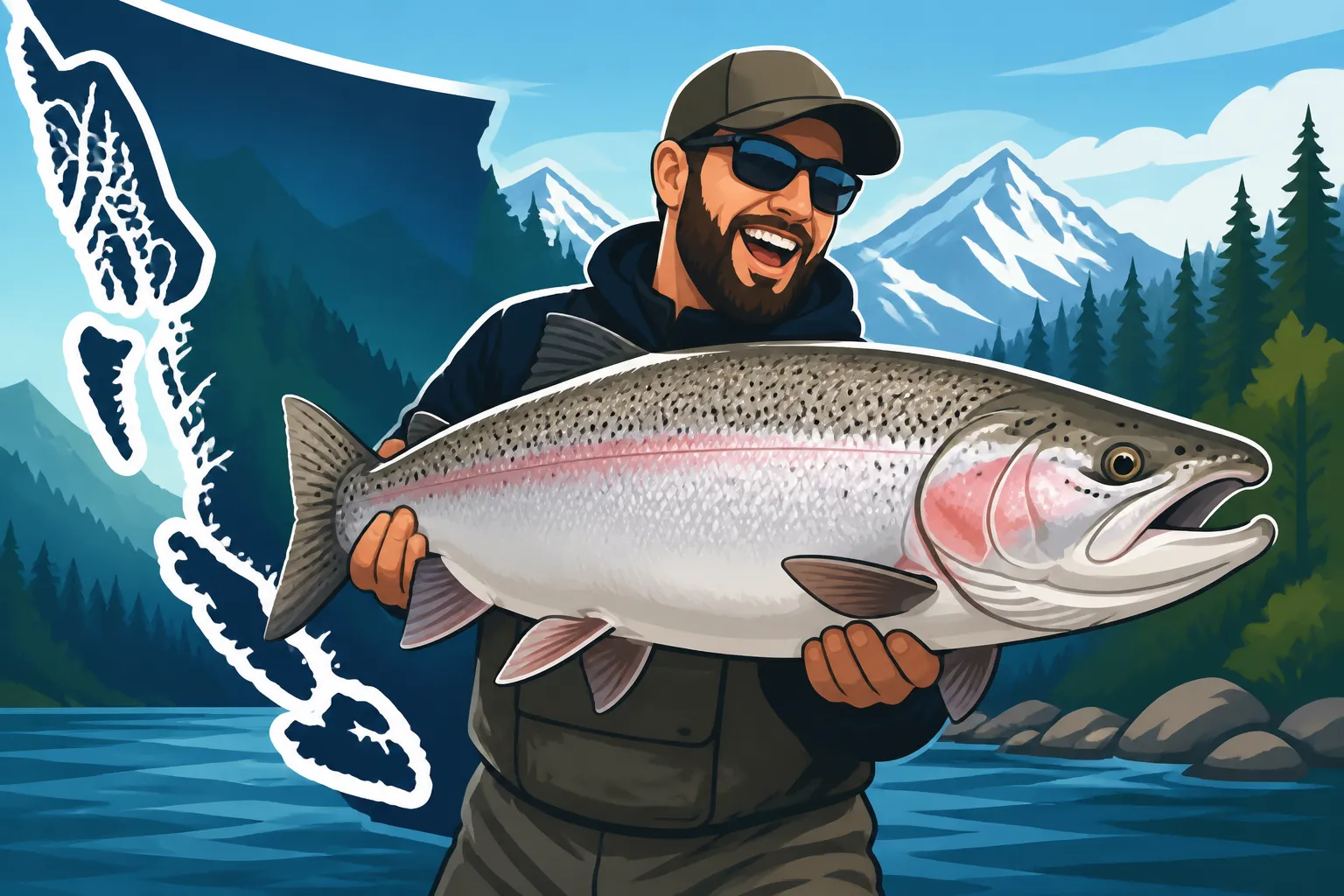
However, the modern reality is that most serious steelhead anglers, especially those targeting the biggest fish, practice immediate and careful catch and release. This means many truly gigantic steelhead are never officially weighed. Instead, they're measured for length and girth, photographed, and carefully released to continue their spawning journey. So, while an official "record" weight might exist on the books from decades past, the largest steelhead caught and released today often go unrecorded in the traditional sense, living on only in the angler's memory and a few stunning pictures. This shift highlights a beautiful evolution in angling, prioritizing conservation over conquest.
The Historical Quest for Trophy Steelhead
The quest for giant steelhead in BC is as old as sport fishing itself in the province. Rivers like the Skeena, Bulkley, Kispiox, and the Dean have long been legendary hunting grounds for these silver bullets. Before the widespread adoption of catch-and-release, anglers would keep their prize catches, parading them proudly for the camera and the record books. Tales from the early to mid-20th century speak of incredible fish, sometimes pushing well into the 30 and even 40-pound class. These were often wild fish, having spent multiple years in the ocean, returning to their natal rivers as true behemoths.
Each river system has its own legends. The Skeena River, for instance, is renowned worldwide for its huge Steelhead Runs on BC's North Coast Rivers. Anglers would brave challenging conditions, often using heavy gear and traditional bait, hoping to land one of these incredible specimens. The historical records, though sometimes patchy, paint a picture of a time when the biggest fish were often taken out of the water permanently. This historical context is vital to understanding the shift towards conservation and the appreciation of living records.
The Unofficial "Big Fish" Mentions
Beyond the official records lie the countless unofficial "big fish" stories. These are the whispers and excited reports of steelhead caught that might not have been weighed on a certified scale but were undeniably massive. Think of a 30-pound hen carefully unhooked in the icy waters of a tributary, or a male steelhead with a kype so pronounced it looked prehistoric, estimated at over 40 inches and a girth of nearly 20 inches. These are the fish that fuel the passion, the ones that get away, and the ones that make an angler return year after year.
Many fly anglers, in particular, aim for what's often referred to as a "forty-inch" steelhead – a fish of immense length that almost certainly translates to a formidable weight. The difficulty of landing such a fish on a fly rod, battling it through fast currents, often leads to an immediate release, the adrenaline rush being enough of a prize. These unofficial catches are just as, if not more, significant to the culture of Steelhead Fishing in BC than any singular entry in a record book, representing the true spirit of the chase.
Chasing Giants: Where and How These Steelhead Live
To even dream of encountering a record-class steelhead, you need to understand where they thrive and the specific strategies required to target them. These aren't your average trout; they are apex predators that demand respect, skill, and specialized approaches.
Prime Rivers for Trophy Steelhead
When you talk about trophy steelhead in British Columbia, certain river systems immediately come to mind. The Skeena River watershed, including its famous tributaries like the Bulkley, Kispiox, and Babine rivers, stands as the undisputed Mecca for giant steelhead. These rivers offer vast, pristine wilderness, abundant food sources, and complex migratory paths that allow steelhead to grow to incredible sizes. The remote nature of many of these locations also contributes to a healthier, less pressured fishery, fostering larger fish populations.
Beyond the Skeena, rivers like the Dean River on the central coast are legendary for their strong, aggressive, and often large steelhead. In the Interior, the Thompson River historically produced some truly immense winter steelhead, though its fishery has faced significant conservation challenges. Best Steelhead Rivers in BC often includes these and other lesser-known gems that hold the potential for a monster catch. These rivers aren't just fishing spots; they are ecosystems that perfectly nurture these magnificent fish.
The Ecosystem Supporting Giant Steelhead
What makes a steelhead grow to record proportions? It's a combination of genetics, abundant food in the ocean, and a healthy, clean river system for spawning. BC's coastal waters are incredibly rich, providing steelhead with a smorgasbord of baitfish, crustaceans, and squid. A steelhead that spends multiple years feeding in this nutrient-dense environment, often referred to as a "holdover" in the river or a "super-spreader" by biologists, has the best chance of returning as a true giant.
Once they enter the freshwater, these fish are driven by instinct to spawn, typically not feeding much, if at all. Their immense size is a testament to their time in the ocean. Clean, cold, well-oxygenated rivers with good gravel beds for spawning and complex riverine habitats, including deep pools and swift runs, are crucial. Do Steelhead Reproduce Naturally in BC Rivers? explores this vital aspect of their life cycle, emphasizing the importance of preserving these delicate ecosystems to ensure future generations of trophy fish. Without a robust and protected environment from ocean to headwaters, the chance of encountering these giants diminishes significantly.
Techniques and Gear for Battling Big Fish
Landing a record-class steelhead is no small feat; it demands specialized techniques and robust gear. For those pursuing these fish, a heavier-than-average setup is essential. In the Skeena system, spey rods ranging from 13 to 15 feet in length, typically in 8 to 10-weight, are common, paired with reels that have a strong drag and plenty of backing. For conventional anglers, heavy-duty baitcasting or spinning gear with lines testing 15-25 pounds is standard, often with a powerful, fast-action rod to control these strong fish.
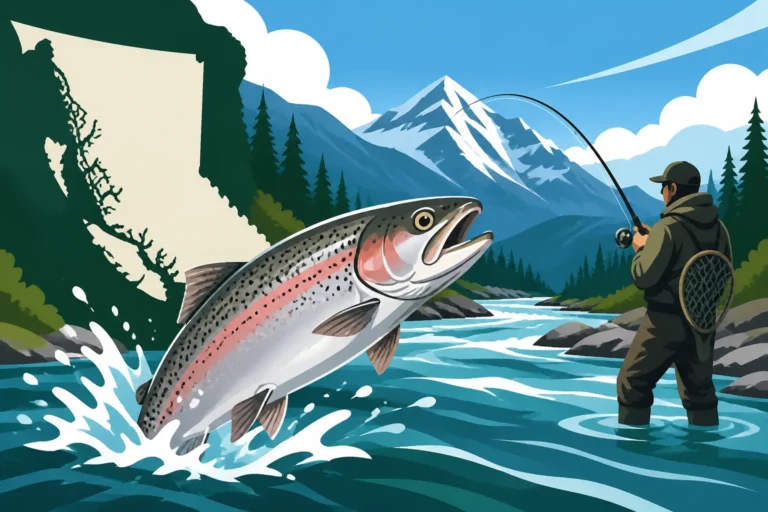
Specific techniques include "swinging" flies with spey rods, drift fishing with roe or various lures, and float fishing with jigs or bait. The key is to present your offering naturally in the powerful currents where steelhead hold. When selecting gear, don't skimp on quality. You might find durable waders, waterproof jackets, and specialized leaders on platforms like Amazon, but local tackle shops are often best for expert advice on specific regional needs. How to Catch Steelhead in BC delves deeper into these methods, but always remember that a strong hookset and patience are your best friends when a true giant decides to bite. You're not just fishing; you're engaging in a powerful tug-of-war.
The Conservation Conundrum: Protecting Our Giants
The pursuit of record steelhead carries a significant responsibility. The very rarity of these magnificent fish makes their conservation paramount. Anglers who understand this are not just seeking a personal trophy, but actively contributing to the health of the fishery.
Catch and Release for Steelhead
Today, catch and release is not just a recommendation; for many of BC's most famous steelhead rivers, it's a mandatory rule and a deeply ingrained ethic. The vast majority of trophy steelhead, especially the wild ones, are caught and released. This practice is absolutely crucial for maintaining healthy populations, as every large spawning fish contributes significantly to the next generation. The guidelines for ethical catch and release are stringent: minimize fight time, keep the fish in the water as much as possible, use barbless hooks, and handle the fish gently with wet hands or gloves.
Bringing a huge steelhead into a boat or onto the bank for extended photo sessions can cause undue stress and reduce its chances of survival, especially in warmer water. The true reward is watching that powerful tail kick and seeing the fish swim strongly away. Many areas are designated BC Catch and Release Only Waters specifically to protect these vulnerable populations. It's a testament to the angling community's commitment that the biggest fish are often treated with the most reverence and given the best chance to return to the river.
The Importance of Regulations and Fishery Notices
British Columbia's fishing regulations, particularly for steelhead, are complex and frequently updated to adapt to changing stock levels and environmental conditions. These rules are designed to protect vulnerable populations and ensure sustainable fishing opportunities. Before heading out, it's imperative to consult the current BC Fishing Regulations Explained and check local fishery notices. These notices, often issued by Fisheries and Oceans Canada (DFO) or the provincial Ministry of Forests, Lands, Natural Resource Operations and Rural Development, can announce in-season closures, gear restrictions, or changes to bag limits for specific rivers or species.
For instance, certain areas might have single barbless hook rules, bait bans, or even full closures during sensitive spawning periods. Knowing the BC Steelhead Season Dates for your chosen river is also vital. Ignoring these regulations not only risks hefty fines but more importantly, undermines the very efforts to conserve these precious fish. A responsible angler is always an informed angler, and staying updated, even if it means checking online before every trip (or buying a specialized fishing app on Amazon), is part of the challenge and reward of pursuing BC's steelhead.
Ethical Angling for Future Generations
Ethical angling goes beyond simply following the rules; it's about a mindset that prioritizes the resource. It means sharing the river respectfully with other anglers, ensuring your waste is packed out, and actively supporting conservation initiatives. For many, landing a record steelhead is secondary to the experience of being in nature and connecting with these incredible creatures. The largest fish are often the oldest and most important spawners, so their survival is paramount.
By practicing impeccable catch and release, educating fellow anglers, and even volunteering for habitat restoration projects, you contribute to a legacy of healthy fisheries. The goal is to ensure that future generations can also experience the thrill of chasing and hopefully releasing a magnificent steelhead, perhaps even one that rivals the biggest ever caught. This long-term view is what truly defines a responsible angler in British Columbia.
The "Official" Record and the Lore Behind It
While the modern emphasis is on catch and release, there's still a natural curiosity about the biggest steelhead ever officially weighed in British Columbia. The truth is, pinpointing a single, universally accepted "record" can be challenging due to historical practices and varying recording standards.
The Challenge of Official Records
Official fishing records, especially those dating back several decades, often face challenges in verification. Scales might not have been certified, species identification could be less precise, and documentation sometimes less rigorous than today's standards. Furthermore, different angling organizations might have slightly different criteria or recognize different "records." For instance, a fish caught in a specific river might hold a local record, while a larger one from a different system holds the provincial record.
The historical data, while fascinating, often presents a puzzle. Many stories exist of massive steelhead caught and reportedly weighing over 30 pounds, but definitive proof can be elusive. The shift to catch and release also means that the "record" on the books might not reflect the true size of fish currently swimming in BC's rivers. It makes the pursuit less about an entry in a ledger and more about the personal experience and connection with a truly wild fish.
The Largest Steelhead Ever Reported
While there isn't one definitive, universally recognized current provincial record that gets updated annually and published widely, historical accounts and the general consensus among experienced anglers and biologists point to several legendary catches. The largest steelhead ever reported from British Columbia, and indeed one of the largest in North America, often cited, is a fish caught in the Dean River in 1995. This colossal steelhead reportedly weighed 38 pounds. Other significant catches from the Skeena system, particularly the Kispiox River, have also touched or exceeded the 30-pound mark over the years, with tales of even heavier fish in the past.
It's important to note that these are incredible anomalies, true giants among a species where the Steelhead Average Size in BC Rivers is typically much lower, often in the 8- to 15-pound range. These record-breaking fish represent a rare combination of exceptional genetics, abundant ocean feeding, and multiple years of survival. To even come close to such a fish is an achievement that most anglers can only dream of.
| Factor | Impact on Steelhead Size |
|---|---|
| Genetics | Inherited traits that influence growth potential and ocean migration patterns. |
| Ocean Abundance | Availability of nutrient-rich food sources (baitfish, crustaceans) in the Pacific. |
| Time at Sea | Longer duration spent feeding in the ocean typically correlates with larger size. |
| River Health | Pristine, cold, oxygenated rivers with ample spawning and rearing habitat. |
| Fishing Pressure | Less pressured fisheries allow older, larger fish to survive and spawn more frequently. |
| Water Conditions | Favorable river flows and temperatures during migration and spawning. |
| Food Availability | Even in freshwater, some steelhead might opportunistically feed, though less common. |
Factors Affecting Steelhead Size
The size of a steelhead is a fascinating interplay of several critical factors. Genetics play a huge role; some strains of steelhead simply have the potential to grow larger than others. These genetic traits are passed down, creating populations known for their bigger fish. The richness of their ocean feeding grounds is equally vital. A steelhead that encounters an abundance of food during its time in the Pacific will grow faster and larger. The more years they spend in the ocean before returning to spawn, the greater their potential to achieve trophy status. This is why multi-year spawners are often the biggest.
Finally, the health of the river system is paramount. Pristine, cold, and well-oxygenated rivers with minimal pollution and good habitat provide the ideal environment for these fish to return, hold, and successfully spawn. Factors like climate change, habitat degradation, and overfishing can negatively impact all of these elements, affecting the overall Best Time of Year to Fish in BC for steelhead, and ultimately, the ability of steelhead to reach record sizes. Every part of their incredible journey, from the smallest freshwater stream to the vast Pacific, must be healthy for these giants to thrive.
Disclaimer
This article is for general informational purposes only and does not constitute professional advice. Laws, prices and regulations vary by location and change over time. Consult a qualified professional for guidance on your specific situation.