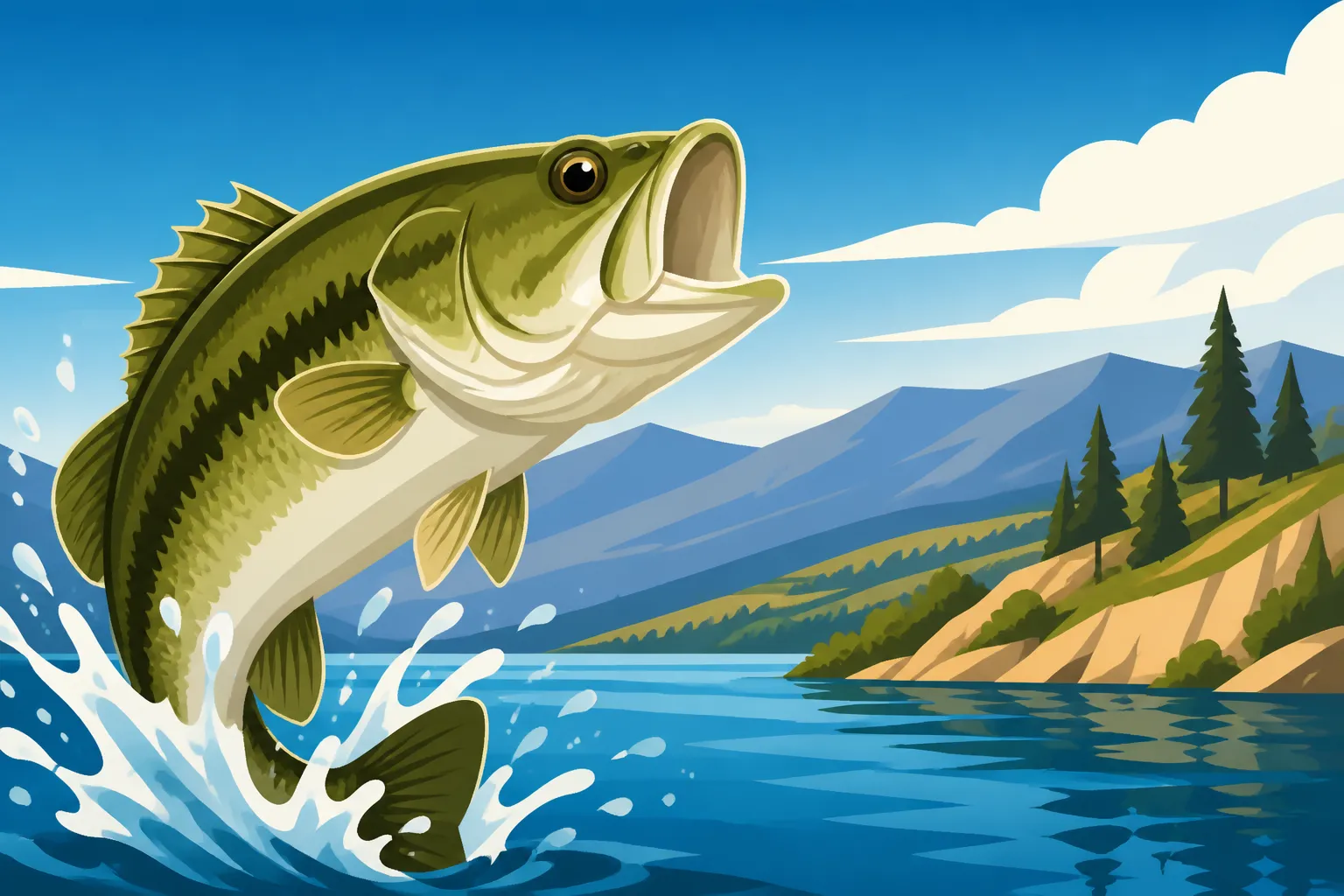
Largemouth Bass in Okanagan Lakes
Many anglers hitting the waters of British Columbia often set their sights on the iconic salmon, the elusive steelhead, or the powerful sturgeon, sometimes overlooking other fantastic freshwater opportunities. If you've been yearning for some explosive, hard-fighting action in a warmer, more accessible setting, then the largemouth bass in the sun-drenched Okanagan Lakes might just be your next big adventure. This guide aims to pull back the curtain on these feisty green fish, offering a deep dive into their world and how you can successfully target them in BC's beautiful interior.
The Largemouth Bass: An Okanagan Enigma
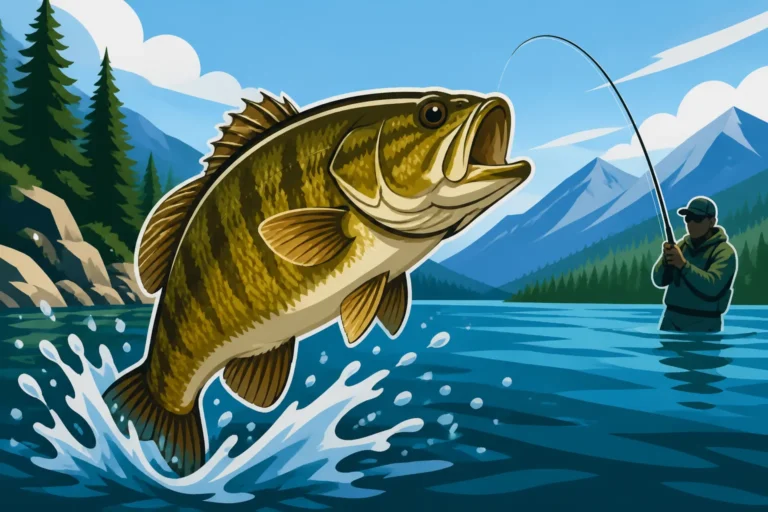
While not native to British Columbia, largemouth bass have established themselves in several Okanagan lakes, much to the delight of a growing number of passionate bass anglers. They bring a different kind of challenge and excitement compared to the trout or salmon that typically dominate the BC fishing scene. For many, discovering these aggressive feeders in such picturesque surroundings feels like stumbling upon a hidden gem, offering a unique angling experience right here in our own backyard.
Where These Green Giants Reside
The Okanagan Valley, with its warm climate and diverse aquatic ecosystems, provides a surprising haven for largemouth bass. These fish thrive in warmer water temperatures and gravitate towards specific types of habitat that offer both cover and ample ambush points for prey. When you're looking for largemouth, think shallow, weedy, and structurally complex.
You'll primarily find thriving populations in lakes like Osoyoos Lake, Vaseux Lake, and sometimes even the shallower bays and backwaters of larger systems like Okanagan Lake itself, particularly in the southern reaches. These lakes boast extensive reed beds, lily pad fields, submerged timber, and often man-made structures like docks and boat ramps – all prime real estate for a largemouth bass. They aren't going to be holding in the middle of a deep, cold lake; instead, they'll be tucked away, waiting for an unsuspecting meal to swim by. Understanding this preference for cover is the first step to successful bass fishing. The best spots are often those hard-to-reach areas where the water warms up quickly and provides a labyrinth of hiding places. For a deeper look into specific locations, check out Best largemouth bass lakes in the Okanagan.
Why Okanagan Lakes Are Ideal Bass Habitat
The very nature of the Okanagan's climate and hydrology creates perfect conditions for largemouth bass. The long, hot summers ensure water temperatures reach optimal levels for bass activity and reproduction. Unlike many of BC's glacier-fed rivers or deep, oligotrophic (nutrient-poor) lakes, the Okanagan's shallower, more fertile lakes provide an abundance of food sources, from insects and crayfish to smaller fish species like minnows and panfish. This rich food web allows bass to grow quickly and sustain healthy populations.
Furthermore, the geological history of the region has left behind a landscape dotted with countless bays, coves, and wetlands that naturally foster the dense aquatic vegetation that bass absolutely adore. Picture calm, sun-drenched corners where lily pads create a green carpet, or where fallen logs crisscross beneath the surface. These areas provide not only shelter from predators (though adult largemouth are apex predators in their own right) but also crucial shade during the hottest parts of the day and prime ambush points. The diversity of structure available – from natural rock formations and ledges to man-made docks and bridge pilings – ensures that bass have endless options for setting up their hunting grounds, making these lakes a dynamic and exciting environment for any bass angler.
Understanding the Largemouth's Lifestyle
To truly master the art of catching largemouth bass, you need to think like a bass. Understanding their fundamental biology, what motivates them to feed, and how they reproduce will give you an invaluable edge when you're out on the water. These aren't just fish; they're cunning predators with distinct habits.
Diet and Foraging Habits
Largemouth bass are opportunistic and voracious predators. Their diet is incredibly varied, encompassing almost anything they can fit into their sizable mouths. From insects, crayfish, and frogs to smaller fish like minnows, juvenile trout, and even their own fry, they're not picky eaters. This diverse menu means you can experiment with a wide array of lures and baits, mimicking different prey items. When you're trying to figure out what they might be eating on a particular day, observe your surroundings. Are there lots of dragonflies buzzing around? Perhaps a topwater lure that imitates a large insect or frog would be effective. Are crayfish scuttling along the bottom? A jig or soft plastic creature bait might be the ticket.
Their foraging strategy is often ambush-based. They will position themselves in cover – dense weeds, submerged wood, or beneath docks – and wait for prey to swim by. This is why targeting structure is so crucial. They expend minimal energy lying in wait, then explode with incredible speed to snatch their meal. However, they can also be aggressive cruisers, especially during low-light conditions, actively hunting along weed lines or shallow flats. Knowing what bass eat is fundamental, as it directly informs your lure selection and presentation strategy, helping you choose baits that closely mimic their natural food sources.
Spawning Rituals and Growth Patterns
The life cycle of a largemouth bass is intimately tied to water temperature, particularly when it comes to spawning. Typically, largemouth bass in the Okanagan will begin their spawning rituals in late spring, usually when water temperatures consistently reach the 15-20°C (59-68°F) range. The males initiate the process, fanning out circular nests in shallow, protected areas, often near submerged logs, rocks, or dense weeds. These nests, usually 1-3 feet deep, are meticulously cleared of debris to provide a clean, firm substrate for the eggs.
Once a nest is prepared, the male entices a female to deposit her eggs, which he then fertilizes. After spawning, the male takes on the sole responsibility of guarding the nest, aggressively defending the eggs and newly hatched fry from any potential predators, including other bass, panfish, and even humans. This period, known as the "post-spawn" or "bedding" phase, can make bass very territorial and often easier to spot, but also more vulnerable. Anglers often debate the ethics of fishing for bedding bass, as it can disrupt their crucial reproductive cycle. Once hatched, the fry remain in a dense school near the nest, still protected by the male, until they grow large enough to disperse and forage independently. Largemouth bass in Okanagan lakes can grow quite large, with many fish reaching several pounds, and trophy-sized specimens pushing well over five pounds, thanks to the abundant food and warm growing seasons.
Top Techniques for Okanagan Largemouth
Catching largemouth bass is all about versatility and understanding how to present your lure in a way that triggers their predatory instincts. Whether they're lurking in heavy cover or cruising open water, there's a technique designed to entice them. Mastering a few key presentations will dramatically increase your success rate.
Mastering Topwater Mayhem
There's arguably no more exciting way to catch a largemouth bass than on a topwater lure. The explosive strike as a bass breaks the surface, engulfing your bait, is truly addicting. Topwater fishing is most effective during low-light conditions – dawn, dusk, or on overcast days – and particularly when the water is calm. These lures mimic distressed baitfish, frogs, or large insects struggling on the surface, making them irresistible to bass looking for an easy meal.
Popular topwater choices include poppers, which create a "bloop" and splash; walk-the-dog baits like a Zara Spook, which glide side-to-side; and hollow-bodied frogs, perfect for slithering over lily pads and dense mats of vegetation. The key to successful topwater fishing is often patience and a varied retrieve. Let the lure sit for a few seconds after casting, then give it a twitch, pause, twitch. Experiment with the cadence until you find what the bass are responding to. Sometimes a frantic, splashing retrieve works, other times a slow, deliberate "walk" is best. For those early morning excursions, having a reliable topwater in your tackle box is a must. Many anglers swear by particular models they’ve picked up, perhaps even through convenient online shopping from retailers like Amazon, that perform exceptionally well in their local waters, leading them to search for the Best topwater lure for dawn bass fishing.
Subsurface Presentations: Weeds and Wood
Given their affinity for cover, a significant portion of largemouth bass fishing involves getting your lure into and around dense weeds, submerged timber, and other underwater structure. This is where many traditional bass techniques truly shine. Senkos, crankbaits, spinnerbaits, and Chatterbaits are all excellent choices for probing these environments.
When fishing around weeds, consider a weedless presentation. Spinnerbaits with their single upward-facing hook and crankbaits designed to deflect off cover are fantastic for covering water and drawing reaction strikes. For punching through thick mats of lily pads or emergent vegetation, a heavy jig with a creature trailer, or a Texas-rigged soft plastic worm with a stout hook and a bullet weight, is essential. The idea is to get your bait down into the bass's living room. Similarly, around submerged trees, logs, and docks, you need lures that can be worked precisely without constantly snagging. A jig or a Texas-rigged creature bait can be pitched accurately into tight spots, allowed to sink, and then slowly worked over and through the branches or pilings. Targeting these structures is often highly productive, and for specific strategies, look into Best technique for docks and laydowns or even adapting insights from Best technique for fishing rocky points for smallmouth.
The Versatility of Soft Plastics and Jigs
If there's one category of lure that every bass angler should have in abundance, it's soft plastics and jigs. These baits are incredibly versatile, mimicking a wide range of forage and capable of being fished in almost any depth or cover situation. Soft plastic worms, creature baits, craws, and swimbaits can be rigged in countless ways: Texas-rigged for weedless presentations, Carolina-rigged for covering open flats, wacky-rigged for a subtle shimmy, or dropped on a shaky head jig for bottom-contact finesse.
Jigs, whether skirted jigs with a creature trailer or hair jigs, are phenomenal for probing deeper cover, working around wood, or imitating crayfish on the bottom. The beauty of these baits lies in their ability to be fished slowly and thoroughly, often provoking strikes from hesitant bass. The subtle action of a plastic worm slowly falling through the water column, or a jig crawling over rocks, can be irresistible. Many anglers have their favourite brands and colours, often stocking up on various options from online retailers like Amazon to ensure they're prepared for any condition. Experiment with different colours – natural greens and browns for clear water, brighter colours for stained water – and different sizes to match the local forage. The right combination can make all the difference, transforming a slow day into a memorable one.
Seasonal Strategies for Success
Largemouth bass behavior is heavily influenced by the changing seasons and, consequently, water temperature. Understanding these seasonal patterns is key to being in the right place at the right time with the right presentation. What works in spring will likely be ineffective in the dead of summer or late fall.
Spring: Prespawn and Spawn Frenzy
Spring in the Okanagan is a time of awakening for largemouth bass, marked by the crucial prespawn and spawning periods. As ice melts and water temperatures begin to climb into the 10-15°C (50-59°F) range, bass move from deeper wintering grounds to shallower, sun-exposed areas. This prespawn period is often characterized by aggressive feeding as they bulk up for the energy-intensive spawning ritual. They'll be looking for easy meals, making crankbaits, spinnerbaits, and lipless crankbaits excellent choices for covering water and locating active fish. Focus on transition areas – points, channel swings, and the edges of flats where bass can intercept baitfish moving up from deeper water.
Once water temperatures consistently hit the 15-20°C (59-68°F) range, bass move into their spawning phase. Males will guard nests in shallow, protected bays and pockets. While targeting bedding bass can be effective, remember the ethical considerations regarding disrupting their reproduction. If you do fish during this time, consider quickly releasing any fish caught directly over a bed to minimize disturbance. Post-spawn, the bass will often be recuperating but will still guard their fry, making them aggressive to anything perceived as a threat. Soft plastics and jigs worked slowly around cover near spawning grounds can be productive during this recovery period.
Summer: Deep Water and Early Mornings
Okanagan summers can be scorching, leading to very warm surface water temperatures. During the peak heat of the day, largemouth bass will often retreat to deeper, cooler water or seek refuge in the densest, shadiest cover they can find. This means your tactics need to adapt. Early mornings and late evenings become prime time for topwater action or fishing shallow weed lines before the sun gets high. As the day progresses, you'll want to target deeper structure – submerged humps, rock piles, deep weed edges, or the shade beneath docks and overhanging trees.
Techniques like deep-diving crankbaits, heavy jigs, or Carolina-rigged worms become more effective for probing these deeper haunts. During the hottest parts of the day, bass can become lethargic, requiring slower, more deliberate presentations. Think about where you'd go to cool off, and chances are the bass are looking for similar relief. They might also suspend in deeper water over baitfish schools. Utilizing your sonar to locate these schools and the bass feeding on them can be a game-changer. For accessing those prime spots, especially early on, consider launching a kayak from Best kayak launch points on Okanagan Lake to quietly reach remote coves.
Fall: Feeding Up for Winter
As autumn arrives and water temperatures start to drop, largemouth bass enter a major feeding period, similar to prespawn. They know winter is coming, and they need to pack on as much weight as possible. This is a fantastic time for aggressive fishing, as bass often become more active and willing to chase down baits. They'll typically follow baitfish into shallower waters during the day, especially on sunny afternoons, but might retreat to slightly deeper areas as cold fronts push through.
Focus on creek channels, main lake points, and larger flats where schools of baitfish are congregating. Crankbaits, spinnerbaits, and various soft plastics are all highly effective. The key is often finding the bait – where the baitfish are, the bass won't be far behind. Pay attention to changes in weather; a prolonged period of stable weather can lead to predictable patterns, but sudden cold snaps might send bass scattering or holding tight to cover. This is a time when active searching and covering a lot of water can yield impressive results, with bass often schooling up and providing multiple hook-ups once you find them.
Essential Gear for Bass Anglers
Having the right tools for the job can make all the difference in bass fishing. While you don't need to break the bank, investing in quality gear tailored to bass techniques will improve your casting accuracy, hook-setting power, and overall enjoyment on the water.
Rods, Reels, and Line Choices
For largemouth bass, most anglers opt for baitcasting setups, though spinning gear has its place, particularly for lighter lures or finesse techniques. A good all-around baitcasting rod for Okanagan bass would be a 6'6" to 7'3" medium-heavy power rod with a fast action. This combination provides enough backbone for powerful hooksets and fighting larger fish, while the fast action allows for good sensitivity and accurate casting. For spinning gear, a 6'6" to 7' medium power rod with fast action is a versatile choice for throwing lighter jigs, small crankbaits, or wacky-rigged worms.
Reels should be smooth and reliable. For baitcasters, a gear ratio between 6.x:1 and 7.x:1 is a good starting point, offering a balance of retrieve speed and power. For spinning reels, a 2500-3000 size is generally sufficient. When it comes to fishing line, braided line is a popular choice for its strength, lack of stretch, and sensitivity, especially when fishing in heavy cover. A 30-50lb braid is common. Many anglers will tie a fluorocarbon leader (12-20lb test) to their braid for invisibility and abrasion resistance. Fluorocarbon also makes a great main line for crankbaits due to its low stretch and sensitivity. Monofilament, while less common for main lines in modern bass fishing, still has its place for topwater lures where its buoyancy can be an advantage. You can find excellent selections of all these rod, reel, and line options on Amazon, often with reviews from fellow anglers to guide your choices.
Lures and Terminal Tackle Must-Haves
Your tackle box should be a reflection of the diverse feeding habits and habitats of largemouth bass. Here’s a basic breakdown of essential lures and terminal tackle:
| Lure Category | Common Applications | Why it's Essential |
|---|---|---|
| Soft Plastics | Texas rigs, wacky rigs, Carolina rigs, jigs | Versatile, imitates worms, craws, baitfish. Good for slow presentations and cover. |
| Jigs | Flipping/pitching, bottom bouncing, weed punching | Excellent for imitating crayfish, working heavy cover, deep water. |
| Crankbaits | Covering water, shallow to deep diving, deflecting | Good for active fish, triggering reaction strikes. Various depths. |
| Spinnerbaits | Weeds, wood, dirty water, covering water | Weedless, creates flash and vibration, great for active fish. |
| Topwater Lures | Low light, calm water, over vegetation | Explosive strikes, visually exciting, mimics frogs/baitfish. |
| Swimbaits | Imitating baitfish, open water, weed edges | Realistic presentation, can be fished at various depths. |
Beyond lures, you'll need a selection of terminal tackle:
- Hooks: Various sizes and styles (worm hooks, EWG hooks, circle hooks) for different soft plastics.
- Weights: Bullet weights (tungsten or lead), drop shot weights, shaky head jigs.
- Swivels and Snaps: For quick lure changes or preventing line twist, though many bass anglers prefer direct ties.
- Pliers/Forceps: Essential for removing hooks safely.
- Line Cutters: Sharp scissors or nippers.
- Storage: Tackle boxes or soft-sided tackle bags to keep everything organized.
Remember, the goal isn't to buy every lure imaginable, but to have a versatile selection that allows you to adapt to changing conditions and target different types of cover. Having a few different colours and sizes of your favourite soft plastics, a couple of crankbaits that dive to different depths, and a reliable topwater option will put you in a great position for a successful day on the water.
Conservation and Responsible Angling
While largemouth bass provide thrilling sport, it's crucial to remember their status and practice responsible angling, particularly in sensitive ecosystems like the Okanagan. Our actions on the water have a direct impact on the health of the fishery and the environment.
Largemouth Bass as an Introduced Species
Largemouth bass are not native to British Columbia. They were introduced to some of our waters, likely through a combination of intentional stocking (both legal and illegal) and accidental releases over many decades. As an introduced species, they can sometimes compete with native fish for food and habitat, and in some cases, can prey on native species. This is why the management of bass populations often involves careful consideration of their ecological impact. While they are a popular sport fish, their presence is managed to ensure they don't unduly disrupt the delicate balance of native ecosystems. This makes understanding regulations particularly important, as they can differ significantly from those for native species. For instance, while smallmouth bass are also an introduced species, regulations might differ, so it's always good to be aware of the nuances, perhaps even researching Are Smallmouth Bass Invasive in BC? for comparison.
It's paramount that anglers do not contribute to the spread of bass or any other non-native species to new waters. Never move live fish from one body of water to another. This practice is illegal and can have devastating consequences for native fish populations and aquatic ecosystems. Always clean, drain, and dry your boat and gear after each fishing trip to prevent the accidental transfer of invasive species, aquatic plants, or diseases.
Practicing Catch and Release for Future Generations
For many bass anglers, particularly those targeting larger fish, catch and release is a deeply ingrained ethic. While regulations may allow for retention, practicing catch and release, especially for larger breeding-size bass, helps to ensure robust populations for future angling opportunities. Largemouth bass are generally quite hardy and have a good survival rate when properly handled.
If you choose to release your catch, follow these best practices:
- Minimize Fight Time: Bring the fish in as quickly as possible to reduce stress.
- Wet Hands: Always wet your hands before touching the fish to protect its protective slime coat.
- Support the Fish: When holding a bass horizontally, support its body with one hand under the belly. Avoid hanging large bass vertically by the lip, as this can damage their jaw.
- Remove Hook Quickly: Use pliers or forceps to remove the hook gently and quickly. If the fish is deeply hooked, cut the line as close to the hook as possible rather than attempting to rip it out.
- Revive if Necessary: If the fish seems lethargic, hold it gently in the water, facing into the current, until it regains its strength and can swim away on its own.
- Know the Rules: Always consult the current BC Freshwater Fishing Regulations Synopsis for specific bag limits, size restrictions, and any special regulations for the waters you are fishing, including those related to BC fishing regulations for provincial park waters. These rules are in place to protect the fishery and should always be followed.
By embracing these responsible angling practices, we can all contribute to the sustainability of the Okanagan's unique bass fishery, ensuring that the thrill of catching these green giants continues for years to come.
Disclaimer
This article is for general informational purposes only and does not constitute professional advice. Laws, prices and regulations vary by location and change over time. Consult a qualified professional for guidance on your specific situation.