Invasive Fish Species in BC Waters
It's incredibly frustrating when you head out to your favourite fishing hole in British Columbia, expecting to find the vibrant native species you know and love, only to discover that invasive fish have started to take over. These uninvited guests can throw an entire ecosystem out of whack, impacting everything from water quality to the survival of our precious salmon and trout. This guide is all about understanding these invasive species, recognizing their impact, and arming you with the knowledge to help protect BC's stunning aquatic environments for future generations of anglers.
Understanding Invasive Fish Species in British Columbia
When we talk about invasive species, it's not just about a fish being "new" to a lake or river. It’s about the profound, often negative, impact they have once they establish themselves. Many anglers don't realize the severity of the problem until they see it firsthand, and by then, it can be incredibly difficult to reverse.
Defining Invasive Species in a BC Context
An invasive fish species in British Columbia is essentially any aquatic organism that has been introduced to an area outside its natural, historical range, and whose introduction causes or is likely to cause economic or environmental harm, or harm to human health. Think about it: our native fish, like the various salmon species, rainbow trout, and cutthroat trout, have evolved over thousands of years to fit perfectly into their specific ecological niches. They have natural predators, specific food sources, and environmental conditions they are adapted to. When an invasive species arrives, it doesn't fit into this delicate balance; instead, it often disrupts it entirely.
These species are typically aggressive competitors for food and habitat, or they might even prey directly on native fish, eggs, or fry. They're often highly adaptable and reproduce quickly, allowing them to rapidly dominate new environments. This isn't just a minor annoyance; it's a serious threat to the biodiversity of our waters, and ultimately, to the fishing experiences we cherish. It's a complex issue, and one that requires a collective effort to manage and prevent.
The Frustration for Native Fish Populations
For dedicated anglers, the sight of a healthy, thriving native fish population is one of the greatest joys of fishing in BC. But when invasive species move in, that joy can quickly turn to frustration and concern. Imagine a local lake where you've always caught beautiful rainbow trout. Suddenly, you start noticing fewer trout and more smallmouth bass or yellow perch. This isn't just bad luck; it's often a direct consequence of an invasive species outcompeting or preying on the native fish.
Native fish are simply not equipped to deal with these new challenges. They haven't developed defences against these foreign predators or competitors. Their food sources might be depleted by the newcomers, or their spawning grounds might be taken over. This pressure can lead to declining native populations, and in severe cases, even local extinctions. The intricate food webs are unravelled, and the overall health of the ecosystem suffers. This can also lead to changes in BC Fishing Regulations Explained as authorities try to mitigate the impact. For us, it means fewer opportunities to catch the fish we truly value, and a diminishing natural resource that makes BC fishing so special.
Common Invasive Fish Species Found in British Columbia
British Columbia, with its diverse waterways, has unfortunately become home to several unwelcome fish species. Each of these brings its own unique set of problems, and understanding who they are and what they do is the first step in protecting our native aquatic life. You might encounter some of these in various parts of the province, from the Lower Mainland to the Interior.
Northern Pike: A Voracious Predator
Northern Pike are probably one of the most feared invasive species in BC, and for good reason. These aggressive, toothy predators are native to parts of North America but were illegally introduced into several BC water bodies, including parts of the Columbia River Basin. They are ambush predators, lying in wait in weeds and structure, and will strike at almost anything that moves – including juvenile salmon, trout, and other native species. Their appetite is legendary, and they can grow quite large, making them incredibly effective at decimating local fish populations.
The impact of pike introductions can be swift and devastating. In some systems, they've been observed to severely reduce or even eliminate native trout and salmon populations, altering the entire food chain. Anglers often report a sudden decline in native sport fish once pike establish themselves. Controlling them is a massive undertaking, often requiring intensive efforts like electrofishing and netting. For anyone who cares about the future of Chinook Salmon Fishing in BC or our native trout, pike represent a serious threat that needs constant vigilance.
Smallmouth Bass: Colonizers of Lakes
Smallmouth bass are another common invasive fish that has made its way into many BC lakes, particularly in the warmer waters of the Okanagan and Kootenay regions. While some anglers might enjoy catching them, their presence is problematic for native species. These bass are highly adaptable and thrive in many lake environments. They are aggressive predators of smaller fish, including the fry and juveniles of salmon, trout, and kokanee. They also compete directly with native fish for food resources like insects and crustaceans.
What makes smallmouth bass particularly invasive is their ability to reproduce quickly and establish dense populations. They are protective parents, guarding their nests, which gives their young a strong survival advantage. Once established, they can spread relatively easily, especially through connecting waterways. Anglers need to be aware that Are Smallmouth Bass Invasive in BC? is a resounding 'yes,' and that catching them helps, but preventing their spread is paramount. Finding good quality fishing gear, like a sturdy landing net or specific lures for bass, can be a great way to help manage populations through angling, and you can find a wide range of options on platforms like Amazon.
Yellow Perch: Prolific and Persistent
Yellow perch are a classic example of an invasive species that might seem harmless at first glance but can cause significant ecological damage. These fish are relatively small but incredibly prolific. They reproduce in large numbers and mature quickly, leading to dense populations that can outcompete native fish for food and space. They consume insects, crustaceans, and the eggs and fry of other fish, including valuable sport fish.
Their rapid reproductive cycle means that even a small introduction can quickly lead to an overwhelming population explosion. This can result in stunted growth for the perch themselves, as well as a severe reduction in food availability for native species. Lakes that once supported diverse fish populations can become dominated by stunted yellow perch, making it hard for anything else to thrive. It’s a classic case of quantity over quality, to the detriment of the entire ecosystem.
Common Carp: Bottom Feeders with Broad Impacts
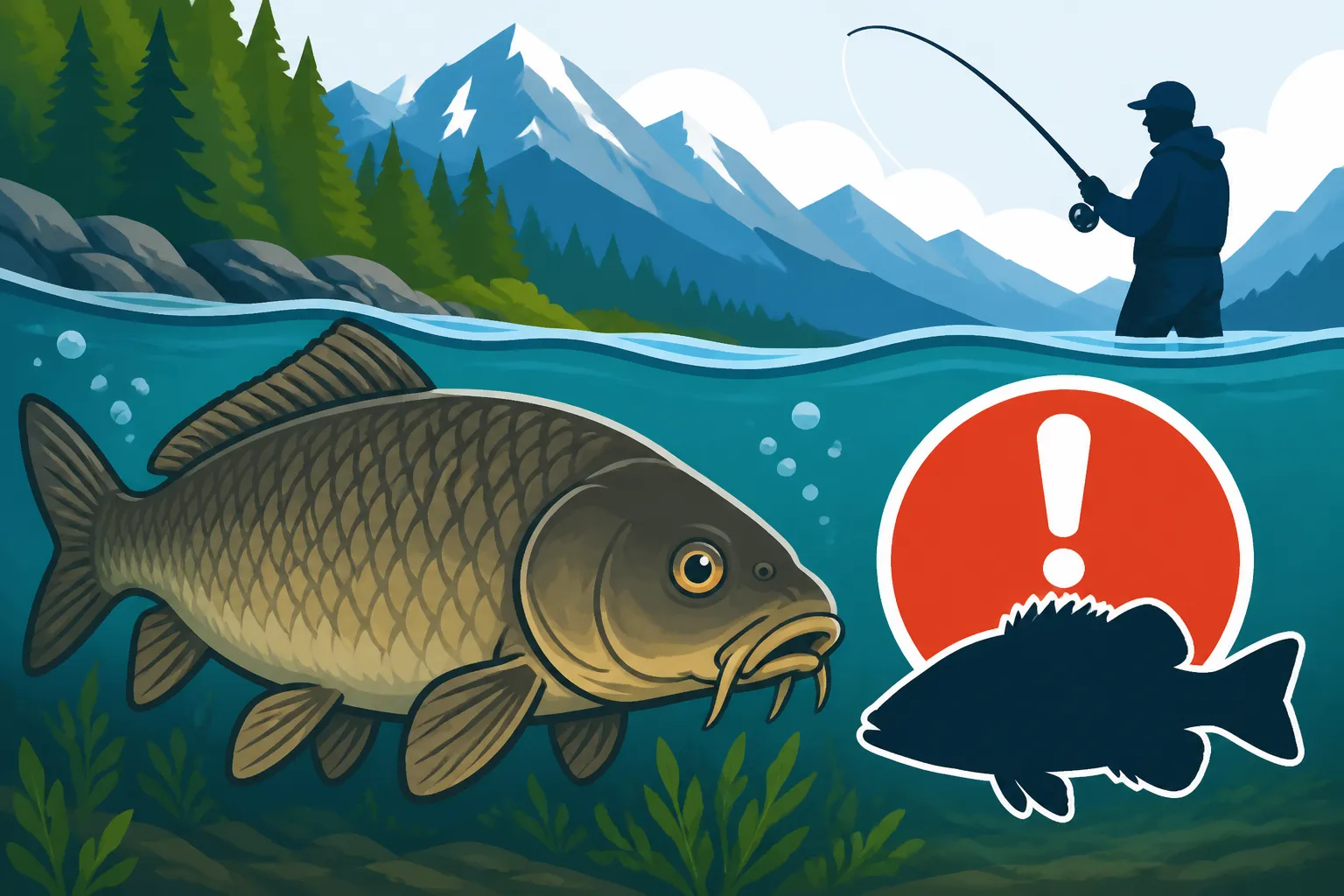
Common carp, often simply called carp, are perhaps one of the most widespread and recognized invasive fish globally, and BC is no exception. While they aren't typically predatory like pike or bass, their feeding habits cause a different kind of ecological disruption. Carp are bottom feeders, and as they root around in the substrate, they stir up sediment. This increases the turbidity of the water, making it murky, and can release nutrients that lead to algal blooms. These changes significantly degrade water quality and can harm aquatic plants, which are crucial habitat for many native species, including important invertebrates.
The impact of carp extends to fish like What Kokanee are and how they differ from Sockeye which rely on clear water and specific habitats. Their presence can smother spawning beds, making it difficult for native fish to successfully reproduce. Carp are also incredibly hardy and can tolerate a wide range of water conditions, allowing them to thrive where more sensitive native species might struggle. They can grow very large and live for a long time, making them a persistent problem once they establish themselves.
The Ecological Impact of Invasive Fish
The introduction of non-native fish species isn't just about adding another type of fish to the water; it's about fundamentally altering the delicate balance of an aquatic ecosystem. These changes can ripple through the entire food web, often with devastating consequences for the native flora and fauna that call BC's waters home.
Competition with Native Species
One of the most immediate and significant impacts of invasive fish is the intense competition they create for resources. Native fish populations have evolved over millennia to utilize specific food sources, spawning habitats, and cover within their environment. When an invasive species arrives, it often targets the same resources, but with an unfair advantage. Many invasive species are highly adaptable, opportunistic feeders, and reproduce at a faster rate than their native counterparts. For instance, smallmouth bass will aggressively outcompete native trout and char for insect larvae and small baitfish, often thriving in areas where native populations are already under pressure.
This competition isn't just about food; it extends to prime spawning grounds. Some invasive species, like common carp, can disrupt the benthic environment, stirring up sediment and degrading the very substrate that native fish need for successful egg deposition. Other invaders might directly prey on the eggs or young of native species, creating a double whammy of competition and predation. The result is a reduced ability for native populations to thrive, leading to declines in numbers and, in some cases, the complete displacement of cherished species. This can be especially disheartening for those who have seen the historical abundance of fish in their local waters.
Habitat Alteration and Water Quality
Beyond direct competition, many invasive fish species fundamentally alter the physical and chemical characteristics of their new habitats. Common carp, as we touched on earlier, are notorious for their bottom-feeding behaviour. By constantly stirring up the lakebed, they increase water turbidity (cloudiness), reducing light penetration that aquatic plants need to grow. This loss of vegetation can remove critical habitat for invertebrates, which are a primary food source for many native fish, and can also eliminate cover for juvenile fish, leaving them more vulnerable to predators. The increased turbidity also impacts the foraging efficiency of sight-feeding native fish.
Furthermore, the disturbance of sediment by carp can release dormant nutrients into the water column, leading to excessive algal blooms. These blooms not only look unsightly but can also deplete oxygen levels in the water when they decompose, creating "dead zones" where fish cannot survive. This degradation of water quality and habitat can stress native fish populations, making them more susceptible to disease and less capable of reproducing successfully. It's a domino effect, where one invasive species can trigger a cascade of negative environmental changes that alter the entire ecosystem.
Disease Transmission
Another insidious threat posed by invasive fish species is their potential to introduce and spread diseases to native fish populations. Just like humans, fish carry various pathogens, parasites, and bacteria. When an invasive species from a different region is introduced into a new water body, it can bring with it pathogens that native fish have no natural immunity against. A disease that might be relatively benign in the invasive species' native range could be devastating to a vulnerable native population.
Consider a scenario where live bait, unknowingly carrying a virus or parasite, is introduced into a new lake. If that bait fish escapes or is released, and it's carrying a pathogen, it could infect the native fish species. Our native fish might not have the antibodies or genetic resistance to fight off this new threat, leading to widespread sickness and mortality. This can be particularly problematic in aquaculture operations or in wild populations already stressed by other environmental factors. The impact of disease transmission is often silent and difficult to detect until it's too late, adding another layer of complexity to the challenge of managing invasive species.
How Invasive Fish Spread in BC Waters
Understanding how invasive fish get into our waters is crucial for preventing future introductions. It’s often not malicious intent but rather a lack of awareness or understanding that leads to these ecological disasters. As anglers, we have a responsibility to know these pathways and actively work to close them.
Illegal Introductions: The Human Factor
Sadly, many of the most damaging invasive fish introductions in British Columbia are a direct result of illegal human activity. This often comes down to people intentionally releasing non-native fish into new waters, believing they are "improving" the fishing or simply discarding unwanted pets. For example, the presence of northern pike in some BC waterways is almost certainly due to illegal introductions by individuals hoping to create a new sport fishery, without considering the profound negative consequences on native trout and salmon. Similarly, some exotic aquarium species find their way into ponds and rivers when owners no longer want them, often with dire results for the local ecosystem.
These acts, while sometimes well-intentioned, are incredibly destructive. They bypass all the ecological assessments and regulatory frameworks designed to protect our natural resources. The reality is that moving fish from one waterbody to another without proper authorization is illegal and carries significant penalties. It’s a stark reminder that every action we take on or near the water has consequences, and protecting our native species requires strict adherence to regulations and a deep respect for the environment. BC Fishing Regulations Explained covers many of the rules around responsible angling.
Bait Bucket Transfers and Live Bait Use
Another incredibly common pathway for invasive species is through the careless use and disposal of live bait. Anglers might use live minnows or other small fish as bait, and then, rather than disposing of any unused bait properly, they might simply dump their bait bucket into the lake or stream before heading home. Even if the bait fish themselves aren't invasive, their introduction into a new ecosystem can bring with it diseases or parasites that can decimate native populations. Furthermore, sometimes these "bait" fish are actually juvenile invasive species that then establish themselves.
This practice is particularly concerning because it can happen anywhere, anytime. A small fish caught in one body of water, used as bait, and then released in another can quickly become an invasive problem. This is why in many areas of BC, the use of live bait fish is strictly regulated or outright prohibited. It’s a small inconvenience for anglers, but it’s a massive protection for our delicate ecosystems. Always check the regulations for the specific waterbody you're fishing in, and never, ever, release live bait into any water that it didn't originate from.
Contaminated Equipment and Boats
The unwitting transportation of invasive species through contaminated fishing gear and boats is a major concern, and it's one area where every angler can make a huge difference. Imagine pulling your boat or kayak out of a lake known to have invasive species like smallmouth bass or Eurasian watermilfoil. If you don't properly clean and dry your equipment before moving to another water body, you could inadvertently transport eggs, larvae, plant fragments, or even adult fish to a new, vulnerable ecosystem. This is a common way that aquatic invasive plants, mussels, and even microscopic organisms spread.
Think about it: tiny fish eggs can stick to anchors, fishing lines, waders, or the bottom of your boat. Plant fragments can cling to propellers or trailers. Even a small amount of water left in a live well or bilge can harbor aquatic invaders. This is why the "Clean, Drain, Dry" mantra is so critical. Investing in a good scrubbing brush and some elbow grease after each trip is far less costly than dealing with a new invasive species outbreak. You can find excellent cleaning supplies and detailed guides on proper boat sanitation on platforms like Amazon, making it easier than ever to be a responsible angler.
What Anglers Can Do to Prevent the Spread
As anglers, we're often the first line of defence in protecting BC's waterways. We're out there on the lakes and rivers, keenly observing the environment. This puts us in a unique position to not only prevent the spread of invasive species but also to report them when we see them. Your actions truly make a difference.
"Clean, Drain, Dry" Your Gear
This isn't just a catchy slogan; it's a critical protocol for preventing the spread of aquatic invasive species, whether they're fish, plants, or microscopic organisms. Every time you move your boat, kayak, waders, fishing tackle, or any other equipment from one body of water to another, you need to thoroughly follow these steps:
- Clean: Inspect all your gear. Remove any visible mud, plants, fish eggs, or other debris. Use a stiff brush, hose, or high-pressure washer to remove anything clinging to your boat hull, trailer, fishing lines, nets, and waders. Pay special attention to crevices, anchor ropes, and propeller shafts. If you've been in waters known for invasive mussels or tiny organisms, a hot water wash is highly recommended.
- Drain: Pull the plug! Ensure all water is drained from your boat (including the bilge, live wells, and bait wells), motor, and any other water-holding devices before leaving the launch site. This includes emptying any water from waders, boots, and buckets. Even a small amount of water can contain invisible larvae or eggs.
- Dry: This is perhaps the most crucial step. Allow all your equipment to thoroughly dry in the sun for at least 48 hours, or even longer in damp conditions. Sunlight and dehydration are natural killers of many invasive species. If you can’t fully dry your gear, you should consider disinfecting it, especially waders and nets, with a diluted bleach solution (following safety guidelines for your equipment) or a specific aquatic disinfectant. Products designed for this, including various brushes and drying racks, are readily available online through retailers like Amazon, making it easier to implement this vital practice.
By making "Clean, Drain, Dry" a routine part of your angling adventures, you're directly contributing to the health of BC's aquatic ecosystems and helping to ensure that native fish populations, such as those discussed in Native trout species found in BC, continue to thrive.
Never Release Live Bait or Aquarium Fish
This point cannot be stressed enough: never release live bait or aquarium fish into any natural waterway. This single act is one of the most common and preventable causes of invasive fish introductions. It might seem harmless to dump out a bucket of minnows at the end of a day, or to release an unwanted goldfish into a local pond, but the consequences can be catastrophic. These released organisms can outcompete native species for food, introduce diseases that native fish have no immunity against, or become predators of native eggs and fry.
Instead of releasing live bait, dispose of it responsibly. Many fishing regulations require bait fish to be purchased from a certified dealer and harvested from specific waters, limiting the risk, but the safest practice is to assume all live bait poses a risk if released. If you have unused live bait, either humanely kill it and dispose of it in the trash, or freeze it for future use as dead bait (where permitted). For aquarium fish, rehome them, return them to the pet store, or humanely euthanize them – but never, ever, set them free in the wild. This simple rule is a cornerstone of responsible angling and directly protects the integrity of our provincial waters.
Proper Disposal of Unwanted Catch
While it might seem counterintuitive, what you do with an invasive fish once you’ve caught it is also incredibly important. If you catch an invasive species, particularly one that is known to be highly destructive like a Northern Pike or Smallmouth Bass, you should generally not release it back into the water. In many cases, regulations specifically state that these species must be killed upon capture and not returned. Always double-check the current BC Freshwater Fishing Regulations Synopsis for the specific rules pertaining to the water body you are fishing, as regulations can vary.
Once harvested, these fish should be disposed of properly. If you plan to keep them for consumption (and they are safe to eat, and within legal limits), fantastic! Many invasive species, like yellow perch and smallmouth bass, are quite tasty. However, if you don't intend to eat them, they should be humanely killed and then disposed of in the garbage, or buried far from the water's edge to prevent scavengers from spreading them. Never discard them back into the water, on the shore where they could re-enter, or transfer them to another water body. This proactive approach helps to reduce existing populations and prevent further spread, ensuring that your efforts contribute positively to conservation. For more details on what to do, consult What to do if you catch an invasive fish species in BC.
Regulations and Reporting for Invasive Species
British Columbia takes the threat of invasive species seriously, and there are specific regulations and reporting protocols in place to help manage and prevent their spread. As responsible anglers, it's vital that we understand these rules and know how to act when we encounter an invasive fish.
Understanding BC's Laws on Invasive Species
British Columbia has various provincial and federal laws designed to prevent the introduction and spread of aquatic invasive species. These regulations cover everything from the transportation of live fish to the proper cleaning of boats and gear. For instance, the Fisheries Act (federal) and the Wildlife Act (provincial) are key pieces of legislation that address these issues. It's generally illegal to introduce any live fish into a body of water without proper authorization, and doing so can result in substantial fines or other penalties. This includes moving fish from one lake to another, even if they are native species, as such transfers can still introduce diseases or genetic issues.
Specific regulations might also dictate methods of fishing (e.g., prohibiting certain types of live bait) or mandate the retention of certain invasive species once caught. It's not uncommon for rules to be updated, especially if a new invasive threat emerges or existing populations need different management strategies. Therefore, before every fishing trip, and certainly at the start of each fishing season, it is absolutely critical to review the latest BC Freshwater Fishing Regulations Synopsis and any relevant Fishery Notices published by the Department of Fisheries and Oceans (DFO) or the provincial government. These documents are your primary source for understanding what's allowed and what's prohibited in the waters you plan to fish, keeping you informed and compliant.
How and When to Report a Sighting
Being an informed angler also means being an active participant in conservation efforts. If you suspect you've encountered an invasive fish species, or any other aquatic invasive species like plants or mussels, reporting your sighting promptly and accurately is incredibly important. Early detection is key to controlling and potentially eradicating new invasions before they become widespread and irreversible.
When you make a report, try to gather as much information as possible:
- Date and Time of Sighting: Pinpointing when you saw it helps with historical data.
- Location: Be as precise as possible. Use GPS coordinates if you have them, or mark it clearly on a map. Note the specific water body (lake, river, creek) and nearest landmarks.
- Species Identification: If you can identify the species, great! If not, take clear photos or videos from multiple angles. Include something for scale, like a ruler or a familiar object (e.g., a fishing lure). Describe its size, colour, distinguishing features, and any unique behaviours observed.
- Number of Individuals: Estimate how many you saw. Was it just one, or a school?
- Your Contact Information: This allows authorities to follow up if they need more details.
In British Columbia, you can typically report invasive species sightings through the provincial government's Report All Poachers and Polluters (RAPP) line or through the BC Invasive Species Council. These channels ensure that your report reaches the right authorities who can investigate and take appropriate action. Remember, you're not just reporting a fish; you're providing critical data that helps protect BC's natural heritage. Don't hesitate to report anything unusual; it's always better to be safe than sorry when it comes to invasive species.
| Invasive Fish Species | Primary Threat | Key Identification Features | Common Locations in BC | Action if Caught (General) |
|---|---|---|---|---|
| Northern Pike | Predation | Long, torpedo-shaped body; duckbill snout; sharp teeth; dark spots on light background. | Columbia River Basin, parts of the Kootenays, and some northern systems. | Must be killed and not released. |
| Smallmouth Bass | Predation, Competition | Bronze to brown body with dark vertical bars; prominent mouth extending to middle of eye. | Okanagan, Kootenays, Vancouver Island, Lower Mainland. | Retention often encouraged; check local regs. |
| Yellow Perch | Competition, Predation | Yellowish body with 6-8 distinct dark vertical bars; two dorsal fins (one spiny, one soft). | Many interior lakes, Lower Mainland. | Retention often encouraged; check local regs. |
| Common Carp | Habitat Alteration | Large, deep-bodied fish; golden-brown scales; two pairs of barbels on upper jaw; large tail fin. | Fraser River system, Okanagan, many warm, shallow lakes. | Retention encouraged; check local regs. |
Disclaimer
This article is for general informational purposes only and does not constitute professional advice. Laws, prices and regulations vary by location and change over time. Consult a qualified professional for guidance on your specific situation.