Bull Trout vs Dolly Varden Identification
It's an age-old question that has stumped even seasoned anglers across British Columbia: "Is this a bull trout or a Dolly Varden?" The truth is, these two incredible fish look so similar, share so much habitat, and have such a complex history that telling them apart in the heat of the moment can feel nearly impossible. This comprehensive guide is here to untangle that confusion, providing clear distinctions and actionable tips to help you confidently identify whether you've landed a true bull trout or a Dolly Varden.
Why Anglers Often Confuse Bull Trout and Dolly Varden
The confusion between bull trout and Dolly Varden isn't just a casual angler's oversight; it stems from a deep, intertwined biological history and overlapping habitats that have confounded even scientists for decades. For generations, many populations were simply lumped together under the "Dolly Varden" name, making accurate identification challenging even after reclassification.
Taxonomic History and Reclassification
For a long time, across much of North America, what we now know as bull trout and Dolly Varden were scientifically considered the same species, Salvelinus malma. Imagine trying to fish a river in the Cariboo region decades ago, catching a beautiful char, and everyone just calling it a "Dolly" regardless of its subtle features. It wasn't until further research into genetics and distinct morphological differences became more widespread that scientists formally recognized two distinct species: the bull trout (Salvelinus confluentus) and the Dolly Varden (Salvelinus malma). This reclassification was a huge step forward for conservation, but it left a legacy of common language and ingrained habits among anglers that persists to this day. It's like finding out your distant cousin, whom you've always known, is actually a distinct branch of the family tree entirely.
This scientific shift meant that suddenly, anglers had to re-learn what they thought they knew. A fish that was once generically a "Dolly" might now be a bull trout, and vice versa, depending on where it was caught and its specific characteristics. This ongoing process of education and adaptation is why understanding the nuances is so critical, especially for newer anglers. It's not just about naming the fish, but understanding its unique biology and ecological role.
Geographic Overlap and Hybridization
One of the biggest culprits for mistaken identity is the sheer overlap in their historical and current geographic ranges, particularly within British Columbia. While Dolly Varden generally inhabit coastal areas and tend to be smaller, more streamlined fish, and bull trout typically prefer larger, colder interior rivers and lakes, there are significant zones where their territories meet and even cross. For instance, in some parts of northern BC, you might find both species in relatively close proximity, or even in the same watershed. This spatial overlap makes a quick glance at a fish often insufficient for positive identification.
To add another layer of complexity, there are instances where these two species can hybridize, particularly in areas where their ranges converge. While less common, these hybrids can exhibit a blend of characteristics from both parents, making a definitive identification even harder. It's a bit like trying to identify a dog breed when it's a mix of two very similar-looking breeds. You see traits from both, making it tough to say definitively one way or the other. Therefore, when you're out on the water, you can't always rely on a simple "this region has only Dolly Varden" or "this region only has bull trout" rule, though geographical location is certainly a strong indicator.
Key Physical Characteristics of Bull Trout
When you're trying to tell these magnificent char apart, the physical characteristics are your primary clues. Bull trout, generally speaking, tend to be larger, more robust fish with a distinctive look that, once you learn it, becomes easier to spot.
Coloration and Spotting Patterns
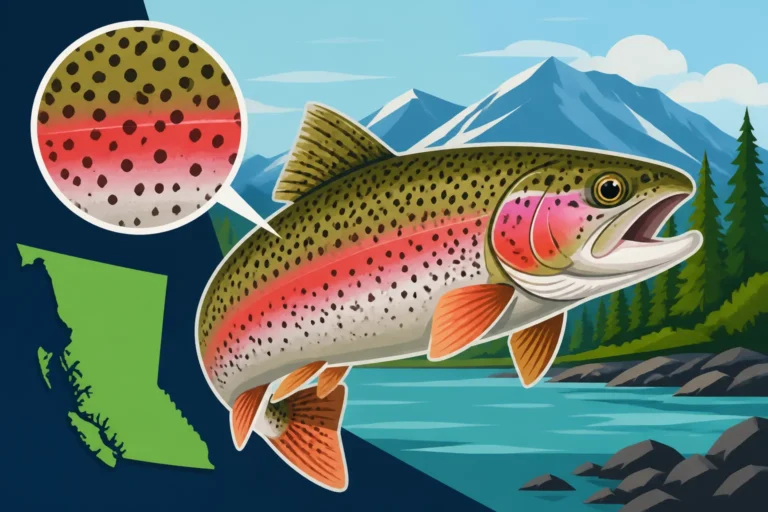
Bull trout typically exhibit a beautiful, olive-green to bluish-grey body colour, often darker on the back and fading to white or cream on the belly. But the real giveaway is their spots. Unlike the vibrant spots of a rainbow trout or the darker markings on a coho salmon, bull trout have distinct pale, often yellow, orange, or reddish spots scattered across their flanks. Crucially, these spots are smaller than the pupil of the fish's eye. This is a critical diagnostic feature. They also lack the dark, worm-like markings (vermiculations) that you might see on brook trout.
Imagine you're fishing a cold, clear stream in the Kootenays, and you pull in a fish with these subtle, pale spots against a dark background. That's your first major hint. The intensity and hue of these spots can vary based on the specific watershed, diet, and spawning condition, but their relative size to the eye is a consistent marker. Sometimes, especially during spawning season, the lower flanks and fins of a bull trout can take on stunning orange or reddish hues, making them incredibly beautiful but also potentially adding to the identification challenge if you're not focusing on the spots.
Head Shape and Jaw Structure
The name "bull trout" isn't just for show; it's a nod to their distinctive, large, and somewhat flattened head. Their snout is broad, and their mouth is notably large, extending back beyond the posterior margin of the eye. This gives them a very predatory appearance, perfectly suited for their role as apex predators in many of their habitats. You'll notice a robust, almost intimidating jaw.
When you examine the jaw, pay close attention to the teeth. Bull trout have strong, sharp teeth on both the upper and lower jaws, and perhaps most notably, they possess an extra row of teeth on the roof of their mouth (vomerine teeth) which can feel like sandpaper if you gently run your finger there (with extreme caution, of course!). This large, powerful mouth and jaw structure is a clear adaptation for hunting and consuming other fish, crustaceans, and large insects. Comparing this substantial head and jaw to the more delicate profile of a Dolly Varden is one of the most reliable methods of distinction.
Fin Markings and Body Proportions
Another key identifier for bull trout lies in their fins. Their dorsal fin (the one on their back) and caudal fin (tail fin) are typically unmarked or have very subtle spots, generally blending with the body coloration. However, the lower fins – the pectoral, pelvic, and anal fins – often have a distinct white or cream leading edge, followed by a darker band. This "white trim" is a classic char characteristic and is very pronounced in many bull trout.
In terms of overall body proportions, bull trout tend to be more torpedo-shaped and streamlined than Dolly Varden, especially the larger, anadromous (sea-run) individuals. They can grow to impressive sizes, particularly in large lake systems and rivers, with some specimens reaching well over 20 pounds. When you hold a bull trout, you'll feel its solid, muscular build, designed for powerful bursts of speed to ambush prey. Their body tapers gracefully towards the tail, giving them an efficient swimming profile.
Key Physical Characteristics of Dolly Varden
Now let's turn our attention to the Dolly Varden. While they share the char family traits with bull trout, they have their own unique set of features that help differentiate them, particularly their more subtle head shape and the nature of their spots.
Coloration and Spotting Patterns
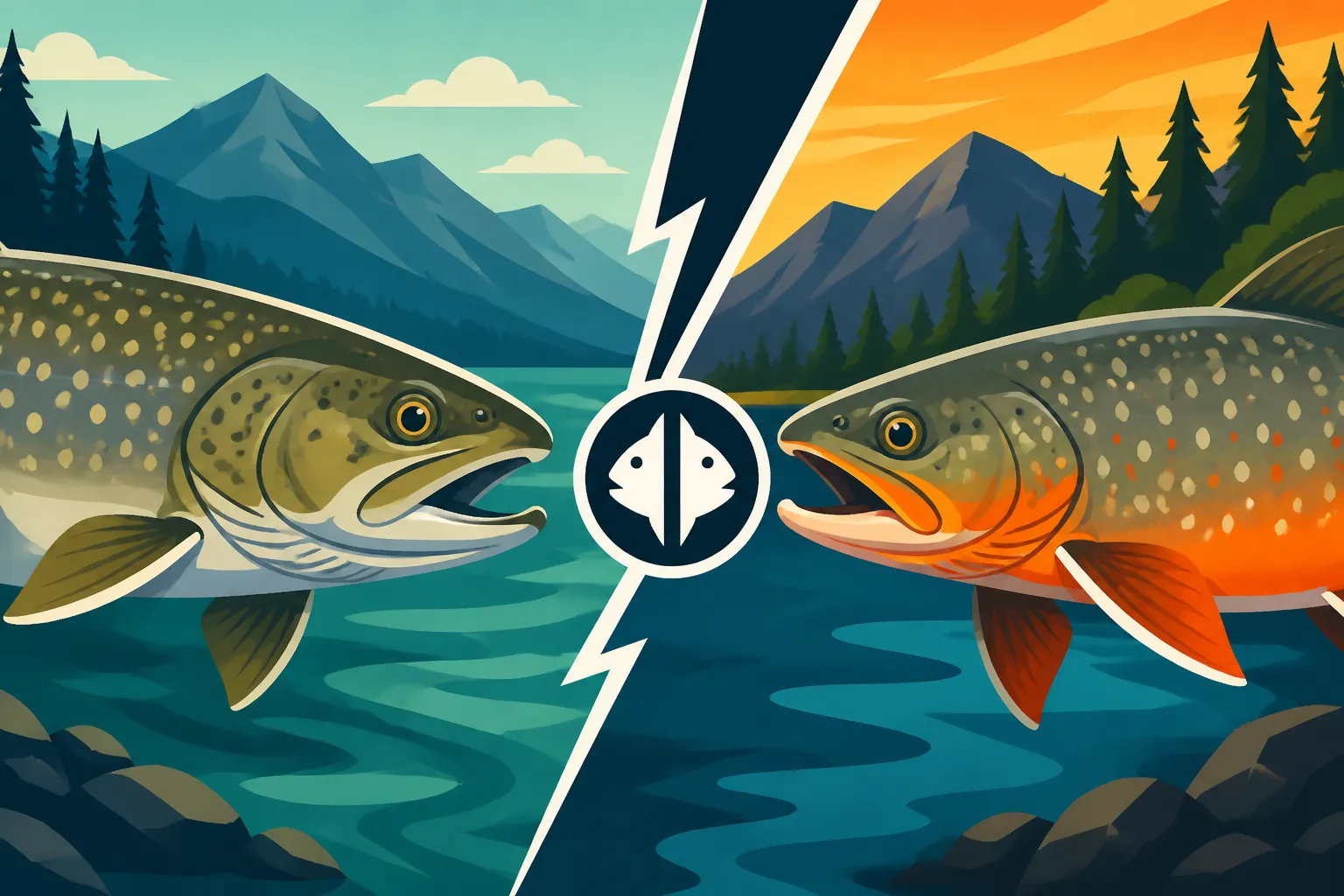
Dolly Varden, like bull trout, typically have an olive to dark green or brownish-grey back, fading to a lighter belly. However, their spots tend to be quite different. Dolly Varden usually have smaller, more numerous, and often brightly coloured spots – typically red, orange, or sometimes yellow – that are generally larger than the pupil of the eye. This size difference in spots relative to the pupil is often the most straightforward visual cue between the two species. Think of a Dolly Varden as having more of a "polka dot" pattern compared to the bull trout's more scattered, subtle markings.
The intensity of these spots can also vary. Coastal Dolly Varden often display very vibrant spots, especially when they are fresh from saltwater. During spawning, their colours can become incredibly rich, with their bellies and lower fins turning brilliant orange or red. It's a sight to behold. A good field guide, perhaps one you ordered from Amazon for quick reference on your phone, can be invaluable here. Always remember to consider the size of the spot against the pupil as your primary guide when looking at colour.
Head Shape and Jaw Structure
In contrast to the "bullish" head of the bull trout, Dolly Varden generally possess a more slender, pointed head and a less exaggerated jaw. While still predatory, their mouth doesn't extend as far back past the eye, and their overall head profile is more proportionate to their body size, lacking the blunt, broad appearance of their cousin. If you were to look at them side-by-side, the Dolly Varden's head would appear much more delicate.
Their teeth, while present and sharp, are not quite as robust or prominent as those of a bull trout. The vomerine teeth on the roof of their mouth are also less developed or absent in some Dolly Varden populations, though this can be harder to discern without a close examination. The overall impression is one of a sleek, efficient hunter, but not with the same raw power suggested by the bull trout's formidable jaw. This difference in head and jaw structure is often the second most reliable visual cue after spot size, especially when you're trying to confirm an identification on the water.
Fin Markings and Body Proportions
Similar to bull trout, Dolly Varden also exhibit the classic char characteristic of white leading edges on their pectoral, pelvic, and anal fins. However, the intensity and width of this white band can sometimes be less pronounced than on a bull trout, or it might be bordered by a less distinct dark band. Their dorsal and caudal fins are usually spot-free, much like a bull trout.
In terms of body shape, Dolly Varden are typically smaller and often have a more compressed body compared to the more cylindrical bull trout. While some large sea-run Dolly Varden can reach respectable sizes, they generally don't attain the sheer mass or length of trophy bull trout. Many interior populations of Dolly Varden are quite small, often only reaching 8-12 inches. They tend to be a bit deeper-bodied for their length, especially the stream-resident forms. This more compact, often smaller build, coupled with their distinct spotting, creates a visual profile that, with practice, helps differentiate them from the larger, more robust bull trout. Don't forget, Trout Species Identification Guide for BC can offer even more visual aids.
Habitat and Range Differences
While there's overlap, understanding the typical habitats and geographical ranges of bull trout and Dolly Varden in British Columbia can significantly narrow down your identification challenge. Knowing where you are fishing is often the first step in guessing what you might catch.
Northern vs. Southern BC Distribution
Generally speaking, Dolly Varden are primarily found in coastal drainages of British Columbia, extending northward along the coast and into Alaska. You'll encounter them in streams, rivers, and lakes that eventually flow into the Pacific Ocean, from Vancouver Island all the way up to the Alaskan border. They thrive in the colder, often rain-fed coastal systems. If you're fishing a small coastal stream on Vancouver Island or the Haida Gwaii archipelago, it's highly likely you're encountering Dolly Varden.
Bull trout, on the other hand, are predominantly found in the interior drainages of British Columbia, particularly in the Fraser, Columbia, Peace, and Liard River systems. They are a species of vast, cold, glacial-fed rivers and deep, pristine lakes. While they do extend into some coastal rivers that connect to interior drainages, their stronghold is definitely the interior. For example, if you're exploring the remote lakes of the Cariboo region or the powerful rivers of the Kootenays, Bull Trout in BC's Interior Rivers are your most probable catch. This geographical separation, while not absolute, provides a very strong initial indicator for identification.
Freshwater vs. Anadromous Lifestyles
Both bull trout and Dolly Varden can exhibit two primary life history patterns: resident (remaining in freshwater their entire lives) or anadromous (migrating to the ocean for a period of growth and returning to freshwater to spawn). However, the prevalence and characteristics of these migrations differ.
Dolly Varden are particularly well-known for their anadromous runs in coastal rivers. These sea-run Dolly Varden can grow considerably larger than their resident counterparts, gaining significant weight and strength from the abundant food sources in the ocean before returning to spawn in freshwater. When they return, they often retain a silvery sheen, which makes their spots less obvious until they've been in fresh water for a while.
Bull trout also have anadromous populations, primarily in the Chehalis, Lillooet, and Squamish River systems, which eventually drain into the Pacific. However, many of the largest and most famous bull trout populations in BC are purely resident, living their entire lives within expansive lake systems like Kootenay Lake or major river systems like the Fraser. These resident bull trout often undertake significant migrations within freshwater, moving between large lakes and their tributary spawning streams. When you're fishing, understanding the water body – whether it's a coastal stream or a large interior lake – offers critical context for which species you're more likely to encounter. This is also why knowing BC Fishing Regulations Explained is so important, as regulations can vary based on species and location.
Behavioral Distinctions and Ecological Roles
Beyond looks and location, these two char species also exhibit some fascinating differences in their behaviour, feeding habits, and their overall role in the aquatic ecosystem. Understanding these can add another layer to your identification confidence.
Dietary Preferences and Feeding Habits
Both bull trout and Dolly Varden are formidable predators, primarily feeding on other fish. However, there are subtle differences in their dietary focus, often driven by their size and habitat.
Bull trout, especially the larger individuals, are obligate piscivores, meaning fish make up a huge portion of their diet. They are highly aggressive and opportunistic predators, preying on whatever fish species are available, from smaller trout and kokanee to whitefish and juvenile salmon. Their large mouth and robust build are perfectly adapted for ambushing and consuming substantial prey. They often position themselves in prime ambush points in rivers, behind large rocks or in deep pools, waiting for unsuspecting fish to swim by. In lakes, they'll patrol drop-offs and structure, keying in on schools of baitfish. Knowing what to target them with often means using larger, fish-imitating lures or flies.
Dolly Varden, while also predatory, tend to have a slightly broader diet, particularly the smaller, resident forms. While they certainly eat fish, they also consume a significant amount of aquatic insects, crustaceans, and even salmon eggs, especially during salmon spawning runs. Sea-run Dolly Varden will gorge on herring, sandlance, and other small fish in the ocean. Because of their generally smaller size, their prey fish are often smaller too. This difference in primary diet can sometimes influence the types of fishing techniques or baits that are most effective for each species, which you might research on Amazon before heading out.
Spawning Differences and Timing
Both species are fall spawners, but their exact timing and preferred spawning habitats can show distinctions. Bull trout are generally later spawners than Dolly Varden, often moving into their spawning grounds from late summer through early winter, depending on the specific region and water temperatures. They require very specific conditions: cold, clean, highly oxygenated water, typically in the headwater streams of large river systems, often associated with groundwater upwellings. These areas are crucial for their eggs to develop properly.
Dolly Varden also spawn in the fall, usually a bit earlier than bull trout in many systems, starting in late August and continuing through October. They also seek clean, cold water, but their spawning habitats can be a bit more varied, sometimes utilizing smaller coastal streams or lake shoals more readily. The specific timing and location of spawning are vital for their respective survival, and disturbance during these periods can have significant impacts. This is why knowing BC Bag and Possession Limits by Species and local regulations is so important, especially around spawning periods.
Temperament and Aggression
Anglers often report a difference in temperament between the two species. Bull trout are renowned for their aggressive takes and powerful fights. When a bull trout hits your lure or fly, it's often with a jarring strike, and they put up a tremendous battle, using their strong, muscular bodies to their advantage. They are not shy predators. You might feel a strong tug and then a relentless pull as the fish tries to strip line off your reel. This aggressive nature makes them a highly sought-after sport fish.
Dolly Varden, while still spirited fighters, are sometimes perceived as a bit less overtly aggressive, especially the smaller, resident forms. They might hit a lure with a less violent strike, though sea-run Dolly Varden can be very strong and put up an excellent fight, particularly on lighter tackle. Their fights are characterized by strong runs and aerial acrobatics. However, generally speaking, if you encounter an exceptionally aggressive, hard-hitting char that pulls like a freight train, especially in a large interior system, your odds of it being a bull trout increase. It's a subtle distinction, but one that experienced anglers often pick up on.
Conservation Status and Regulations
The ability to correctly identify a bull trout from a Dolly Varden isn't just a matter of bragging rights or curiosity; it's often a critical aspect of responsible angling, especially given the different conservation statuses and regulations that may apply to each species in British Columbia.
Importance of Correct Identification for Anglers
In many parts of BC, bull trout populations have faced significant pressure from habitat degradation, historical overfishing, and competition from introduced species. As a result, bull trout are often subject to stricter conservation measures, including specific catch-and-release only regulations in certain waters, very low bag limits, or even seasonal closures. Misidentifying a bull trout as a Dolly Varden and mistakenly retaining it could lead to penalties, but more importantly, it could harm a vulnerable population.
For instance, you might be fishing a system where BC Catch and Release Only Waters apply to bull trout, while Dolly Varden might have a small retention limit. If you can't tell the difference, you risk breaking the law and impacting conservation efforts. Therefore, learning these identification cues thoroughly, perhaps even carrying a laminated identification card or an app on your phone, is not just helpful but essential for ethical fishing. It demonstrates a respect for the resource and a commitment to its long-term health. Don't forget that Native trout species found in BC are all part of a delicate balance.
Specific Regulations by Species in BC
British Columbia's fishing regulations are incredibly detailed and often specific to species, regions, and even individual water bodies. For both bull trout and Dolly Varden, these regulations can vary significantly depending on where you are fishing.
For example, in some watersheds, bull trout might be designated "catch and release only," meaning any bull trout caught must be immediately and carefully released back into the water. This is common in areas where populations are struggling or are particularly sensitive. Dolly Varden, while also cherished, might have a small daily quota in other regions, allowing anglers to retain one or two fish. These regulations are subject to change and are updated annually, so it's absolutely crucial to consult the current BC Fishing Regulations Explained synopsis before each fishing trip. This document, available online and from license vendors, will be your definitive guide. It's not uncommon for different sections of the same river system to have varying rules for the same species, so "know before you go" is the golden rule. Understanding the differences between these two species is the first step in adhering to these vital conservation measures and protecting our cherished fish populations.
Comparison Table: Bull Trout vs. Dolly Varden
To help you visualize the key differences, here's a quick comparison table summarizing the main identification points. Keep in mind that individual fish can vary, and these are general guidelines.
| Feature | Bull Trout (Salvelinus confluentus) | Dolly Varden (Salvelinus malma) |
|---|---|---|
| Spot Size | Usually smaller than the pupil of the eye. Pale (yellow, orange, red). | Usually larger than the pupil of the eye. Often brighter (red, orange, yellow). |
| Head Shape | Large, broad, blunt head; "bull-like" appearance. | More slender, pointed head; less exaggerated jaw. |
| Jaw Length | Extends well beyond the posterior margin of the eye. | Less extended, typically to or slightly beyond the posterior margin of the eye. |
| Body Shape | More torpedo-shaped, robust, cylindrical, especially larger individuals. | Generally more compressed, often smaller in size. |
| Fin Edges | Distinct white or cream leading edges on pectoral, pelvic, anal fins, often bordered by a dark band. | White leading edges on lower fins, but often less pronounced or distinct. |
| Vomerine Teeth | Well-developed, often feels like sandpaper. | Less developed or absent in some populations. |
| Typical Habitat | Primarily interior rivers and large, cold lakes; often large lake migrations. | Primarily coastal streams, rivers, and lakes; prominent sea-run populations. |
| Aggression | Highly aggressive, powerful strikes and fights. | Spirited fighters, but often less overtly aggressive than bull trout. |
| Conservation | Often under stricter regulations (e.g., catch & release only in many areas). | Regulations vary; some areas allow limited retention. |
Remember, while this table highlights the common differences, nature can sometimes throw a curveball. Always consider multiple features when making your identification.
Distinguishing between bull trout and Dolly Varden is a skill that comes with practice, careful observation, and a good understanding of their unique characteristics and habitats. It's a rewarding challenge that deepens your connection to British Columbia's incredible freshwater ecosystems. By focusing on spot size relative to the eye, head shape, and knowing your fishing location, you'll be well on your way to confidently identifying these two magnificent char species. So next time you're on the water, take a moment to truly examine your catch – you'll not only satisfy your curiosity but also become a more responsible and knowledgeable angler.
Disclaimer
This article is for general informational purposes only and does not constitute professional advice. Laws, prices and regulations vary by location and change over time. Consult a qualified professional for guidance on your specific situation.