Sockeye Salmon Life Cycle in the Fraser System
The journey of Sockeye salmon within the Fraser River system is nothing short of epic, a testament to nature's incredible resilience and the profound instinct for survival. For many, the sheer scale and complexity of this life cycle can feel daunting to grasp, leaving anglers and wildlife enthusiasts alike with more questions than answers about these vibrant red fish. This guide aims to pull back the curtain on their remarkable odyssey, providing a detailed, stage-by-stage exploration of how Sockeye are born, navigate the vast Pacific, and ultimately return to their natal streams in British Columbia, completing a cycle that sustains both ecosystems and communities.
The Freshwater Nursery: From Egg to Fry in the Fraser System
Every Sockeye salmon's incredible journey begins nestled within the gravel beds of a freshwater stream or lake, deep within the vast Fraser River watershed. This initial phase, often overlooked in the drama of their ocean migration, is foundational to their survival, shaping the very start of their challenging lives. It’s a quiet beginning, but one that is absolutely critical.
Spawning and Egg Deposition
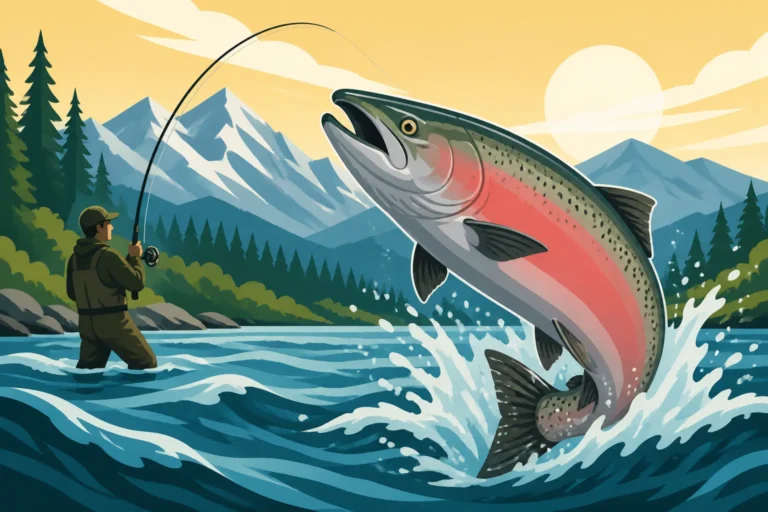
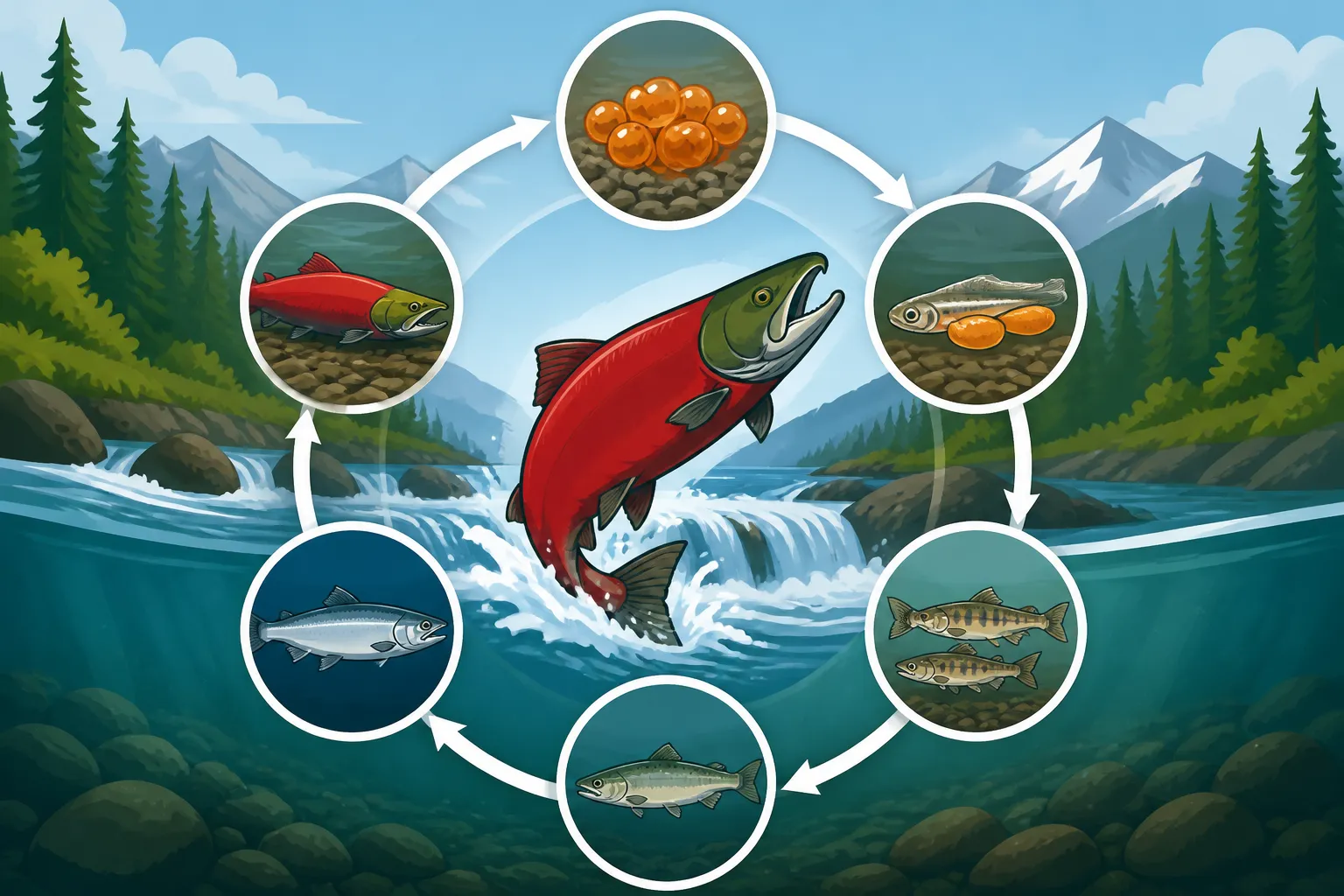
The cycle truly kicks off with the arrival of adult Sockeye salmon at their natal spawning grounds, often thousands of kilometers upstream in tributaries of the Fraser or the lakes connected to them. Imagine the sheer determination required to swim against relentless currents for weeks, driven solely by an ancient genetic imperative. These fish, now a brilliant crimson red with olive-green heads, are completely transformed from their silvery ocean phase. The females, heavy with eggs, seek out suitable gravel beds, typically in clear, oxygenated water with moderate current. Using their tails, they meticulously dig depressions in the gravel, known as redds. Once a redd is prepared, the female deposits her eggs, often several thousand of them, which are immediately fertilized by one or more males. This process is repeated several times over a period of days, with the female covering each batch of eggs with gravel to protect them from predators and the elements. This painstaking effort is a beautiful, albeit brief, final act of their lives.
Incubation and Alevin Development
Once fertilized and buried, the eggs begin their incubation period. This phase is incredibly vulnerable, as the eggs are entirely dependent on stable environmental conditions. Water temperature is the primary driver of development; colder water means a longer incubation period, while warmer water accelerates it. Typically, this process can take several weeks to many months, often through the cold winter months beneath a protective blanket of snow and ice. During this time, the tiny embryo inside each egg develops, slowly forming into what is known as an alevin. Alevins are small, sac-like fish with a prominent yolk sac attached to their underside. This yolk sac is their sole source of nourishment during this crucial, immobile stage. They remain hidden within the gravel, absorbing the yolk and growing, until they are strong enough to venture out. Think of it as their cozy, subterranean nursery, a truly hidden world.
Fry Emergence and Lake Rearing
As the alevins continue to develop and absorb their yolk sacs, they transform into what are called fry. These tiny fish, now free-swimming, push their way up from the protective gravel bed and emerge into the open water. This emergence typically happens in late spring, coinciding with increasing water temperatures and the abundance of insect life. For Sockeye, unlike some other salmon species, the freshwater lake environment is incredibly important at this stage. Most Sockeye fry will migrate into a lake system, such as Chilko Lake or Stuart Lake, connected to the Fraser River. Here, they will spend one to three years, sometimes even four, feeding on zooplankton and growing rapidly. These lakes act as vital nursery grounds, providing abundant food and relatively safe havens from predators. It's during this lake-rearing phase that the young Sockeye develop their strength and instincts for survival. Observing the vibrant life in these lakes, you can truly appreciate the critical role they play in the overall Sockeye population. Learning more about their freshwater habitats can be found in a Fraser River Fishing Guide.
The Journey to the Ocean: Smolt Migration and Estuary Adaptation
After years of growing and developing in the freshwater nurseries of the Fraser system, the young Sockeye are finally ready for the most dramatic transformation of their lives: the journey to the vast, open ocean. This transition is not merely a change of scenery; it involves a profound physiological shift that prepares them for a completely different environment.
Smoltification: The Physiological Transformation
The process of adapting from freshwater to saltwater is called smoltification, and it's a truly amazing biological feat. As the Sockeye fry grow into parr and then prepare to migrate, their bodies undergo a series of complex changes. Their kidneys, gills, and osmoregulation systems — the mechanisms that control the balance of salt and water in their bodies — all adapt to handle the high salinity of the ocean. Externally, their markings change too. The parr marks (vertical bars that help them camouflage in freshwater) fade, and their scales develop a distinctive silvery sheen, making them more streamlined and camouflaged for life in the open ocean. This silvery appearance is characteristic of a 'smolt.' It’s a race against time, as they must complete this transformation before hitting the full salinity of the ocean, or they simply won't survive. Many anglers often marvel at this change, noting how different a smolt looks compared to a fry or parr.
Downstream Migration through the Fraser River
Once smoltification is complete, usually in late spring or early summer, millions of Sockeye smolts begin their epic journey downstream. They form large schools and drift or swim with the current, making their way from their natal lakes and tributaries, through the hundreds of kilometers of the powerful Fraser River, and eventually towards the Pacific Ocean. This migration is fraught with danger. They must evade numerous predators, including birds of prey like eagles and ospreys, larger fish, and even seals as they near the estuary. The river itself presents challenges, with changing flows, potential obstacles, and the sheer energy demand of constant movement. It’s a rapid, high-stakes journey, often under the cover of darkness to minimize predation. Imagine being a tiny fish, navigating such a massive river for the first time; it truly puts their resilience into perspective. If you're interested in understanding the broader picture, the Sockeye Salmon Migration Patterns in BC article provides deeper insights into these movements.
Estuary Acclimatization and Early Ocean Life
As the Sockeye smolts reach the mighty Fraser River estuary – the transitional zone where freshwater meets saltwater – they pause. This is a crucial period of acclimatization. Here, the water gradually transitions from fresh to brackish to full marine salinity, allowing their bodies to fine-tune their osmoregulatory systems. This transition zone is rich in food, providing a final opportunity to feed and build strength before venturing into the vastness of the Pacific. Once fully adapted, they move out of the estuary and into the coastal waters of British Columbia, beginning their early ocean life. For the first few months, they remain closer to shore, feeding on smaller crustaceans and growing rapidly. This stage marks their true independence from their freshwater origins, as they now fully embrace the marine environment that will be their home for the next few years. Finding the right gear for coastal fishing can sometimes be tricky, but you can often find good deals on essentials like specialized lures or waterproof bags on platforms like Amazon.
The Ocean Odyssey: Growth, Maturation, and Survival at Sea
The Pacific Ocean is an immense and challenging environment, but for the Sockeye salmon, it becomes their hunting ground and temporary home for the next several years. This is where they put on the bulk that will fuel their arduous return journey, facing incredible odds to survive and mature.
Foraging and Growth in the North Pacific
Once the Sockeye leave the coastal waters, they embark on an extensive migration into the vast feeding grounds of the North Pacific Ocean, often traveling thousands of kilometers north to the Gulf of Alaska and the Bering Sea. Here, they are pelagic, meaning they live in the open ocean, far from shore. Their diet primarily consists of zooplankton, such as copepods and euphausiids (krill), which they filter from the water. This diet, rich in carotenoids from the plankton, is what gives Sockeye salmon their distinctive deep red flesh, a trait highly prized by consumers and a key identifier. During their two to four years at sea, they grow from small, finger-sized smolts into robust, powerful adults, gaining significant weight and muscle mass. This growth is essential, as they will need these stored energy reserves to fuel their non-feeding, upstream migration back to their spawning grounds.
Predators, Challenges, and Survival Instincts
Life in the open ocean is far from easy. Sockeye salmon face a gauntlet of natural predators throughout their marine phase. Marine mammals such as seals, sea lions, porpoises, and even Orcas prey on them. Larger fish, like halibut, cod, and other salmon species, also present a threat. Furthermore, they must contend with varying ocean conditions, including fluctuations in water temperature, changes in food availability, and powerful storms. Only a fraction of the smolts that leave the Fraser River will survive to return as adults. Their survival depends on a combination of strong instincts, schooling behavior for protection, and sheer luck. This incredible gauntlet highlights the fierce struggle for existence in the wild, and when you see a mature Sockeye, you're looking at a true survivor. Understanding the various challenges they face also helps appreciate why conservation efforts are so critical for species like the Sockeye, which you can learn more about in BC Salmon Conservation Stamp Rules.
Maturation and the Call to Return
As their time at sea draws to a close, typically after two to four years, a remarkable internal clock begins to tick. The Sockeye salmon reach sexual maturity, and an undeniable urge to return to their freshwater birthplace begins to dominate their instincts. This internal drive, likely triggered by a combination of hormonal changes and environmental cues like day length and water temperature, signals the end of their oceanic feeding period. They cease feeding, relying entirely on the fat and protein reserves accumulated during their years at sea. Their bodies start to undergo further subtle physiological changes in preparation for the freshwater transition, reversing some of the adaptations they made during smoltification. The call to return is so powerful that it overrides all other impulses, setting them on a course for one of the most incredible migrations on the planet.
The Homeward Bound Migration: The Epic Return to the Fraser
With their bodies now fully matured and their internal compass set, Sockeye salmon begin their momentous journey back to the Fraser River and its tributaries. This return migration is an epic tale of endurance, navigation, and sheer will, often against formidable odds.
Navigating Back to Freshwater
The ability of Sockeye salmon to navigate back to their precise natal stream, sometimes thousands of kilometers from where they've been feeding in the ocean, is one of nature's greatest mysteries. Scientists believe they use a complex combination of cues, including the Earth's magnetic field, the sun's position, chemical "smells" in the water, and even celestial navigation, to find their way. As they approach the coast of British Columbia, they begin to key in on the unique chemical signature of the Fraser River plume, a vast expanse of freshwater extending into the ocean. This chemical trail acts like a breadcrumb path, guiding them closer and closer to the river mouth. This pinpoint navigation is essential; reaching the wrong river or stream would mean a wasted journey and no successful spawning. It’s a journey that leaves even seasoned mariners in awe of their capabilities.
The Gauntlet of the Fraser River
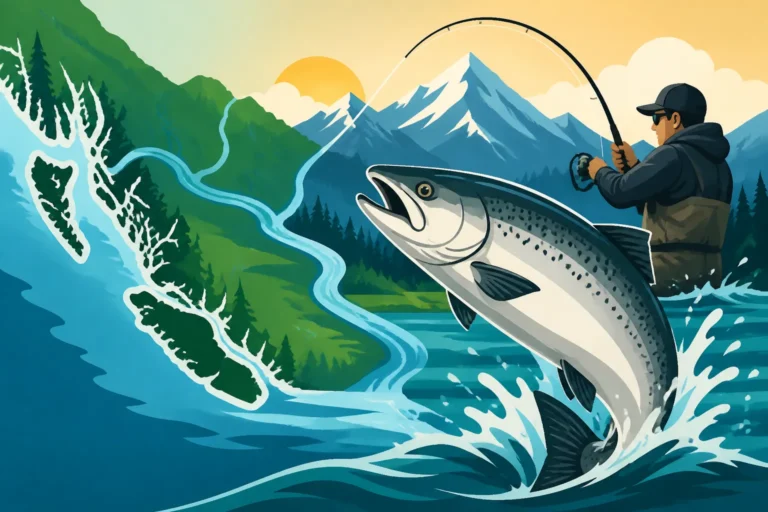
Entering the Fraser River, the Sockeye salmon face a final, immense challenge. They must swim upstream against powerful currents, often for hundreds or even over a thousand kilometers, depending on their specific spawning destination. The Fraser is a mighty river, and its flows can be strong and relentless. Along the way, they must contend with natural obstacles like rapids and falls, as well as the ever-present threat of predation from bears, eagles, and other wildlife that gather to feast on the migrating salmon. For humans, this is also a time of intense fishing activity, both commercial and recreational, which adds another layer of challenge for the returning fish. Regulations regarding fishing pressure are meticulously managed and explained in articles like BC Fishing Regulations Explained and BC Bag and Possession Limits by Species. It's a true gauntlet, and only the strongest and most fortunate will make it through.
Energy Demands and Physiological Changes
Throughout their entire freshwater migration, Sockeye salmon do not feed. They rely solely on the energy reserves they accumulated during their years in the ocean. This means their journey is a constant drain on their finite resources. As they push further upstream, their bodies undergo dramatic physiological and morphological changes. Their once silvery scales become a vibrant crimson red, and their heads turn a deep olive green. Males develop a pronounced hump on their back and a hooked jaw (kype), which they use in aggressive displays during spawning. These transformations, while visually stunning, are also signs of their declining physical condition as their energy stores deplete. They are literally sacrificing their bodies to complete the cycle, transforming into their spawning attire, which you can often see in documentaries or books readily available on Amazon. The energy expenditure is immense, and it’s a race against their own biological clock to reach their destination.
Spawning Grounds and the Cycle's End: The Ultimate Sacrifice
The culmination of the Sockeye salmon's incredible life journey is their arrival at the spawning grounds, the very same streams and lakes where they were born. This is where the future of the species is secured, through a final, profound act of reproduction and sacrifice.
Locating Natal Streams and Final Preparations
After navigating thousands of kilometers of ocean and hundreds of kilometers of river, the Sockeye salmon rely on an even more refined sense of smell to locate their exact natal stream or lake. This homing instinct is incredibly precise, guiding them to the specific patch of gravel where their own life began. Upon arrival, the males engage in aggressive territorial displays, vying for the attention of females. They will chase off rivals, using their newly developed kypes and humps to assert dominance. The females, meanwhile, begin their meticulous search for the perfect redd site—a shallow, gravelly area with good water flow and oxygenation. The air above the spawning grounds often fills with the distinct musky scent of salmon, a powerful indicator of their presence and the intensity of their final days. This incredible fidelity to their birthplace is a cornerstone of their survival, ensuring the genetic integrity of different Sockeye populations within the vast Fraser system. If you're wondering about specific timing, the article When sockeye salmon spawn in the Fraser system offers valuable seasonal insights.
Spawning Rituals and Nutrient Cycling
The spawning ritual itself is a beautiful, if frantic, dance. The female digs her redd, the male fertilizes the eggs, and she covers them with gravel. This process is repeated multiple times over several days until all her eggs are deposited. Once spawning is complete, the adult Sockeye salmon, utterly exhausted and having expended all their energy reserves, begin to die. Their bodies rapidly decompose, releasing vital marine-derived nutrients into the freshwater ecosystem. This nutrient cycling is incredibly important, fertilizing the stream beds, feeding aquatic invertebrates, and supporting the growth of trees and plants along the riverbanks. It's a powerful exchange, where the ocean's bounty, brought by the salmon, enriches the freshwater environment for the next generation and countless other species. The sheer volume of nutrients brought upstream by a strong Sockeye run is an ecological boon, truly a gift from the sea.
Post-Spawning Mortality and Ecosystem Contribution
The death of the adult Sockeye salmon after spawning is not an end, but a crucial part of the cycle's continuation and a significant contribution to the broader ecosystem. Their decaying bodies provide a critical food source for a myriad of scavengers, from bears and wolves to gulls and insects. The nutrients they release, particularly nitrogen and phosphorus, enrich the entire riparian zone, boosting productivity and supporting the growth of forests that, in turn, provide shade and habitat for the river. This intricate web of life, sustained by the salmon's sacrifice, is a prime example of a keystone species at work. Without the returning salmon, many of these ecosystems would be dramatically less productive. This final act highlights the profound connection between the ocean, the river, and the land, demonstrating that their death is as vital to the ecosystem as their life. You can also explore How many salmon return to the Fraser each year to get a sense of the scale of this natural phenomenon.
Factors Influencing Sockeye Salmon Survival and Returns
The Sockeye salmon's life cycle is naturally challenging, but a multitude of external factors can significantly impact their survival rates and, consequently, the number of fish that successfully return to spawn. Understanding these influences is crucial for effective conservation.
Environmental Challenges and Climate Change
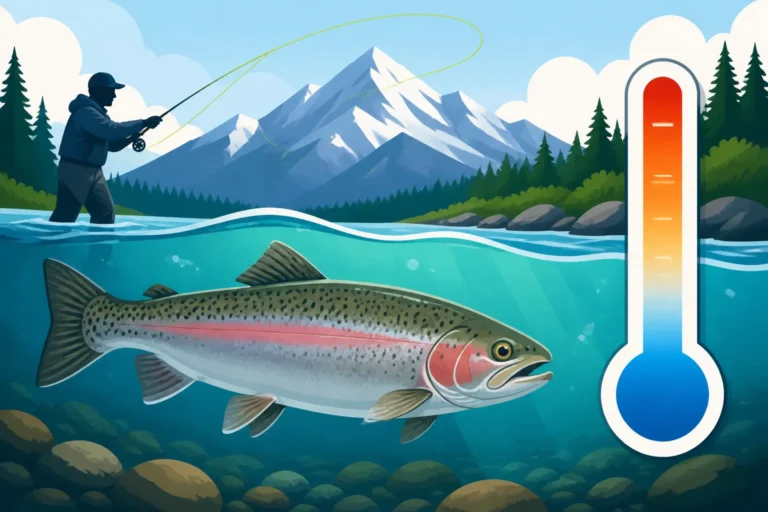
Sockeye salmon are incredibly sensitive to environmental conditions, and they face a growing array of challenges. Climate change, in particular, presents significant threats. Rising ocean temperatures can alter the distribution and abundance of their zooplankton food sources, impacting their growth and survival at sea. Warmer freshwater temperatures during their migration and spawning phases can stress the fish, increase their susceptibility to disease, and even lead to mass die-offs before they reach their spawning grounds. Drought conditions can lower water levels in rivers and lakes, making migration more difficult or exposing eggs to freezing temperatures. Conversely, extreme rainfall can lead to floods that scour redds and destroy eggs. The timing of snowmelt, which influences river flows, is also critical. These environmental shifts require constant monitoring and adaptive management strategies to give Sockeye the best chance. Anyone interested in the bigger picture might find Best Fishing Rivers in British Columbia useful for understanding preferred habitats.
Fishing Pressures and Management Strategies
Human activities, especially fishing, also play a significant role in Sockeye salmon populations. Both commercial and recreational fisheries target Sockeye, particularly during their ocean migration and as they enter the Fraser River. Managing these fisheries is a complex balancing act, aiming to allow for sustainable harvests while ensuring enough fish escape to spawn and sustain future generations. This involves sophisticated stock assessment, predicting returns, and implementing strict regulations on quotas, gear types, fishing times, and specific river closures. These decisions are often guided by detailed information and regulations, such as those covered in BC Fishing Regulations Explained. Mistakes in management or unforeseen environmental events can lead to overfishing or insufficient escapement, jeopardizing the long-term health of the stock. It’s a constant challenge to find equilibrium between human use and ecological preservation, underscoring the importance of adherence to rules.
Habitat Protection and Restoration Efforts
Protecting and restoring critical habitats throughout the Sockeye life cycle is paramount. This includes maintaining the health of their freshwater spawning and rearing lakes and streams, which means safeguarding water quality, managing riparian zones to provide shade and reduce erosion, and removing obstacles to migration. In the marine environment, protecting coastal estuaries and key feeding grounds from pollution and development is also vital. Efforts are ongoing to identify and restore degraded habitats, improve fish passage around dams or culverts, and mitigate the impacts of logging, agriculture, and urbanization. Many conservation groups, in collaboration with government agencies, are dedicated to these efforts. For instance, initiatives to restore gravel beds for spawning or plant native vegetation along riverbanks directly support the Sockeye's ability to complete its cycle. These focused efforts, often supported by community involvement, are the backbone of ensuring that future generations will continue to witness the miracle of the Sockeye salmon return.
| Life Cycle Stage | Typical Duration | Primary Habitat | Key Characteristics |
|---|---|---|---|
| Egg | 6-9 months | Freshwater gravel beds | Hidden in redds; yolk sac provides nutrients; highly vulnerable to temperature and oxygen levels. |
| Alevin | 4-8 weeks | Within gravel beds | Still with yolk sac; immobile; develops fins and basic body shape. |
| Fry | 1-4 years | Freshwater lakes | Free-swimming; feeds on zooplankton; grows significantly in size; camouflaged with parr marks. |
| Smolt | Few weeks | Fraser River, Estuary | Undergoes smoltification (physiological change for saltwater); silvery appearance; migrates downstream. |
| Adult | 2-4 years | North Pacific Ocean | Feeds heavily on zooplankton; grows to full size; silvery body; matures sexually. |
| Spawning Adult | 1-4 weeks | Natal Freshwater | Stops feeding; turns vibrant red and green; males develop kype/hump; spawns; dies. |
Disclaimer
This article is for general informational purposes only and does not constitute professional advice. Laws, prices and regulations vary by location and change over time. Consult a qualified professional for guidance on your specific situation.