How Much Does a BC Fishing License Cost
Oh, the infamous question of how much that little piece of paper, or digital file, is actually going to set you back! If you're anything like me, you've probably spent more time than you'd care to admit staring at government websites, trying to decipher the various categories, seasons, and stamps, only to end up more confused than when you started. It feels like you need a degree in "BC Fishing Bureaucracy" just to figure out the basic cost! But don't you worry, because this comprehensive guide is going to cut through all that jargon and lay out exactly what a BC fishing license costs, so you can plan your next angling adventure without any nasty surprises.
Understanding the BC Fishing License Landscape
Before we dive into the nitty-gritty numbers, it’s absolutely essential to understand the foundational elements that dictate how much you’ll pay for your BC fishing license. It's not a one-size-fits-all situation here in British Columbia; your residency, where you plan to fish, and even what species you hope to catch all play a significant role in the final price tag. Think of it like building a custom fishing rig – you pick the components based on your needs.
Freshwater vs. Tidal Waters Licenses
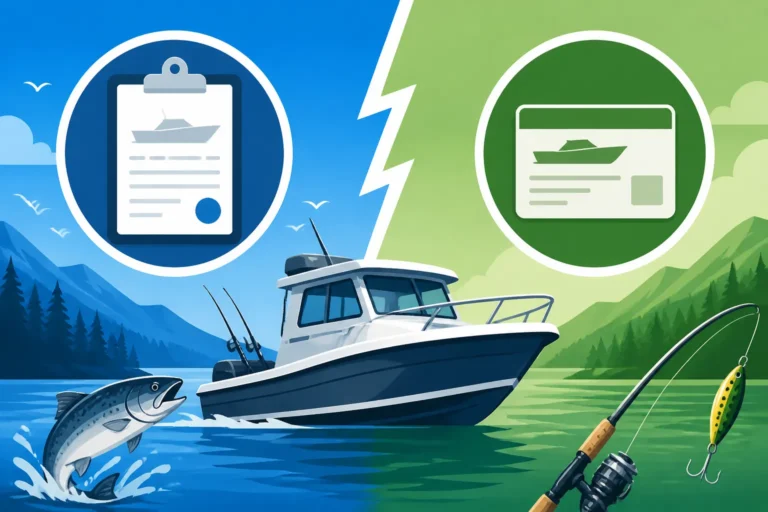
One of the biggest distinctions, and often a point of confusion for new anglers, is the difference between a freshwater and a tidal waters fishing license. You see, BC is blessed with an incredible diversity of angling opportunities, from vast inland lakes and winding rivers to the expansive Pacific Ocean coastline. And each of these distinct environments falls under different jurisdictional rules, meaning different licenses.
A freshwater fishing license is your ticket to casting lines in all of British Columbia's rivers, streams, and lakes. This covers everything from chasing rainbow trout in an alpine lake to targeting salmon in the non-tidal portions of rivers like the Fraser or Skeena. If your dream is to hook a big Gerrard rainbow trout in Kootenay Lake or drift for steelhead on the Bulkley River, this is the license you'll need. It's crucial to remember that even if a river eventually flows into the ocean, its upper reaches are typically considered freshwater. This distinction is paramount because if you're caught fishing in freshwater with only a tidal license, or vice versa, you're essentially fishing without a license, which carries significant penalties.
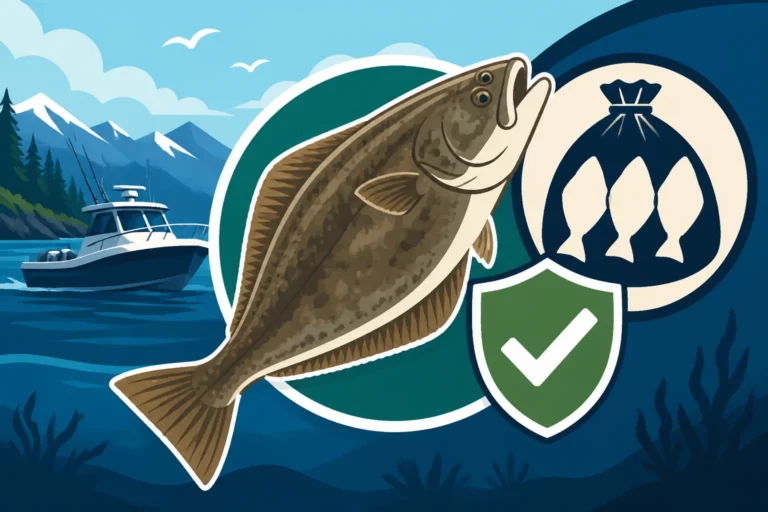
On the other hand, a tidal waters fishing license is required for fishing in the marine waters along BC's coast. This includes the vast stretches of the Pacific Ocean, the Strait of Georgia, the Inside Passage, and all the inlets and bays that are influenced by tides. If you're dreaming of trolling for Chinook salmon off Vancouver Island, jigging for halibut near Tofino, or dropping traps for crabs and prawns, you'll need a tidal waters license. Many anglers who visit BC often overlook this, thinking one license covers it all, but that's a common and costly mistake. Always double-check which type of water you'll be fishing in before you buy to ensure you're properly covered for your desired fishing location.
Resident, Non-Resident Canadian, and Non-Resident Alien Categories
Beyond the water type, your residency status is arguably the most significant factor determining the price of your BC fishing license. The province has three main categories for anglers, and the costs vary considerably between them. It’s important to understand where you fit in, as misrepresenting your residency can lead to fines and legal trouble.
First up are BC Residents. This category is for individuals who primarily live in British Columbia. Generally, to qualify as a resident, you must have lived in the province for the immediately preceding six months. This usually means you have a BC driver's license, provincial health card, or other official documents proving your continuous residency. For residents, the license costs are the most affordable, as part of the provincial commitment to providing recreational opportunities for its citizens. It’s worth noting that even if you leave the province for short periods, as long as BC remains your primary dwelling, you’ll typically retain your resident status.
Next, we have Non-Resident Canadians. These are individuals who reside elsewhere in Canada but are not residents of British Columbia. Perhaps you're from Alberta and want to try your hand at fishing the Columbia River, or you're visiting from Ontario to experience the world-renowned salmon runs. You're still a Canadian citizen, but you don't call BC home, so your license fees will be higher than those for BC residents. This category acknowledges your Canadian citizenship while reflecting the fact that you aren't a direct contributor to BC's provincial tax base that supports fisheries management.
Finally, there are Non-Resident Aliens (often referred to simply as Non-Residents in the context of fishing licenses, but specifically meaning non-Canadians). This category applies to anyone who is not a resident of British Columbia or any other Canadian province or territory. This would include visitors from the United States, Europe, Asia, or anywhere else outside of Canada. Predictably, license costs for this group are the highest. This pricing structure helps ensure that the significant investment in British Columbia's fisheries conservation, management, and stocking programs, largely funded by provincial taxes, is also supported by those visiting from abroad to enjoy its world-class fishing. Always make sure you have the correct designation when purchasing your license to avoid any complications down the line.
Detailed Breakdown of Freshwater Fishing License Costs (2026)
Alright, let's talk actual dollars and cents for freshwater fishing in BC. The costs can feel a bit like a maze, especially with all the different durations and potential stamps. Remember, these prices are for the 2026 license year, and while the exact numbers might shift slightly from year to year, the general structure tends to remain consistent.
Annual Resident Freshwater License Costs
For those lucky enough to call British Columbia home, an annual freshwater fishing license is usually the most cost-effective option if you plan to fish more than a few days a year. As a resident, you benefit from the most favorable rates, a reflection of your ongoing contribution to the province's resources.
As of the 2026 season, a standard Annual Resident Freshwater Fishing License typically runs around $36.00. This gives you year-round access to the incredible lakes, rivers, and streams throughout the province, from the smallest mountain brook to the mighty Fraser River. It's a fantastic value for a full year of angling opportunities. However, it's worth noting that even as a resident, this base license doesn't cover everything. You'll still need to factor in specific conservation stamps if you plan on targeting certain species, which we'll get into shortly. Many resident anglers appreciate this simple, annual fee because it removes the hassle of buying a new license every time they want to head out for an impromptu afternoon of casting.
Now, there's a lovely perk for our seasoned anglers: if you are a BC resident and you've reached the age of 65, you qualify for a discounted license. The BC senior freshwater license cost at 65 is usually around $19.00, making it even more accessible for those who have dedicated a lifetime to the sport or are just getting started in their golden years. This discount is a small but appreciated gesture to recognize the contributions of seniors to our communities and their continued enjoyment of BC's natural beauty. Furthermore, and this is fantastic news for families, children under the age of 16 are generally exempt from needing a freshwater fishing license, provided they are accompanied by a licensed adult or if they abide by the adult's catch limits. This policy, detailed further in our guide on BC Youth Fishing License Exemption Under 16, is a wonderful initiative to encourage the next generation of anglers without adding financial burden to families.
Non-Resident Canadian Freshwater License Costs
If you're an angler visiting from another Canadian province or territory, you'll find the freshwater license costs are a step up from resident rates, but still more affordable than for international visitors. This category is designed to balance access for fellow Canadians with the need to manage provincial resources.
For a Non-Resident Canadian Annual Freshwater Fishing License in 2026, you can expect to pay approximately $55.00. This annual option is ideal if you plan on making multiple trips to BC throughout the year or staying for an extended period. For many, it offers flexibility without the need to constantly repurchase short-term licenses. This might be the case for someone who lives just across the provincial border, like in Alberta, and frequents the Kootenay region for its excellent fishing. However, if your trip is shorter, purchasing a full annual license might not be the most economical choice, which is where the shorter-duration options come in handy.
Many non-resident Canadian anglers opt for short-term licenses, which are great for weekend trips or specific fishing vacations. A 1-day Non-Resident Canadian Freshwater Fishing License is usually about $20.00. This is perfect for a quick day trip across the border or if you're only planning to dedicate a single day to freshwater angling during a broader BC vacation. For those planning a longer stay, an 8-day Non-Resident Canadian Freshwater Fishing License often costs around $40.00. This eight-day option, elaborated on in our BC 8-day non-resident freshwater license cost guide, is particularly popular for week-long fishing excursions, offering a balance between cost and duration. It’s a smart choice for a focused fishing trip without committing to a full year, especially if you won't be returning to BC multiple times.
Non-Resident Non-Canadian (Alien) Freshwater License Costs
For our international visitors, the cost of a BC freshwater fishing license reflects the premium experience of fishing in British Columbia's pristine waters. These rates are significantly higher than those for residents or other Canadian non-residents, ensuring that those coming from abroad also contribute to the conservation efforts of the province.
An Annual Non-Resident Non-Canadian Freshwater Fishing License for 2026 is typically priced around $120.00. This comprehensive annual option is best suited for those planning extended stays, multiple visits throughout the year, or perhaps even seasonal work in BC that allows for frequent fishing. While it's a higher upfront cost, it provides unrestricted access for a full year and can be more economical than purchasing multiple short-term licenses if your plans are flexible and extensive. Many international anglers who truly fall in love with BC's fishing scene find this annual license to be a worthwhile investment, especially if they make annual pilgrimages to our legendary rivers and lakes.
For shorter trips, which are more common for international visitors, BC offers convenient daily and multi-day options. A 1-day Non-Resident Non-Canadian Freshwater Fishing License, detailed in our BC non-resident 1-day freshwater fishing license cost article, generally costs about $25.00. This is a great choice for a singular guided trip or a brief foray into BC's freshwater fisheries. If your adventure is a bit longer, say for a week-long lodge stay to target specific species, an 8-day Non-Resident Non-Canadian Freshwater Fishing License will set you back approximately $60.00. This option is particularly popular for those coming to experience the world-renowned steelhead or salmon fishing on rivers like the Skeena or Fraser, offering adequate coverage for a typical guided trip.
The Importance of Conservation Surcharge Stamps (Freshwater)
Beyond the base license fee, a critical component of freshwater fishing costs in BC, and often a source of confusion, are the mandatory conservation surcharge stamps. These aren't just extra fees; they are vital contributions that directly fund conservation and enhancement programs for specific fish species. If you intend to retain certain fish, you must have the corresponding stamp. Failing to do so can result in fines and the forfeiture of your catch, even if you have a valid base license.
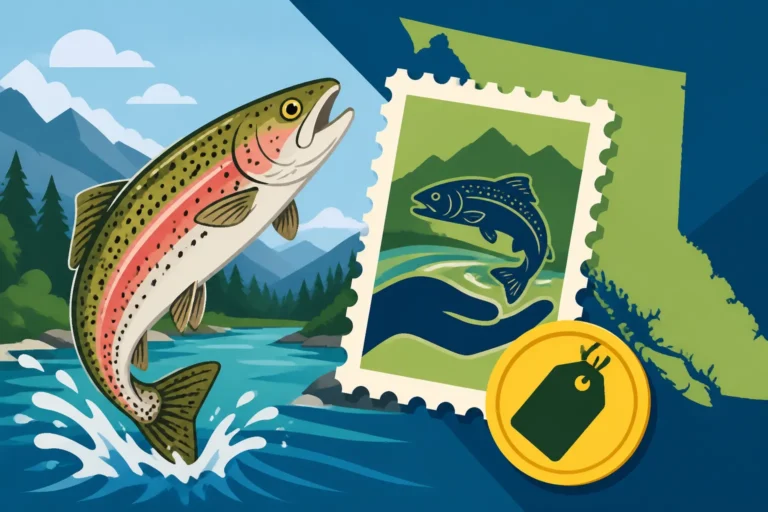
The most commonly required stamp for freshwater fishing is the Salmon Conservation Stamp. If you plan to retain any salmon caught in freshwater (e.g., Chinook, Coho, Pink, Sockeye, Chum in non-tidal river sections), you absolutely need this stamp. The BC freshwater salmon conservation stamp requirement ensures that funds are directed towards programs that protect and enhance salmon populations, which are so vital to BC's ecosystem and economy. For 2026, this stamp typically costs around $10.00 for all angler types (resident and non-resident). It's a small price to pay for the privilege of keeping one of BC's iconic fish, and it plays a huge role in their future.
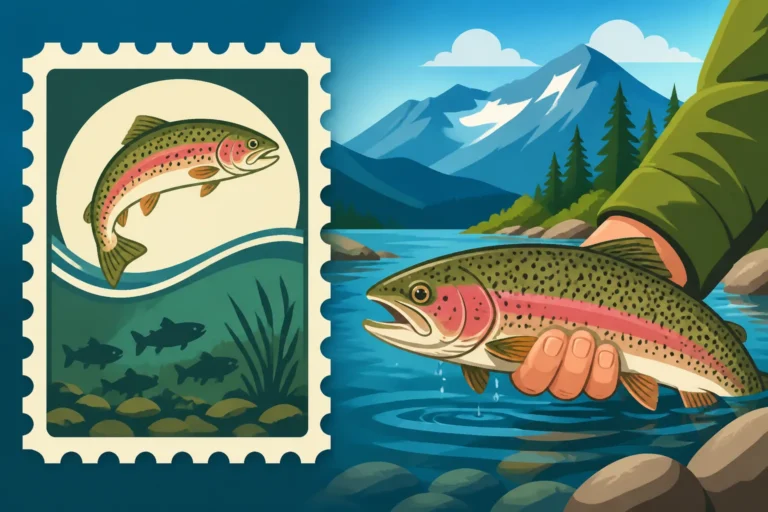
Beyond salmon, other prized freshwater species also have their own dedicated conservation stamps. If you're heading out to chase the powerful and elusive Steelhead, you'll need a Steelhead Conservation Surcharge Stamp. This is a must-have for anyone hoping to retain one of these magnificent trout, especially given the significant conservation efforts required for their often vulnerable populations. The BC steelhead conservation surcharge stamp cost is generally about $11.00 in 2026. Similarly, for those targeting specific strains of Rainbow Trout, particularly in designated waters or for larger specimens, there might be a BC rainbow trout conservation surcharge stamp cost of around $6.00. This helps fund stocking programs and habitat restoration for these popular sport fish. Lastly, if you're lucky enough to hook into one of the incredible White Sturgeon on the Fraser River – a catch-and-release only fishery for conservation – you'll still need to purchase a BC sturgeon conservation surcharge stamp cost, which usually runs about $6.00. This stamp supports the monitoring and recovery efforts for this ancient and endangered species. Remember, these stamps are in addition to your base freshwater license and are non-negotiable if you plan to target or retain these species.
Detailed Breakdown of Tidal Waters Fishing License Costs (2026)
Now, let's shift our focus to the vast and productive coastal waters of British Columbia. Tidal waters fishing offers a completely different experience, with its own set of rules and, you guessed it, its own distinct license costs. Just like freshwater licenses, the price you pay for a tidal waters license will depend heavily on your residency and the duration of your fishing trip.
Annual Resident Tidal Waters License Costs
For BC residents who love the saltwater scene – whether it's dropping crab traps, jigging for lingcod, or trolling for salmon in the Strait of Georgia – an annual tidal waters license is often the most practical and economical choice. This license grants you access to all of BC's marine waters for a full year.
In 2026, an Annual Resident Tidal Waters Fishing License typically costs around $22.00. This fee is remarkably affordable for the incredible opportunities it unlocks, from the sheltered waters of the Gulf Islands to the rugged west coast of Vancouver Island. For many coastal residents, this annual license is a standard part of their recreational budget, allowing them to take advantage of good weather windows or sudden salmon runs without needing to think about licensing each time they launch the boat or head to the pier. This base license is your foundation for tidal water angling, but as with freshwater, there's an additional requirement if you plan to keep certain species.
A special note for families: while adults need a tidal license, youth under 16 years of age can fish in tidal waters without a license. However, they are still required to register for a BC juvenile tidal license registration requirement online. This registration is free but mandatory, ensuring that fishery managers have an accurate count of all anglers and that youth understand the regulations. It's a fantastic way to introduce kids to the joys of ocean fishing without adding a financial barrier, aligning with the province's efforts to foster new generations of marine stewards. Just make sure to complete that free registration before they cast their first line!
Non-Resident Tidal Waters License Costs (Canadian & Non-Canadian)
For visitors, both from other parts of Canada and internationally, the tidal waters fishing licenses are structured to cater to various trip lengths, recognizing that most non-residents will be on a dedicated fishing vacation rather than continuous year-round angling. The costs here are higher than for residents, reflecting the significant demand for BC's world-class saltwater fisheries.
For Non-Resident Canadian anglers, an Annual Tidal Waters Fishing License in 2026 is typically around $35.00. This provides year-long access and is a good option for those living close to the BC border or planning multiple extended visits throughout the year. For more typical shorter trips, a 1-day Non-Resident Canadian Tidal Waters License usually costs about $10.00. This is perfect for a quick day charter out of places like Sooke or Campbell River. For multi-day adventures, a 3-day license is approximately $20.00, and a 5-day license is around $30.00. These multi-day options are often chosen by anglers who book a weekend charter or a short week at a fishing lodge.
For Non-Resident Non-Canadian (Alien) visitors, the rates are the highest, reflecting the global reputation and demand for BC's saltwater fishing. An Annual Non-Resident Non-Canadian Tidal Waters Fishing License in 2026 will generally cost about $105.00. This is a premium option for those planning extensive or repeated visits. For shorter, more common international fishing trips, the daily and multi-day licenses are frequently utilized. A BC non-resident 1-day tidal fishing license cost is typically $11.00. If your trip extends over a few days, a BC non-resident 3-day tidal fishing license cost is around $22.00, and for a longer fishing vacation, a BC non-resident 5-day tidal fishing license cost will likely be about $36.00. These structured short-term options allow international anglers to pay only for the duration of their trip, making it more flexible for those coming to experience the legendary salmon or halibut fishing.
Mandatory Tidal Salmon Conservation Stamp
Just like in freshwater, if you plan to retain any Pacific salmon species caught in BC's tidal waters, you must purchase a Tidal Waters Salmon Conservation Stamp. This isn't an optional add-on; it's a non-negotiable requirement for salmon retention and plays a crucial role in the management and health of our precious salmon stocks. The funds generated from this stamp go directly towards salmon restoration, habitat improvement, stock assessment, and enforcement efforts, all of which are vital to ensuring sustainable fisheries for generations to come.
The BC Tidal Waters Salmon Conservation Stamp Cost for 2026 is usually around $6.00, and this price is consistent for all angler types, whether you're a BC resident, a non-resident Canadian, or an international visitor. It’s a flat fee that ensures everyone who benefits from retaining salmon contributes to their long-term survival. Imagine hooking into a beautiful Coho salmon off the coast of Vancouver Island; without this stamp, you'd have to release it, regardless of your valid tidal fishing license. Many experienced anglers make it a habit to purchase this stamp automatically when they buy their tidal license, even if they're not initially sure if they'll keep a salmon. It's a small investment that offers peace of mind and supports a critically important cause. Details on the exact BC tidal waters salmon conservation stamp cost 2026 are easily found when purchasing your license.
Special Considerations and Additional Costs
Navigating the world of fishing licenses in BC isn't just about the base fees; there are also some specific scenarios, exemptions, and potential hidden costs that every angler should be aware of. Understanding these can save you money, prevent legal headaches, and ensure you're fully prepared for your time on the water.
Combination Hunting and Fishing Licenses
For those who enjoy both reeling in a big fish and heading into the wilderness for game, British Columbia does offer the convenience of combination hunting and fishing licenses. However, it's not a single "combo" document that covers everything at a reduced price like some other jurisdictions might offer. In BC, a "combination license" usually refers to the ability to purchase both your hunting and fishing licenses from the same system, rather than a single, all-encompassing discount package.
Typically, you'll still purchase your freshwater fishing license (and any necessary conservation stamps) and your hunting license (and any necessary species tags) as separate, distinct items through the provincial system. The benefit of a "combination" purchase is simply the streamlined process of doing it all at once through the same online portal or vendor. So, while it's not a dramatic cost-saver on the licenses themselves, it certainly is a convenience for multi-sport enthusiasts. You would still pay the full individual prices for each type of license and any tags or stamps required for the species you intend to pursue. If you're looking into this, our guide on BC Combination Hunting and Fishing License Options can provide a more detailed breakdown of how this integrated system works and what costs to expect, including the specific BC combination hunting and fishing license cost for various scenarios. It's about efficiency in purchasing, not necessarily a bundled discount on the fees themselves.
Exemptions and Discounts You Might Qualify For
While we've touched on a few, it's worth reiterating and expanding on the various exemptions and discounts available for BC fishing licenses. Many anglers might overlook these, assuming a blanket fee applies to everyone, but checking if you qualify can lead to significant savings. These programs are in place to support specific demographics and encourage participation in fishing.
As mentioned, youth under 16 years of age are generally exempt from needing a freshwater fishing license, and while they need to register for free for a tidal license, they don't pay a fee. This is a fantastic incentive for families to get kids outdoors and introduce them to fishing. For BC residents aged 65 and older, there's a welcome discount on annual freshwater licenses, reducing the cost to a nominal fee. This acknowledgment of seniors' contributions makes fishing more accessible in retirement. Beyond age-related discounts, BC also offers provisions for disabled residents. If you are a BC resident with a permanent disability that significantly impairs your ability to fish, you may qualify for a free or significantly reduced fishing license. This is a compassionate initiative to ensure that physical limitations do not prevent individuals from enjoying BC's abundant fisheries. Our detailed article on BC Fishing License for Disabled Residents provides all the criteria and application processes, while BC disabled resident fishing license discount offers specifics on the financial benefits. It's always worth checking the official regulations or contacting the provincial fisheries branch if you believe you might qualify for one of these important exemptions.
Replacement Licenses and Penalties for Non-Compliance
It's a nightmare scenario: you've planned your dream fishing trip to British Columbia, bought all your gear, and then, at the last minute, you realize your fishing license is nowhere to be found! Or, even worse, you forget to purchase one altogether. Understanding the implications of a lost license or, heaven forbid, fishing without one, is crucial.
First, let's talk about replacement licenses. If you lose your physical copy of a BC fishing license, don't panic. The process for obtaining a replacement is usually straightforward, especially if you purchased it online. You can typically log back into the same online system (like the BC government's angler's portal) and print another copy free of charge. If you bought it in person at a vendor, you might need to revisit that vendor or contact the provincial fisheries support to have a replacement issued. There's generally no direct "cost" for a replacement, other than the hassle, assuming you can access your original purchase information. Our guide on Replacing a lost BC fishing license offers step-by-step instructions to get you back on the water quickly. It’s always a good idea to keep a digital copy on your phone or email, in addition to a physical printout, as proof of purchase.
Now, for the serious part: penalties for fishing without a license in BC. This is not something to take lightly. Fishing without a valid license, or with the wrong type of license for the waters you're in, is a serious offense that carries significant fines and potential consequences. Fisheries officers are actively patrolling, and they do check for licenses and proper stamps. The minimum fine for fishing without a license can be substantial, often starting in the hundreds of dollars, but it can escalate much higher depending on the specific infraction, the species involved, and whether it's a repeat offense. Beyond monetary fines, you could have your fishing gear confiscated, your catch seized, and potentially face a ban from fishing in BC waters for a period. Our article on Fishing Without a License in BC: Penalties delves into the full spectrum of legal repercussions, but the takeaway is clear: always ensure you have the correct, valid license and all necessary stamps before you even make your first cast. It's simply not worth the risk.
Where and How to Purchase Your BC Fishing License
So, you're ready to hit the water, you know what kind of license you need, and you've got your wallet ready. But where exactly do you go to buy this all-important document? Thankfully, British Columbia has made the process relatively easy and accessible, with options for both the digitally savvy and those who prefer a more traditional approach.
Online Purchase Process
For most people, the easiest and most convenient way to purchase a BC fishing license is online. The provincial government has a dedicated online licensing system that’s accessible 24/7, meaning you can buy your license from the comfort of your home, at any time of day or night, even right before you head out to the lake or ocean. This flexibility is a huge bonus, especially if you're a last-minute planner or if you realize you need a specific stamp just hours before your trip.
To purchase online, you'll simply navigate to the official BC government fishing license portal. You'll need to create an account if you don't already have one, which usually involves providing some personal information like your name, date of birth, and proof of residency (if you're a BC resident). Once your account is set up, you can easily select the type of license you need (freshwater or tidal), the duration (annual, 1-day, 3-day, etc.), and any required conservation stamps for species like salmon, steelhead, or sturgeon. Payment is typically made via credit card, and once the transaction is complete, you'll receive a digital copy of your license. You can then print this license out and carry it with you, or simply save it to your smartphone or tablet. Always remember that a digital copy is valid as long as it's readable by a fisheries officer, but having a printed backup is never a bad idea, especially if you're heading to areas with no cell service. Our detailed guide on How to Buy a BC Fishing License Online walks you through each step of the process, ensuring a smooth and hassle-free purchase.
In-Person Vendors and Retailers
While online purchasing is increasingly popular, sometimes you just prefer the human touch, or perhaps you're already at the lake and realize you forgot your license. For these situations, British Columbia maintains a network of authorized vendors and retailers where you can purchase your fishing license in person. These vendors are usually well-versed in the different license types and can often answer any questions you might have.
You'll find authorized fishing license vendors at many sporting goods stores, tackle shops, marinas, and even some general stores or convenience stores, especially in smaller towns near popular fishing destinations. For instance, if you're setting off for a fishing trip on the Fraser River, you'll likely find a vendor in a nearby town like Mission or Chilliwack. These locations offer the advantage of face-to-face interaction, where you can ask about specific local regulations, bait recommendations, or even grab some last-minute gear. When purchasing in person, you’ll typically need to present valid identification to confirm your residency and age, and then you can pay with cash, debit, or credit. The vendor will print your license for you on the spot. If you're wondering, "Where are the BC fishing license vendors near me?", a quick search on the provincial government's website usually provides a list of authorized locations in your area. This option is especially helpful for those who prefer not to use online services or need some extra guidance during the purchasing process.
What You'll Need to Buy a License
Regardless of whether you purchase your BC fishing license online or in person, there are a few key pieces of information and identification you'll need to have handy. Being prepared will ensure a quick and smooth transaction, letting you get to the water faster.
Firstly, you'll need personal identification. This typically means a government-issued ID that clearly states your full legal name and date of birth. For BC residents, a valid BC driver's license or BC Services Card usually suffices. For non-resident Canadians, a driver's license from your home province or a valid passport is essential. International visitors will definitely need a valid passport. This identification is crucial for verifying your age and ensuring you're placed in the correct residency category (resident, non-resident Canadian, or non-resident non-Canadian), which, as we've seen, directly impacts the license cost.
Secondly, you'll need proof of residency if you're claiming BC resident status. While your BC driver's license often covers this, sometimes additional documentation might be requested, especially if you're new to the province. This could include things like a recent utility bill, property tax statement, or a lease agreement. This ensures that only genuine residents receive the discounted rates. Finally, and perhaps most obviously, you'll need a method of payment. Online purchases almost universally require a valid credit card. For in-person purchases, most vendors accept credit cards, debit cards, and cash. Having all these items ready before you start the process will prevent any delays and ensure you can secure your fishing license without a hitch.
Staying Updated on Regulations and Costs
Buying your license is a crucial first step, but the world of fishing regulations in British Columbia is dynamic and ever-evolving. Just because you bought your license doesn't mean you're done with your homework! Staying informed about current rules, closures, and potential cost changes is just as important as having the license itself.
Annual Regulation Synopses
Every year, the provincial government publishes comprehensive Freshwater Fishing Regulations Synopses and Tidal Waters Sport Fishing Guides. These documents are your bible for understanding where, when, and how you can legally fish in British Columbia. They detail species-specific regulations, bag limits, special conservation areas, gear restrictions, and often include helpful maps and definitions. While the base license costs tend to be stable for the year, the fishing rules can change, and it’s your responsibility as an angler to know them.
It's absolutely paramount to review the latest synopsis before each fishing season or trip. A common mistake new anglers make is assuming last year's rules still apply, only to find themselves inadvertently breaking regulations. For example, specific lakes might have new bait restrictions, or certain river sections might become catch-and-release only. The synopses are available online for free and are also often provided in physical copy at license vendors. Regularly checking and Reading the BC Freshwater Fishing Regulations Synopsis is not just good practice; it’s essential for responsible and legal angling. Don't rely solely on what a friend told you last year; take a few minutes to confirm the current rules for your chosen fishing spot.
Fishery Notices and In-Season Changes
Beyond the annual synopses, British Columbia's fisheries are also subject to in-season changes and closures, which are communicated through Fishery Notices. These notices are issued by Fisheries and Oceans Canada (DFO) for tidal waters and by the Ministry of Forests for freshwater, and they can be published at any time, often with very short notice. These changes can be triggered by a variety of factors, such as unexpectedly low fish returns, environmental conditions (like low water levels or high temperatures), or specific conservation concerns for a particular stock.
For example, a sudden decline in Sockeye salmon returns might lead to an emergency closure of certain sections of the Fraser River to protect the species, or unusually warm water might prompt catch-and-release only rules in specific trout streams. Missing these notices could mean you're fishing illegally, even if you have a valid license and have read the annual synopsis. The onus is entirely on the angler to stay informed. Therefore, it's highly recommended to regularly check the official DFO and provincial fishery notice websites, especially in the days leading up to your trip. Many experienced anglers even sign up for email alerts to receive these notices directly. Our article, BC Fishery Notices and In-Season Closures, Explained, provides a comprehensive overview of how these notices work, and How to check BC fishery notices before a trip offers practical steps to ensure you're always up-to-date. This diligence is crucial for both respecting the resource and avoiding hefty fines.
Summary of BC Fishing License Costs (2026 Estimates)
Here's a quick reference table summarizing the typical estimated costs for various BC fishing licenses and stamps in 2026. Remember, these are estimates and can change, so always check the official government websites before purchasing.
| License Type | Resident (BC) | Non-Resident Canadian | Non-Resident Non-Canadian (Alien) |
|---|---|---|---|
| Freshwater Licenses | |||
| Annual | ~$36.00 | ~$55.00 | ~$120.00 |
| 1-Day (Freshwater) | N/A | ~$20.00 | ~$25.00 |
| 8-Day (Freshwater) | N/A | ~$40.00 | ~$60.00 |
| Freshwater Conservation Surcharge Stamps | |||
| Freshwater Salmon Stamp (if retaining salmon) | ~$10.00 | ~$10.00 | ~$10.00 |
| Steelhead Stamp (if retaining steelhead) | ~$11.00 | ~$11.00 | ~$11.00 |
| Rainbow Trout Stamp (if retaining) | ~$6.00 | ~$6.00 | ~$6.00 |
| Sturgeon Stamp (mandatory for sturgeon fishing) | ~$6.00 | ~$6.00 | ~$6.00 |
| Tidal Waters Licenses | |||
| Annual | ~$22.00 | ~$35.00 | ~$105.00 |
| 1-Day (Tidal) | ~$10.00 | ~$10.00 | ~$11.00 |
| 3-Day (Tidal) | ~$20.00 | ~$20.00 | ~$22.00 |
| 5-Day (Tidal) | ~$30.00 | ~$30.00 | ~$36.00 |
| Tidal Waters Conservation Stamp | |||
| Tidal Salmon Conservation Stamp (if retaining) | ~$6.00 | ~$6.00 | ~$6.00 |
| Exemptions/Discounts | |||
| Under 16 (Freshwater) | Exempt | Exempt | Exempt |
| Under 16 (Tidal) | Free Reg. | Free Reg. | Free Reg. |
| Senior (65+ BC Resident Freshwater) | ~$19.00 | N/A | N/A |
| Disabled Resident | Discounted/Free | N/A | N/A |
Disclaimer
Please remember that fishing regulations and license costs in British Columbia can change. While we strive to provide the most accurate and up-to-date information, it is always your responsibility to verify current regulations and fees with the official British Columbia government and Fisheries and Oceans Canada (DFO) resources before engaging in any fishing activity. This guide is for informational purposes only and should not be considered legal advice.