BC rainbow trout conservation surcharge stamp cost
It's incredibly common for anglers, especially those new to British Columbia or navigating its complex fishing regulations for the first time, to wonder about every specific fee and stamp they might need. Many assume there’s a standalone "BC rainbow trout conservation surcharge stamp" because we have similar stamps for salmon and steelhead. But the truth is a little different, and it's a detail that often trips people up. This guide aims to clear up any confusion, explain where the costs for rainbow trout conservation are actually found, and ensure you're fully legal and prepared to enjoy fishing for BC's iconic rainbow trout.
The Truth About the "Rainbow Trout Conservation Surcharge Stamp"
Let's get straight to it: unlike the explicit stamps required for retaining salmon in freshwater or for fishing steelhead, there isn't a dedicated, separate "BC rainbow trout conservation surcharge stamp" you need to purchase. That might come as a surprise if you've been searching for it! The process for legally fishing and retaining rainbow trout in British Columbia is integrated into your general freshwater fishing license.
No Dedicated Standalone Stamp Exists
You won't find an option on the BC government's online licensing system, or at your local tackle shop, to add a specific "Rainbow Trout Stamp" to your cart. This isn't to say that rainbow trout aren't a huge focus of conservation efforts in our province – quite the opposite! It simply means the funding mechanism for their protection and enhancement is handled differently than for species like salmon or steelhead, which have very specific, often more complex, migratory and conservation challenges that necessitate dedicated surcharges.
The absence of a specific stamp can sometimes cause confusion because it’s logical to assume that if salmon and steelhead have them, other popular sportfish like rainbow trout would too. But rest assured, you're not missing a crucial piece of paper; the system for rainbow trout is designed a bit more simply at the point of purchase.
Your Freshwater License is Key to Rainbow Trout Conservation
So, if there's no specific stamp, how is rainbow trout conservation funded? It’s all rolled into your annual or short-term Freshwater Fishing License. A significant portion of the fees collected from every Freshwater Fishing License sold in British Columbia goes directly to the Freshwater Fisheries Society of BC. This amazing organization is tasked with enhancing, conserving, and managing freshwater fish populations and their habitats across the province, with rainbow trout being a primary focus.
Think of your freshwater license as your all-access pass and your direct contribution to the health of our lakes and rivers for species like rainbow trout, Eastern Brook trout, cutthroat trout, and char. These funds support crucial initiatives such as:
- Stocking Programs: The Freshwater Fisheries Society of BC operates hatcheries that stock over a million trout (mostly rainbow trout) into hundreds of lakes each year. This provides incredible fishing opportunities, especially for families and beginners, and takes pressure off wild populations.
- Habitat Restoration: Protecting and restoring vital spawning and rearing habitats for wild rainbow trout.
- Research and Monitoring: Studying fish populations, migration patterns, and ecosystem health to ensure sustainable management.
- Education and Outreach: Teaching new anglers about conservation and responsible fishing practices.
So, while you might not buy a "rainbow trout stamp," every time you purchase your basic Freshwater Fishing License, you are directly contributing to the future of rainbow trout fishing in BC. It’s an investment in the very waters you love to fish.
Understanding Your BC Freshwater Fishing License Costs
Since the "cost" for rainbow trout conservation is embedded within your general freshwater license, it's essential to understand those fees. The actual cost will depend on your residency status and the duration of the license you choose.
Resident vs. Non-Resident Rates
British Columbia has a tiered pricing structure that distinguishes between residents and non-residents. This is a common practice, as residents often contribute to provincial taxes that also support natural resource management, and non-residents are typically visiting to partake in the recreational opportunities.
Here’s a general breakdown of how the costs typically look (these are approximate and can change, so always check the official BC government website or the current Freshwater Fishing Regulations Synopsis for the most up-to-date figures):
- BC Residents (16-64 years old): An annual freshwater fishing license is generally the most cost-effective option if you plan to fish more than a few days a year. As of current regulations (and projecting to 2026 based on historical trends), expect to pay around $36-$40 for an adult annual license.
- BC Residents (65+ years old): Seniors residing in BC often receive a discounted rate for their annual freshwater license, usually around $5-$10. This is a fantastic initiative to encourage lifelong participation in angling.
- BC Youth (Under 16 years old): This is where it gets really good for families! Generally, children under 16 years of age do not need a basic Freshwater Fishing License in BC. This is a wonderful way to introduce kids to fishing without an added cost barrier. They still need to abide by all bag limits and regulations, however. You can learn more about BC Youth Fishing License Exemption Under 16 to ensure your young ones are fishing legally.
- Non-Resident Canadians: If you're visiting from another Canadian province, an annual freshwater license might be around $55-$65. Shorter duration licenses (e.g., 1-day, 8-day) are also available and are usually priced proportionally. For example, a BC non-resident Canadian freshwater fishing license cost 2026 will provide specific figures.
- Non-Resident Non-Canadians (International Visitors): For international visitors, the costs are higher, reflecting the full economic impact of their recreational activity. An annual license can be around $80-$100. Shorter durations are popular for tourists, with a BC non-resident 1-day freshwater fishing license cost being a common choice for those just trying it out for a day or two.
You can find the most precise, up-to-date figures for Resident vs Non-Resident Fishing License Costs in BC on the official government portals.
Age Requirements for Licenses
Understanding the age requirements is crucial to avoid any unexpected fines.
In British Columbia, anyone aged 16 years or older needs a valid Freshwater Fishing License to fish for finfish in freshwaters. This applies to both residents and non-residents alike. If you’re planning a trip with a mix of ages, always double-check the BC Fishing License Age Requirements to ensure everyone who needs a license has one. Remember, even if kids under 16 don't need a license, they still need to adhere to all the regulations, bag limits, and gear restrictions for the specific waters they are fishing.
How License Fees Fund Conservation
It's easy to just see the number on your license and forget what it's for. But every dollar you spend on your freshwater fishing license is a direct investment in the future of BC's incredible aquatic resources. As mentioned, the Freshwater Fisheries Society of BC is the primary recipient of these funds, driving initiatives that directly benefit rainbow trout:
- Lake Stocking: Hundreds of lakes across BC are regularly stocked with rainbow trout (and sometimes other species like Eastern brook trout or cutthroat). This ensures that even heavily fished areas remain productive and accessible, taking pressure off wild populations in more sensitive ecosystems. You might even discover lists of BC stocked trout lakes on their website, providing fantastic opportunities.
- Habitat Improvement: From stream rehabilitation projects to barrier removal, these funds help create and maintain healthy environments where wild rainbow trout can thrive, spawn, and grow.
- Public Access & Education: Improving boat launches, building fishing docks, and providing educational materials are all part of making fishing more accessible and promoting responsible angling practices. This directly supports the angling community and ensures the next generation learns to appreciate and protect these resources.
So, while there's no specific "rainbow trout stamp," your general freshwater license is doing the heavy lifting for rainbow trout conservation.
When Additional Stamps Might Be Needed (And Why They Aren't for Rainbow Trout)
It's understandable why anglers expect a rainbow trout stamp when other species require specific surcharges. Let's clarify which stamps exist and why rainbow trout management focuses on license fees and regulation, rather than an additional stamp.
Freshwater Salmon Conservation Stamp
This is probably the most commonly confused stamp. The Freshwater Salmon Conservation Stamp is a separate purchase required in addition to your basic Freshwater Fishing License if you intend to retain any species of Pacific salmon (Chinook, Coho, Sockeye, Pink, Chum) caught in freshwater. It's a critical component for managing and conserving our wild salmon stocks, many of which face significant challenges.
The cost for this stamp varies by residency and duration, but it's an absolute must if you're targeting salmon in rivers like the Fraser, Thompson, or Campbell River and plan to keep your catch. For precise details, you should always check the BC Salmon Conservation Stamp Rules. This stamp ensures that specific funds are directed towards salmon recovery and habitat work, and it is not required for retaining rainbow trout.
Steelhead Conservation Surcharge Stamp
Similar to the salmon stamp, the Steelhead Conservation Surcharge Stamp is required in addition to your Freshwater Fishing License if you intend to fish for steelhead (a sea-run rainbow trout) in BC. Steelhead are a prized and often vulnerable species, and this stamp helps fund specific research, habitat restoration, and management initiatives critical to their survival.
Steelhead fishing is often catch-and-release only in many rivers, but even then, in some areas, the stamp is required to simply fish for them. It's crucial to be aware of the specific rules for the river you're targeting, as steelhead regulations can be highly localized and change frequently. For up-to-date information on costs and requirements, consult the BC Steelhead Conservation Surcharge Stamp cost information. Again, this is distinct from rainbow trout in lakes or non-anadromous rivers.
Sturgeon Conservation Surcharge Stamp
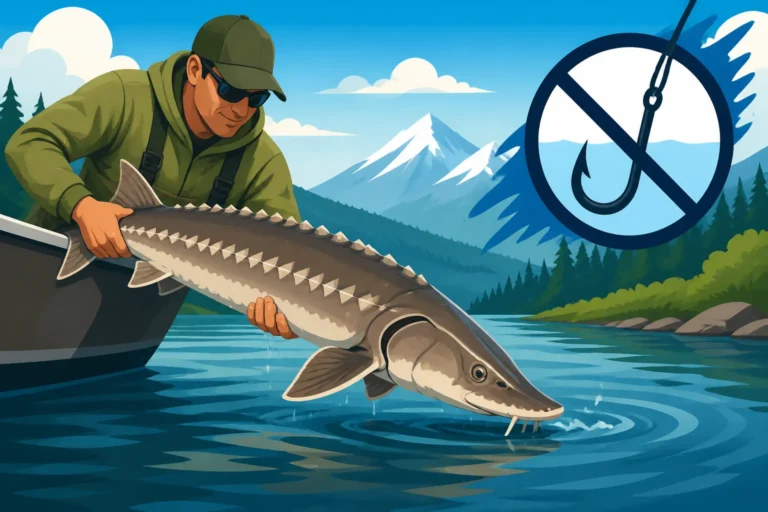
While less common for the average angler, there is also a Sturgeon Conservation Surcharge Stamp. If you plan on fishing for White Sturgeon, particularly on the Fraser River, you will likely need this stamp, which contributes to the conservation and management of these incredible, ancient fish. The Fraser River is renowned for its trophy sturgeon fishing, and strict catch-and-release rules apply to protect this endangered species.
Focus on Bag Limits and Regulations for Rainbow Trout
Instead of a specific stamp, the primary conservation tools for rainbow trout in BC are detailed regulations concerning bag and possession limits, size restrictions, and gear restrictions. These are designed to ensure sustainable harvest and protect specific populations.
- Daily Bag Limits: These specify how many rainbow trout you can keep in a single day. These limits vary significantly by lake and river system. A typical daily limit might be 2 or 4 rainbow trout, but it could be higher or lower depending on the waterbody and its specific management plan.
- Possession Limits: This refers to the total number of fish you can have in your possession at any given time, including those at your camp, vehicle, or home. This is often double the daily limit but can vary.
- Size Restrictions: Some waters have minimum or maximum size limits (or slot limits) for rainbow trout to protect juvenile fish or large, spawning adults.
- Gear Restrictions: Certain lakes or rivers might restrict you to single barbless hooks, artificial lures only, or fly-fishing only, especially in sensitive areas or for wild trout populations. For example, some BC catch and release only trout streams will have very specific rules.
Always, always consult the current BC Freshwater Fishing Regulations Synopsis before heading out. This is your bible for understanding what you can and cannot do on specific waters for rainbow trout and all other freshwater species.
Table: Comparison of BC Freshwater License & Key Conservation Stamps (Approximate 2024-2026 Costs)
| License/Stamp Type | Purpose | Typical Resident Adult Annual Cost | Typical Non-Resident Canadian Annual Cost | Typical Non-Resident Non-Canadian Annual Cost | Rainbow Trout Specific? |
|---|---|---|---|---|---|
| Freshwater Fishing License | Basic license to fish finfish in freshwaters | ~$36-$40 | ~$55-$65 | ~$80-$100 | Yes (embedded) |
| Freshwater Salmon Conservation Stamp | Retain salmon in freshwater | ~$10-$20 | ~$10-$20 | ~$10-$20 | No |
| Steelhead Conservation Surcharge Stamp | Fish for/retain steelhead (sea-run rainbow) | ~$5-$10 | ~$5-$10 | ~$5-$10 | No (different species) |
| Sturgeon Conservation Surcharge Stamp | Fish for sturgeon (catch & release only) | ~$5-$10 | ~$5-$10 | ~$5-$10 | No |
| Rainbow Trout Conservation Stamp | Dedicated stamp for rainbow trout retention | Does Not Exist | Does Not Exist | Does Not Exist | N/A |
Note: All costs are approximate and subject to change. Always consult the official BC Freshwater Fishing Regulations for current pricing.
Navigating Rainbow Trout Regulations and Retention
Now that we've clarified the cost is part of your main freshwater license, let's talk about the practical side of fishing for rainbow trout, specifically regarding regulations. This is where you really need to pay attention, as rules can change frequently and vary widely from one body of water to another.
Reading the Freshwater Synopsis
I cannot stress this enough: your best friend for understanding what's legal and what's not for rainbow trout (and all other freshwater species) is the official BC Freshwater Fishing Regulations Synopsis. This document is updated regularly and details all the rules for specific regions, lakes, and rivers across the province.
You can usually find the most current synopsis online on the BC government's fishing regulations website. It will outline:
- Regional Regulations: General rules for broad geographic areas.
- Specific Lake/River Regulations: Many popular waters have unique rules that override the regional ones. This is where you'll find critical information about size limits, bag limits, gear restrictions, and whether a waterbody is catch-and-release only for rainbow trout.
- Season Dates: While many lakes are open year-round for rainbow trout, some rivers or specific areas might have seasonal closures to protect spawning fish.
Before any fishing trip, make it a habit to check the synopsis for your chosen fishing spot. A quick search on your phone or a printout is invaluable. You might even want to look for resources like How to check BC fishery notices before a trip to stay on top of any last-minute changes or closures.
Common Rainbow Trout Limits
While specific limits vary, here are some common scenarios you might encounter for rainbow trout in BC:
- General Lake Limits: Many stocked lakes or highly productive wild trout lakes might have a daily quota of 2 to 4 rainbow trout per angler.
- Size Restrictions: You might find rules like "only one rainbow trout over 50 cm" or "no retention of rainbow trout between 30 cm and 45 cm (slot limit)" designed to protect larger spawners or allow smaller fish to grow.
- Catch and Release Only: Some pristine wild trout streams or specific sections of rivers are designated as catch-and-release only to protect vulnerable populations. This means you can fish for rainbow trout, but you must release them immediately and unharmed. These are often highlighted in the synopsis.
Remember, violating these limits or regulations can lead to significant fines and even loss of fishing privileges. It's not just about the cost of the license, but the responsibility that comes with it. Always practice ethical angling, especially when releasing fish.
Special Regulation Waters
British Columbia is vast and diverse, and so are its trout fisheries. You'll encounter many "Special Regulation Waters" specifically for rainbow trout. These might include:
- Fly Fishing Only Streams: Some beautiful, wild trout streams are designated for fly fishing only to reduce impact and enhance the angling experience.
- Single Barbless Hook Rules: To minimize harm to released fish, many waters require single, barbless hooks for all species.
- Bait Bans: Certain waters may prohibit the use of bait to protect fish from deep hooking.
- No Power-Boating Zones: To maintain a tranquil environment and protect sensitive habitats, some smaller lakes or sections of rivers might restrict motorized boats.
These regulations are put in place by fishery managers to ensure the long-term health and quality of our rainbow trout fisheries. Your job as an angler is to know them and respect them. The synopsis is truly the only reliable source for these details.
Purchasing Your BC Freshwater Fishing License
Getting your BC Freshwater Fishing License, which covers your rainbow trout angling, is a straightforward process whether you prefer buying online or in person.
Online Purchase Process
The most convenient way to purchase your BC Freshwater Fishing License is online through the official government portal. This process is generally very user-friendly:
- Access the Website: Go to the official BC government website for recreational fishing licenses.
- Create an Account: If you don't already have one, you'll need to create an account. This typically involves providing personal details and establishing a BCeID (British Columbia electronic identification) if you're a resident, or a non-resident specific account.
- Select License Type: Choose the "Freshwater Fishing License" and then select the appropriate duration (annual, 1-day, 8-day, etc.) and residency status.
- Add Conservation Stamps (if applicable): This is where you'd add a Freshwater Salmon Conservation Stamp or Steelhead Conservation Surcharge Stamp if you needed them. For rainbow trout, as we've discussed, no additional stamp is needed here.
- Payment: Complete the purchase using a credit card.
- Print or Download: Once purchased, you'll receive a digital copy of your license. You can then print it out or keep a digital version on your phone or other device. Many anglers find carrying a physical copy is best, especially in remote areas with no cell service. For more details, refer to Printing or Carrying a Digital Fishing License in BC.
In-Person Vendors
If you prefer a face-to-face interaction or need some last-minute fishing gear, you can also purchase your Freshwater Fishing License (and any other necessary stamps) at various authorized vendors across BC.
These typically include:
- Sporting Goods Stores: Major retailers like Cabela's or smaller, independent tackle shops. Many of these places, like Berry's Bait & Tackle in Richmond or Pirate's Cove Charters & Tackle on Vancouver Island, are fantastic resources for local knowledge and gear.
- General Retailers: Some larger department stores or even smaller general stores in rural communities might offer fishing licenses.
- BC Parks Offices: In some areas, particularly near provincial parks, you might find park offices that sell licenses.
When buying in person, you'll need to present valid identification, and if you're a resident, proof of residency. The staff at these vendors are often knowledgeable about local regulations and can provide helpful tips for your fishing adventure. You can usually find a list of authorized vendors on the BC government's fishing license website under "Where and How to Buy a BC Fishing License." While you can purchase a variety of fishing gear, books, and even specific types of lures and lines on platforms like Amazon, the actual BC fishing license must be acquired directly through the official government channels or authorized vendors.
Combining with Your Main License
Any additional conservation stamps (like for salmon or steelhead) are purchased in conjunction with your basic Freshwater Fishing License. They are not standalone documents that are valid without a valid underlying fishing license. So, you'll effectively have one document (or digital record) that shows your base license and any required stamps. This streamlined approach makes it easier for conservation officers to verify your compliance.
Comparison to Other Conservation Stamps
Understanding that there isn't a dedicated rainbow trout stamp often leads to questions about other stamps. A quick comparison helps to illustrate why certain species have specific surcharges and others don't.
Freshwater Salmon Conservation Stamp
The Freshwater Salmon Conservation Stamp is arguably the most well-known additional stamp. Its necessity stems from the unique life cycle and conservation needs of Pacific salmon. These anadromous fish spend most of their lives in the ocean before returning to freshwater to spawn and die. Managing these runs, which are influenced by ocean conditions, river habitats, and international treaties, requires dedicated funding. The stamp helps fund specific enhancement and restoration projects aimed directly at boosting salmon populations, which have faced significant declines in recent decades. It's about targeting resources where the need is most acute for a critically important and economically vital species.
Steelhead Conservation Surcharge Stamp
Steelhead, being sea-run rainbow trout, share some similarities with salmon in their anadromous life cycle, returning from the ocean to spawn in rivers. However, they are often more elusive and have different migration patterns and spawning habits than their salmon cousins. Many steelhead populations in BC, particularly wild populations, are under considerable pressure from habitat loss, climate change, and fishing pressure. The BC Steelhead Conservation Surcharge Stamp is a direct funding mechanism to support specific scientific research, habitat protection, and management strategies unique to steelhead to ensure these magnificent fish continue to thrive. This highlights a critical distinction: while steelhead are a type of rainbow trout, their migratory and often vulnerable nature requires a specific conservation focus beyond that of resident rainbow trout.
Sturgeon Conservation Surcharge Stamp
The Sturgeon Conservation Surcharge Stamp serves a different but equally vital purpose. White Sturgeon in the Fraser River, for instance, are the largest freshwater fish in North America and an endangered species. Fishing for them is strictly catch-and-release only, and the stamp helps fund critical research, population monitoring, and enforcement efforts to protect these ancient giants. Given their slow growth rates and extreme longevity, every sturgeon is incredibly valuable to the population, making dedicated conservation funding paramount.
In essence, while your basic Freshwater Fishing License broadly supports all freshwater species including rainbow trout, the additional conservation stamps are typically reserved for species with unique, often more vulnerable life histories or those facing specific, immediate conservation threats that require targeted funding and management efforts. This ensures that resources are allocated effectively to protect BC's diverse and invaluable aquatic ecosystems.
Disclaimer
The information provided in this guide is for general informational purposes only and is subject to change. While we strive to provide accurate and up-to-date content, fishing regulations in British Columbia can be complex and are frequently updated. Always consult the official British Columbia Freshwater Fishing Regulations Synopsis and the BC government's fishing license website for the most current and authoritative information before engaging in any fishing activities. Compliance with all provincial and federal regulations is the responsibility of the individual angler.