Best time of year to book a Tofino halibut charter
Trying to figure out the absolute perfect time to book a halibut charter out of Tofino can feel like solving a complex puzzle. You’re juggling work schedules, travel plans, and trying to maximize your chances of reeling in that trophy flatfish, all while wondering about weather and crowds. This guide is going to walk you through everything you need to know to pinpoint the sweet spot for your Tofino halibut adventure.
Understanding Halibut Seasons in Tofino
When people dream of halibut fishing in Tofino, they're often imagining calm seas and big fish. While that's certainly possible, the reality is that the "best time" can vary quite a bit depending on what you're prioritizing: monster fish, comfortable weather, fewer crowds, or simply getting out on the water. Tofino's location on the west coast of Vancouver Island means it’s exposed to the Pacific, offering incredible fishing but also dynamic conditions throughout the year.
The Peak Season Buzz and Why It's Popular
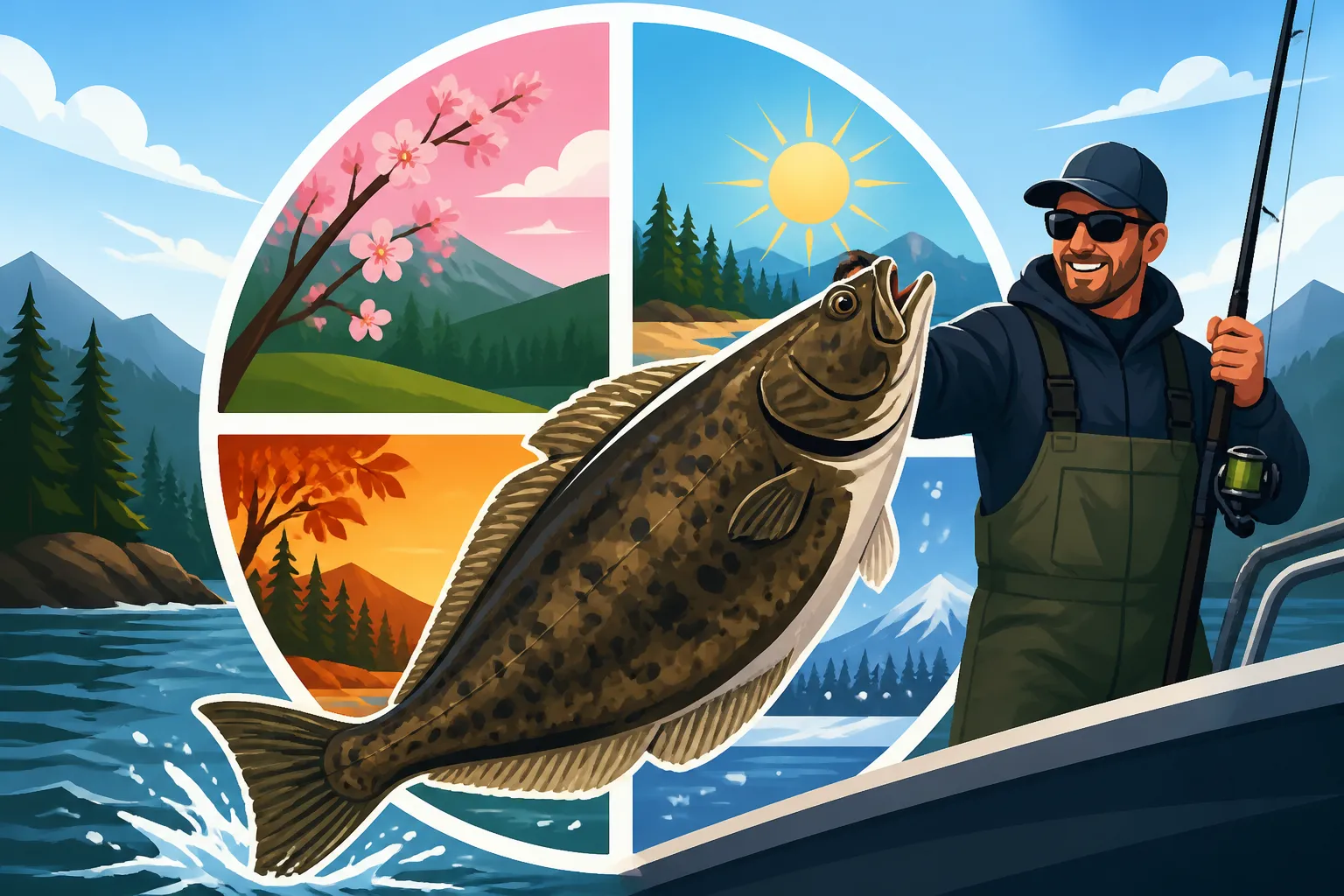
The peak season for halibut fishing in Tofino generally runs from late spring through early fall, roughly May to September. This is when the weather is typically at its most stable, with longer daylight hours, warmer temperatures, and often calmer seas. Charter operators are in full swing, and the town itself hums with activity from tourists drawn to the stunning coastline. For many, this is the ideal time because it aligns with summer vacations and offers the most comfortable fishing experience. The halibut are actively feeding in various depths, and their numbers tend to be strong.
During these months, you'll find a wide array of charters available, from seasoned captains running large boats to smaller, more intimate operations. The visibility is usually excellent, making the scenic journey out to the fishing grounds an added bonus. You might also find that this is the best window for Best Halibut Fishing Spots in BC as the ocean is more accessible. However, this popularity comes with its own set of considerations. Harbours can be busy, popular fishing spots see more boat traffic, and you'll need to book your charter well in advance to secure your preferred dates and captain. Platforms like FishingBooker become invaluable during this time, showing you availability across multiple operators at a glance.
Shoulder Seasons: The Hidden Gems
If you're looking to avoid the busiest times but still want excellent halibut fishing, the shoulder seasons can be truly spectacular. These typically include April, and then late September into October. During these periods, the weather can be a bit more unpredictable than mid-summer, but you'll often be rewarded with fewer boats on the water, more flexibility in booking, and sometimes even better fishing opportunities for certain species. Halibut are still very much present and actively feeding as they prepare for, or recover from, their most intense feeding periods.
Early spring (April) sees halibut beginning to move into more accessible feeding grounds after the winter. The fish can be aggressive, and if you hit a good weather window, you might have some incredible days with less competition. Late fall (September/October) offers a different charm. The summer crowds have dissipated, the trees around Tofino start to show their autumnal colours, and the fishing can remain strong, sometimes even seeing larger, more mature fish aggressively feeding before winter sets in. Charter prices might even be slightly more favourable, and you'll have an easier time finding last-minute bookings. This is also a great time to explore Ucluelet Halibut Fishing as many of the same seasonal patterns apply to its nearby waters.
Factors Influencing Your Tofino Halibut Charter Success
Beyond just the calendar month, several environmental factors play a crucial role in how successful your halibut charter will be. Understanding these can help you fine-tune your booking or adjust your expectations.
Weather and Ocean Conditions
Tofino is famous for its rugged, beautiful coastline, and that means experiencing the full force of the Pacific Ocean. Weather is paramount when planning any offshore fishing trip. While charters are typically adept at navigating various conditions, nobody wants a miserable day on the water.
- Wind and Swell: High winds can kick up significant swells, making the journey out uncomfortable or even unsafe, potentially leading to cancellations. Even if the charter goes out, heavy seas can make it challenging to maintain proper bait presentation or feel subtle bites. During peak summer, you generally encounter more calm days, but the shoulder seasons can be a bit of a gamble. Always check the marine forecast a few days before your trip. A good captain will prioritize your safety and comfort above all else.
- Fog: Tofino is known for its mystical fog, especially in the mornings. While it rarely impacts the actual fishing, it can delay departures or make navigation tricky for inexperienced boaters. Reputable charters are equipped with radar and experienced captains, so fog often just adds to the atmosphere rather than cancelling a trip.
- Rain: Rain, unless accompanied by heavy wind, usually doesn't affect halibut fishing directly, as you're already dressed for the elements on a boat. Often, overcast, rainy days can even be quite productive for fishing, perhaps even reducing glare on the water.
Halibut Behavior and Migration
Halibut are fascinating creatures, and their behavior changes with the seasons and water conditions. Understanding this helps you appreciate why certain times are better than others. These flatfish are generally bottom-dwellers, preferring sandy or gravelly seabeds near structure where they can ambush prey.
- Winter Depths: In the colder winter months, halibut tend to move into deeper waters offshore, making them harder to target for most recreational charters. They become less active, focusing on energy conservation.
- Spring Feeding Frenzy: As ocean temperatures begin to rise in spring, halibut move into shallower, more accessible feeding grounds. This is when they become incredibly active, gorging on baitfish, octopus, and other bottom dwellers. This pre-spawn and post-spawn feeding can lead to excellent catches. This is often when the Best Techniques for Deep Water Halibut really shine as fish are often transitioning.
- Summer Stability: Throughout the summer, halibut remain quite active, inhabiting a range of depths depending on prey availability and water temperature. While often abundant, they might be dispersed, requiring more searching. They are still actively hunting, and this period provides consistent opportunities.
- Fall Aggression: Similar to spring, fall can see another surge in aggressive feeding as halibut fatten up for the winter ahead. Larger, more mature fish are often targeted during this time, leading to some impressive catches.
Tides and Lunar Cycles
While not as critical as weather for when to book your charter, understanding tides and lunar cycles can certainly impact your success on the day of your trip. These factors mostly influence feeding behavior and currents, which in turn affect how you fish.
- Tidal Currents: Halibut often prefer to feed during periods of strong tidal movement. The currents stir up the seabed, disorienting baitfish and making them easier targets. A strong incoming or outgoing tide can concentrate bait and, by extension, the halibut themselves. Many captains plan their day around specific tide changes to maximize their time on the prime feeding grounds.
- Slack Tide: Conversely, slack tide (the period when the tide changes direction and there's little to no current) can sometimes be slower for halibut, as the water is still, and prey is less active. However, it can also be a good time to fish very deep spots where strong currents would make it impossible to hold bottom.
- Lunar Influence: Some anglers swear by lunar charts, believing that specific moon phases influence fish activity. While there's anecdotal evidence, the direct impact on halibut is often secondary to more immediate factors like currents and bait presence. Many experienced captains will tell you that a good tide is more important than the moon phase for halibut. When considering Halibut Fishing Techniques for BC's Coast, understanding how to adjust for varying tidal conditions is key.
Booking Strategies for Each Season
Knowing the general trends is one thing, but how do you actually use this information to book your Tofino halibut charter and make the most of your trip? It all comes down to planning and knowing what to expect.
Securing a Peak Season Spot
If your heart is set on those long, sunny days and generally calmer seas of July and August, then planning well in advance is non-negotiable. Many of the top charters, especially those with glowing reviews or specific specialties, can be fully booked months ahead of time. It's not uncommon for people to book their next year's trip before they even leave the dock!
- Book Early: Start looking for charters as soon as you know your travel dates, ideally 6-12 months out for prime weekends.
- Be Flexible: If your exact dates are booked, consider shifting your trip by a day or two, or even looking at weekdays, which are often less crowded.
- Use Booking Platforms: Websites like FishingBooker are fantastic resources during peak season. They allow you to see the availability of multiple charters side-by-side, read reviews, and compare options efficiently. This saves you the headache of calling dozens of individual operators.
- Ask About BC Halibut Bag Limit Rules: Understand the regulations for the specific time you plan to fish, as limits can change, though halibut rules are generally quite stable. Your charter will know the current rules, but it’s good to be informed.
Capitalizing on Shoulder Season Opportunities
Booking during the shoulder seasons (April, late September, October) offers a different kind of advantage. You might trade a bit of weather predictability for a more relaxed experience and potentially better value.
- More Flexibility: Charters typically have more openings, meaning you might find better deals or have more choices of boats and captains.
- Fewer Crowds: Both on the water and in Tofino itself, the shoulder seasons are quieter. This can lead to a more tranquil fishing experience and easier access to local amenities.
- Watch the Weather Closely: While you can book further in advance, keeping an eye on the marine forecast closer to your trip date is crucial. Don't be afraid to reschedule if conditions look truly miserable; a good charter will usually be understanding.
- Consider Shorter Trips: If you're worried about the weather, a half-day charter might be a safer bet than committing to a full day. You still get a great fishing experience, but with less exposure to changing conditions. This is a great time to learn Jigging for Halibut off Vancouver Island.
| Season | Weather (General) | Halibut Abundance | Crowds (On Water) | Booking Difficulty | Pros | Cons |
|---|---|---|---|---|---|---|
| Peak | Calmer, Warmer | High | High | Very Difficult | Consistent weather, good catches, vibrant town | High demand, higher prices, busy fishing spots |
| Shoulder | Variable | Good | Moderate | Moderate | Fewer crowds, flexible booking, good catches | Unpredictable weather, potentially cooler |
| Off-Season | Rough, Cold | Low/Deep | Very Low | Easy | Very quiet, potential for other species | Halibut fishing unlikely, challenging conditions |
Considering a Winter Excursion
While Tofino remains a beautiful place to visit in the winter (November to March), it's generally not the prime time for halibut fishing. The open ocean can be very rough, and halibut move to deeper, offshore waters, making them much harder to target consistently. Most halibut charters will be closed for the season, or they might pivot to other species if conditions allow.
However, if you're visiting Tofino in the winter and still want to get on the water, you might find charters offering trips for other species like lingcod (when open), or focusing on crab and prawn harvesting. It's a different kind of adventure, but if your heart is set on halibut, it's usually best to wait for the spring thaw. Always consult with local guides directly about what's possible during these colder months. They might know some sheltered spots or unique opportunities if you're simply looking for a Best Time of Year to Fish in BC experience, even if it's not strictly for halibut.
Ultimately, the best time of year to book your Tofino halibut charter comes down to your priorities. Whether you prefer the bustling, sunny days of summer or the quieter, more adventurous shoulder seasons, Tofino offers incredible opportunities. Just remember to plan accordingly, especially if you're aiming for the peak fishing window.
Disclaimer
This article is for general informational purposes only and does not constitute professional advice. Laws, prices and regulations vary by location and change over time. Consult a qualified professional for guidance on your specific situation.