Best guided trips combining hiking and fishing
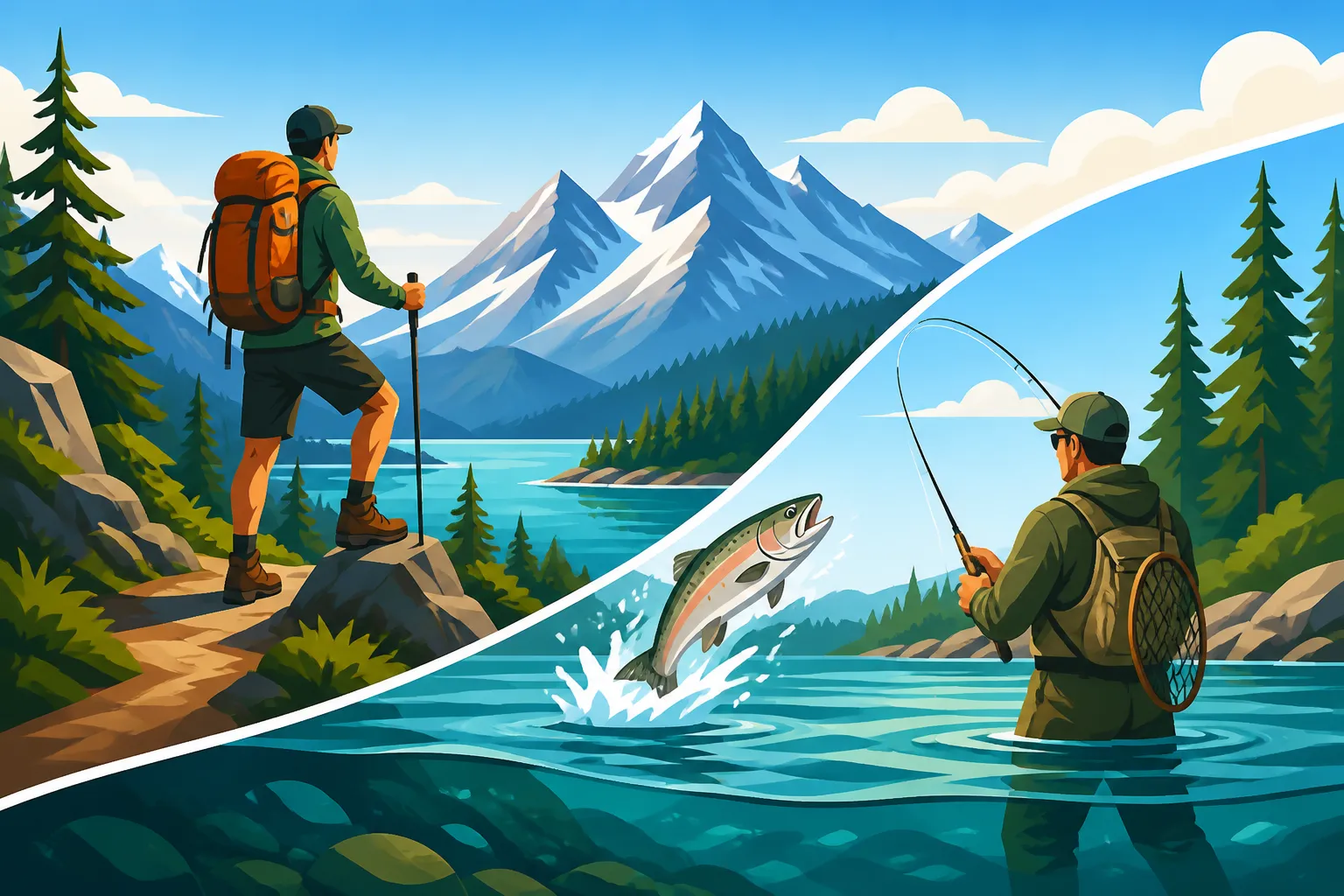
There's nothing quite like the call of the wild in British Columbia. Many of us find ourselves torn between two incredible passions: the peaceful solitude of a winding trail, hiking through breathtaking landscapes, and the thrill of casting a line into pristine waters, hoping for that tug. Often, it feels like you have to choose one or the other, sacrificing a day of exploration for a day of fishing, or vice versa. But what if you didn't have to? This guide is for those who dream of combining the best of both worlds, showing you how to find and experience the best guided trips that seamlessly blend the exhilaration of hiking with the serenity and excitement of fishing across BC's diverse terrain.
Why Combine Hiking and Fishing in British Columbia? The Ultimate Outdoor Synergy
For many outdoor enthusiasts, the idea of lacing up hiking boots and packing a fishing rod for the same adventure feels like hitting the jackpot. British Columbia, with its vast wilderness, majestic mountains, ancient forests, and countless lakes and rivers, is practically tailor-made for this exact combination. It's not just about doing two activities in one day; it's about the unique synergy they create, deepening your connection to the landscape and enhancing the entire experience.
Accessing Remote, Untouched Waters
One of the biggest frustrations for anglers is often the crowds. We all yearn for that secluded spot where the fish are less pressured, the scenery is pristine, and the only sounds are the rustling leaves and flowing water. Hiking provides the key to unlocking these very places. Many of BC's most productive and least-fished waters are simply inaccessible by road. They lie nestled deep within provincial parks, tucked away behind rugged mountain passes, or at the end of challenging backcountry trails. Imagine hiking for a few hours, the anticipation building with every step, to arrive at an alpine lake shimmering with wild trout, or a hidden river bend where an elusive steelhead might be holding. This isn't just fishing; it's an expedition, a reward for your effort, and an immersion in nature that few roadside spots can offer. You truly earn your catch, making the experience all the more satisfying.
When you're out there, far from the paved roads, the fish often behave differently too. They're wilder, stronger, and less wary, offering a more genuine fight. It's a chance to see nature in its purest form, where wildlife sightings are common, and the air is impossibly fresh. These remote locations often hold species that thrive in pristine environments, such as native rainbow trout, cutthroat trout, or even bull trout in Bull Trout in BC's Interior Rivers. The journey becomes as much a part of the adventure as the fishing itself, transforming a simple fishing trip into an unforgettable wilderness escapade.
Enhancing Your Wilderness Experience and Connection
Beyond the fishing itself, combining hiking with your angling pursuit profoundly enhances your overall wilderness experience. When you only drive to a fishing spot, you often miss the subtle beauty and intricate ecosystems that surround it. Hiking forces you to slow down, to observe the flora and fauna, to feel the changes in elevation and terrain. You might discover an unexpected waterfall, track wildlife signs, or identify native plants along the way. This mindful engagement with the environment deepens your appreciation for the place you're fishing.
Think about it: after a strenuous hike to a high mountain lake, the quiet ripple of the water and the crisp mountain air feel even more invigorating. The act of fishing becomes a meditative cooldown, a chance to absorb the stunning vistas you've worked to reach. It's a holistic approach to enjoying the outdoors, where physical exertion is balanced by the calm focus of fishing. This synergy often leads to a greater sense of accomplishment and a more profound connection to the wild places of British Columbia. It's a reminder that these natural spaces offer so much more than just a single activity; they invite us to experience them fully, with all our senses engaged.
Planning Your BC Hike-and-Fish Adventure: Logistics and Gear
Embarking on a combined hiking and fishing trip in British Columbia requires a bit more forethought than simply throwing a rod in the trunk. But don't let that deter you! With a little planning, you can ensure a safe, successful, and incredibly rewarding adventure. The key is balancing your passion for both activities with practical considerations like licensing, gear, and understanding the terrain.
Navigating Licenses, Permits, and Regulations
Before you even start thinking about what flies to tie or what trails to hit, you need to ensure you're legally ready to fish. British Columbia has specific regulations for both freshwater and tidal (saltwater) fishing, and these vary depending on your residency status and the species you intend to target. You'll definitely need a valid BC fishing license. For freshwater excursions, this is a must, and if you plan to keep certain species like salmon, you'll also need to purchase the appropriate conservation stamps. It's crucial to understand the rules for the specific waters you'll be visiting, as many remote lakes and rivers have unique regulations regarding gear, bait, and catch limits. Consulting the Reading the BC Freshwater Fishing Regulations Synopsis is not just a suggestion; it's essential for staying legal and protecting our precious fisheries.
For those venturing into backcountry areas, especially within provincial or national parks, there might be additional permits or registration requirements for hiking or overnight stays. Always check with BC Parks or the relevant park authority beforehand. These measures are in place to ensure your safety and to protect the delicate ecosystems you're exploring. Failing to check can lead to fines or, worse, an unplanned interruption to your adventure. While planning, remember to clarify if your chosen guide trip covers these permits or if you're responsible for obtaining them.
| Consideration | Freshwater Fishing | Tidal Water Fishing | Backcountry Hiking |
|---|---|---|---|
| Primary License | BC Freshwater License | BC Tidal Water License | N/A (unless in parks) |
| Additional Stamps | Salmon Conservation Stamp | Salmon Conservation Stamp | N/A |
| Park Permits | Check BC Parks/National Parks | N/A | Required for overnight/some day use |
| Specific Limits | Species, size, gear specific | Species, size, gear specific | N/A |
| Where to Check | BC Gov, local tackle shops | DFO (Fisheries and Oceans Canada) | BC Parks, National Parks |
Essential Gear for a Hybrid Trip
Packing for a hike-and-fish trip means thinking smart about weight and versatility. You can't just bring your entire tackle box and a bulky fly-tying kit if you're planning to trek several kilometers uphill. The goal is to be self-sufficient and comfortable without being overloaded.
For Hiking:
- Layered Clothing: BC weather can change quickly, especially in the mountains. Wicking base layers, a fleece or insulated mid-layer, and a waterproof/windproof outer shell are non-negotiable.
- Sturdy Hiking Boots: Broken-in, waterproof boots with good ankle support are crucial for varied terrain.
- Backpack: A comfortable pack with good weight distribution is key. For day trips, 20-30 liters is usually sufficient; for overnight, 40-60 liters.
- Navigation: Map, compass, and a fully charged GPS device or smartphone with downloaded offline maps. Don't rely solely on cell service.
- Safety Gear: First-aid kit, bear spray (and knowledge on how to use it), whistle, headlamp, fire starter.
For Fishing:
- Lightweight Rod & Reel: Consider a multi-piece travel rod that breaks down easily and fits inside or straps to your pack. A 4-6 weight fly rod or a light to medium spinning rod is often versatile enough for trout and smaller salmon.
- Minimal Tackle: Pack only essential lures, flies, and terminal tackle. Think small fly box, a few spinners, spoons, and maybe some soft plastics. Leave the heavy lead weights at home if possible.
- Line & Leader: Bring extra spools of line and a variety of leader materials appropriate for your target species and water conditions.
- Waders/Wading Boots (Optional): If you plan to wade rivers, lightweight, breathable waders can be comfortable, but they add bulk and weight. Sometimes, just waterproof hiking pants and good wading sandals or old runners are sufficient for short wades.
- Net: A small, collapsible landing net can be invaluable for safely landing and releasing fish.
- Nippers, Hemostats, Pliers: Essential tools for knot tying and hook removal.
- Fishing Vest/Chest Pack: Keeps essentials easily accessible without removing your backpack.
Remember, a good guide service or outfitter, especially one listed on platforms like FishingBooker, can often provide much of the specialized fishing gear, reducing what you need to carry. Always clarify What Gear a BC Charter Provides before your trip. For example, if you're targeting big Fraser River sturgeon after a short hike to an access point, you're going to need heavy-duty gear that you likely won't want to carry miles into the backcountry. A guide will have this covered.
Top Regions and Experiences for Hike-and-Fish Adventures in BC
British Columbia is a vast province, and its diverse landscapes offer an incredible array of opportunities for combining hiking and fishing. From rugged coastal trails leading to hidden saltwater coves to challenging mountain treks culminating in serene alpine lakes, there's something for every skill level and preference. The trick is knowing where to look and what to expect from each region.
Coastal Trails and Secret Saltwater Havens
For those who love the smell of the ocean and the mist of the rainforest, BC's coast offers unparalleled hike-and-fish experiences. Imagine trekking through ancient old-growth forests, listening to the roar of the Pacific, until you emerge at a secluded beach or rocky outcrop. Here, you can cast for salmon, sea-run cutthroat trout, or even lingcod from shore.
Vancouver Island, with its extensive network of trails, is a prime example. Areas around Tofino and Ucluelet, while famous for their offshore charters, also boast numerous trails that lead to pristine ocean access points. You might hike a section of the Wild Pacific Trail or explore smaller, lesser-known paths that branch off into the wilderness. The fishing here can be exhilarating; a well-placed cast with a spoon or jig could hook a feisty coho salmon or a robust rockfish. Just be mindful of the tides and wave conditions, as they can change quickly.
Another fantastic option is exploring the inlets and islands of the Sunshine Coast or the Gulf Islands. Many of these areas have protected waters perfect for kayak fishing after a short hike to a launch point. You can paddle through calm coves, casting for resident salmon or bottom fish, all while surrounded by stunning coastal mountains. These spots often require a bit more local knowledge to find the truly "secret" spots, making them ideal for a guided trip. Guides know the safe access points, the productive fishing windows, and the specific regulations for these unique tidal waters.
Mountain Lakes and River Treks in the Interior
Venture inland, and British Columbia's interior transforms into a playground of towering mountain ranges, sprawling plateaus, and countless lakes and rivers. This is where the classic hike-to-fish experience truly shines, offering abundant opportunities for freshwater anglers seeking wild trout.
The Cariboo Chilcotin region, for example, is dotted with thousands of lakes, many of which are only accessible by hiking trails or float planes. These alpine and sub-alpine lakes are often teeming with feisty rainbow trout, many of which are wild and eager to strike a fly or lure. A day hike to a remote lake can lead to phenomenal dry fly fishing in the summer months, with trout rising to hatches in crystal-clear waters. The views alone are worth the trek, but the reward of hooking a brightly colored rainbow in such a pristine setting is truly unforgettable. Areas around Wells Gray Provincial Park and Bowron Lake Provincial Park offer incredible backcountry experiences where fishing is a natural extension of your hiking adventure. You could spend days exploring, hiking from one lake to another, fishing different waters each day.
Similarly, the Kootenay Rockies region boasts stunning river systems and high-country lakes. Rivers like the Elk River are renowned for their incredible fly fishing opportunities for native cutthroat trout, and many access points require a short to moderate hike. Higher up, you'll find alpine lakes that hold robust populations of trout, often requiring a more challenging ascent. These interior trips offer a true wilderness immersion, where you're far from any signs of civilization. Remember to check local regulations for specific rivers, as some might be BC catch and release only trout streams or have special gear restrictions. A guided trip here would ensure you're compliant and put you on the best water, safely.
Choosing the Right Guide or Outfitter for Your Combined Adventure
While the spirit of a hike-and-fish trip is about self-reliance and connecting with nature, opting for a guided experience, especially if you're exploring unfamiliar or remote terrain, can elevate your adventure from good to absolutely epic. A good guide doesn't just show you where to go; they open doors to experiences you might never find on your own, ensuring safety, maximizing your success, and enriching your understanding of the local environment.
What Makes a Great Hike-and-Fish Guide?
When you're looking for someone to lead a combined hiking and fishing trip, you need more than just a skilled angler or an experienced hiker; you need a true outdoor expert. Here's what to look for:
- Dual Expertise: The ideal guide should be proficient in both disciplines. They need to understand trail conditions, navigation, wilderness first aid, and bear safety, as well as have deep knowledge of local fish species, effective techniques, and current regulations. You don't want a guide who can get you to a remote lake but doesn't know how to fish it, or vice versa.
- Local Knowledge: This is paramount. A local guide will know the hidden gems – the less-trafficked trails that lead to productive waters, the specific hatches on a particular lake, or the best holding lies in a river. They'll also be aware of microclimates, sudden weather changes, and potential hazards unique to the area. This local insight is invaluable for a successful and safe trip.
- Safety First: Beyond basic first aid, a guide for a hike-and-fish trip should have a strong safety protocol. This includes carrying appropriate communication devices (satellite phone or inReach), being prepared for wildlife encounters, and having contingency plans for unexpected situations like injuries or sudden weather shifts. Always confirm their safety certifications and what emergency gear they carry.
- Passion and Teaching Ability: The best guides are passionate about what they do and genuinely enjoy sharing their knowledge. They should be patient, encouraging, and willing to teach you about both fishing techniques and wilderness skills. This is especially important for Best Guided Trips for Beginners in BC or for those looking to expand their outdoor repertoire.
- Gear Provisioning: Inquire about what gear the guide provides. For a hike-and-fish trip, this is crucial. Many guides will supply fishing rods, reels, tackle, and sometimes even specialized gear like waders or packrafts. This significantly reduces the amount of equipment you need to transport and carry, making the hike much more enjoyable. It's one of the key questions to ask when you're considering BC Fishing Charter Cost Guide.
Platforms like FishingBooker can be incredibly useful for finding guides who specialize in these types of multi-sport adventures. You can often read reviews, see guide profiles outlining their specialties, and get a good sense of their approach before booking.
Tailoring Your Experience: From Day Trips to Multi-Day Excursions
The beauty of a guided hike-and-fish trip is its flexibility. You can choose an experience that perfectly matches your fitness level, time constraints, and desired level of immersion in the wilderness.
- Half-Day or Full-Day Adventures: These are perfect for those who want a taste of the hike-and-fish experience without committing to an overnight stay. A guide might lead you on a moderate trail to a scenic lake or river, allowing for a few hours of focused fishing. This is a great option for families or those with limited time. For instance, a half-day trip to a local lake near a town like Kamloops or Nelson, involving a short, pleasant walk, could yield beautiful rainbow trout.
- Overnight Backcountry Expeditions: For the more adventurous, multi-day trips are where the magic truly happens. Imagine backpacking into a remote alpine basin, setting up camp by a pristine lake, and spending two or three days exploring different fishing spots, perhaps even packrafting to distant shores. Your guide would handle the logistics of backcountry travel, food preparation, and campsite management, allowing you to fully focus on the hiking and fishing. These trips offer a deep dive into BC's wilderness, far from any human disturbance, and provide incredible opportunities for solitude and reflection.
- Fly-in/Hike-out or Vice Versa: Some outfitters specialize in combining bush plane access with hiking. You might fly into a remote lake or river, fish for a few days, and then hike out through a spectacular wilderness area, or reverse the journey. This provides access to truly untouched areas that would be impossible to reach otherwise. These trips require significant planning and a guide is almost indispensable for navigating the logistics and ensuring safety in such isolated environments.
Regardless of the duration, a guided hike-and-fish trip in BC offers a chance to experience the province's natural beauty in a profoundly enriching way. You're not just fishing; you're exploring, learning, and making memories that will last a lifetime, all with the confidence that an expert is leading the way.
Disclaimer
This article is for general informational purposes only and does not constitute professional advice. Laws, prices and regulations vary by location and change over time. Consult a qualified professional for guidance on your specific situation.