Best charters for photographing sunrise on the water
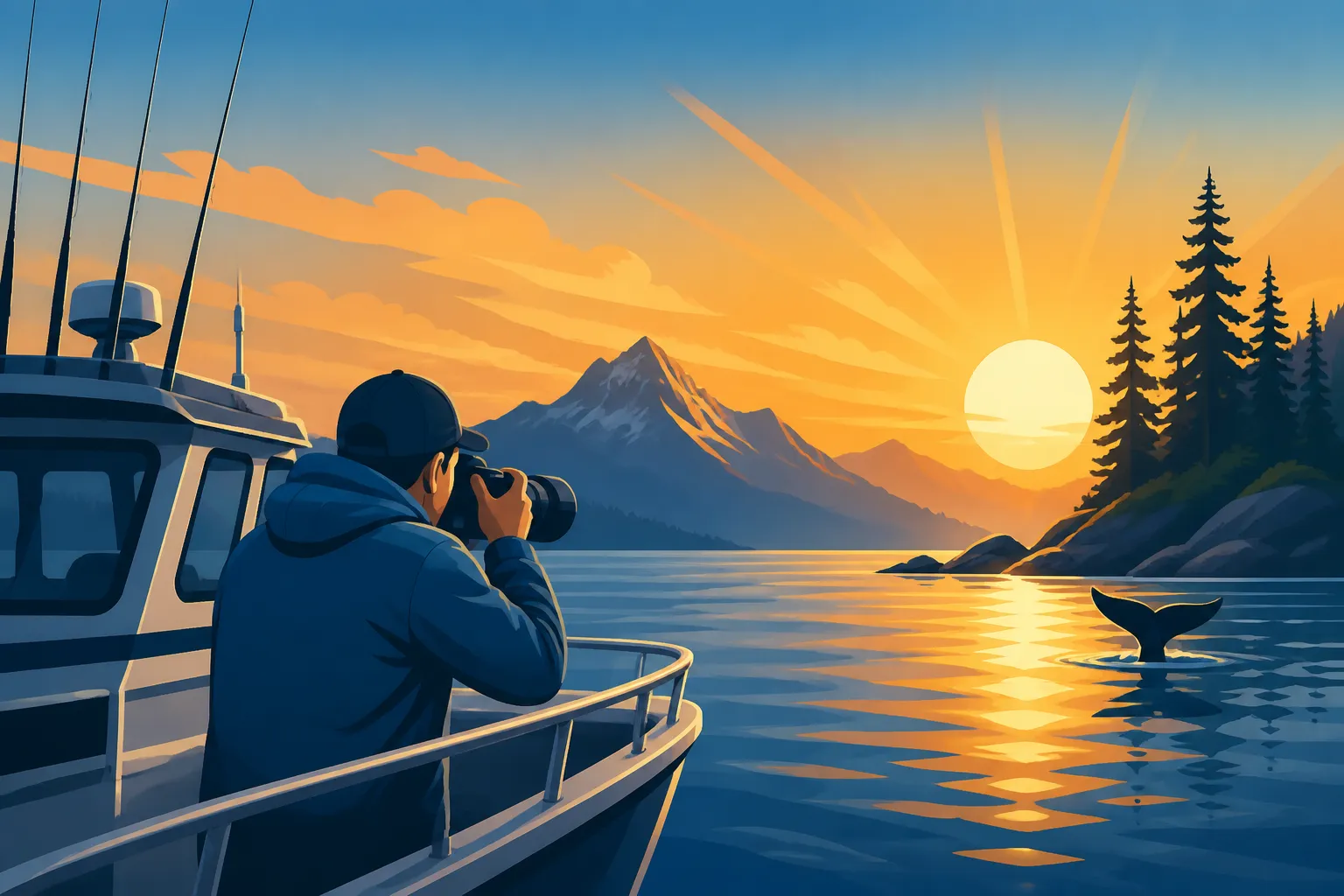
Waking up before dawn for a fishing trip in British Columbia already feels like stepping into a different world, but for those of us with a keen eye for capturing beauty, it's also an unparalleled opportunity to photograph truly breathtaking sunrises. The golden light, the serene calm of the water, the gentle mist rising, and the quiet anticipation of the day's first bite – it's all part of an experience that begs to be preserved. If you've ever struggled to get that perfect shot while juggling a fishing rod, you know the frustration. This guide will walk you through how to find the perfect BC fishing charter specifically designed to help you not just pursue your passion for angling, but also capture those unforgettable sunrise moments on the water.
The Undeniable Magic of Dawn: Why Sunrise Charters are a Photographer's Dream
There's something uniquely enchanting about being on the water as the first rays of light kiss the horizon. For photographers, this isn't just a pretty scene; it's a prime window of opportunity that offers distinct advantages you simply can't find later in the day. The light itself is often described as "golden hour" for a reason – it's soft, warm, and creates long, beautiful shadows that add incredible depth and drama to any photograph. It truly elevates the ordinary into the extraordinary.
The Phenomenon of Golden Hour Light
The period just before and after sunrise, often referred to as the "golden hour," is a photographer's absolute best friend. Unlike the harsh, overhead light of midday that can wash out colours and create unflattering shadows, the low angle of the rising sun produces a diffused, warm glow. This light has a magical quality, painting the clouds in vibrant hues of orange, pink, and purple, and making the water shimmer with a lustrous sheen. Imagine trying to capture the subtle textures of mist over the water or the vibrant colours of a salmon leaping against a bleached-out sky – it's nearly impossible. But with that golden light, every detail pops, and the scene takes on an almost ethereal quality. This is the light that transforms a simple boat ride into a gallery-worthy landscape.
Serene Waters and Abundant Wildlife Opportunities
Another incredible benefit of those early morning starts is the typically calmer waters. Before the winds pick up and other boat traffic disturbs the surface, you'll often find glassy conditions that reflect the sky like a mirror, creating stunning symmetrical compositions. This tranquility isn't just peaceful; it's also often when wildlife is most active and least wary. Think about it: deer venturing to the shore for a drink, eagles soaring from their roosts, or seals and porpoises making their morning rounds before the hustle and bustle of the day begins. Capturing a majestic bald eagle silhouetted against a pastel sky or a pod of dolphins playing in the calm waters near your boat can be the shot of a lifetime. These quiet moments allow for intimate wildlife encounters that are far less likely once the sun is high and the waterways are busier.
Unique Angling Aesthetics and Atmosphere
Beyond the pure landscape and wildlife opportunities, sunrise fishing presents its own unique angling aesthetics. There's a tangible sense of anticipation on the boat as everyone waits for that first tug on the line, surrounded by the dawning light. The silhouette of an angler casting into the rising sun, the vibrant colours of a lure catching the first light, or the spray of water as a salmon breaks the surface, all take on a dramatic flair when bathed in that early morning glow. These aren't just photos of fish; they're photos that tell a story of dedication, patience, and the profound beauty of being out on the water. A good charter captain, knowing your photographic interest, might even subtly position the boat to maximize these visual opportunities, creating scenes that are both authentic and stunning.
What to Look for in a Charter for Photography-Focused Trips
Booking a fishing charter solely for the purpose of catching fish is one thing; booking one with photography as a key priority requires a slightly different approach. You're not just looking for a skilled angler at the helm, but someone who understands and appreciates your secondary goal. It's about finding a captain and crew who are willing to accommodate your artistic pursuits alongside the fishing action. Platforms like FishingBooker often allow you to read detailed descriptions and reviews, which can hint at a charter's flexibility.
Experience with Early Departures and Flexible Itineraries
The first and most critical aspect is confirming the charter’s willingness and ability to depart before dawn. Many half-day charters might start at 6 or 7 AM, which is often already past the prime "golden hour" in some seasons. You need a captain who regularly schedules "pre-dawn" or "first light" departures. Beyond just getting out early, flexibility is key. If a captain is rigid about sticking to specific fishing spots and times, it might be challenging to ask for a brief pause to capture a particularly stunning sky or an unexpected wildlife sighting. Look for guides who market themselves as offering "scenic" or "sightseeing" components alongside fishing, or who explicitly mention catering to photographers. Their understanding of light and landscape will greatly enhance your experience. You'll want to review their typical schedule, and don't be afraid to ask about specific BC fishing season dates and closures that might impact your photography opportunities.
Boat Features and Vantage Points for Optimal Shots
The vessel itself plays a significant role. A cramped boat with limited deck space will make it difficult to move around, change lenses, or set up a tripod without getting in the way or feeling restricted. Look for charters with:
- Spacious Decks: Ample room to comfortably move around the boat to capture different angles and compositions without bumping into gear or other anglers.
- Stable Platforms: A stable boat minimizes camera shake, especially important for longer exposures or telephoto shots. Larger, more robust vessels tend to be more stable than smaller, lighter boats.
- Covered Areas: While you want to be out in the open for the best shots, having a covered area (like a cabin) is invaluable for protecting your gear from morning dew, unexpected rain, or sea spray. It also provides a place to safely store extra lenses and batteries. What to Bring on a BC Fishing Charter often includes protective gear for cameras.
- Unobstructed Views: Consider the boat's design. Are there many railings, poles, or overhead structures that might obstruct your view of the horizon? A clear, open bow or stern area is often ideal for landscape shots.
Captain's Understanding of Photography Needs
This is perhaps the most nuanced aspect. A great captain for a photography trip isn't just someone who knows where the fish are; they're someone who understands why you're reaching for your camera instead of your rod. They might be willing to:
- Slow Down or Pause: Briefly slow the boat or even stop entirely if a spectacular scene unfolds or if you spot a rare bird.
- Position the Boat: Intentionally orient the boat to give you the best angle relative to the rising sun, or to frame a specific landmark or piece of coastline.
- Offer Insights: Share knowledge about local landmarks, wildlife patterns, or the best spots for a dramatic backdrop, knowing your interest in photography.
- Prioritize Safety of Gear: Understand the need for dry bags, secure camera placement, and caution around water spray.
When inquiring, be upfront about your intentions. Ask, "Are you comfortable with me focusing on photography for part of the trip, especially at sunrise?" or "Do you have experience with guests who bring professional camera gear?" Their response will tell you a lot. Don't forget to ask about BC fishing license age requirements and if you need a specific license even if you're primarily photographing.
Essential Gear and Techniques for Capturing the Perfect Shot
Being ready to capture that fleeting moment of sunrise magic requires more than just showing up with a camera. The marine environment presents its own challenges, and having the right gear, protected properly, along with a few technical insights, will make all the difference between a blurry snapshot and a stunning photograph.
Camera Choice, Lenses, and Protection
Your choice of camera body depends on your skill level and how serious you are about the output, but generally, a camera with good low-light performance is a huge asset.
- Camera Body: A DSLR or mirrorless camera (full-frame or APS-C sensor) will give you the most flexibility with settings and lens choices, and generally perform better in low light than most compacts or phone cameras. If you're looking for something rugged, an action camera like a GoPro can capture some unique wide-angle shots, especially if mounted securely.
- Lenses:
- Wide-Angle (14-35mm equivalent): Essential for sweeping landscape shots of the sunrise, reflections on the water, and capturing the vastness of the BC coastline.
- Mid-Range Zoom (24-70mm or 24-105mm equivalent): A versatile lens for general boat shots, capturing anglers, and slightly tighter compositions.
- Telephoto (70-200mm or 100-400mm equivalent): Crucial for wildlife, distant fishing action, and compressing the perspective of the sunrise with a far-off subject.
- Protection: This is non-negotiable on a boat. Saltwater spray, unexpected waves, and even just morning dew can be disastrous for electronics.
- Dry Bag/Waterproof Backpack: Keep your camera and lenses stored here when not actively shooting.
- Rain Cover: A simple, inexpensive rain cover for your camera is a lifesaver if spray picks up or a light drizzle begins.
- Microfiber Cloths: Bring several to wipe off any moisture from lenses or screens immediately.
- UV Filter: Protects the front element of your lens from scratches and salt spray.
- Other Accessories: A sturdy tripod can be helpful for long exposures, but challenging on a moving boat. Consider a monopod or simply bracing yourself. Extra batteries are a must, as cold weather drains them faster.
Mastering Low-Light Settings and Composition
Photographing at sunrise means dealing with rapidly changing light conditions and often low light. Here’s a basic approach to your camera settings:
- ISO: Start with a lower ISO (e.g., 100-400) to minimize noise, especially if you have a tripod. As light increases, you can keep it low. If hand-holding in very dim conditions, you might need to increase ISO to 800 or 1600, but be mindful of noise.
- Aperture (f-stop): For wide landscapes, use a mid-range aperture (f/8 to f/11) to ensure everything from foreground to background is sharp. For wildlife or isolating a subject, a wider aperture (f/2.8 to f/5.6) will create beautiful background blur.
- Shutter Speed: This is your primary control for exposure and motion.
- For handheld shots in low light, try to keep your shutter speed at least 1/focal length (e.g., 1/50 sec for a 50mm lens).
- For moving subjects like leaping fish or wildlife, you'll need a faster shutter speed (e.g., 1/500 sec or faster) to freeze the action.
- For smooth, silky water or star trails before sunrise (if it's dark enough), a tripod and a long shutter speed (several seconds) can create stunning effects.
- White Balance: While auto white balance is often good, experimenting with "cloudy" or "shade" presets can enhance the warm tones of sunrise. Shooting in RAW allows you to adjust this precisely later.
- Composition:
- Rule of Thirds: Place your horizon on the upper or lower third, and subjects on intersecting lines, for a more dynamic image.
- Leading Lines: Use the boat's railing, the coastline, or light rays to draw the viewer's eye into the frame.
- Silhouettes: The rising sun is perfect for creating dramatic silhouettes of anglers, boats, or wildlife. Expose for the sky to achieve this effect.
- Reflections: Look for calm water to capture perfect reflections of the colourful sky.
- Vary Your Perspective: Don't just shoot from eye level. Get low, shoot wide, or zoom in for different interpretations of the scene.
Finding the Ideal BC Charter for Your Photography Adventure
British Columbia is a vast and incredibly diverse province, offering a myriad of backdrops for sunrise photography, from the rugged coastlines of Vancouver Island to the serene lakes of the Interior. Knowing where to look and what type of charter to consider can really help narrow down your options.
Coastal Charters: Dramatic Sunrises and Marine Wildlife
For truly dramatic sunrises over the ocean, coupled with the chance to photograph marine life, coastal areas are your best bet. Imagine the sun bursting over the mountains across the strait, painting the clouds in fiery hues while a pod of orcas surfaces nearby.
- Vancouver Island (e.g., Campbell River, Tofino, Ucluelet): These locations offer incredible ocean views and are prime spots for salmon and halibut. Charters here often depart very early. A Campbell River charter might put you in Discovery Passage for an unforgettable sunrise over the mainland mountains, while a Tofino or Ucluelet trip offers open ocean grandeur. Many charters here will provide all the necessary fishing gear, as outlined in What Gear a BC Charter Provides.
- Lower Mainland (e.g., Vancouver, Richmond/Steveston): While more urban, charters departing from areas like Steveston can offer stunning views of the Fraser River mouth and the Gulf Islands, with city lights fading into the sunrise. You might even catch Best Time of Day to Catch Salmon in these waters.
- Haida Gwaii: For the truly adventurous, Haida Gwaii offers some of the most untouched and majestic coastal scenery in the world, with ancient forests meeting the ocean. Sunrises here are wild and untamed.
When researching, look for charters that specifically mention "scenic tours," "wildlife viewing," or "early morning departures" on their websites or listings, perhaps on a platform like FishingBooker. You'll find many options listed for Best Fishing Charters in British Columbia.
River and Lake Guides: Misty Mornings and Serene Reflections
If your ideal sunrise involves mist rising off calm freshwater, ancient trees silhouetted against a pastel sky, and reflections of snow-capped peaks, then a river or lake guide might be more your style. These trips often offer a different kind of quiet beauty.
- Fraser River (e.g., Chilliwack, Mission): A sturgeon charter on the Fraser River can offer incredibly atmospheric sunrises, with mist blanketing the water and the sheer scale of the river stretching out. The Fraser River Fishing Guide has more details.
- Okanagan Valley Lakes (e.g., Okanagan Lake, Shuswap Lake): These large, serene lakes in the interior can provide breathtaking sunrises, especially with the surrounding vineyards and mountains. Imagine the golden light filtering through a light fog, creating a mystical aura. Okanagan Valley Fishing Guide will have more information on these areas.
- Kootenay Lake: Famous for its Gerrard Rainbow Trout, Kootenay Lake offers spectacular mountain-framed sunrises, with the chance to capture iconic reflections. Kootenay Lake Fishing Guide details opportunities in this area.
River guides, especially those operating drift boats, can often access more intimate and secluded sections of water, providing unique photographic opportunities away from larger boat traffic. They are often flexible with their departure times, catering to those chasing the best light. For those truly dedicated to the craft, consider looking for Best charters departing before dawn for salmon or other species, as these will inherently offer the best sunrise photo ops.
| Charter Type | Best for Photography of… | Typical Departure Time | Key Photographic Advantages |
|---|---|---|---|
| Coastal Ocean | Dramatic skies, marine wildlife, vast seascapes | Pre-dawn to early morning | Broad horizons, chance of large marine mammals, rugged coastline |
| Large Freshwater Lakes | Misty reflections, mountain backdrops, serene landscapes | Pre-dawn to early morning | Calm, glassy water for reflections, distinct land features |
| River Systems | Anglers in action, misty river scenes, intimate wildlife | Dawn to early morning | Often less boat traffic, unique perspectives of riverbanks |
When you're ready to book, don't hesitate to use resources like FishingBooker to compare options. Pay close attention to descriptions that mention photography, scenic routes, or early starts. And always, always communicate your photographic goals to the captain when you book. A clear understanding upfront will lead to a much more satisfying trip for everyone involved. Good luck chasing those golden rays and trophy fish!
Disclaimer
This article is for general informational purposes only and does not constitute professional advice. Laws, prices and regulations vary by location and change over time. Consult a qualified professional for guidance on your specific situation.