Best early spring fishing spots in BC
That first hint of spring in British Columbia, when the snow starts to recede from lower elevations and the days stretch out just a little longer, ignites a specific kind of excitement in every angler's soul. But let's be real, early spring fishing can be notoriously tricky. Rivers are often raging with snowmelt, lakes are just losing their icy grip, and finding those sweet spots where fish are actively feeding can feel like a guessing game. This guide is here to cut through that confusion, giving you the lowdown on some of the absolute best early spring fishing spots in BC, along with the insights you need to make your first outings of the season truly memorable.
The Promise and Perils of Early Spring Fishing in BC
Early spring in British Columbia is a period of dramatic transition, and for anglers, it presents a unique blend of challenges and incredible opportunities. The landscape is waking up, and with it, the fish are starting to shake off their winter lethargy. But it's not a flip-the-switch situation; conditions can change by the hour, and success often hinges on understanding these nuances.
Why Early Spring is Unique for Anglers
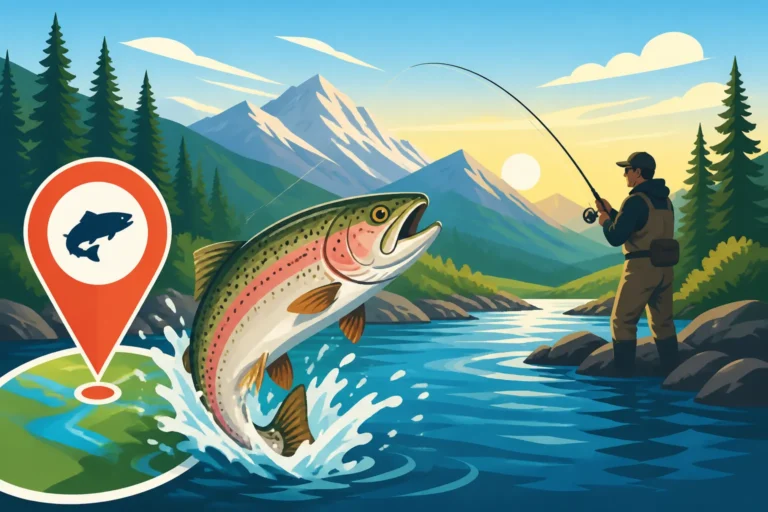
Think about it: the ice is retreating, rivers are getting a fresh infusion of snowmelt, and aquatic insects are beginning to hatch. For many species, this is the first real feeding frenzy after a long, cold winter. The fish are hungry, and often, less pressured than they will be later in the peak summer months. You might find them concentrated in specific areas where food is abundant or where the water temperature is just right. For instance, trout in lakes will often cruise the shallows near inlets or sunny banks, looking for emerging insects or small minnows. Steelhead, those magnificent ocean-run rainbow trout, are nearing the end of their spawning runs in many rivers, offering a chance at truly powerful fish before they head back to the salt. This early window provides a sense of anticipation and the quiet satisfaction of being one of the first to hit the water.
Navigating Variable Conditions
However, this transition period also means dealing with notoriously fickle weather and water conditions. One day it could be bright and sunny, the next a flurry of snow. Rivers can go from fishable to unfishable overnight due to a warm spell sending a surge of meltwater downstream. Water levels can rise dramatically, turning clear, inviting runs into muddy torrents. The water itself is often still very cold, which influences where fish hold and how actively they feed. Anglers need to be prepared for anything – from bundling up in layers to keeping a close eye on river gauges and local weather forecasts. Understanding BC Fishing Season Dates and Closures is paramount, as some areas might still be closed or have specific regulations in place to protect spawning fish or sensitive habitats during this vulnerable time. Always check the current regulations before heading out, as they can change year to year.
Top Freshwater Destinations for Early Spring Success
When the interior of BC starts to thaw, a few key freshwater spots really shine, offering everything from feisty trout to giant sturgeon. It's about knowing where to go and what to expect from these diverse ecosystems as spring begins.
Interior Lakes: Ice-Off Action
For many, the moment the ice pulls back from the shores of BC's interior lakes signals the true start of spring fishing. This "ice-off" period is legendary, particularly for rainbow trout and kokanee. Lakes like Okanagan Lake, Shuswap Lake, and others in the Cariboo and Kootenay regions become prime targets.
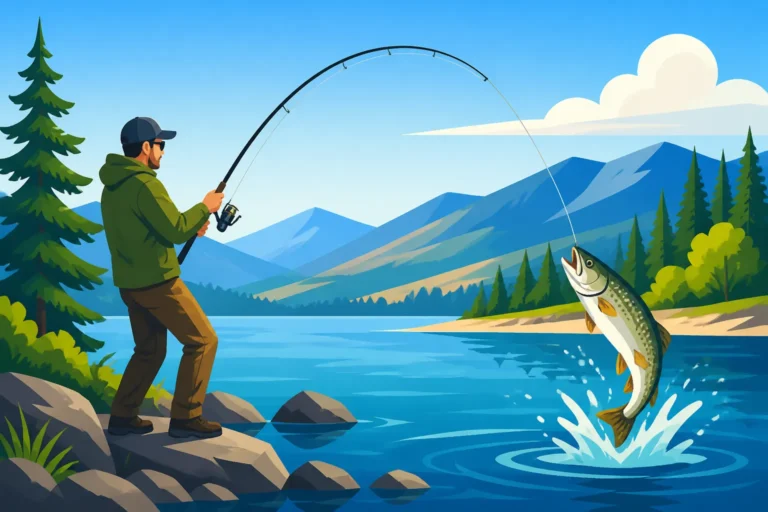
- Rainbow Trout: As the ice recedes, rainbow trout become incredibly active. They often move into shallower areas, especially near sun-warmed banks, stream inlets, or any structure that offers cover and holds early insect hatches. Look for areas where the water is slightly warmer, even by a degree or two, as this can be a fish magnet. Fly anglers might find success with leeches, chironomids, or small minnow patterns. Trolling with small spoons or gang trollers near the surface can also be very effective. This is a fantastic time to learn How to Catch Rainbow Trout in BC Lakes because the fish are often less wary and more concentrated. Early morning and late afternoon are typically the most productive times, but on overcast days, the action can be steady throughout.
- Kokanee: These landlocked sockeye salmon are also great targets during ice-off. They tend to school up and can be found cruising at various depths. Small spoons, Wedding Rings, or Apex lures tipped with corn are popular choices when trolled slowly. Some anglers also find success jigging in deeper sections once schools are located. Knowing the specifics of BC Kokanee Retention Rules is crucial for these delicious fish.
Coastal Rivers: Steelhead Opportunities
If the thought of a chrome-bright, powerful fighting fish gets your heart racing, then early spring on BC's coastal rivers is calling your name. This is prime steelhead time, especially in systems that see early winter and spring runs.
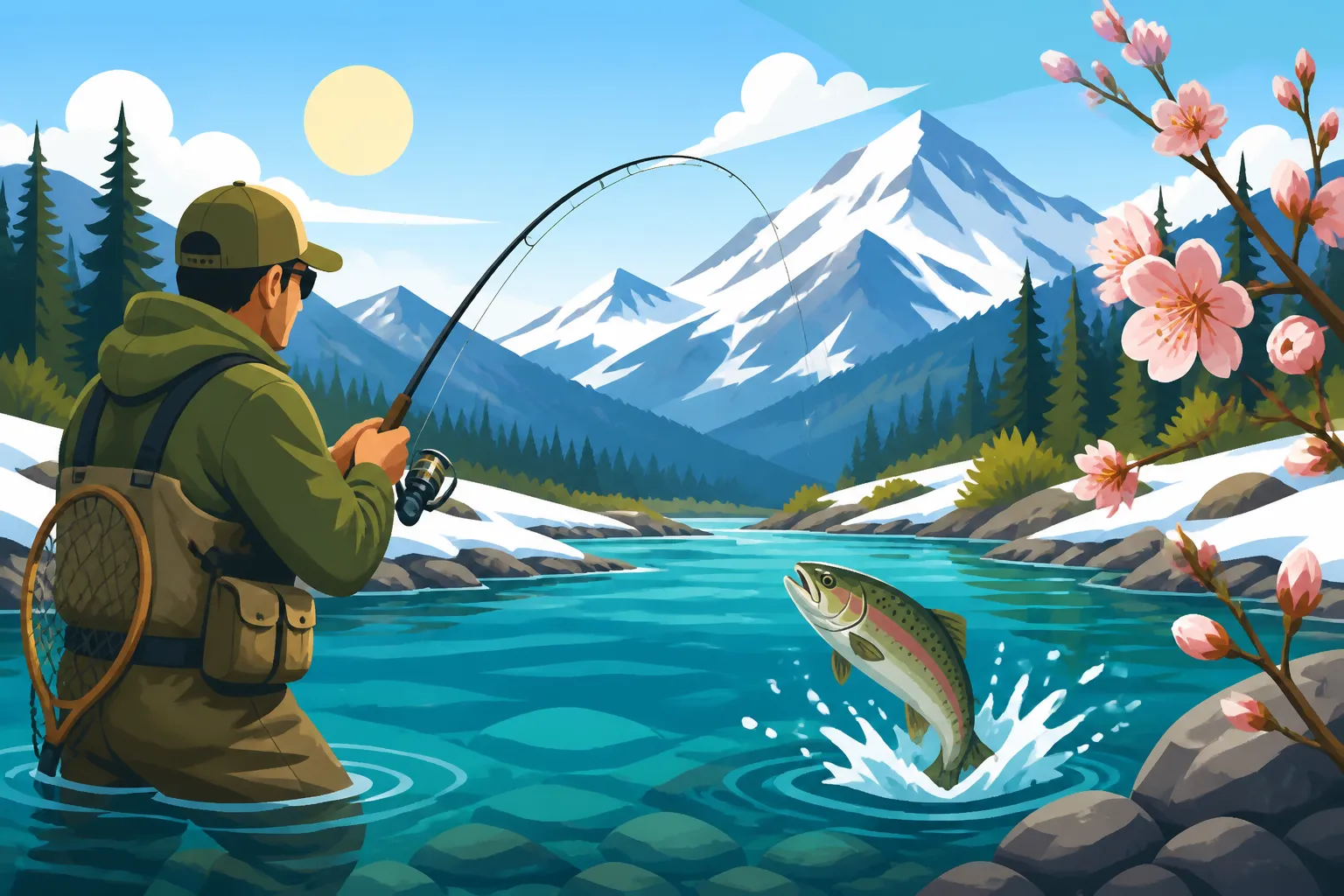
- Squamish River: Just a short drive from Vancouver, the Squamish River and its tributaries offer excellent opportunities for strong, aggressive steelhead. The river can be high and cold in early spring, so understanding techniques for Best Techniques for Early Spring Steelhead is key. Gear anglers often employ drift fishing with roe, jigs, or pink worms, while fly anglers will swing large intruders or spey flies. Access points can be found along the river, but always be mindful of private property and sensitive spawning areas.
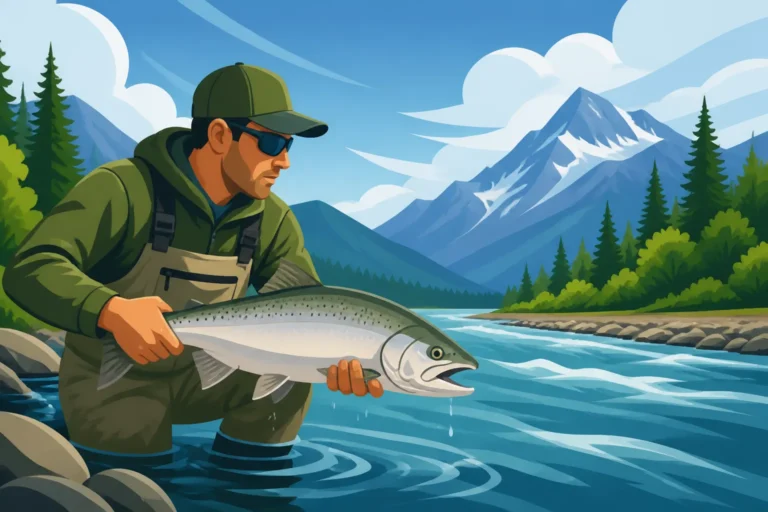
- Vedder/Chilliwack River: This iconic Lower Mainland river system is renowned for its steelhead. While the peak of the winter run might have passed, early spring can still produce some incredible fish. The river can be heavily fished, so getting there early and finding less pressured water is beneficial. Float fishing with roe bags, jigs, or even rubber worms under a Drennan or Raven float is a common and effective method. Check BC Steelhead Season Dates closely, as regulations are often very specific and can vary by section of the river.
- Cowichan River: On Vancouver Island, the Cowichan River is another fantastic steelhead fishery. It's known for its beautiful clear water and strong, wild fish. Fly fishing is very popular here, with classic steelhead patterns swung or nymphed through runs. Gear anglers find success with roe and artificials. Like all steelhead rivers, conditions are everything, so monitoring water levels is crucial. If you're planning a trip, consider checking out local guides on platforms like FishingBooker to get real-time advice on conditions and hot spots. They often have the latest intel on which sections are fishing best.
Lower Fraser River: Sturgeon & Early Salmon Potential
The mighty Fraser River, particularly its lower reaches, offers a vastly different, but equally exciting, early spring experience.
- White Sturgeon: These ancient giants are year-round residents, but early spring can be a fantastic time to target them. As water temperatures slowly climb, sturgeon become more active feeders after a period of relative dormancy. They can be found in deep holes and slow-moving seams, often near major river bends or confluence points where bait collects. Using large bait (often eulachon, lamprey, or salmon pieces) on heavy tackle, fished on the bottom, is the standard technique. Remember, Fraser River sturgeon are strictly catch-and-release, and handling these magnificent fish requires care and knowledge. Consider hiring a specialized sturgeon guide, many of whom are listed on platforms like FishingBooker, for the best and most ethical experience.
- Early Chinook Salmon: While the major salmon runs are still months away, occasionally, very early spring Chinook salmon can be encountered in the Lower Fraser or at its mouth, especially in April. These are typically resident fish or early arrivals. While not a primary target for early spring, it's always a possibility to hook into one, especially if you're using Spring Salmon Fishing Techniques for BC that might entice them. However, always confirm specific retention rules and any BC Freshwater Salmon Retention Rules before planning to keep any salmon.
| Early Spring BC Fishing Spot | Primary Target Species | Recommended Technique | Key Considerations |
|---|---|---|---|
| Okanagan Lake | Rainbow Trout, Kokanee | Trolling, Fly Fishing | Ice-off timing is key, focus on shallower, warmer areas. |
| Squamish River | Steelhead | Drift Fishing, Spey | High, cold water likely, requires heavy gear/flies. |
| Vedder/Chilliwack River | Steelhead | Float Fishing, Drifting | Can be crowded, check specific regulations for sections. |
| Cowichan River | Steelhead | Fly Fishing, Drifting | Beautiful clear water, sensitive wild fish. |
| Lower Fraser River | White Sturgeon | Bottom Fishing (Bait) | Strict catch-and-release, heavy tackle needed. |
| Howe Sound | Resident Chinook | Trolling, Jigging | Tidal movements, look for bait balls. |
Coastal Saltwater Fishing as Spring Awakens
Don't forget the vast potential of BC's coastline when spring arrives. The ocean doesn't freeze, and while winter can be stormy, early spring often brings calmer seas and hungry fish.
Southern Gulf Islands & Howe Sound: Resident Chinook
While the migratory salmon runs are still a ways off, British Columbia's coastal waters are home to healthy populations of resident Chinook salmon. These fish don't migrate far and provide fantastic opportunities even in the colder months.
- Howe Sound: Just north of Vancouver, Howe Sound offers incredible resident Chinook fishing. As temperatures rise slightly in early spring, these fish become more aggressive. Trolling with anchovies, herring, or various spoons (like Kingfisher or Gibbs Delta) and hootchies behind a flasher is the most popular method. Targeting structure, kelp beds, or current lines where baitfish congregate is crucial. This is a great spot for a half-day trip out of marinas like Horseshoe Bay or Squamish. For those new to the area, a quick search on FishingBooker can help you find experienced local guides who know exactly where these resident fish are holding.
- Southern Gulf Islands: The waters surrounding the Southern Gulf Islands (Salt Spring, Galiano, Pender, etc.) and the eastern shore of Vancouver Island can also be very productive for resident Chinook. Areas with good current, bait concentrations, and rocky structure are prime. Anglers often fish around points, reefs, and drop-offs. Always be aware of local regulations, especially concerning Chinook retention limits, as these can vary significantly by area and time of year. Knowing BC Tidal Waters Salmon Conservation Stamp Cost and having it on your license is also essential if you plan to keep any salmon.
West Coast Vancouver Island: Lingcod & Halibut Openings
Further afield on the rugged west coast of Vancouver Island, early spring can signal the opening of some highly anticipated bottom fish seasons, specifically for lingcod and sometimes halibut.
- Lingcod: These aggressive ambush predators are a blast to catch and excellent table fare. The season typically opens in spring, often in April, depending on area-specific regulations. Lingcod are found around rocky reefs, kelp beds, and other structure. Jigging with heavy metal jigs, soft plastics, or even whole baitfish like herring is very effective. Targeting depths from 50 to 200 feet is common. Tofino and Ucluelet are prime departure points for these trips. For detailed information on specific regulations and potential charters, a platform like FishingBooker can provide valuable resources.
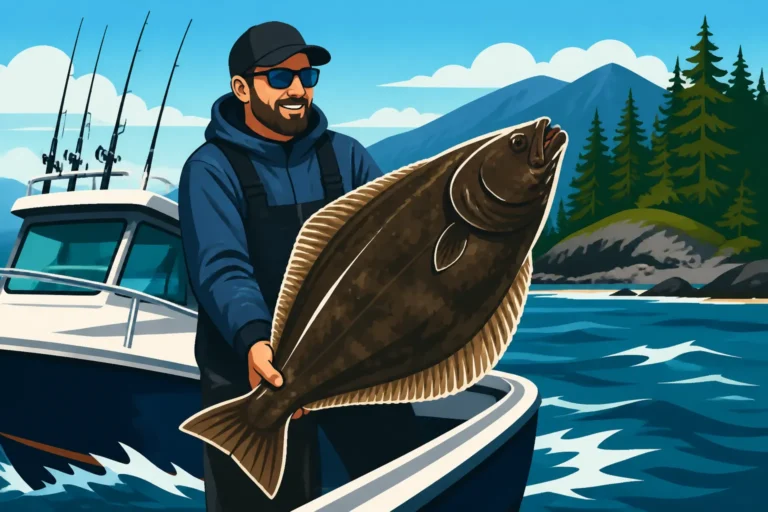
- Halibut: While the main halibut season usually kicks into high gear a bit later in spring and summer, some areas might have early windows or consistent opportunities. Halibut prefer sandy or gravelly bottoms, often near drop-offs or underwater pinnacles. Drifting with large baits (herring, salmon heads, or octopus) on a spreader bar rig, or vertical jigging with heavy jigs, are common techniques. Always double-check the BC Halibut Bag Limit Rules and opening dates for specific management areas, as they are strictly enforced. Given the strong currents and deep waters, understanding BC Boating Laws for Anglers and having your BC Pleasure Craft Operator Card Requirement are critical for safe and legal operation, especially on the open ocean.
Essential Strategies and Gear for Early Spring Angling
Successfully navigating early spring conditions means being strategic about your approach, from how you fish to what you wear.
Understanding Fish Behavior in Cold Water
Cold water fundamentally changes how fish behave. Their metabolism slows down, making them less inclined to chase baits quickly or travel far for a meal.
- Slow it Down: Whether you're fly fishing, casting lures, or jigging, a slower presentation is almost always better in cold water. Retrieve lures at a snail's pace, let your flies drift naturally, or give jigs longer pauses. The fish aren't going to expend excess energy.
- Deeper Presentations: Fish often hold in deeper water or closer to the bottom where temperatures are more stable. In rivers, this means targeting the deepest parts of runs and pools. In lakes, it means fishing closer to the bottom or at the thermocline if one is forming.
- Bait is King (Sometimes): In some scenarios, especially for bottom feeders like sturgeon or lethargic trout, natural baits (roe, worms, shrimp, herring) can be more enticing than artificials, as they provide scent and a readily available meal without much effort from the fish.
Adapting Your Tackle and Techniques
Your gear might need some adjustments to match the colder conditions and sluggish fish.
- Lighter Line, Smaller Baits: Sometimes, scaling down your leader to a lighter breaking strength or using smaller, more subtle baits and lures can make a difference. The water is often clearer in early spring before heavy runoff, making fish more line-shy.
- Sensitive Rods: A more sensitive rod will help you detect those subtle "takes" from fish that aren't aggressively striking. You'll often feel more of a slight tap or increased pressure than a full-on bite.
- Warmth for Your Hands: Cold hands are miserable hands. Investing in good fishing gloves, particularly fingerless ones or those with fold-back fingertips, will keep you comfortable and allow you to tie knots and handle gear.
- Specific Baits/Lures: For steelhead, often darker colored jigs, pink worms, or natural roe are staples. For trout, chironomids, leeches, or small minnow patterns under an indicator can be deadly. For salmon in saltwater, stick with traditional trolling gear, but experiment with slower speeds and different depths. For more general advice on what to bring, check out What to Bring on a BC Fishing Charter as many of those items apply to any cold-weather outing.
Safety First: Cold Water & Changing Weather
The unpredictable nature of early spring in BC means safety should always be your top priority.
- Layer Up: Dress in layers! Start with a moisture-wicking base, add insulating layers (fleece, wool), and finish with a waterproof and windproof outer shell. You can always remove layers if you get too warm.
- Personal Flotation Devices (PFDs): Always wear a PFD, especially if you're on a boat, float tube, or wading in cold, swift rivers. Cold water shock is a real danger, and a PFD can save your life if you unexpectedly enter the water.
- Check Forecasts & Water Levels: Before heading out, check the latest weather forecast and, for river fishing, consult online river gauges for water levels and flow rates. A river that was fishable yesterday might be a raging torrent today.
- Tell Someone Your Plan: Always let someone know where you're going and when you expect to be back. Cell service can be spotty in many remote BC fishing spots.
- Be Prepared for Breakdowns: If boating, ensure your vessel is in good working order, with all required safety equipment on board. Even simple things like a spare paddle, anchor, and sufficient fuel can prevent a bad situation. A great resource for general rules is BC Fishing Regulations Explained. This overarching guide is critical for anyone venturing out in BC waters, ensuring you stay compliant and safe.
Early spring fishing in BC is a rite of passage for many, offering stunning scenery, challenging conditions, and the potential for incredible catches. With the right preparation, knowledge, and a healthy respect for the elements, you can make the most of this unique and rewarding season.
Disclaimer
The information provided in this guide is for general informational purposes only and is subject to change. Fishing regulations, seasons, and conditions in British Columbia can vary greatly and are often updated. Always consult the official BC Freshwater Fishing Regulations Synopsis, the Fisheries and Oceans Canada (DFO) website for tidal waters, and any local fishery notices before planning your trip. It is the angler's responsibility to know and adhere to all current rules and regulations.