BC 1-Day Non-Resident Freshwater License Cost
Heading to British Columbia for a quick fishing trip and feeling overwhelmed by the thought of navigating fishing licenses as an out-of-province visitor? It’s a common headache, especially when you just want to spend a day on our incredible freshwater lakes and rivers. This comprehensive guide is here to demystify the BC 1-day non-resident freshwater fishing license cost, helping you understand exactly what you need, how much it’ll set you back, and how to get it hassle-free for your fleeting but memorable angling adventure.
Understanding the BC 1-Day Non-Resident Freshwater Fishing License
So, you're planning a swift angling escape to our beautiful province, perhaps you're passing through, or maybe you're visiting family and want to squeeze in a day of fishing. The good news is that BC offers a tailored license option specifically for you: the 1-day non-resident freshwater fishing license. It's designed to simplify things, but there are still a few nuances to grasp before you cast your line.
What "Non-Resident" Really Means in BC Fishing
First off, let’s clear up what "non-resident" actually signifies in the world of BC fishing regulations. It’s not just about being from another country; it’s about your primary place of dwelling. If you don't permanently reside in British Columbia for a minimum number of consecutive days each year (generally, this is defined as having resided in BC for the immediately preceding 6 months), then you’re considered a non-resident. This means if you live in Alberta, Ontario, or even Washington State, you fall into this category. It can feel a bit frustrating for our Canadian friends who are just visiting from another province, but the system distinguishes between BC residents and everyone else when it comes to licensing. This distinction helps manage our precious fisheries resources, ensuring that those who contribute to the province’s tax base for conservation efforts have access to different pricing structures.
Why a 1-Day License Is a Game Changer for Short Trips
Imagine you're on a road trip through the Okanagan Valley and decide on a whim to try your luck in one of its renowned lakes, or you're visiting Vancouver and hear about incredible trout fishing just an hour or two away. For situations like these, committing to an annual license, or even a multi-day license, simply doesn't make financial sense. The 1-day non-resident freshwater license is precisely for these spontaneous or very short-term fishing opportunities. It allows you to legally participate in freshwater angling for a full 24-hour period from the time of purchase, without the burden of a larger financial commitment for an extended period you won't use. This flexibility is a huge benefit, removing a significant barrier for many visitors who just want a taste of BC's incredible fishing without the full-year overhead. It's truly a game-changer for maximizing your limited time on the water.
Freshwater vs. Tidal Waters: Knowing the Difference
This is a critical point that can cause confusion for many anglers new to BC. The license we’re talking about is strictly for freshwater fishing. This includes the vast network of BC’s lakes, rivers, and streams – from the mighty Fraser River to the pristine alpine lakes of the Kootenays. If your plan is to fish in the ocean, say for salmon or halibut off the coast of Vancouver Island, you will need a completely separate saltwater (or "tidal waters") fishing license issued by the federal government (Fisheries and Oceans Canada, or DFO). Many visitors incorrectly assume one license covers all waters. It does not. Always double-check your target location. If it's connected to the ocean and experiences tides, it's tidal water. If it's a landlocked lake or a river far upstream from the ocean's influence, it’s freshwater. Understanding the difference between freshwater vs tidal waters license, explained in detail elsewhere, is crucial for staying legal and avoiding fines.
Decoding the Cost: What You'll Actually Pay for a 1-Day Non-Resident Freshwater License
Now for the nitty-gritty: the actual cost. It’s not just one simple number, unfortunately, as there are a few factors that can influence the final price tag for your 1-day adventure. While the base fee is straightforward, you’ll need to consider additional stamps if you're targeting specific, highly regulated species. This is where many anglers get tripped up, so let’s break it down.
The Base License Fee: A Clear Number
For non-residents looking for a single day of freshwater fishing in British Columbia, there are two primary categories, and their base fees differ slightly. As of 2024 (and often stable for a few years, but always subject to change by 2026), the costs are typically:
- Non-Resident Canadian (NRC): This applies to anyone who is not a resident of British Columbia but resides elsewhere in Canada. A 1-day freshwater license for an NRC usually costs around $20.00.
- Non-Resident Non-Canadian (NRNC): This applies to anyone who is not a resident of Canada, such as visitors from the United States or overseas. A 1-day freshwater license for an NRNC typically costs around $22.00.
It’s a minor difference, but it's important to be aware of which category you fall into. This base fee covers your legal right to fish for general freshwater species like rainbow trout, kokanee, or other native species in waters that don’t have specific additional requirements. It’s important to remember that this is just the entry ticket; other factors might add to the final tally. To get a complete picture of all the potential costs, you might want to review a comprehensive guide on how much does a BC fishing license cost.
Mandatory Surcharges You Can't Ignore
This is where the cost can creep up, and it's vital not to overlook these additions. British Columbia implements conservation surcharges or stamps for certain species due to their ecological importance or conservation status. If you plan on targeting or retaining these species, even for just one day, these stamps are mandatory and must be purchased in addition to your base license.
The two main ones for freshwater fishing are:
- Freshwater Salmon Conservation Stamp: If you intend to retain any species of Pacific salmon (Chinook, Coho, Sockeye, Pink, or Chum) from freshwater systems, you must purchase this stamp. It typically costs around $12.00. Even if you just hope to keep one salmon and release others, this stamp is required if you plan to retain any at all. For detailed rules on freshwater salmon retention, it’s always best to check the current regulations.
- Steelhead Conservation Surcharge Stamp: Steelhead are highly prized and protected game fish in BC. If you plan to target steelhead, even if you intend to practice catch-and-release exclusively, this stamp is mandatory. It’s a significantly higher fee, usually around $35.00, reflecting the intense conservation efforts for these magnificent fish. Anglers often face serious fines if caught targeting steelhead without this stamp, regardless of whether they retain a fish or not. This is particularly relevant for those planning to fish in renowned steelhead rivers. Be sure to understand the BC Steelhead Conservation Surcharge Stamp rules before heading out.
These surcharges directly support conservation programs, habitat restoration, and scientific research aimed at protecting these vulnerable species. While they add to your cost, they play a crucial role in ensuring these fisheries remain healthy for future generations.
The Grand Total: Examples to Avoid Sticker Shock
To make this clearer, let's walk through a few hypothetical scenarios for your single day of fishing:
| License Type & Purpose | Base Cost (approx. 2024-2026) | Additional Stamps/Surcharges | Total Cost (Example) | Notes |
|---|---|---|---|---|
| Non-Resident Canadian: Trout Only | $20.00 | None | $20.00 | Perfect for general lake trout or stream fishing. |
| Non-Resident Non-Canadian: Trout Only | $22.00 | None | $22.00 | Similar to above, but for international visitors. |
| Non-Resident Canadian: Trout + Salmon | $20.00 | Freshwater Salmon Stamp (~$12.00) | $32.00 | Allows retention of legal salmon in freshwater areas. |
| Non-Resident Non-Canadian: Trout + Salmon | $22.00 | Freshwater Salmon Stamp (~$12.00) | $34.00 | For international visitors wanting to retain salmon. |
| Non-Resident Canadian: Target Steelhead | $20.00 | Steelhead Stamp (~$35.00) | $55.00 | Mandatory for targeting steelhead, even if catch & release. |
| Non-Resident Non-Canadian: Target Steelhead | $22.00 | Steelhead Stamp (~$35.00) | $57.00 | The highest cost for a single day when targeting this species. |
As you can see, the final cost for a 1-day non-resident freshwater license can range significantly, from around $20 to almost $60, depending on what you plan to fish for. This table highlights why it’s so important to have a clear idea of your angling intentions for the day before you make your purchase. Don’t wait until you hook into a salmon or spot a steelhead to realize you needed an extra stamp!
Navigating Purchase Options and Requirements
Alright, you know what you need, and you have an idea of the cost. Now, how do you actually get your hands on this precious piece of paper (or digital file) that lets you enjoy BC’s incredible fisheries? Thankfully, the process is quite streamlined, offering both online and in-person options to suit your travel style.
Buying Your License Online: The Easiest Route
For most visitors, especially those who like to plan ahead, purchasing your 1-day non-resident freshwater license online is by far the most convenient method. The BC government’s official angling license system is accessible 24/7, meaning you can buy your license from the comfort of your home before you even pack your bags, or even from your phone while enjoying a scenic view near your chosen fishing spot.
The process is generally straightforward:
- Visit the official BC government website: You'll typically find this through a quick search for "BC fishing license" or by navigating to the Ministry of Forests, Lands, Natural Resource Operations and Rural Development's angling section.
- Create an Angler Number (if you don't have one): This is a unique identifier you'll use for all your BC fishing licenses. It’s a one-time setup that makes future purchases even quicker.
- Select your license type: Choose "Non-Resident Canadian" or "Non-Resident Non-Canadian," then select the "Freshwater – 1 Day" option.
- Add any necessary conservation stamps: If you plan to target salmon or steelhead, this is where you’ll add those crucial surcharges. Don't forget this step!
- Complete payment: Use a credit card to finalize your purchase.
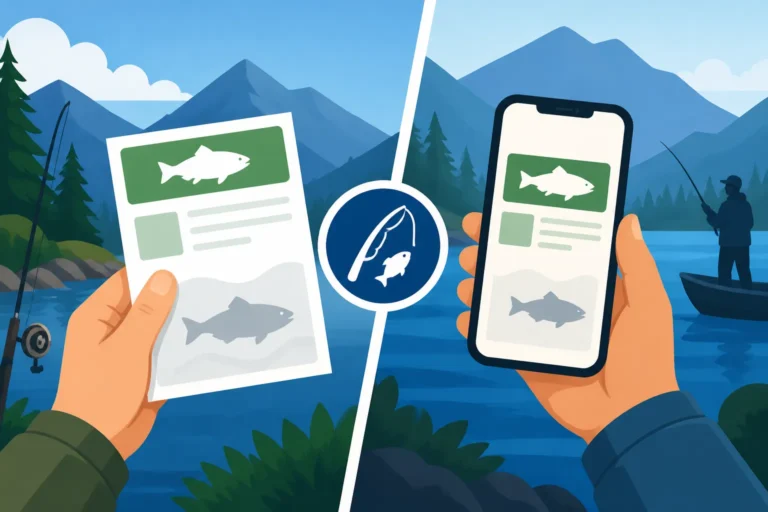
- Print or save your license: Once paid, you'll receive a digital copy. You can either print this out and carry the physical copy with you, or simply save it to your smartphone or other mobile device. Having your license readily available is a must. For more details on digital vs. paper, check out the guide on printing or carrying a digital fishing license in BC.
This online option saves you valuable fishing time once you arrive and ensures you're legal right from the start.
In-Person Vendors: When Online Isn't an Option
While online purchasing is super convenient, it’s not always feasible or preferred. Perhaps you don’t have reliable internet access, or you prefer the personal touch. Thankfully, you can still purchase your 1-day non-resident freshwater fishing license at numerous authorized vendors throughout British Columbia.
These vendors typically include:
- Sporting Goods Stores: Larger retailers like Cabela's, Bass Pro Shops, or local tackle shops often sell licenses.
- General Stores and Convenience Stores: In smaller towns, the local general store might be your best bet.
- Selected Hardware Stores: Some hardware outlets that also cater to outdoor enthusiasts will carry licenses.
- Resorts and Marinas: If you're staying at a fishing lodge or launching from a marina, they often provide license purchasing services.
Buying in person has the added benefit of allowing you to chat with local experts. They can offer invaluable, up-to-the-minute advice on local hot spots, the best baits, and any specific regulations or closures for the area you're planning to fish. Just be sure to bring a valid government-issued ID, as they will need to verify your non-resident status. You can find more comprehensive information on where and how to buy a BC fishing license in person if you prefer this method.
Age Requirements and Exemptions
It’s worth noting that not everyone needs a license, which is fantastic news for families fishing with younger members. In British Columbia, youth under the age of 16 are exempt from needing a freshwater fishing license, including the 1-day non-resident version. This is a wonderful initiative to encourage young people to get into fishing without the added cost barrier.
However, even if a youth is exempt from needing a license, they are still required to adhere to all BC fishing regulations, including bag limits, possession limits, and any specific gear restrictions. They also need to ensure they have the appropriate conservation stamps if they plan to retain salmon or target steelhead, just like an adult angler would. While the base license is free, the stamps are not. For a full breakdown of who needs a license and who doesn't, take a look at the BC youth fishing license exemption under 16 guide, as well as the overarching BC fishing license age requirements.
Beyond the License: Essential Rules for Your Day Out
Okay, you’ve secured your 1-day non-resident freshwater fishing license and any necessary stamps. You're almost ready to hit the water! But hold your horses just a moment longer. The license is just your entry ticket. To ensure a truly successful and legal day of fishing, you absolutely must be aware of the rules governing what you can catch, how much you can keep, and any in-season changes that might impact your plans. Ignorance of the law is never an excuse, especially when it comes to preserving our precious fish stocks.
Understanding Bag and Possession Limits on a 1-Day Trip
Just because you only have a 1-day license doesn't mean you can go wild and keep everything you catch! All anglers, regardless of license duration, are subject to strict bag and possession limits.
- Daily Bag Limit: This is the maximum number of fish of a particular species you can catch and keep in a single day. Once you reach this limit, you must stop fishing for that species, even if your license is still valid.
- Possession Limit: This is the maximum number of fish of a particular species you can have in your possession at any given time, whether on your person, in your cooler, in your vehicle, or at your accommodation. This limit is often higher than the daily limit, particularly for multi-day trips, but for a 1-day license, it usually aligns closely with the daily bag limit.
For example, if the daily bag limit for rainbow trout is 2, you can only keep two rainbow trout on your fishing day. If you catch and release others, that's fine, but only two can be retained. Exceeding these limits can result in significant fines and even forfeiture of your gear. It's truly vital to check the current BC bag and possession limits by species for the specific waters you're visiting before you even make your first cast.
Checking Fishery Notices and Special Regulations
This cannot be stressed enough: always, always check for current fishery notices and special regulations before you go fishing. This is arguably more critical for a 1-day trip, as you don't have the luxury of adjusting plans over several days. BC's fisheries are dynamic, with regulations that can change frequently, sometimes even mid-season, due to conservation concerns, extreme weather, or fish stock assessments.
- In-Season Closures: A river or lake might be entirely closed to fishing for certain species, or even all species, on short notice. This could be due to low water levels affecting fish migration, unusually warm water temperatures stressing fish, or specific conservation efforts for vulnerable runs.
- Gear Restrictions: Some waters might have specific restrictions on the type of gear you can use (e.g., single barbless hooks only, no bait allowed).
- Time-of-Day Restrictions: Certain areas might only be open for fishing during specific hours.
A quick check of the official BC Fishery Notices and In-Season Closures, Explained in detail on the government website, is your best defense against inadvertently breaking the rules. You should also make it a habit to glance through the Reading the BC Freshwater Fishing Regulations Synopsis, which is the comprehensive annual guide. Even for a single day, this can save you a lot of grief and ensure your trip is memorable for the right reasons.
The Consequences of Fishing Without a Valid License
Let's be blunt: fishing without a valid license, or without the correct stamps for the species you're targeting, is simply not worth the risk. Conservation officers in British Columbia are diligent, knowledgeable, and have the authority to enforce regulations strictly. They patrol rivers, lakes, and access points regularly.
The penalties for fishing without a license in BC can be severe:
- Significant Fines: You could face fines ranging from hundreds to thousands of dollars, depending on the severity of the infraction.
- Forfeiture of Gear: Your fishing rod, reel, and other equipment can be seized.
- Loss of Future Privileges: You could be prohibited from fishing in BC for a certain period.
- Criminal Record: For very serious or repeat offenses, legal action could lead to a criminal record.
These consequences can quickly turn your idyllic 1-day fishing trip into a costly and extremely unpleasant experience. It's far better to spend a few extra dollars and a few minutes getting your license and stamps in order than to risk these kinds of repercussions. Responsible angling starts with respecting the rules designed to protect our shared natural resources.
Maximizing Your One Day of BC Freshwater Fishing
You've got your license, you're aware of the rules, and now it's time to make the absolute most of your single day on the water. A 1-day trip requires strategic planning and a focus on efficiency to ensure a memorable and successful experience. Don't leave it all to chance; a little preparation can go a long way.
Researching Your Target Species and Location
With limited time, hyper-focus is key. Instead of trying to fish for everything, pick one or two target species that are readily available in a convenient location. Are you hoping to catch some feisty rainbow trout in a mountain lake? Or perhaps try for kokanee in one of the larger interior lakes? Maybe even experience the thrill of catch and release sturgeon fishing on the Fraser River?
- Trout Lakes: Many smaller, stocked lakes near towns offer excellent, accessible trout fishing, perfect for a quick trip. The Freshwater Fisheries Society of BC regularly stocks lakes, making success more likely.
- Kokanee: These landlocked sockeye salmon are popular in lakes like Okanagan Lake and Kootenay Lake. Trolling with light gear can yield good results. To learn more, delve into how to catch kokanee in BC.
- Sturgeon: If you're after a true monster, a guided catch-and-release white sturgeon fishing on the Fraser River trip can be done in a single day, offering an unforgettable experience. This requires specialized gear and local knowledge.
Do a bit of online scouting or ask locals at tackle shops. Look for "best public fishing access near [your location]" to find easily reachable spots. Focus on areas known for consistent action rather than trying to discover a hidden gem on a single day.
Essential Gear for a Day Trip
For a 1-day excursion, you don't need to haul an entire tackle shop. Keep your gear light, versatile, and appropriate for your chosen species.
- Rod and Reel: A medium-light spinning rod and reel combo (6-7 feet) is incredibly versatile for most freshwater trout, kokanee, and even smaller salmon. Load it with 6-8 lb test monofilament or fluorocarbon.
- Terminal Tackle: A small selection of hooks, split shot, swivels, and a few popular lures or flies. For trout, think small spinners (like Mepps or Rooster Tails), spoons, or a selection of dry flies and nymphs. For kokanee, small dodgers and wedding rings are often effective.
- Bait: If bait is allowed and you plan to use it, worms, krill, or roe are common choices. Always check regulations for bait restrictions.
- Essentials: Don't forget a small pair of pliers for hook removal, a tape measure to check legal sizes, a small cooler with ice for any fish you keep, and a pair of polarized sunglasses to spot fish and protect your eyes. Sunscreen, a hat, and appropriate rain gear (a lightweight jacket can be a lifesaver in BC) are also crucial. You can find many of these basic fishing essentials quickly on Amazon if you're in a pinch before your trip.
- Waders/Boots: Depending on your chosen spot, a good pair of waterproof boots or waders can make a huge difference in comfort and access.
Keeping it simple often leads to more time fishing and less time fussing with gear.
Hiring a Guide for a Seamless Experience
For non-residents with only a single day to fish, especially if you're new to BC, hiring a local guide is arguably the best investment you can make. A guide drastically increases your chances of success and ensures a stress-free experience.
Here’s why a guide is invaluable for a 1-day trip:
- Local Knowledge: Guides know the best spots, the current hot baits or flies, and how the fish are biting right now. They can adapt to changing conditions and put you on fish quickly.
- Gear Provided: Most reputable guides provide all the necessary, high-quality gear, saving you the hassle and expense of bringing or buying your own.
- Navigating Regulations: Guides are experts in local regulations, ensuring you comply with all bag limits, conservation stamp requirements, and special closures. They’ll also handle the fish processing if you decide to keep your catch.
- Safety: They know the waters, current conditions, and safety protocols, making your day on the water much safer.
- Instruction: If you're a novice or want to try a new technique, a guide can provide invaluable instruction and tips.
While it adds to the cost, the value of a guided trip for a single day of BC fishing cannot be overstated. It transforms a potentially confusing and frustrating attempt into an efficient, educational, and often highly successful adventure. For advice on selecting the right one, consider reading our guide on how to choose a BC fishing charter, even for freshwater trips, as many principles apply.
Disclaimer
Please note that fishing regulations in British Columbia are subject to change by provincial and federal authorities. While every effort has been made to provide accurate and up-to-date information in this guide, it is ultimately the angler's responsibility to verify current regulations, limits, and license requirements before engaging in any fishing activity. Always consult the official BC Freshwater Fishing Regulations Synopsis and the Fisheries and Oceans Canada (DFO) website for the most current information.