Best rod setup for Fraser River sturgeon
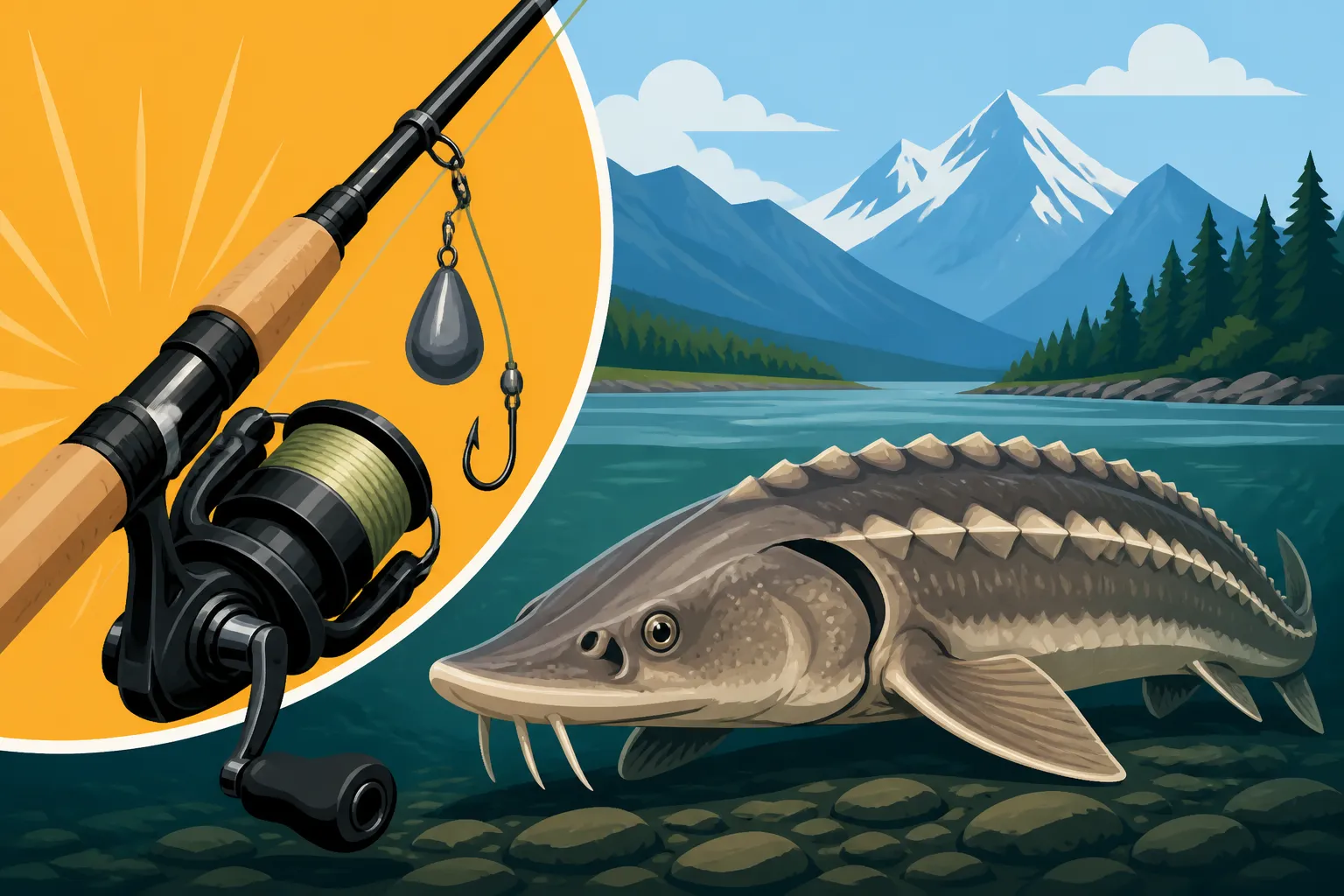
Oh, the Fraser River sturgeon. There’s nothing quite like the thrill and sheer terror of hooking into one of these magnificent prehistoric giants. If you've ever felt that bone-jarring tug, you know that fishing for them isn't for the faint of heart, and it certainly isn't for flimsy gear. Many anglers make the mistake of underestimating their power, only to find themselves outmatched with snapped rods or screaming reels that quickly give up the ghost. This guide is all about helping you understand exactly what kind of rod setup you need to confidently tackle a Fraser River sturgeon, ensuring you’re ready for the fight of a lifetime.
The Unique Demands of Fraser River Sturgeon Fishing
Fishing for white sturgeon on the mighty Fraser River is an experience unlike almost any other freshwater pursuit. These fish aren't just big; they're incredibly powerful, built for battling strong currents and holding their ground. You're not just casting a lure; you're often sending heavy baits into deep, fast-moving water, and when a sturgeon decides to bite, it does so with authority. This isn't a finesse game; it's a brute-force ballet where your gear is constantly pushed to its absolute limits.
Power and Backbone: Why It's Not Just Any Heavy Rod
When we talk about a rod for Fraser River sturgeon, we're not just talking about something "heavy." We're talking about a rod with serious backbone – the kind of power that can actually move a fish that could easily outweigh you by hundreds of pounds, all while it’s digging into a powerful current. Think about it: a sturgeon in the 8-foot range can easily tip the scales at 300-500 pounds, and some are even larger. If your rod doesn't have the guts to apply constant, immense pressure, you're just going to wear yourself out, and the fish will win.
The frustration of feeling a massive fish on the line, only to have your rod buckle too much, or worse, snap under the strain, is something many sturgeon anglers have experienced. You need a rod that can withstand long, punishing runs and deep dives, acting as an extension of your body to turn the fish's head when it wants to bury itself in the riverbed. It's a true test of engineering and materials, and frankly, anything less than purpose-built gear will leave you feeling completely outgunned. This relentless fight is why so many anglers come back for more, constantly refining their approach, and it all starts with the right rod. If you're looking for more insight on the species itself, check out White Sturgeon Fishing on the Fraser River.
Length and Leverage: Reaching the Fish and Controlling the Fight
The length of your rod plays a crucial role in sturgeon fishing, impacting both your ability to cast effectively and your leverage during the fight. On the Fraser, you're often casting substantial baits, sometimes with considerable weight, to reach specific spots where these giants might be holding. A longer rod (typically 8 to 9 feet) helps you achieve those distances with less effort and provides better line control, especially when fishing from a boat or a relatively open stretch of shore.
But it’s during the battle that length truly shines. Imagine a massive sturgeon peeling line off your reel, heading straight for a snag or deeper water. A longer rod gives you more leverage to guide the fish, to steer its head away from danger, and to maintain a better angle on the line, especially in strong currents. It helps absorb some of those incredible head shakes and powerful surges. However, there’s a balance; too long, and it becomes unwieldy in close quarters or small boats. The ideal length provides that critical combination of casting power and fighting leverage without sacrificing maneuverability.
Key Components of a Fraser River Sturgeon Rod Setup
Choosing a sturgeon rod isn't just about grabbing the heaviest thing you can find. It's about a synergy of components, each designed to withstand immense pressure and perform flawlessly when that once-in-a-lifetime fish decides to chew on your bait. Every part, from the tip to the butt, needs to be up to the task, because a single point of failure can mean a lost fish and a lot of heartbreak.
Rod Action and Taper: Balancing Sensitivity and Brute Strength
The action of a rod refers to where it bends when pressure is applied. For sturgeon, you'll generally be looking at rods described as heavy or extra-heavy power, but the action is also incredibly important. You need a rod with enough tip sensitivity to detect those often subtle, curious sturgeon bites, which can sometimes feel like a gentle tap even from a monster. A "moderate-fast" or "moderate" action is often preferred for stgeon rods. A moderate action means the rod bends more deeply into the blank, closer to the middle, which provides a parabolic bend that acts like a shock absorber against powerful surges and helps prevent hooks from tearing out of a sturgeon's soft mouth.
However, that flexibility needs to transition seamlessly into immense power in the lower two-thirds of the rod—the "backbone" we discussed. This powerful butt section is what allows you to truly lean into the fish and apply the necessary pressure to turn its head. Many sturgeon rods feature composite blanks, often a blend of fiberglass and graphite. Fiberglass offers incredible durability and a more forgiving bend, while graphite adds sensitivity and reduces weight. This combination creates a rod that can take a beating, detect light bites, and still have the brute strength to move a colossal fish.
Reel Seats and Guides: Built to Endure the Battle
Imagine fighting a 600-pound fish for an hour, only to have your reel come loose from its seat or a guide liner pop out, fraying your line. These are real concerns for sturgeon anglers, highlighting why robust reel seats and guides are non-negotiable.
Reel Seats: You need a heavy-duty, double-locking reel seat, often made by reputable brands like Fuji. These are designed to hold your conventional reel firmly in place, even under the most extreme torque and pressure. A single-locking reel seat simply won't cut it, as the vibrations and strain of the fight can cause it to loosen, leading to catastrophic failure. Look for metal components rather than plastic, which can crack or deform.
Guides: The guides on your rod are the unsung heroes, constantly handling the immense friction of heavy braided line under pressure. You'll want guides with strong, double-footed frames, typically made of stainless steel, and with durable ceramic inserts (like SiC or Alconite). These inserts dissipate heat efficiently, preventing damage to your line during long runs. The guide count and spacing are also important; more guides spread evenly distribute the stress across the blank, reducing the chance of any single guide being overloaded. When you're browsing for gear, checking out options on Amazon can give you a good idea of the heavy-duty features available from various manufacturers.
The Right Reel: Matching Your Rod for Optimal Performance
The rod is only half the equation; the reel is the engine of your sturgeon setup. For Fraser River sturgeon, there’s really only one type of reel to consider: a heavy-duty conventional reel, often referred to as a baitcaster or star-drag reel. Spinning reels, even large ones, generally don't have the line capacity, drag power, or gearing strength required for these fish.
Key Reel Features:
- High Line Capacity: You need a reel that can comfortably hold at least 300-500 yards of heavy braided line. Sturgeon make blistering runs, and you need that reserve.
- Powerful Drag System: This is paramount. Look for reels with smooth, consistent drag systems that can apply 25-50 pounds of pressure (or more!). Carbon fiber drag washers are a common feature in high-performance reels, offering durability and heat resistance.
- Strong Gearing: The internal gears need to withstand the tremendous torque of cranking a heavy fish against a strong current. Stainless steel or marine-grade brass gears are common in quality sturgeon reels.
- Power Handle: A large, comfortable power handle provides better grip and leverage when battling a big fish for an extended period.
When considering gear ratio, a lower ratio (e.g., 4.0:1 or 3.5:1) generally provides more cranking power, which is invaluable when you're trying to gain line on a stubborn sturgeon. While a faster retrieve might sound appealing, power trumps speed in this game. To complete your setup, remember that the Best line for sturgeon fishing in heavy current is equally critical to complement your powerful reel.
Recommended Rod Specifications for Fraser River Sturgeon
Navigating the world of rod specifications can feel a bit like reading a foreign language, but understanding these numbers is vital for picking the right tool for these colossal fish. It’s not just about what feels sturdy; it’s about choosing a rod precisely engineered for the unique challenges of battling a Fraser River sturgeon.
Understanding Rod Ratings: Line Weight, Lure Weight, and Power
Every rod comes with a set of ratings printed on its blank, usually near the handle. For sturgeon fishing, these become incredibly important.
- Line Weight (lb test): This indicates the optimal range of line strength the rod is designed to handle. For Fraser River sturgeon, you’ll typically be looking at rods rated for 80-150 lb braided line, sometimes even higher. Using line significantly outside this range can either overpower the rod (if too heavy) or put too much strain on the rod (if too light) risking breakage.
- Lure Weight (oz/grams): This rating tells you the ideal weight of the lure or bait and sinker combination the rod is designed to cast efficiently. Sturgeon fishing often involves heavy lead weights (8-16 oz, sometimes more depending on current) to hold bottom. Your rod needs to be able to load effectively with this weight without feeling like it’s going to snap during the cast. Look for rods rated for 8-20 oz or even higher.
- Power: This describes the rod’s stiffness or lifting power. For sturgeon, you'll need rods rated "Heavy" (H) or, more commonly, "Extra Heavy" (XH) or "XXH" (Double Extra Heavy). This is the sheer strength of the rod's blank, its ability to move a fish against pressure. Don't skimp here; an underpowered rod will simply fold under the strain of a large sturgeon.
Exceeding these ratings, especially the lure weight and line test, can put undue stress on the rod blank and components, leading to premature failure. It's a calculated design, and staying within the manufacturer's recommendations is always the safest bet.
Specific Rod Types and Their Applications
When you walk into a tackle shop or browse online, you'll see a variety of rods, but for sturgeon, your focus will narrow significantly.
- Heavy to Extra-Heavy Action Rods: As discussed, this is the bread and butter. Look for rods explicitly marketed as "sturgeon rods," "catfish rods," or "saltwater bottom fishing rods." These are generally built with the durability and power required. The action is usually moderate or moderate-fast, allowing for that crucial shock absorption while still having immense lifting power.
- Blank Materials: Many top-tier sturgeon rods are made from E-glass or a composite blend. E-glass (a type of fiberglass) is incredibly durable and flexible, making it ideal for absorbing the violent runs of a sturgeon without shattering. Composites, blending fiberglass with graphite, offer a lighter rod with improved sensitivity while retaining much of the fiberglass's strength. You'll often find excellent options from brands specializing in heavy tackle. When researching, a quick search on Amazon for "heavy duty sturgeon rod" will show you plenty of examples of these robust designs.
- Rod Length Considerations:
- 7'6" to 8'6": These lengths are popular for boat fishing, offering good leverage while remaining manageable in the confines of a boat. They’re still long enough for decent casting and good line control.
- 8'6" to 9'6": These longer rods are excellent for shore fishing, allowing for longer casts to reach prime holding areas and providing superior line management over long distances in current. They also offer maximum leverage from a fixed position on the bank. If you're wondering about what baits work best with such a setup, explore Best bait for sturgeon on the Fraser River. For a broader perspective on sturgeon habits, you might find What white sturgeon eat in the Fraser River helpful.
Rigging Your Rod for Success
Once you’ve got that formidable rod and reel combination, it’s time to complete the setup with the right line and terminal tackle. This isn't where you want to cut corners; even the best rod and reel will fail if your line or hooks aren't up to the task of the BC Fraser River Sturgeon Catch and Release Requirement.
Line Choices: Braided vs. Monofilament for Sturgeon
When it comes to line for Fraser River sturgeon, there’s a clear winner: braided line.
- Braided Line: This is the gold standard for sturgeon. Its incredibly high strength-to-diameter ratio means you can spool a massive amount of incredibly strong line onto your reel. The biggest advantage, however, is its near-zero stretch. This non-stretch quality provides unparalleled sensitivity, allowing you to feel every subtle bump and tap on your bait, even in deep water or strong current. Crucially, it also provides direct, immediate power transfer when you set the hook and when you need to pull on a fish. You'll typically be looking at 80 lb to 150 lb test braided line.
- Monofilament: While more forgiving due to its stretch, monofilament line simply doesn't offer the same sensitivity or raw power transfer needed for sturgeon. Its thicker diameter also means less line capacity on your reel at comparable breaking strengths.
- Leaders: While your main line will be braid, you’ll almost always use a heavy monofilament or fluorocarbon leader. This leader (typically 150-250 lb test, 3-6 feet long) serves several purposes: it provides abrasion resistance against the sturgeon’s rough skin and riverbed structure, it's more invisible in the water than braid, and it’s easier to handle when bringing the fish close for landing or release. For practical tips on handling these fish, check out Sturgeon catch and release survival tips.
Terminal Tackle: Hooks, Weights, and Swivels
Every component of your terminal tackle needs to be robust.
- Hooks: The law in BC mandates barbless hooks for sturgeon. You'll need extra-heavy-duty, strong, sharp single hooks, typically sized 10/0 to 14/0. Brands like Gamakatsu or Owner offer excellent quality. Ensure they are strong enough not to straighten out under the immense pressure of a big sturgeon.
- Weights (Sinkers): To hold your bait on the bottom in the Fraser’s often powerful currents, you'll need heavy lead sinkers. Pyramid or flat-bottomed weights from 8 oz up to 20 oz (or more, depending on current speed) are common. You'll rig these with a "sinker slide" or a three-way swivel setup, allowing the main line to pass through freely, so the sturgeon doesn't feel the weight of the sinker when it picks up the bait.
- Swivels and Snaps: Use extra-heavy-duty barrel or ball-bearing swivels (rated for 200+ lbs) and snaps. Weak swivels can twist and fail under pressure, leading to line twist or a lost fish.
Maintaining Your Setup: Longevity for Big Fights
Investing in a quality sturgeon rod setup is a significant commitment, and proper maintenance will ensure it lasts for countless battles.
- Rinse After Use: After every trip, especially if exposed to rain or river grime, rinse your rod and reel thoroughly with fresh water. Pay special attention to the reel and guides, ensuring no grit or salt (if you happened to be in brackish water) remains.
- Check Guides: Regularly inspect your rod guides for cracks in the ceramic inserts or bent frames. Damaged guides can quickly fray and break your line, turning a potential trophy into a heartbreak.
- Reel Maintenance: Follow the manufacturer's recommendations for reel lubrication and service. Regular cleaning and oiling of gears, bearings, and drag washers will keep your reel performing smoothly and powerfully.
- Store Properly: Store your rod in a rod sock or case to protect it from dings and scratches. Store reels in a dry place, ideally out of direct sunlight.
With a meticulously chosen and well-maintained rod setup, you'll be well-prepared for the incredible challenge and immense reward of Fraser River sturgeon fishing. Understanding the subtle nuances of the river itself, like How to read structure for sturgeon on the Fraser or knowing How deep white sturgeon go in the Fraser, will only further enhance your success.
| Component | Recommended Specifications | Why It Matters |
|---|---|---|
| Rod Power | Extra Heavy (XH) or Double Extra Heavy (XXH) | Provides brute strength to move massive sturgeon in strong currents. |
| Rod Action | Moderate to Moderate-Fast | Balances sensitivity for bites with a forgiving bend for shock absorption. |
| Rod Length | 7'6" – 9'6" (depending on boat vs. shore) | Offers casting distance and crucial leverage during the fight. |
| Blank Material | E-Glass or Composite (Fiberglass/Graphite blend) | Durable, flexible, and provides necessary backbone without being overly brittle. |
| Reel Seat | Heavy-Duty, Double-Locking (e.g., Fuji) | Prevents reel from coming loose under extreme torque and pressure. |
| Guides | Double-footed, Stainless Steel frames with Ceramic inserts | Handles heavy braided line, dissipates heat, prevents line fraying. |
| Reel Type | Conventional (Star-Drag/Baitcaster) | Superior line capacity, drag power, and gearing strength over spinning reels. |
| Line Capacity | 300-500+ yards of 80-150 lb braid | Essential for long runs from powerful sturgeon. |
| Drag System | Smooth, powerful (25-50+ lbs), carbon washers | Crucial for tiring out fish and preventing line breakage. |
| Main Line | 80-150 lb Braided Line | High strength-to-diameter, zero stretch for sensitivity and power transfer. |
| Leader | 150-250 lb Monofilament or Fluorocarbon | Abrasion resistance, lower visibility, easier handling at the boat/shore. |
| Hooks | 10/0 – 14/0, Extra-Heavy Duty, Barbless | Required by law, strong enough not to straighten, ensures quick release. |
| Sinkers | 8-20+ oz Pyramid or Flat-Bottom | Holds bait on the river bottom in strong currents. |
Disclaimer
This article is for general informational purposes only and does not constitute professional advice. Laws, prices and regulations vary by location and change over time. Consult a qualified professional for guidance on your specific situation.