Best technique for late fall coho
As the days shorten and the chill really starts to set into the air, many anglers feel that sinking feeling that the best salmon fishing might be behind them. But for those who love the tenacious fight of a coho, late fall in British Columbia actually offers some incredible opportunities, even if the fish are a bit more elusive and the weather a lot less forgiving. This guide will dive deep into the specific strategies and gear you need to successfully target coho salmon when the leaves have fallen and winter looms.
Understanding Late Fall Coho Behavior
Fishing for coho in late fall isn't just about showing up with a rod; it's about understanding how these incredible fish change as the season progresses. The vibrant, chrome-bright coho of early fall are often still pushing upriver with a purpose, but as November and December arrive, things start to shift.
The Shifting Habits of Late Season Coho
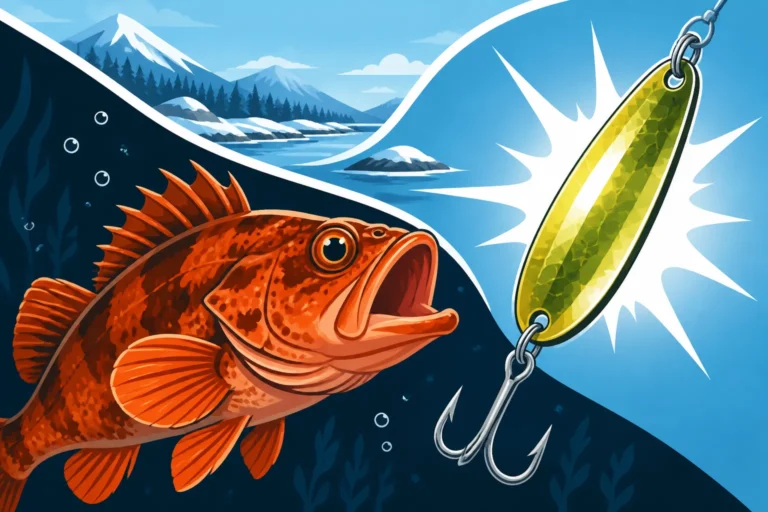
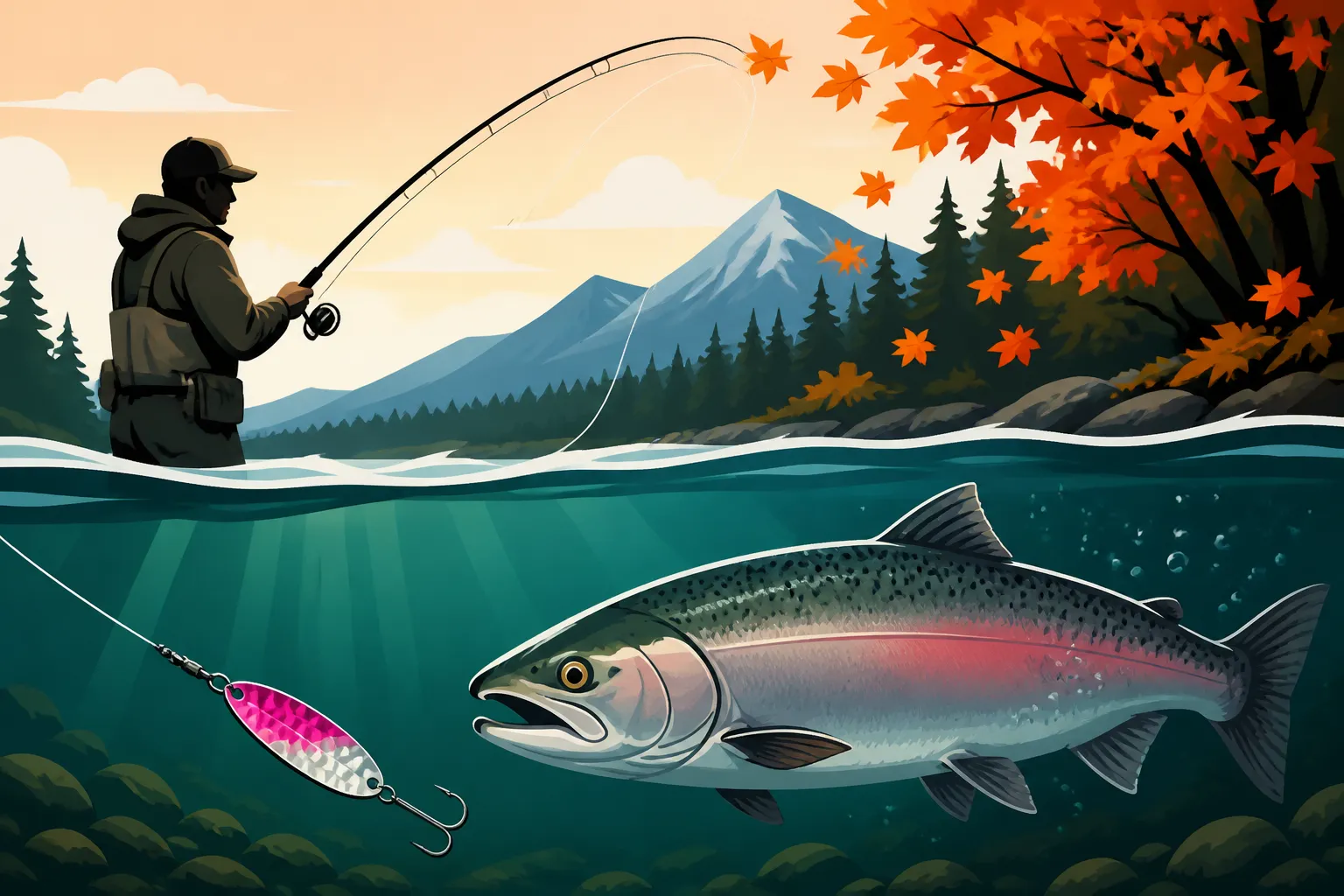
By late fall, many coho have been in freshwater for a while, meaning they've begun their incredible transformation towards spawning. Their silvery scales start to take on a darker, often reddish hue, and their bodies become more streamlined as they stop feeding aggressively. This doesn't mean they stop biting entirely, but their motivation changes. Instead of chasing down every passing baitfish or flashy spoon, they might be more inclined to strike out of aggression, territoriality, or simply a residual instinct to feed on something that drifts right into their strike zone.
You’ll notice that these fish aren't as spread out. They’ve moved into their preferred spawning grounds or are staging in deeper pools and slower runs adjacent to these areas. They're often grouped up, and if you find one, you'll likely find more. The challenge is often in getting a reaction strike from a fish that isn't actively looking for food. This means your presentation needs to be impeccable, and your choice of lure or bait needs to trigger an instinctual response rather than a hunger response. Their energy levels might also be lower in the colder water, so they won't expend as much effort chasing a lure. This emphasizes the need for close-quarters presentations.
Identifying Prime Late Fall Coho Habitat
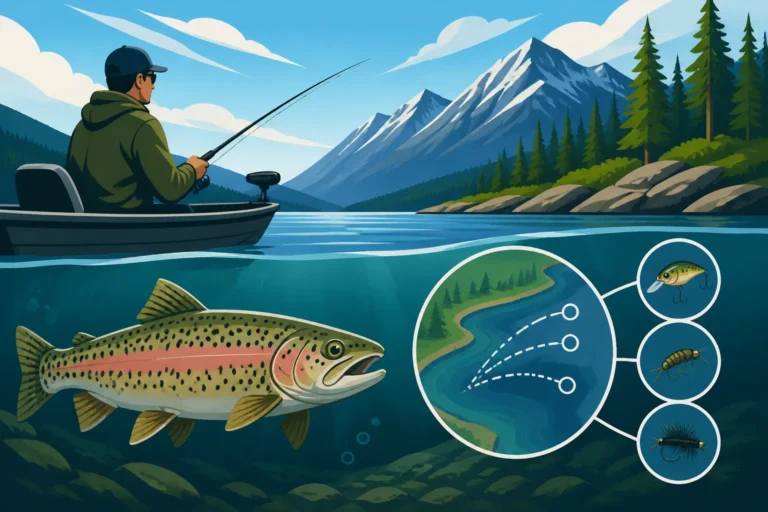
Late fall coho are generally found in slower, deeper sections of rivers and larger creeks, particularly those with good cover. Think about where a fish would conserve energy and feel safe from predators like eagles or otters. Deep pools, shadowed undercut banks, the tail-outs of larger runs, and areas with submerged timber or large boulders are prime real estate. You’ll also find them staging below rapids or waterfalls, waiting for the right moment or conditions to push further upstream.
As their bodies prepare for spawning, they'll also be drawn to gravelly areas, even if they're not actively spawning yet. Look for gravel bars with moderate current, especially those with an adjacent drop-off into deeper water. These are transitional zones where fish might rest before moving onto the actual spawning beds. Smaller tributaries flowing into larger rivers can also be hotspots, as these are often preferred spawning channels. For example, if you're fishing a larger system like the Fraser River Fishing Guide, paying attention to where smaller, clearer streams merge can be highly effective. The clearer water and shallower gravel can draw fish in.
The type of river also plays a role. In larger, powerful rivers, coho might hug the banks, taking advantage of current breaks behind large rocks or log jams. In smaller, more intimate streams, they might hold in almost every deeper pocket or bend. Water temperature also becomes a huge factor; colder water means fish are less active, so finding areas where the water might be slightly warmer (e.g., deeper sections, spring-fed pockets) can concentrate fish.
Essential Gear for Late Fall Coho
Having the right equipment is paramount when the weather turns cold and the fish get particular. You need gear that's sensitive enough to detect subtle bites, strong enough to handle a powerful fish, and capable of enduring the elements.
Rod, Reel, and Line Selection
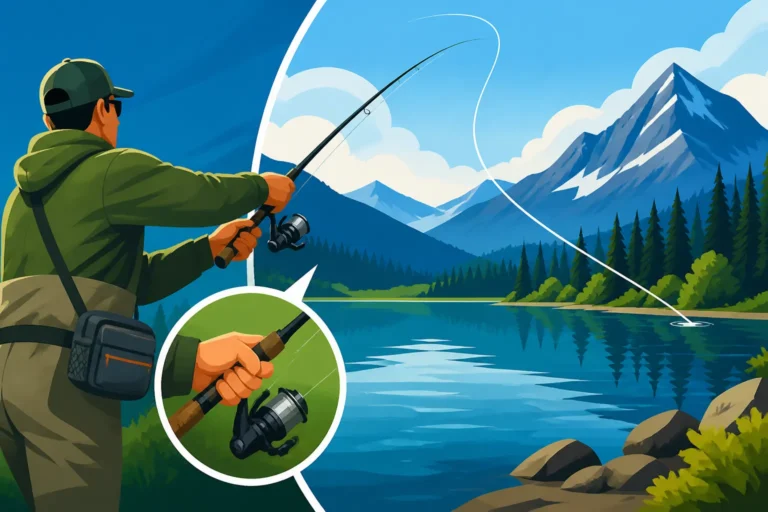
For late fall coho, I highly recommend a medium-light to medium power spinning or casting rod, typically 8 to 10 feet in length. The longer rod provides better line control, especially when float fishing or mending line in tricky currents, and offers improved shock absorption during a fish's powerful runs. A graphite rod with a fast or moderate-fast action will give you the sensitivity to feel those delicate taps and the backbone to set the hook firmly. You're not always looking for a rip-your-rod-out-of-your-hands strike at this time of year; sometimes it's just a subtle pause or a slight bump.
Pair your rod with a quality spinning reel in the 2500-4000 series size, or a baitcasting reel with a smooth drag system. A good drag is non-negotiable, as even "darker" coho can put up a surprisingly strong fight, especially in colder water. For line, 10-15 lb braided mainline is an excellent choice for its zero-stretch sensitivity and strength. Spooling up with braid allows you to feel everything your lure is doing and every nuance of a soft bite.
For your leader, a 8-12 lb fluorocarbon is ideal. Fluorocarbon is nearly invisible underwater, which is a huge advantage when fish are wary. It also offers excellent abrasion resistance, which is important when fishing around submerged timber or rocky bottom. A length of about 4-6 feet for your leader is usually sufficient, allowing you to quickly re-tie if necessary without re-spooling your entire mainline. Remember, lighter leaders often translate to more bites when fish are finicky, but you need to balance that with the need for strength. You can find a wide array of reliable fishing lines and leader material on platforms like Amazon.
Top Lures and Baits for Finicky Fall Coho
When coho aren't actively feeding, you need something that either irritates them into striking or presents itself so perfectly they can't resist.
Natural Baits:
- Cured Roe: This is often the undisputed king, especially in colder, clearer water. The natural scent and subtle presentation of a small cluster of salmon roe, drift-fished under a float, can be irresistible. The key is fresh, properly cured roe, and using just enough to cover your hook. Many anglers swear by a dime-sized cluster.
- Worms: While not as common for coho as for trout, a juicy dew worm or a cluster of smaller worms can sometimes entice a bite, especially if the fish are still retaining some feeding instincts. Again, drift-fished under a float or even on a small bottom rig.
Artificial Lures:
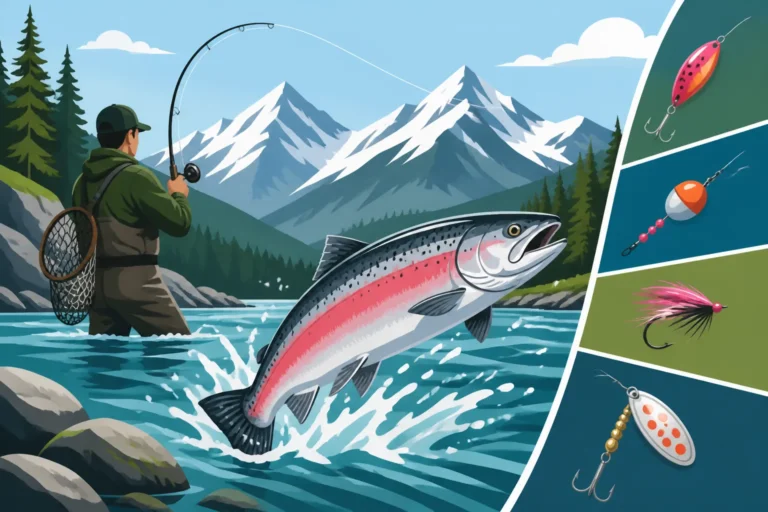
- Twitching Jigs: These are game-changers for late fall coho. Small, compact jigs (1/4 to 3/8 oz) in patterns like pink, chartreuse, white, or black-and-blue are highly effective. You cast them upstream or across, let them sink, and then impart a "twitch-twitch-pause" retrieve. The erratic darting action combined with the fall can trigger an aggressive strike from a territorial fish. The best twitching jigs often have a bit of flash or a subtle skirt action. These are easy to stock up on from online retailers like Amazon before your trip.
- Small Spoons: Spoons like the Koho or Croc in sizes 1/4 to 3/8 oz are reliable. Pink, chartreuse, silver, or blue-and-silver are classic coho colors. A slow, wobbling retrieve that allows the spoon to flutter on the fall can be very effective. Casting across a current and letting it swing into holding water, then slowly retrieving, can also work wonders.
- Spinners: While perhaps more productive earlier in the season, a well-placed spinner (size 3 or 4 Mepps or Blue Fox Vibrax) can still trigger a reaction strike. Again, focus on colors like pink, chartreuse, or even a basic silver blade. The key is to get it to spin immediately upon retrieve, even in slower water.
- Small Plugs/Wobblers: Think Kwikfish or Flatfish in smaller sizes (K7 or F7). These can be deadly when back-trolled from a boat or even cast and retrieved slowly in deeper runs. The aggressive wobble can agitate coho into striking.
Experimentation is key. What works one day or on one river might not work the next. Always have a variety of options ready.
Mastering the Techniques for Success
Late fall coho fishing demands precision, patience, and a willingness to adapt. The techniques you employ will depend on the water you're fishing and the mood of the fish.
Float Fishing: Drifting for Subtle Bites
Float fishing, often called "chucking and ducking" or "pin-fishing," is arguably the most popular and effective method for river coho in BC, especially as the water cools and fish become more stationary. It allows you to present your bait or lure naturally at the fish's depth, often enticing strikes from otherwise lethargic fish.
The basic principle involves using a float (often a large Drennan or Raven style float) to suspend your bait or jig just off the bottom, allowing it to drift with the current. The setup usually consists of your braided mainline, a small barrel swivel, a fluorocarbon leader, and then your hook with bait (like roe) or a small jig. You’ll use split shots or pencil lead above the swivel to "shuck" or "shot" your float, meaning adding just enough weight so that only the tip of the float is visible above the water. This provides maximum sensitivity.
When you cast, you want your float to drift downstream as naturally as possible, matching the speed of the current. This is called "mending" your line—making small adjustments with your rod tip to eliminate slack and prevent drag on your float. The goal is to make your bait look like a natural piece of food or an egg drifting effortlessly downstream. Pay close attention to your float; any hesitation, dip, or sudden movement could be a bite. A common frustration is missing those subtle takes, which is why a sensitive rod and good line management are crucial. Often, coho will just mouth the bait or nip at it, and the float will only twitch slightly before dipping. This is when you set the hook!
You can explore more about techniques like this in resources such as Float Fishing the Bulkley River which highlights similar approaches for steelhead.
Spin Fishing: Covering Water Effectively
Spin fishing encompasses a few different approaches that are highly effective for late fall coho. The key here is often covering water and eliciting a reaction strike.
Casting and Retrieving: This involves throwing spoons, spinners, or small plugs into promising holding water and retrieving them. For spoons and spinners, a slow, steady retrieve is often best, allowing the lure's action to do the work. Let the lure sink for a few seconds after casting to get it into the strike zone. Vary your retrieve speed and add small pauses or twitches to impart an erratic action, which can sometimes trigger a strike from a hesitant fish. Casting across or slightly upstream and letting the current swing the lure as you retrieve can be very effective in river runs.
Twitching Jigs: As mentioned earlier, twitching jigs is a specialized spin fishing technique. Cast your jig across the current or slightly upstream of a suspected holding area. Let it sink to the desired depth (often near the bottom). Then, with your rod tip pointed slightly up, give it two or three sharp, short twitches, reeling in the slack as you do so. Pause for a few seconds, letting the jig flutter and fall, then repeat. Many strikes happen on the pause or on the initial twitch. This method is incredibly versatile and can be used from shore, a boat, or even when wading. It's particularly effective in deeper pools, behind structure, or in the calmer edges of faster currents. When targeting aggressive coho with this method, you’ll find that a quick trip to Amazon can help you secure a good selection of various jig weights and colours to experiment with.
Fly Fishing: Presenting to Spooked Fish
Fly fishing for late fall coho can be incredibly rewarding but often requires a refined approach, especially since these fish can be more easily spooked in clearer, colder water.
Streamer Fishing: This is probably the most common fly technique. Use a sink-tip or full sinking line to get your fly down to the fish. Flies like Intruders, weighted Coho Buggers, or large Clousers in pink, chartreuse, black, or blue are excellent. Cast across or slightly downstream and allow the fly to sink. Then, retrieve with varied strips and pauses. The idea is to make the fly look like a fleeing baitfish or something that annoys the coho into striking. Focus on swinging the fly through known holding water, letting the current impart action.
Egg Patterns: When coho are staging near active spawning grounds of other salmon species (like chum or sockeye), small egg patterns (often single or double eggs in peach, orange, or pink) can be highly effective. Dead-drift these under an indicator, much like float fishing with bait. This natural, subtle presentation can often fool fish that are ignoring flashier offerings.
Nymphing (less common but possible): In very specific situations, especially in smaller, clearer streams, large stonefly nymphs or even small, weighted yarn flies might tempt a less aggressive coho. This is typically done with a European nymphing setup or a strike indicator, focusing on a dead drift right in front of the fish's nose. The key for all fly fishing techniques in late fall is stealth, accurate casting, and understanding how to get your fly into the fish's zone without spooking them. Remember, they're not always looking for a meal, so sometimes it’s about presenting something irresistible or annoying.
Reading the Water and Adapting Your Approach
Late fall fishing success hinges on your ability to interpret the conditions and make on-the-fly adjustments. No two days are ever truly the same, and the fish's mood can change with the weather.
Factors Influencing Late Fall Coho Bites
Several environmental factors heavily influence how late fall coho behave and, consequently, how they bite. Being aware of these can dramatically improve your chances.
Water Temperature: As the water temperature drops, coho become less active. They'll conserve energy and often move into deeper, slower pools where temperatures are more stable. This means you need to slow down your retrieve, focus on presenting your lure or bait directly in front of their noses, and be prepared for very subtle bites. A slightly warmer day after a cold snap can sometimes trigger a brief period of increased activity.
Water Levels and Clarity: Rain can significantly impact late fall coho fishing. Rising, murky water might push fish tighter to the banks, or cause them to move into clearer side channels or eddies. Conversely, very low and clear water makes fish much more skittish and visible, demanding lighter leaders and a more stealthy approach. A slight bump in water levels from a recent rain, followed by clearing, can be ideal. Always check How to check BC fishery notices before a trip for current conditions, as these can change rapidly.
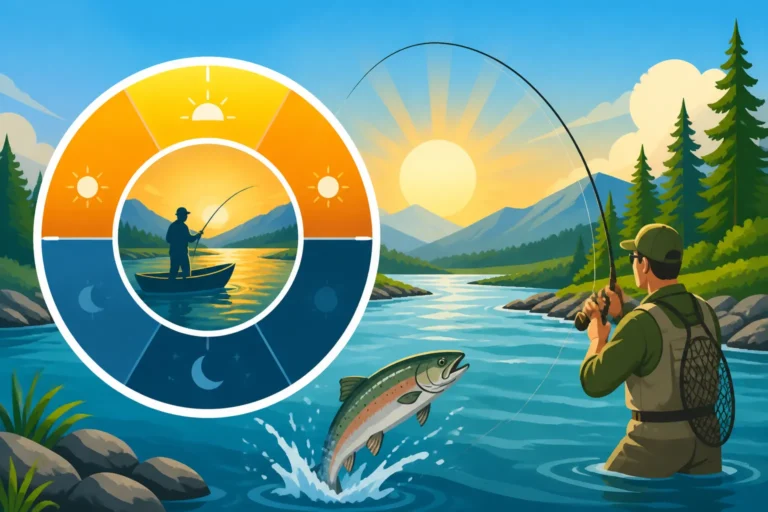
Light Conditions: Overcast days or early morning/late evening hours often provide the best fishing for late fall coho. Bright sunlight can make fish shy and reluctant to move from cover. On darker days, fish might be more willing to move into shallower water or feed more actively. Adjust your lure colors accordingly: brighter, more reflective colors on darker days or in murky water, and more natural, subtle colors on bright, clear days.
Pressure: Late fall can sometimes see fewer anglers out, but if a particular run is hot, it can become crowded. Heavily pressured fish are often more difficult to catch. They've seen every lure and bait, and they've likely been hooked (and released) before. This calls for smaller presentations, lighter leaders, and even more meticulous technique. Consider exploring less-known spots or fishing during off-peak times.
Safety and Ethical Considerations
Fishing in late fall often means colder temperatures, icy banks, and potentially rapidly changing weather. Your safety, and the well-being of the fish, should always be your top priority.
Stay Warm and Dry: Layering is essential. Waterproof and windproof outer layers are a must. Thermal underwear, fleece, and wool socks will keep you warm. Don't forget insulated, waterproof gloves and a warm hat. Wading in cold water can be incredibly dangerous without proper gear. Always wear waders that are suitable for the conditions, and always wear a wading belt. Many excellent options for cold-weather fishing gear, including waders and insulated gloves, can be found on Amazon.
Wading Safety: Cold water and slippery rocks are a dangerous combination. Always use a wading staff, and avoid wading alone if possible. Know your limits and don't push into fast, deep currents. Be aware of submerged hazards that might not be visible due to murky water. Ice along the banks or in shallow areas can be treacherous.
Fish Handling: By late fall, many coho are well into their spawning colors and are highly vulnerable. If you're practicing catch and release, handle fish minimally and gently. Keep them in the water as much as possible, use barbless hooks, and try to release them quickly. Avoid beaching them on rocks or gravel. If you intend to harvest, be absolutely certain of the regulations for the specific area and species, including BC Bag and Possession Limits by Species and BC Freshwater Salmon Retention Rules. Some fish may be too far gone in their spawning cycle to be good table fare.
Respect Regulations: Always consult the current BC Freshwater Fishing Regulations Synopsis for the specific river and section you're fishing. Regulations for late fall can be complex, with specific closures, bait restrictions, or gear limitations designed to protect spawning fish. Ignoring these rules can lead to significant penalties, as outlined in Fishing Without a License in BC: Penalties, and harm the very fishery we all cherish. Always carry your valid BC Fishing License.
Late Fall Coho Techniques at a Glance
Here’s a quick overview of the primary techniques for late fall coho, along with their ideal conditions and typical gear.
| Technique | Description | Ideal Conditions | Key Gear | Best For |
|---|---|---|---|---|
| Float Fishing | Drifting natural bait (roe) or small jigs under a sensitive float. | Colder, clearer water; moderate currents | Long rod, sensitive float, light leader, roe/jigs | Lethargic, holding fish; precise depth control |
| Twitching Jigs | Casting small, weighted jigs and imparting a sharp "twitch-twitch-pause" retrieve. | All water conditions; aggressive trigger | Medium rod, braid, various jig colors/weights | Aggressive, territorial strikes; covering water |
| Casting Spoons/Spinners | Retrieving flashy spoons or spinners through holding water. | Moderate to slightly murky water; varied current | Medium rod, spoons/spinners (pink, chartreuse) | Covering runs; triggering visual strikes |
| Fly Fishing (Streamer) | Swinging weighted streamers through runs with sink-tip lines. | Clearer water; targeting active biters | Fly rod (7-9wt), sink-tip line, weighted streamers | Engaging more active fish; subtle presentation |
| Fly Fishing (Egg Patterns) | Dead-drifting small egg patterns under an indicator. | Near spawning grounds; very clear water | Fly rod (5-6wt), floating line, small indicators, egg flies | Very finicky, wary fish; natural drift |
No matter which technique you choose, the true secret to late fall coho success in British Columbia is perseverance. The weather can be tough, the fish can be finicky, but when that float dips or your rod loads up, the reward of a powerful late-season coho makes it all worthwhile.
Disclaimer
This article is for general informational purposes only and does not constitute professional advice. Laws, prices and regulations vary by location and change over time. Consult a qualified professional for guidance on your specific situation.