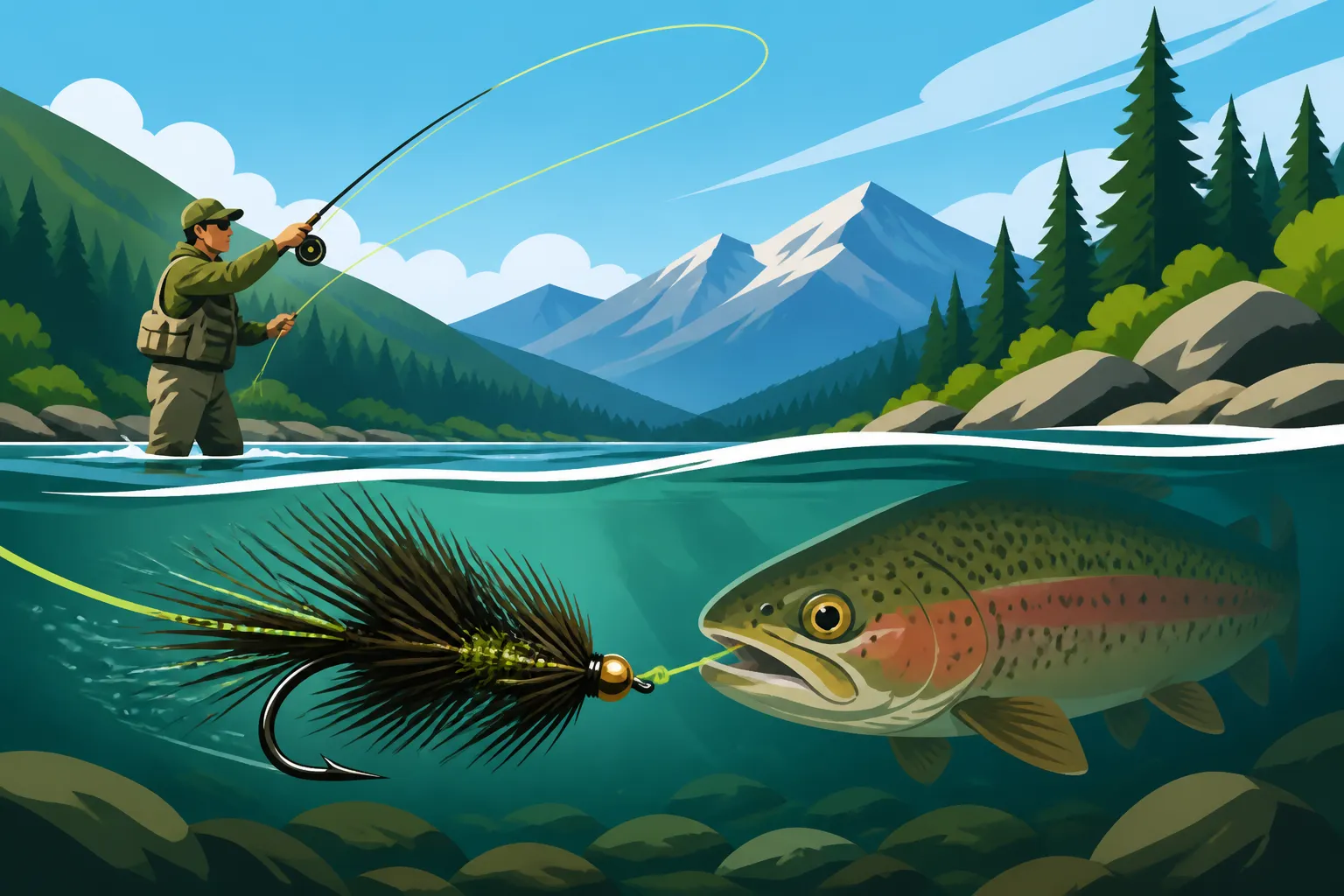
How to fish a wooly bugger for interior trout
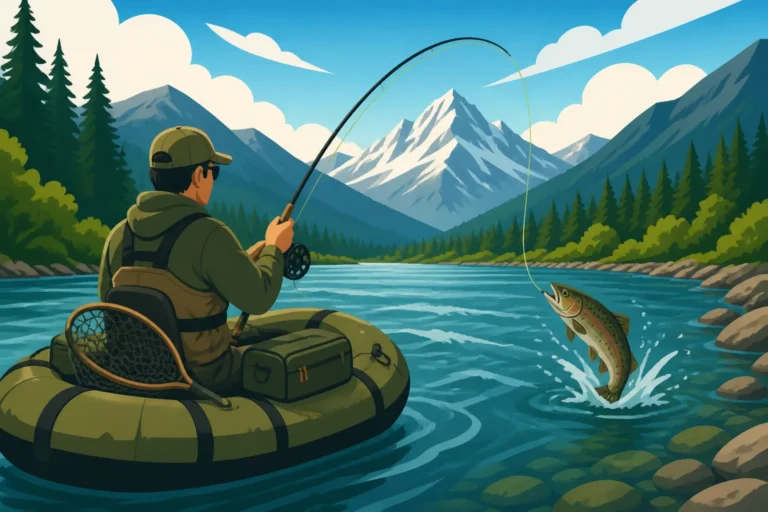
If you've ever spent a beautiful day on one of British Columbia's pristine interior lakes or rivers, casting endlessly for trout only to come up short, you know the frustration. Sometimes it feels like you've tried every fly in your box. But there's one pattern that consistently saves the day and puts fish in the net: the venerable Wooly Bugger. This guide is going to dive deep into exactly how to fish a wooly bugger for interior trout, covering everything from gear to techniques, so you can confidently tie one on and get those elusive strikes.
Why the Wooly Bugger is an Interior Trout Magnet
The Wooly Bugger isn't just a fly; it's practically a Swiss Army knife for trout anglers. It's incredibly versatile, highly effective, and just about every trout in BC's interior has seen one, chased one, or eaten one. It's a true classic for a reason, and understanding why it works so well is the first step to mastering it.
Mimicking Natural Prey
One of the biggest secrets to the Wooly Bugger's success is its ability to imitate a wide array of natural prey found in interior trout habitats. It’s not designed to be an exact match for one specific insect, but rather to suggest a variety of food sources, making it universally appealing.
Think about the waters you fish – whether it's a slow-moving lake or a brisk mountain stream. These environments are teeming with life that trout readily feast upon. The Wooly Bugger, with its soft hackle and marabou tail, perfectly mimics the undulating motion of leeches, a primary food source for larger trout, especially in lakes and slower river sections. Its dark, buggy profile can also imitate sculpins, those bottom-dwelling fish that are packed with protein and a favourite meal for predatory trout. Furthermore, when tied in smaller sizes or lighter colours, it can pass for a large aquatic nymph, like a stonefly or dragonfly nymph, tumbling along the bottom or swimming through the water column. This broad appeal means you're almost always "matching the hatch" in a general sense, even when there isn't a specific insect hatch happening.
Versatility in Presentation
Beyond its chameleon-like ability to imitate different prey, the Wooly Bugger truly shines in its versatility of presentation. Unlike some highly specialized flies that demand a very specific retrieve or drift, you can fish a Wooly Bugger in countless ways, adapting to the trout's mood and the water conditions.
You can strip it aggressively to imitate a fleeing baitfish, or slowly inch it along the bottom like a sluggish leech. You can swing it through river currents, letting the hackle breathe and pulse, suggesting a struggling insect or baitfish. In lakes, it can be trolled, retrieved with various pauses, or even dead-drifted under an indicator. This adaptability means that with just a handful of Wooly Buggers in your box, you're prepared for almost any scenario. When you're trying to figure out what the trout are eating or how they want it presented, a Wooly Bugger is often the first fly to tie on, allowing you to experiment with technique rather than constantly changing patterns. It’s a confidence fly, and that confidence often translates into more hook-ups.
The "Kitchen Sink" Fly
Many experienced anglers affectionately refer to the Wooly Bugger as the "kitchen sink" fly, and for good reason. If all else fails, or if you're exploring unfamiliar waters and don't know what to expect, the Wooly Bugger is your go-to. It has an uncanny ability to catch fish when nothing else seems to work.
This isn't just anecdotal; its effectiveness is rooted in its design. The fly's movement in the water is incredibly lifelike, even with minimal retrieve. The marabou tail pulsates with every twitch, and the hackle collar expands and contracts, giving it a natural, organic appearance that predatory trout find irresistible. It doesn't rely on being an exact replica; instead, it relies on triggering a primal strike response. It's often the fly that catches the biggest fish in the lake or river because those larger, more experienced trout are looking for a substantial meal, and a Wooly Bugger perfectly fits that bill. It's the kind of fly you can pick up on Amazon if you're filling out your fly box, knowing it's a proven performer. So, when in doubt, tie on a Wooly Bugger, vary your retrieve, and hold on tight – you might just be surprised by what you hook.
Essential Gear for Wooly Bugger Success
Fishing a Wooly Bugger effectively requires the right tools for the job. While it's a forgiving fly, pairing it with appropriate gear will significantly increase your success rate, allowing you to cast accurately, control your presentation, and fight those strong interior trout.
Rod, Reel, and Line Selection
Choosing the right rod, reel, and line setup is crucial for fishing Wooly Buggers, particularly for interior trout. For most interior trout fishing, a 5-weight or 6-weight fly rod is a fantastic all-around choice. This rod weight offers enough backbone to cast larger, sometimes weighted, Wooly Buggers with ease, even in breezy conditions, while still providing the sensitivity to feel subtle takes. For bigger trout or when fishing heavier currents in rivers, a 7-weight rod can offer extra power and control.
When it comes to the reel, match it to your rod weight. A good quality, smooth drag system is more important than capacity for interior trout, as you’ll rarely be spooled. However, having a reel that balances well with your rod prevents fatigue during a long day of casting. The fly line is where you'll make a more significant decision. For shallower lakes or fishing rivers with floating line, a weight-forward floating line is standard. However, if you're targeting deeper trout in lakes or trying to get your bugger down quickly in river runs, an intermediate sinking line or a full sinking line can be incredibly effective. These lines help get your fly into the strike zone faster and keep it there, especially when you're probing drop-offs or deep pools. Consider keeping a spare spool with a different line type so you can switch quickly on the water. For more general advice on trout fishing in BC, you might find our guide on How to Catch Rainbow Trout in BC Lakes useful.
Leader and Tippet Considerations
The connection between your fly line and your Wooly Bugger—your leader and tippet—is often overlooked but vital for success. The leader's purpose is to turn over your fly smoothly and present it naturally, while the tippet provides the necessary invisibility and strength.
For Wooly Buggers, you'll generally want a heavier leader than you might use for dry flies or delicate nymphing. A 7.5-foot to 9-foot tapered leader in 3X or 2X is a good starting point. This stiffer butt section helps turn over the larger, heavier fly. The choice between fluorocarbon and monofilament for your tippet extension depends on the water conditions and depth. Fluorocarbon is nearly invisible underwater, sinks faster, and is more abrasion-resistant, making it excellent for clear water, deep presentations, or fishing around structure. You can find spools of quality fluorocarbon tippet on Amazon. Monofilament is more buoyant and has more stretch, which can be useful when you're fishing near the surface or need a bit of shock absorption. For most Wooly Bugger applications, 3X or 2X fluorocarbon tippet is ideal, providing a good balance of strength and stealth. If you're encountering larger trout or very snaggy areas, don't hesitate to bump up to 1X.
Wooly Bugger Variations
Part of the Wooly Bugger's charm is the endless variations available, each designed to excel in different conditions or imitate specific prey more effectively. Having a selection of these variations in your fly box will make you a much more adaptable angler.
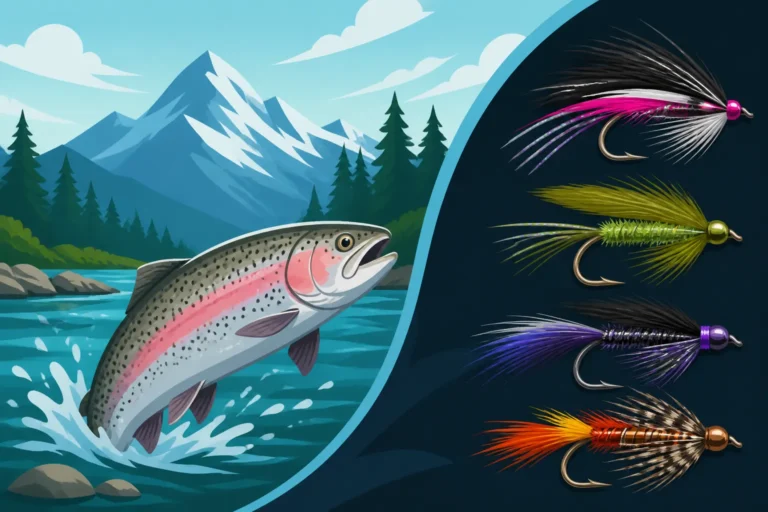
The most common variations involve colour and size. Black is a classic and highly effective colour, often mimicking leeches or sculpins, especially in darker or stained waters. Olive is another fantastic choice, particularly good for imitating aquatic insects and generally blending in. White, brown, and even purple can also be incredibly effective depending on the forage in the water. For size, you'll want to carry a range from smaller #8s for imitating nymphs or when trout are picky, up to larger #4s or even #2s for targeting trophy trout or imitating bigger baitfish. Beadheads are a crucial variation; a tungsten or brass beadhead adds weight, helping the fly sink faster and fish deeper, making them perfect for getting down to where the trout are holding. Some Wooly Buggers incorporate flash in the tail or body, which can be a game-changer on bright days or in murky water, providing an extra visual trigger. When selecting flies, remember that Best streamer patterns for BC bull trout can often overlap with patterns effective for other large trout species.
| Feature | Ideal Conditions | Notes |
|---|---|---|
| Colour: Black | Low light, stained water, larger trout | Mimics leeches, sculpins. |
| Colour: Olive | Clear to slightly stained water, all sizes | Mimics nymphs, baitfish, universal choice. |
| Colour: White | Clear water, baitfish imitations | Great for chasing active fish. |
| Colour: Brown | River bottoms, sculpin imitations | Natural look, effective in many settings. |
| Size: #8 | Picky fish, smaller prey, shallower water | Subtle presentation, ideal for nymphs. |
| Size: #6 | All-around general purpose | Most versatile size for various prey. |
| Size: #4 – #2 | Aggressive fish, trophy hunting, deep water | Mimics larger leeches, baitfish, sculpins. |
| Beadhead | Deep water, fast current, getting down fast | Adds weight, triggers strikes. |
| Flash | Bright days, murky water, active fish | Adds visibility and attraction. |
Mastering Wooly Bugger Techniques for Interior Trout
The true art of fishing a Wooly Bugger lies in how you present it. It’s not enough to simply cast it out; you need to bring it to life in the water. Interior trout, whether in lakes or rivers, respond to different retrieves and drifts, and knowing when and how to apply each technique will dramatically improve your catch rate.
Stripping and Retrieving
This is arguably the most common and often most effective way to fish a Wooly Bugger, particularly in lakes and slower river sections. The key is to impart movement that mimics the natural swimming action of leeches, sculpins, or baitfish.
Start by casting your Wooly Bugger out and allowing it to sink to your desired depth. The depth will depend on where the trout are holding, which can vary greatly throughout the day and season. A good rule of thumb is to let it sink for a few seconds per foot of estimated depth, adjusting based on current and fly weight. Once it's down, begin your retrieve using short, sharp strips of your fly line, followed by pauses. Experiment with the length and speed of these strips. Sometimes trout want a slow, methodical retrieve with long pauses, mimicking a cruising leech. Other times, they'll smash a fly stripped rapidly and erratically, suggesting a panicked baitfish. A good starting point is a "strip-strip-pause" rhythm, varying the duration of each. Pay close attention during the pauses; this is often when a trout will pick up the fly. Feeling a slight tug or seeing your line suddenly move sideways indicates a take. Remember to set the hook with a strip-strike rather than lifting the rod, as this maintains tension and prevents slack. You might find this technique particularly effective when trying to pattern trout on an unfamiliar BC lake.
Swinging Through Currents
In rivers and streams, swinging a Wooly Bugger can be incredibly productive, especially for active trout holding in current seams and riffles. This method allows the current to do much of the work, making your fly appear natural and alive.
Cast your Wooly Bugger slightly upstream and across the current, allowing it to sink as it drifts downstream. As the fly reaches the end of its drift, the current will catch your line and swing the fly across the river, presenting it broadside to any waiting trout. The key here is line control. You want to mend your line upstream to allow the fly to sink and drift naturally initially, then let the swing commence without excessive drag. As the fly swings, the marabou tail and hackle will pulse and breathe, looking like a struggling baitfish or a dislodged nymph. This is often when trout will aggressively hit the fly. The take is usually a solid tug. Experiment with different cast angles and depths; sometimes a slower, deeper swing is more effective, while other times a quicker, shallower presentation triggers strikes. This technique is excellent for covering a lot of water and finding where the fish are holding. For more on river techniques, consider our article on How to fish a run and pool steelhead river.
Dead-Drifting and Nymphing with a Bugger
While not its most common application, a Wooly Bugger can be effectively dead-drifted, mimicking a large nymph tumbling along the bottom or suspended in the water column. This technique is particularly useful in rivers where trout are focused on subsurface insects or in lakes when they are lethargic.
To dead-drift, you'll need to use a weighted Wooly Bugger (a beadhead is essential here) or add some split shot to your leader a foot or so above the fly. Cast upstream, as you would with a traditional nymphing rig, and allow the fly to drift downstream naturally with the current, mending your line to avoid drag. The goal is for the fly to tumble along the bottom, making occasional contact with it. An indicator can be used to help detect subtle takes, as the slack line might make it hard to feel. This method requires keen observation, as a trout might simply mouth the fly without a strong pull. Any hesitation or unnatural movement of your line or indicator should be met with a gentle, firm strip-strike. In stillwater scenarios, you can dead-drift a lighter Wooly Bugger under an indicator, letting it suspend at a specific depth, occasionally giving it a small twitch to impart movement. This can be deadly on picky fish. For those interested in similar approaches, exploring Euro Nymphing BC Interior Streams can provide additional insights into drift fishing.
Targeting Specific Structure
Interior trout, whether in lakes or rivers, are almost always associated with structure. Understanding how to use your Wooly Bugger to target these holding areas is paramount to consistent success. Structure provides cover, ambush points, and often concentrates food sources, making them prime locations for trout.
In lakes, focus your casts around submerged logs, weed beds, rocky drop-offs, and points. These are classic holding areas. Cast your Wooly Bugger to the edges of these structures, letting it sink and then retrieving it slowly along the contours. Don't be afraid to let it bump off logs or rocks; this can often trigger an aggressive reaction strike. In rivers, structure means fallen trees, undercut banks, large boulders, current seams, and the heads and tails of pools. Trout will often hold behind obstacles, out of the main current, waiting for food to drift by. Cast your Wooly Bugger upstream of these structures and allow it to drift and swing into the holding water. Position yourself so you can control your line and keep the fly in the strike zone for as long as possible. Remember, trout are often facing upstream, so approaching from downstream or across the river can give you an advantage. For some specific locations, you might want to look into Best fishing spots on Okanagan Lake for lake trout, or Best fishing access in the Fraser Canyon for river scenarios.
Common Mistakes and Troubleshooting
Even with the right gear and techniques, you might encounter days when the trout seem to ignore your perfectly presented Wooly Bugger. Don't get discouraged! Fishing is about adapting, and often, a small adjustment can make all the difference. Knowing common pitfalls and how to troubleshoot them will turn a frustrating outing into a successful one.
Not Varying Retrieve
One of the most frequent mistakes anglers make when fishing a Wooly Bugger is sticking to a single retrieve speed and cadence. You might have found a pattern that worked last time, or in a different spot, but trout are fickle, and their preferences can change by the hour.
If you're not getting bites, the very first thing to change is your retrieve. If you've been stripping fast, try stripping slow with longer pauses. If you've been consistent, try an erratic strip-and-pause, making the fly dart and stop like a confused baitfish. Sometimes, a series of quick, short strips followed by a prolonged pause is exactly what's needed to trigger a strike from a hesitant trout. Don't forget about adding small twitches with your rod tip. These subtle movements can impart extra life to the fly, making the hackle and tail pulse tantalizingly. Think of your retrieve as a conversation with the fish; if they're not responding to what you're saying, try a different tone of voice! This is especially true when you're exploring new waters or trying to figure out How to pattern trout on an unfamiliar BC lake.
Incorrect Depth
Another common issue is fishing at the wrong depth. Trout might be holding deep on the bottom, suspended in the middle of the water column, or cruising near the surface. If your fly isn't reaching them, you won't get a bite, no matter how good your retrieve.
If you're fishing a lake, and not getting any action, systematically vary your depth. Start by letting your fly sink for a certain count (e.g., 5 seconds), retrieve, then try sinking for a longer count (e.g., 10 seconds), and so on, until you find the strike zone. If you're using a floating line, you might need to add split shot to get deeper, or consider switching to an intermediate or full sinking line if you have a spare spool. For rivers, current speed and water depth play a huge role. If your fly isn't ticking the bottom occasionally where you expect fish to be, it's likely not deep enough. Add more weight (heavier fly, more split shot) or adjust your casting angle upstream to allow for a longer sink time before the current picks up your line. Conversely, if you're constantly snagging, you might be too deep or have too much weight. Pay attention to the water conditions; trout often move shallower on overcast days or during insect hatches, and deeper during bright sun or cold fronts.
Ignoring the Take
Trout takes on a Wooly Bugger aren't always aggressive, rod-bending tugs. Especially with larger, more experienced trout, or in cold water, takes can be incredibly subtle – a slight hesitation, a sideways movement of your line, or a feeling of added weight.
Many anglers miss these subtle takes by not paying close enough attention to their line or by expecting a more dramatic pull. When you're stripping, keep a slight bend in your rod and maintain some tension on your line. Your non-dominant hand, which is stripping the line, acts as your primary "feel" sensor. Any unusual sensation, no matter how slight, should prompt a strip-strike. Don't lift your rod like you would with a bobber; instead, pull sharply and smoothly on the line with your stripping hand while sweeping your rod sideways to set the hook. This keeps your fly in the water longer if you miss, and also provides a much stronger hook set into the tough mouth of a trout. It takes practice to distinguish a fish take from bumping structure, but erring on the side of setting the hook when in doubt will lead to more fish in the net. Keep an eye out for that specific BC Rainbow Trout Conservation Surcharge Stamp when you're out there, as adhering to all regulations ensures you can keep enjoying these waters.
Disclaimer
This article is for general informational purposes only and does not constitute professional advice. Laws, prices and regulations vary by location and change over time. Consult a qualified professional for guidance on your specific situation.