Best tube jig color for smallmouth bass
Many anglers in British Columbia know the thrill of a smallmouth bass strike – that hard hit and spirited fight. But with a tackle box overflowing with options, trying to pick the perfect tube jig color for BC's varied waters can feel like a daunting task, leaving you wondering if you're making the right choice. This comprehensive guide will strip away the guesswork, helping you understand precisely which tube jig colors will give you the edge when targeting feisty smallmouth in our beautiful provincial lakes and rivers.
Why Tube Jigs are a Smallmouth Powerhouse in BC
Tube jigs are an absolute staple for smallmouth bass anglers across North America, and British Columbia is no exception. There's a reason these hollow, soft plastic creations are so effective, and it largely comes down to their incredible versatility and how perfectly they mimic a smallmouth's preferred prey.
Mimicking Natural Forage
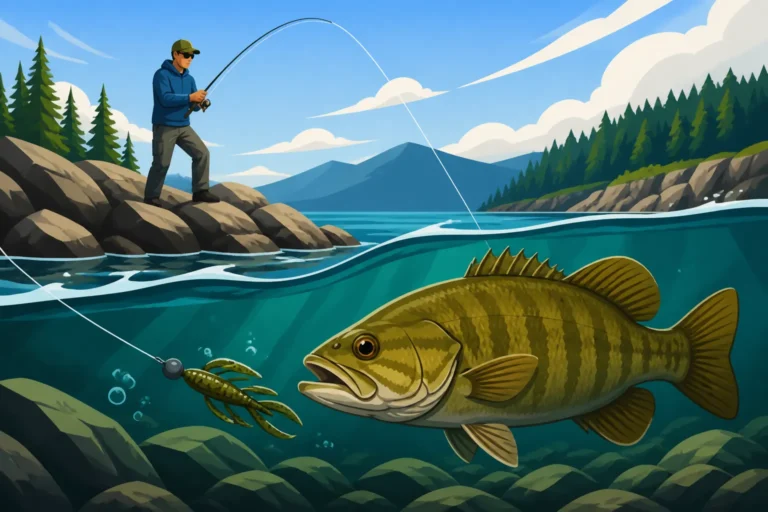
One of the primary reasons tube jigs are so deadly is their uncanny ability to imitate various forms of natural forage found in BC's smallmouth habitats. Think about what a smallmouth eats: crayfish, sculpins, gobbies, and other small baitfish that hug the bottom. A tube jig, especially when rigged internally, provides a subtle, almost indescribable action that triggers strikes. When you twitch it, it darts erratically; when it falls, it spirals down like an injured critter, making it irresistible. The tentacles on the tube pulsate and move even with the slightest current, giving it a lifelike appearance. This natural, understated movement is often far more effective than an aggressive, flashy retrieve when bass are feeling wary or pressured. The hollow body can also trap air, causing the jig to stand up on the bottom or hover just above it, perfectly mimicking a defensive crayfish.
Versatility in Presentation
Beyond their natural imitation, tube jigs are incredibly versatile in how they can be presented, allowing anglers to adapt to almost any fishing scenario. You can fish them in countless ways, each designed to entice a strike. For instance, dragging a tube slowly across rocky bottoms is fantastic for imitating a scurrying crayfish. A quick hop followed by a pause can make it look like a startled baitfish. Stroking the jig aggressively up off the bottom and letting it fall can trigger reaction strikes from active fish. You can rig them with an internal jig head for a streamlined, weedless profile, or use an offset hook for a Texas rig in heavier cover. This adaptability means you can use the same lure to probe deep rock piles, shallow weed lines, or current breaks, making it an indispensable tool for chasing Smallmouth Bass in BC Lakes.
Durability and Effectiveness
Another significant benefit of tube jigs is their durability. Smallmouth bass are notorious for their aggressive strikes and powerful fights, and lesser soft plastics can be torn apart quickly. Tube jigs, generally made from robust soft plastic material, hold up well to multiple fish, saving you money and valuable fishing time. Their effectiveness is consistently proven, making them a consistent producer across different seasons and water bodies where smallmouth thrive. Whether you're fishing the warming waters of spring or the cooler depths of fall, a tube jig is a lure you can always have confidence in. They're not just a "sometimes" lure; they're a "most of the time" lure for smallmouth fanatics.
Understanding Water Conditions and Color Choices
Choosing the right tube jig color isn't just about what looks good to you; it's about what looks good (and visible!) to the bass, which heavily depends on the prevailing water conditions and light levels. Ignoring these factors is like trying to yell at someone in a library – your message just won't get through effectively.
Clear Water Scenarios
When you're faced with crystal-clear water, common in many of BC's pristine lakes and rivers, smallmouth bass rely heavily on their eyesight to hunt. This means your presentation needs to be as natural and unassuming as possible. Bright, flashy colors will often spook wary bass in these conditions. Instead, reach for subtle, translucent, or naturalistic colors that blend into the environment. Think greens, browns, and muted natural crawfish patterns. Colors like green pumpkin, watermelon, smoke, or even a subtle brown with flecks of green or red are excellent choices. They mimic the natural hues of the bottom, aquatic vegetation, and the various creatures smallmouth prey upon. Remember, in clear water, the bass have plenty of time to scrutinize your lure, so subtlety is key.
Stained or Murky Water
The opposite is true when fishing in stained or murky water, which can occur after heavy rains, in systems with high sediment content, or in certain lake sections with algal blooms. In these low-visibility conditions, smallmouth bass rely less on sight and more on their lateral lines to detect vibrations and scent, and to a lesser extent, their sense of smell. This is where brighter or highly contrasting colors shine. The goal here is to make your lure stand out and create a strong silhouette that bass can detect. Chartreuse, white, black, and black and blue combinations are fantastic. A jig with some orange or red flecks can also be very effective, as these colors are often associated with injured or molting prey. Don't be afraid to go bold; if the fish can't see it, they can't eat it! You might even find success adding a little rattle or a strong scent to your tube in these conditions to further grab their attention. You can find a wide range of these colors and scent additives on Amazon for convenience.
Overcast Skies and Low Light
Overcast conditions, dawn, or dusk often present a unique challenge and opportunity. The light penetration is diminished, but the water might still be relatively clear. This calls for a balance – a color that offers a bit more visibility than your clear-water naturals but isn't as garish as your murky-water options. This is where smoke, pumpkinseed, and various shades of blue-gill or sunfish patterns come into their own. Smoke with silver or blue flecks can beautifully imitate a small baitfish under diffuse light. Pumpkinseed colors, often a mottled green-orange-brown, offer a natural yet discernible profile. Sometimes, a subtle black and blue can also be very effective as it creates a strong silhouette without being overtly bright. These conditions can be some of the best for active smallmouth feeding, so having a selection of these transitional colors in your tackle box is a smart move.
Top Tube Jig Colors for BC Smallmouth Bass
When it comes to smallmouth bass fishing in British Columbia, certain tube jig colors consistently outperform others due to their ability to mimic the local forage and stand out in various water conditions. Think of these as your essential tools in the tackle box.
The Natural Staples: Green Pumpkin & Watermelon
These two colors are absolute classics for a reason and should be the cornerstone of any smallmouth angler's tube jig collection. They are incredibly versatile and mimic some of the most common food sources for bass.
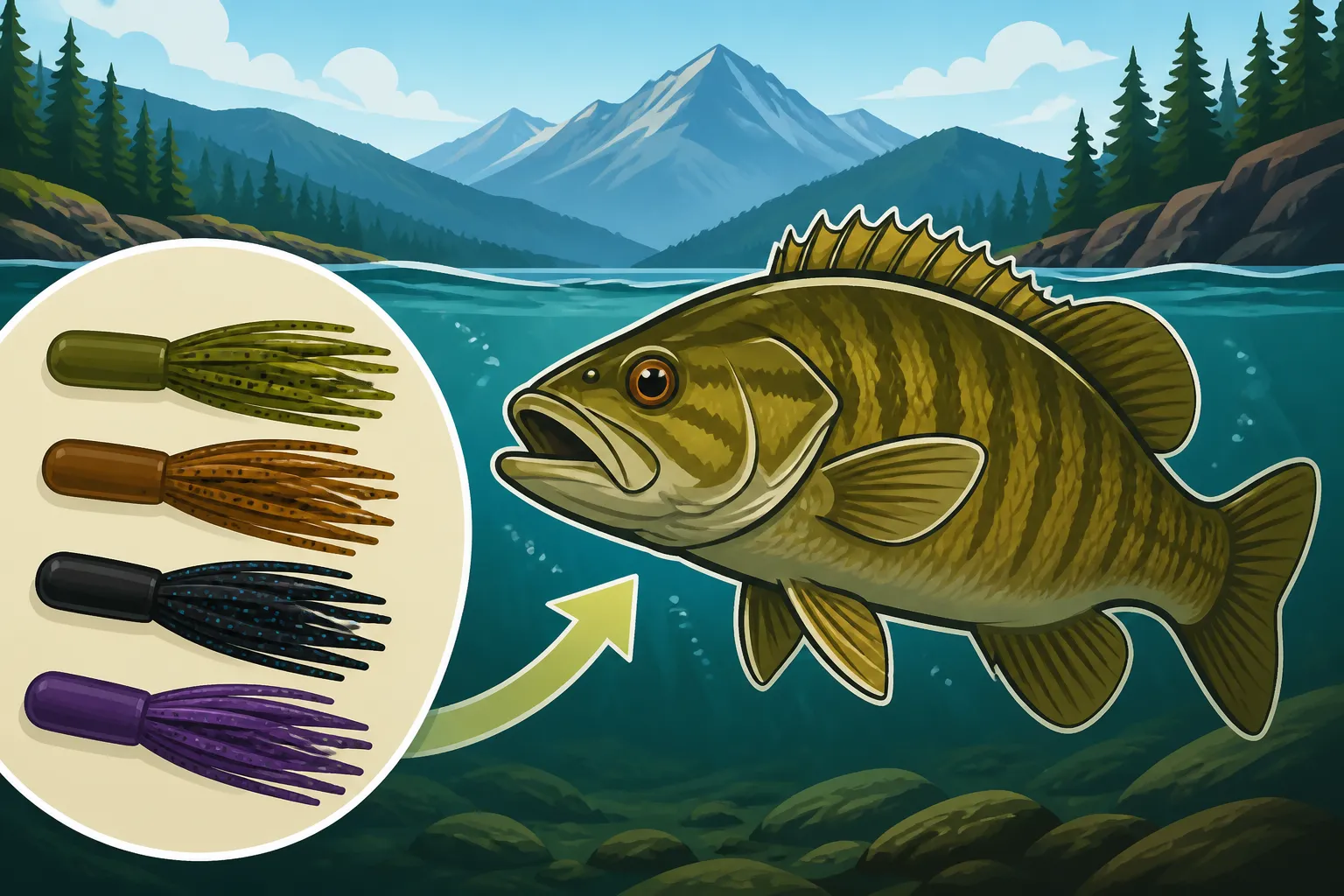
- Green Pumpkin: This earthy green-brown hue is a phenomenal imitation of crayfish, which are a primary food source for smallmouth bass in many BC lakes. When fished on the bottom, especially with a subtle hop or drag, it looks exactly like a scurrying or hiding crayfish. Variations with red or orange flecks ('green pumpkin red' or 'green pumpkin orange') are particularly effective, as these flecks can represent the vibrant colors of a molting or stressed crayfish, which are highly attractive to hungry bass. This color works exceptionally well in clear to lightly stained water, blending in while still being noticeable.
- Watermelon: Watermelon, often a translucent green with black flakes, is a more subtle choice. It excels at imitating various small baitfish and sunfish species that smallmouth prey on. Its translucent nature allows light to pass through, giving it a very natural, almost chameleon-like appearance in the water. It’s fantastic for clear water conditions or when the fish are finicky and prefer a less intrusive presentation. Paired with a light jig head, its slow, fluttering fall can perfectly mimic a dying baitfish, making it irresistible. You'll find these colors in abundance at local tackle shops or online retailers like Amazon.
Crawfish Imitations: Brown & Orange
Given the smallmouth's voracious appetite for crayfish, having dedicated crawfish-patterned tube jigs is non-negotiable. These colors are designed to perfectly replicate various stages and types of these crustaceans.
- Dark Browns: Solid dark brown or coffee-coloured tubes are excellent for fishing deeper, rockier habitats where crayfish often dwell. They provide a strong, natural silhouette against the lighter bottom, and their muted tone is ideal for clear or moderately stained water. Think about the dark, muddy bottom of some of the Best bass spots on Osoyoos Lake – a dark brown tube would blend in perfectly yet still be visible enough to entice a strike.
- Brown/Orange Combos: These combinations, often featuring a brown body with orange or red tentacles, are killer for triggering aggressive strikes. The orange or red signifies a crayfish that is molting (shedding its shell) or stressed, making it an easy target for a bass. A molting crayfish is soft and vulnerable, and bass are opportunists. This color scheme is often best fished with a slightly more active retrieve, mimicking the frantic movements of a distressed crustacean.
The Bright & Bold: Chartreuse & White
Sometimes, you need to grab attention, either because the water is dingy or the bass are in an aggressive mood. This is where the brighter colors come into play.
- Chartreuse: This vibrant green-yellow is a high-visibility color that stands out even in stained or murky water. It's an excellent attractor, especially when smallmouth are actively feeding or when you need to cover a lot of water to locate them. While not a natural forage color, its brightness is what makes it effective – it's designed to be seen. It can also be very productive on overcast days or in deeper water where natural light is limited.
- White: White tubes are exceptional baitfish imitators. In clear to lightly stained water, a white tube can perfectly represent shad, shiners, or other light-coloured baitfish species. It offers a clean, crisp profile that bass can easily spot. It's also a fantastic choice for mimicking dying baitfish, especially if fished with a gentle swimming or gliding action near the surface or in the middle of the water column. White, sometimes with pearl or silver flecks, is incredibly versatile.
Dark & Mysterious: Black & Blue
For specific conditions, especially deeper water or low-light situations, dark tubes can be surprisingly effective.
- Black: A solid black tube jig creates a very strong silhouette against the sky or lighter water, making it visible even in incredibly dark or deep water. It's often overlooked but can be a secret weapon on intensely overcast days, at dawn or dusk, or in deep, shaded areas where smallmouth might be holding tight to structure. Many sculpin species are very dark, and a black tube can be a perfect imitation.
- Black & Blue: This classic color combination is a perennial favorite for bass anglers everywhere. The blue offers a subtle contrast against the black, making it slightly more visible than solid black while still providing that strong silhouette. It’s particularly effective in deeper, darker water or when bass are feeding on bottom-dwelling creatures. The blue flecks can catch what little light is available, adding a shimmer that mimics fins or scales.
Advanced Tube Jig Strategies and Presentation
Having the right color tube jig is just one piece of the puzzle. How you rig it and how you present it to the fish can dramatically impact your success. Smallmouth bass are intelligent and sometimes finicky, so understanding these nuances will put you a step ahead.
Rigging for Success
The way you rig your tube jig can change its action, fall rate, and weedlessness. Matching your jig head and hook to the tube size and fishing conditions is crucial.
- Internal Jig Heads: This is arguably the most common and versatile way to rig a tube. An internal jig head is inserted directly into the hollow body of the tube, with the hook eye pushed through the top of the tube. This creates a compact, weedless, and streamlined presentation that's excellent for dragging, hopping, or even swimming. The weight of the jig head will dictate the fall rate and how deep you can effectively fish. Lighter heads (1/8 oz to 1/4 oz) are great for shallower water or a slower, more natural fall, while heavier heads (3/8 oz to 1/2 oz) get down quicker in deeper water or strong currents. You can find specialized tube jig heads in various weights and hook sizes on Amazon that perfectly fit most tube brands.
- Offset Hooks (Texas Rig): For fishing in heavy cover like thick weeds, submerged timber, or dense rock piles, an offset worm hook can be used to Texas rig a tube. This involves threading the hook point through the nose of the tube, rotating it, and then burying the point back into the body of the tube. This makes the lure virtually snag-proof, allowing you to punch through vegetation or bounce off rocks without getting hung up. It’s a great tactic when you're fishing areas where smallmouth love to ambush prey, but conventional rigging would constantly snag.
- Tube Weight and Fall Rate: The weight of your jig head is critical. A slow, subtle fall often triggers more strikes, especially when fish are lethargic or in cooler water. A heavier head allows for quicker descents and better contact with the bottom in deep water or current, but can sometimes be too fast. Experiment with different weights to find what the fish prefer on any given day.
Varying Your Retrieve
Smallmouth can be incredibly particular about presentation. If one retrieve isn't working, don't be afraid to try something completely different.
- Dragging: Often the most effective retrieve, especially with crawfish-colored tubes. Cast your tube out, let it sink to the bottom, and then slowly drag it along with your rod tip, pausing frequently. The key is subtlety. Imagine a crayfish scuttling slowly along the bottom; that's the action you're trying to replicate. This is a deadly technique when fishing How to fish rocky points for smallmouth or gradual slopes.
- Hopping & Stroking: For more aggressive fish or when trying to cover water, a hopping or stroking retrieve can be highly effective. Hop involves lifting your rod tip sharply a foot or two, letting the jig fall back to the bottom on a slack line. Stroking is a more aggressive version, a higher, faster lift. This mimics a fleeing or injured baitfish and can trigger powerful reaction strikes.
- Swimming: Sometimes, a steady retrieve where the tube is kept off the bottom, swimming like a baitfish, can be very productive. This works well with white or natural baitfish patterns in clear or lightly stained water. You can vary the retrieve speed, adding a twitch or pause to simulate distress.
The Importance of Scent & Action
While color and presentation are paramount, sometimes a little extra help can make all the difference, especially on tough days.
- Scent: Adding a commercial fishing scent to your tube jig can be a game-changer. Scent masks human odors and, more importantly, provides an additional attractant that bass can detect, especially in stained or murky water. Many anglers swear by crayfish or shad-scented formulas. Applying scent to the inside of the hollow tube can help it disperse slowly and last longer.
- Rattles: Inserting a small glass or plastic rattle into the body of your tube jig adds an auditory element. The subtle clicking or rattling sound can attract bass from a distance, particularly in low-visibility conditions where they rely more on their lateral line. It can also mimic the clicking of a crayfish or the vibrations of an injured baitfish.
Seasonal Considerations
Smallmouth bass behavior changes significantly throughout the year, and adapting your tube jig strategy to these seasonal shifts is crucial for consistent success.
- Spring: As water temperatures rise into the 50s Fahrenheit, smallmouth move shallower for their pre-spawn feeding frenzy. They are often aggressive, so slightly brighter colors like chartreuse or white can be effective, alongside classic green pumpkin or brown. Look for them on transition areas, points, and shallow flats.
- Summer: During the heat of summer, smallmouth often retreat to deeper, cooler waters, concentrating around offshore structure like rock piles, humps, and ledges. Natural colors like green pumpkin, watermelon, and black and blue fished on heavier jig heads are key to reaching these deeper fish. Consider how fish seek comfort, much like the shade a best time of day to catch salmon at dusk offers.
- Fall: Fall is another prime time for smallmouth, as they go on a feeding binge to prepare for winter. They can be found at various depths, from shallow flats to deep structure. Both natural and brighter colors can work, depending on the activity level. Vary your retrieve and explore different depths, as smallmouth will follow baitfish as they move.
- Winter: In winter, smallmouth are generally lethargic and hold in the deepest, most stable water they can find. A very slow, deliberate retrieve with natural, dark colors like black, dark brown, or green pumpkin is usually best. The bite will be incredibly subtle, so patience and sensitive equipment are vital.
Tube Jig Color Guide by Water & Sky Conditions
| Water Clarity | Sky Conditions | Recommended Tube Jig Colors | Forage Imitated | Preferred Depth |
|---|---|---|---|---|
| Crystal Clear | Sunny / Partly Cloudy | Green Pumpkin, Watermelon, Smoke | Crayfish, Small Baitfish | All depths, focus on structure |
| Lightly Stained | Cloudy / Overcast | Watermelon, Pumpkinseed, Smoke & Blue | Crayfish, Small Baitfish, Sunfish | Shallow to Mid-depths |
| Moderately Stained | Overcast / Rain | Chartreuse, White, Black & Blue | Baitfish, Crayfish, Sculpins | Mid-depths, near current |
| Murky / Dark | Any | Black, Dark Blue, Bright Chartreuse | Sculpins, High Contrast Bait | Shallow to Deep, high contrast |
By understanding how water conditions influence color choice and mastering various rigging and presentation techniques, you'll be well on your way to consistently catching more smallmouth bass in British Columbia. Keep exploring various waters like Best fishing spots on Okanagan Lake and honing your skills.
Disclaimer
This article is for general informational purposes only and does not constitute professional advice. Laws, prices and regulations vary by location and change over time. Consult a qualified professional for guidance on your specific situation.