Best time to fish the Fraser River in summer
Trying to figure out the best time to fish the mighty Fraser River during the summer can feel like cracking a secret code, especially with its massive size and ever-changing conditions. This guide is here to untangle that complexity, helping you pinpoint the prime windows for summer success on one of British Columbia's most legendary waterways. Forget the guesswork and get ready to make the most of those long summer days on the water.
Navigating the Fraser River's Summer Challenges
The Fraser River in summer is a dynamic beast. Unlike some of the smaller, clearer streams, this massive waterway presents unique challenges that every angler needs to understand. Ignoring these factors can lead to frustrating days with empty nets. It's not just about showing up; it's about understanding the river's pulse.
Summer Water Levels and Flow Rates
As spring snowmelt transitions into summer, the Fraser River often experiences what's known as "freshet." This period sees significantly higher water levels and increased flow rates due to melting snowpacks in the interior. This can make fishing incredibly challenging, as fish tend to hug the bottom or seek out calmer back channels and eddies to avoid the strong current. The river can be quite turbid, meaning the water is cloudy with sediment, which reduces visibility for both fish and anglers. Knowing when the freshet is subsiding, usually by mid-July, is crucial. If you try to fish during the peak of freshet, you're often just casting into a torrent of muddy water, hoping for a miracle. Patience is key here; waiting for the river to drop and clear slightly makes a world of difference. You might want to check the BC Fishery Notices and In-Season Closures, Explained to stay updated on river conditions and any potential closures.
Water Clarity and Temperature Swings
Following the freshet, as summer progresses, the Fraser typically begins to drop and clear, especially further downriver from Hope. However, the upper reaches can remain silty for longer. Water temperature is another significant factor. As air temperatures rise, so does the river temperature. Different fish species have preferred temperature ranges, and if the water gets too warm, certain salmon might become lethargic or even hold in deeper, cooler sections. For example, sockeye salmon are particularly sensitive to high water temperatures and may "thermal block," delaying their migration if conditions are too warm. Understanding the average water temperature for salmon fishing is essential for predicting fish activity. Conversely, warmer water can sometimes make other species more active. Anglers often find that morning and evening bites are better when water temperatures are at their coolest.
Prime Target Species and Their Summer Windows
Summer on the Fraser River means salmon. Big, powerful salmon making their epic journey home. But it's not a free-for-all; each species has its preferred arrival time and specific regulations. Knowing which salmon are expected and when they are likely to be abundant is the cornerstone of successful summer fishing on the Fraser.
The Elusive Fraser River Chinook Salmon
Chinook salmon, often called King salmon, are the largest and most prized of the Pacific salmon. On the Fraser, Chinook begin to show up in late spring and continue through the summer. Early summer (June to early July) sees a pulse of "early timed" Chinook, which are often large, powerful fish making their way upriver. However, their numbers can be highly regulated, so always check the BC Chinook Salmon Non-Retention Areas and current regulations. As July progresses into August, more Chinook runs become available, though their abundance varies annually.
For these powerful fish, fishing in the lower to middle Fraser, especially around specific bars and holding pools, can be productive. The best time to target them is often during tide changes if you're in the tidal sections, or during periods of stable water conditions further upriver. They are formidable fighters, so make sure your gear is up to the task; a heavy-action rod and a reel spooled with strong braided line are a must. Many anglers will head out at dawn or dusk, as these low-light conditions often trigger more aggressive feeding or movement behavior from these big fish.
The Anticipated Sockeye Salmon Return
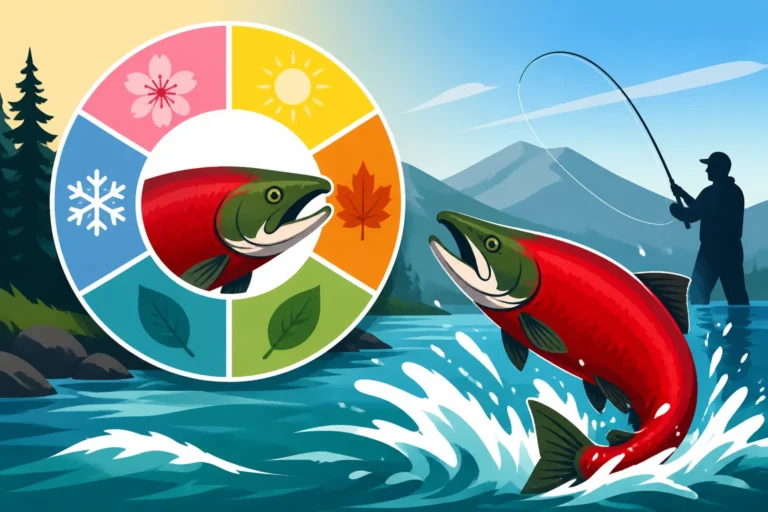
Ah, sockeye! For many, the return of Fraser River sockeye salmon defines summer fishing. These bright red, hard-fighting fish typically begin to arrive in significant numbers from late July through August and into early September. However, their runs are highly variable year to year, and subject to very strict regulations, often including BC Fraser River Sockeye Closure Windows. It's critical to monitor DFO (Fisheries and Oceans Canada) announcements for opening and closing dates, as fishing for them can be shut down without much warning to ensure conservation goals are met.
When sockeye are open, the river can become a hive of activity. They are incredibly strong swimmers and put up an exhilarating fight. They tend to travel in large schools, often favoring specific depths and current seams. While less aggressive biters than Chinook, they can be caught by various methods, including flossing, bar fishing with roe, or small lures. It's a truly iconic BC experience when the sockeye are running strong, and the best time to fish them is simply when they are open and present in numbers.
Pink Salmon: A Bumper Crop Opportunity
Pink salmon, or "humpies," offer an incredible opportunity for anglers, especially beginners or those looking for fast action. They run on odd-numbered years (e.g., 2023, 2025, 2027), and when they do, they return in staggering numbers. Expect to see them in the Fraser from mid-August through September. These fish are smaller than Chinook or sockeye but are feisty fighters on light tackle.
The best thing about pink salmon is their sheer abundance and their willingness to strike. They respond well to bright pink or chartreuse lures, jigs, and flies. You can often find them in huge schools in the lower and middle Fraser, making for non-stop action. This is an ideal time for families or new anglers to experience the thrill of salmon fishing. Shore access is often excellent for pinks, and you don't need highly specialized gear. A medium-action spinning rod and a few pink jigs or spoons, easily found on Amazon, are often all you need for a fantastic day out.
Fraser River White Sturgeon: A Year-Round Giant
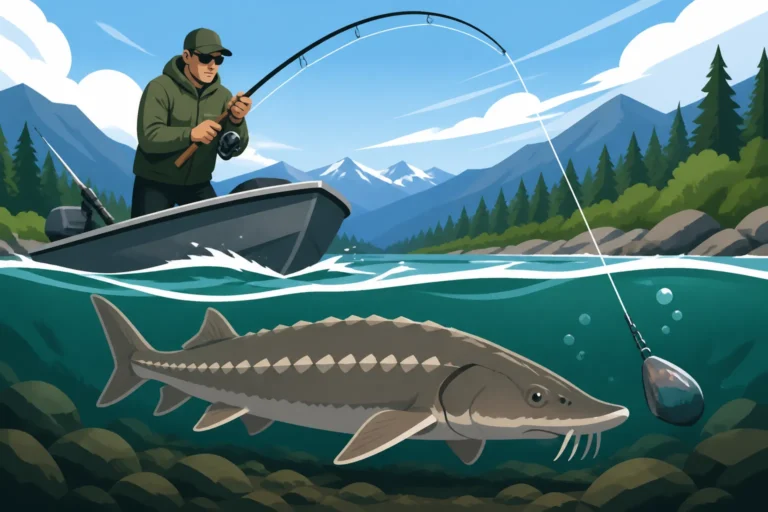
While technically available year-round, summer can be an excellent time to target the prehistoric white sturgeon on the Fraser. These magnificent catch-and-release giants are less affected by specific salmon runs, though the presence of spawning salmon in the river does provide a natural food source for them. Sturgeon fishing can be productive from June through September, with consistent opportunities for large fish.
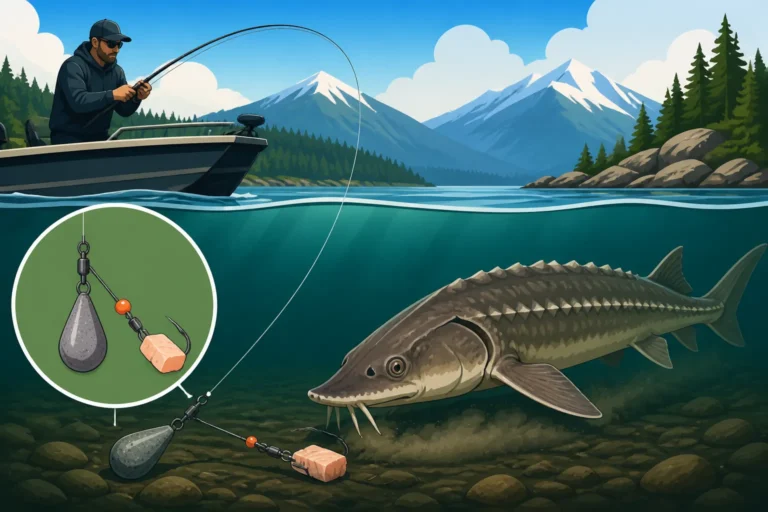
The key to summer sturgeon fishing is locating their deep holding pools and understanding their feeding habits. They are bottom feeders, and the best time to fish for them is often when the salmon are starting to spawn and drop their eggs, or when salmon carcasses are abundant, providing a rich food source. However, even without spawning salmon, sturgeon will opportunistically feed on lamprey, eulachon, and other baitfish. Summer conditions usually mean lower, clearer water than freshet, which can make it easier to anchor and present baits effectively. Remember, sturgeon are strictly catch-and-release, so practicing BC Fraser River Sturgeon Catch and Release Requirement is paramount.
Here's a quick overview of summer target species:
| Species | Peak Summer Period | Preferred Conditions | General Location (Summer) |
|---|---|---|---|
| Chinook | July – Early Sept. | Moderate flow, cooling water, lower turbidity | Lower to Middle Fraser, specific runs/pools |
| Sockeye | Late July – Aug. | Stable flows, specific water temps (monitor DFO) | Throughout the Fraser, often in schools |
| Pink | Mid-Aug. – Sept. | Lower flows, good clarity (odd years only) | Lower to Middle Fraser, accessible from shore |
| White Sturgeon | June – Sept. | Stable water levels, any salmon activity provides food | Deep pools, seams, near salmon spawning areas |
Strategic Timing: Tides, Day, and Weather
Beyond knowing which species are around, successful summer fishing on the Fraser comes down to hitting those smaller, more strategic windows. The river's vastness and the dynamic interplay of tides and weather can make or break a day.
Understanding Tidal Influences in the Lower Fraser
For those fishing the lower reaches of the Fraser River, particularly below Mission and extending down to the mouth, understanding the tides is absolutely critical. The Fraser is a tidal river, and the push and pull of the Pacific Ocean significantly influence water flow, depth, and fish behavior. Many experienced anglers swear by fishing the "slack tide" or the periods immediately before or after a tide change. This is when the current slows down, allowing fish to move more freely and making it easier for them to locate your bait or lure.
A common strategy is to target the period an hour or two before and after a high or low tide. During a strong incoming tide, the current can be incredibly powerful, making it hard to hold bottom or present your gear naturally. Conversely, as the tide turns and the current slackens, fish often become more active. The specific timing of these windows will vary daily, so always consult a local tide chart before heading out. Fishing with a charter that understands these nuances is often a huge advantage. You can learn more about BC Tidal Waters Fishing License, Explained for these areas.
Best Times of Day for Summer Success
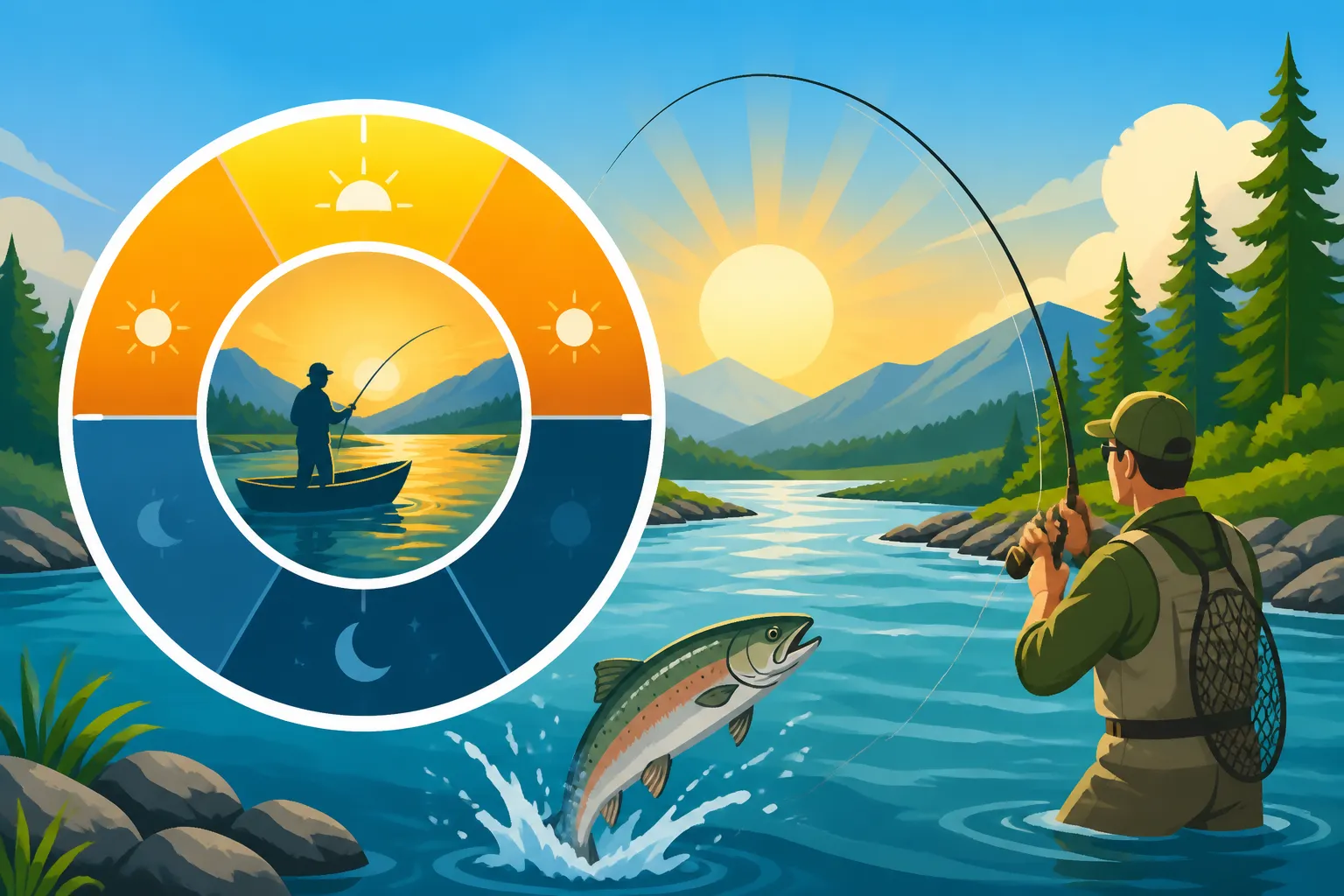
Summer brings long days, but that doesn't mean fish are active all day long. In fact, the intense midday sun and heat can often send fish into a siesta, especially in shallower waters or during periods of high water temperature. The consensus among seasoned Fraser River anglers is that early mornings (first light) and late evenings (dusk until dark) are often the most productive times.
During these low-light periods, the water is typically cooler, and many fish species, particularly salmon, become more active and willing to feed or move. The reduced light also offers a sense of security for fish, making them less wary. For sturgeon, while they can be caught throughout the day, early mornings can often produce some great bites before boat traffic increases and the sun gets too high. Hitting the water just as the sun begins to kiss the horizon, or staying until the stars start to pop out, often yields the most rewarding experiences.
Weather Patterns and Their Impact
While we can't control the weather, understanding how it affects fish behavior on the Fraser can help you plan your trips. Overcast days, for instance, can sometimes extend the prime feeding windows, as the reduced light mimics dawn or dusk conditions. A light drizzle or steady rain can also be beneficial, as it can cool the surface water and increase dissolved oxygen, often spurring fish activity.
Conversely, intense heat waves or sudden cold fronts can put a damper on fishing. High barometric pressure associated with clear, sunny weather can sometimes make fish more finicky. Keep an eye on the forecast, and consider how recent weather changes might have impacted the river. A little bit of unsettled weather, short of a full-blown storm, can sometimes create excellent fishing conditions by getting fish moving. Knowing how to fish right after a heavy rain on BC rivers can also be a game-changer.
Essential Gear and Techniques for Summer Fraser Fishing
Having the right equipment and knowing how to use it is just as important as knowing when to fish. The Fraser River demands robust gear and adaptable techniques to contend with its size, current, and the powerful fish it holds. Don't show up with flimsy gear and expect success.
Rods, Reels, and Line for Fraser River Giants
For summer salmon fishing on the Fraser, you’ll typically want a medium-heavy to heavy action rod, usually 9 to 10.5 feet long, capable of handling strong currents and heavy weights. A good quality baitcasting or large spinning reel with a smooth drag is essential. Spool your reel with 30-65 lb braided line for mainline, as its low stretch provides excellent sensitivity for detecting subtle bites and superior power for fighting fish in current. A shorter, heavier monofilament or fluorocarbon leader (20-40 lb) is usually tied to the braid, offering abrasion resistance and stealth. For sturgeon, you'll need even heavier gear: a specialized sturgeon rod (often 7.5-9 ft, rated for 100-300 lb) paired with a large conventional reel spooled with 80-150 lb braid, and heavy monofilament leaders (150-250 lb). You’ll find a wide selection of suitable rods, reels, and lines for Fraser River fishing on Amazon. For serious sturgeon anglers, investing in a robust rod setup for Fraser River sturgeon is non-negotiable.
Baits and Lures for Summer Species
The choice of bait or lure depends heavily on your target species and the river conditions.
- Chinook Salmon: For Chinook, cured roe (salmon eggs) is a perennial favorite, often drifted or fished on the bottom with a spreader bar. Large spoons, spinners, or plugs in colors like chartreuse, green, or black can also be very effective, especially in clearer water or when casting from shore.
- Sockeye Salmon: When open, sockeye are often targeted with small, brightly colored lures or flies, or by "flossing" with a bare hook or small corky, especially in areas where they are migrating tightly. Small pink or red jigs can also work.
- Pink Salmon: Pinks are less finicky. Small pink or chartreuse spoons, spinners, jigs, or flies are incredibly effective. Their aggression means you can often get multiple hookups in quick succession.
- White Sturgeon: For sturgeon, bait is key. Fresh or frozen salmon parts (especially roe, guts, or flesh), lamprey, eulachon, or even pieces of coarse fish like carp are popular choices. Ensure your bait is fresh and presented on a strong circle hook (often 8/0 to 12/0) on the bottom, anchored by heavy weights to hold in the current.
Safety and Comfort on the Summer Fraser
Fishing the Fraser, especially from a boat, demands attention to safety. The river is immense, currents can be deceptive, and weather can change quickly. Always wear a PFD (personal flotation device) or ensure one is readily accessible. Check the forecast before you go and let someone know your float plan. Sun protection is crucial during summer: hats, sunglasses, and high SPF sunscreen are non-negotiable. Hydration is also key; bring plenty of water.
For shore anglers, be aware of rising tides and swift currents that can quickly erode sandbars or make wading dangerous. Wear appropriate footwear with good grip. The Fraser can be prone to strong winds, especially in the afternoon, so be prepared for choppy conditions if you’re boating. Having a good quality waterproof jacket, even in summer, is always a smart idea on the water, and you can find many great options on Amazon.
Disclaimer
Please remember that fishing regulations in British Columbia can change frequently, especially for salmon species due to conservation concerns. Always consult the official Fisheries and Oceans Canada (DFO) regulations and current BC Fishery Notices before heading out on the water. This guide is for informational purposes only and does not supersede official government regulations.