Jigging for Halibut off Vancouver Island
There's nothing quite like the immense challenge and thrill of hooking into a barn-door halibut off the coast of Vancouver Island. Many anglers feel overwhelmed by the sheer size of the ocean and the elusive nature of these powerful bottom dwellers, often wondering where to even begin. This comprehensive guide is here to demystify the art of jigging for halibut in these iconic waters, giving you the practical knowledge and confidence to increase your chances of landing that trophy fish.
Understanding Vancouver Island's Halibut Habitat
Before you even think about dropping a line, it's crucial to understand where these magnificent fish live and what makes them tick. Halibut are masters of camouflage, blending seamlessly with the seafloor, but they're also opportunistic predators that favor specific types of underwater terrain. Vancouver Island's diverse coastline, with its deep fjords, intricate reef systems, and expansive banks, offers prime habitat for Pacific halibut.
Deepwater Structure and Feeding Grounds
Halibut aren't just lounging on any old flat piece of seabed. They actively seek out structure that provides ambush points and concentrates baitfish. Think about areas where the seafloor changes abruptly: rock piles, ledges, deep drop-offs, underwater canyons, and the edges of expansive banks. These aren't just random spots; these are underwater highways and cafeterias for various baitfish and invertebrates, which in turn attract halibut. For instance, the waters off Ucluelet and Tofino are renowned for their intricate offshore banks and deep reefs, making them fantastic choices when considering the Best Halibut Fishing Spots in BC. The deeper contours around these structures often hold colossal halibut waiting to ambush their prey.
These deepwater structures provide not only shelter but also a dynamic current environment that sweeps food past the waiting fish. Halibut often lie on the "down-current" side of these structures, out of the main flow, conserving energy while waiting for an easy meal. This means understanding the current and positioning your boat correctly relative to the structure is paramount. You might find them congregating around large boulders, steep underwater cliffs, or even old sunken logs. It's about thinking like a halibut: where would you hide, and where would your food come from?
Seasonal Migrations and Depth Preferences
While halibut are present year-round, their movements and preferred depths can change significantly with the seasons and water temperatures. Generally, you'll find them in shallower waters (say, 100 to 300 feet) during the warmer summer months when baitfish are abundant in these areas. As autumn approaches and water temperatures cool, many halibut will migrate to deeper offshore banks, sometimes going well over 500 feet, to overwinter and spawn.
Knowing the general Best Time of Year to Fish in BC for halibut is key to planning your trip. The peak season for jigging halibut off Vancouver Island typically runs from late spring through late summer, specifically May to September. During this period, the halibut are more active, feeding aggressively, and often found in depths that are more manageable for jigging. However, dedicated anglers can find them in deeper waters even in the shoulder seasons, provided they are equipped for the challenge. Understanding these general migration patterns, combined with real-time fishing reports, can help you narrow down your search area considerably. Remember, while specific depths vary, a common range for productive halibut jigging off Vancouver Island might be anywhere from 150 to 450 feet, depending on the time of year and specific location. If you're wondering How deep halibut live off the BC coast, it can actually be much deeper, but the jigging sweet spot is generally in that range.
Essential Gear for Jigging Halibut
You wouldn't show up to a wrestling match with a pool noodle, and you certainly shouldn't go after a several-hundred-pound halibut with inadequate gear. Jigging for halibut is a physically demanding endeavor that requires robust, reliable equipment capable of handling immense strain. Investing in the right tools isn't just about catching fish; it's about making the experience enjoyable and safe.
Rods, Reels, and Line Choices
For halibut jigging, you need a heavy-duty setup that can withstand the incredible power of these fish.
- Rods: Look for a stout, fast-action boat rod in the 6' to 7' range, rated for 80-130 lb line. The fast action allows for quick, powerful hooksets and sensitivity to feel subtle bites, while the robust backbone provides the leverage needed to winch up a heavy fish from the depths. Brands like Shimano, Penn, and Ugly Stik offer excellent options for these demanding conditions. A good halibut rod will feel like a broomstick to a freshwater angler, but you'll appreciate its strength when a big halibut decides to dig for the bottom.
- Reels: A high-quality, conventional (overhead) reel is essential. It needs a massive line capacity (at least 500 yards of heavy braid) and a powerful drag system that can be locked down to over 30 lbs. Lever drag reels are often preferred for their ease of adjustment during a fight. Popular choices include the Penn International, Shimano Talica, or Daiwa Saltiga series. When you're dropping a heavy jig hundreds of feet down, a sturdy reel that won't flex or fail under pressure is non-negotiable. You can often find a great selection of these high-performance reels on online platforms like Amazon, making it easy to compare specs and read reviews.
- Line: Braided line is the only way to go for halibut jigging. Its no-stretch properties offer superior sensitivity, allowing you to feel every bump and bite, and its thin diameter for its breaking strength reduces drag in deep water and strong currents. Opt for 80-150 lb test braided line. While expensive, it's worth every penny. You'll need a long top shot of monofilament or fluorocarbon leader, typically 80-150 lb test, attached to your braid with a strong knot like an FG or a wind-on leader. This leader provides abrasion resistance against rocky bottom and offers a bit of stretch for shock absorption during the fight.
Jigs and Terminal Tackle Selection
The right jig can make all the difference between a slow day and a banner day. Halibut are opportunistic, so your jig needs to imitate their preferred prey.
- Jigs: Heavy, metal vertical jigs are the workhorses for halibut. Weights typically range from 8 oz to a massive 24 oz or even more, depending on depth and current. Common styles include lead-head jigs with soft plastic bodies (like Berkley Gulp! grubs or large swimbait bodies), and heavy-duty, luminous "butterfly" or "knife" jigs. Colors vary, but glow-in-the-dark, white, green, blue, and black are often productive, especially in deep, dark waters. You'll want a variety of weights and colors to adapt to changing conditions. Some anglers even tip their jigs with a piece of herring or salmon belly for added scent. Remember, presentation is key, so make sure your jig is swimming naturally.
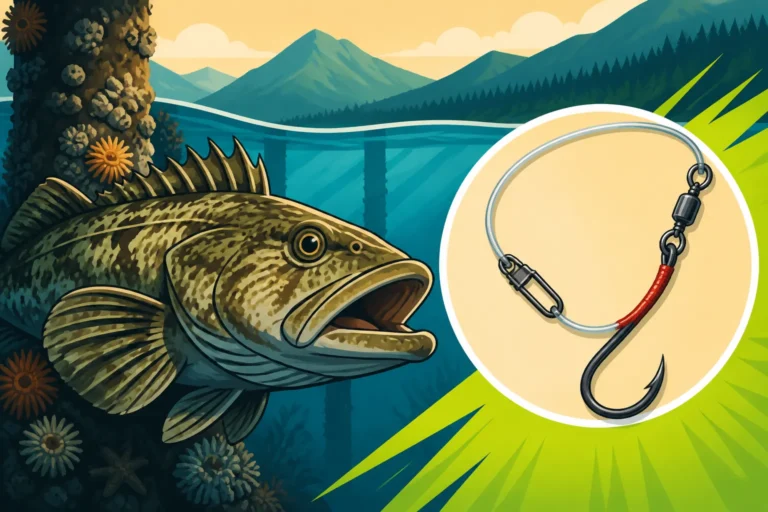
- Hooks: When jigging for halibut, use extremely strong, sharp, large single hooks, usually 10/0 to 14/0, or heavy-duty treble hooks designed for saltwater use. Ensure they are attached to your jig with heavy-duty split rings and solid rings. Halibut have incredibly powerful jaws and will straighten weak hooks in an instant. Gamakatsu, Owner, and Mustad all make excellent quality hooks suitable for these bruisers.
- Swivels, Snaps, and Leaders: Everything in your terminal tackle needs to be heavy-duty. Use high-quality barrel swivels (rated for at least 200 lbs) to prevent line twist, especially when drift jigging. Strong snaps can be useful for quickly changing jigs, but many prefer a direct knot to the jig for maximum strength. For your leader material, 100-150 lb monofilament or fluorocarbon is standard. Keep it relatively short, around 3-6 feet, to maintain direct contact with your jig.
Electronics for Locating Halibut
In the vast expanse of the Pacific, modern electronics are your best friends for finding halibut. They take the guesswork out of locating those subtle pieces of structure that hold fish.
- Sonar/Fishfinder: A powerful sonar unit with a high-definition transducer is absolutely critical. Look for units with CHIRP technology and good deepwater performance. Brands like Garmin, Lowrance, and Humminbird offer excellent models. Your sonar will help you identify the depth, map the contours of the seabed, and most importantly, mark fish. You'll be looking for changes in bottom composition, bait balls, and "marks" (fish) near the bottom. The ability to see the contours and hard bottom where halibut often lie gives you a significant advantage.
- GPS/Chartplotter: A reliable GPS unit integrated with a detailed chartplotter (often part of the same unit as your sonar) is essential for navigation and marking productive spots. Use it to mark waypoints of reefs, drop-offs, and areas where you've previously caught fish. The ability to return precisely to a hot spot can make or break a trip. It also allows you to track your drift, which is crucial for drift jigging. Detailed bathymetric charts are invaluable for identifying promising underwater topography before you even leave the dock.
- VHF Radio: While not directly for finding fish, a marine VHF radio is a non-negotiable safety item when fishing offshore. It allows communication with other vessels and, more importantly, with the Canadian Coast Guard in an emergency. BC Boating Laws for Anglers emphasize proper safety equipment, and a VHF is paramount.
Mastering Jigging Techniques for Halibut
Jigging for halibut isn't just about dropping a heavy weight and hoping for the best. It's an active, nuanced technique that combines feel, timing, and a bit of artistry. The goal is to make your jig look as enticing as possible to a hungry halibut.
Vertical Jigging vs. Drift Jigging
There are two primary approaches to jigging for halibut, and each has its time and place.
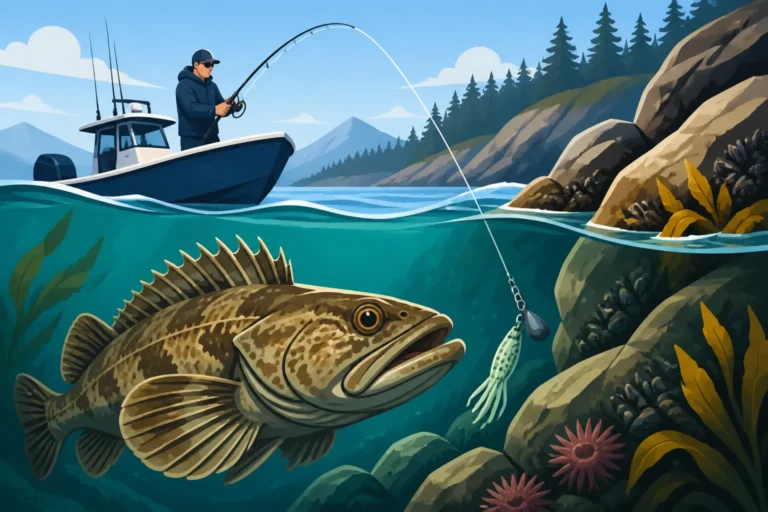
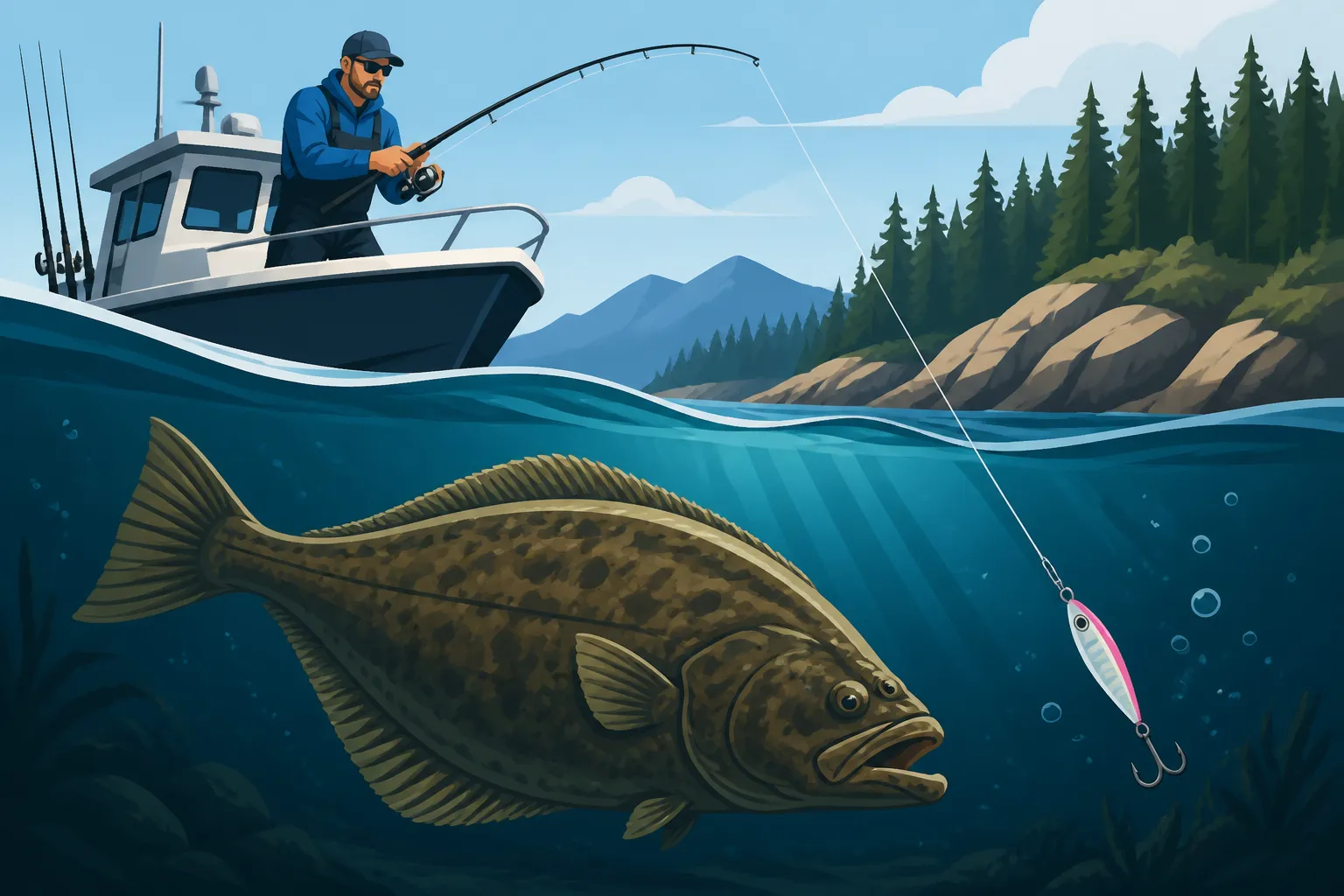
- Vertical Jigging: This technique is best suited when you've identified a specific piece of structure or a concentrated school of fish on your sonar. The idea is to position your boat directly over the target and drop your jig straight down. Maintain as vertical a line as possible, using your boat's motor (trolling motor or main engine) to counter currents and wind. Once your jig hits the bottom, retrieve it with a series of aggressive lifts and drops, mimicking an injured baitfish. Lift the rod tip sharply about 3-5 feet, then let the jig flutter back down on a semi-slack line. Most strikes occur on the fall. Repeat this motion, working the jig from the bottom up a few feet, then letting it rest briefly on the bottom before repeating the cycle. The key is to keep the jig in the strike zone and vary your retrieve until you find what the fish are looking for. This can be particularly effective when targeting fish that are hugging structure tightly.
- Drift Jigging: When fish are more spread out, or you're exploring a new area, drift jigging allows you to cover more ground. You let your boat drift naturally with the wind and current over promising areas, such as expansive banks or long ledges. The challenge here is managing your line angle. You want to maintain contact with the bottom but avoid getting so far off vertical that your jig is dragging excessively or you can't feel bites. Use your GPS to monitor your drift speed and direction. As your boat drifts, periodically drop your jig to the bottom, jig it aggressively a few times, and then let it drop back down. If the current is strong, you'll need heavier jigs to stay near the bottom. Drift jigging allows you to present your jig to a wider area of fish, increasing your chances of finding an active halibut. It’s also a great technique for covering large areas off the coast where Halibut Fishing Techniques for BC's Coast are employed.
Retrieval Speeds and Strike Indicators
Halibut don't always react the same way. Sometimes they want an aggressive, fast retrieve, other times a slow, deliberate presentation.
- Varying Retrieval Speeds: Start with a moderately aggressive lift-and-drop cadence. If that's not producing, try slowing it down, making longer pauses on the bottom, or shortening your jigging strokes. Conversely, if baitfish are active, a faster, more erratic retrieve might be the ticket. Don't be afraid to experiment with how high you lift the jig off the bottom and how quickly you let it fall. Sometimes a quick, sharp snap followed by a dead drop is irresistible. Other times, a more subtle "pump and glide" is what they prefer.
- Recognizing a Strike: Halibut strikes can range from a subtle "thump" or spongy resistance to a rod-wrenching slam. Because you're often jigging in deep water with heavy tackle, the subtle strikes can be easy to miss if you're not paying attention. Keep your eyes on your rod tip and feel for any deviation from the jig's normal movement. If your line goes slack prematurely on the fall, or you feel a sudden weight, set the hook! When a halibut hits, it's often a solid, determined pull. Don't hesitate; set that hook hard, multiple times if necessary, to ensure it's firmly planted in their tough jaws.
Proper Hooksetting and Fighting Techniques
Once you get that tell-tale bite, the real battle begins. Halibut are incredibly powerful and will test your tackle and your stamina.
- Hookset: When you feel a bite, drop your rod tip slightly to give the fish a moment to take the jig fully, then reel down quickly to take up slack and execute a powerful, sweeping hookset. Don't be shy; use your entire body to drive that hook home. For vertical jigging, this often means a firm, upward sweep.
- Fighting the Fish: The initial run of a halibut can be absolutely brutal. They will often make powerful dives, trying to get back to the bottom. Your job is to pump and reel. Lift the rod to gain line, then quickly drop the rod tip while reeling down to recover the slack. Never try to reel when the fish is pulling line; let your drag do its job. Keep steady pressure on the fish. Halibut have a tendency to make several strong runs before they tire, so be prepared for a protracted fight. Maintain good posture, brace yourself, and let the rod and reel do the work. It’s a marathon, not a sprint. Proper fighting technique is crucial, not just for landing the fish, but also for ensuring its survival if you plan on releasing it. For trophy fish, many anglers prefer to employ gaffs or specialized harpoons for a quick and clean landing, especially if they intend to keep the fish within the BC Halibut Bag Limit Rules.
Reading the Ocean: Tides, Currents, and Structure
Fishing the vast Pacific off Vancouver Island requires more than just good gear; it demands an understanding of the ocean itself. Tides, currents, and the hidden underwater topography all play critical roles in where and how you'll find halibut. Being able to "read the water" is a skill honed over time, but there are fundamental principles that can drastically improve your success.
Impact of Tides and Slack Water
Tides are the ocean's heartbeat, and their influence on halibut fishing cannot be overstated. Halibut, like many bottom feeders, are often most active during periods of moving water, which stirs up the seabed, dislodges food, and concentrates baitfish.
- Incoming and Outgoing Tides: During strong tidal flows, baitfish are often swept along or seek shelter around structure, making them easier targets for halibut. The currents created by these tides also help distribute scent from your bait or jig, drawing fish from further away. However, extremely strong currents can make jigging difficult, as it becomes hard to keep your line vertical and maintain bottom contact, even with heavy jigs. You might need to use significantly heavier jigs (20-30 oz or more) during peak tidal flows.
- Slack Water: The hour or so around the peak of high tide and the low tide, known as "slack water," is often considered prime time for halibut fishing. During these periods, the current is at its weakest, making it much easier to hold your jig on the bottom and feel subtle bites. Halibut can also be more willing to move off structure to feed without fighting strong currents. Many experienced anglers target these slack water periods specifically, as they offer the most controlled and often most productive jigging conditions. Always consult a local tide chart before your trip to plan your attack around these critical windows.
Identifying Promising Bottom Structure
Halibut are intrinsically linked to the bottom. Understanding the types of structure they prefer is paramount.
- Hard vs. Soft Bottom: Halibut generally prefer hard, rocky bottoms or areas with a mix of rock and gravel. These areas provide excellent camouflage, shelter, and hold a greater diversity of the invertebrates and baitfish that halibut feed on. While they can sometimes be found on sandy or muddy flats, particularly when chasing schools of sand lance or herring, the prime ambush points are usually associated with firmer ground.
- Ledges, Reefs, and Bumps: Keep an eye on your sonar for any changes in depth or bottom composition. Ledges, underwater reefs, and subtle bumps or depressions in the seabed are classic halibut hangouts. These features create current breaks and ambush points. Pay particular attention to the "edges" of these structures – the transition zones where a flat bank suddenly drops into deeper water. Halibut will often lie just off these edges, waiting for food to come over the drop-off.
- Wrecks and Artificial Reefs: Don't overlook man-made structures! Sunken boats, old crab pots, or even discarded lumber can act as artificial reefs, attracting baitfish and, consequently, halibut. These spots are often well-known by local guides but can be found with careful sonar scanning. They represent isolated pieces of structure in otherwise featureless areas, making them magnets for fish.
Using Sonar and GPS to Mark Spots
Your boat's electronics are your eyes underwater. Learning to interpret their displays is a game-changer.
- Sonar Interpretation: Don't just look for fish arches. Pay close attention to the bottom contour line. A jagged, hard line indicates rock or rubble, while a softer, broader line suggests sand or mud. Look for "hard returns" (thicker, brighter lines) on your sonar, which often indicate rocky areas. When you see a fish "mark" near the bottom, especially a large, elongated one, it could very well be a halibut. Your sonar is also vital for identifying baitfish schools, which are often concentrated where halibut are feeding.
- GPS Waypoints: Every time you get a bite, especially if you land a fish, immediately mark that spot on your GPS. Don't wait! This creates a historical record of productive areas. Over time, you'll build up a "library" of hot spots that you can return to. When drift jigging, use your GPS to track your drift path. If you get a bite, you can then try to repeat that drift, or even motor back up-current and start a new drift over the same productive zone. This precision allows you to systematically explore and exploit halibut habitat. It’s also incredibly useful for returning to those fantastic spots discussed in the Best Halibut Charters out of Tofino or Ucluelet if you’ve taken a trip and found success.
Safety First: Preparing for an Offshore Halibut Trip
The allure of massive halibut often overshadows the inherent risks of offshore fishing. The waters off Vancouver Island can be unforgiving, and proper preparation is not just a recommendation; it's a necessity. Prioritizing safety ensures that your memorable catch isn't overshadowed by a preventable accident.
Vessel and Crew Safety Checks
Before you even think about leaving the dock, a thorough safety check of your vessel and crew is paramount. No halibut is worth risking lives over.
- Vessel Maintenance: Ensure your boat is in top mechanical condition. Check engine oil, fuel levels, bilge pumps, electrical systems, and navigation lights. Make sure your battery is fully charged. Have a pre-departure checklist and stick to it religiously. Carry spare parts for common issues, such as fuel filters, spark plugs, and prop shear pins. A breakdown offshore can quickly turn into a serious situation. Regularly maintaining your boat helps you comply with BC Boating Laws for Anglers.
- Emergency Equipment: Verify that all required safety equipment is onboard and in good working order. This includes:
- Life Jackets: Enough for everyone onboard, readily accessible, and properly sized. In British Columbia, Transport Canada regulations specify stringent Life Jacket Requirements for BC Boaters.
- Marine VHF Radio: Essential for communication and distress calls. Test it before leaving.
- Flares/Signalling Devices: Up-to-date and easily accessible.
- First Aid Kit: Comprehensive and fully stocked.
- Anchor and Sufficient Rode: An anchor is critical in case of engine failure or to hold position in a strong current.
- Bailer/Pump: To remove water from the boat.
- Sound Signaling Device: Whistle or horn.
- Fire Extinguisher: Charged and accessible.
- Paddles/Oars: If applicable for your vessel size.
- Backup GPS/Navigation: A handheld unit or a smartphone with marine charts as a redundancy.
- Float Plan: Always file a float plan with a trusted friend or family member. This plan should detail your departure point, destination, estimated return time, number of people onboard, and a description of your vessel. Instruct them to contact authorities if you don't check in by your specified time. This simple step can be a lifesaver.
- Crew Briefing: Even if your crew are experienced anglers, briefly review safety procedures, how to operate the VHF, location of safety gear, and what to do in an emergency. Ensure everyone knows where the life jackets are and how to don them.
Weather Monitoring and Contingency Planning
The Pacific Ocean off Vancouver Island can change its mood rapidly. What starts as a calm morning can quickly turn into a treacherous afternoon.
- Pre-Trip Weather Check: Obtain detailed marine weather forecasts from reliable sources like Environment Canada or dedicated marine weather apps before you leave. Pay close attention to wind speed and direction, wave height, and fog predictions. Don't just check once; keep monitoring it even hours before your trip. If in doubt, stay home. No fish is worth risking your life.
- On-Water Monitoring: While offshore, continue to monitor the weather using your VHF radio (marine weather channels) or satellite weather services if you have them. Keep an eye on the sky for rapidly changing conditions. Dark, ominous clouds, sudden shifts in wind direction, or increasing wave size are all warning signs.
- Contingency Plan: Have a clear plan for what you will do if the weather deteriorates. Identify safe harbors or protected bays where you can seek shelter. Know your boat's capabilities and your own limits. It's always better to turn back early than to push it and get caught in dangerous conditions. Don't let "halibut fever" cloud your judgment. Remember, the fish will always be there another day. This planning is part of being a responsible angler and extends beyond just the gear; it's about respecting the power of the ocean.
Conservation and Regulations for Halibut
British Columbia boasts a phenomenal halibut fishery, but its sustainability depends on all of us adhering to strict regulations and practicing responsible angling. It's not just about catching fish; it's about protecting the resource for future generations. Knowing and following the rules is your duty as an angler.
Understanding Bag and Possession Limits
The Department of Fisheries and Oceans (DFO) Canada sets specific regulations for recreational halibut fishing to ensure conservation. These rules are subject to change, sometimes even in-season, so always consult the latest DFO Pacific Region Fishery Notices before each trip.
- Size Limits: Halibut often have minimum and/or maximum size limits. For instance, in recent years, there has been a slot limit, allowing anglers to retain one halibut under a certain length (e.g., 90 cm) and one over (e.g., 90-126 cm), or a single halibut within a specific slot. These limits are designed to protect both juvenile fish and the large, reproductively important females. Always carry a measuring device on your boat.
- Daily Bag Limit: This refers to the number of halibut you can keep per day. It's typically one or two, depending on the season and specific management zone. For example, recent regulations have allowed for a daily limit of one halibut, with a total annual limit.
- Possession Limit: This is the total number of halibut you can have in your possession at any given time, whether on your boat, in your freezer at home, or in transit. This limit is often higher than the daily limit (e.g., two halibut) to allow for multi-day trips. However, always check the exact BC Halibut Bag Limit Rules for the current year.
- Annual Limit: Beyond daily and possession limits, there's often an annual limit on how many halibut a single angler can retain over the entire fishing season. This is crucial for managing the overall harvest.
- Licensing: Remember, you absolutely need a valid BC tidal waters fishing license, and often a Salmon Conservation Stamp, even if you’re only targeting halibut. You can't even touch a line in saltwater without it. You can find out more about this by checking out the guide on BC Freshwater vs Tidal Waters License, Explained.
It's your responsibility to know these limits. Ignorance of the law is not an excuse, and penalties for violations can be severe, including hefty fines and confiscation of gear and catch.
Responsible Catch and Release Practices
While many anglers keep their legal-sized halibut, there are times when catch and release is necessary, such as when you catch an undersized fish, an oversized fish (outside the slot limit), or if you've already filled your bag limit. Practicing responsible catch and release significantly increases the survival rate of released fish.
- Minimize Fight Time: Bring the fish to the boat as quickly as possible without "horsing" it. A prolonged fight can lead to exhaustion, reducing its chances of survival.
- Proper Handling:
- Keep it in the Water: For fish you intend to release, try to keep them in the water as much as possible. This minimizes stress and injury.
- Use a De-hooker: If the hook is easily accessible, use a de-hooking tool to remove it quickly and safely without touching the fish.
- Avoid Gills and Eyes: If you must handle the fish, avoid touching its gills or eyes, as these are highly sensitive and easily damaged.
- Support its Weight: If you need to lift the fish for a quick measurement or photo, support its entire body horizontally. Never lift a large halibut by the tail or head alone, as this can damage its internal organs and spine.
- Revival: If a released fish appears stressed or disoriented, hold it gently in the water, facing into the current, until it regains its strength and can swim away on its own.
- Barbless Hooks: While not always mandatory for halibut, using barbless hooks, or crimping down the barbs on your hooks, can make hook removal much easier and reduce damage to the fish, improving survival rates.
- Ventilation: Halibut brought up from very deep water (especially over 200 feet) may suffer from barotrauma (expanded swim bladder). This can prevent them from swimming back down. If a fish is showing signs of barotrauma (e.g., bulging eyes, stomach protruding from mouth), knowing how to properly vent the swim bladder with a specialized tool can dramatically increase its survival. However, this is an advanced technique and should only be performed by experienced anglers who know exactly what they are doing.
By understanding the halibut's world, equipping yourself with the right gear, mastering your jigging techniques, and always prioritizing safety and conservation, you're well on your way to experiencing the unparalleled thrill of landing a British Columbia halibut. Happy jigging!
Disclaimer
The information provided in this guide is for general informational purposes only and is not intended as legal advice. Fishing regulations in British Columbia, particularly those concerning halibut, are subject to frequent changes by Fisheries and Oceans Canada (DFO). It is the sole responsibility of the angler to consult the most current DFO Pacific Region Fishery Notices and the British Columbia Freshwater Fishing Regulations Synopsis before engaging in any fishing activity. Always adhere to all local, provincial, and federal laws and regulations. The author and publisher assume no responsibility for any actions taken based on the information contained herein.