Best spring steelhead streams in BC
The crisp air of a BC spring, the melting snow signaling new life, and the promise of a chrome-bright steelhead at the end of your line – it’s a dream for many anglers. But figuring out exactly which streams are prime for spring steelhead, and when, can be a real head-scratcher. Many of us have spent countless hours researching, hoping to hit that perfect window only to find rivers blown out or too low. This comprehensive guide is designed to cut through that uncertainty, pinpointing British Columbia's best spring steelhead streams and giving you the insights you need for a truly memorable angling experience.
Understanding British Columbia's Spring Steelhead Run
There's something inherently magical about chasing steelhead, and the spring run holds a particularly special place in the hearts of many British Columbia anglers. After a long winter, these incredible anadromous rainbow trout push into our freshwater systems, fresh from the ocean, full of vigor, and often displaying a stunning chrome sheen.
The Allure of Spring Steelhead Fishing
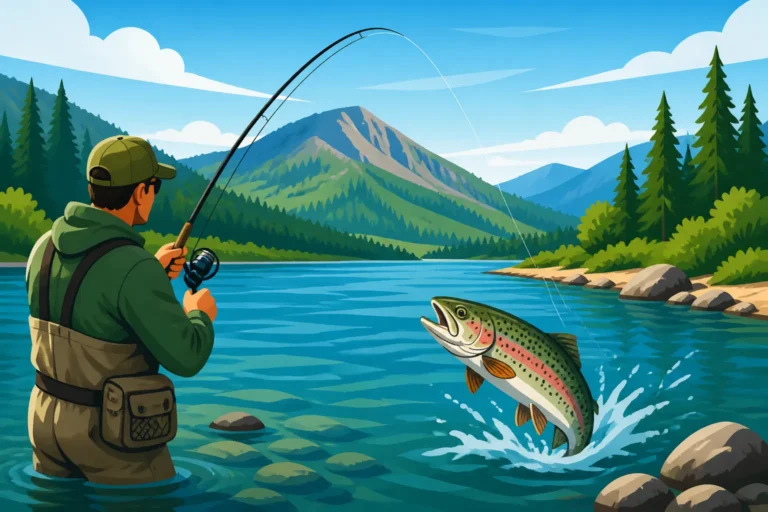
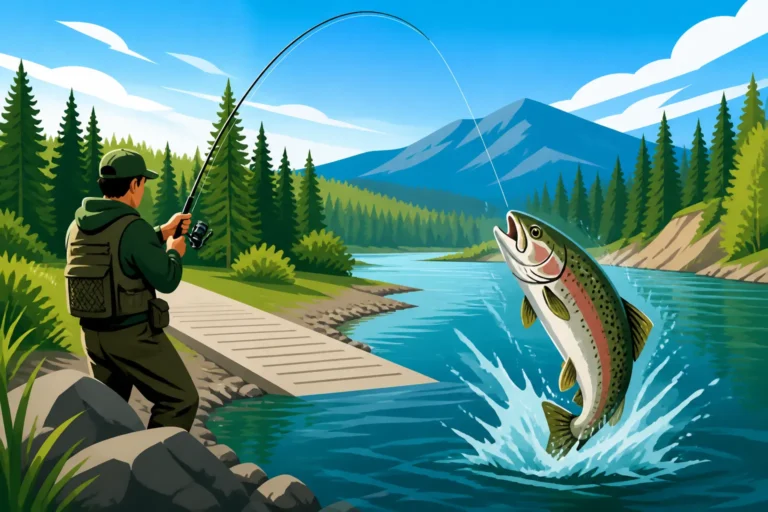
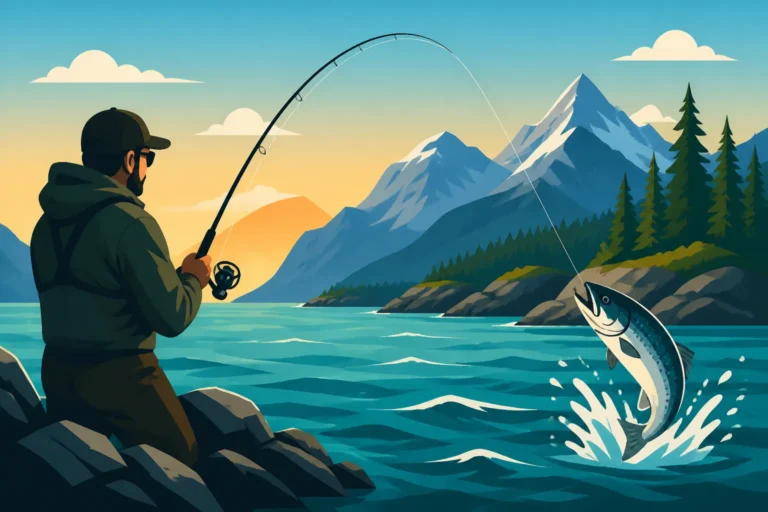
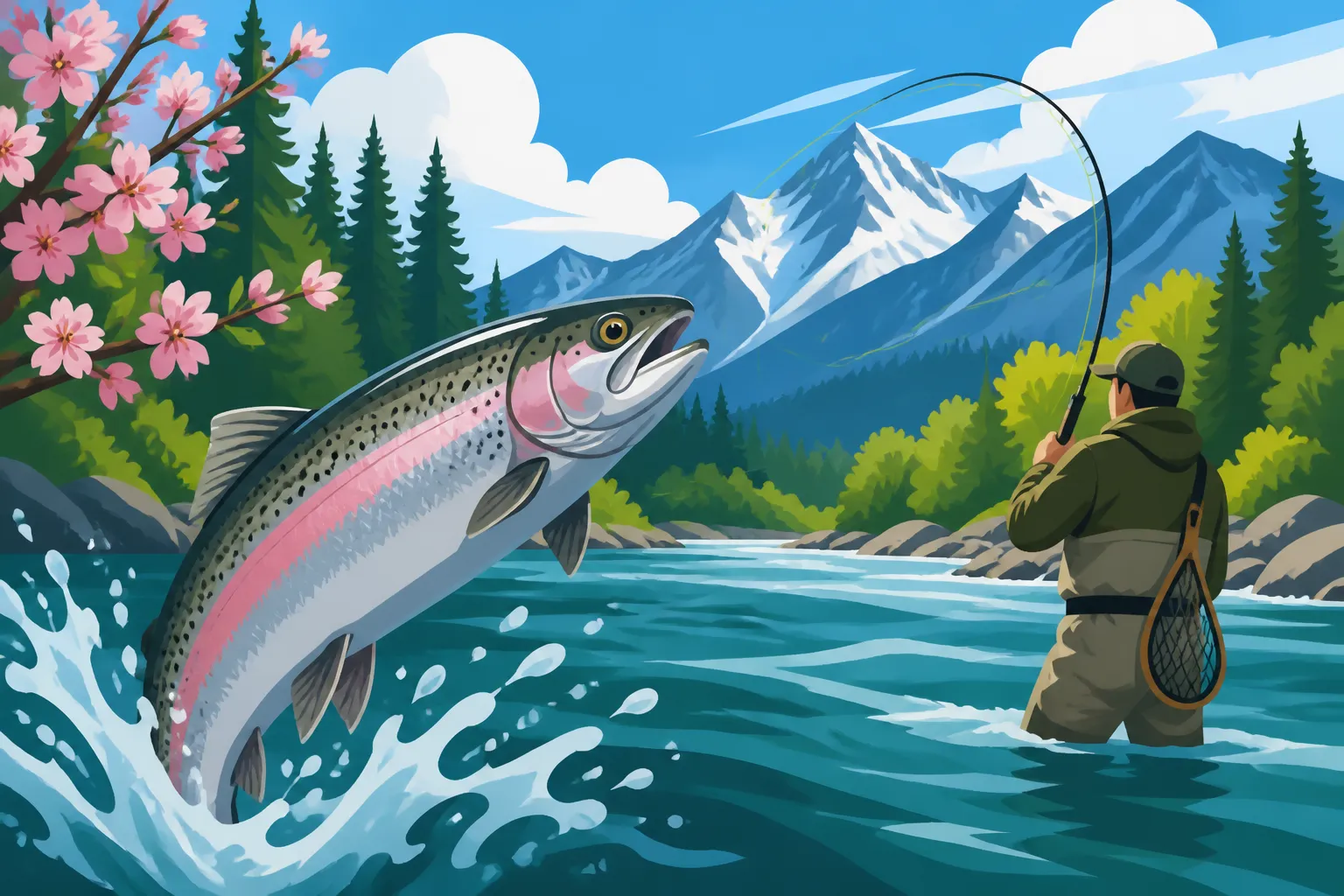
Imagine standing knee-deep in a pristine BC river, surrounded by budding trees and the sound of rushing water, with a powerful, acrobatic fish stripping line from your reel. That's the essence of spring steelhead fishing. Unlike their fall counterparts, spring steelhead are often seen as even more aggressive, having spent the winter in the river system or just entering it, full of energy before their spawning duties commence. These fish are incredible fighters, known for their blistering runs, aerial acrobatics, and sheer power, making every hook-up an unforgettable battle. The anticipation after a long winter, combined with the often-beautiful spring weather, makes these trips highly sought after. It’s a chance to shake off the winter doldrums and connect with nature in one of the most exciting ways imaginable.
Key Factors Influencing Spring Runs
Successfully intercepting spring steelhead largely depends on understanding the dynamic conditions of the river systems. The biggest factor, hands down, is snowmelt. As temperatures rise, snowpacks in the mountains begin to melt, leading to increased river flows. While some fresh water can bring in new fish and invigorate resident ones, too much runoff can blow out rivers, turning them into unfishable torrents of glacial silt.
Water temperature also plays a critical role. Steelhead are cold-water fish, but a slight warming trend can make them more active and willing to chase a fly or lure. Optimal temperatures typically fall within a range of 40-50°F (4-10°C). Anything too cold, and fish can become sluggish; too warm, and they might push through quickly or become stressed. Anglers often face the challenge of constantly monitoring weather patterns and river gauges, a real test of patience and adaptability. The key is often finding that sweet spot where the water is clearing after a freshet but before the full onslaught of peak snowmelt.
Essential Gear for Spring Steelhead
Spring steelhead fishing demands robust and reliable gear to handle powerful fish and often challenging conditions. First and foremost, you'll want a strong rod and reel setup. For most BC rivers, a 9' to 10' medium-heavy spinning or casting rod paired with a quality reel spooled with 12-20lb monofilament or braid is a solid choice for conventional gear. Fly anglers often opt for 10-13' Spey rods in weights 7-9 for efficient two-handed casting, especially on larger rivers. For smaller waters, a 9-10' single-hand rod in weights 7-8 will suffice.
Waders are non-negotiable for staying dry and comfortable in cold spring waters. Breathable chest waders are ideal, paired with sturdy wading boots, preferably with felt soles or, even better, studded rubber soles for superior grip on slippery river rocks. Don't forget layers of warm clothing, a waterproof jacket, and a good hat and gloves. Beyond the basics, a quality landing net with a rubber mesh is crucial for safe catch-and-release, and a pair of pliers or forceps for hook removal is essential. Remember, safety comes first, so consider a wading staff for stability in swift currents, and always let someone know your float plan or where you'll be fishing.
Top Spring Steelhead Rivers in British Columbia
British Columbia is truly a steelhead paradise, offering an incredible diversity of waters, from easily accessible coastal rivers to remote northern wilderness systems. Each offers a unique experience, from the size of the fish to the techniques required.
Coastal Gems and Their Unique Challenges
The coastal rivers of British Columbia, particularly those in the Lower Mainland and on Vancouver Island, are often the first to see spring steelhead returns, sometimes as early as late winter and continuing well into spring. Their proximity to major population centers makes them popular, but they still offer fantastic opportunities.
The Squamish River, and its tributaries like the Cheakamus, is a prime example. Located just a short drive from Vancouver, it's known for its strong runs of wild steelhead. Spring conditions here can be variable, with early spring offering clearer water before significant snowmelt begins. As spring progresses, glacial melt can make the water turbid, requiring different techniques like bait or heavier gear. Anglers here often employ float fishing with roe, jigs, or artificial worms, or swing flies with Spey rods. Its accessibility, however, means it can see considerable pressure, so timing and knowledge of less-frequented access points can be key. For those looking to explore the region, FishingBooker can help locate guides who specialize in the Squamish system, offering insights into current conditions and effective tactics.
Further south, the Chehalis River offers a more intimate setting, often seeing good early spring returns. It's a smaller, picturesque river that demands a more delicate approach. The Stave River, being a dam-controlled system, often provides more consistent water levels throughout the spring, making it a reliable option when other rivers are blown out. While not as wild as some, it offers consistent angling opportunities and is easily accessible from many communities. These coastal rivers can be exceptional, but staying informed about specific BC Fishing Regulations Explained and real-time conditions is crucial.
Northern Powerhouses for the Adventurous Angler
For those seeking truly wild and often colossal steelhead, a journey to British Columbia's northern rivers is an essential pilgrimage. These are the legendary waters that define BC steelhead fishing.
The Skeena River System is arguably the most famous steelhead destination in the world. Its major tributaries, including the Bulkley River, Kispiox River, and Morice River, host some of the largest and most powerful steelhead on the planet. Spring runs here generally peak later than on coastal rivers, often from April through June, depending on the specific river and snowmelt. Fishing these rivers is an adventure in itself, often requiring remote travel, jet boat access, or multi-day float trips. The fish are often huge, averaging over 15 pounds, with many exceeding 20 pounds. Fly fishing, particularly Spey casting, is the preferred method, with anglers swinging large, dark flies through deep pools. Understanding Skeena River Steelhead Fishing is a pursuit in itself, demanding dedication and often the services of a professional guide. Websites like FishingBooker are indispensable for finding reputable guide services and lodges in these remote areas, which is often a necessity due to the complex access and regulations.
The Dean River is another mythical destination, renowned for its incredibly hot, acrobatic wild steelhead. It's truly a bucket-list river, but access is highly controlled, often requiring booking through one of the few exclusive lodges. The spring run on the Dean is explosive, with fish entering the river in peak condition, often leaping repeatedly after being hooked. This is a destination for the dedicated fly angler seeking the ultimate challenge.
Interior Steelhead – A Different Kind of Challenge
While less numerous than their coastal or northern cousins, the interior steelhead of British Columbia offer a unique and highly prized angling experience, particularly on the famed Thompson River.
The Thompson River is an iconic waterway, historically famous for its powerful "Interior Fraser" steelhead. However, these fish face significant conservation challenges, and as a result, the Thompson is often subject to strict catch-and-release regulations and even closures. When open, spring fishing on the Thompson is often characterized by very clear water, making for incredibly challenging but rewarding sight-fishing opportunities. Anglers typically use light lines, long leaders, and sparse fly patterns or very subtle float fishing presentations. Catching a Thompson steelhead is considered a pinnacle achievement for many BC anglers due to their wild nature and the river's technical demands. Always check BC Fishery Notices and In-Season Closures, Explained before planning a trip here, as regulations can change frequently.
Closer to the Lower Mainland, the Chilliwack/Vedder River system is a popular choice for spring steelhead, especially in the earlier part of the season. This river is known for its excellent public access and offers diverse fishing opportunities, from bait fishing to float fishing and fly swinging. Like the Squamish, it can experience high pressure, but its consistent returns make it a favorite for many. Different sections of the river offer varying depths and currents, requiring anglers to adapt their techniques.
Here's a quick comparison of some popular spring steelhead streams in BC:
| River System | Location | Peak Spring Months | Typical Fish Size | Accessibility | Common Techniques | Notes |
|---|---|---|---|---|---|---|
| Squamish River | Lower Mainland | March – May | 6-12 lbs | Easy | Float, Fly Swing | Popular, can get crowded, glacial melt |
| Chilliwack/Vedder | Lower Mainland | February – April | 5-10 lbs | Easy | Float, Spin, Fly | High pressure, good public access |
| Skeena System | Northern BC | April – June | 10-25+ lbs | Remote | Spey Fly, Float (upper tribs) | World-renowned, large wild fish, guide often req |
| Thompson River | Interior BC | March – April (when open) | 8-20 lbs | Moderate | Fly (technical), Float | Conservation concerns, often C&R, clear water |
| Dean River | Bella Coola (Coast) | May – July | 10-25+ lbs | Remote/Lodge | Spey Fly | Exclusive access, incredibly strong wild fish |
Navigating Regulations and Conservation for Spring Steelhead
Fishing for steelhead in British Columbia isn't just about finding the fish; it's also about being a responsible angler and understanding the critical role we play in conservation. These are precious resources, and adhering to regulations is paramount.
Understanding Catch-and-Release Practices
Many of British Columbia's prime steelhead fisheries, especially in the spring, are designated as entirely catch-and-release. Even in rivers where retention is allowed for other species, steelhead are almost always released due to their vulnerable populations. Ethical catch-and-release practices are not just a guideline; they are essential for the survival of these magnificent fish. Always use single, barbless hooks to minimize harm and make hook removal easier. When you land a fish, try to keep it in the water as much as possible, supporting it gently. Avoid dragging it onto rocks or dry land.
If you must take a quick photo, be prepared. Have your camera ready, lift the fish gently, support its weight horizontally, snap quickly, and return it to the water within a matter of seconds. Avoid squeezing it, especially around the gills or belly, and never hold it by the jaw vertically. Allow the fish to recover in the current, facing upstream, until it swims away under its own power. These practices are crucial, particularly for spawning-bound spring steelhead, to ensure they have the best chance of successful reproduction.
License Requirements and Fishery Notices
Before you even think about wetting a line for spring steelhead, ensure you have all your ducks in a row regarding licenses and stamps. Every angler aged 16 and over needs a valid British Columbia Fishing License Guide for 2026. For freshwater steelhead, this includes a valid basic freshwater fishing license and, critically, a BC Steelhead Conservation Surcharge Stamp. This stamp is a mandatory additional purchase and contributes directly to steelhead conservation efforts. Understanding How Much Does a BC Fishing License Cost can help you budget appropriately for your trip.
Beyond the basic license, you absolutely must check the current BC Fishery Notices and In-Season Closures, Explained before every single trip. These notices are updated frequently and can announce sudden closures, bait bans, gear restrictions, or even re-openings due to conservation concerns or changing conditions. Regulations can vary wildly from river to river, and even from section to section within a single river system. For example, some stretches may be fly-fishing only, or have specific gear restrictions for certain times of the year, like a ban on treble hooks. Being caught fishing without the correct license, stamp, or in violation of a current fishery notice can result in hefty fines and even confiscation of your gear, making a great trip turn sour very quickly.
Respecting Sensitive Habitats and Private Land
British Columbia's rivers are shared spaces, and respecting both the environment and other users is vital. Always be mindful of sensitive riparian habitats; avoid trampling vegetation along riverbanks, and stick to established trails where possible. Leaving no trace is a fundamental principle of outdoor ethics – pack out everything you pack in, and ideally, pick up any litter you find.
Many productive steelhead waters flow through private property or traditional territories. Always be aware of land ownership and access points. Never trespass. If you're unsure, it's always better to find an alternative access point or seek permission. Additionally, be courteous to other anglers. Steelhead fishing often involves covering stretches of river, and cutting in front of another angler or crowding a pool is poor etiquette. Maintain a respectful distance and share the water. By showing respect for the land, the fish, and fellow anglers, we help ensure these incredible spring steelhead fisheries remain vibrant for generations to come.
Planning Your Spring Steelhead Adventure
A successful spring steelhead trip in British Columbia requires more than just knowing where the fish are; it involves meticulous planning, from timing your visit to ensuring your safety.
Timing Your Trip for Optimal Conditions
Timing is everything when it comes to spring steelhead. Unlike the more predictable fall salmon runs, spring steelhead fishing is highly susceptible to variable weather patterns and snowmelt. Generally, coastal rivers will see their peak runs earlier, often from February through April, before major freshets. As spring progresses and temperatures warm, the action shifts north and inland. Rivers in the Skeena system, for instance, often fish best from April through early June.
It’s a delicate balance. Too early, and the fish might not have arrived in numbers, or the water could still be too cold. Too late, and heavy snowmelt can cause rivers to rise and become unfishable due. Keeping a close eye on weather forecasts, snowpack reports (available from government websites), and local fishing reports is crucial. Some anglers prefer the "shoulder seasons" within spring – early spring for less crowded rivers, or late spring when fish might be more aggressive but water levels are more challenging. Understanding typical BC Steelhead Season Dates can give you a general idea, but flexibility and real-time data are your best friends.
Finding Guides and Accommodations
For many anglers, especially those venturing into remote northern rivers or new-to-them systems, hiring a local guide is an invaluable investment. A good guide knows the river intimately, understands current conditions, has the right gear, and can significantly increase your chances of success and safety. They often have access to private stretches of water or know the nuances of public access that are critical in high-pressure seasons. For example, booking a reputable guide on the Bulkley River can be the difference between a frustrating trip and landing a trophy steelhead. Platforms like FishingBooker are excellent resources for finding and booking experienced BC steelhead guides, offering reviews and detailed information about their services and availability.
Accommodation options range from rustic campgrounds for the adventurous, to cozy cabins, and full-service lodges, particularly prevalent in the Skeena region. Booking well in advance is highly recommended, especially for peak spring dates and popular lodges, as spots fill up quickly. Consider what kind of experience you want – a guided wilderness adventure, or a more independent exploration with comfortable amenities.
Safety Considerations on the Water
Spring conditions in BC rivers can be beautiful but also treacherous. Water temperatures are often just above freezing, making immersion a serious hypothermia risk. Always wear appropriate layers, including a warm base layer, and carry extra dry clothing in a waterproof bag, even on day trips. Wading can be particularly hazardous due to swift currents and slippery, uneven riverbeds. Use a wading staff for stability, and never wade deeper than you're comfortable with. A PFD (Personal Flotation Device) is always a smart addition, especially when crossing deep or fast sections.
Always fish with a buddy, or at the very least, inform someone of your exact fishing location and expected return time. Cell service can be spotty or non-existent in many remote areas, so a satellite communication device like a Garmin inReach is a wise investment for wilderness trips. Be aware of wildlife, especially bears that are emerging from hibernation in the spring. Carry bear spray and know how to use it. Finally, pack a small first-aid kit and know basic wilderness first aid. Being prepared for the unexpected ensures that your spring steelhead adventure is not only successful but also safe.
Disclaimer
Please note that fishing regulations, license requirements, and seasonal closures in British Columbia are subject to change by the Department of Fisheries and Oceans Canada (DFO) and the BC Provincial Government. It is the angler's responsibility to check the latest regulations and fishery notices before engaging in any fishing activity. This guide provides general information and should not be considered a substitute for official government resources.