Columbia River best fishing access in BC
Finding great fishing spots on a river as vast and diverse as the Columbia in British Columbia can feel like searching for a needle in a haystack, especially when you're just looking for straightforward public access. Many anglers get frustrated trying to navigate ever-changing regulations, private property, and tricky currents across such a massive system. This guide is here to cut through that confusion, offering clear, actionable advice on the best public fishing access points along the BC portion of the mighty Columbia River, ensuring you spend more time fishing and less time searching.
Understanding the Columbia River System in British Columbia
The Columbia River, often simply called "the Columbia," is a truly iconic waterway that spans two countries and offers an incredible diversity of fishing opportunities. While its lower reaches in the United States are well-known for massive salmon runs, the British Columbia section, particularly upstream of the Canada-US border, has its own unique character and appeal. It's a river shaped by a series of dams, creating large reservoirs and impoundments interspersed with free-flowing sections, all of which influence fish populations and access points. Understanding these different sections is key to planning a successful trip.
The Headwaters and Upper Columbia
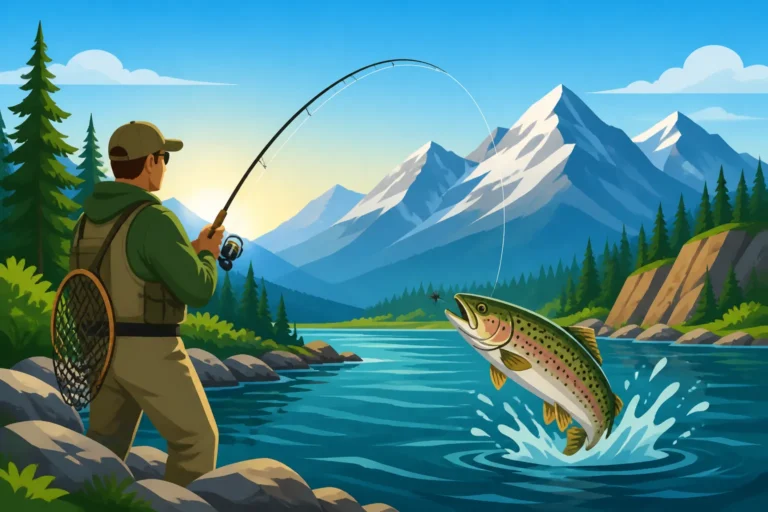
The Columbia River actually begins its journey in the stunning Columbia Wetlands near Canal Flats in southeastern British Columbia. This upper section, often referred to as the Columbia Valley, is vastly different from its lower, more powerful stretches. Here, the river is narrower, more meandering, and characterized by extensive wetlands and oxbows. The fishing in this area is primarily for various trout species, including feisty Rainbow Trout and Bull Trout. Access often involves smaller boat launches, canoe/kayak put-ins, or shore fishing opportunities. Because the river is less industrialized here, it offers a more serene and wild fishing experience, a stark contrast to the wider, busier sections downstream. Anglers often appreciate the tranquility and the opportunity for sight fishing in clearer waters, though navigating the numerous channels and private lands requires careful planning.
Reservoir Sections and Hydroelectric Influence
As the Columbia River flows south through British Columbia, it encounters several major hydroelectric dams. These dams transform the river into expansive reservoirs, dramatically altering the fishing experience. The Hugh Keenleyside Dam near Castlegar, for instance, creates Lower Arrow Lake, while the Mica Dam and Revelstoke Dam create Kinbasket Lake and Lake Revelstoke, respectively. These reservoirs offer entirely different fishing dynamics, often favoring species like large Rainbow Trout, Kokanee, and sometimes even Burbot. Access to these sections typically involves larger, paved boat launches suitable for trailered boats. Shore fishing can be more challenging due to the steep, often rocky banks created by the fluctuating water levels of the reservoirs. The sheer size of these impoundments means that knowing where to focus your efforts, perhaps by consulting a local guide found on platforms like FishingBooker, can be incredibly beneficial. These large bodies of water can hold truly massive fish, but they demand different techniques, often involving trolling or deep jigging.
The Kootenay and Boundary Regions
As the Columbia River continues its southward journey towards the US border, it passes through the Kootenay and Boundary regions, encompassing towns like Castlegar and Trail. In these areas, the river reverts to a more classic riverine environment, though still influenced by upstream dam releases. This section is perhaps one of the most popular for angling in the BC portion of the Columbia due to its diverse fish populations and more varied access. Here, anglers can target not only Rainbow Trout and Bull Trout but also Walleye, a highly sought-after species that has established a strong presence in this part of the river. The confluence with other significant tributaries, such as the Kootenay River, also adds to the ecological richness and fishing potential. It's a fantastic area for both boat and shore anglers, with several well-maintained public access points, making it a prime destination for many visiting anglers.
Key Public Access Points Along the BC Columbia
Finding reliable public access on a river as mighty and varied as the Columbia can be tricky, but several established spots offer excellent starting points for anglers of all stripes. These access points provide a mix of boat launches, shore fishing opportunities, and facilities that can make your trip much smoother.
Golden and the Upper Columbia Valley
In the northernmost part of the BC Columbia, near the town of Golden, you'll find access points that cater to a more serene fishing experience. The river here, while still substantial, is more manageable for smaller boats, canoes, and kayaks.
- Golden BC Boat Launch: Located right in Golden, this public boat launch offers easy access to the upper reaches of the Columbia. It's a popular spot for those looking to explore the calmer, meandering sections of the river, particularly for trout. There's typically ample parking, and the town itself offers services like tackle shops and provisions. Anglers here often focus on fly fishing or light tackle for Rainbow Trout and Dolly Varden. Be mindful of potential shallow areas and debris, especially during lower water periods.
- Athalmer Beach and Invermere: Further south, near Invermere, the river widens into the Columbia Lake, but there are also numerous access points along the river channels and smaller lakes that feed into the Columbia. Athalmer Beach provides access to Windermere Lake, which connects to the Columbia system, offering different fishing opportunities. For the river itself, look for regional district parks or small, unmarked pull-offs along Highway 93/95, particularly those leading to crown land. These often require a bit of exploration but can yield excellent, less crowded fishing spots. Always be respectful of private property boundaries, which can sometimes be unclear in these more rural areas.
Castlegar and the Arrow Lakes Region
Moving south, the Columbia widens significantly, forming the Arrow Lakes. Castlegar acts as a central hub for accessing both the Lower Arrow Lake and the free-flowing section of the Columbia below the Hugh Keenleyside Dam.
- Castlegar Millennium Park & Paved Boat Launch: This is arguably one of the best and most convenient access points in the entire BC Columbia system. Located in Castlegar, this park boasts a fantastic paved boat launch, suitable for larger boats, ample parking, and even washroom facilities. It provides direct access to the Columbia River downstream of the Hugh Keenleyside Dam, a renowned section for trout, walleye, and even occasional sturgeon. Shore anglers can also find plenty of space here, with walking trails providing access along the riverbanks. The currents can be swift here, so understanding the river's flow, often influenced by dam releases, is paramount for safety and successful fishing.
- Syringa Provincial Park: Situated on the west side of Lower Arrow Lake, just a short drive from Castlegar, Syringa Provincial Park offers beautiful campgrounds and several boat launches, providing excellent access to the vast waters of Lower Arrow Lake. This is a prime location for targeting larger Rainbow Trout, often Gerrard strain, and Kokanee salmon. The park provides well-maintained facilities, making it a great option for multi-day fishing trips. While primarily a lake-style fishery, the connection to the Columbia system is undeniable, and the fishing can be superb. Remember to check for BC Fishing Regulations Explained and specific closures for this area.
Trail and the Southern Columbia
As the Columbia nears the US border, the town of Trail offers additional important access points, especially for those targeting Walleye and a mix of other species.
- Waneta Boat Launch (near Trail): Located south of Trail, closer to the US border, the Waneta boat launch is a significant access point, especially for anglers targeting Walleye in the slower, deeper sections of the river. This area is known for its productive Walleye fishery, which has grown in popularity over the years. The launch is well-maintained and provides good access for trailered boats. Fishing here often involves jigging or bottom bouncing with bait. It’s critical to be aware of the proximity to the international border; do not cross into US waters without proper documentation and fishing licenses for Washington State. This is also a good reminder to check BC Boating Laws for Anglers before heading out on any watercraft.
Here's a quick overview of some key access points and what you might find:
| Access Point | Location | Primary Access Type | Target Species (Common) | Notes |
|---|---|---|---|---|
| Golden Public Boat Launch | Golden | Boat (small-medium) | Rainbow Trout, Dolly Varden | Upper river, calmer sections, fly fishing friendly. |
| Castlegar Millennium Park | Castlegar | Boat (all sizes), Shore | Rainbow Trout, Walleye, Bull Trout | Excellent facilities, strong currents, popular spot. |
| Syringa Provincial Park | Lower Arrow Lake | Boat (all sizes) | Gerrard Rainbow Trout, Kokanee | Reservoir fishing, campgrounds, deep water. |
| Waneta Boat Launch | South of Trail | Boat (all sizes) | Walleye, Rainbow Trout | Near US border, known for Walleye, careful with international lines. |
| Revelstoke Boat Launch | Revelstoke (Lake Revelstoke) | Boat (all sizes) | Rainbow Trout, Kokanee, Bull Trout | Reservoir fishing, cooler waters, often less crowded. |
Targeting Fish Species and Seasons on the Columbia River
The Columbia River in British Columbia is a diverse fishery, offering a variety of species to target throughout the year. Knowing what to pursue and when can significantly increase your chances of a successful and enjoyable trip. The specific regulations, of course, can vary by section, so always consult the latest BC Fishing Regulations Explained and BC Fishery Notices.
Rainbow Trout and Bull Trout
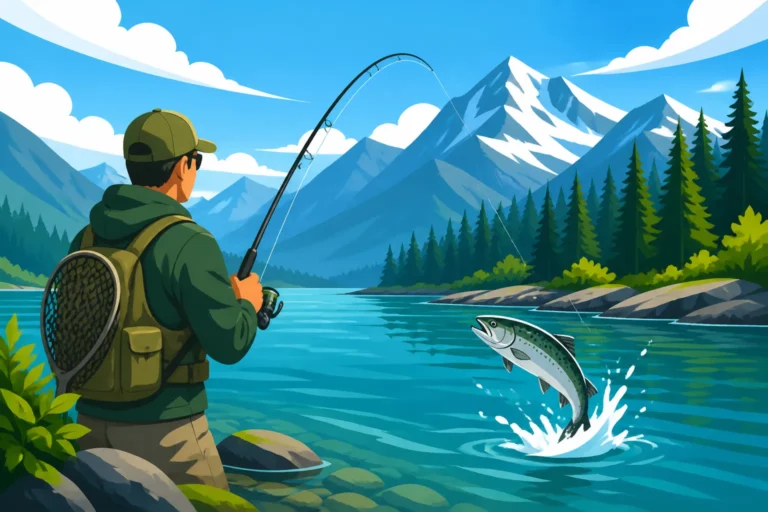
These two native trout species are mainstays of the Columbia River fishery in BC. Rainbow Trout are found throughout the river system, from the headwaters near Golden down to the border. They are known for their strong fights and willingness to hit a variety of lures, flies, and baits. In the upper, riverine sections, fly fishing with nymphs, streamers, and dry flies can be incredibly productive, especially during spring and fall hatches. In the larger reservoir sections like the Arrow Lakes, Rainbows can grow to impressive sizes, with the famed Gerrard Rainbow Trout of Kootenay Lake (which is connected to the Columbia system) being a true trophy. Here, trolling with spoons, plugs, or bucktail flies is a common and effective method.
Bull Trout, often mistaken for Dolly Varden, are apex predators in the Columbia system. They prefer cold, clear water and are often found in deeper pools, confluence areas, or near tributary mouths. They grow large and will readily strike large streamers, spoons, and soft plastic swimbaits imitating baitfish. Targeting Bull Trout often requires a bit more patience and knowledge of their preferred habitat. Remember that Bull Trout have specific regulations, including potential catch-and-release requirements or restrictive possession limits, to protect their populations. Always check the current BC Freshwater Fishing Regulations Synopsis before heading out.
Walleye Fishing in the Southern Columbia
One of the most exciting developments in the BC Columbia fishery has been the establishment and growth of Walleye populations in the southern reaches, particularly around Castlegar and Trail. These delicious freshwater fish are not native to BC but have thrived in this part of the river. Walleye are most active in low light conditions, meaning dawn, dusk, or even night fishing can be highly productive. They prefer to hug the bottom and are often found in deeper pools, current breaks, or areas with rocky structure.
Effective techniques for Walleye include jigging with lead head jigs tipped with soft plastics or bait (like a piece of worm or minnow), slow trolling with bottom bouncers and worm harnesses, or casting crankbaits that dive to appropriate depths. Many anglers find the section downstream of Castlegar, leading towards Trail and the Waneta area, to be particularly fruitful for Walleye. This fishery typically peaks from late spring through fall, though ice fishing for Walleye can be an option on some connected lakes during winter months. If you're looking for a guided Walleye experience, some local outfitters might be found on platforms like FishingBooker, specializing in these species.
Kokanee and Other Species
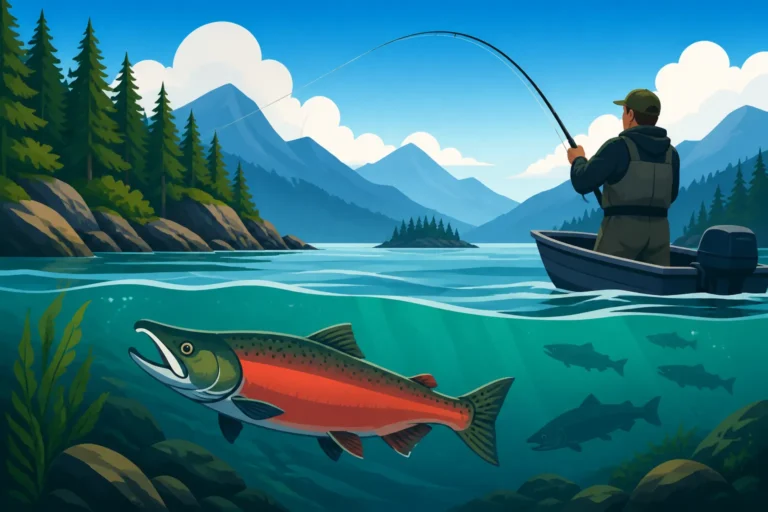
Kokanee, the landlocked sockeye salmon, are abundant in the large reservoirs of the Columbia system, particularly in the Arrow Lakes and Lake Revelstoke. These smaller, schooling fish are known for their vibrant red flesh and are excellent table fare. They are primarily caught by trolling with small spoons, dodgers, or wedding ring spinners, often tipped with corn, at various depths. The spring and early summer months are usually the best for Kokanee, before they start their spawning migrations in the fall.
Beyond these main targets, anglers might also encounter Smallmouth Bass in some warmer, slower sections or connected lakes, especially as you move towards the US border. Burbot, a freshwater cod species, can be found in the deeper, colder reservoirs, particularly during winter months. While not a primary salmon river in the same way as the Fraser River is for White Sturgeon Fishing on the Fraser River or salmon, the Columbia in BC still offers a remarkable array of fishing experiences. The diverse habitats, from high mountain streams to vast impoundments, ensure that there's usually something biting year-round. For general seasonal advice, checking BC Fishing Season Dates and Closures is always a good idea.
Essential Tips for a Successful Columbia River Trip
Fishing the Columbia River in British Columbia is an incredible experience, but its size and dynamic nature mean that preparation is key. A little planning goes a long way in ensuring a safe, enjoyable, and successful outing.
Understanding Regulations and Licenses
Navigating fishing regulations in BC can sometimes feel like a puzzle, especially on a large, multi-faceted system like the Columbia. Different sections of the river, and even specific lakes or tributaries within the Columbia basin, can have unique rules regarding bag limits, gear restrictions, and season dates.
- Always Check the Synopsis: Your first step should always be to review the current BC Freshwater Fishing Regulations Synopsis published by the BC government. This document is updated annually and contains all the specific rules for freshwater fishing in the province. Pay close attention to the region you plan to fish, as the province is divided into management regions, each with its own specific regulations.
- Fishery Notices: Beyond the annual synopsis, in-season changes and closures can occur. These are announced via "Fishery Notices" or "Public Notices" on the BC government's fisheries website. It's crucial to check these before every trip, as they can sometimes announce unexpected closures, openings, or changes to limits for specific species or areas.
- Licensing Requirements: Every angler over the age of 16 needs a valid BC Freshwater Fishing License. Non-residents will pay a different rate than residents, and there are various options from one-day to annual licenses. You can easily purchase these licenses online, which is often the most convenient way. For more details, you can refer to resources like How to Buy a BC Fishing License Online or BC Fishing License Age Requirements. Don't forget any required stamps, like the Steelhead Conservation Surcharge Stamp, if you plan to target those specific species.
Safety on a Big River
The Columbia River is powerful, and safety should always be your top priority, whether you're fishing from shore or a boat.
- Currents and Water Levels: The Columbia's flow can change rapidly due to dam operations. Be aware of strong currents, especially in the free-flowing sections. If boating, always wear your life jacket and ensure you have all required safety equipment. For specific guidance on safety gear, check out Life Jacket Requirements for BC Boaters. If wading, proceed with extreme caution and use a wading staff. Never wade alone in unfamiliar or fast-moving water.
- Weather Conditions: Mountain weather can be unpredictable. Carry appropriate clothing layers, rain gear, and a way to communicate (fully charged phone, satellite messenger in remote areas). Summer thunderstorms can pop up quickly, and winter conditions can be severe.
- Boat Safety: If you're operating a motorized boat, ensure you have a Pleasure Craft Operator Card (PCOC) and adhere to all Canadian boating regulations. Always file a float plan, especially if heading to more remote areas of the Arrow Lakes or Kinbasket Lake. Tell someone where you're going and when you expect to return.
- Wildlife Awareness: You're in BC's wilderness! Be aware of local wildlife, including bears. Carry bear spray and know how to use it, especially if hiking to remote access points or camping. Keep a clean camp and store food properly.
Gear and Techniques for Success
Matching your gear to the species and section of the Columbia you're fishing will significantly impact your success.
- Rods and Reels: For general trout fishing in the upper river, a 6-7 weight fly rod or a medium-light spinning rod is ideal. For the larger Rainbows and Walleye in the lower river and reservoirs, a medium-heavy spinning or baitcasting setup is more appropriate, especially for handling heavier lures and potentially larger fish in current.
- Lures and Bait:
- Trout: Spinners (e.g., Mepps, Rooster Tail), spoons (e.g., Dick Nite, Gibbs Delta), plugs (e.g., Kwikfish, FlatFish), and soft plastic swimbaits work well. For fly anglers, a diverse fly box with nymphs (Prince Nymph, Hare's Ear), streamers (Woolly Bugger, Sculpzilla), and dry flies (Elk Hair Caddis, Adams) will cover most situations. Live bait, where permitted, like worms or roe, can also be very effective.
- Walleye: Jigs with soft plastics (grubs, paddle tails), bottom bouncers with worm harnesses, and deep-diving crankbaits are prime choices. Many anglers prefer jigs in chartreuse, orange, or white.
- Kokanee: Small trolling spoons, dodgers, and wedding ring spinners (often tipped with corn) are standard. Downriggers are often used to reach preferred depths.
- Wading Gear: If shore fishing or fly fishing, good quality waders and wading boots with felt or studded soles are essential for traction on slippery riverbeds. A wading belt is a crucial safety item.
- Electronics: For boat anglers on the larger sections and reservoirs, a good fish finder with GPS is invaluable for locating structure, fish schools, and navigating safely, especially in unfamiliar waters.
Whether you're casting flies for wild trout in the upper reaches or jigging for Walleye in the lower river, the Columbia offers a fishing adventure unlike any other. Remember that the Best Time of Year to Fish in BC can vary by species and location, so doing your homework will greatly improve your experience.
Disclaimer
The information provided in this guide is for general informational purposes only and is subject to change. Fishing regulations, season dates, and access points can change frequently. Always consult the official British Columbia Freshwater Fishing Regulations Synopsis and relevant Fishery Notices before planning any fishing trip. Safety should always be your top priority, and adherence to all local, provincial, and federal laws is mandatory. FishingBooker is a third-party service; we do not guarantee their services or accuracy.