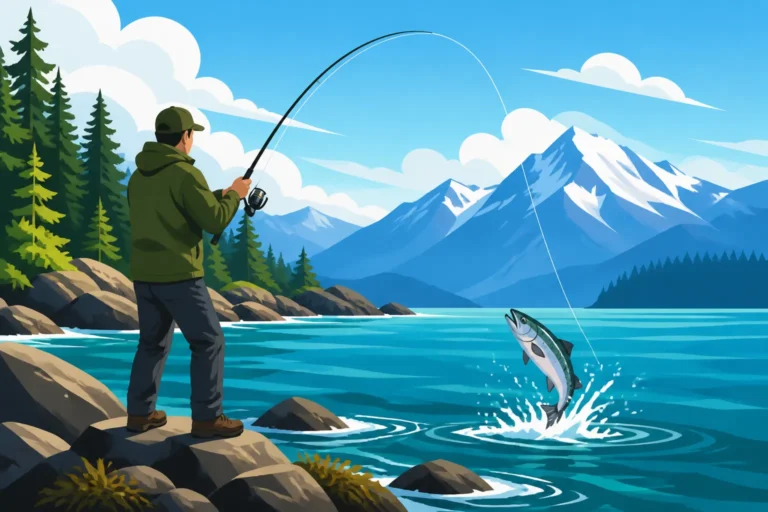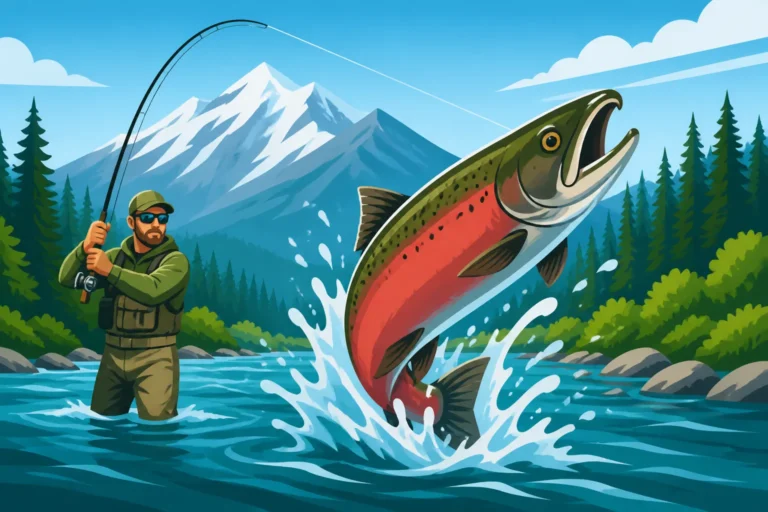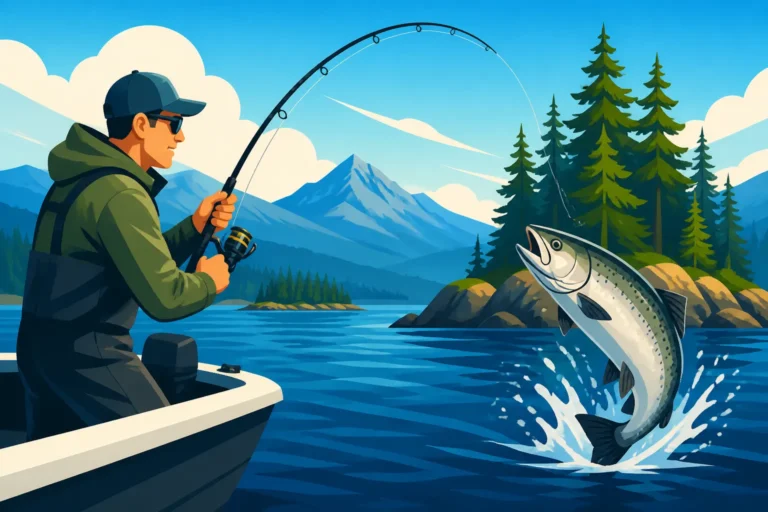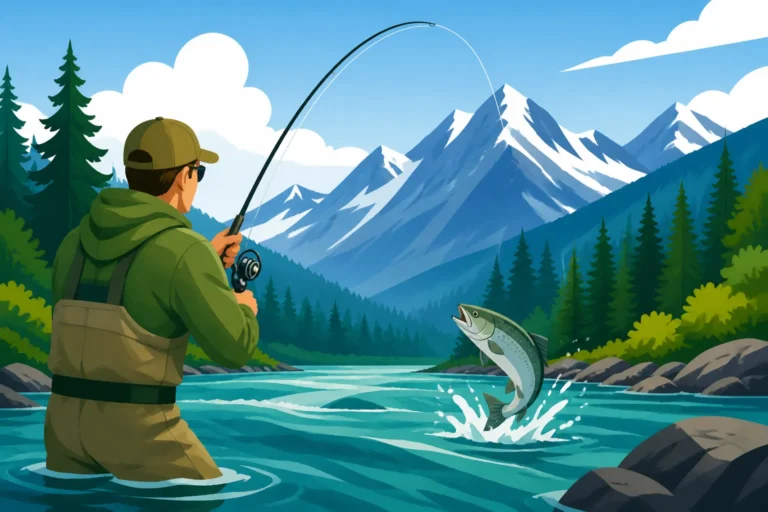
Best steelhead runs on the Thompson River
Many anglers arrive in British Columbia with dreams of hooking into one of the legendary Thompson River steelhead, only to feel overwhelmed by the sheer size of the river and the complexity of finding these elusive fish. It's a valid frustration; the Thompson isn't just any river, and its steelhead are notoriously challenging. This guide is here to demystify the experience, pinpointing the best steelhead runs on the Thompson River and providing the practical insights you need for a truly unforgettable and responsible fishing adventure.
The Storied Thompson River Steelhead Fishery
The Thompson River, a major tributary of the Fraser River, carves its way through some of British Columbia's most stunning and rugged landscapes. It’s not just a river; it's a vital artery for migratory fish, and for generations, it has been synonymous with the pursuit of wild steelhead. These anadromous rainbow trout, born in freshwater, migrate to the ocean to grow, and then return to their natal rivers to spawn, offering an unparalleled angling experience.
A Unique and Challenging Pursuit
Thompson River steelhead are truly a class apart. They're known for their incredible size, brute strength, and acrobatic fights that can test even the most experienced angler. What makes them so special, and equally challenging, is their wild nature. These aren't hatchery-reared fish; they are true natives, genetically distinct and perfectly adapted to their environment. This wildness, combined with a dynamic river system that can fluctuate dramatically with weather and seasonal changes, means that success often hinges on deep understanding and careful preparation. Unlike many other fisheries, the Thompson demands respect, patience, and a commitment to ethical angling practices. It’s a place where you truly earn every fish.
Understanding the Thompson's Seasonal Runs
The Thompson River sees a few distinct steelhead runs, each with its own characteristics and peak times. Historically, the river was famous for its summer-run steelhead, which entered the river system in late summer and early fall. However, in recent decades, these runs have faced severe challenges, leading to significant conservation concerns and regulatory changes, often resulting in extended closures. The primary focus for anglers now often shifts to the fall and winter steelhead, which arrive later in the year, typically from October through March, though exact timing can vary significantly year to year based on water conditions and fish abundance. These fish are powerful and can be targeted through the colder months, offering a unique opportunity for dedicated anglers. Keeping a close eye on BC Fishing Season Dates and Closures and especially the current BC Fishery Notices and In-Season Closures, Explained is absolutely paramount, as restrictions can change rapidly to protect these vulnerable populations.
Prime Steelhead Runs and Access Points on the Thompson
While the entire Thompson River system holds potential, certain stretches are renowned for consistent steelhead holding water and offer more practical access. It's important to remember that due to the sensitive nature of this fishery, many areas are designated for catch-and-release only, and specific gear restrictions apply.
Upper Thompson River Hotspots
As the Thompson flows out of Kamloops Lake, the upper section offers some productive water. This area, generally from Kamloops Lake down towards Spences Bridge, is characterized by a mix of wider glides, riffles, and deeper pools. Early in the fall, some of the first returning steelhead can be found here.
- Cherry Creek to Savona: This stretch features some excellent gravel bars and defined current seams, perfect for drift fishing or swinging flies. Access can be a bit more challenging with private land, but there are some public access points off Highway 1. Anglers often target the slower seams and tail-outs of larger pools where fish might rest after migrating from the lake.
- Ashcroft Area: Downstream from Savona, near Ashcroft, the river narrows in places, creating more distinct runs and deep pockets that steelhead favor. The confluence with the Bonaparte River can also be a productive area, as it provides a slight thermal advantage or attracts baitfish, drawing in migrating steelhead. Look for areas with slower, deeper water adjacent to faster currents, offering fish a place to hold without expending too much energy.
Mid-Thompson River's Productive Waters
The mid-section of the Thompson, particularly around Spences Bridge, is arguably the most famous and historically productive stretch for steelhead. This is where the river's character truly transforms into a series of powerful runs, deep pools, and gravel bars that are classic steelhead habitat.
- Spences Bridge to Thompson Canyon: This stretch is legendary. The confluence of the Nicola River near Spences Bridge marks a significant point, often attracting and holding fish. The water here is generally faster and more braided, demanding excellent wading skills and careful navigation. Key areas include named runs like "The Wall," "Mouth of the Nicola," and various gravel bars downstream. This section requires anglers to be mobile and willing to explore. Due to the rugged terrain, having a detailed map or a local guide is highly recommended. Many anglers find this section ideal for swinging flies with two-handed rods, allowing them to cover large amounts of water effectively.
- Canyon Stretches: As the river descends through the Thompson Canyon towards Lytton, the access becomes incredibly difficult, and the water is often too turbulent to fish safely. However, the occasional accessible pocket or wider bench can hold fish. This part of the river is more suited to guided jet boat trips or those with extensive local knowledge and specialized equipment. It's a truly wild and remote section, where the focus is often on exploring hard-to-reach lies.
Lower Thompson River and Confluence Zones
The lower Thompson, from Lytton down to its confluence with the Fraser River, is another crucial area, especially during peak migration. The warmer Fraser River water can influence fish behaviour here, and steelhead often stack up before making their final push upstream.
- Lytton to Fraser Confluence: While access along this stretch is limited due to steep canyon walls and railway lines, any accessible spots, particularly larger pools or areas where the current slows, can be extremely productive. Steelhead will rest and regroup here before entering the more powerful mainstem Fraser. Due to the proximity to the Fraser, you might encounter other salmon species, so being able to identify your catch is important for adhering to regulations. The area immediately upstream of the confluence is a key staging ground for fish.
Thompson River Steelhead Holding Water Overview
| River Section | Key Characteristics | Typical Peak Season | Recommended Techniques | Accessibility Notes |
|---|---|---|---|---|
| Upper Thompson | Wider glides, gravel bars, riffles, deeper pools | Early Fall (Oct-Nov) | Drift, Fly Swing | Some public access, private land restrictions |
| Mid-Thompson | Powerful runs, distinct pools, classic steelhead water | Fall to Early Winter (Nov-Jan) | Fly Swing, Drift, Spey | Spences Bridge area is popular but rugged |
| Lower Thompson | Faster currents, deep pockets, Fraser influence | Late Fall to Winter (Dec-Mar) | Drift, Fly Swing | Very limited public access, often remote/canyon |
Navigating Regulations and Conservation for Thompson Steelhead
Fishing for Thompson River steelhead is not just about casting a line; it’s about participating in a deeply respected tradition that comes with significant responsibility. These fish are precious, and their populations have been under severe strain for many years. Strict regulations are in place to ensure their survival and recovery.
Essential Catch-and-Release Practices
The Thompson River is a strictly catch-and-release fishery for steelhead. This isn't just a suggestion; it's a critical rule enforced by law, and for good reason. Every fish released properly has the chance to spawn and contribute to future generations. Mastering proper catch-and-release techniques is non-negotiable for any angler wishing to fish these waters.
- Minimize Fight Time: Use appropriate tackle that allows you to land the fish as quickly as possible without over-stressing it. This means using strong leaders and stout enough rods.
- Stay in the Water: Try to keep the fish in the water as much as possible, especially during photos. Lifting a large steelhead entirely out of the water, particularly by the tail, can cause serious internal damage to its organs and spine.
- Barbless Hooks Only: This is a non-negotiable regulation on the Thompson. Barbless hooks minimize damage and allow for quick, clean releases.
- Gentle Handling: Use wet hands when handling the fish to protect its delicate slime coat. Avoid squeezing or rough handling.
- Revive, Don't Rush: After unhooking, cradle the fish facing upstream in the current until it vigorously swims away on its own. Don't simply toss it back; ensure it's fully revived. These practices are essential for Sturgeon catch and release survival tips, which share many similarities with steelhead care.
Gear Restrictions and Special Closures
Beyond catch-and-release, the Thompson River also often has specific gear restrictions designed to minimize harm to steelhead. For instance, in many designated steelhead waters in BC, only single-point, barbless hooks are permitted. Treble hooks are almost universally banned for steelhead fishing. Weighting rules might also be in effect to prevent snagging.
Furthermore, specific BC Steelhead Season Dates and BC Interior Fraser steelhead protection closures are frequently implemented, sometimes on short notice, based on real-time assessments of fish returns. These closures might affect specific river sections or apply to certain periods of the year. It’s absolutely critical to consult the latest BC Angling Regulations Synopsis and current Fishery Notices from Fisheries and Oceans Canada (DFO) and the BC Ministry of Forests, Lands, Natural Resource Operations and Rural Development before heading out. Fishing when an area is closed, or using illegal gear, carries severe penalties and harms conservation efforts.
Supporting Steelhead Conservation Efforts
Anglers on the Thompson River are not just users of the resource; they are guardians. The future of this incredible fishery depends on responsible angling and active conservation. Purchasing a BC Steelhead Conservation Surcharge Stamp when you buy your license is one direct way to contribute funds to critical research and habitat restoration projects. Beyond that, consider volunteering with local conservation groups or participating in citizen science initiatives. Every ethical action, from proper fish handling to respecting closures and supporting conservation, contributes to the long-term health of the Thompson steelhead runs.
Planning Your Thompson River Steelhead Adventure
A trip to the Thompson River is more than just a fishing excursion; it's an adventure into the heart of British Columbia's wilderness. Proper planning ensures not only a more successful trip but also a safer and more enjoyable one.
When to Hit the Water for Peak Action
While steelhead can be present in the Thompson from fall through spring, identifying the "peak" can be tricky and varies year to year. Generally, the most consistent fishing for what are often referred to as winter-run steelhead occurs from late October through March.
- Late Fall (October-November): This is often a favorite time for many, as water levels might still be reasonable, and the weather, while cool, can be pleasant. Fish are actively migrating, and water temperatures are often conducive to aggressive takes. This period aligns with some of the best fall coho fishing opportunities in other river systems, but for the Thompson, it's firmly in steelhead territory.
- Winter (December-February): This is the heart of the winter steelhead season. Expect cold weather, potentially snowy or icy conditions, and lower, clearer water. The fish can be less active, but if you find them, they are often robust and powerful. This period requires specialized gear for warmth and safety.
- Early Spring (March): As temperatures begin to rise and daylight hours extend, steelhead that have overwintered in the river or new arrivals might become more active. However, this period can also see the onset of spring runoff, which can make the river unfishable due to high, turbid water. Monitoring river levels and clarity is critical during this time.
The Best time of year for trophy steelhead in BC can often fall into these colder, more challenging months, as the largest fish are typically the ones that have had the most time to grow in the ocean.
Considering a Guided Thompson Steelhead Trip
For many, especially those new to the Thompson River or steelhead fishing in general, hiring a guide is an invaluable investment. A professional guide brings years of experience, intimate knowledge of the river's constantly changing moods, and the expertise to put you on fish safely and efficiently. Guides know the subtle nuances of the river, from the best drifts to the specific flies or lures that are working on any given day.
When considering a guide, look for operators with extensive experience specifically on the Thompson. Reputable guide services can often be found through platforms like FishingBooker, where you can read reviews and compare offerings. They will provide the right gear, offer instruction on How to Catch Steelhead in BC techniques like drift fishing or fly swinging, and ensure you adhere to all regulations. Many guides offer drift boat trips, which allow access to areas otherwise inaccessible to wading anglers, enhancing your chances and providing a unique perspective of the river. You might want to explore options listed under Best Steelhead Guides in BC to find a qualified operator.
Essential Gear and Preparation
Being well-prepared for a Thompson River steelhead trip is paramount. The conditions can be rugged, and the fish are strong.
- Rods and Reels: For gear anglers, a medium-heavy spinning or baitcasting setup, 10-12 feet in length, with a strong reel spooled with 20-30 lb braided line and a fluorocarbon leader, is common for drift fishing. Fly anglers often opt for two-handed Spey rods, typically 12-15 feet in length, in 7-9 weight, to effectively swing flies across the broad runs. A quality reel with a robust drag system and plenty of backing is a must.
- Lines and Leaders: For drift fishing, specialized float lines or braided mainline with pencil lead and fluorocarbon leaders are standard. Fly anglers will use Spey lines (Skagit or Scandi) with various sink tips to present their Fly Patterns for BC Steelhead Rivers at the right depth.
- Terminal Tackle: A selection of weighted jigs, yarn, roe bags (if permitted and local regulations allow), and various sizes of barbless hooks for drift fishing. For fly fishing, a range of classic steelhead patterns like Intruder-style flies, General Practitioners, or Skunk patterns are effective. Ensure all hooks are strictly barbless.
- Waders and Boots: Quality breathable waders and sturdy wading boots with good grip (felt or rubber with studs) are essential for safety and comfort, especially in cold water. Layered clothing is critical for adapting to changing weather.
- Safety Gear: A wading staff, polarized sunglasses (for spotting fish and eye protection), a first-aid kit, a knife, and navigation tools are all highly recommended. Always let someone know your float plan and expected return time, especially if fishing alone in remote areas.
- Licenses and Stamps: Do not forget your valid BC freshwater fishing license and the mandatory BC Steelhead Conservation Surcharge Stamp. Have them printed or accessible on your phone at all times.
The Thompson River offers one of the most iconic and challenging steelhead fishing experiences in the world. With careful planning, respect for the resource, and a solid understanding of its runs and regulations, you can create memories that will last a lifetime. Many outfitters, easily found on platforms like FishingBooker, can help arrange the logistics, from guides to accommodation, ensuring your focus remains on the incredible fishing opportunity.
Disclaimer
Please be aware that fishing regulations in British Columbia, especially for sensitive species like Thompson River steelhead, can change frequently and sometimes without extensive prior notice. Always consult the official British Columbia Freshwater Fishing Regulations Synopsis and the Fisheries and Oceans Canada (DFO) fishery notices before planning and undertaking any fishing trip. Your responsibility as an angler is to know and adhere to all current rules and regulations.