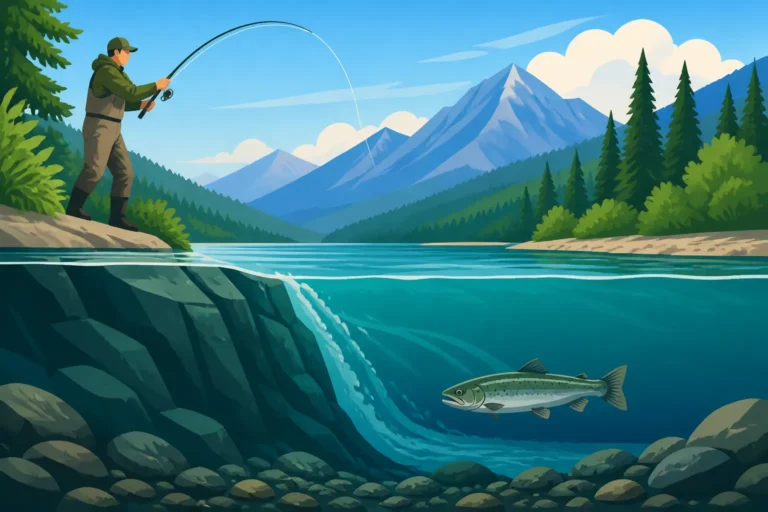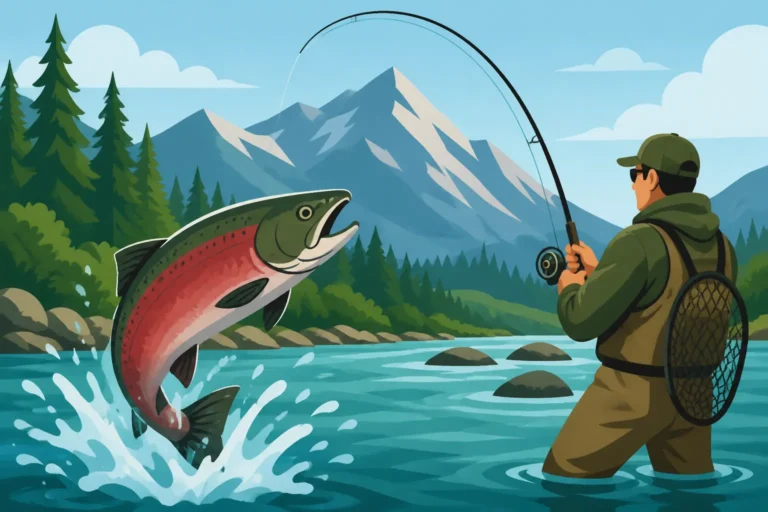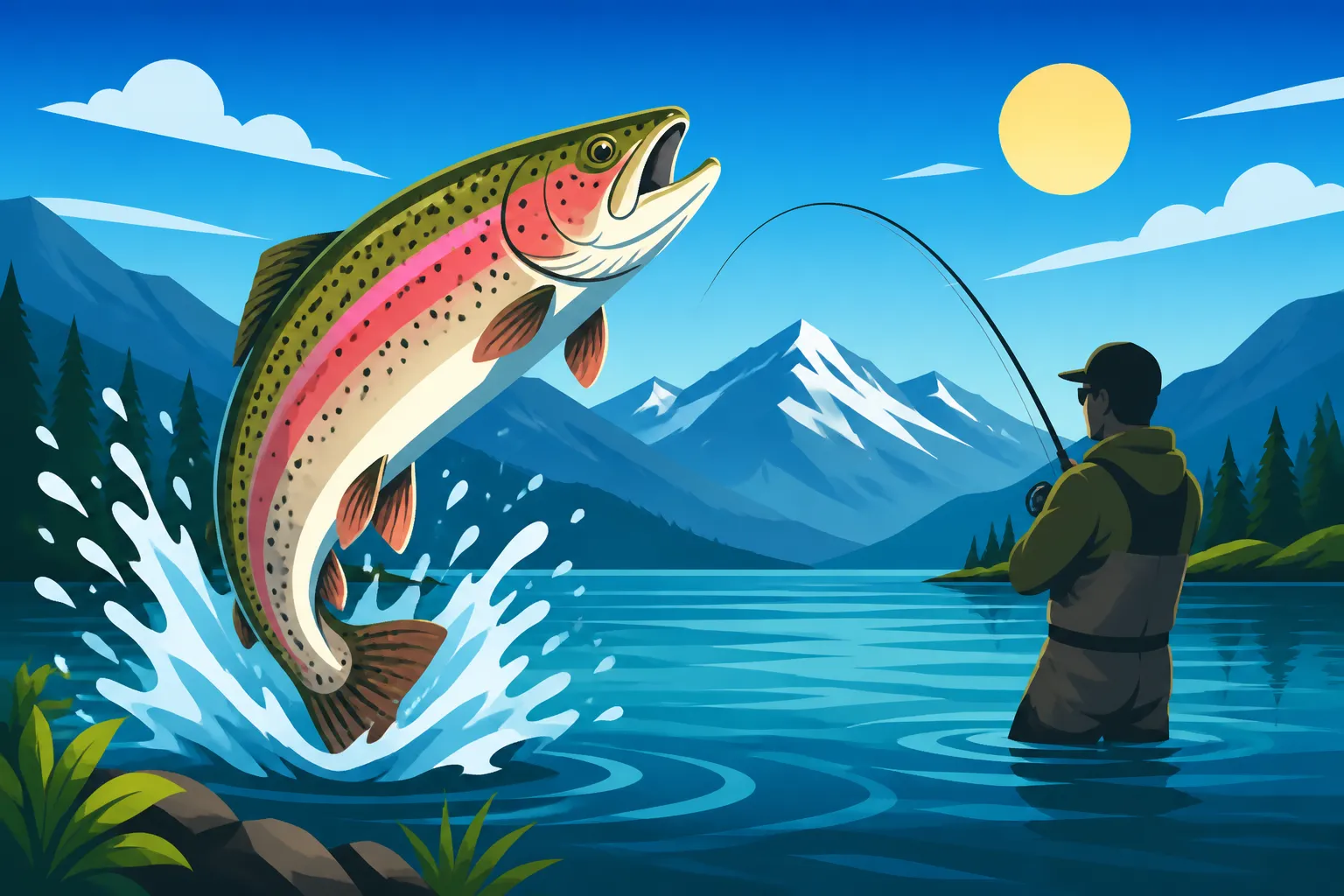
Best Gerrard rainbow trout spots on Kootenay Lake
For many anglers in British Columbia, the thought of hooking into a monstrous Gerrard rainbow trout on Kootenay Lake is the stuff of dreams. These legendary fish, known for their incredible size and fighting prowess, can be elusive, leaving many wondering where to even begin their quest. This guide is dedicated to unlocking the secrets of Kootenay Lake, helping you pinpoint the prime locations where these colossal rainbows are most likely to be found, along with the essential knowledge you'll need to entice them.
Understanding the Gerrard Rainbow Trout Phenomenon
Kootenay Lake isn't just any large body of water; it's a unique ecosystem that nurtures one of the world's most spectacular freshwater fish: the Gerrard rainbow trout. These are not your average pond rainbows; they are a distinct strain, native to the Kootenay Lake system, and have evolved to thrive in its deep, nutrient-rich waters.
What Makes Gerrard Rainbows So Special?
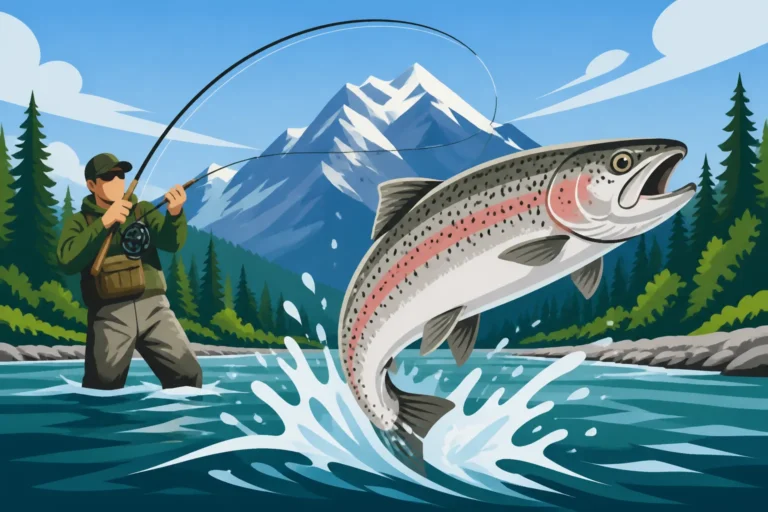
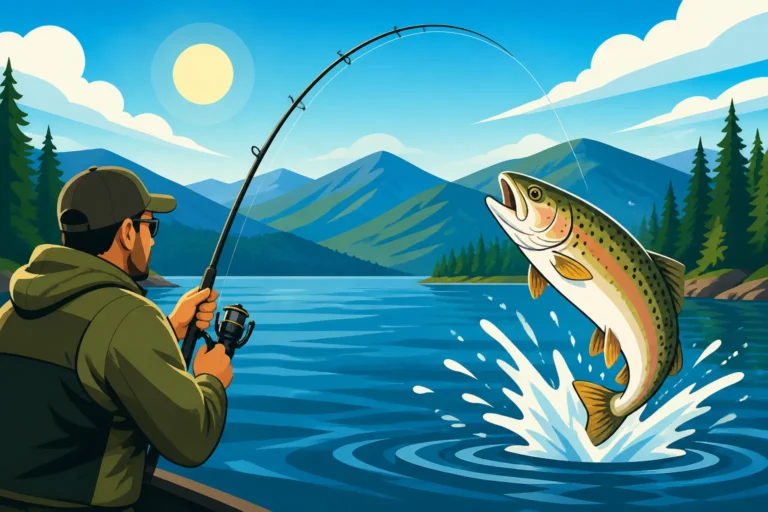
The sheer size of Gerrard rainbow trout is what truly sets them apart. While a typical rainbow trout might reach a few pounds, Gerrards can regularly exceed 10 pounds, with giants pushing well over 20, and even into the 30-pound range. The provincial record, a staggering 38-pound behemoth, came from Kootenay Lake back in 1992, solidifying its reputation as a world-class trophy fishery. What contributes to this incredible growth? Their diet. Gerrards primarily feed on kokanee salmon, which are abundant in Kootenay Lake. This protein-rich diet allows them to grow at an exceptional rate, making them a top-tier predator in the lake's food chain. Anglers often describe the fight of a Gerrard as explosive, characterized by powerful runs and acrobatic jumps that test even the most experienced fishermen. Learning about the specific characteristics of these magnificent fish is key to understanding their habitat, as detailed in our comprehensive guide on the Gerrard Rainbow Trout of Kootenay Lake.
Gerrard Rainbow Trout Habits on Kootenay Lake
Understanding the habits of Gerrard rainbow trout is paramount to finding them. Unlike many trout species that prefer shallow, structured areas, adult Gerrards are often found in the deeper, open waters of Kootenay Lake, following the movements of their primary food source, kokanee.
During the cooler months, particularly in late winter and early spring, Gerrards tend to congregate closer to tributary mouths and shallows as they prepare for their own spawning run or to feast on kokanee that are staging or beginning their spawn. As the lake warms in summer, they often retreat to deeper, cooler water, sometimes suspending over vast depths, making them a challenge to locate. Their movements are highly influenced by light conditions, often feeding more actively during low light periods such as dawn, dusk, or on overcast days. They are keen hunters, using their incredible eyesight to spot schools of kokanee, so understanding the lake's structure and depth contours where these baitfish might hide is crucial.
Top Gerrard Rainbow Trout Hotspots on Kootenay Lake
Kootenay Lake is a vast body of water, stretching over 100 kilometers long. While Gerrards can be found throughout the lake, certain areas consistently produce more and larger fish due to a combination of habitat, food availability, and migration routes. Focusing your efforts on these proven hotspots will significantly increase your chances of success.
The North Arm and Lardeau River Mouth
Without a doubt, the North Arm of Kootenay Lake, particularly around the mouth of the Lardeau River, is a legendary hotspot for Gerrard rainbow trout. This area is critically important for several reasons. Firstly, the Lardeau River is the primary spawning ground for Gerrards. In late winter and early spring (typically February to May), large numbers of these trophy rainbows congregate near the river mouth before making their upstream migration. This creates a phenomenal opportunity for anglers to intercept them as they stage.
Secondly, the Lardeau River also contributes significant nutrients and cooler water, creating ideal conditions and attracting baitfish. The current and varying depths around the river delta create ambush points for predatory Gerrards. Anglers often target the transition zones where the river flow meets the main lake, as well as the deeper drop-offs and shelves adjacent to the river mouth. This area is bustling during peak season, so expect company, but for good reason – the fishing can be exceptional. For those interested in exploring more about the rivers that feed into Kootenay Lake and the surrounding region, our guide to the Best Fishing Rivers in British Columbia offers additional insights.
Queens Bay and the West Arm Entrance
Moving south along the main lake, Queens Bay and the entrance to the West Arm also hold significant potential for Gerrard rainbows. Queens Bay itself is a large, open bay that often holds schools of kokanee, making it a natural feeding ground. The waters here are deep and provide ample space for Gerrards to roam.
The transition zone where the main lake narrows into the West Arm is another strategic location. This bottleneck naturally funnels baitfish and creates currents that Gerrards utilize for feeding. Look for distinct underwater contours, drop-offs, and submerged humps or points that extend into the deeper water. Fish can be found suspending in the water column here, often at specific depths where kokanee are schooling. The West Arm itself has stricter regulations and is generally shallower and narrower, but the entrance acts as a significant corridor for fish moving in and out of the main lake, especially as seasons change.
Deepwater Structure and Drop-offs Throughout the Main Lake
Beyond the specific river mouths and bay entrances, the vast main body of Kootenay Lake holds the majority of its Gerrard rainbow trout population. These fish are pelagic, meaning they live in the open water, often suspending at depths where they find kokanee schools. This requires anglers to focus on deepwater structure – not necessarily visible shorelines, but rather submerged features that break up the otherwise uniform lake bottom.
Look for underwater islands, long tapering points that extend far out into the lake, and abrupt drop-offs or ledges. These features can concentrate baitfish, and in turn, attract hungry Gerrards. Modern sonar and GPS are indispensable tools here. Mark any significant changes in depth or bottom composition, as well as any signs of baitfish or larger arcs that could indicate trout. Some of the most productive fishing happens over hundreds of feet of water, with fish suspended anywhere from 30 to 100 feet down. Don't be afraid to explore the "middle of nowhere" on Kootenay Lake; that's often where the biggest fish are cruising.
Near Tributary Inflows (Other than Lardeau)
While the Lardeau River is the dominant spawning tributary, Kootenay Lake is fed by several other rivers and streams, albeit smaller ones. These include the Duncan River to the north and numerous smaller creeks along the shoreline. During certain times of the year, particularly in spring when snowmelt increases flow and brings nutrients, or in the fall when other salmon species are spawning, these areas can attract Gerrards looking for an easy meal or staging.
The key here is observing the patterns. If you see signs of baitfish or other trout species concentrating around a smaller river mouth, it’s worth investigating. The influence might not be as pronounced as the Lardeau, but these secondary inflows can offer quieter, less pressured opportunities for the persistent angler. However, always double-check local regulations, as some smaller tributaries or their immediate confluence zones might have specific closures or restrictions to protect spawning fish, as outlined in the general BC Fishing Regulations Explained.
Essential Techniques and Gear for Kootenay Lake Gerrards
Catching a trophy Gerrard rainbow trout is less about luck and more about precision, patience, and employing the right techniques and gear. These are smart, powerful fish, and a specialized approach is required.
Trolling Strategies for Trophy Rainbows
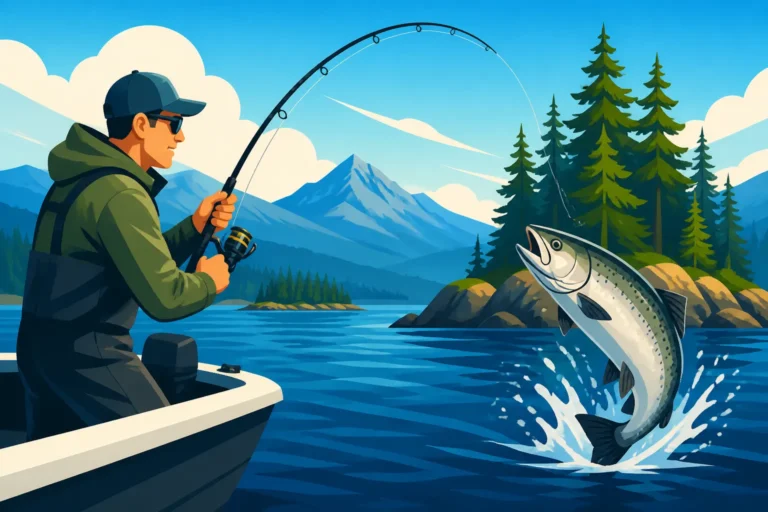
Trolling is by far the most effective method for targeting Gerrard rainbow trout on Kootenay Lake. Given that these fish often suspend in deep, open water, covering a lot of ground at specific depths is crucial. Downriggers are virtually indispensable for this purpose, allowing you to present your lures at precise depths, often ranging from 30 to over 100 feet down.
The choice of lure is critical. Large spoons, often 4 to 6 inches long, that mimic kokanee are highly effective. Popular brands like Gibbs-Delta, Silver Horde, and Coyote flasher/hoochie combinations are common. Plugs or diving minnows that have a strong swimming action and replicate the size and profile of a kokanee are also excellent choices. Varying your trolling speed is also important; Gerrards often prefer speeds between 2.0 to 3.5 mph, but experimenting is key. Sometimes a subtle change in speed or direction can trigger a strike. Ensure your leaders are long, typically 30 to 60 feet, allowing the lure to swim naturally behind the downrigger ball and avoiding spooking these wary fish. For a deeper dive into effective presentations, our guide on Trolling Techniques for BC Lake Trout provides excellent foundational knowledge.
Reading the Water and Sonar
Kootenay Lake is vast and deep, making sonar (fish finder) an angler’s best friend. Learning to effectively use and interpret your electronics is paramount. Look for schools of kokanee; where the baitfish are, the Gerrards won't be far behind. Often, Gerrards will appear as large, distinct arcs either within or just below these baitfish schools.
Pay close attention to thermoclines – layers of water at different temperatures. Kokanee often congregate along these temperature breaks, and Gerrards will follow. Your sonar can also help you identify those subtle deepwater structures mentioned earlier, such as submerged points, humps, and drop-offs that don't show any surface indication. Mark these waypoints on your GPS, and create troll paths that intersect or follow these contours. Observing surface activity, like baitfish jumping or birds diving, can also give clues to where the action might be, but for Gerrards, the real work happens beneath the surface.
Recommended Gear and Tackle
Given the size and power of Gerrard rainbows, robust tackle is a must. You don't want to be undergunned when that 20-pounder hits!
- Rods: Look for medium-heavy to heavy action trolling rods, typically 8 to 10 feet long, with a sensitive tip to detect subtle bites but plenty of backbone to handle a strong fight. A good quality fiberglass or composite rod is often preferred for its forgiving nature.
- Reels: High-quality baitcasting or level-wind reels with a smooth drag system are essential. Models like the Shimano Tekota or Daiwa Sealine are popular choices. Ensure it has ample line capacity, at least 200-300 yards of mainline.
- Line: Many anglers prefer 20-30 pound monofilament mainline for its stretch and shock absorption, especially when using downriggers. Others opt for braided line (30-50 pound) for its sensitivity and strength, often adding a mono or fluorocarbon leader. A good quality fluorocarbon leader of 15-25 pounds is recommended for its invisibility and abrasion resistance.
- Terminal Tackle: Swivels, snaps, and split rings should be heavy-duty to withstand powerful fish. Use sharp, strong hooks on your lures, replacing any flimsy factory hooks if necessary.
Having the right gear ensures that when you do connect with one of Kootenay Lake's giants, you have the best chance of landing it.
Navigating Kootenay Lake: Access and Safety
Kootenay Lake is a large, deep, and sometimes unforgiving body of water. Planning your trip, understanding access points, and prioritizing safety are just as crucial as knowing where the fish are.
Public Boat Launches and Marinas
Accessing Kootenay Lake is relatively straightforward, with several public boat launches and marinas scattered around its shores. On the west side, near the town of Nelson, you'll find various launch points and services. Further south, the communities of Balfour and Kootenay Bay on the east side offer additional access, particularly for the main lake body. Ainsworth Hot Springs, while primarily a resort, also has some boat launching facilities.
It's always a good idea to research your launch point in advance, checking for parking availability, ramp conditions, and any fees. During peak season, popular launches can get busy, especially on weekends. Marinas offer fuel, bait, tackle, and sometimes repairs, which can be invaluable on a large lake. Ensure your boat is properly registered and equipped with all required safety gear, abiding by BC Boating Laws for Anglers.
Weather and Water Conditions
Kootenay Lake, being a large mountain lake, can experience sudden and dramatic weather changes. Calm mornings can quickly turn into windy, white-capped afternoons, making boating challenging and potentially dangerous. Always check the marine weather forecast before heading out, and be prepared to cut your trip short if conditions deteriorate.
Pay attention to wind direction and strength, as long fetch across the lake can quickly build significant waves. Water temperatures can also vary widely, from icy cold in spring to warmer surface temperatures in summer, affecting both fish behavior and safety. Dressing in layers, carrying essential safety gear (life jackets, signaling devices, bailer, first-aid kit), and letting someone know your float plan are non-negotiable safety practices on Kootenay Lake.
Hiring a Local Guide for Kootenay Lake
For anglers new to Kootenay Lake or those serious about maximizing their chances of catching a trophy Gerrard rainbow, hiring a local fishing guide is an excellent investment. Kootenay Lake guides possess an intimate knowledge of the lake's ever-changing conditions, fish movements, and productive spots that would take years to acquire on your own.
A good guide will have the right boat, tackle, and most importantly, the experience to put you on fish. They understand the nuances of the season, water levels, and even current fishing patterns that might be producing results. They can teach you the specific trolling patterns, lure choices, and depths that are working on a given day. Plus, they handle all the tricky bits like boat launching and navigating, allowing you to focus purely on the fishing experience. Platforms like FishingBooker make it easy to find and book reputable Kootenay Lake fishing guides, allowing you to compare services and read reviews before committing. Many top guides will also offer valuable insights into other species, like finding the Best Gerrard rainbow trout spots on Kootenay Lake or even the elusive burbot. This makes a guided trip a fantastic way to learn the lake and increase your success rate.
Regulations and Conservation for Gerrard Rainbows
Fishing responsibly and adhering to regulations is crucial for maintaining the health and trophy status of Kootenay Lake's Gerrard rainbow trout population. Conservation efforts ensure that future generations can also experience the thrill of chasing these magnificent fish.
Specific Kootenay Lake Regulations
British Columbia's fishing regulations can be complex, and Kootenay Lake often has specific rules that differ from general provincial guidelines. These regulations are designed to manage pressure on the Gerrard rainbow stock and ensure sustainable fishing. It's imperative to consult the current BC Freshwater Fishing Regulations Synopsis before every trip.
Key things to look for include:
- Bag and Possession Limits: There are typically strict limits on the number of rainbow trout (and other species like kokanee) you can retain, and often size restrictions (e.g., only one over a certain length). These can change annually, so check carefully. Details on species-specific limits can be found in our guide to BC Bag and Possession Limits by Species.
- Seasonal Closures: Certain areas, particularly around spawning tributaries like the Lardeau River mouth, may have seasonal closures to protect spawning fish.
- Gear Restrictions: Specific areas or times might have restrictions on bait, single barbless hooks, or other tackle types.
- Conservation Surcharges: For specific species like rainbow trout, there might be a requirement for a BC Rainbow Trout Conservation Surcharge Stamp in addition to your regular fishing license.
Always carry a printed or digital copy of your fishing license and the current regulations. Ignoring these rules can lead to significant fines and penalties.
Practicing Catch and Release
While catching a trophy Gerrard is an incredible feat, many anglers choose to release these magnificent fish, especially the largest breeding stock, to support conservation. If you do intend to practice catch and release, especially with large, powerful fish like Gerrards, doing so responsibly is vital for their survival.
Here are some best practices:
- Minimize Fight Time: Use appropriate tackle to bring the fish in quickly, reducing exhaustion.
- Keep Fish in Water: Avoid removing the fish from the water if possible, especially for photographs. Supporting it in the water reduces stress and injury to internal organs.
- Wet Hands: Always wet your hands before touching the fish to protect its protective slime coat.
- Barbless Hooks: Use barbless hooks or crimp down barbs to facilitate easy removal.
- Proper Hook Removal: Use pliers or a dehooking tool to quickly and gently remove the hook. If the hook is deeply swallowed, cut the line as close to the hook as possible.
- Revive Gently: Hold the fish upright in the water, facing into a gentle current if available, until it swims away strongly on its own.
By following these guidelines, you contribute to the ongoing health of Kootenay Lake's legendary Gerrard rainbow trout fishery, ensuring these incredible fish continue to thrive for generations to come. This aligns perfectly with the principles outlined in guides about BC Catch and Release Only Waters.
| Gerrard Rainbow Hotspot | Best Season | Primary Technique | Key Features to Look For |
|---|---|---|---|
| North Arm / Lardeau River Mouth | Late Winter to Spring | Trolling | River current seams, deep drop-offs, staging areas for spawning. |
| Queens Bay / West Arm Entrance | Spring, Early Summer | Trolling | Deep bay, bottleneck effect, underwater points and ledges. |
| Main Lake Deepwater Structure | Year-Round (variable) | Trolling, Sonar Scouting | Submerged humps, long tapering points, thermoclines. |
| Secondary Tributary Inflows | Spring (snowmelt), Fall | Trolling, Drifting | Nutrient plumes, baitfish concentrations, specific closures. |
Disclaimer
Fishing regulations, species availability, and conditions in British Columbia can change frequently. Always consult the official BC Freshwater Fishing Regulations Synopsis and relevant Fisheries Notices before planning and embarking on any fishing trip. This guide is for informational purposes only and should not replace official sources.