Harrison River Salmon Fishing
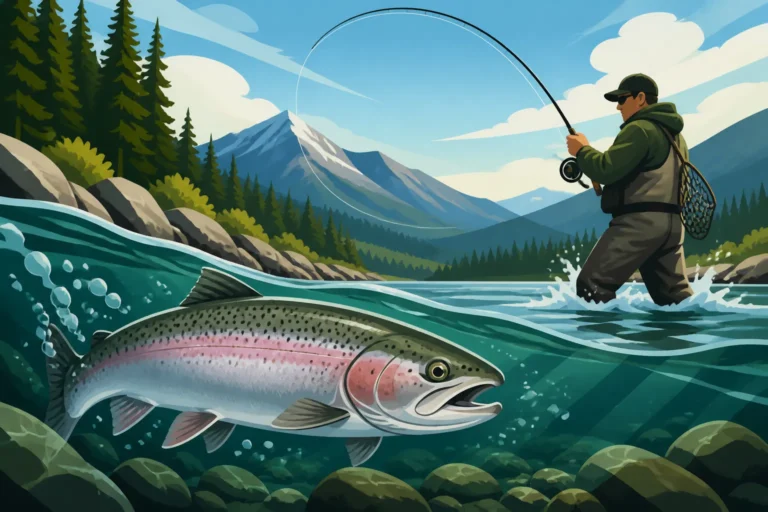
The vibrant waters of the Harrison River call to anglers with the promise of spectacular salmon fishing, yet for many, the sheer variety of species, their distinct run times, and the ever-present need to understand evolving regulations can feel like a labyrinth. If you’ve ever felt overwhelmed by where to start your salmon adventure in this renowned British Columbia waterway, you’re in the right place. This comprehensive guide will demystify Harrison River salmon fishing, providing you with the knowledge and confidence to make your next trip a resounding success.
The Allure of Harrison River Salmon Fishing
There's something truly special about the Harrison River that draws anglers from all over, and it's not just the promise of a big salmon on the end of your line. It's the whole experience – the majestic mountains, the pristine waters, and the incredible feeling of being part of a natural phenomenon. This river isn't just another fishing spot; it's a vital artery in British Columbia's extensive salmon ecosystem.
A Unique Freshwater Tidal System
What makes the Harrison River so fascinating for salmon fishing is its unique position and characteristics. As one of the largest tributaries of the mighty Fraser River, it acts as a critical migration corridor for millions of salmon heading to their spawning grounds, or in some cases, using the Harrison itself to spawn. What really sets it apart is its tidal influence. The Harrison River experiences significant tidal fluctuations, even though it's a freshwater system. This push and pull of the tides, influenced by the Pacific Ocean via the Fraser, creates dynamic currents and constantly changes the fishing conditions. These tidal movements concentrate baitfish, oxygenate the water, and provide crucial navigation cues for migrating salmon, making certain times of the day incredibly productive for anglers who understand how to read the river.
Proximity and Accessibility
One of the biggest advantages of the Harrison River is its fantastic accessibility. Located in the Fraser Valley, it’s just a stone's throw – or a relatively short drive – from major population centers like Vancouver. This means that both local anglers looking for a day trip and visitors flying into the region can easily reach prime fishing spots. You don't need to embark on a multi-day wilderness expedition to find world-class salmon fishing here. The convenience extends to a variety of access points, from well-maintained boat launches to numerous spots along the shore that are perfect for bank anglers. Whether you’re bringing your own vessel or prefer casting from terra firma, the Harrison offers ample opportunities to get your line in the water without feeling like you’re battling crowds or inaccessible terrain. This blend of incredible fishing potential and ease of access makes it a truly premier destination for anyone keen to experience British Columbia’s legendary salmon runs.
Unpacking Harrison River Salmon Species and Their Seasons
One of the most exciting aspects of fishing the Harrison River is the sheer diversity of Pacific salmon species that grace its waters. Depending on the time of year, you could be targeting Chinook, Coho, Sockeye, Pink, or Chum salmon, each offering a distinct challenge and reward. Knowing what’s running and when is paramount to a successful trip.
The Mighty Chinook King Salmon
When we talk about salmon, the Chinook, often called the "King" salmon, is the one that really gets the heart pounding. These are the largest and most powerful of the Pacific salmon species, and landing one is a true test of an angler's skill and tackle. On the Harrison River, Chinook runs typically peak in the fall, from late September through October, though you can find early runs in late summer. They're known for their strong, sustained runs and head-shaking battles. Anglers targeting Chinook often use heavier gear, including baitcasting or spinning rods rated for 15-30 lb line, paired with strong mainline and leaders.
Chinook prefer deeper, faster water, often holding in seams and pools where they can conserve energy before continuing their upstream migration. Many anglers will drift bait, such as cured roe, or large artificial lures like spoons and plugs, trying to present their offering right in the fish’s face. When you hook into a Harrison River Chinook, be prepared for a fight that will test your patience and your gear, often involving long, powerful runs that can strip line off your reel in a hurry. Understanding their habits is key to success when pursuing these impressive fish, which can easily exceed 20 pounds.
Agile Coho Silver Salmon
If the Chinook is the King, then the Coho, or "Silver" salmon, is the acrobat of the river. These fish are renowned for their incredible aerial displays and aggressive strikes, making them an absolute blast to catch on lighter tackle. Coho typically enter the Harrison from late August through October, with peak action usually in September and early October. Their silver flanks and square tails are distinctive, and they're often found in slightly shallower, more moderate currents compared to Chinook.
Coho are aggressive feeders and will readily strike a variety of lures, including smaller spoons, spinners, and twitching jigs. Fly anglers also have tremendous success targeting Coho, presenting weighted flies that imitate baitfish or salmon fry. Because of their energetic fights, often leaping clear of the water, a medium-light to medium action rod with 10-15 lb line is a popular choice, allowing you to feel every head shake and run while still having enough backbone to control a spirited fish. Chasing Coho on the Harrison can be a fast-paced, action-packed experience, perfect for those who love an exciting visual fight.
Abundant Sockeye Red Salmon
The Sockeye salmon runs on the Harrison River are truly a spectacle, often numbering in the millions as they return to spawn in the Fraser River system. These fish are easily identifiable by their vibrant red bodies and green heads as they near their spawning grounds. Sockeye typically run through the Harrison in late summer, usually July and August. However, here's the crucial part for anglers: fishing for Sockeye is often highly regulated, and retention opportunities are much rarer than for other species, sometimes even completely closed due to conservation concerns. Always check the latest BC Fishery Notices and In-Season Closures, Explained before heading out.
When Sockeye fishing is permitted, success often hinges on specialized techniques. They are notoriously finicky biters on conventional gear once they enter freshwater, as their feeding instincts diminish. Therefore, targeting Sockeye typically involves methods like "flossing" or "bottom bouncing," which aim to get the line into the fish's mouth rather than relying on a feeding bite. It's a method that requires precision and a good understanding of current and depth. Even if retention isn't allowed, simply witnessing the massive numbers of Sockeye migrating through the Harrison is an unforgettable experience for any nature lover.
Plentiful Pink Humpback Salmon
Pink salmon, affectionately known as "humpies" due to the distinct hump that develops on the males' backs during spawning, offer one of the most accessible and action-packed fishing experiences on the Harrison River. These fish undertake a biennial run, meaning they return in significant numbers every odd-numbered year (e.g., 2023, 2025, 2027). Their runs typically peak in late August and September. Pink salmon are the smallest of the Pacific salmon, usually weighing between 3 to 7 pounds, but what they lack in size, they more than make up for in aggression and sheer numbers.
These fish are incredibly eager to strike, making them a fantastic target for beginners and seasoned anglers alike. They readily hit a wide array of lures, particularly bright pink or chartreuse spinners, spoons, and flies. Light to medium-light tackle is perfect for Pink salmon, allowing for exhilarating fights. You'll often find yourself reeling in fish after fish during a strong run, making for a truly memorable day on the water. The sheer abundance of Pink salmon during their peak years on the Harrison creates an electrifying atmosphere, perfect for families and those looking for consistent action.
Hard-Fighting Chum Dog Salmon
Chum salmon, often called "dog salmon" due to their impressive canine-like teeth developed during spawning, are arguably the strongest fighters of the Pacific salmon when hooked in freshwater. They are built like torpedoes and provide an incredibly powerful, drag-screaming battle. Chum runs on the Harrison River usually occur in the late fall, from October through November, often overlapping with the tail end of the Chinook and Coho runs. These are large fish, typically ranging from 10 to 20 pounds, sometimes even larger. Their distinctive green and purple barring, especially prominent on males, makes them easily recognizable.
Chum salmon are aggressive and will strike large, bright lures or flies, particularly those in vibrant green, chartreuse, or purple. Heavy-duty tackle is recommended when targeting Chum, as their sheer power can quickly break lighter gear. Using a stout rod with a strong reel and 20-30 lb mainline is not an overstatement. Fly anglers often use large intruder patterns or weighted Coho flies to entice a strike. The best part about fishing for Chum on the Harrison is the incredible fight they provide; they are relentless, powerful, and will test your mettle. If you’re looking for a serious battle and late-season action, the Harrison River’s Chum run is not to be missed. For more in-depth information on their habits, check out our guide on Chum Salmon Runs in BC.
Here's a quick reference table to help you keep track of the main salmon species on the Harrison River:
| Species | Peak Season (Harrison River) | Average Size (Freshwater) | Key Characteristics | Common Techniques |
|---|---|---|---|---|
| Chinook | Late Sep – Oct | 15-30+ lbs | Largest, powerful fighter, dark skin | Drifting roe, large spoons, plugs |
| Coho | Late Aug – Oct | 8-15 lbs | Agile, acrobatic, silver | Spinners, spoons, twitching jigs, flies |
| Sockeye | Jul – Aug (Highly Regulated) | 5-10 lbs | Red body, green head (spawning) | Flossing, bottom bouncing (when permitted) |
| Pink | Aug – Sep (Odd Years) | 3-7 lbs | Hump on males, aggressive, plentiful | Small pink/chartreuse spinners, spoons, flies |
| Chum | Oct – Nov | 10-20+ lbs | Strongest fight, green/purple bars | Large green/chartreuse lures, jigs, flies |
Prime Spots and Strategic Access on the Harrison River
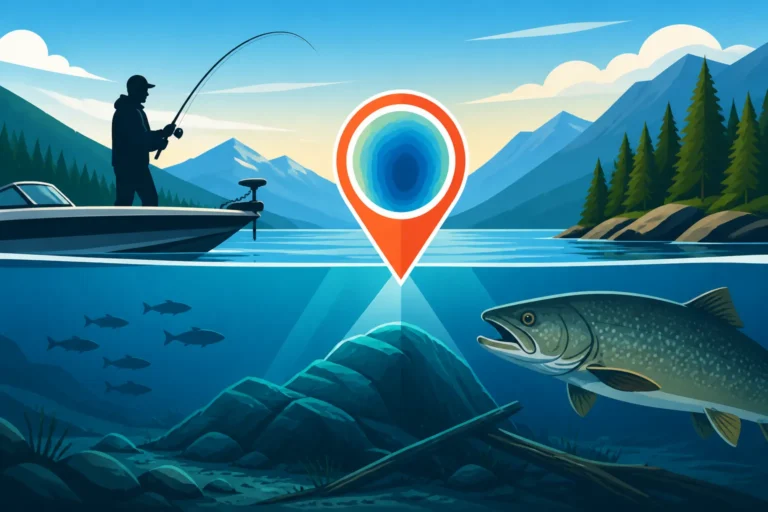
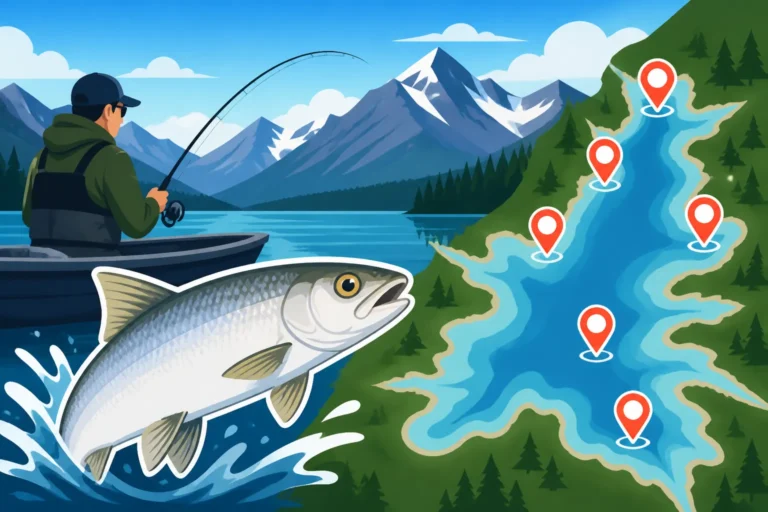
Knowing which species are running is one thing, but knowing where to find them on the Harrison River is the real secret sauce to a successful day. The river offers a variety of fishing environments, from easily accessible shorelines to expansive areas best explored by boat. Each spot has its own nuances and advantages.
Popular Shore Fishing Locations
For many anglers, especially those just starting out or preferring to stay on solid ground, shore fishing is the way to go. The Harrison River provides several excellent spots that are relatively easy to access and can be very productive during peak runs. One of the most popular areas is near Harrison Hot Springs, particularly around the public docks and beachfront. Here, the river slows down as it enters Harrison Lake, creating holding areas where salmon can congregate before moving further upstream. Casting spinners, spoons, or float fishing with bait from these spots can yield great results, especially for Coho and Pink salmon.
Another fantastic shore fishing location is Kilby Provincial Park, situated where the Harrison River meets the Fraser. This area is incredibly scenic and offers good access to the confluence, a prime spot where fish transition from the Fraser into the Harrison. The currents here can be strong, so understanding how to work your gear in moving water is key. Expect good opportunities for all species, particularly Chinook and Chum, as they navigate this critical junction. Remember, parking and access fees might apply at provincial parks, so plan ahead. These spots provide excellent chances without the need for a boat, making them popular choices, particularly during the busy fall salmon runs.
Boating and Drifting Opportunities
While shore fishing is great, having a boat opens up a whole new world of possibilities on the Harrison. A boat allows you to cover more water, access deeper channels, and position yourself precisely where the fish are holding or actively migrating. There are several public boat launches available, including one conveniently located in Harrison Hot Springs and another near Kilby Provincial Park, providing easy access to both the lower river and the lake.
For serious salmon anglers, drift fishing from a boat is an incredibly effective technique on the Harrison. Using a drift boat or a jet boat, guides and experienced anglers will often slowly work down sections of the river, presenting baits or lures to fish holding in deeper pools, runs, and seams. This method allows for a very natural presentation and can be highly effective for all salmon species, particularly the powerful Chinook and Chum. Being able to move with the current and cover varied water types gives boat anglers a distinct advantage, especially when targeting fish that aren't tightly congregated in one spot. Always prioritize safety on the water, especially with the Harrison's currents, and ensure your boat meets all BC Boating Laws for Anglers and Life Jacket Requirements for BC Boaters.
Tidal Flats and Estuary Zones
The lower reaches of the Harrison River, where it directly connects with the Fraser River, are often referred to as the "estuary" or tidal flats. These areas are profoundly influenced by the ocean's tides, creating unique fishing conditions. During an incoming tide, fresh ocean water (though still freshwater in composition by the time it reaches the Harrison) pushes upstream, often bringing fresh schools of salmon with it. As the tide recedes, the water pulls back, sometimes concentrating fish in specific channels or pools. This constantly changing environment requires anglers to be adaptable.
Fishing the tidal flats is often best done from a boat, allowing you to follow the fish as they move with the currents or to anchor up in strategic locations where salmon are known to rest. Anglers here might employ different techniques, such as anchoring and bottom fishing with bait during slower currents, or trolling with plugs and flashers during faster moving tides, especially for Chinook and Coho. The Harrison's tidal zones are a dynamic fishery, and understanding the tide charts is just as important as knowing your fishing techniques. Being in the right place at the right time on a favorable tide can lead to some truly unforgettable salmon action.
Mastering Techniques for Harrison River Salmon
Having identified your target species and chosen your fishing spot, the next step is to select the right techniques and gear to maximize your chances. Harrison River salmon fishing involves a blend of traditional and specialized methods, each effective under different conditions and for various salmon species.
Gear Essentials and River Rigs
When it comes to tackle, versatility is key for Harrison River salmon fishing. You'll want a sturdy, reliable setup that can handle powerful fish in strong currents. For most salmon species, a medium-heavy spinning or baitcasting rod, typically 9 to 10.5 feet long, paired with a reel spooled with 15-25 lb monofilament or braided line, is a good starting point. Braided line offers superior sensitivity and strength, but should be paired with a fluorocarbon leader (15-30 lb test) for abrasion resistance and stealth. This setup gives you enough backbone to fight powerful fish while still offering the sensitivity to detect subtle bites.
For specific species like Chinook and Chum, you might even consider stepping up to heavier gear, as their raw power can be surprising. When fishing with bait, a popular river rig involves a three-way swivel, with a lead line to a weight (often a cannonball or pyramid sinker) and a leader with your hook and bait. This allows your bait to tumble naturally along the bottom without snagging too easily. Always ensure your hooks are sharp and appropriately sized for the bait and target species, typically 3/0 to 5/0 octopus or single barbless hooks to comply with regulations.
Effective Bait and Lure Strategies
Salmon in freshwater often transition from actively feeding to focusing solely on migration and spawning. However, they will still strike out of aggression, territoriality, or even curiosity. For bait, cured salmon roe (roe bags) is king on the Harrison River, particularly for Chinook and Chum. The scent and natural appearance are incredibly enticing. Fresh roe, properly cured, is often the most effective, but good quality commercially prepared roe can also work.
When it comes to lures, spinners are a classic choice for all salmon species, with colors like Chartreuse, Green, Pink, and Orange being particularly effective. Popular brands like Gibbs Delta, Luhr Jensen, or Blue Fox Vibrax often produce results. Spoons, especially those in metallic finishes or bright colors, are also great, imitating wounded baitfish. Plugs, like Kwikfish or FlatFish, are excellent for back-trolling or anchoring, diving down and wobbling enticingly in the current. For Coho and Pink salmon, twitching jigs (often 1/2 to 1 oz) can be incredibly effective, worked with an aggressive jigging motion near structure or through deeper pools. Fly anglers will find success with weighted streamers that mimic baitfish or even large egg patterns during peak runs. Matching your lure or bait to the water conditions (clarity, depth, speed) and the species you're targeting will greatly increase your success rate. For more specific lure recommendations, refer to our guide on Salmon Fishing Techniques for BC Rivers.
Drifting, Float Fishing, and Trolling Tactics
Different sections of the Harrison River and different conditions call for different techniques. Drift fishing is a cornerstone of Harrison River salmon angling, particularly from a boat. This involves presenting your bait or lure so it drifts naturally with the current, mimicking a free-floating food source. Anglers often "bottom bounce" their gear, using just enough weight to keep their offering near the riverbed without constantly dragging. This method is incredibly effective for Chinook, Chum, and even Steelhead when they're in the system. Mastering the art of the perfect drift, where your line maintains tension but your bait moves freely, is a skill that takes practice.
Float fishing, or "gear chucking," is another highly productive method, especially from shore or anchored boats in more moderate currents. This technique involves suspending your bait or lure (often a roe bag or a small jig) beneath a float, allowing it to drift at a precise depth. The float acts as a visual strike indicator, making it easy to spot even the lightest bites. This method is fantastic for Coho, Pink, and even Sockeye (when permitted), as it keeps your offering off the bottom and in the strike zone.
Finally, trolling can be effective in broader, deeper sections of the Harrison, particularly for salmon that are actively migrating or holding in open water. This involves slowly moving a boat while dragging lures or bait behind it, often with the aid of downriggers to reach specific depths. Plugs, spoons, or even bait rigs with flashers are commonly trolled. While less common on the main river for salmon that are actively migrating upstream, trolling becomes more prevalent in the lower, wider sections of the river, especially closer to the Fraser, and can be productive for Chinook and Coho.
Navigating Harrison River Regulations and Conservation
Fishing in British Columbia means being a responsible angler, and that includes understanding and adhering to the regulations. The Harrison River, being part of the sensitive Fraser River watershed, has specific rules designed to protect its precious salmon stocks. Ignoring these rules can lead to heavy fines and jeopardize future fishing opportunities, so paying close attention is non-negotiable.
Understanding Your Fishing License Requirements
Before you even think about casting a line, securing the correct fishing license is the absolute first step. For the Harrison River, which is a freshwater system, you'll need a valid BC Freshwater Fishing License. This is a provincial license that allows you to fish in all freshwater bodies across British Columbia. Crucially, if you intend to fish for salmon in freshwater, you must also purchase a Freshwater Salmon Conservation Stamp. This stamp directly contributes to salmon conservation efforts and is mandatory for anyone targeting or retaining salmon. Even if you plan on catch and release for salmon, this stamp is required.
It’s easy to get confused between freshwater and tidal water licenses, especially since the lower Harrison has tidal influence. But generally, for the river itself, you'll be dealing with freshwater regulations. Age requirements are also important; generally, residents and non-residents aged 16 and over require a license. However, there are nuances like the BC Youth Fishing License Exemption Under 16, which is worth looking into. Always ensure your license is current and readily available, whether in print or digital format, as fishery officers frequently patrol these waters. For a complete overview of what you need, consult our detailed British Columbia Fishing License Guide for 2026.
Species-Specific Regulations and Fishery Notices
Beyond the general license, the Harrison River is subject to complex species-specific regulations that can change frequently, sometimes even in-season, based on stock assessments and conservation needs. These rules dictate bag limits (how many fish you can keep), size restrictions, and specific gear requirements (like mandatory single barbless hooks for salmon in certain areas). For example, while Coho might have a generous bag limit, Sockeye fishing is often entirely catch-and-release, or even closed, to protect dwindling runs. The Fraser River and its tributaries, including the Harrison, are particularly prone to these in-season changes.
It is absolutely vital to check the latest BC Fishery Notices (often found on the DFO – Fisheries and Oceans Canada – website) immediately before and even during your trip. These notices are the authoritative source for all closures, openings, and special regulations that supersede information in the general Synopsis. A missed notice could turn a successful trip into a costly penalty. Understanding BC Fishing Regulations Explained is an ongoing process, as conservation efforts often mean dynamic rules. Always carry a copy of the current regulations synopsis or have quick access to the online notices to avoid any misunderstandings.
Responsible Angling and Catch & Release
Being a responsible angler on the Harrison River isn't just about following the rules; it's about practicing good ethics and contributing to the sustainability of the fishery. Catch and release is a crucial component of conservation, especially for vulnerable stocks or when fishing for species that are not permitted for retention. If you plan to release fish, minimize their time out of the water, handle them gently with wet hands, and use barbless hooks to reduce injury. Avoid dragging fish onto dry banks or rocks.
Furthermore, respect other anglers and private property. Many popular fishing spots have public access but are adjacent to private land. Pack out all your trash, including discarded fishing line and bait containers. Consider the impact of your actions on the environment and the fish. For instance, if water temperatures are unusually high, salmon can be under severe stress, and catch-and-release fishing might cause higher mortality rates. Being aware of these environmental factors and making informed decisions is part of being a true conservationist. By practicing responsible angling, we ensure that the Harrison River remains a world-class salmon fishing destination for generations to come.
Planning Your Ultimate Harrison Salmon Fishing Trip
A successful Harrison River salmon fishing trip isn't just about showing up with a rod and reel; it's about strategic planning. From understanding the best times to visit to deciding whether a guide is right for you, every detail contributes to the overall experience.
Best Times to Visit for Peak Salmon Runs
Timing is everything when it comes to salmon fishing on the Harrison River. As we’ve discussed, different species have different run timings, so your ideal visit depends entirely on what you want to target. Generally, the fall is the absolute prime season for Harrison River salmon fishing, encompassing a spectacular convergence of species.
- Late August to Mid-September: This period sees the main pushes of Pink and Coho salmon. Pink salmon runs are particularly strong in odd-numbered years, offering consistent action.
- Late September to Mid-October: This is often considered the peak, with strong runs of Chinook and Coho. Chum salmon also begin to show up towards the end of this window.
- Late October to November: Chum salmon are the stars here, providing powerful battles for those willing to brave cooler temperatures. You might still find some late-run Coho as well.
If you're targeting a specific species, aim for the middle of their respective peak seasons. For a broader overview of when different fish are active across the province, our guide on the Best Time of Year to Fish in BC can provide additional context. Keep in mind that "peak" also means more anglers, so if you prefer solitude, consider visiting slightly before or after the absolute height of the runs.
Why a Guided Trip Can Make All the Difference
For many anglers, especially those visiting the Harrison River for the first time or looking to maximize their chances, hiring a local fishing guide is an invaluable investment. A professional guide brings years of experience, intimate knowledge of the river, and up-to-the-minute information on where the fish are biting and what techniques are working best. They know the subtle nuances of the river, the hidden holes, and how to read the ever-changing currents and tidal influences – secrets that can take years to learn on your own.
Guides also provide all the necessary, high-quality gear, ensuring you’re using the right rods, reels, and terminal tackle for the conditions. More importantly, they navigate the complex regulations seamlessly, ensuring you stay within the law and practice responsible angling. Many guides operate safe, comfortable boats, allowing you to access prime fishing spots far from shore. If you’re serious about catching salmon and want to learn from the best, a guided trip is highly recommended. Platforms like FishingBooker can help you find reputable Harrison River salmon guides, read reviews, and book your adventure with ease. When considering a guide, our article on How to Choose a BC Fishing Charter offers excellent tips to ensure you pick the right fit for your trip.
Essential Gear and Packing Considerations
Beyond your fishing tackle, packing appropriately for a Harrison River salmon trip is crucial, as BC weather can be notoriously unpredictable. Even on a sunny day, temperatures can drop, and a sudden rain shower is always a possibility. Layers are your best friend: start with a moisture-wicking base layer, add insulating mid-layers like fleece, and top it off with a waterproof and windproof outer shell. Good quality rain gear – jacket and pants – is non-negotiable.
Comfortable, waterproof footwear (wading boots or rubber boots) is essential, especially if you plan on bank fishing or getting in and out of a boat. Don't forget essentials like polarized sunglasses (for spotting fish and eye protection), a wide-brimmed hat, sunscreen, and insect repellent. A small backpack to carry snacks, water, and personal items is also a good idea. For boat trips, bring a dry bag to protect electronics. If you're on a guided trip, many of these items will be provided, but it's always good to confirm beforehand. Regardless, being prepared for all conditions will ensure your focus stays on the fishing, not on being cold, wet, or uncomfortable. For a more comprehensive checklist, check out What to Bring on a BC Fishing Charter.
Disclaimer
Please note that fishing regulations in British Columbia, especially those concerning salmon, are subject to frequent changes by Fisheries and Oceans Canada (DFO). While this guide provides general information, it is absolutely essential for every angler to consult the official DFO fishery notices and the current BC Freshwater Fishing Regulations Synopsis before heading out. We cannot guarantee the accuracy of regulations mentioned in this article as they may change without prior notice. Always fish responsibly and ethically.