Quesnel Lake Fishing Guide
Quesnel Lake, a true marvel of British Columbia, can feel incredibly daunting for anglers—its sheer size, immense depth, and intricate three-arm structure make it a real challenge to know where to even begin. If you've ever dreamt of battling a monstrous lake trout or simply enjoying a tranquil day chasing kokanee in a pristine wilderness, but felt overwhelmed by the logistics, this comprehensive guide is for you. We're going to break down everything you need to know to confidently plan and execute a successful fishing trip to this legendary BC destination.
Quesnel Lake at a Glance: Why It's a BC Fishing Gem
British Columbia is famous for its stunning natural beauty and incredible fishing opportunities, but even among such riches, Quesnel Lake stands out. It's not just big; it's colossal, holding the record as the deepest fjord lake in the world, plummeting to depths over 500 meters (1,640 feet). This immense body of water, nestled in the Cariboo Mountains, offers a unique and often challenging fishing experience that draws serious anglers from across the globe. Its cold, clear, glacier-fed waters are home to a thriving ecosystem, supporting some truly impressive fish populations that make the journey well worth it.
Geographical Grandeur and Unique Characteristics
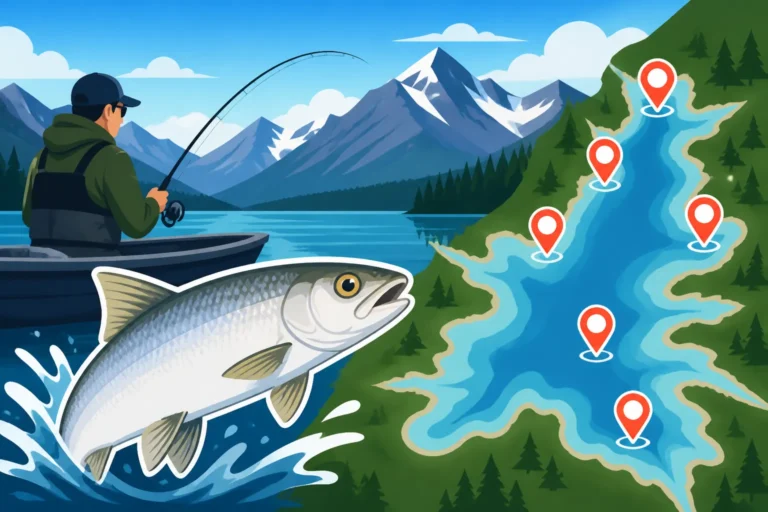
Imagine a lake so vast, it feels like an inland ocean, stretching for miles with three distinct arms: the North Arm, West Arm, and East Arm, each with its own character and fishing opportunities. Quesnel Lake is the headwater of the Quesnel River, which eventually flows into the mighty Fraser River. This connection is crucial for understanding its diverse fish populations. The lake's deep, oligotrophic (nutrient-poor) waters are incredibly clear, often offering visibility well over 10 meters, which can make for some exciting sight-fishing opportunities in shallower areas but also adds to the challenge of deep-water presentations. The surrounding landscape of towering peaks and dense forests creates an awe-inspiring backdrop, making every moment on the water a breathtaking experience, whether you're battling a fish or simply taking in the scenery.
The sheer volume of water in Quesnel Lake means that fish have an enormous amount of habitat to roam, requiring anglers to be strategic in their approach. Unlike smaller, shallower lakes where fish patterns might be more predictable, Quesnel's depths provide ample sanctuary for its inhabitants, especially the trophy-sized species that often reside in the cold, dark abysses. Navigating the lake requires a capable boat, an understanding of its often-unpredictable weather patterns, and a healthy respect for its vastness. The solitude you can find on its waters, even during peak season, is unparalleled, offering a truly wild and immersive fishing adventure that you simply won't find in many other places.
Historical Significance and Record-Breaking Catches
Quesnel Lake isn't just a place of natural grandeur; it’s steeped in angling history, particularly when it comes to trophy fish. This lake is legendary for producing some of the largest lake trout (also known as char or "lakers") ever caught in British Columbia, and indeed, in North America. While specific records can shift, it's often cited as the origin of BC's provincial record lake trout, a true monster weighing well over 50 pounds. This reputation alone draws dedicated trophy hunters year after year, hoping to hook into one of these deep-water giants. Imagine the thrill of reeling in a fish that could potentially be a once-in-a-lifetime catch!
Beyond lake trout, the lake also boasts a long history of supporting healthy runs of sockeye salmon, which use the Quesnel River and its tributaries as a critical spawning ground. While sockeye fishing regulations are often highly restrictive and subject to annual changes by Fisheries and Oceans Canada (DFO), their presence contributes to the rich food web of the lake, sustaining other predator species. The historical significance also extends to the local First Nations, for whom the lake and its rivers have been a vital source of sustenance and cultural importance for millennia. Understanding this deep connection adds another layer of appreciation for this truly special fishing destination, reminding us of the importance of responsible angling and conservation.
Prime Fish Species in Quesnel Lake
When you cast a line into Quesnel Lake, you’re dipping into a diverse aquatic world. While many lakes might be known for one or two primary species, Quesnel truly shines with a handful of incredible game fish, each offering its own unique challenge and reward. From the powerful, deep-dwelling lake trout to the shimmering schools of kokanee, and the vibrant rainbow trout, there's something for every angler. Knowing what you're targeting and understanding their habits is key to a successful outing on this vast water.
Trophy Lake Trout: The Apex Predator
Without a doubt, the undisputed king of Quesnel Lake is the lake trout, often simply called "lakers." These fish are built for the deep, cold, and clear waters of Quesnel. They are powerful, long-lived, and can grow to truly astonishing sizes, often reaching well over 20 pounds, with some specimens pushing the 50-pound mark. They are opportunistic feeders, preying on kokanee, rainbow trout, and even smaller lake trout. Their pursuit often involves specialized techniques, as they tend to hold in the deepest, coolest parts of the lake during much of the year, only coming shallower during specific seasons or feeding frenzies.
Catching a trophy lake trout requires patience, robust gear, and a solid understanding of sonar technology. You'll often be targeting them with downriggers or heavy jigs and spoons, often fishing depths of 100 feet or more. Look for them on underwater structure, ledges, and drop-offs where baitfish congregate. The fight of a big laker is legendary—a strong, relentless pull that tests your tackle and your resolve. For many, the chance to land one of these giants is the primary draw to Quesnel Lake, and the sheer exhilaration of seeing that massive silver-sided fish emerge from the depths is an experience that stays with you long after the trip is over. If you're looking for a serious challenge and a shot at a record, these are your fish.
The Elusive Kokanee Salmon
While lake trout might be the glamour species, the abundant kokanee salmon are the backbone of Quesnel's food web. These landlocked sockeye salmon are typically much smaller than their ocean-going cousins, usually ranging from 10 to 16 inches, but what they lack in size, they make up for in sheer numbers and delicious table fare. They are schooling fish, often found suspended in the water column, feeding on zooplankton. Knowing How to Catch Kokanee in BC is essential for a good day on the lake, as they are a primary food source for the larger predatory fish, and also great fun to catch on light tackle.
Kokanee fishing usually involves trolling with small lures, dodgers, and flashers, often tipped with corn or scent. They are incredibly sensitive to light and temperature, often holding in specific depth ranges. Early mornings and late evenings are typically the most productive times. While they don't offer the same brute strength as a lake trout, a school of feeding kokanee can provide non-stop action, making them an ideal target for families or anglers looking for consistent bites. Their vibrant silver bodies flashing against the deep blue water are a sight to behold, and their delicate, bright orange flesh is highly prized for eating. Just remember to check the current BC Bag and Possession Limits by Species before you head out.
Robust Rainbow Trout and Bull Trout Populations
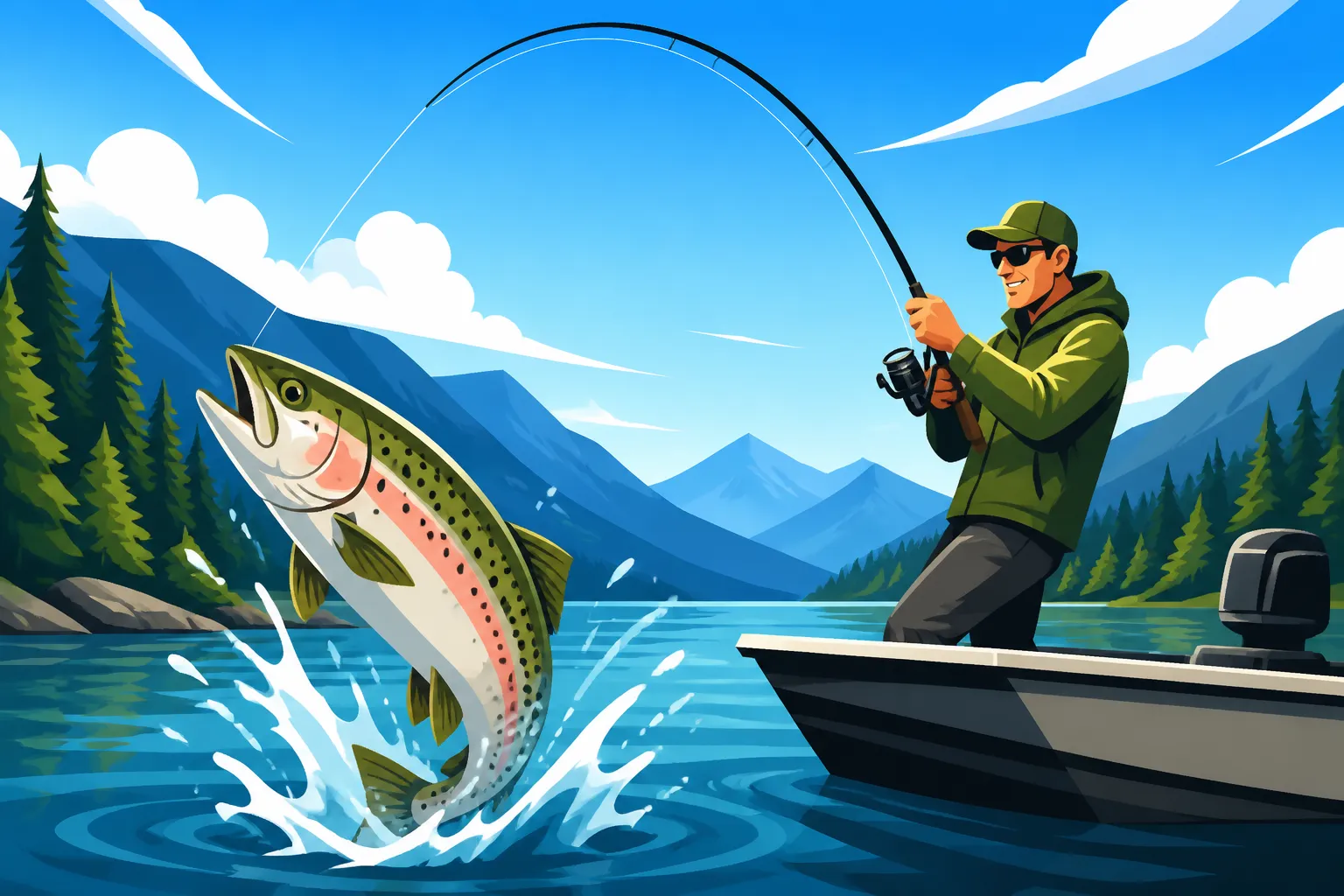
Beyond the deep-dwelling giants and schooling salmon, Quesnel Lake also hosts healthy populations of rainbow trout and bull trout. The rainbows in Quesnel can grow quite large, often feeding on kokanee, and offer fantastic sport, particularly in shallower bays, around stream mouths, or during certain insect hatches. These fish are known for their acrobatic jumps and spirited fights, making them a favorite among fly anglers and those who prefer a more active style of fishing. You might find them cruising shorelines or suspended near the surface, especially in spring and fall.
Bull trout, closely related to Dolly Varden (and often confused with them), are another aggressive predator in Quesnel Lake. These native char species are sleek, powerful, and will readily strike at larger lures and flies, especially those mimicking kokanee or other baitfish. They typically prefer colder water and are often found in similar habitats to lake trout but can also move into tributaries to spawn. Knowing the subtle differences between these char species and their specific regulations is crucial. For anglers interested in Bull Trout in BC's Interior Rivers or general Rainbow Trout Fishing in BC, Quesnel offers some fantastic opportunities to target these formidable fish, contributing to the rich biodiversity of the lake.
Best Fishing Spots and Techniques on Quesnel Lake
Fishing Quesnel Lake isn't just about showing up with a rod and reel; it's about understanding its vast geography and how fish utilize its different features. With three main arms, countless bays, and significant depth variations, pinpointing the "best" spots often comes down to timing, target species, and the techniques you employ. It's a lake that rewards preparation and a willingness to explore.
Navigating the Three Arms: North, East, and West
Each arm of Quesnel Lake offers distinct characteristics and fishing potential. The North Arm is generally considered the most remote and wildest, often requiring more travel to reach its prime spots. It's known for its incredible depths and can be a prime area for trophy lake trout, especially around significant underwater structures and drop-offs. Given its remoteness, it sees less pressure, potentially offering a more serene and productive experience if you're willing to make the journey.
The East Arm is perhaps the most famous, particularly for its connection to the Quesnel River system and its sockeye salmon runs. The areas around the entrance of the Quesnel River and its tributaries can be phenomenal for rainbow trout and bull trout, especially when salmon are present. It also offers excellent kokanee fishing. The East Arm tends to be somewhat more accessible, with a few lodges and access points.
The West Arm, closer to likely staging points for many anglers, also provides fantastic opportunities. It has a good mix of shallower bays and deep sections, making it versatile for targeting multiple species. You might find good kokanee schools suspended in the open water or focus on structure for lake trout. Tributary mouths and areas with distinct current flows can be hotspots for rainbow and bull trout. No matter which arm you explore, safety is paramount. Always be mindful of the large size of the lake and potential for rapidly changing weather conditions; a smaller craft can quickly become overwhelmed.
Seasonal Strategies for Different Species
Fishing success on Quesnel Lake, like any large body of water, is heavily dictated by the seasons.
- Spring (April-June): As the ice melts (if you're early enough for ice-off), fish become more active in shallower waters, especially rainbow trout. Lake trout might be found cruising just below the surface in warming bays, gorging on newly available baitfish. This is a great time for casting spoons or trolling shallower for aggressive feeders. Bull trout also become more active, moving closer to the mouths of tributaries.
- Summer (July-August): As surface temperatures rise, most lake trout and kokanee move to the deeper, cooler parts of the lake. This is prime time for deep-water trolling with downriggers for lake trout and kokanee, or jigging over submerged structure. Rainbow trout might still be found around cooler stream mouths or during early morning/late evening hatches. Pay attention to water temperatures and oxygen levels, which often define the "comfort zone" for specific species.
- Fall (September-November): This is often considered the best time for trophy fishing. Lake trout move shallower to spawn, becoming incredibly aggressive and accessible to a wider range of techniques, including casting and fly fishing in some areas. Kokanee also make their spawning runs into tributaries, attracting hungry rainbow and bull trout who gorge on their eggs and flesh. The vibrant fall colors make for an unforgettable experience, but also bring colder, more unpredictable weather.
Understanding these patterns and consulting local experts or fishing reports is invaluable. Remember to always check BC Fishing Season Dates and Closures before planning your trip, as closures or restrictions can vary by species and time of year.
Essential Gear and Tactics for Quesnel's Depths
Given Quesnel Lake's depth and the size of its potential catches, having the right gear is non-negotiable. For lake trout, you'll want heavy-duty baitcasting or spinning rods with matching reels spooled with 20-30lb braided line, often with a fluorocarbon leader. Downriggers are almost essential for precise depth control when trolling with large spoons (like Gibbs Delta, Luhr Jensen, or Northern King brands) or large plugs. For jigging, heavy metal jigs or tube jigs (4-8oz) are necessary to reach the depths quickly. A good fish finder/sonar unit is crucial for locating structure and suspended fish.
For kokanee, lighter tackle is preferred. Medium-light action rods with small spinning reels spooled with 6-8lb monofilament or fluorocarbon are ideal. Small dodgers or flashers paired with tiny spoons, wedding rings, or hootchies are standard. Trolling speed is critical for kokanee, often very slow. Again, a good fish finder helps locate their schools.
Rainbow and bull trout can be targeted with medium-light spinning gear, casting spoons, spinners, or small plugs. Fly anglers will want 6-8 weight rods with appropriate floating or sinking lines, depending on the conditions, and patterns that imitate baitfish, leeches, or larger insects. For all species, a reliable boat with a powerful motor is a must, as Quesnel can become very rough very quickly. Don't forget all the mandatory safety equipment as per BC Boating Laws for Anglers.
Navigating and Finding Hotspots on Quesnel Lake
Finding fish on a lake as vast as Quesnel is a skill developed over time, but there are definitely strategies you can employ to increase your chances. Focus on areas where food sources gather. For example, the mouths of inflowing rivers and creeks are natural attractors for baitfish, which in turn draw in predatory trout and char. Look for submerged islands, humps, and sudden drop-offs on your sonar; these are classic holding areas for lake trout. Tributary mouths, especially during kokanee spawning runs, become temporary feeding grounds for other species.
GPS units with detailed lake maps are invaluable for marking these structures and returning to productive spots. Don't be afraid to experiment with different depths and trolling speeds. Sometimes, a slight adjustment can make all the difference. When you do find fish, pay attention to the depth, structure, and presentation that worked, and try to replicate it. Remember that Quesnel Lake is enormous, and fishing pressure can be very low in many areas, meaning fish might be less wary than in heavily fished waters. However, they're still wild fish in a wild place, so a stealthy approach often pays dividends.
Planning Your Quesnel Lake Fishing Adventure
A trip to Quesnel Lake isn't just a casual day out; it's an expedition. Its remote nature, size, and the potential for incredible angling require a good amount of pre-planning to ensure a safe, comfortable, and successful adventure. From where you'll lay your head to who might help you find the fish, every detail counts.
Accommodation and Access Points
Quesnel Lake is less developed than some other major BC lakes, which contributes to its wild charm but also means fewer readily available amenities. The primary access points are often on the West and East Arms, with more limited access to the North Arm. The most common launching point is at Likely, a small community on the West Arm, which provides boat launches and some basic services. From there, you're looking at significant travel time to reach distant parts of the lake.
For accommodation, your options typically range from rustic cabin rentals and campgrounds to a few dedicated fishing lodges. These lodges often provide package deals that include meals, accommodation, and sometimes guided fishing. If you're planning to camp, be prepared for wilderness camping, and always follow Leave No Trace principles. During peak season, especially in summer and fall, accommodations can book up quickly, so early reservations are highly recommended. Ensure your vehicle and boat trailer are in excellent condition, as roads to access points can sometimes be unpaved or less maintained, especially as you get further into the wilderness.
Hiring a Local Guide or Charter
For a lake as vast and deep as Quesnel, hiring a local guide can be an absolute game-changer, especially for your first visit. A seasoned guide brings years of experience navigating the lake, understanding its intricate structure, knowing current fish patterns, and often having specialized equipment like powerful sonar and downriggers. They can dramatically cut down on your search time and increase your chances of hooking into trophy fish. This is particularly true if you're targeting specific species like the giant lake trout, which require precise techniques and knowledge of their deep-water haunts.
You can often find guides through local lodges or by searching online platforms that specialize in fishing charters. For instance, websites like FishingBooker list reputable guides and charter services in the region, allowing you to compare options, read reviews, and book directly. When choosing a guide, ask about their experience on Quesnel Lake specifically, what species they specialize in, and what equipment they provide. A good guide will also ensure you understand and adhere to all BC Fishing Regulations Explained and practice responsible catch-and-release, especially for large, vulnerable species like lake trout and bull trout. While it's an investment, the knowledge and success a good guide provides can be invaluable.
Regulations and Conservation Efforts
Fishing in British Columbia, especially on a special water body like Quesnel Lake, comes with a responsibility to understand and adhere to all regulations. The vastness of the lake and its critical role in the ecosystem mean that rules are in place to protect its fish populations for future generations. Before you even think about dropping a line, you need to ensure you have the correct and up-to-date fishing license. You can find comprehensive information on how much a How Much Does a BC Fishing License Cost and details about whether you need a BC Freshwater vs Tidal Waters License, Explained on the official government websites.
Beyond the license, it’s crucial to be aware of species-specific regulations. These can include daily bag limits, possession limits, size restrictions (minimum or maximum lengths), and even gear restrictions (e.g., single barbless hooks for certain species or areas). For species like lake trout and bull trout, catch-and-release is often encouraged or even mandated for larger fish to protect breeding stock. Sockeye salmon, due to their often precarious returns, are frequently under strict retention limits or even complete closure, so checking the latest fishery notices is paramount. Conservation is a collective effort, and adhering to these rules helps maintain Quesnel Lake as a world-class fishery. Always familiarize yourself with the current BC Fishing Regulations Explained before your trip.
Seasonal Fishing Breakdown for Quesnel Lake
Understanding the seasonal nuances of Quesnel Lake is perhaps the most critical component for consistent fishing success. Fish behavior, location, and feeding patterns shift dramatically throughout the year, driven by water temperature, light penetration, and spawning cycles. What works in spring will likely fail in summer, and vice-versa.
Spring: Awakening of the Giants
Spring on Quesnel Lake, typically from late April to June after ice-off, is a period of transition and awakening. The water temperatures are slowly rising, and the lake's inhabitants are shaking off their winter sluggishness. This is an excellent time to target rainbow trout as they become very active, feeding heavily in shallower bays and around inflowing streams. They are often found cruising the shorelines, looking for insects or small baitfish. Fly fishing with streamers or casting small spoons and spinners can be incredibly productive.
Lake trout also start to become more accessible during this period. While not yet in their deep summer haunts, they might be found in shallower to mid-depths (20-60 feet), particularly in areas that warm up faster or near concentrations of baitfish. Trolling with slightly larger spoons or plugs can draw aggressive strikes from hungry lakers. This is a time when the fish are often very actively feeding after the lean winter months, and their energy levels are high. However, spring weather on Quesnel can be unpredictable, with sudden winds and temperature drops, so come prepared for all conditions.
Summer: Deep Water Action and Fly Hatches
Summer, usually July and August, brings warmer surface temperatures to Quesnel Lake, driving many of the primary game fish into its cooler, deeper reaches. This is prime time for deep-water trolling and jigging for both lake trout and kokanee salmon. Lake trout will often be found suspended over deep water, near submerged structures, or along steep drop-offs at depths of 80-200 feet or more. Downriggers are indispensable for getting your lures into the strike zone consistently. Large spoons, flashers paired with plastic squids, or even live bait (where permitted) are effective.
Kokanee will also school in the deeper, cooler parts of the lake, typically in the top 30-80 feet of the water column, feeding on zooplankton. Small dodgers or flashers paired with wedding rings or small spoons, often tipped with corn, are the go-to setup. Trolling very slowly and varying your depths until you find the schools is key. While the heat of the day drives deep action, early mornings and late evenings can still offer shallower opportunities for rainbow trout, especially near shaded areas or river mouths where water temperatures remain cooler. Summer also brings the joy of long daylight hours and generally more stable weather, making it a popular time for an extended Best Fishing Lakes in British Columbia adventure.
Fall: Spawning Runs and Aggressive Feeders
Fall on Quesnel Lake, from September to November, is a truly spectacular time for anglers, often considered the pinnacle for trophy hunting. As water temperatures begin to drop, the entire ecosystem shifts. The most significant event is the kokanee salmon spawning run. These small salmon migrate into the lake's tributaries to spawn, creating an incredible feast for opportunistic predators. This draws rainbow trout and especially bull trout into the river mouths and shallower lake areas, where they gorge on kokanee eggs and decaying flesh. Casting large streamers or spoons that imitate kokanee can lead to explosive strikes.
This is also a prime time for trophy lake trout. As fall progresses and water temperatures continue to cool, lake trout move shallower to their own spawning grounds, typically rocky shoals and ledges. They become incredibly aggressive, actively feeding and defending their territory. This is when some of the largest lake trout are caught, often on casting gear or even large flies, as they become more accessible than at any other time of year. The crisp air, vibrant fall foliage, and potential for truly massive fish make fall fishing on Quesnel an unforgettable experience. However, the weather can turn quickly, so always be prepared for cold, wind, and rain, and inform someone of your itinerary, especially if venturing into more remote sections. For those considering a guided experience, platforms like FishingBooker are a great way to find local experts during these peak times.
| Species | Best Season | Primary Technique | Preferred Depth (Approx.) | Key Baits/Lures | Notes |
|---|---|---|---|---|---|
| Lake Trout | Fall, Spring | Trolling, Jigging, Casting (Fall) | 80-200+ ft (Summer); 20-60 ft (Spring/Fall) | Large Spoons, Plugs, Tube Jigs, Live Bait (check regs) | Aggressive in Fall, Deep in Summer. Look for structure. |
| Kokanee Salmon | Summer, Fall | Trolling | 30-80 ft | Small Spoons, Wedding Rings, Hootchies, Corn | Schooling fish, sensitive to light/temp. Great eating. |
| Rainbow Trout | Spring, Fall | Casting, Trolling, Fly Fishing | 5-30 ft | Spoons, Spinners, Streamers, Dry Flies | Active in shallower water, especially around stream mouths. |
| Bull Trout | Spring, Fall | Casting, Trolling, Fly Fishing | 20-80 ft | Large Streamers, Spoons, Plugs | Aggressive predators, often near river mouths during salmon runs. |
Disclaimer
The information provided in this guide is for general informational purposes only and is based on typical conditions and regulations in British Columbia. Fishing conditions, regulations, and access points can change frequently and without notice. It is the responsibility of every angler to consult the latest official BC Freshwater Fishing Regulations Synopsis, Fisheries and Oceans Canada (DFO) fishery notices, and local authorities before embarking on any fishing trip. Always prioritize safety, practice ethical angling, and respect the environment.