Lower Fraser River Sturgeon Fishing
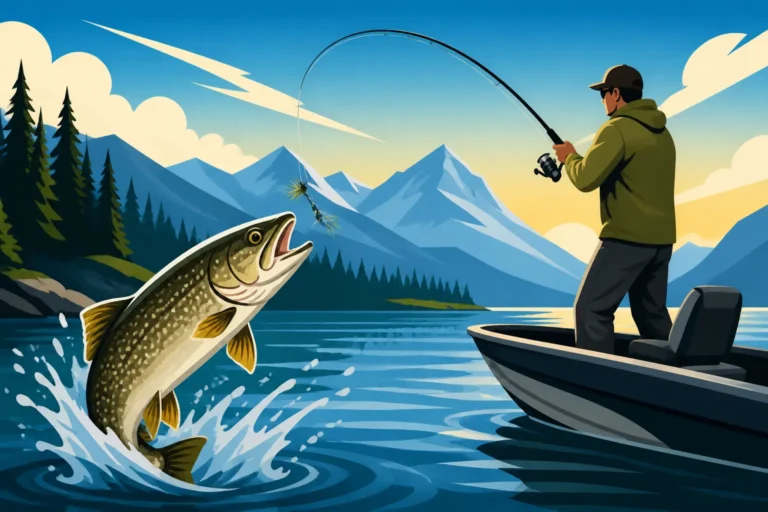
The Fraser River in British Columbia holds an almost mythical allure for anglers, primarily because it's home to one of the world's most incredible freshwater giants: the white sturgeon. If you've ever dreamt of battling a fish older than your grandparents, a true living dinosaur, then you know the unique challenge and thrill this fishery presents. This guide is dedicated to helping you understand and successfully navigate the incredible experience of Lower Fraser River sturgeon fishing, offering insights into these magnificent creatures and how to pursue them responsibly.
Understanding the Lower Fraser River Sturgeon Fishery
The Lower Fraser River isn't just a waterway; it's an ecosystem rich with history and teeming with life, making it a world-renowned destination for anglers seeking the ultimate freshwater challenge. This section will dive into what makes the white sturgeon so special and why this particular stretch of river provides the perfect habitat for them to thrive.
The Magnificent White Sturgeon
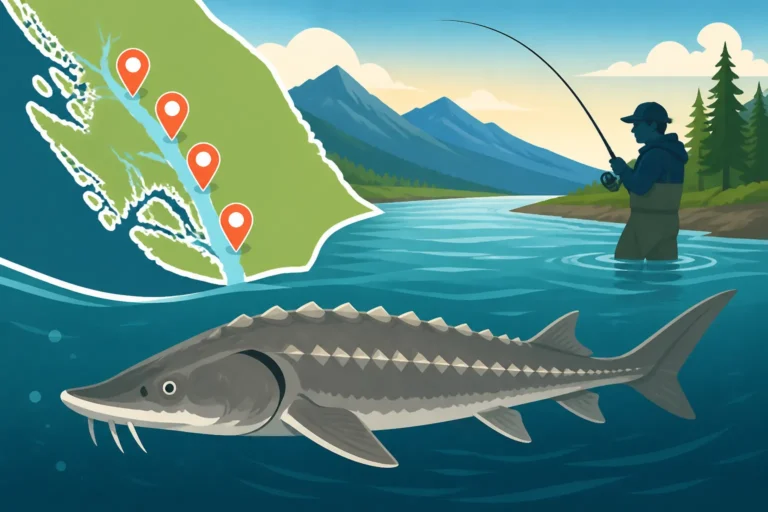
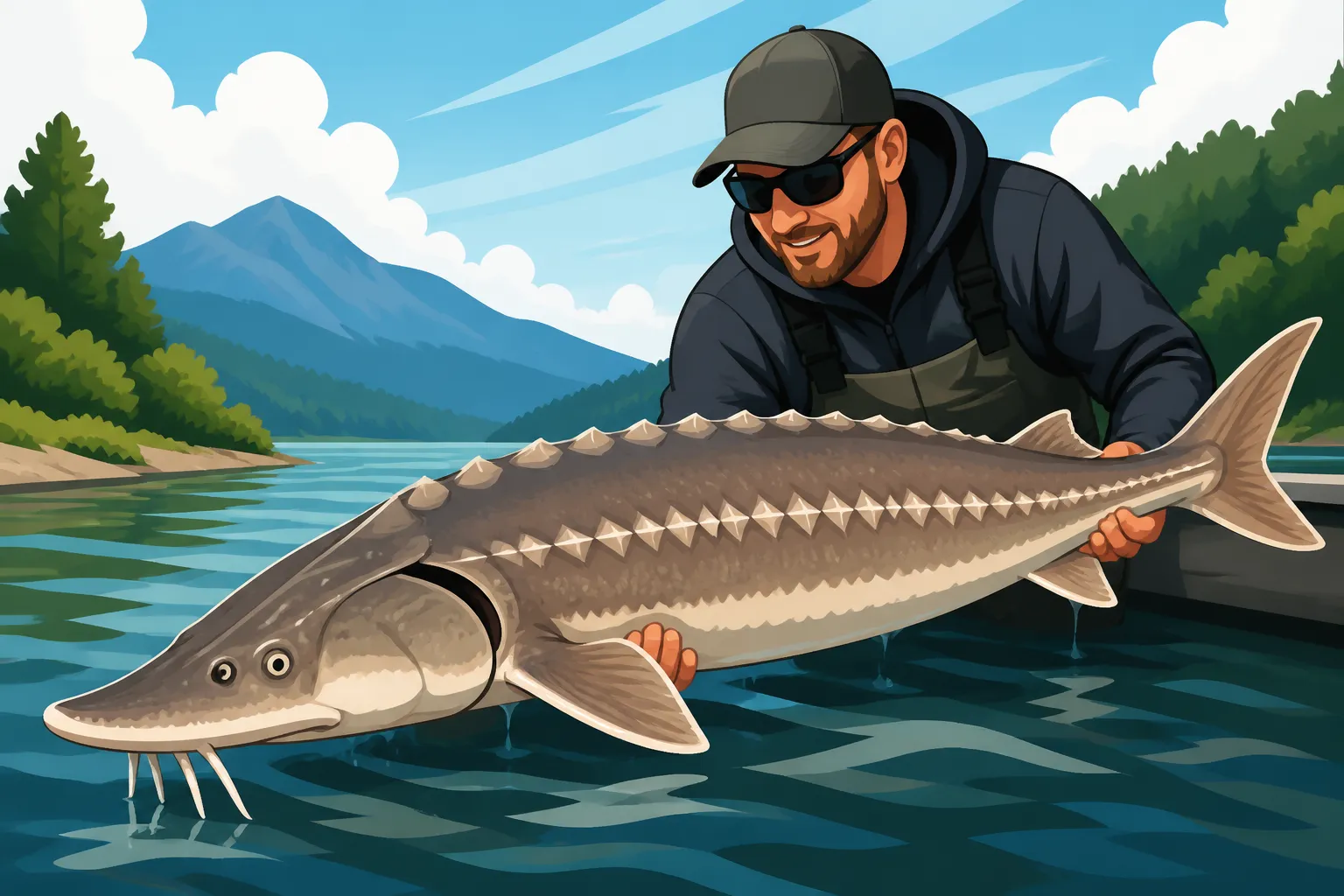
Imagine a fish that can grow longer than a small car and live for over a century. That's the white sturgeon of the Fraser River. These incredible fish are the largest freshwater fish species in North America, with some individuals reaching lengths of over 12 feet and weighing upwards of 1,000 pounds. They are true bottom-dwellers, often found in deep, slow-moving pools, patiently waiting for an easy meal to drift by. Their prehistoric appearance, with bony plates (scutes) instead of scales and a distinct shovel-like snout with four barbels, makes them utterly unique among fish species.
What makes them truly magnificent, beyond their sheer size, is their resilience and longevity. Sturgeon are slow-growing and late-maturing, meaning that the large fish you encounter might have been born before the World Wars. This longevity makes their conservation incredibly vital, and the strict catch-and-release policy on the Fraser River is a testament to the commitment to preserving these living legends for future generations. Encountering one of these giants is not just about the fight; it's about connecting with a piece of natural history.
Why the Lower Fraser is Prime Sturgeon Habitat
The Lower Fraser River, stretching from Hope all the way down to the mighty river's mouth near Vancouver, provides an unparalleled environment for white sturgeon. This expansive stretch of river offers a diverse array of habitats that cater perfectly to the sturgeon's needs throughout their life cycle. The river's vastness ensures plenty of deep holding pools, slow eddies, and gravelly bottoms where sturgeon can feed, rest, and spawn.
Crucially, the Fraser River is also one of the world's most prolific salmon rivers. Every year, millions of Pacific salmon, including Chinook, Sockeye, Coho, Pink, and Chum, return to spawn in its waters and tributaries. While sturgeon are opportunistic feeders, salmon carcasses and eggs provide an incredibly rich and abundant food source, particularly during and after the salmon runs. This consistent food supply contributes significantly to the sturgeon's ability to grow to such immense sizes. The nutrient-rich waters and varied structure of the Lower Fraser simply create a perfect storm of ideal conditions for these ancient fish. This intricate ecosystem is why the Fraser River Fishing Guide is such a valuable resource for anglers.
Seasonality and Best Times to Fish
While sturgeon can be caught year-round in the Lower Fraser, certain seasons offer more consistent action and comfortable fishing conditions. Generally, the prime sturgeon fishing season runs from early spring through late fall, roughly March to November.
Spring (March to May) sees sturgeon becoming more active as water temperatures rise, making them eager feeders after a colder winter. The spring salmon runs can also start to bring in a food source, although not as abundant as later in the year. Summer (June to August) is a popular time, offering pleasant weather and active fish, especially as the major salmon runs begin to move into the river system. Fall (September to November) is arguably the peak season for many sturgeon anglers. The sheer volume of decaying salmon carcasses after the spawns creates an enormous buffet for sturgeon, often leading to incredible feeding frenzies and some of the highest catch rates. Winter fishing (December to February) is still possible, but the colder water temperatures usually mean less active fish and slower days, often requiring more patience and knowledge of deep-water winter holding spots.
Essential Gear and Tackle for Fraser River Sturgeon
Catching a sturgeon, especially one of the larger ones, is a serious undertaking that demands serious gear. You can't just show up with your trout rod and expect success. This is heavy-duty angling, where every component of your setup needs to withstand immense pressure.
Rods, Reels, and Line – The Heavy Duty Setup
When it comes to sturgeon fishing on the Fraser River, think robust, powerful, and durable. Your rod needs to be a heavy-action boat rod, typically 7 to 9 feet in length, capable of handling line weights of 80 to 120 pounds. Look for rods with a strong backbone to set hooks into a sturgeon's tough mouth and plenty of leverage to bring a massive fish to the boat. Brands like Lamiglas, Berkley, and Shimano offer excellent options for this kind of heavy-duty application.
For reels, a large conventional baitcasting reel is non-negotiable. It needs a smooth, powerful drag system and a high line capacity. Reels such as the Penn Senator, Avet, or Shimano Tekota are popular choices among seasoned sturgeon anglers. These reels are built to withstand the sustained, powerful runs of a large sturgeon and handle heavy braid. Speaking of line, braided mainline is the standard for sturgeon. Opt for 100 to 150 lb test braided line, which offers incredible strength-to-diameter ratio, no stretch for solid hooksets, and excellent abrasion resistance against the river bottom. While you might think this sounds like overkill, remember you're targeting fish that can easily spool a smaller reel and snap lighter lines. The sheer power required underscores why it's so important to have the right setup, as detailed in guides like How to Catch Sturgeon on the Fraser River.
Terminal Tackle: Hooks, Weights, and Leaders
Your terminal tackle is the business end of your setup and must be just as robust as your rod and reel. For hooks, circle hooks are mandatory for sturgeon fishing in BC to minimize harm and ensure proper catch and release. Sizes typically range from 10/0 to 14/0, depending on your bait size. Look for heavy-duty, strong hooks designed for large game fish.
Lead weights are crucial for holding your bait on the bottom in the Fraser's often strong current. Expect to carry a variety of weights, from 8 ounces up to 30 ounces or even more during peak flows. Pyramid or flat pyramid sinkers tend to hold the bottom better than round ones. Your leader material should be a strong monofilament or fluorocarbon, generally 150 to 250 lb test, attached to your mainline with a high-quality swivel. The length of your leader can vary, but typically 3 to 6 feet is common, allowing your bait to drift naturally just off the bottom. A popular rig is often referred to as a "sliding sinker rig" or "Carolina rig," which allows the line to pass through the sinker, giving the sturgeon less resistance when it picks up the bait. Understanding this setup is key to success, and there are many resources like Best rig for bottom fishing for sturgeon to help you perfect it.
The Right Bait for Sturgeon Success
Sturgeon are opportunistic scavengers with an incredible sense of smell, making bait choice critical. While they’ll eat almost anything that smells appealing, certain baits consistently outperform others on the Fraser. The most effective baits are generally oily and smelly, designed to disperse scent in the current and attract sturgeon from a distance.
The undisputed champion bait for Fraser River sturgeon is eulachon (hooligan), a small, oily smelt. Its potent scent is irresistible to sturgeon. Unfortunately, eulachon availability can be sporadic due to conservation concerns, making other options important. Salmon roe (eggs) in a nylon mesh sac is another highly effective bait, especially during salmon runs when sturgeon are already keying in on salmon. Fresh, cut pieces of salmon (like chum or sockeye), lamprey, or even some types of coarse fish like carp or suckers can also be very productive. Always use fresh bait if possible, as it will have the strongest scent and appeal. Experimentation can sometimes pay off, but starting with the proven choices will give you the best chance of success. For more detailed information, checking out guides like Best Bait for Sturgeon on the Fraser River is highly recommended.
Navigating Regulations and Ethical Angling Practices
Fishing for white sturgeon on the Fraser River isn't just about the thrill of the catch; it's deeply rooted in conservation and responsible angling. The regulations are stringent, and for good reason: these fish are a protected species, and their population, while recovering, is still vulnerable. Adhering to these rules and practicing ethical angling is paramount to the future of this world-class fishery.
Strict Catch and Release Rules
The most fundamental rule for white sturgeon fishing on the Lower Fraser River is that it is strictly catch and release. This isn't just a suggestion; it's a mandatory regulation, enforced vigorously by Fisheries and Oceans Canada (DFO). There is zero retention allowed for white sturgeon. This means that every sturgeon you catch, regardless of its size, must be released back into the river unharmed.
The catch and release policy is a cornerstone of the conservation efforts that have allowed the Fraser River white sturgeon population to stabilize and even grow in some areas. Anglers play a vital role in this by understanding and practicing proper handling techniques. Releasing a fish quickly, minimizing its time out of water, and ensuring it swims away strong are all part of the ethical angler's responsibility. Fines for violating these regulations can be extremely steep, often in the thousands of dollars, and can include confiscation of gear and boats. The specifics of these rules are meticulously outlined in the BC Fraser River Sturgeon Catch and Release Requirement guide.
Permitted Gear and Conservation Stamps
Beyond catch and release, there are specific regulations regarding the gear you can use. As mentioned, non-offset, non-baited circle hooks are mandatory. This design significantly reduces the chance of gut-hooking, which can be fatal to sturgeon. Treble hooks are strictly prohibited for sturgeon fishing. The use of a single rod and reel per angler is generally the standard, and you must be actively attending your line.
To legally fish for sturgeon, you also need a valid BC freshwater fishing license. While there isn't a specific "sturgeon conservation stamp" per se, your regular freshwater license contributes to the management and conservation of all freshwater species in BC. It's crucial to understand all the requirements before heading out, which includes details on purchasing and carrying your license, as covered in the British Columbia Fishing License Guide for 2026 and the comprehensive BC Fishing Regulations Explained. Always double-check the current BC Freshwater Fishing Regulations Synopsis for any in-season changes or special conditions before your trip.
Safe Handling and Releasing Giant Sturgeon
Releasing a large sturgeon safely requires knowledge and care, both for the fish and for yourself. These are powerful animals, and mishandling can lead to injury for either party. Here's a breakdown of safe handling practices:
First, try to keep the fish in the water as much as possible, especially larger specimens. If you need to bring it closer for a quick photo or measurement, use a large, soft cradle or mat. Never lift a large sturgeon by its tail or gills; their internal organs are delicate. Instead, support the fish horizontally, with one hand under the head and the other supporting the belly or tail section. If you’re with a buddy, work together to support its weight evenly.
When taking photos, do it quickly and efficiently. Keep the fish low to the ground or boat, and avoid prolonged exposure to air, especially on hot or cold days. Be mindful of their scutes, which can be sharp. Before releasing, gently move the fish back and forth in the water to help push oxygen over its gills until it regains its strength and can swim away on its own. For truly massive sturgeon, often only the head and tail are brought out of the water, with the main body remaining submerged to support its weight. Always wear gloves to protect yourself and the fish's slime coat. These practices are not just rules; they are a sign of respect for these incredible creatures.
| Task | Best Practice for Sturgeon Release | Why It Matters |
|---|---|---|
| Hook Removal | Use de-hooking tools, keep fish in water, cut line if deep-hooked | Minimizes tissue damage, speeds release, improves survival. |
| Lifting/Support | Never by tail/gills. Support horizontally with two hands/cradle | Prevents internal organ damage, spinal injury, muscle strain. |
| Time Out of Water | As short as possible (under 30-60 seconds for photos) | Reduces stress, oxygen deprivation, and heat/cold shock. |
| Releasing | Hold gently in current until it swims away strongly on its own | Ensures full recovery and energy for survival; prevents immediate re-capture/predation. |
| Personal Safety | Wear gloves, be aware of powerful tail kicks, sharp scutes | Protects angler from injury and fish slime coat. |
Key Fishing Spots and Access Points on the Lower Fraser
The Lower Fraser River is a vast system, offering countless opportunities to hook into a giant sturgeon. Knowing where to focus your efforts, what kind of water sturgeon prefer, and how to access these spots is crucial for a successful trip. The river changes significantly as it flows from the mountains to the sea, and so do the prime sturgeon holding areas.
Popular Zones from Hope to the Mouth
The Lower Fraser can be broadly divided into several popular zones, each with its unique characteristics and productive sturgeon fishing. Starting from the upstream end, the Fraser Canyon near Hope is famous for its deep, powerful currents and rocky structure. This area is known for holding some truly giant sturgeon, often in the deeper troughs and eddies created by the canyon walls. It's a challenging but rewarding fishery.
Moving downstream, the stretch from Hope to Mission features a mix of broad, deep channels and gravel bars. This is a highly productive area, particularly around known salmon spawning grounds where food is plentiful. Key spots include areas around the mouth of the Harrison River, where massive salmon runs provide an ongoing buffet. Further downstream, from Mission to Fort Langley, the river widens, offering extensive flats, island systems, and numerous side channels. This section is very popular with both guided and independent anglers, with plenty of access points and consistent sturgeon action. Finally, the stretch from Fort Langley down to the river mouth is tidal, meaning water levels and currents are influenced by the ocean tides. This area also holds significant numbers of sturgeon, often found in deeper sloughs, channels, and near large log booms. Each section offers a different flavor of fishing, and knowing these nuances is part of the challenge and reward of Best Fishing Rivers in British Columbia.
Public Access and Boat Launch Information
Accessing the Lower Fraser River for sturgeon fishing generally requires a boat, as the most productive spots are often mid-river or in deeper channels inaccessible from shore. Fortunately, there are numerous public boat launches scattered along the river, catering to various sections.
Around Hope, launches can be found, though some are basic. Moving downstream, Mission offers well-maintained public boat launches. Near Chilliwack and Harrison Hot Springs, there are several excellent options, providing access to the highly productive middle section of the Lower Fraser. Further west, around Fort Langley and Derby Reach Regional Park, you'll find good launches that open up the tidal portions of the river. It's always a good idea to scout out the launches ahead of time, especially considering the size of boat needed for sturgeon fishing and the often swift currents. Make sure your boat is properly registered and equipped with all required safety gear, as outlined in BC Boating Laws for Anglers. Remember, a BC Pleasure Craft Operator Card Requirement is also mandatory for anyone operating a powered recreational vessel in Canada.
Understanding Sturgeon Holding Water
Sturgeon are bottom feeders and prefer certain types of water features. Learning to "read the river" to identify these holding spots is key to consistent success. Look for areas with a combination of depth, slower current, and proximity to a food source.
Deep pools and holes are classic sturgeon haunts, especially during periods of high flow or colder water. These depressions in the riverbed provide refuge from strong currents and a place for food to settle. Eddies and current breaks, often found behind islands, points, or large submerged structures, are also prime spots. The slower water allows sturgeon to hold with minimal effort, and these areas often collect baitfish and other food items carried downstream. Drop-offs and ledges, where the river bottom suddenly plunges, create natural ambush points for sturgeon. Finally, during and after salmon runs, areas downstream of salmon spawning beds are absolute magnets for sturgeon, as they gather to feast on dead and decaying salmon and eggs. Pay attention to your sonar/fishfinder to identify these underwater features, and don't be afraid to move if you're not getting bites. Sturgeon are often found in pods, so once you find one, there are likely more nearby.
Effective Techniques and Strategies for Sturgeon
Sturgeon fishing on the Lower Fraser River is primarily a stationary, bait-fishing game. It requires patience, keen observation, and the right approach to present your bait effectively to these ancient bottom-dwellers. It's not about casting and retrieving; it's about setting up shop and waiting for a monster to find your offering.
Anchoring and Bottom Fishing Tactics
The most common and effective technique for Fraser River sturgeon is anchoring and bottom fishing. You'll need a robust anchor system, often a heavy grapple or mushroom anchor, sufficient chain, and plenty of rope to hold your boat securely in the river's strong currents. Positioning your boat correctly is paramount. You want to anchor upstream of a suspected sturgeon holding area – a deep pool, an eddy line, or a drop-off – so your bait can drift naturally into the strike zone.
Once anchored, cast your heavy lead weight and baited circle hook upstream, allowing the current to carry it downstream and settle into the desired spot on the bottom. The goal is to keep your bait stationary on the riverbed. Use enough weight to prevent your rig from constantly rolling, but not so much that it's impossible to cast. Keep your rod in a sturdy rod holder, with the drag set appropriately – not too tight, but enough to prevent line from peeling off in the current. Many anglers leave a slight bow in their line to act as a spring, absorbing subtle bites. Patience is key; sometimes you'll wait hours for a bite, but when it comes, it's often unmistakable.
Reading the River and Locating Sturgeon
Successfully locating sturgeon goes beyond just knowing the popular spots; it involves understanding the river's dynamics and how sturgeon relate to them. As mentioned, deep pools, current seams, and areas with structure are primary targets. But the river is constantly changing with water levels, currents, and seasonal patterns.
Using a good quality fishfinder (sonar) is invaluable. Look for large, distinct arches or blobs on the bottom, which indicate big fish. Pay attention to the depth, bottom contours, and any submerged features like logs or rock piles that might provide cover or attract baitfish. Observing other anglers can also provide clues; if multiple boats are clustered in a certain area, it’s often for a good reason. Additionally, watch for signs of sturgeon jumping – a truly incredible sight! While they don't jump to feed, a jumping sturgeon tells you they are present in the area. River knowledge accumulated over time, often from a local guide or by consulting resources like White Sturgeon Habits on the Fraser River, will significantly improve your chances.
Fighting and Landing a Giant
Hooking a large Fraser River sturgeon is an adrenaline rush unlike any other. The initial bite can range from a subtle tap to a rod-bending thud, followed by a powerful, often slow, and deep run. Once you set the hook (a firm, upward sweep of the rod is usually sufficient with circle hooks), be prepared for a long, drawn-out battle.
Keep constant pressure on the fish, using your powerful rod to leverage its movements. Let the drag do its job, allowing the fish to take line when it needs to, but slowly gain line back whenever possible. Sturgeon often make powerful, head-shaking runs along the bottom, sometimes even performing acrobatic jumps. Stay focused, keep your rod tip high, and brace yourself. Depending on the size of the fish and the current, a fight can last anywhere from 30 minutes to several hours. For larger fish, it's often a team effort if you're with a guide or friends, with one person on the rod and others assisting with boat maneuvering or preparing for the eventual release. The key is to be patient, conserve your energy, and trust your heavy-duty tackle to do its job. It's important to remember that these fish are incredibly strong, and the biggest ones, as discussed in How big white sturgeon get in the Fraser River, require immense effort.
The Benefits of a Guided Sturgeon Trip
While it's possible to fish for sturgeon independently, especially if you have experience and the right gear, a guided trip offers distinct advantages, particularly for those new to the fishery or seeking to maximize their chances of success and safety.
Expertise and Safety
Fraser River sturgeon guides are specialists. They spend hundreds of days a year on the river, accumulating an unparalleled depth of knowledge about sturgeon behavior, seasonal patterns, and specific holding spots. They know the subtle nuances of the river – where the fish are biting, what baits are working best on a given day, and how to adapt to changing conditions. This expertise is invaluable for increasing your chances of hooking into a trophy fish.
Beyond finding fish, guides prioritize safety. The Fraser River can be a powerful and unpredictable environment, with strong currents, shifting sandbars, and significant boat traffic. A professional guide will operate a safe, well-equipped boat, navigate challenging waters with confidence, and ensure all safety protocols are followed. They are also experts in the strict regulations, ensuring you comply with all rules, especially the critical catch-and-release protocols, minimizing stress for both angler and fish. Their knowledge ensures that your experience is not only productive but also secure. If you're wondering how to choose a professional, there are excellent resources like How to Choose a BC Fishing Charter.
Access to Prime Locations and Specialized Gear
One of the biggest benefits of a guided sturgeon trip is instant access to prime fishing locations. Guides have years of experience identifying the most productive holes, eddies, and feeding lanes. They know how to position the boat precisely to present bait effectively, saving you hours of trial-and-error that independent anglers often face. They also have a network of fellow guides, often sharing information about where the fish are active.
Furthermore, guides provide all the necessary specialized gear. As we've discussed, sturgeon fishing requires heavy-duty rods, reels, and terminal tackle that can be a significant investment for a casual angler. Guides typically use top-of-the-line equipment, meticulously maintained and perfectly suited for the task. This means you don't have to worry about purchasing expensive gear or ensuring it's rigged correctly. You simply show up ready to fish, and the guide provides everything you need for a comfortable and effective fishing experience. When searching for a reputable guide, services like FishingBooker can help connect you with experienced Fraser River sturgeon guides who provide all the necessary equipment.
Learning the Ropes from the Pros
For many anglers, a guided trip isn't just about catching fish; it's about learning. Sturgeon guides are passionate educators who are often eager to share their knowledge and techniques. They can teach you how to properly set a hook into a sturgeon's bony mouth, how to fight a massive fish efficiently, and most importantly, how to handle and release these precious creatures safely and responsibly.
Observing a professional guide in action provides an invaluable learning experience. You’ll see firsthand how they read the water, adjust their tactics, and manage the entire fishing process. This mentorship can be incredibly beneficial for anyone looking to improve their angling skills or gain confidence in a new fishery. Whether you’re a seasoned angler looking to tackle a new species or a beginner dreaming of your first giant fish, a guided trip offers a structured, educational, and exciting way to experience the Lower Fraser River sturgeon fishery. If you're ready to find the right expert, platforms like FishingBooker are excellent for finding reputable outfitters for Best Sturgeon Guides on the Fraser River to ensure a memorable and educational trip.
Disclaimer
Fishing involves inherent risks, including but not limited to adverse weather, equipment malfunction, and wildlife encounters. Always prioritize safety, adhere to all local regulations, and ensure you have the necessary licenses and permits. The information provided in this guide is for informational purposes only and should not be considered a substitute for professional advice or current official regulations. Always consult the latest BC Freshwater Fishing Regulations Synopsis and local authorities before heading out on the water. Conservation of British Columbia's fish stocks and habitats is everyone's responsibility.