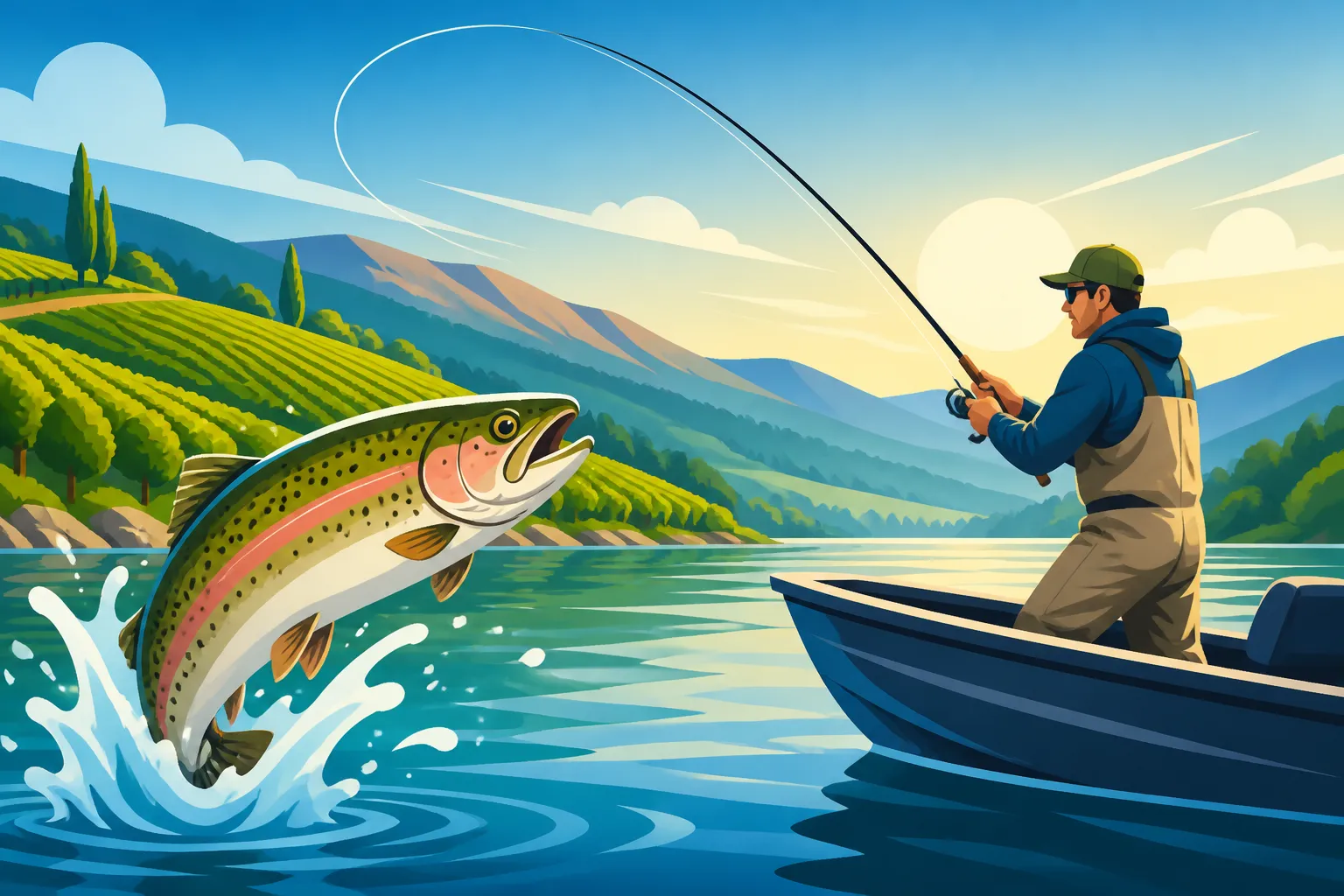
Okanagan Valley Fishing Guide
Trying to figure out where to even begin fishing in British Columbia's vast Okanagan Valley can feel like staring at a massive menu in a five-star restaurant – exciting, but utterly overwhelming. With shimmering lakes, winding rivers, and countless hidden gems, it’s tough to know which waters hold the best opportunities for that dream catch. This comprehensive guide is here to cut through the confusion, offering a realistic, in-depth look at what to expect, where to go, and how to successfully fish this incredible region.
Understanding the Okanagan Valley's Unique Fisheries
The Okanagan Valley isn't just one fishing destination; it's a diverse collection of ecosystems, each with its own character and opportunities. From the deep, cool waters of Okanagan Lake to the shallower, warmer expanses further south, the type of fish you'll encounter and the best methods to catch them can vary dramatically. It's this very diversity that makes the region so captivating, but also a bit of a puzzle for newcomers and even seasoned anglers looking to explore beyond their usual haunts.
Geographic Features Shaping Fishing Opportunities
The valley itself is a geological marvel, carved by glaciers and fed by a series of interconnecting lakes and rivers. This unique geography dictates everything from water temperature and depth to the presence of specific forage species, directly influencing fish populations. You'll find long, narrow lakes like Okanagan Lake, formed in deep glacial troughs, offering vast expanses for trolling and deep-water jigging. Then there are the shallower, often warmer lakes further south, such as Osoyoos Lake, which are more conducive to bass and carp, alongside trout and kokanee. The Okanagan River acts as a crucial link, allowing fish migration and creating its own distinct riverine fishing opportunities. Understanding these fundamental geographic differences is the first step in unlocking the valley's fishing potential.
The diverse topography, from arid hillsides to lush vineyards, also impacts the types of insect hatches and aquatic vegetation present. These, in turn, form the base of the food chain, attracting different species of fish to various parts of the lakes and rivers. For example, areas with dense weed beds might hold largemouth bass, while rocky drop-offs could be prime for lake trout or burbot. Paying attention to the shoreline and surrounding landscape can give you valuable clues about what lies beneath the surface and where fish might be holding. It's truly a region where the land directly informs the water.
Primary Fish Species You'll Encounter
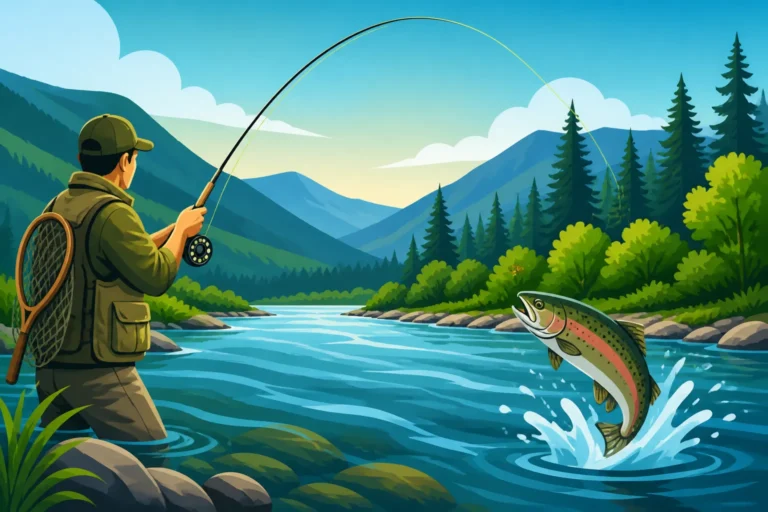
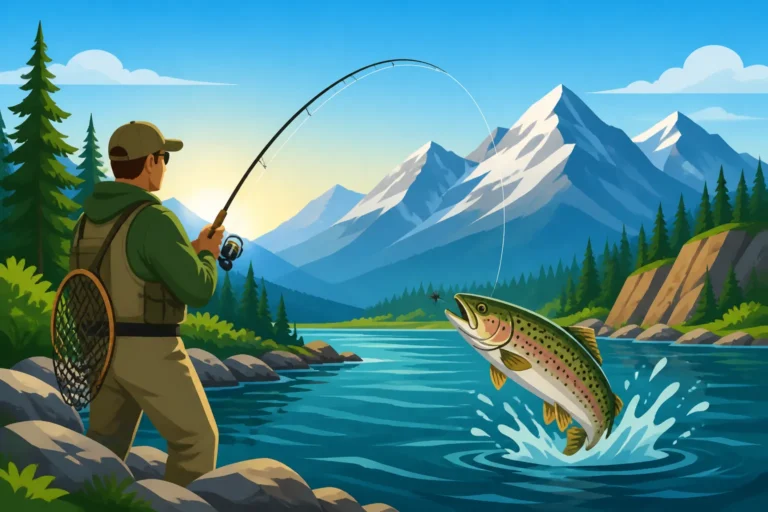
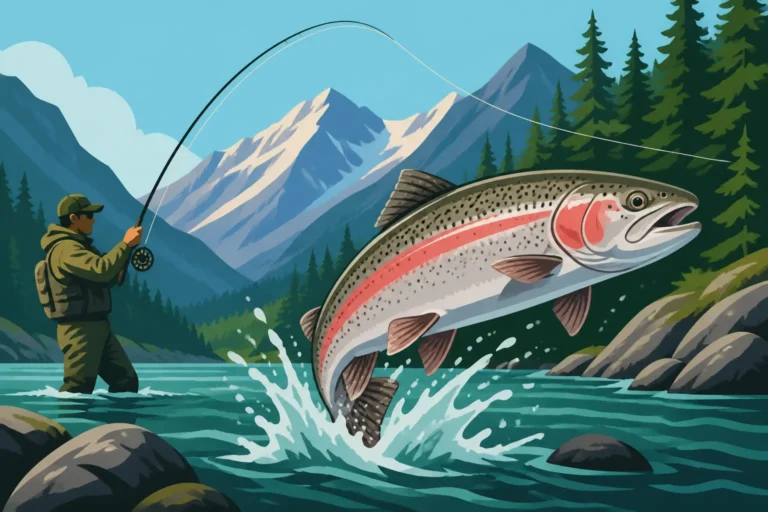
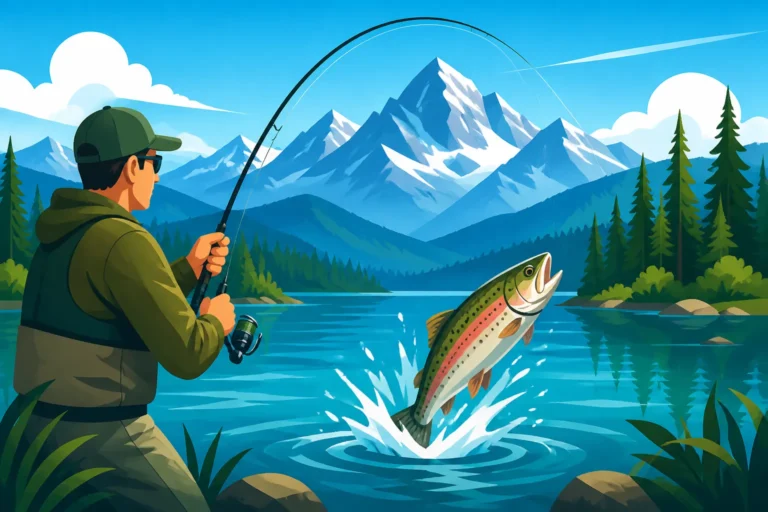
When you talk about fishing in the Okanagan, a few key species immediately come to mind. Rainbow trout are arguably the superstars, ranging from smaller, feisty stocked fish in many lakes to the legendary Gerrard rainbow trout in Kootenay Lake (though Kootenay isn't technically in the Okanagan, its trout often influence angler expectations for large lake rainbows). Kokanee, the landlocked sockeye salmon, are incredibly popular, offering fast action and delicious table fare. You'll also find some impressive lake trout in the deeper lakes, offering a different kind of challenge.
Beyond these trout and salmonid species, the Okanagan also boasts a thriving warmwater fishery, particularly in its southern lakes. Largemouth and smallmouth bass provide exhilarating topwater action and strong fights. Less common but still present are burbot, often sought after for ice fishing, and various panfish. It's a spectrum that truly offers something for everyone, whether you're chasing the thrill of a jumping rainbow or the hard pull of a big bass. Be sure to check the specific regulations for each species and body of water, as catch limits and seasons can vary significantly.
Iconic Okanagan Lakes and Their Target Species
The Okanagan Valley is perhaps best known for its string of majestic lakes, each offering a unique angling experience. These aren't just pretty places to visit; they are vibrant ecosystems teeming with diverse fish populations. Knowing which lake to target for your desired species is key to a successful outing.
Okanagan Lake: Depths, Trout, and Kokanee
Okanagan Lake, the grand dame of the valley, stretches over 135 kilometers long and plunges to depths exceeding 230 meters. It's a truly massive body of water, famous for its trophy-sized rainbow trout and abundant kokanee. Anglers often spend days exploring its vastness, using various techniques to coax a bite. The sheer size of the lake means that fish populations can be spread out, requiring patience and a good understanding of fish habits.
For those targeting the famed rainbow trout, including potential "Kamloops trout" strains, early mornings and late evenings are often the most productive times. Trolling with spoons, plugs, or even bucktail flies behind a downrigger is a classic method, imitating the baitfish that these opportunistic predators feed on. If you're wondering how to Catch Rainbow Trout in BC Lakes, focusing on structure like underwater ledges, drop-offs, and points can be highly effective. Kokanee fishing here is also incredibly popular, especially during the summer months. These smaller, schooling salmonids provide consistent action, often biting on small trolled wedding bands, hootchies, or spoons, typically fished within the top 50 feet of the water column. Understanding the nuances of Okanagan Lake Kokanee Fishing can significantly increase your success.
Kalamalka and Skaha Lakes: Scenic Beauty and Productive Waters
Just south of Okanagan Lake, you'll find Kalamalka Lake, often called the "Lake of a Thousand Colours" due to its incredible turquoise and emerald hues. This lake is another fantastic spot for rainbow trout and kokanee, though generally not as deep as Okanagan Lake. The fishing here can be quite similar, with trolling being the predominant method for both species. Its stunning beauty makes any day on the water a memorable one, even if the fish aren't always cooperative.
Further south lies Skaha Lake, a narrower and somewhat shallower lake compared to its northern counterparts, but no less productive. Skaha is well-regarded for its rainbow trout and kokanee, offering consistent action. What sets Skaha apart is its growing reputation for smallmouth bass. Anglers targeting bass here will find success casting jigs, crankbaits, or soft plastics around rocky shorelines, docks, and submerged structures. The lake also has good populations of burbot, which are often caught through the ice in winter or by deep jigging in colder months. Both Kalamalka and Skaha provide excellent options for those seeking a slightly less overwhelming experience than the immense Okanagan Lake.
Osoyoos Lake: Warm Waters and Bass Action
At the very southern tip of the Okanagan Valley, straddling the U.S. border, lies Osoyoos Lake. This lake stands out due to its warmer water temperatures, particularly in summer, which makes it a prime habitat for warmwater species. While it still holds rainbow trout and kokanee, the real draw for many anglers here is the fantastic bass fishing. Osoyoos is arguably the best lake in the region for both largemouth and smallmouth bass.
Anglers targeting largemouth bass will have a blast flipping jigs into lily pads, working topwater frogs over weed beds, or casting spinnerbaits along the reedy shorelines. For smallmouth, look for rocky points, drop-offs, and hard bottom structures, where crankbaits, tubes, and Ned rigs can be highly effective. The warmer water also supports healthy populations of common carp, which offer a powerful fight for those who enjoy targeting these bottom feeders. If you're keen on exploring Osoyoos Lake Bass Fishing, the spring and fall are particularly productive, though summer evenings can also provide thrilling topwater action.
Best Rivers and Streams for Okanagan Anglers
While the large lakes often steal the spotlight, the Okanagan Valley's rivers and streams offer unique and often more intimate fishing experiences. These flowing waters are vital arteries connecting the lakes and providing critical spawning and rearing habitats for various fish species.
The Okanagan River: Connecting Waters, Diverse Opportunities
The Okanagan River is the lifeblood of the valley, flowing south from Okanagan Lake, through Skaha Lake, and eventually into Osoyoos Lake before crossing the border. This river system creates a crucial migration corridor for many fish, and its various sections offer distinct fishing opportunities. While much of the river is slow-moving and meandering, especially through populated areas, certain stretches can be quite productive.
Upstream sections, particularly below lake outlets, can be excellent for rainbow trout and occasionally kokanee, especially during spawning runs. Further downstream, warmer sections of the river hold smallmouth bass and carp, providing good action for shore anglers. Access can be a bit tricky in some areas due to private property, but public parks and designated fishing access points do exist. It’s always important to pay close attention to the BC Fishing Regulations Explained for specific river sections, as closures and gear restrictions can apply, particularly during sensitive spawning periods. Fly fishing is a popular method in the clearer, faster-flowing sections, targeting trout with nymph and dry fly patterns, while spin anglers can have success with small spoons and spinners.
Kettle River and Tributaries: Wild Trout Adventures
Further afield from the main Okanagan Valley, but still within the broader region's influence, lies the Kettle River system. This beautiful, meandering river flows through scenic valleys and offers a more wilderness-oriented fishing experience. The Kettle River and its various tributaries are renowned for their wild rainbow trout, and in some sections, even a chance at Westslope cutthroat trout. These rivers are often characterized by clear, cool water, making them ideal for fly fishing.
Anglers exploring the Kettle River system will find success drifting nymphs through deeper pools and runs, or casting dry flies during prolific insect hatches. Early summer and fall are often the best times to visit when water levels are stable, and insect activity is high. Access points are less frequent than on the main Okanagan lakes, often requiring a bit more driving on logging roads, but the reward is a chance at truly wild fish in a stunning natural setting. Always be prepared for varied conditions and carry appropriate gear for wading and hiking.
Smaller Streams and Stocked Ponds: Hidden Gems
Beyond the major rivers, the Okanagan Valley is dotted with numerous smaller creeks and streams that feed into the larger lakes. Many of these streams hold wild populations of smaller rainbow and brook trout, offering fantastic light-tackle and fly-fishing opportunities. These are often walk-and-wade fisheries, providing a more intimate connection with the natural environment. However, many of these smaller streams have strict seasonal closures to protect spawning fish, so consulting the current BC Fishing Season Dates and Closures is paramount.
Additionally, the Freshwater Fisheries Society of BC regularly stocks many smaller lakes and ponds throughout the region, creating accessible and family-friendly fishing spots. These stocked waters, often found near towns like Kelowna, Penticton, and Vernon, are perfect for beginners or those looking for a quick and reliable fishing fix. They are primarily stocked with catchable-sized rainbow trout, offering easy action for kids and adults alike. A simple worm and bobber setup or small spinner is often all you need. These are truly some of the Best Family-Friendly Fishing Spots in BC and are a great way to introduce new anglers to the sport without the complexities of larger, wilder waters.
Top Fishing Techniques for Okanagan Waters
The diverse range of fish species and water bodies in the Okanagan Valley means that a variety of fishing techniques are effective. From the methodical approach of trolling to the precision of fly fishing, adapting your strategy to the conditions and target species is key to success.
Trolling: The Go-To for Lake Anglers
Trolling is perhaps the most widely used and effective technique for fishing the larger Okanagan lakes, especially for rainbow trout, lake trout, and kokanee. This method involves dragging lures or bait behind a moving boat, allowing you to cover vast amounts of water and present your offering to fish holding at various depths. Downriggers are indispensable tools for serious Okanagan trollers, enabling precise depth control to target fish suspended in the water column.
When trolling for kokanee, smaller lures like wedding bands, hoochies, or small spoons in bright colours (pinks, oranges, and greens) are often tipped with a kernel of corn and fished behind a dodger or flasher. The best trolling speed for kokanee on Okanagan Lake is often slow and steady, allowing the attractant to do its work. For rainbow trout and lake trout, larger spoons (like Lyman plugs or Apex lures), bucktail flies, or plugs mimicking baitfish are effective. Varying your speed, changing lure colours, and experimenting with depths are all part of the trolling game. Don't be afraid to try different setups until you find what the fish are keying in on. Consider learning more about Trolling Techniques for BC Lake Trout to refine your approach for larger predators.
Fly Fishing: Artistry on the Water
For many, fly fishing represents the purest form of angling, and the Okanagan Valley offers ample opportunities for this artful pursuit. Whether you're casting dries to rising trout on a small stream or stripping streamers in a lake, the region caters to various fly-fishing styles. Lakes like Peter Hope Lake or smaller, less-pressured waters are excellent for stillwater fly fishing, where chironomid patterns, leeches, and scuds are highly effective, often fished under an indicator or with a full sink line.
On the river and stream front, the Kettle River system and various smaller creeks provide classic wade-and-cast scenarios. During spring and fall, nymphing with imitations of stoneflies, caddis, and mayflies can be incredibly productive. Summer evenings can bring exciting dry fly action, matching hatches of various aquatic insects. Even on the larger Okanagan River, certain stretches are conducive to fly fishing for trout and bass. Remember that lighter tackle and a stealthy approach are often rewarded in these more intimate settings.
Bait and Lure Casting: Versatility for Every Angler
For those who prefer a more direct approach or are fishing from shore, bait and lure casting remain highly effective throughout the Okanagan. PowerBait, worms, and corn are classic baits for stocked rainbow trout in smaller lakes and ponds, often fished on a simple bobber or bottom rig. In the larger lakes, drifting roe or cured bait can also attract larger trout.
For bass fishing, particularly in Osoyoos Lake, a wide array of lures comes into play. Spinnerbaits, crankbaits, jigs, and various soft plastics (worms, senkos, creature baits) are all highly effective. Anglers targeting smallmouth bass will often focus on rocky points and submerged timber with crankbaits or tube jigs, while largemouth bass are more likely to be found in weedy cover, hitting topwater frogs or Texas-rigged plastics. Understanding the Best Techniques for Bass in Okanagan Lakes will definitely up your game. Even for trout, casting and retrieving spoons or spinners from shore can yield excellent results, especially in areas with accessible drop-offs.
Seasonal Fishing Opportunities in the Okanagan
The Okanagan Valley offers year-round fishing, but the tactics, target species, and even accessible locations change dramatically with the seasons. Understanding these shifts is crucial for planning a successful trip.
Spring: Reawakening Waters and Hungry Trout
Spring in the Okanagan is a time of awakening for both nature and fish. As ice thaws and water temperatures begin to rise, fish become more active and start feeding aggressively after a long winter. This is a prime time for targeting rainbow trout in many of the region's lakes, especially those that were recently stocked. Shore anglers can find excellent success with bait, while boaters will start trolling the shallower depths.
The rivers also come alive in spring, though runoff from snowmelt can make some waters high and turbid, requiring careful attention to conditions. Once river levels stabilize and clear, trout fishing can be exceptional. For kokanee, the spring period sees them moving into shallower waters, making them accessible to trollers and even some shore anglers early in the season. It’s a fantastic time for both quantity and quality, as fish are often in peak condition before the summer heat.
Summer: Warm Water Action and Deep Trolling
Summer in the Okanagan brings glorious sunshine and warm temperatures, which means a shift in fishing strategies. While many trout species will move to deeper, cooler waters, the warmer lakes truly shine for bass fishing. Osoyoos Lake, Skaha Lake, and parts of the Okanagan River become hotspots for largemouth and smallmouth bass, offering exciting surface action in the mornings and evenings, and jigging in deeper cover during the heat of the day.
For trout and kokanee in the larger, deeper lakes like Okanagan Lake, summer means going deep. Downriggers are essential for targeting kokanee and rainbow trout that have retreated to cooler thermoclines. Early mornings and late evenings remain the most productive times, often before the full sun hits the water. Trolling speed might need to be adjusted, and often brighter, more active lures can trigger strikes. This season is also a great time to explore the higher-elevation lakes and streams, which remain cooler and offer excellent trout fishing.
Fall: Trophy Opportunities and Spawning Runs
Fall is often considered by many to be the absolute best time to fish the Okanagan Valley. As temperatures cool, the waters begin to turnover, and fish, especially trout and kokanee, become incredibly active, feeding heavily in preparation for winter and their spawning cycles. This is when some of the largest rainbow trout are caught, as they move into shallower water to feed or stage for spawning.
Kokanee runs, where these landlocked salmon migrate into tributary streams or congregate near lake shores to spawn, offer incredible action. While retention of spawning kokanee might be restricted, the sheer number of fish can provide an unforgettable experience for observation and targeting pre-spawn fish. Bass fishing also remains strong into the early fall, as they aggressively feed before the winter dormancy. The vibrant fall colours combined with active fish make this a truly magical time to be on the water.
Winter: Ice Fishing and Steelhead Pursuits
Even when the valley is blanketed in snow, fishing opportunities persist. Ice fishing becomes a popular pastime on many of the smaller, shallower lakes that freeze over reliably, such as Yellow Lake, Green Lake, or specific bays on larger lakes. Targeted species often include rainbow trout, kokanee, and sometimes burbot. Ice anglers use jigs, spoons, or small baited hooks, often fished near the bottom or suspended at various depths. Always exercise extreme caution when ice fishing, ensuring the ice is thick enough for safe travel.
While not strictly within the Okanagan, the early winter often sees the beginning of the steelhead runs in the Thompson River system, which is a major tributary of the Fraser River and within a reasonable driving distance for dedicated anglers. These incredible fish offer a challenging but highly rewarding experience. If you’re considering any winter fishing, checking current conditions and ice thickness is paramount, and ensure you have all the necessary warm gear.
Planning Your Okanagan Fishing Trip: Logistics and Regulations
A successful fishing trip to the Okanagan Valley goes beyond just knowing where the fish are. It involves understanding the necessary permits, local regulations, and practical considerations to ensure a smooth and enjoyable experience.
Licensing and Regulatory Essentials
First and foremost, anyone planning to fish in the Okanagan Valley needs a valid British Columbia fishing license. This applies to both freshwater and tidal waters, though the Okanagan is primarily a freshwater destination. There are different types of licenses for residents, non-residents of Canada, and non-residents of BC, with options for annual, multi-day, or single-day permits. You can purchase your license online through the BC government website or from various licensed vendors throughout the province. For full details, refer to the British Columbia Fishing License Guide for 2026.
Beyond the base license, certain species or locations may require additional stamps or permits, such as a BC Rainbow Trout Conservation Surcharge Stamp if you plan to retain specific trout species from classified waters. It is absolutely crucial to consult the annual Freshwater Fishing Regulations Synopsis, available online, for the specific Region (Okanagan is Region 8) you'll be fishing in. This document details bag limits, possession limits, gear restrictions, closures, and special regulations for individual lakes and rivers. Regulations can change seasonally and in-season, so always double-check the latest information before heading out.
Gear and Equipment Considerations
The type of gear you'll need will depend heavily on your target species and chosen technique. For lake trolling, a medium-action spinning or baitcasting rod paired with a line counter reel and 10-15 lb test line is standard. Don't forget those downriggers if you're serious about deep-water trolling. Fly anglers will want a 5- or 6-weight rod for general lake and stream trout fishing, with a variety of lines (floating, intermediate, full sink) to match conditions. Bass anglers will benefit from medium-heavy rods for casting heavier lures and battling feisty fish around cover.
Beyond the specific fishing tackle, consider other essentials:
- Safety Gear: Life jackets (mandatory for boats), first-aid kit, whistle, bailing device, and proper navigation tools are a must, especially on large lakes.
- Weather Protection: The Okanagan can have intense sun, so sunscreen, hats, and polarized sunglasses are important. Rain gear is always a good idea.
- Cooler and Ice: For keeping your catch fresh, if retention is permitted.
- Camera: To capture those memorable moments!
If you're unsure about what gear to bring or if you're looking for specialized equipment, many local tackle shops in towns like Kelowna, Vernon, and Penticton can provide excellent advice and rentals.
Hiring a Local Guide or Charter
For visitors or anglers new to the region, hiring a local fishing guide or charter can be an invaluable investment. These professionals possess intimate knowledge of the local waters, fish patterns, and effective techniques, significantly increasing your chances of success. They also typically provide all necessary gear, bait, and often handle the boat safety aspects.
Many guides specialize in particular species, whether it's trolling for kokanee, fly fishing for stream trout, or targeting bass on Osoyoos Lake. Companies like Rodney's REEL Outdoors or Go Fish BC are well-regarded options, and you can often find reputable local guides through platforms like FishingBooker. When choosing a guide, ask about their experience, what's included in the trip, and their approach to conservation. A good guide will not only put you on fish but also teach you valuable techniques and local insights. While fishing with a guide, you still need your own BC Fishing License Age Requirements.
| Lake/River | Primary Species | Best Time to Fish | Popular Techniques | Notes |
|---|---|---|---|---|
| Okanagan Lake | Rainbow Trout, Kokanee | Spring, Fall | Trolling (downriggers) | Deep, large lake; trophy trout potential. |
| Kalamalka Lake | Rainbow Trout, Kokanee | Spring, Fall | Trolling, Fly Fishing | "Lake of a Thousand Colours"; scenic. |
| Skaha Lake | Rainbow Trout, Kokanee, Smallmouth Bass | Spring, Summer, Fall | Trolling, Casting (bass) | Good smallmouth bass; good year-round action. |
| Osoyoos Lake | Largemouth Bass, Smallmouth Bass, Kokanee | Summer, Fall | Casting (bass), Trolling | Warmest lake; excellent bass fishery. |
| Okanagan River | Rainbow Trout, Smallmouth Bass, Carp | Spring, Fall | Fly Fishing, Casting | Connects lakes; varied access; check regulations carefully. |
| Kettle River | Wild Rainbow Trout, Cutthroat Trout | Summer, Fall | Fly Fishing (nymphing, dries) | More remote; wilderness experience; check access and regulations. |
Family-Friendly Fishing in the Okanagan Valley
The Okanagan Valley is not just a destination for serious anglers; it's a fantastic place to introduce the whole family to the joys of fishing. With easily accessible spots, stocked waters, and diverse species, there are plenty of opportunities for kids and beginners to experience the thrill of a bite.
Accessible Shores and Stocked Ponds
Many communities throughout the Okanagan have developed excellent public access points, fishing piers, and stocked ponds that are perfect for a family outing. These locations are often maintained by local municipalities or the Freshwater Fisheries Society of BC, ensuring good access and reliable fishing. For instance, Kinsmen Park in Peachland offers a great pier for Okanagan Lake access, and there are numerous smaller, often unnamed, stocked ponds near residential areas.
These ponds are regularly stocked with rainbow trout, which are typically eager to bite on simple setups like a bobber and a worm or PowerBait. This immediate success is crucial for keeping kids engaged and excited about fishing. Look for designated "family fishing waters" in the regulations synopsis, which often have more relaxed rules or specific programs aimed at youth. Some of these locations are truly the Best Family-Friendly Fishing Spots in BC and can create lasting memories for everyone involved.
Introduction to Boating and Simple Techniques
For families with access to a boat, even a small aluminum boat or a kayak, the possibilities expand greatly. Cruising the shallower bays of the larger lakes like Skaha or Kalamalka can provide excellent opportunities for trolling for kokanee or targeting panfish. Simple trolling rigs with small spoons or wedding bands are easy for kids to manage, and the consistent action of kokanee can keep excitement levels high.
Alternatively, anchoring in a calm bay and bottom fishing with worms for perch or smaller trout can be a relaxing and rewarding experience. This allows everyone to simply enjoy the scenery, pack a picnic, and wait for the fish to come to them. When on the water, always prioritize safety, ensuring everyone wears a properly fitted life jacket, especially children. Teaching kids the basics of casting, reeling, and responsible fish handling from an early age helps foster a lifelong love for the sport and respect for the environment.
Combining Fishing with Other Okanagan Activities
One of the great advantages of fishing in the Okanagan Valley is how easily it can be combined with other family-friendly activities. After a morning of fishing, you can visit one of the many fruit orchards for fresh produce, explore a local winery (for the adults, of course!), or simply relax on one of the valley's beautiful beaches. Many resorts and campgrounds cater to families, offering amenities that complement a fishing trip, such as boat rentals, swimming areas, and playgrounds.
Consider taking a break from fishing to go hiking or biking on the Okanagan Rail Trail, which offers stunning views of Kalamalka Lake. Or perhaps visit a local farmers market for some delicious provisions to enjoy by the lake. The blend of outdoor adventure, culinary delights, and diverse landscapes ensures that every member of the family finds something to love, making the Okanagan an ideal destination for a memorable family vacation that just happens to include some incredible fishing.
Conservation and Responsible Angling in the Okanagan Valley
Fishing in the Okanagan Valley is a privilege, and it comes with a responsibility to protect these precious resources for future generations. Practicing ethical angling and understanding local conservation efforts are not just recommendations; they are essential for maintaining the health of the fisheries.
Catch and Release Best Practices
Many of the Okanagan's fisheries, particularly those targeting large rainbow trout, lake trout, or white sturgeon (though sturgeon are primarily in the Fraser River, the principle applies to any sensitive species), emphasize catch and release. Even where retention is permitted, practicing selective harvesting – keeping smaller, healthier fish for consumption and releasing larger, older fish – contributes to a more robust fish population.
When practicing catch and release, handle fish gently and minimize their time out of water. Use barbless hooks to make unhooking easier and reduce injury. If possible, keep the fish in the water while removing the hook. Avoid touching the gills or squeezing the fish too hard, as this can damage internal organs or remove their protective slime layer. For larger fish, a landing net with a fine, knotless mesh can help support the fish's body. If the fish appears stressed, hold it gently in the water, facing into the current, until it regains strength and swims away on its own. These small actions make a huge difference in fish survival rates.
Protecting Sensitive Habitats and Species
The Okanagan Valley is home to several sensitive and endangered species, and their habitats need careful protection. For instance, specific sections of rivers and streams might have seasonal closures to protect spawning fish, such as kokanee or rainbow trout. Adhering to these closures is critical. Additionally, be mindful of where you wade, avoiding disturbance of spawning beds (redds) which appear as clean, gravelly depressions in stream bottoms.
Protecting riparian zones – the vegetation along stream and lake banks – is also important as these areas provide shade, stabilize banks, and filter runoff. Avoid trampling vegetation and always pack out everything you pack in, ensuring no litter is left behind. The BC Freshwater Salmon Retention Rules and other specific regulations for particular species are designed to protect vulnerable populations; understanding and following them is paramount. By being a responsible angler, you become a steward of these beautiful and vital ecosystems.
Supporting Local Conservation Efforts
Beyond individual actions, supporting local conservation initiatives is another way to ensure the long-term health of the Okanagan's fisheries. Organizations like the Freshwater Fisheries Society of BC play a crucial role in stocking lakes, conducting research, and educating the public. Your purchase of a fishing license directly contributes to these efforts.
Many local angling clubs and environmental groups in the Okanagan Valley are actively involved in habitat restoration projects, fish counting, and advocacy for sustainable fishing practices. Consider volunteering your time or donating to these organizations. Participating in local clean-up drives around fishing access points or joining educational workshops can deepen your connection to the region and empower you to be a more informed and effective advocate for its natural beauty. Every little bit helps ensure that the Okanagan Valley remains a world-class fishing destination for generations to come.
Disclaimer
The information provided in this guide is for general informational purposes only and is subject to change. Fishing regulations in British Columbia are complex and can change frequently, including in-season updates. Always consult the official Freshwater Fishing Regulations Synopsis for British Columbia and any current fishery notices before heading out on the water. It is the angler's responsibility to know and follow all applicable laws and regulations.