BC shellfish harvesting license rules
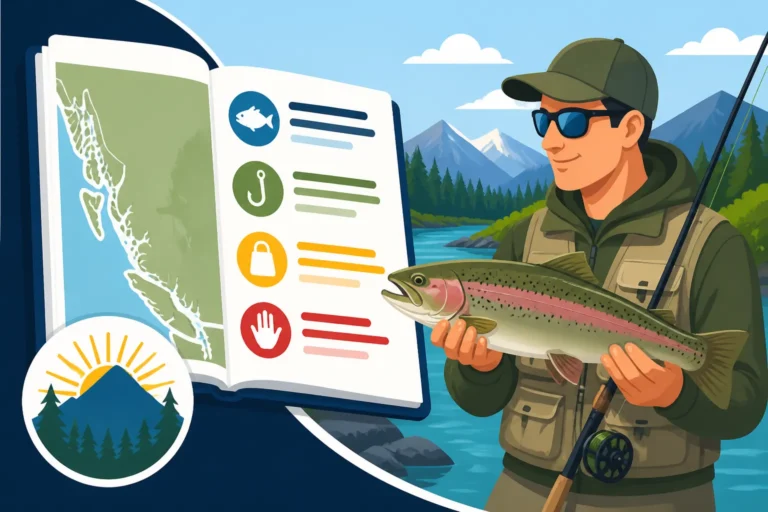
It’s a beautiful thing, isn’t it? Being out on the BC coast, the salty air filling your lungs, and the promise of a fresh, delicious seafood dinner on your mind. But before you grab that bucket and rake and head for the beach, there’s a crucial step many folks overlook or misunderstand: figuring out the BC shellfish harvesting license rules. It’s a common point of confusion, and frankly, nobody wants to accidentally break the law when all they wanted was some fresh Dungeness crab or a handful of oysters. This guide is here to clear up all that head-scratching and make sure your shellfish adventures are always legal and enjoyable.
Do You Need a Separate License for Shellfish in BC?
This is perhaps the most common question we hear from both seasoned anglers and newcomers to the BC coast. Many assume that if they have a freshwater fishing license, they’re good to go for everything. Others believe that if they’re just picking a few clams for personal consumption, it doesn't really count as "fishing." Let me tell you straight: these assumptions can lead to hefty fines and a lot of disappointment. The simple answer is yes, you absolutely need a specific license for harvesting shellfish in British Columbia's tidal waters.
The Essential Tidal Waters Sport Fishing Licence
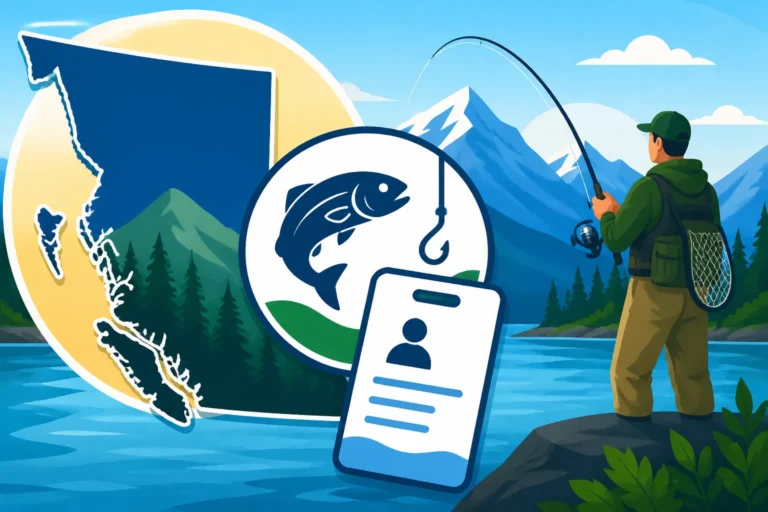
Unlike freshwater fishing, which has its own specific set of regulations and licenses, harvesting any kind of finfish or shellfish in BC’s ocean environments falls under a different umbrella. You need what’s officially called a Tidal Waters Sport Fishing Licence. This isn't just a suggestion; it's a mandatory requirement laid out by Fisheries and Oceans Canada (DFO). This license is your golden ticket to legally participate in recreational tidal water fishing, which includes crabs, prawns, clams, oysters, mussels, and many other marine species. Without it, even picking a single clam can be considered an illegal act.
Think of it this way: the ocean is a complex ecosystem, and the DFO manages its resources to ensure sustainability for generations to come. Your license fee contributes to these conservation efforts. It’s not just about catching; it’s about responsible harvesting. If you plan on doing any kind of recreational fishing in the salt chuck, this is the very first piece of paperwork you need to secure. It covers residents and non-residents alike, though the costs might differ. For a detailed breakdown, you might want to check out our guide on BC Freshwater vs Tidal Waters License, Explained.
When a Salmon Conservation Stamp is Also Needed (and When It's Not)
Here's another point of frequent misunderstanding that trips up many anglers: the Salmon Conservation Stamp. This stamp is an additional endorsement that often goes hand-in-hand with your Tidal Waters Sport Fishing Licence, but it has a very specific purpose. The Salmon Conservation Stamp is required only if you intend to retain any species of Pacific salmon (Chinook, Coho, Sockeye, Pink, or Chum).
So, for clarity: if your sole purpose is to harvest crabs, prawns, clams, or oysters, and you have no intention of targeting or retaining salmon, you do not need the Salmon Conservation Stamp. Your Tidal Waters Sport Fishing Licence is sufficient for most shellfish. However, if you're out there trolling for Chinook and then decide to drop a crab trap, you'd need both the base Tidal Waters licence and the Salmon Conservation Stamp if you successfully land a salmon. It's important to understand this distinction, as getting a stamp you don't need is a waste of money, and not having one when you do need it can lead to trouble. For more specifics on salmon-related rules, take a look at our article on the BC Tidal Waters Salmon Conservation Stamp Cost.
Understanding What Your License Covers and Other Key Regulations
Having the correct license is just the first step. The world of shellfish harvesting is rife with specific rules about what you can harvest, how you can harvest it, how much you can take, and where you can even put your gear. These regulations are designed to protect fragile populations and ensure fair access for everyone. Ignoring them, even unintentionally, can have serious consequences.
Crab and Prawn Harvesting: Gear, Limits, and Local Notices
Crab and prawn fishing are incredibly popular activities along the BC coast, and for good reason—they're delicious! However, they come with some of the most detailed regulations. Your Tidal Waters Sport Fishing Licence allows you to target these crustaceans, but you need to be acutely aware of species-specific rules.
- Gear Restrictions: For Dungeness crab, you're typically limited to specific trap designs and numbers of traps. For instance, using traps with escape rings for smaller crabs is usually mandatory. For prawns, specific trap types like prawn traps or ring nets are allowed, again with limits on the number you can deploy. It's worth noting that many anglers purchase their traps and gear online; you can find a wide variety of compliant crab traps and prawn traps on platforms like Amazon, ensuring you're ready before you even hit the water.
- Size and Bag Limits: This is where it gets critical. Both crab and prawn species have strict minimum size limits. For example, Dungeness crab must be a certain carapace width to be legally retained, and only males are generally allowed to be kept. Prawns have daily possession limits. You’ll definitely want a reliable shellfish gauge to accurately measure your catch right on the boat or beach. You can find excellent, durable options for a shellfish gauge on Amazon to ensure you're always compliant. These limits are not arbitrary; they protect breeding populations and ensure healthy stocks.
- In-Season Closures: Perhaps the most frequently changing regulations apply to crabs and prawns. Areas can close to harvesting suddenly due to conservation concerns, specific events, or even biological monitoring. Always check the DFO Fishery Notices immediately before you go out. We've got a detailed guide that covers BC Fishery Notices and In-Season Closures, Explained, which is invaluable for planning your trip. Failing to check these notices is a common mistake that lands people in hot water.
For comprehensive details on these specific crustacean rules, be sure to read our article dedicated to BC Crab and Prawn License Requirements for Anglers.
Clams, Oysters, Mussels, and Other Bivalves: Safety First!
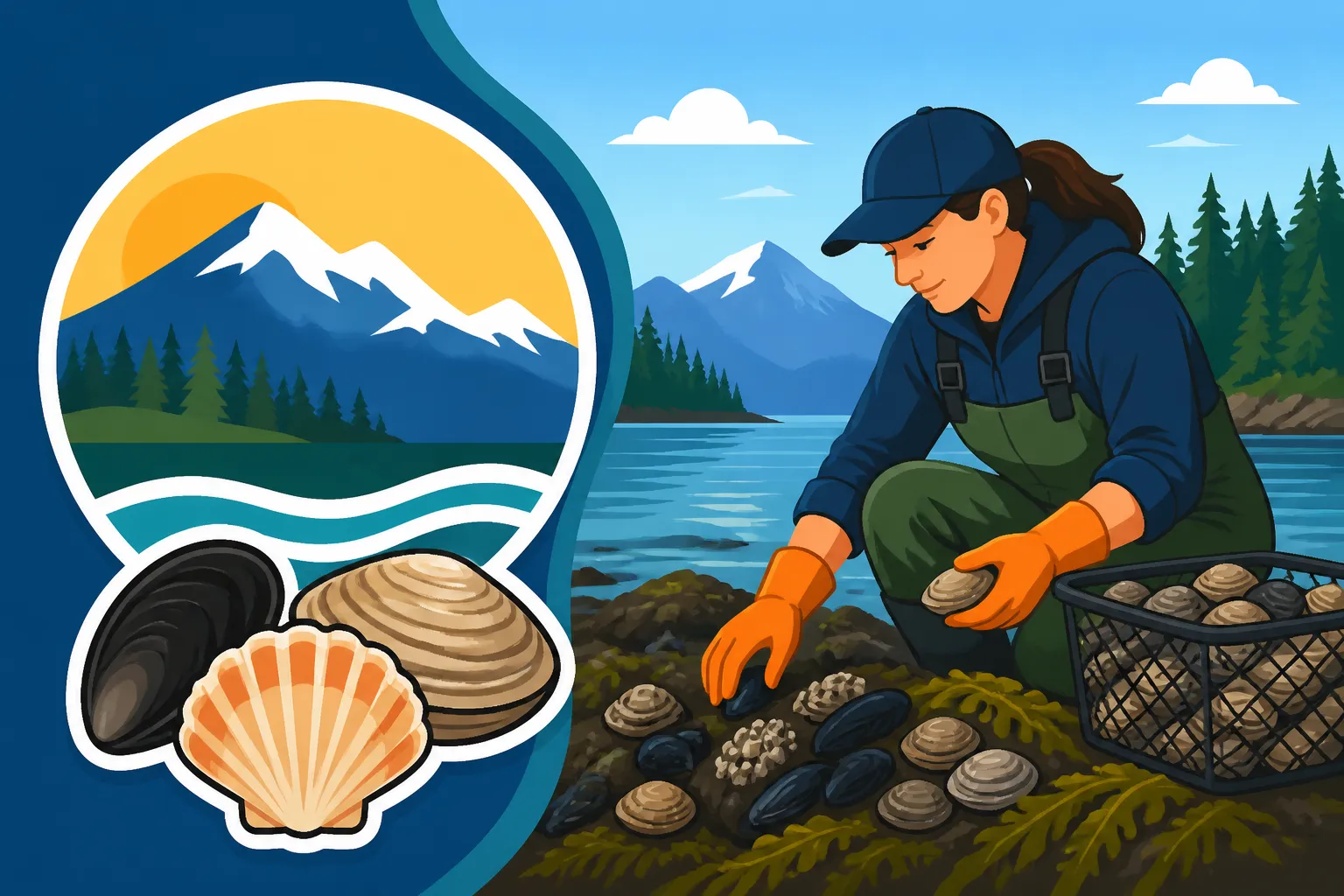
When it comes to bivalve shellfish like clams, oysters, and mussels, the license requirement (Tidal Waters Sport Fishing Licence) remains the same, but an entirely different layer of regulation and caution comes into play: public health and safety. These filter feeders can accumulate toxins from harmful algal blooms, leading to Paralytic Shellfish Poisoning (PSP), Amnesic Shellfish Poisoning (ASP), or other illnesses.
- Red Tide and Biotoxin Closures: This is paramount. Never, ever harvest bivalves without first checking the DFO's biotoxin advisories and closures. These are updated frequently and are critical for your health. A seemingly pristine beach can be contaminated, and the toxins are not destroyed by cooking. These closures are absolute and must be respected.
- Intertidal Zones and Habitat Protection: When harvesting clams or oysters from intertidal zones, remember that you are in a sensitive ecosystem. Be mindful of disturbing habitat, replacing rocks, and ensuring you're not trampling on fragile marine life. There are often specific rules about how you can dig for clams (e.g., using specific tools, refilling holes).
- Species-Specific Limits: Just like crabs and prawns, clams, oysters, and mussels will have daily bag and possession limits. These can vary by species, so knowing your butter clams from your Manila clams is important. Carrying a copy of the BC Freshwater Fishing Regulations Synopsis, or at least having digital access to it, is a smart move. Investing in a waterproof case for your regulations, perhaps one from Amazon, can save your printed copy from salty splashes.
Remember, the thrill of harvesting your own oysters is incredible, but your health is far more important than any meal. Always prioritize checking DFO's public health advisories.
Acquiring Your License and Staying Informed
Getting your Tidal Waters Sport Fishing Licence is thankfully a straightforward process, designed to be accessible to everyone who wants to participate legally and responsibly.
Online Purchase and Authorized Vendors
The most convenient way to obtain your BC Tidal Waters Sport Fishing Licence is online. The DFO’s National Recreational Licensing System allows you to purchase and print your license from the comfort of your home, any time of day. This is a huge convenience, especially if you decide on a last-minute fishing trip. The process is user-friendly and usually takes only a few minutes. You'll need some basic personal information, and you can pay with a credit card.
Once purchased online, you typically print your license yourself. Make sure to print it on durable paper or keep a clear digital copy on your phone or device. However, relying solely on your phone can be risky if you lose signal or run out of battery. It's always a good idea to have a physical copy.
If an online purchase isn't feasible, or you prefer face-to-face service, you can also acquire your license from a network of independent vendors across British Columbia. These are often tackle shops, sporting goods stores, or even some general stores in coastal communities. They can assist you with the purchase, answer questions, and often have local knowledge about conditions. To find a vendor near you, check the DFO website for an updated list. Having multiple ways to get your license makes it easy, so there's truly no excuse for not having one! Our comprehensive guide on Where and How to Buy a BC Fishing License covers these options in detail.
Navigating Fishery Notices and Staying Legal
Beyond the annual license, staying informed about current regulations is a continuous responsibility for every shellfish harvester. Fishery Notices are the official way the DFO communicates in-season changes, closures, openings, and restrictions. These notices are dynamic and can change daily, especially for species like crab and prawn, or due to environmental factors like red tide for bivalves.
- How to Access Notices: The DFO website is your primary source. You can subscribe to email alerts for specific regions, which is highly recommended. Many local tackle shops and marinas also post important notices. Before every outing, make it a habit to check the latest Fishery Notices for the specific area you plan to harvest. This is not just a suggestion; it's a critical safety and legal requirement.
- Understanding the Language: Fishery Notices can sometimes seem a bit technical, but they are crucial. Take the time to understand terms like "Area closures," "Gear restrictions," "Daily limits," and "Possession limits." If something is unclear, don't guess. Contact your local DFO office for clarification. It's much better to ask a question than to face a penalty.
- The Big Picture: Remember that all these rules, from license requirements to specific gear types, are about more than just bureaucracy. They're about ensuring the health of BC's incredible marine ecosystems and the longevity of its recreational fisheries. Being a responsible harvester contributes to this legacy. For example, knowing the proper catch and release techniques for by-catch or how to handle sensitive species helps everyone. You can find essential tips on a range of species, like Sturgeon Catch and Release Survival Tips or even general BC Fishing Regulations Explained in our other resources.
Always carry your license with you when harvesting, either physically or digitally. And for those moments when you've had a successful day and are ready to process your catch, remember that specialized tools like oyster shuckers or crab crackers are readily available, often with convenient shipping, on Amazon.
| Shellfish Type | Required License | Key Regulations to Check | Common Gear |
|---|---|---|---|
| Crab | Tidal Waters Sport Fishing Licence | Size limits (males only), daily limits, trap type, area closures | Crab traps, bait holders, gauge |
| Prawn | Tidal Waters Sport Fishing Licence | Daily limits, trap type, area closures | Prawn traps, bait, float/line |
| Clams | Tidal Waters Sport Fishing Licence | Bag limits, digging method, biotoxin closures, area closures | Shovel/rake, bucket, mesh bag |
| Oysters | Tidal Waters Sport Fishing Licence | Bag limits, collection method, biotoxin closures, area closures | Shucking knife, bucket, gloves |
| Mussels | Tidal Waters Sport Fishing Licence | Bag limits, collection method, biotoxin closures, area closures | Bucket, scraping tool, gloves |
Disclaimer
Please remember that fishing regulations, including those for shellfish harvesting, can change frequently. While this guide aims to provide accurate and up-to-date information, it is always your responsibility to consult the official Fisheries and Oceans Canada (DFO) website and their most current Fishery Notices before engaging in any harvesting activity in British Columbia. This content is for informational purposes only and does not constitute legal advice.